
You want to stand at the foot of Annapurna I. The real question is which side you want to meet it from.
Two of Nepal’s most-talked-about routes get you there: the Annapurna Base Camp trek and the North ABC trek.
They sound like cousins, but they feel completely different on the trail. One is a lively, teahouse-lined walk into a bowl of giant peaks.
The other is a quieter, tougher journey to the mountain’s northern side. Here is how they compare, so you can pick the one that fits you.
Both routes ultimately bring you closer to Annapurna I, but they approach the massif from very different directions. Whatever trekking experience or adventure you’re after, there’s a route for it. Let’s focus on these two.
North ABC vs ABC at a Glance
| Classic ABC (South) | North ABC | |
|---|---|---|
| Base camp elevation | 4,130 m | 4,190 m |
| Typical duration | 7–12 days | 10–14 days |
| Difficulty | Moderate | Challenging |
| Crowds | Busy, especially in peak season | Quiet and remote |
| Accommodation | Teahouses throughout | Camping or basic accommodation |
| Approach | Pokhara side, through Gurung and Magar villages | From the north, away from the main trails |
| Best for | First-timers, mixed-fitness groups | Experienced trekkers, solitude seekers |
| Best seasons | Mar–May, Sep–Nov | Mar–May, Sep–Nov |
Choose Classic ABC if you want: easier logistics, teahouses, established trails, villages and a more social trekking experience.
Choose North ABC if you want: a quieter route, greater remoteness and a more demanding adventure, and you’re comfortable with more basic logistics.
Classic ABC Trek
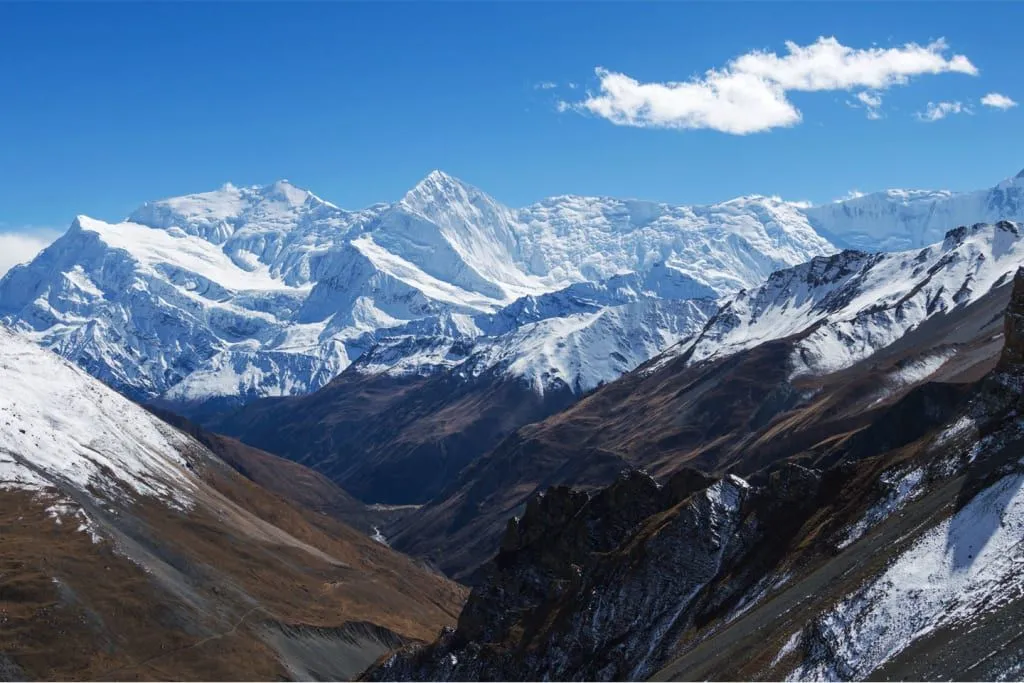
The Classic ABC trek is popular for good reason. You start in warm, terraced farmland and slowly climb through forests of rhododendron and oak into the high Himalaya.
The finish is the Annapurna Sanctuary, a basin of snow peaks that seems to close in around you.
- Culture along the way: You walk through Gurung and Magar villages like Ghandruk, where stone houses, prayer flags and warm teahouse hosts make the trail feel like visiting people, not just passing through.
- Changing landscapes: Almost every day looks different from the one before, from green hills to forest to the cold, open alpine zone near the top.
- Sunrise at Poon Hill: Some ABC itineraries add Poon Hill, giving you an extra sunrise viewpoint over the Annapurna and Dhaulagiri ranges.
North ABC Trek
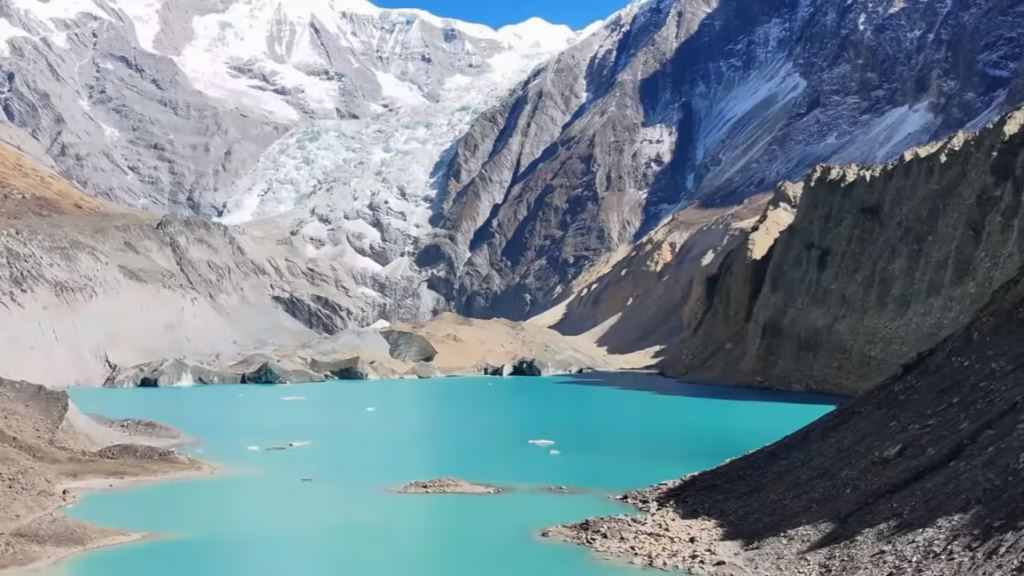
If the classic route is a lively gathering, the North ABC trek is a quiet conversation with the mountains.
The North ABC route follows the historic Maurice Herzog Trail toward the northern side of Annapurna I, with steeper climbs and rougher terrain.
- Away from the crowds: You’ll see far fewer trekkers, so the silence and the sense of space are a big part of the experience.
- A different face of Annapurna: The northern approach shows the Annapurna range from a side most trekkers never see. It’s a rewarding route for photographers and anyone who loves raw, untouched scenery.
- A real challenge: The ascents are steeper and the terrain is more demanding, so this one asks for stamina, experience and good acclimatization. The sense of achievement at the end is correspondingly greater.
North ABC vs ABC: Trek Comparison
The table gave you the quick answer. Here is what each difference means on the trail.
Difficulty and Fitness
The Classic ABC trek is moderately challenging.
If you have a reasonable level of fitness and can walk for several hours a day, you can do it. Clear trails, regular teahouses, and plenty of guides and porters keep it approachable for first-timers.
North ABC is a step up. The trails are steeper and rougher, the altitude gain is significant, and there are fewer places to stop and recover.
It is better suited to trekkers with previous multi-day hiking experience, strong fitness, and a willingness to follow a careful acclimatisation plan.
Crowds vs Solitude
On the Classic ABC route you’ll share the trail with trekkers from all over the world. Some people love this. You swap stories over dinner, make friends, and the trek feels like a community.
North ABC is the opposite. You might walk for hours without seeing anyone, which makes it the better pick if you want quiet and space to think.
Views and Scenery
The Classic ABC trek is known for its sanctuary, a high basin where the Annapurna peaks stand all around you, and for the Poon Hill sunrise. It’s the postcard Himalayan view.
North ABC shows you a wilder, more rugged side of the same massif, with different angles on the Annapurna range and far fewer people in your photos.
Accommodation and Facilities
Classic ABC has teahouses almost the whole way, so you get a bed, a hot meal and often a warm common room at the end of each day. That’s a big reason it works well for first-timers.
North ABC itineraries are generally more remote and may involve camping or more basic accommodation, depending on the route and operator. Expect a more basic setup and a more self-contained trek, which is another reason to go with a guide.
Duration and Itinerary
Classic ABC usually takes 7–12 days, depending on your pace and whether you add Poon Hill. That makes it easier to fit into a tight schedule.
North ABC itineraries commonly take longer than the classic ABC route, often around 10–14 days depending on the approach and acclimatization plan.
Cost and Logistics
North ABC can cost more than Classic ABC because of its remote setting and, depending on the itinerary, camping, porters, equipment and transportation.
Both routes require an Annapurna Conservation Area Permit (ACAP), while TIMS requirements for North ABC can vary by route and current regulations. We can help arrange the required permits and logistics for your trek.
Best Season
Both treks are at their best in autumn (September to November) and spring (March to May), when skies are clear and the weather is stable. Here is more on the best time to do the Annapurna Base Camp trek.
If you’re curious about the quieter months, see the Annapurna Base Camp trek in winter.
Which Trek Should You Choose?

Choose the Classic ABC Trek if you…
- Are trekking for the first time, or want a well-supported route
- Like comfortable teahouses, marked trails, and company on the trail
- Have around a week to ten days and moderate fitness
- Want to see Poon Hill and the Gurung and Magar villages
Choose the North ABC Trek if you…
- Have trekked before and want a bigger challenge
- Would rather have solitude than a social trail
- Are comfortable with camping and a more basic setup
- Have 10–14 days and good fitness and acclimatization
Not sure which one is you? Be honest about your fitness, your time, and how you feel about crowds, and the answer is usually clear.
Preparation Tips for Both Treks
Good preparation makes either trek far more enjoyable.
- Training: Build a routine with cardio, strength, and flexibility. Hiking with a loaded backpack is the best practice for the real thing, and North ABC especially rewards extra stamina work.
- Gear: Invest in broken-in trekking boots and warm layers, because temperatures swing a lot between valley and high camp. Good gear really does affect your comfort and safety.
- Permits: Carry the permits required for your specific route. We can help arrange the necessary permits and paperwork before your trek.
Final Thoughts on North ABC vs ABC Trek
There’s no wrong choice here, only the one that suits you better. The Classic ABC trek is the warm, social route through villages, forests and a sanctuary of peaks. North ABC is quieter, tougher and wilder.
If you’re still weighing it up, the Annapurna Circuit trek is another option worth a look.
If you’d like help deciding, talk to our team. We’ll look at your fitness, schedule, and style and suggest the best fit.
FAQ’s
-
Which is better, ABC or North ABC?
Neither is “better”. It depends on what you want. ABC is easier, more social and more comfortable, with teahouses along the way. North ABC is tougher, quieter and more remote, and it involves camping. Pick the one that matches your experience and your idea of a good trek.
-
Is North ABC the same as ABC?
No. They’re two different treks that approach Annapurna I from different sides. ABC is the well-known southern route with teahouses, while North ABC is a less-travelled, more demanding route that approaches from the north and is mostly camping-based.
-
Is the North ABC trek difficult?
Yes, it’s challenging. The terrain is steep and remote, and the altitude gain is significant. It suits people with some trekking experience and good health, and it needs careful planning and acclimatisation. Going with a guide is strongly recommended.
-
What is the elevation of North ABC?
North ABC sits at 4,190 m above sea level. Classic ABC is slightly lower, at 4,130 m.
-
How many days do North ABC and ABC take?
Classic ABC usually takes 7–12 days. North ABC usually takes 10–14 days.
-
Which month is best for the ABC trek?
September to November (autumn) and March to May (spring) are the best months to trek to Annapurna Base Camp.
-
Do I need permits for these treks?
Yes. Both routes require an Annapurna Conservation Area Permit (ACAP). TIMS requirements depend on the specific route and current regulations, so check with your trekking agency before departure.
-
Which trek is better for first-timers?
The Classic ABC trek. It has clear trails, regular teahouses and plenty of other trekkers, which makes it a much gentler introduction to Himalayan trekking.
Check out the best treks in Nepal for more ideas.
Leave a Reply