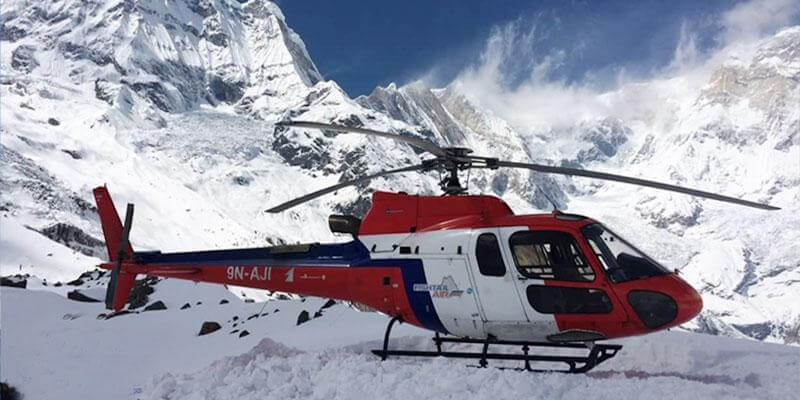
Imagine sipping coffee in Pokhara at sunrise, then standing inside the towering Annapurna Sanctuary- less than an hour after takeoff, you’ll be standing at Annapurna Base Camp, surrounded by some of the highest mountains on Earth, including Annapurna I (8,091 m). That is exactly what the Annapurna Base Camp helicopter tour delivers. It compresses a week-long trek into a single unforgettable morning.
But before you book, the biggest question is always the same: how much does it actually cost in 2026, and what do you get for the price?
After years of arranging these flights for travellers of every kind, we at Hi Nepal Travels and Treks have put together this honest, detailed breakdown. You will find real price ranges, package comparisons, seasonal advice, and the practical tips most websites leave out.
Quick Answer: Annapurna Base Camp Helicopter Tour Cost in 2026
Here is the short version for anyone in a hurry.
- Sharing tour (per person, from Pokhara): approximately USD 450–600
- Private charter (whole helicopter, from Pokhara): approximately USD 2,000–2,600 for up to 4–5 passengers
- From Kathmandu (private): approximately USD 3,500–4,500
These are indicative 2026 ranges. Actual prices shift with fuel costs, season, group size, and operator. Always request a written quote before paying.
What Is the Annapurna Base Camp Helicopter Tour?
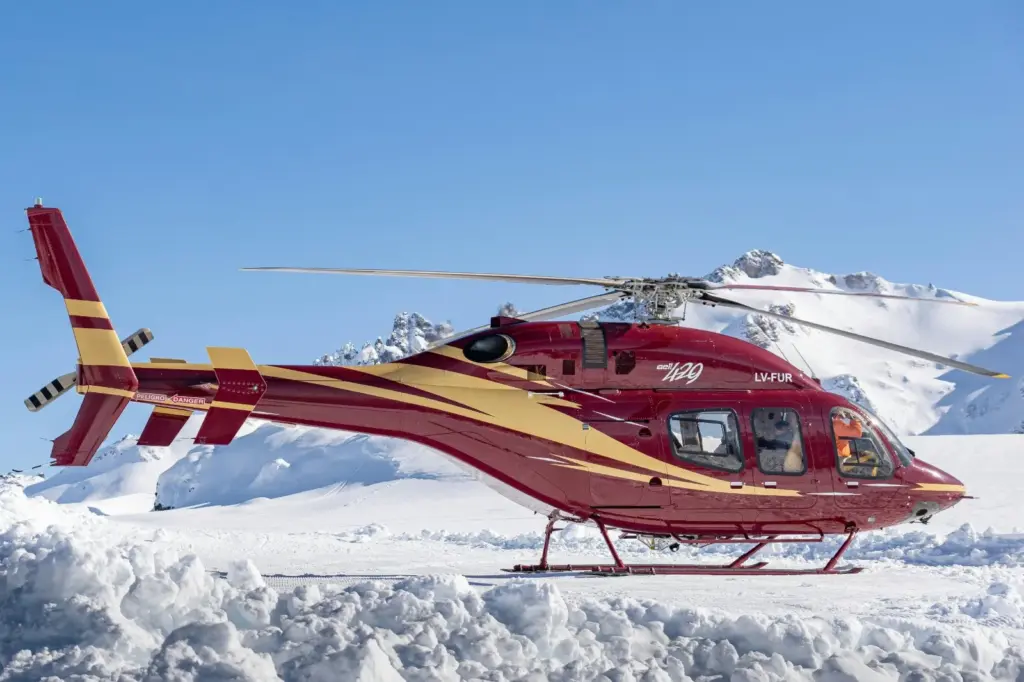
The Annapurna Base Camp (ABC) helicopter tour is a scenic mountain flight that takes you deep into the Annapurna Sanctuary and, in most cases, lands briefly at or near base camp itself at around 4,130 metres.
Instead of walking 7 to 12 days, you fly over lush valleys, terraced hills, and glaciers, then step out into a natural amphitheatre ringed by peaks like Annapurna I (8,091 m), Machhapuchhre (Fishtail), Hiunchuli, and Gangapurna.
It is ideal for travellers who are short on time, have limited fitness, or simply want a comfortable, high-impact mountain experience. Families, couples, older travellers, and luxury visitors love it. If you would rather earn the view on foot, compare it with the classic Annapurna Base Camp trek cost guide first.
Annapurna Base Camp Helicopter Tour Cost Breakdown 2026
Let’s look at pricing in more detail, because “how much” depends heavily on how you fly.
| Tour Type | Departure Point | Approx. 2026 Cost | Best For |
|---|---|---|---|
| Sharing (Per Person) | Pokhara | USD 450–600 | Solo travellers, couples, and budget-minded flyers |
| Private Charter | Pokhara | USD 2,000–2,600 (up to 4–5 people) | Families, private groups, and travellers wanting flexible timing |
| Sharing (Per Person) | Kathmandu | USD 900–1,100 | Travellers staying only in Kathmandu |
| Private Charter | Kathmandu | USD 3,500–4,500 | Groups looking for a full-day helicopter experience |
Pro Tip: Flying from Pokhara is almost always cheaper and faster than flying from Kathmandu, because Pokhara sits much closer to the Annapurna range. If your schedule allows, base yourself in Pokhara for the flight.
Why Sharing Tours Are So Popular
In a sharing tour, the helicopter is filled with individual passengers (usually up to 4–5) who split the cost. This dramatically lowers the price per head, often to a third of a private charter.
The trade-off is flexibility. You fly on the operator’s schedule, and the trip only runs if enough passengers book for that date. Weight limits also mean seat assignments and landing rotations are managed by the pilot.
Why Choose a Private Charter
A private charter gives you the entire helicopter. You control the departure time, you are not waiting on strangers, and the experience feels far more exclusive.
For a family of four or a group of friends, a private charter from Pokhara can actually work out similar per-person to a sharing flight, while offering more comfort and photo time. It is the top choice for luxury travellers and honeymooners.
What’s Included in the Helicopter Tour Price?
A trustworthy operator should clearly state what your package covers. Typically included:
- Round-trip helicopter flight (Pokhara or Kathmandu to ABC and back)
- Experienced high-altitude pilot
- Landing at or near Annapurna Base Camp (weather permitting)
- Airport transfers on the flight day (varies by operator)
- ACAP permit and any required government fee.
- Government taxes and service charges
Often NOT included:
- Hotel accommodation before or after the flight
- Travel insurance covering helicopter evacuation and high altitude
- Personal expenses, tips, and meals beyond any breakfast stop
- Extra charges if you exceed the standard baggage or weight limit
Important Note: Always ask whether the ACAP fee is included. Rules and fees are set by authorities and can change, so read our ACAP permit cost guide to understand what applies.
Weight Restrictions and Luggage Allowance
Helicopter flights to Annapurna Base Camp operate under strict weight limitations due to the high-altitude environment. Most operators request each passenger’s weight in advance to ensure safe flight planning and proper seating arrangements.
Passengers are generally advised to carry only a small daypack, as baggage allowances are limited. Heavy luggage can affect aircraft performance and may need to be left at your hotel or the operator’s office. If travelling with professional camera equipment or other bulky items, inform your operator before departure so suitable arrangements can be made.
Factors That Affect the Cost
Prices are not fixed. Here are the main things that move them up or down:
- Departure city. Pokhara is cheaper than Kathmandu.
- Season. Peak months (Oct–Nov, Mar–May) see higher demand and prices.
- Fuel prices. Aviation fuel directly affects charter rates.
- Group size. Sharing splits cost; small groups pay more per head for private flights.
- Weight. High altitude limits payload, which can affect passenger numbers.
- Operator quality. Established companies with strong safety records may charge slightly more, and it is worth it.
Budget Tip: Book a sharing flight during the shoulder season and depart from Pokhara for the lowest realistic price. Combine it with cheaper accommodation using our budget trekking tips to keep overall costs down.
Who Should Choose the Annapurna Base Camp Helicopter Tour?
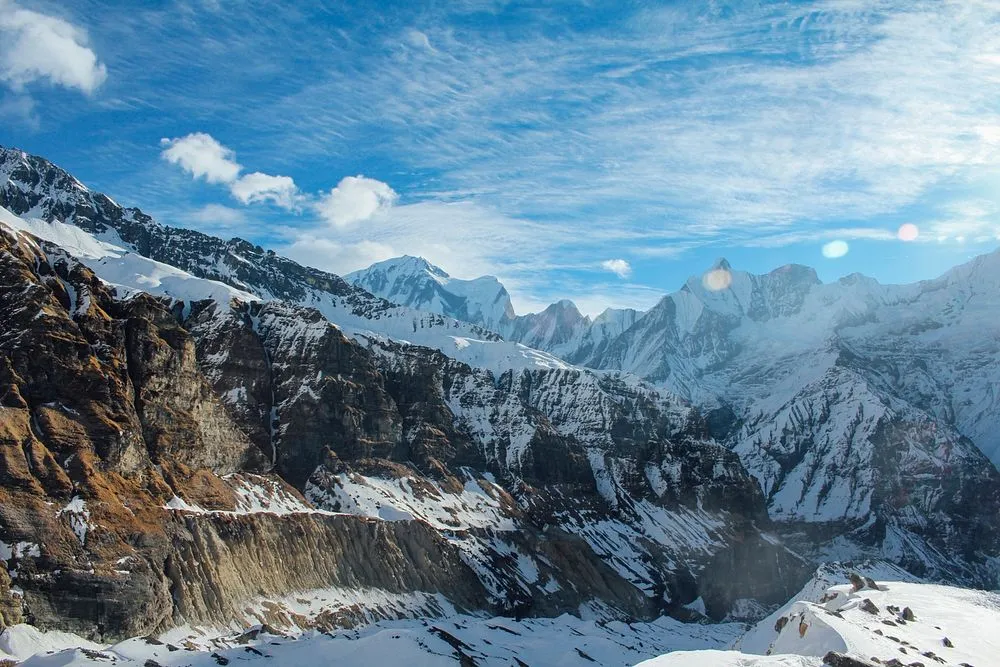
Not every traveller wants—or is able—to spend a week trekking through the Annapurna region. The Annapurna Base Camp helicopter tour offers an excellent alternative for visitors who want to experience the Himalayas in just a few hours.
This tour is particularly suitable for:
- Travellers with limited time who want to see the Himalayas without committing to a multi-day trek.
- Senior travellers looking for a comfortable way to experience Annapurna Base Camp.
- Families with children who may find high-altitude trekking physically demanding.
- Couples and honeymooners seeking a memorable mountain experience.
- Photographers and content creators who want breathtaking aerial views of the Annapurna Sanctuary.
- People recovering from injuries or with moderate fitness levels who cannot complete a week-long trek.
If you enjoy trekking and cultural experiences, the classic Annapurna Base Camp Trek may still be the better option. However, if your priority is seeing the mountains comfortably within a limited schedule, a helicopter tour is one of Nepal’s most rewarding experiences.
Annapurna Base Camp Helicopter Tour Itinerary
Here is a typical morning flight from Pokhara. Timings are approximate and depend on weather.
| Time | Activity |
|---|---|
| 6:00 AM | Hotel pickup in Pokhara and transfer to Pokhara Airport helipad for check-in. |
| 6:30 AM | Meet your pilot, attend a safety briefing, and prepare for boarding. |
| 6:45 AM | Take off and enjoy a breathtaking helicopter flight over the Annapurna foothills, lush valleys, and traditional mountain villages. |
| 7:15 AM | Land at or near Annapurna Base Camp (4,130 m / 13,550 ft), surrounded by towering Himalayan peaks. |
| 7:20–7:35 AM | Spend approximately 15 minutes taking photos, enjoying panoramic views of Annapurna I, Machapuchare, Hiunchuli, and surrounding mountains, and experiencing the high-altitude alpine environment. |
| 7:35 AM | Board the helicopter for the return flight. Depending on your package and weather conditions, enjoy an optional breakfast stop at a scenic mountain lodge. |
| 8:30–9:00 AM | Arrive back in Pokhara and transfer to your hotel, concluding your unforgettable Annapurna Base Camp Helicopter Tour. |
Did You Know? Some premium packages include a landing at a viewpoint lodge lower down (such as around Machhapuchhre Base Camp or a hillside restaurant) for a mountain breakfast. This helps your body adjust and gives you more relaxed photo time.
Best Time for the Annapurna Base Camp Helicopter Tour
Weather is everything on a mountain flight. Clear skies mean spectacular views; clouds mean delays or cancellations.
| Season | Months | Conditions | Recommendation |
|---|---|---|---|
| Autumn | Sep–Nov | Clear skies, stable weather, best views | Best overall |
| Spring | Mar–May | Warm, blooming rhododendrons, good visibility | Excellent |
| Winter | Dec–Feb | Crisp, sharp views but cold; some snow delays | Good on clear days |
| Monsoon | Jun–Aug | Cloudy, rainy, frequent cancellations | Not recommended |
Expert Advice: Book the earliest morning slot. In the Annapurna region, clouds usually build up by late morning, so early flights have the highest success rate. If you’re deciding on timing, our Best Time to Visit Annapurna Base Camp Guide is a useful read.
Weather Delays, Cancellations & Refund Policy
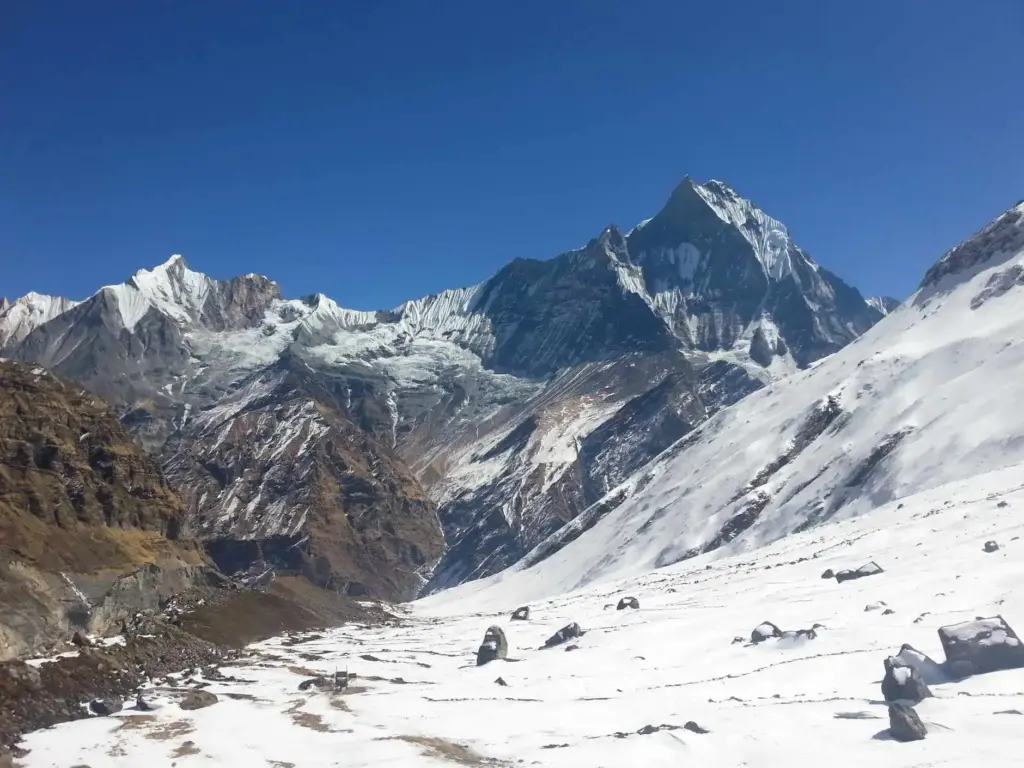
Mountain weather in Nepal changes quickly, and helicopter flights operate only when conditions are safe. Even during the best trekking seasons, morning fog, strong winds, or cloud cover can delay or cancel departures.
If your flight cannot operate due to weather:
- Most reputable operators will reschedule your flight to the next available weather window.
- If rescheduling is not possible, refunds are generally provided according to the company’s cancellation policy.
- Flights are never guaranteed because pilot safety decisions always take priority over schedules.
For this reason, we strongly recommend keeping at least one extra day in your Nepal itinerary. A buffer day greatly increases your chances of completing the flight without affecting your onward travel plans.
Helicopter Tour vs Trekking to Annapurna Base Camp
Not sure whether to fly or walk? Here is an honest comparison.
| Factor | Helicopter Tour | Trekking |
|---|---|---|
| Duration | 2.5–5 hours total | 7–12 days |
| Fitness needed | Minimal | Moderate to good |
| Cost | Higher per hour | Lower per day, more days |
| Altitude adjustment | Sudden (short exposure) | Gradual and safer |
| Cultural experience | Limited | Rich villages and teahouses |
| Best for | Short on time, comfort seekers | Adventure lovers, budget trekkers |
If you have the time and fitness, the trek is deeply rewarding, and our Annapurna vs Everest Base Camp comparison can help you plan. If time is tight, the helicopter is unbeatable. Many travellers even combine both: trek partway and fly out.
Altitude and Safety: What You Must Know
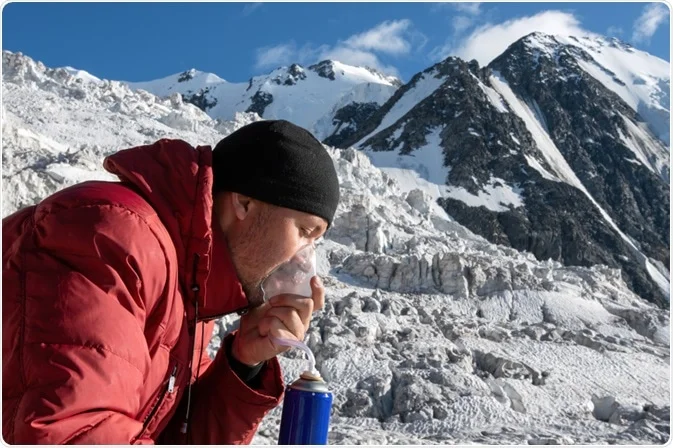
Even though the flight is short, you go from around 800 metres in Pokhara to 4,130 metres in minutes. That rapid gain can cause mild dizziness, headache, or shortness of breath.
This is why pilots keep landings short, usually 5–15 minutes. Your body barely has time to react before you descend again.
Safety Tips:
- Stay hydrated the day before and morning of your flight.
- Move slowly at base camp; don’t run around for photos.
- Tell your operator about any heart, lung, or altitude conditions.
- Skip alcohol the night before.
If you want to understand how altitude affects the body, read our guides on altitude sickness and the more serious conditions of HACE and HAPE. For medication questions, see our note on Diamox use while trekking and consult a doctor.
Warning: Never pressure a pilot to fly or land in poor weather. Mountain flying demands respect. A postponed flight is far better than an unsafe one.
How High Does the Helicopter Fly?
Many travellers wonder how high the helicopter actually flies during the Annapurna Base Camp tour.
Most flights cruise above the valleys before gradually ascending into the Annapurna Sanctuary. The helicopter lands at or near Annapurna Base Camp (4,130 metres / 13,550 feet), depending on weather conditions and operational requirements.
Because the air is significantly thinner at this altitude, helicopters normally remain on the ground for only 5 to 15 minutes. This short landing minimizes altitude-related discomfort while allowing passengers enough time to enjoy the panoramic views and take photographs.
Pilots continuously monitor weather conditions, aircraft performance, and passenger safety throughout the journey, making adjustments whenever necessary.
What to Wear and Pack
Base camp is cold even in autumn, especially in the early morning. Dress in layers you can remove after landing back in warm Pokhara.
Packing Tips:
- Warm jacket or down layer
- Hat, gloves, and sunglasses (glare off snow is intense)
- Sunscreen and lip balm
- Comfortable shoes with grip
- Camera or phone with a full battery (cold drains it fast)
- A light daypack — keep it minimal due to weight limits
For a full checklist you can adapt, see our trek packing list. You won’t need heavy gear, but warm layers matter.
How to Book the Annapurna Base Camp Helicopter Tour
Booking is straightforward when you follow these steps:
- Choose your departure city — Pokhara for value, Kathmandu for convenience.
- Decide sharing vs private based on your budget and group size.
- Pick a peak-season morning for the best weather odds.
- Confirm inclusions in writing — permits, transfers, taxes.
- Check the operator’s safety record and licensing.
- Keep a buffer day in case weather forces a delay.
At Hi Nepal Travels and Treks, our licensed team arranges the entire experience, from hotel pickup to a professional, high-altitude pilot, and clearly explains what is and isn’t included. We would rather set honest expectations than overpromise on weather nobody can control.
Travel Tip: If you’re combining this with other adventures, we can bundle it into a wider itinerary. See our sample 10-day adventure itinerary for ideas, or explore fun add-ons in things to do in Pokhara.
Why Annapurna Base Camp Helicopter Tour Prices Change Every Year?
Helicopter tour prices in Nepal are reviewed regularly and may vary from one season to another. While published rates provide a useful estimate, the final cost depends on several operational factors.
Some of the main reasons prices change include:
- Rising aviation fuel costs
- Seasonal demand during spring and autumn
- Aircraft maintenance and operating expenses
- Government taxes or permit updates
- Passenger numbers on shared flights
- Currency exchange rate fluctuations
For this reason, prices shown online should always be considered indicative. Before confirming your booking, request a written quotation that clearly lists all inclusions, taxes, and any additional charges.
Is the Annapurna Base Camp Helicopter Tour Worth It?
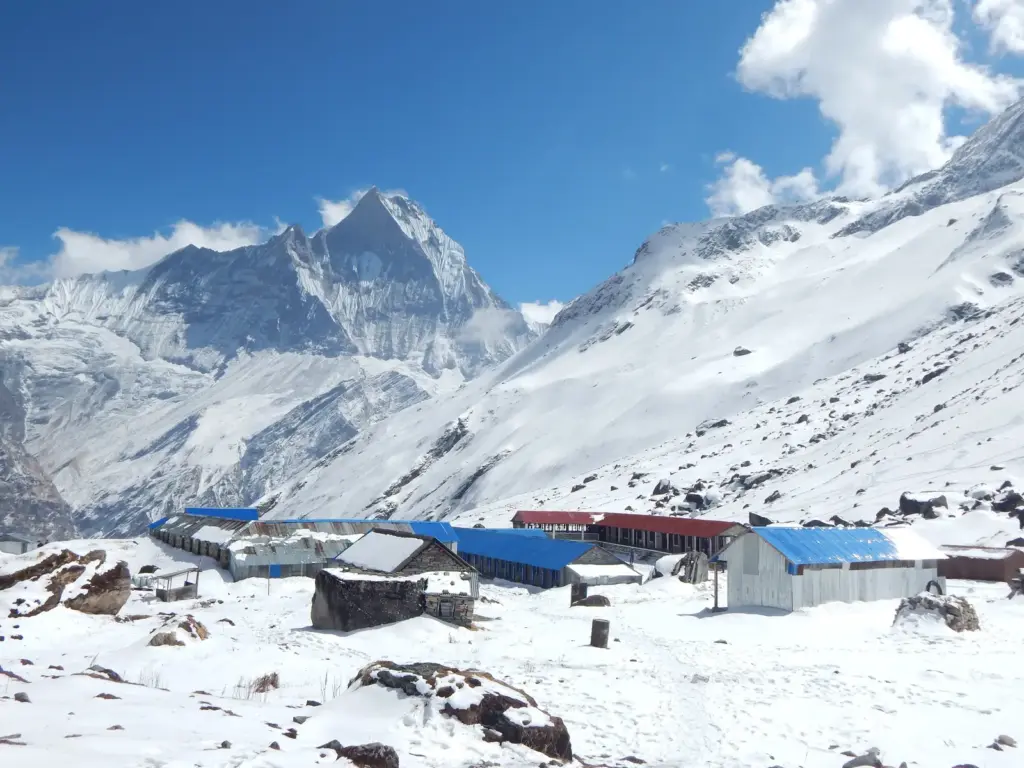
For most travellers, yes. In under an hour, you witness a landscape that trekkers spend a week reaching. The value lies in time saved and the sheer drama of the flight.
It is worth it if you:
- Have limited time in Nepal
- Cannot trek for fitness or health reasons
- Want a comfortable, memorable mountain experience
- Are celebrating something special
It may not suit you if you:
- Are on a tight backpacker budget
- Crave the physical challenge and culture of trekking
- Get anxious about small aircraft or sudden altitude
Be honest with yourself about which traveller you are. There is no wrong answer, only the right choice for your trip.
Combining Your Helicopter Tour With Other Experiences
Since you’ll likely be in Pokhara, make the most of it. The lakeside city is one of the most relaxing spots in Nepal.
- Catch a golden sunrise at Sarangkot the day before your flight.
- Go paragliding over Pokhara for another aerial thrill.
- Enjoy boating on Phewa Lake in the afternoon.
If you’re planning a broader trip, explore the wider Annapurna region or consider the popular short Ghorepani Poon Hill trek for a taste of teahouse trekking. For those visiting Everest too, we also offer the Everest Base Camp helicopter tour.
Common Mistakes Travellers Make
From experience, here are the pitfalls to avoid:
- Booking a late-morning flight. Clouds ruin views. Always go early.
- No buffer day. Weather delays happen; don’t schedule your international flight for the same evening.
- Ignoring weight limits. High altitude reduces payload; heavy passengers may affect seating.
- Skipping insurance. Ensure your policy covers helicopter and high-altitude activities.
- Choosing on price alone. Safety and reputation matter more than saving a few dollars.
Conclusion: Plan Smart, Fly High
The Annapurna Base Camp helicopter tour is one of the most spectacular short adventures in Nepal. In 2026, expect to pay around USD 450–600 per person for a shared flight from Pokhara, or USD 2,000–2,600 for a private charter, with Kathmandu departures costing more.
Choose an early morning slot in autumn or spring, confirm exactly what your package includes, keep a buffer day for weather, and pack warm layers. Do that, and you’ll come home with images most travellers only dream of.
Remember that prices, fees, and regulations can change, so always confirm current details before booking.
Ready to fly into the heart of the Annapurnas? Get in touch with Hi Nepal Travels and Treks for an honest quote, licensed pilots, and friendly local advice tailored to your dates. We’re happy to answer questions, compare options, and help you build the perfect Nepal itinerary, no pressure, just genuine guidance.
Contact Hi Nepal Travels and Treks today for the latest 2026 pricing, available departure dates, and a personalised quote for your Annapurna Base Camp helicopter adventure.
Frequently Asked Questions
-
How much does an Annapurna Base Camp helicopter tour cost in 2026?
A sharing tour from Pokhara costs roughly USD 450–600 per person, while a private charter runs about USD 2,000–2,600 for up to five passengers. Kathmandu departures cost more due to the longer flight. Prices shift with season, fuel, and operator, so always request a written quote first.
-
How long is the tour?
From Pokhara, the round trip takes about 2.5 to 3 hours, including a short landing at base camp. From Kathmandu, allow 4 to 5 hours because of the extra flying distance and a possible refuel stop in Pokhara along the way.
-
Can you actually land at Annapurna Base Camp?
Yes, weather and space permitting, helicopters land at or near base camp at around 4,130 metres. Landings are brief, usually 5–15 minutes, to limit altitude exposure and manage engine performance. Occasionally pilots land slightly lower if conditions or crowding require it.
-
Is the helicopter tour safe?
It is generally safe with licensed operators, experienced pilots, and clear weather. Flights follow strict weight rules and only run in good conditions. Because mountain weather changes quickly, flights may be delayed or cancelled for safety. Always keep a buffer day in your plan.
-
What is the best time for the tour?
Late September to November and March to May offer the clearest skies and best views. Early morning flights are ideal before clouds form. Winter can be crisp and beautiful on clear days, while monsoon months from June to August see frequent cancellations.
-
Do I need a permit?
You enter the Annapurna Conservation Area, so an ACAP permit may apply. Reputable operators usually handle required permits within the package. Rules can change, so confirm inclusions and carry a passport copy on the flight day.
-
Will I get altitude sickness?
Serious altitude sickness is unlikely due to the short exposure, but some people feel mild dizziness or headache. Stay hydrated, move slowly at base camp, avoid alcohol the night before, and tell your operator about any health conditions in advance.
-
How many people fit in the helicopter?
Most tours use helicopters carrying up to five passengers, but high-altitude weight limits often reduce this. Pilots manage seating and landing rotations based on total weight to fly safely into the sanctuary.
-
Can families and older travellers join?
Absolutely. The tour is popular with families, couples, and older travellers because it needs little fitness. Just inform the operator of any medical conditions and follow the pilot’s guidance during the short high-altitude landing.
-
Should I fly from Pokhara or Kathmandu?
Pokhara is closer to the Annapurna range, so it is cheaper and faster. Kathmandu is convenient if you’re already there, but expect higher costs and a longer flight. If possible, base yourself in Pokhara for this tour.
-
What happens if the flight is cancelled?
If weather cancels your flight, reputable operators reschedule to the next available slot or refund according to their policy. This is why a buffer day is essential. Never book your international departure for the same day.
-
Is it worth the money?
For time-short travellers, those unable to trek, or anyone wanting a comfortable, dramatic mountain experience, it is very worthwhile. Budget backpackers or adventure lovers who want the full cultural trek may prefer walking to base camp instead.
-
Is breakfast included in the helicopter tour?
Some premium helicopter tour packages include breakfast at a mountain-view lodge after landing, while others cover only the helicopter flight. Always confirm what is included when booking.
-
Is there a luggage or baggage limit?
Yes. Helicopters operating at high altitude have strict weight restrictions. Passengers should bring only essential items in a small daypack and follow the baggage allowance provided by the operator.
-
Can children join the Annapurna Base Camp helicopter tour?
Yes. Children can join the tour when accompanied by an adult. Families should inform the operator in advance, so appropriate seating arrangements and safety guidance can be provided.
-
What helicopter is usually used for the tour?
Most operators use high-altitude helicopters such as the Airbus H125 (AS350 B3e) or equivalent aircraft, which are specifically designed for mountain operations in Nepal.
-
Can I book the tour at the last minute?
Yes, subject to aircraft availability and weather conditions. However, during the busy spring and autumn seasons, booking several days in advance is recommended to secure your preferred departure date.