
The Manaslu Circuit Trek is usually associated with autumn: stable weather, clear mountain views, and plenty of trekkers on the trail. Winter is a very different experience.
From December to February, temperatures drop sharply as you gain altitude, snow can cover sections of the trail, and some teahouses in the higher villages may close for the season. The biggest challenge is the crossing of Larkya La Pass at 5,106m.
But winter also has its advantages. The trails are much quieter, the mountain views can be exceptionally clear, and the Manaslu region takes on a completely different character.
If you are considering the trek during winter, you need to understand both sides of it. Here is what the cold, snow, accommodation, and high-pass conditions can mean for your trek.
The Winter Appeal: Why Trek Manaslu in the Cold?
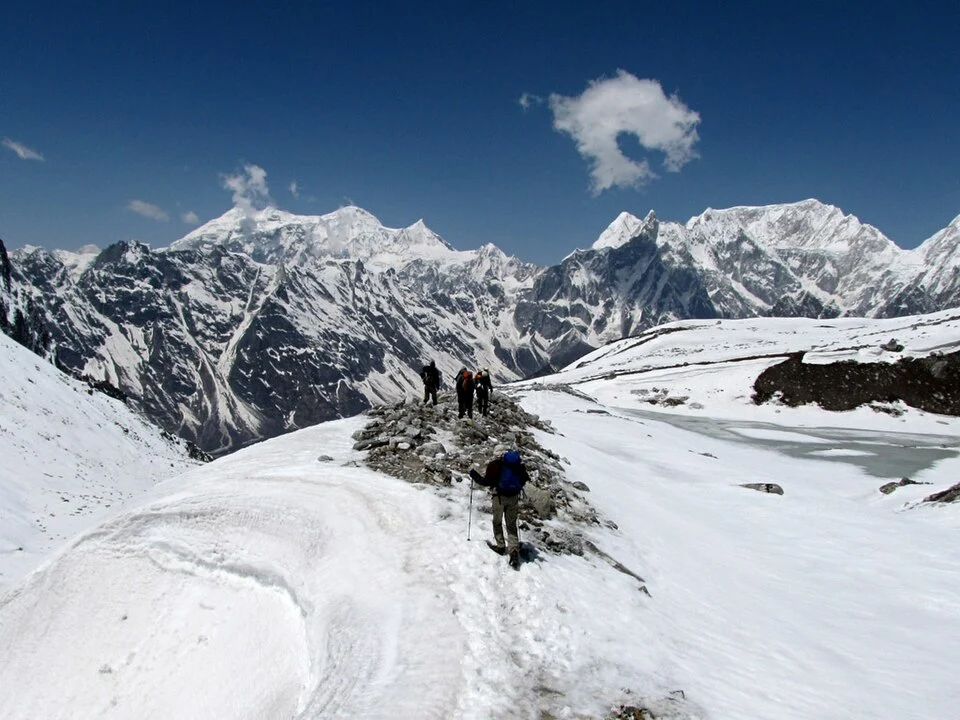
Winter is not the easiest time to trek the Manaslu Circuit, but it can be rewarding for trekkers who are prepared for the conditions.
The first advantage is fewer people on the trail. Compared with the busy autumn months, winter feels much quieter. You may walk for long stretches without seeing many other trekking groups, particularly at higher elevations.
The mountain views can also be excellent on clear days. Cold, dry weather often brings good visibility, giving you impressive views of Mt. Manaslu (8,163m) and the surrounding peaks.
Snow changes the landscape as well. Forests, villages, streams, and mountain slopes can look completely different once winter arrives. The upper Manaslu Valley, with its Tibetan-influenced villages and high mountain scenery, becomes particularly striking under snow.
However, these benefits come with a trade-off. Shorter daylight hours, freezing temperatures, snow-covered trails, and limited accommodation make winter considerably more demanding than trekking in the main seasons.
The Crucial Crux: Larkya La Pass (5,106m)

The Larkya La Pass is the most important part of the winter Manaslu Circuit.
At 5,106m, the pass is already a demanding high-altitude crossing. Winter adds snow, ice, stronger winds, and much lower temperatures to the equation.
Snowfall can make sections of the route difficult to identify. Ice can make the trail slippery, while poor visibility can make navigation more complicated. Conditions can also change quickly, so a route that was manageable a few days earlier may become significantly harder after fresh snowfall.
This is why you should not treat crossing Larkya La as something that must happen regardless of conditions.
A safer winter plan should include:
- Checking recent trail conditions: Your guide should have current information about snowfall and the pass.
- Starting early: The pass is normally crossed early in the day, when conditions are more predictable.
- Allowing buffer days: Extra time gives you more flexibility if weather prevents a safe crossing.
- Being prepared to turn around: If conditions become unsafe, delaying the crossing is better than forcing it.
The pass is one of the main reasons winter Manaslu is better suited to trekkers with previous high-altitude experience.
The Teahouse & Logistical Reality
Accommodation is another major difference between winter and the main trekking seasons.
Some teahouses in the higher sections of the Manaslu Circuit close during the colder months. This is particularly important around places such as Samdo and Dharamsala, where accommodation options are already limited compared with lower villages.
That means you should not approach a winter trek with the assumption that every lodge will be open.
Accommodation and meal availability should be checked ahead of time, especially when planning overnight stops close to the Larkya La crossing. A local trekking agency can help confirm which lodges are operating and adjust the itinerary when necessary.
The Manaslu region is also a restricted trekking area, so the trek requires the appropriate permits and must be undertaken according to Nepal’s current guide and permit regulations.
This makes planning particularly important in winter, when weather and accommodation can affect the itinerary more than they would during the busier seasons.
Surviving the Cold: The Winter Gear Checklist
Your normal trekking clothes may not be enough for the Manaslu Circuit in winter. Temperatures can fall well below freezing at higher elevations, particularly overnight and around Larkya La.
Here are some of the key items to consider:
| Gear Category | Winter Requirement |
|---|---|
| Sleeping Bag | A winter-rated sleeping bag suitable for very cold nights |
| Insulation | Warm down or synthetic jacket for evenings and the pass day |
| Base Layers | Merino wool or thermal base layers |
| Mid Layers | Fleece or insulated mid-layer |
| Outer Layer | Waterproof and windproof jacket and trousers |
| Gloves | Warm liner gloves plus insulated outer gloves |
| Head & Face | Warm hat, buff or balaclava |
| Footwear | Waterproof trekking boots with good grip |
| Traction | Microspikes or crampons when trail conditions require them |
| Socks | Several pairs of warm trekking socks |
| Gaiters | Useful when walking through snow |
| Water | Insulated bottles to reduce the chance of freezing |
| Electronics | Extra batteries or power banks |
A few simple habits can also make cold nights easier.
Keep your water bottle inside your sleeping bag overnight if conditions are cold enough for it to freeze. Store batteries and other sensitive electronics somewhere warm rather than leaving them exposed to the cold.
Most importantly, avoid relying on one heavy jacket or one pair of gloves. A good layering system gives you more control over your temperature as conditions change.
You can also use our general trekking packing list as a starting point and add winter-specific gear based on the forecast and route conditions.
Acclimatization and Health in the Cold
Cold weather does not protect you from altitude sickness.
The Manaslu Circuit gradually climbs from the lower valleys to elevations above 5,000m, so proper acclimatization remains essential regardless of the season.
The acclimatization stop around Samagaun gives trekkers an opportunity to adjust to the increasing altitude. Depending on the itinerary and conditions, hikes toward areas such as Pungyen Gompa or Manaslu Base Camp can be used for acclimatization.
Hydration is particularly important in winter. You may not feel as thirsty in cold weather, but your body still loses fluids through breathing, exertion, and dry mountain air.
Watch for symptoms such as:
- Persistent headache
- Nausea
- Dizziness
- Unusual tiredness
- Loss of coordination
- Difficulty breathing
Tell your guide if you feel unwell rather than trying to push through the symptoms.
Travel insurance that covers high-altitude trekking and emergency evacuation is also an important part of preparing for the trek.
Is a Winter Manaslu Trek Right for You?
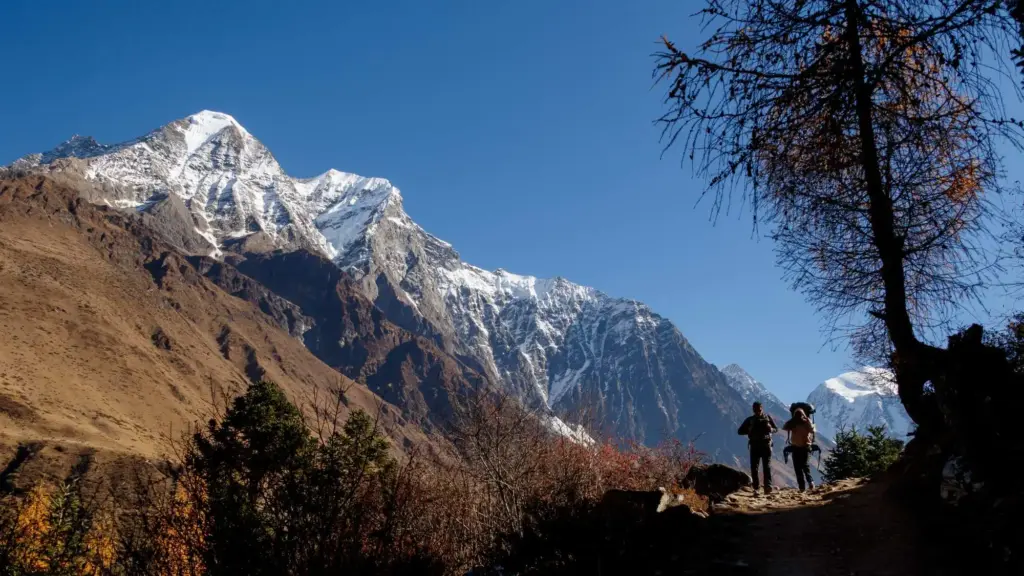
A winter Manaslu Circuit Trek is best suited to trekkers who understand what they are signing up for.
You should be comfortable walking in cold conditions, prepared for snow and ice, and have some previous experience with long or high-altitude treks. You also need to be comfortable with the possibility of changes to your itinerary because of weather.
If your priority is stable weather, open teahouses, and easier trail conditions, autumn or spring may be a better choice.
But if you prefer quieter trails, winter scenery, and do not mind dealing with colder and less predictable conditions, winter can offer a very different Manaslu experience.
For trekkers looking for a less demanding winter option, the [Ghorepani Poon Hill Trek](https://hinepaltreks.com/ghorepani-poon- hill-trek) or Langtang Valley Trek may be worth considering.
Why Trek Winter Manaslu With Hi Nepal Treks
Winter trekking requires more planning than simply following the standard Manaslu Circuit itinerary.
Trail and weather conditions need to be checked regularly, accommodation needs to be confirmed, and the schedule may need to change if Larkya La is affected by snowfall.
With Hi Nepal Treks, our team can help arrange the required permits, accommodation, transportation, guides, and other logistics for the trek.
More importantly, a local team can help you respond to conditions on the ground. If weather affects the planned route or an overnight stop is unavailable, the itinerary can be adjusted rather than relying entirely on assumptions made before leaving Kathmandu.
If you are considering the Manaslu Circuit in winter, share your preferred dates and previous trekking experience with our team. We can help you assess whether the season and route are suitable for your plans and build the itinerary around realistic winter conditions.
Frequently Asked Questions (FAQs)
Can you trek the Manaslu Circuit in winter?
Yes, winter trekking is possible, but conditions are considerably colder and more challenging than during the main trekking seasons. Snow, icy trails, limited accommodation, and Larkya La conditions need to be considered.
How cold is the Manaslu Circuit in winter?
Temperatures vary significantly with altitude and weather. Higher sections can become extremely cold at night, with temperatures well below freezing. Conditions around Larkya La can be particularly harsh because of altitude and wind.
Is Larkya La Pass open in winter?
It depends on snowfall and current trail conditions. Heavy snow can make the pass difficult or temporarily unsafe to cross. A flexible itinerary is therefore important.
Are teahouses open during winter?
Some teahouses remain open, while others may close for the winter season, particularly at higher elevations. Accommodation should be confirmed before starting the trek.
Do I need a guide for the Manaslu Circuit Trek?
The Manaslu region is a restricted trekking area and has specific guide and permit requirements. These requirements should be checked with a registered trekking agency before your trek.
What gear is essential for a winter Manaslu Circuit Trek?
Warm layers, a suitable winter sleeping bag, insulated gloves, waterproof clothing, warm socks, good trekking boots, and appropriate traction equipment are among the key items. Your exact gear should depend on the weather and trail conditions.
Is altitude sickness a risk in winter?
Yes. The risk of altitude sickness remains regardless of the season. Gradual ascent, proper acclimatization, hydration, and responding quickly to symptoms are important.
Is the Manaslu Circuit suitable for beginners in winter?
Winter adds another layer of difficulty to an already demanding high-altitude trek. Previous trekking experience is strongly recommended.
What are the benefits of trekking the Manaslu Circuit in winter?
The main advantages are quieter trails, fewer trekkers, winter landscapes, and potentially excellent mountain visibility on clear days.
Why choose a local agency for a winter Manaslu trek?
A local agency can help with permits, accommodation planning, guides, transportation, and changes to the itinerary when weather or trail conditions affect the route. This can be particularly useful during the less predictable winter season.