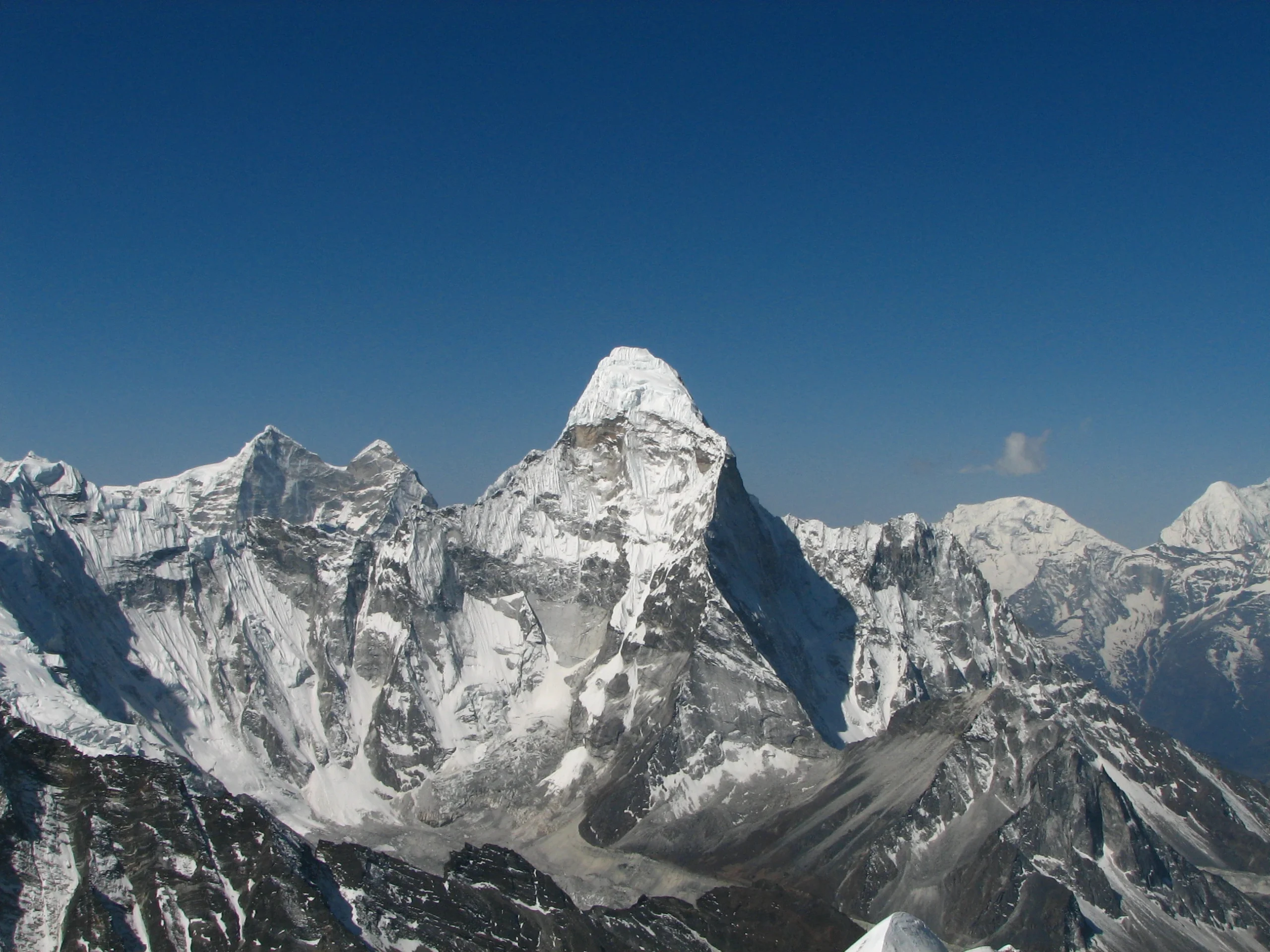
Few mountains spark as much debate among aspiring Himalayan adventurers as Island Peak. Search any trekking forum and you will find the same question repeated endlessly: is Island Peak a trek you can simply walk up, or is it a serious mountaineering climb? The honest answer, the one a good local guide will always give you, is that it is both. And understanding exactly where the line falls is the difference between a triumphant summit and a dangerous, humbling retreat.
Island Peak, known by its Nepali name Imja Tse, rises to 6,189m above the glaciers of the Khumbu. It is officially classified as a “trekking peak,” a term that causes more confusion than clarity. In this honest 2026 guide, we break down precisely how much of the journey is a trek, how much is a genuine alpine climb, and what skills and gear you truly need to stand on its summit.
What Does “Trekking Peak” Actually Mean?
The phrase “trekking peak” is one of the most misleading terms in Himalayan mountaineering. It does not mean you can trek to the top. Trekking peaks are a permit classification used in Nepal for designated climbing peaks that generally require less expedition-style logistics than major expedition mountains such as Everest, Manaslu, or Dhaulagiri.
In practical terms, Island Peak is approximately 80% trek and 20% climb. The vast majority of your days are spent on well-trodden teahouse trails through the most spectacular landscape on Earth. But that final 20%, the summit day, is unmistakably alpine mountaineering, with ropes, crampons, ice axes, and genuine exposure. Treat it casually at your peril.
The Trekking Phase: The Long, Beautiful Approach
The journey begins, as most Khumbu adventures do, with the famous flight into the high-altitude airstrip at Lukla. From there, you walk for days through the iconic villages of Namche Bazaar, Tengboche, and Dingboche, gaining altitude gradually as the giants of the range reveal themselves one by one.
Most itineraries approach Island Peak via the trail toward Everest Base Camp or branch off through the quieter Chhukung Valley. This phase is far more than scenery, it is the single most important part of your acclimatization. Every night spent at altitude, every “climb high, sleep low” rotation, is building the red blood cells that will carry you to the summit. Poor acclimatization is one of the most common reasons climbers fail to reach the summit safely.
If you have completed a classic teahouse trek before, this part will feel familiar. The trails are well-marked, the lodges offer hot meals and warm beds, and porters carry the heavy loads. For a clearer sense of how this region compares to other major routes, our breakdown of the Three Passes versus Everest Base Camp is a useful primer on Khumbu trekking intensity.
The Climbing Phase: The Raw Reality of Summit Day
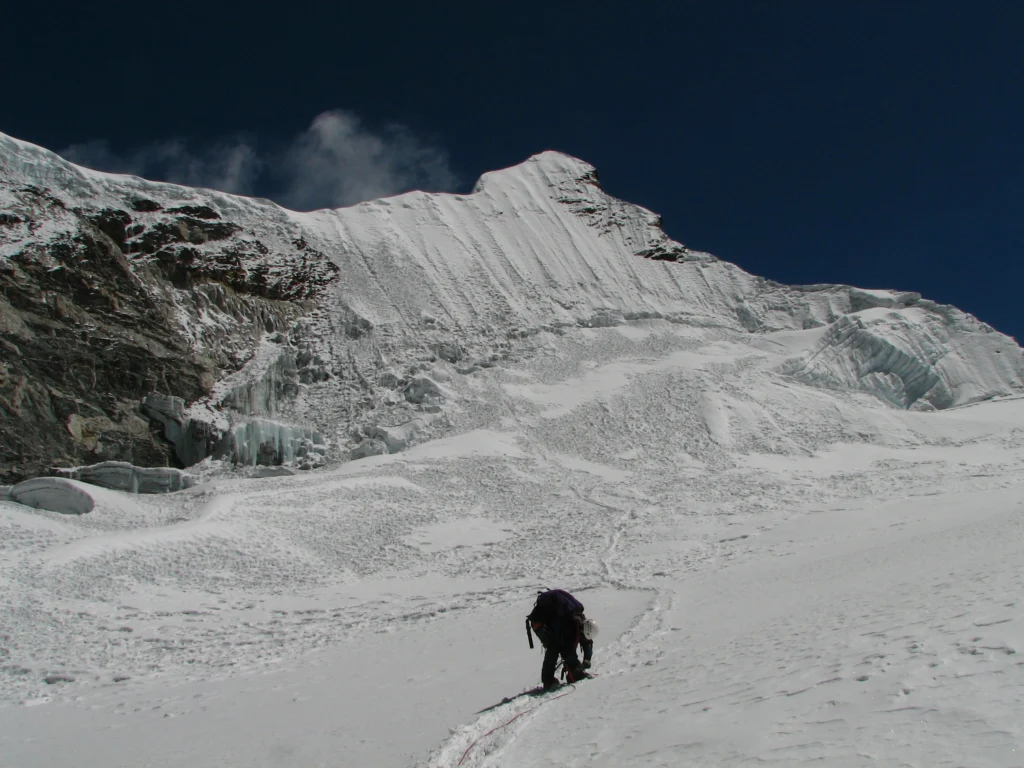
Everything changes at Island Peak Base Camp (around 5,100m). This is where the trek ends and the climb begins. To understand whether Island Peak is right for you, you must visualise the summit push honestly, not the polished Instagram version.
The Midnight Start
You will wake somewhere between midnight and 2:00 AM. In the dark and biting cold, you set off by headtorch. The reason for the early start is simple: you need to reach the summit and descend before the morning sun softens the snow and clouds roll in. This alpine start is exhausting, disorienting, and one of the toughest mental challenges of the entire expedition.
The Rock Scramble to the Crampon Point
The first hours involve a steep, rocky gully and a scramble that requires using your hands. You gain altitude quickly on loose terrain until you reach the “crampon point”, the edge of the glacier where you stop, rope up, and strap on your crampons. From here onward, you are no longer trekking. You are on glaciated, technical ground.
The Glacier and Crevasses
Depending on seasonal glacier conditions, climbers may need to cross crevasses using aluminum ladders installed by route-fixing teams.
The Headwall
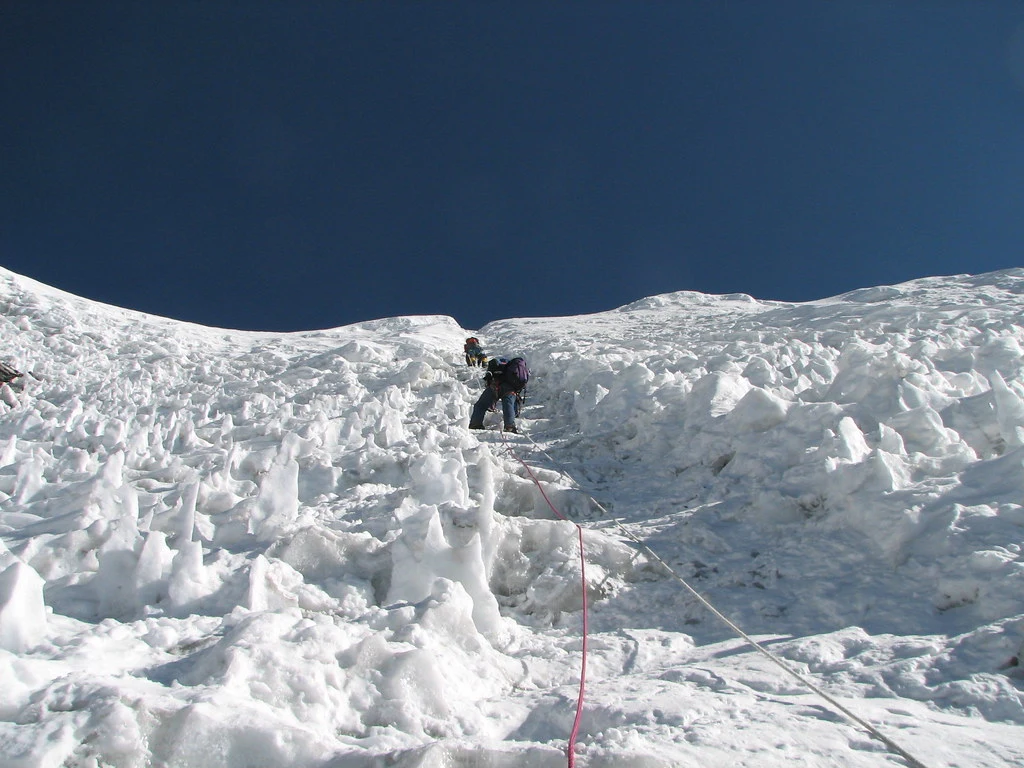
The crux of the climb is the steep snow-and-ice headwall, pitched at a serious 45 to 50 degrees. You ascend this using fixed ropes and a jumar (ascender), pulling yourself upward step by step while your lungs scream in the thin air above 6,000m. This is genuine mountaineering, and it is physically brutal.
The Summit Ridge
Above the headwall, a narrow, exposed knife-edge ridge leads to the summit at 6,189m. The drops on either side are dramatic, and a clipped fixed line is your lifeline. When you finally stand on top, the panorama of Lhotse, Nuptse, Makalu, and Ama Dablam is a reward that justifies every freezing, breathless minute. Then comes the descent, abseiling the headwall and reversing the entire route back to camp.
Skills & Gear Requirements
Here is the reassuring news: you do not need to be a certified mountaineer to climb Island Peak. But you do need solid fitness, comfort with heights, and a willingness to learn technical skills. The essential equipment includes:
- Climbing harness – for clipping into fixed ropes and abseiling.
- Crampons – for the glacier and headwall.
- Ice axe – for balance and self-arrest.
- Mountaineering boots – insulated, crampon-compatible double or B2/B3 boots.
- Helmet – essential protection against rockfall and ice.
- Jumar (ascender) – for climbing the fixed ropes.
- Belay/abseil device and locking carabiners.
Beyond the technical kit, you will need a full high-altitude trekking wardrobe. Our complete trek packing list covers the layering, sleeping bag, and accessory essentials that form the foundation of any Khumbu expedition.
The most reassuring part of the whole experience is the pre-climb training. At Hi Nepal Treks, we conduct dedicated training clinics at Base Camp before summit day. Our certified climbing Sherpas teach you how to put on crampons correctly, use a jumar on fixed lines, walk on ice, perform a controlled abseil, and crucially cross ladders safely. For most clients, this single day of practice transforms summit day from terrifying to achievable.
How Island Peak Compares: Trek vs. Climb at a Glance
| Aspect | Trekking Phase (~80%) | Climbing Phase (~20%) |
|---|---|---|
| Terrain | Maintained trails, lodges, villages | Glacier, fixed ropes, steep ice headwall |
| Gear Needed | Boots, layers, poles | Crampons, ice axe, harness, jumar, helmet |
| Accommodation | Comfortable teahouses | High Camp / Base Camp tents or lodge |
| Skill Required | Hiking fitness | Basic alpine technique (taught at clinic) |
| Main Risk | Altitude sickness | Falls, crevasses, exposure, cold |
Logistics, Acclimatization & Safety
The single biggest predictor of Island Peak success is not strength, it is acclimatization. A rushed itinerary that flies you straight up is a recipe for altitude sickness and a failed summit. A well-designed schedule builds in acclimatization days and, ideally, the option to combine the climb with the Everest Base Camp route for maximum altitude adaptation.
Understanding how high-altitude logistics work in the Khumbu, from oxygen saturation monitoring to evacuation protocols is vital before committing. Our overview of high-altitude trekking logistics explains how experienced agencies manage these risks. Comprehensive insurance that explicitly covers helicopter evacuation above 6,000m is non-negotiable for any climbing peak.
If you are weighing this climb against other Himalayan adventures, you may also find our comparison of the Annapurna and Everest Base Camp regions and our roundup of the top base camp treks helpful for building context before you step up to a technical objective.
So, Should You Climb Island Peak?
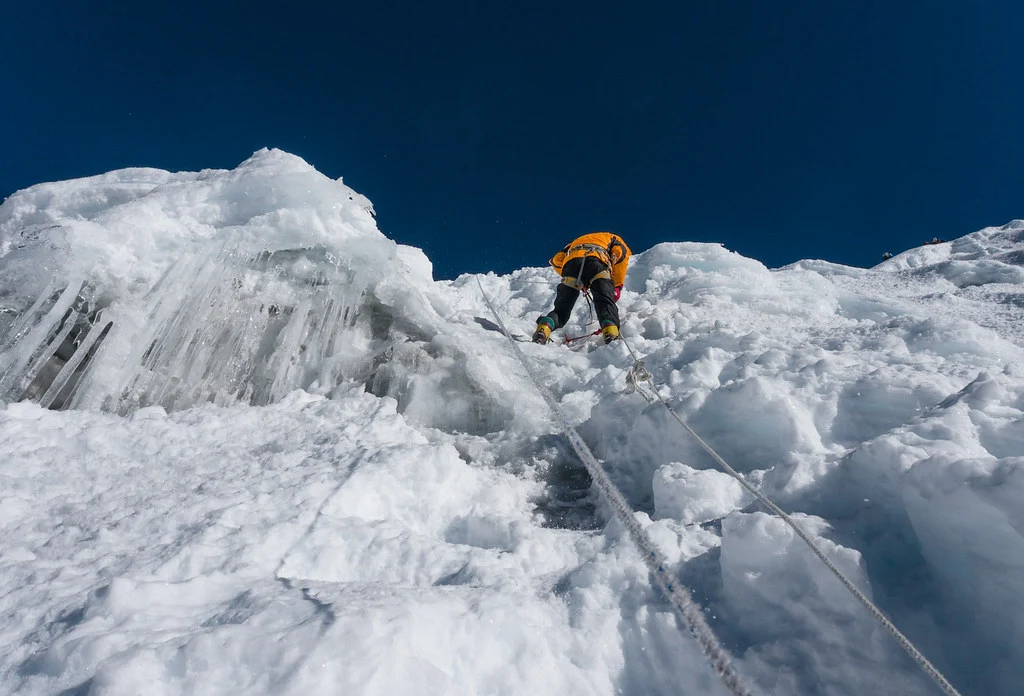
If you are a fit, determined trekker who dreams of touching genuine mountaineering, roping up, clipping into fixed lines, and standing atop a true Himalayan summit, Island Peak is one of the most accessible and rewarding 6,000m peaks on the planet. But go in with clear eyes: it is not a walk-up. The summit day is a real climb that demands respect, training, and the right team around you.
The honest verdict for 2026: Island Peak is 80% trek and 20% climb, but that 20% will be the most demanding and unforgettable hours of your life.
Ready to Stand on the Summit?
Island Peak climbing expeditions are built around flawless acclimatization schedules, certified climbing Sherpas, and dedicated pre-climb training clinics at Base Camp. We arrange all permits, climbing logistics, equipment coordination, and professional guide support so you can focus on the climb. Explore our Everest region expeditions or message our climbing experts today to start planning your ascent of Imja Tse.
FAQs
-
Is Island Peak a trek or a climb?
Island Peak is both. Most of the journey involves trekking through the Everest region, but the summit section requires real mountaineering skills such as using crampons, fixed ropes, a harness, and an ascender.
-
How difficult is Island Peak?
Island Peak is considered one of Nepal’s more accessible trekking peaks, but it is still a challenging 6,189m climb. Climbers must deal with high altitude, glacier travel, steep snow slopes, and fixed-rope sections.
-
Do I need previous climbing experience for Island Peak?
No prior mountaineering experience is strictly required with a reputable operator. However, strong fitness, trekking experience at altitude, and willingness to learn technical skills are highly recommended.
-
What technical skills are required for Island Peak?
Climbers should know how to use crampons, an ice axe, a climbing harness, fixed ropes, and a jumar ascender. Most operators provide a pre-climb training session before summit day.
-
How long does it take to climb Island Peak?
Most Island Peak itineraries take between 14 and 20 days, depending on acclimatization schedules and whether the trip includes Everest Base Camp.
-
What is the altitude of Island Peak?
Island Peak, also known as Imja Tse, stands at 6,189 meters (20,305 feet) above sea level.
-
Is Island Peak harder than Everest Base Camp Trek?
Yes. Everest Base Camp is a trekking route, while Island Peak adds glacier travel, rope work, crampons, and a technical summit push. Most trekkers consider Island Peak significantly more demanding.
-
What is the best season to climb Island Peak?
Spring (March–May) and autumn (September–November) offer the most stable weather, clearer skies, and better climbing conditions.
-
Can beginners climb Island Peak?
Fit beginners with strong trekking experience can successfully climb Island Peak when accompanied by experienced climbing guides and after proper acclimatization and training.
-
What permits are required for Island Peak?
Climbers generally need an Island Peak climbing permit, a Sagarmatha National Park entry permit, and the local Khumbu Pasang Lhamu Rural Municipality permit. Requirements can change, so always verify current regulations before travel.
Leave a Reply