
Dhampus Pass is not a trek you stumble into. At roughly 5,182 meters, this crossing in the heart of Dolpo sits in one of the most remote corners of western Nepal, days of walking from the nearest road, and even further from anything resembling a rescue. The air up here is thin, the camps are cold, the trail is often unmarked, and your stomach rarely settles into routine. We rate it among the genuinely tough passes in the country, not because of technical climbing, but because of the sheer commitment, altitude, and isolation it demands.
If you are reading this hoping for a comfortable teahouse trail with hot showers and pizza menus, this is the wrong route. If you want raw, high-desert Himalaya, Bon and Buddhist culture untouched by mass tourism, and turquoise Phoksundo Lake, keep reading. We will walk you through the route logic, 2026 permit rules, acclimatization safety, costs, and the realities that catch most trekkers off guard.
Where Is Dhampus Pass and Why It Matters
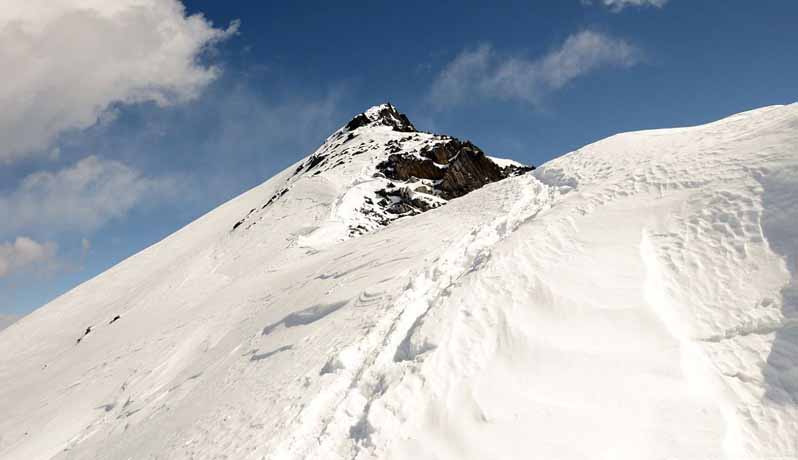
Dhampus Pass sits at around 5,182 meters in the Dolpo region, connecting the high desert plateaus near Shey Gompa and the Phoksundo basin with the Tarap valley to the south. It is a key high crossing on Upper and Inner Dolpo circuits, defined by altitude, remoteness, and zero teahouse comfort rather than technical climbing.
Dolpo lies behind the main Himalayan range, tucked against the Tibetan border. The landscape feels more like the Tibetan plateau than the green hills of the Annapurna foothills: ochre cliffs, barley terraces clinging to river canyons, and ancient Bon and Tibetan Buddhist villages that have changed little in generations. Dhampus Pass is one of several high cols that stitch this region together, and crossing it usually means you are committing to a full expedition-style camping trek.
This is not a single-day side trip. The pass is the climax of a long approach, and you typically reach it only after a week or more of walking and altitude gain through some of Nepal’s most demanding terrain.
Why Dhampus Pass Ranks Among Nepal’s Toughest Crossings
Dhampus Pass earns its reputation through altitude, isolation, and logistics rather than ropes or ice axes. You camp at extreme elevations for consecutive nights, carry everything you need, face no roads or evacuation points for days, and trek in a region with almost no infrastructure. The cumulative physical and mental load is what makes it brutal.
Compare it to busier routes. On the Thorong La crossing of the Annapurna Circuit, you sleep in lodges, eat hot meals, and can buy supplies along the way. In Dolpo, there are stretches where you camp on bare ground, melt water for drinking, and rely entirely on your crew. Here is how the difficulty stacks up:
| Factor | Dhampus Pass / Dolpo | Typical Teahouse Trek |
|---|---|---|
| Max Elevation | 5,182 meters | 4,000–5,400 meters |
| Accommodation | Tented camps, basic homestays | Lodges / teahouses |
| Trek Length | 22–28 days | 7–16 days |
| Permit Type | Restricted Area Permit | TIMS / National Park |
| Evacuation Access | Helicopter only, costly & weather-dependent | Road or air relatively accessible |
| Crew Required | Guide + cook + porters/mules | Guide optional support |
If you are weighing whether you are ready for this, our breakdown of high-altitude trekking logistics is worth reading before you commit a month of your life to this region.
2026 Permit Rules for Dolpo and Dhampus Pass

Dolpo is a Restricted Area, so you need a Restricted Area Permit (RAP) plus the Shey Phoksundo National Park entry permit. As of the March 2026 Department of Immigration update, a single traveler can now obtain a RAP, but you must still hire a licensed guide, and the guide-to-trekker ratio in restricted areas is capped at 1:7. Solo trekking remains prohibited.
Dolpo splits into two permit zones with different costs. Lower Dolpo and Upper Dolpo are charged separately, and Upper Dolpo is significantly more expensive due to its border sensitivity.
| Permit | Cost (Foreigners) | Notes |
|---|---|---|
| Lower Dolpo RAP | $20 USD per week | Required for the lower zone |
| Upper Dolpo RAP | $500 USD for the first 10 days, then approximately $50 USD per extra day | Border-sensitive inner zone |
| Shey Phoksundo National Park | NPR 3,000 (about $22 USD) | Plus 13% VAT |
RAPs cannot be issued to individuals directly; they are processed through a registered trekking agency, which is another reason this trek must be run with a licensed operator. Because permit fees and rules can shift, always confirm current rates before you finalize your dates. Our general overview of Nepal trekking rules and costs covers the wider regulatory picture, and the Upper Mustang permit guide gives a useful parallel for how restricted zones work.
Your Nepal Visa for 2026
Because Dolpo itineraries run long, plan your tourist visa carefully. Nepal’s on-arrival visa costs $30 USD for 15 days, $50 USD for 30 days, and $125 USD for 90 days. A 25-day-plus trek means you should buy the 30-day visa at minimum, and the 90-day option if you are adding rest, recovery, or other regions.
Getting to Dolpo: The Access Reality

Reaching Dolpo is part of the challenge. Most trips fly Kathmandu to Nepalgunj, then take a second short flight to Juphal, the small airstrip that serves as the gateway to Lower Dolpo. From Juphal, the walking begins almost immediately. These flights are weather-sensitive and frequently delayed, so buffer days are essential.
We do not publish exact flight prices here because domestic airfares are genuinely volatile and change by season and operator. Expect to pay a realistic range for the Kathmandu-Nepalgunj-Juphal connection, and always verify live fares with your agency. Build in 1-2 buffer days on each end for the small mountain flights, especially in shoulder seasons.
A Realistic Dhampus Pass Itinerary Framework
A safe Dolpo crossing including Dhampus Pass runs around 24 to 27 days door to door. The structure below is a framework, not a rigid plan. Your guide will adjust based on weather, group fitness, and acclimatization. Note the deliberate rest days and the controlled altitude gain.
| Day | Stage | Approx. Elevation |
|---|---|---|
| 1–2 | Kathmandu to Nepalgunj to Juphal | 2,475 m (Juphal) |
| 3–5 | Juphal to Dunai to Phoksundo trail villages | 2,900–3,200 m |
| 6–7 | Phoksundo Lake + acclimatization day | 3,600 m |
| 8–11 | Ascent toward Shey Gompa region | 4,200–4,500 m |
| 12–14 | High camps + acclimatization | 4,700–4,900 m |
| 15 | Dhampus Pass crossing | 5,182 m |
| 16–22 | Descent into Tarap Valley | 4,000–3,800 m |
| 23–27 | Tarap to Dunai to Juphal, fly out | Descending |
The turquoise Phoksundo Lake at roughly 3,600 meters is the visual highlight before the pass, and the rest day there serves double duty as acclimatization and one of the most photogenic camps in Nepal.
Altitude Safety: Non-Negotiable on This Route
Above 3,000 meters, your sleeping elevation should rise no more than 300 to 500 meters per day, with built-in rest days. Dolpo’s remoteness makes acute mountain sickness (AMS) far more dangerous than on busy routes, because evacuation is slow, expensive, and weather-dependent. Respect the schedule, hydrate, and descend immediately if symptoms worsen.
Because there are no clinics on the high sections, prevention matters more than treatment. Learn to recognize the early signs of altitude sickness, and discuss preventative medication like Diamox (acetazolamide) with your doctor before departure. Never push over Dhampus Pass with a headache that is not resolving.
Helicopter Evacuation Insurance Is Mandatory
Standard travel insurance is not enough for Dolpo. You must carry specific coverage for high-altitude emergency helicopter evacuation up to 6,000 meters and treatment for AMS, HAPE, and HACE. This is also effectively required to obtain Restricted Area Permits. In Dolpo, a helicopter is your only realistic emergency exit, and the bill without insurance can be ruinous.
Food, Water, and Cash on the Trail
Dolpo runs on camping and basic local food. There are no ATMs once you leave the road, so you must carry enough Nepalese Rupees in cash for the entire trip, including tips and incidental village purchases. Plan as if the trail economy is fully cash-only, because it is.
For meals, we strongly recommend leaning vegetarian. The classic Dal Bhat, lentil soup, rice, and vegetable curry, is your cleanest, highest-energy fuel and often comes with free refills. In Buddhist areas, fresh meat is scarce and what exists has often been carried for days without refrigeration. Stick to locally grown carbohydrates and you will feel better at altitude. Our overview of trail and teahouse food explains why simple eating wins on long treks.
On water, never buy plastic bottled water out here, and frankly it is rarely available anyway. Carry a reusable bottle and an active purification system: a UV purifier, a Sawyer squeeze filter, or chlorine dioxide drops. You will often be drinking from streams and melted snow, so reliable filtration is not optional.
Connectivity, Charging, and Trail Upcharges
Connectivity in Dolpo is sparse and unreliable. Nepal Telecom (NTC) is the more useful SIM for remote western Nepal, though even NTC drops out across much of the high route. Treat this trek as a genuine digital detox and tell people at home you will be off-grid for weeks.
Where basic services exist in lower villages, expect to pay extra for them. Charging a power bank or phone, a gas-heated hot bucket shower, or any localized Wi-Fi typically costs an additional 200 to 700 NPR per service. Carry a solar charger and a large power bank so you are not dependent on village electricity that may not exist.
Cultural Etiquette in Dolpo

Dolpo holds some of Nepal’s oldest living Bon and Tibetan Buddhist traditions, and respect goes a long way here. Always walk clockwise around mani walls, chortens, and stupas, keeping these sacred structures on your right. This small habit signals that you understand where you are walking.
When visiting monasteries, remove your shoes and hat before entering. Outdoor photography is generally fine, but never photograph inside prayer halls unless a resident monk gives you explicit permission. Many of these gompas are still active places of worship, not museums.
Tipping Your Crew
On a camping trek, your guide, cook, and porters carry the entire expedition on their backs. Tipping is culturally expected and is a meaningful supplement to their income. A standard range is 10% to 15% of the total trek cost, pooled and distributed across the crew at the end. Our detailed guide on tipping guides and porters helps you budget fairly.
The Monsoon Rain Shadow Advantage
Here is a planning edge most trekkers miss. Upper Dolpo lies in the Himalayan rain shadow, so June through August can be a viable, drier window when the rest of Nepal is drowning in monsoon rain and leeches. While the lower approach and flights can still be affected by weather, the high desert sections often stay relatively dry. Autumn (September to November) remains the most popular and stable season overall.
If you are drawn to rain-shadow trekking, the Upper Mustang trek follows the same logic and is another excellent summer option in arid, Tibetan-influenced terrain.
Packing for a Camping Expedition
Dolpo is a tented trek, so your kit must be self-sufficient and warm. Nights near the pass drop well below freezing, so a four-season setup is essential. A quality sleeping bag rated for serious cold is the single item you cannot compromise on.
Run through our complete trek packing list and, if you are flying in light, you can sort technical layers and gear through trekking gear rental in Kathmandu before heading west. Prioritize a warm down jacket, robust boots already broken in, sun protection for the high-altitude glare, and a reliable headlamp.
Is Dhampus Pass Right for You?
This trek suits experienced trekkers who have already handled multi-day high altitude and want genuine wilderness over comfort. If you have completed something like the Everest Three Passes or a long camping trek and crave deeper remoteness, Dolpo delivers. First-time Himalayan trekkers should build experience on supported routes first.
What you get in return is rare: the silence of high desert, ancient gompas, Phoksundo’s impossible blue, and a crossing that very few travelers will ever see. It is hard, expensive, and slow, and that is exactly why it stays unspoiled.
Ready to Cross Dolpo?
Dhampus Pass is a serious commitment, and getting it right means trekking with people who know the terrain, the permits, and the weather windows firsthand. If you are ready to plan a Dolpo expedition for 2026, connect with our verified local guides and browse tailored Dolpo and high-pass itineraries directly on our platform. We will help you build a safe, properly acclimatized route that respects both your body and this extraordinary region.
Frequently Asked Questions
-
How high is Dhampus Pass?
Dhampus Pass sits at approximately 5,182 meters in the Dolpo region of western Nepal, making it one of the highest non-technical passes on Dolpo trekking circuits.
-
Can I trek Dolpo solo in 2026?
No. Dolpo is a Restricted Area, so a licensed guide is mandatory. The 2026 update allows a single traveler to get a permit, but solo trekking without a guide is still prohibited, and the guide ratio is capped at 1:7.
-
What permits do I need for Dhampus Pass?
You need a Restricted Area Permit (Lower Dolpo at $20 USD per week or Upper Dolpo at $500 USD for 10 days) plus the Shey Phoksundo National Park entry permit of NPR 3,000.
-
How long is the Dhampus Pass trek?
Most itineraries run 22 to 28 days from Kathmandu, including flights, acclimatization days, and the crossing itself.
-
Are there teahouses on the Dhampus Pass route?
Largely no. The high sections require tented camping with a full crew. Some lower villages offer basic homestays, but you must be self-sufficient for the high crossing.
-
Is there an ATM in Dolpo?
No. There are no ATMs once you leave the road. Carry enough Nepalese Rupees cash for the entire trek, including tips and village purchases.
-
Which SIM card works best in Dolpo?
Nepal Telecom (NTC) offers the best chance of coverage in remote western Nepal, but expect long stretches with no signal at all on the high route.
-
Can I trek Dolpo during the monsoon?
Yes. Upper Dolpo sits in the Himalayan rain shadow and stays relatively dry during June to August, though access flights can still face weather delays.
-
Do I need special insurance for this trek?
Yes. You must have insurance covering high-altitude helicopter evacuation up to 6,000 meters and treatment for AMS, HAPE, and HACE. It is also effectively required for the permits.
-
How dangerous is altitude sickness on Dhampus Pass?
Very serious, because evacuation is slow and weather-dependent. Limit sleeping-elevation gains to 300-500 meters per day above 3,000 meters and descend immediately if symptoms worsen.