Introduction – How Difficult Is the Upper Mustang Trek?
The Upper Mustang Trek is generally considered a moderate-to-challenging trek, rather than an extremely difficult Himalayan expedition. You do not need technical climbing skills or previous mountaineering experience, but you should have reasonable fitness and be comfortable walking for several hours a day at high altitude.
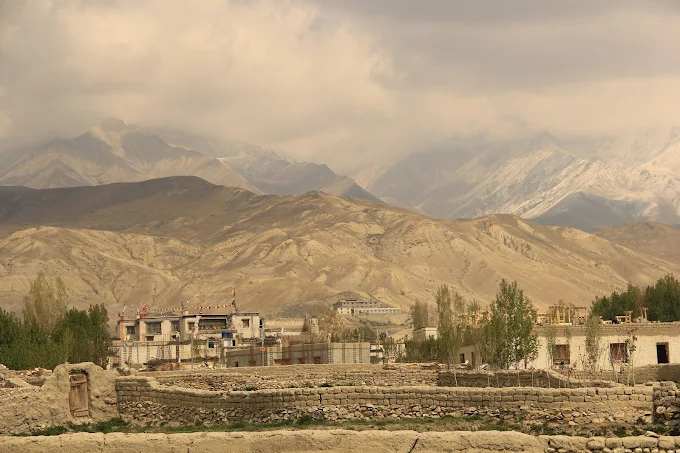
The difficulty comes less from a single extreme climb and more from the combination of altitude, long walking days, rocky and exposed terrain, strong winds and the remoteness of the region.
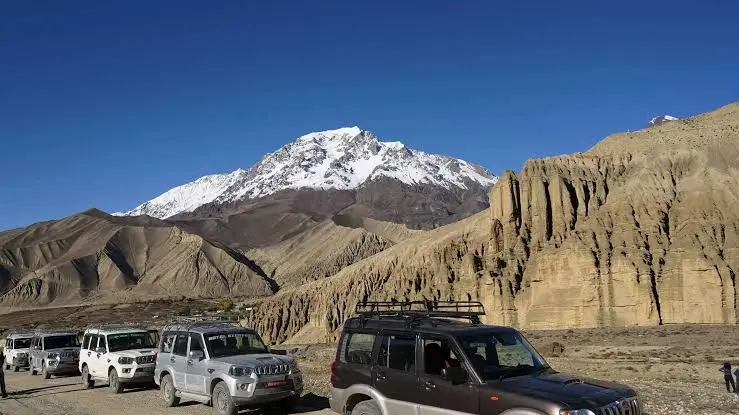
Upper Mustang has also changed considerably with improved road access. A motorable road now reaches Lo Manthang, and major sections of the Beni–Kagbeni corridor have been upgraded. However, the region is not fully paved, and traditional footpaths, rocky trails, dusty tracks and exposed plateaus remain an important part of the trekking experience.
For most trekkers, this means Upper Mustang is challenging but achievable with proper preparation, gradual acclimatization and a well-planned itinerary.
Quick Answer: Upper Mustang Difficulty at a Glance
For most reasonably fit travelers, Upper Mustang is a moderate trek with some challenging sections.
| Difficulty Factor | What to Expect |
|---|---|
| Overall Difficulty | Moderate to challenging |
| Technical Climbing | Not required |
| Trekking Experience | Helpful but not essential |
| Daily Walking | Usually around 5–7 hours, depending on the itinerary |
| Terrain | Rocky trails, dry valleys, loose surfaces and some road/jeep-track sections |
| Altitude | Most of the trek takes place above 3,000 m |
| Highest Trekking Elevations | Around 3,800–4,000 m on common itineraries, depending on the route |
| Weather | Dry, cold and often windy |
| Main Physical Challenge | Sustaining several hours of walking at altitude |
| Main Environmental Challenge | Wind, exposure, dry terrain and limited facilities |
The exact difficulty depends heavily on your itinerary. A shorter itinerary using vehicle transfers can feel considerably easier than a longer trekking itinerary that follows remote trails and adds side trips.
It is also worth remembering that difficulty is personal. Someone accustomed to hiking at altitude may find Upper Mustang manageable, while a first-time trekker who is not used to walking uphill for several days may find even a moderate itinerary demanding.
Who Can Trek Upper Mustang? Fitness Level Overview
You do not need to be an elite athlete to trek in Upper Mustang. A person with good general fitness and regular walking or hiking experience can usually prepare adequately for the trek.
The most important abilities are not speed or strength alone. You should be comfortable with:
- Walking for approximately five to seven hours on trekking days
- Walking uphill and downhill on uneven surfaces
- Continuing to walk on consecutive days
- Managing your pace rather than rushing
- Carrying a light daypack
- Walking in dry, windy and sometimes cold conditions
- Staying active at elevations above 3,000 m
Previous trekking experience is useful, but it is not an absolute requirement. Beginners who train properly, choose a sensible itinerary and allow enough time for acclimatization can complete the trek.
However, Upper Mustang should not be confused with an easy sightseeing trip. The availability of roads and jeeps does not eliminate the effects of high altitude, wind, dry air and extended walking. Your itinerary should therefore be planned around your fitness and experience rather than simply around how far a vehicle can travel.
Upper Mustang Trek Difficulty Level Explained

Why Upper Mustang Is Considered a Moderate Trek?
The Upper Mustang Trek is generally considered moderate, falling between easier low-altitude hikes and more demanding high-altitude routes in Nepal.
The trek does not require technical mountaineering skills. The standard route to Lo Manthang involves established trails, village paths, rocky tracks and some sections alongside the road network. However, Lo Manthang sits at around 3,840 m, so altitude, long walking days, dry air and strong winds can make the trek physically demanding.
The gradual ascent from Kagbeni toward Lo Manthang helps the body adjust to the increasing elevation, making a well-paced itinerary more manageable.
How Upper Mustang Compares With Other Nepal Treks?
Compared with easier routes such as Ghorepani–Poon Hill, Upper Mustang involves greater altitude and more exposed terrain. However, it is generally less demanding than challenging high-pass treks such as the Manaslu Circuit.
Its main challenge is sustained walking at altitude rather than technical terrain.
Road development has also changed the character of the trek. Nearly 85% of the Beni–Kagbeni road was reported as blacktopped by mid-2025, while roads farther north remained incomplete. Some sections of Upper Mustang now run alongside or cross jeep tracks, although unpaved sections and traditional trails remain.
Therefore, road development has changed the trekking experience more than it has reduced the trek’s overall physical difficulty.
Key Factors That Affect Upper Mustang Trek Difficulty
Altitude and Elevation Gain
Altitude is one of the biggest factors affecting Upper Mustang trek difficulty. Lo Manthang sits at around 3,840 m, and many parts of the trek are above 3,000 m. At higher elevations, reduced oxygen can make normal walking feel more tiring, regardless of fitness. Gradual acclimatization, a steady pace and proper hydration are therefore important.
Trail Terrain
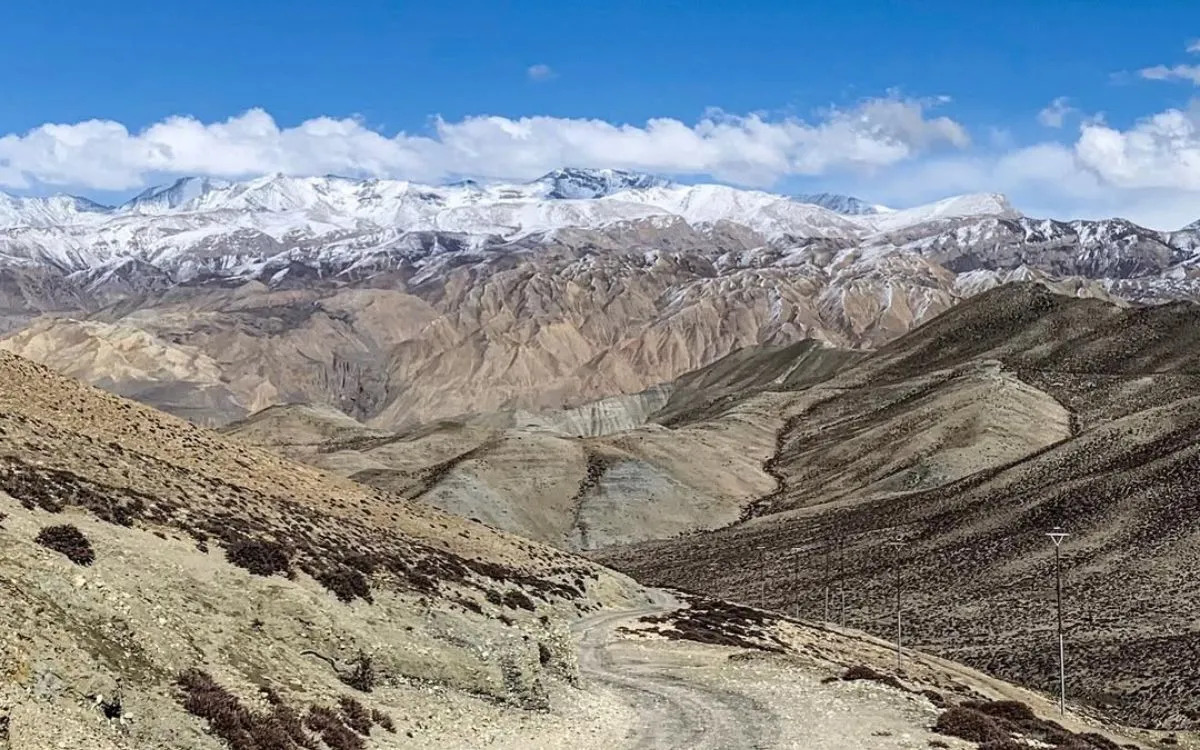
Upper Mustang features a mix of rocky trails, gravel, dry riverbeds, dusty paths, plateaus, village trails and jeep tracks. The terrain is not technically difficult, but loose stones and uneven surfaces can make long walking days tiring.
Road access has improved considerably, including blacktopped sections around the Beni–Kagbeni corridor, but Upper Mustang is not fully paved. Much of the trekking route still follows traditional trails, quieter village paths and rough jeep tracks.
Daily Walking Hours
Most trekking days involve around 5–7 hours of walking, depending on the itinerary, route and vehicle support. At high altitude, even moderate distances can feel demanding. A well-paced itinerary with regular breaks is much more comfortable than trying to complete the trek too quickly.
Weather and Strong Winds
Strong winds are common in Upper Mustang, particularly during the afternoon. Exposed valleys and plateaus provide little shelter, while dust can make walking uncomfortable. Starting early is often a good strategy for completing longer sections before stronger winds develop.
Remoteness and Facilities
Despite improved road access, Upper Mustang remains relatively remote. Accommodation, food, medical services and other facilities are more limited than on popular trekking routes such as Everest and Annapurna. This makes good preparation, sensible pacing and local support important parts of managing the trek’s overall difficulty.
Altitude Sickness on the Upper Mustang Trek

Altitude is one of the most important factors to understand before starting the Upper Mustang Trek. Although the trek is not technical, much of the route is above 3,000 meters, with some passes reaching over 4,000 meters.
The gradual ascent from the Kali Gandaki Valley toward Lo Manthang helps your body adjust, but even fit trekkers can experience altitude sickness. A well-paced itinerary with gradual elevation gain, rest and acclimatization makes the trek much easier to manage.
What Is the Highest Point on the Upper Mustang Trek?
The highest point depends on your chosen route. Lo Manthang sits at approximately 3,800–3,840 meters (12,470–12,600 feet) and is the main destination of the classic trek.
However, some routes cross higher passes, including Nyi La Pass at around 4,010 meters and Gyu La at approximately 4,077 meters.
Therefore, while 3,840 meters is the approximate destination altitude, some trekking sections and side trips take you above 4,000 meters.
Acclimatization and Itinerary Pacing
A typical itinerary gradually climbs from Kagbeni (around 2,800 m) to Chele (about 3,050 m), followed by higher settlements such as Syangboche, Ghami and Tsarang before reaching Lo Manthang.
A well-planned itinerary may include an acclimatization or exploration day around Lo Manthang. The key is to avoid rushing the ascent and adjust your pace according to how your body feels.
Some days can be demanding because they combine elevation gain, descents and high passes. Taking regular breaks and allowing enough time at higher elevations can significantly improve comfort.
Symptoms of AMS and How to Reduce the Risk
Acute Mountain Sickness (AMS) can affect both beginners and experienced trekkers. Common symptoms include:
- Headache
- Dizziness
- Nausea
- Unusual tiredness
- Loss of appetite
- Difficulty sleeping
- Shortness of breath during exertion
To reduce the risk, focus on gradual ascent, adequate rest, hydration and sensible pacing. Avoid alcohol and excessive exertion at higher elevations.
If symptoms worsen, do not simply push through them. Inform your guide or trekking partner, and be prepared to descend to a lower altitude or seek medical assistance if necessary. An experienced local guide can help monitor your condition and respond appropriately.
Upper Mustang Trek Difficulty by Day

There is no single difficulty rating for every day of the Upper Mustang Trek because itineraries vary. Some travelers follow the traditional trekking route all the way from Kagbeni to Lo Manthang and back, while others combine trekking with vehicle transfers.
The following breakdown reflects a typical classic route toward Lo Manthang, rather than claiming that every Upper Mustang itinerary follows exactly the same schedule.
Day 1: Jomsom to Kagbeni — Relatively Easy
The walk from Jomsom to Kagbeni is generally one of the easier trekking sections.
The distance is commonly around 10–11 km, and the route follows the Kali Gandaki Valley toward Kagbeni. Depending on the itinerary, the walk takes roughly three to four hours.
The main consideration is that you are already at an elevation of around 2,700–2,800 meters. Even though the trail itself is not particularly demanding, this is when you begin adjusting to the higher altitude.
Difficulty: Easy to moderate
Day 2: Kagbeni to Chele — Moderate
This is where the Upper Mustang Trek begins to feel more like a genuine high-altitude trek.
The trail rises from approximately 2,800 meters at Kagbeni to around 3,050 meters at Chele. The route passes through traditional villages and dry river valleys before a steeper final climb toward Chele. Typical itineraries put the walking time at around five to six hours.
The combination of the climb, loose terrain and increasing altitude makes this day more demanding than the previous one.
Difficulty: Moderate
Day 3: Chele to Syangboche — One of the Harder Days
For many trekkers, the section between Chele and Syangboche is one of the first genuinely challenging days.
Depending on the exact route, you cross or approach several high passes, including Taklam La and Dajori La, with elevations of approximately 3,624 m and 3,735 m respectively. Some route variations use different passes, so the exact elevation profile can vary.
The walking distance is commonly around 11–12 km and can take approximately six hours, although the exact duration depends on the route and group pace.
The challenge is not simply the distance. You are gaining significant elevation while repeatedly climbing and descending across exposed terrain.
Difficulty: Challenging
Day 4: Syangboche to Ghami — Moderate to Challenging
This section combines gradual climbing with high-pass terrain before descending toward Ghami.
Some itineraries cross Nyi La at approximately 4,010 meters, making this one of the highest points encountered on the classic route to Lo Manthang. After crossing the pass, the trail descends toward Ghami at roughly 3,500 meters.
The descent can be physically tiring, particularly on loose and rocky surfaces.
Although you finish the day at a lower elevation than the pass, the repeated climbs and altitude make this a demanding trekking day.
Difficulty: Moderate to challenging
Day 5: Ghami to Tsarang — Moderate
Compared with the previous high-pass days, the Ghami-to-Tsarang section is generally more manageable.
The route includes a descent toward the Ghami Khola, a bridge crossing and another climb toward the Tsarang area. Some itineraries cross Tsarang La at around 3,870 meters, depending on the route used.
Walking time is commonly around four to six hours.
The trail can be rough in places, but the shorter walking duration makes this a useful day to recover before reaching Lo Manthang.
Difficulty: Moderate
Day 6: Tsarang to Lo Manthang — Moderate
Reaching Lo Manthang is the major objective of the classic Upper Mustang Trek.
The route from Tsarang to Lo Manthang is generally around 11–12 km and takes approximately four to six hours depending on the itinerary and trail conditions. Lo Manthang sits at roughly 3,800–3,840 meters.
Although this is not necessarily the hardest walking day, the altitude makes it feel more demanding than the distance suggests.
You should resist the temptation to race toward the destination simply because it is an important milestone. A steady pace is more appropriate at this elevation.
Difficulty: Moderate
Acclimatization and Exploration Day in Lo Manthang
An acclimatization day around Lo Manthang can make a major difference to how you feel during the rest of the trek.
Instead of undertaking another long point-to-point trek, you can explore the town and surrounding attractions at a relaxed pace.
Depending on the itinerary, this may include visiting the old walled settlement, monasteries or nearby cultural sites such as Chhoser. Some itineraries include several hours of gentle exploration rather than a complete rest day.
Difficulty: Easy to moderate
The Return Journey
The return route is not automatically easy simply because you are descending.
Many itineraries use a different trail on the way back, and some include longer days. For example, current itineraries show routes from Lo Manthang toward Ghami and onward to lower settlements involving approximately six to seven hours of walking on some days.
If you choose an extended route through areas such as Yara and Tange, the walking can become significantly more demanding. Some versions of the trek include days of 7–8 hours or more, with longer distances and more elevation changes.
This is why the overall difficulty of Upper Mustang cannot be determined solely from the standard Lo Manthang route.
Easiest Days on the Upper Mustang Trek
The easiest days generally tend to be those with shorter distances, lower elevation gain or substantial downhill walking.
Depending on the itinerary, these may include:
- Jomsom to Kagbeni
- Tsarang to Lo Manthang
- Exploration around Lo Manthang
- Certain lower-elevation return sections
However, “easy” is relative. Even a shorter day can feel tiring if you are experiencing altitude symptoms or strong winds.
Toughest Days on the Upper Mustang Trek
The most challenging sections commonly involve the combination of altitude gain, high passes and long walking hours.
The Chele-to-Syangboche section is often considered demanding because of its elevation gain and multiple passes. The Syangboche-to-Ghami section can also be challenging because the trail reaches around 4,000 meters at Nyi La on common route variations.
Extended itineraries can introduce even tougher days. Routes through Yara and Tange, for example, can involve longer distances than the classic Lo Manthang itinerary.
Average Walking Duration and Distance Per Day
A typical Upper Mustang itinerary involves approximately 5–7 hours of trekking on many days, with distances commonly falling around 10–15 km. However, these are only useful averages.
Some days are shorter, while longer or alternative routes can involve substantially more walking. Current itineraries show examples ranging from around 9–12 km on standard sections to 15–20 km on more extended routes.
The key point is that walking time matters more than distance alone.
Ten kilometers of relatively gentle walking at lower altitude is not equivalent to ten kilometers of climbing, descending and traversing rocky terrain at 3,500–4,000 meters.
For this reason, travelers should prepare for several consecutive days of five to seven hours of walking rather than training only to complete a particular number of kilometers.
A Practical Difficulty Rating by Section
| Trek Section | Typical Difficulty | Main Reason |
|---|---|---|
| Jomsom – Kagbeni | Easy–Moderate | Short walk but already at altitude |
| Kagbeni – Chele | Moderate | Initial elevation gain and rocky terrain |
| Chele – Syangboche | Challenging | Significant climb and high passes |
| Syangboche – Ghami | Moderate–Challenging | High pass and long descent |
| Ghami – Tsarang | Moderate | Mixed ascents and descents |
| Tsarang – Lo Manthang | Moderate | High altitude despite moderate distance |
| Lo Manthang Exploration | Easy–Moderate | Altitude but flexible walking |
| Standard Return Route | Moderate | Repeated ascents and descents |
| Extended Eastern/Southern Routes | Challenging | Longer walking days and greater route variation |
The ratings above should be treated as a practical guide rather than an official grading system. Weather, trail conditions, altitude response, itinerary design and individual fitness can all change how difficult a particular day feels.
Physical Fitness Requirements for the Upper Mustang Trek

You do not need to be an experienced mountaineer or an exceptionally athletic person to complete the Upper Mustang Trek. However, you should have enough endurance to walk for several hours a day, manage repeated uphill and downhill sections, and continue walking at elevations above 3,000 meters.
The trek is more demanding than an ordinary sightseeing trip because the walking is spread over multiple consecutive days. Even when individual sections are not technically difficult, accumulated fatigue can make later days harder.
A good preparation plan should therefore focus on cardiovascular endurance, leg strength, balance and walking stamina rather than trying to build maximum muscle strength.
What Fitness Level Do You Need for Upper Mustang?
A moderate level of fitness is generally sufficient for the standard Upper Mustang Trek.
You should ideally be able to walk continuously for several hours without becoming excessively exhausted. Regular hiking experience is helpful, particularly if you have previously walked on uneven or hilly terrain.
Before the trek, it is useful to become comfortable with:
- Walking 8–12 km in a day
- Hiking uphill for 1–2 hours
- Walking downhill without significant knee discomfort
- Exercising or hiking on consecutive days
- Carrying a small backpack
- Walking on uneven, rocky or gravelly surfaces
- Maintaining a slow, steady pace rather than walking quickly and taking frequent long breaks
You do not need to be able to run a marathon or climb a mountain before going to Mustang.
What matters more is your ability to maintain consistent physical activity over a long period.
It is also important to understand that fitness does not prevent altitude sickness. A very fit person can still develop altitude-related symptoms, so physical preparation should always be combined with gradual acclimatization and sensible pacing.
How to Train for the Upper Mustang Trek: 8–12 Week Plan?
If you are starting from an average level of fitness, giving yourself 8–12 weeks of preparation is a practical approach.
If you already hike regularly, you may need less preparation. If you are mostly sedentary, starting earlier gives you more time to build endurance gradually.
The goal is not to exhaust yourself during training. Instead, progressively increase the duration and difficulty of your workouts.
Weeks 1–4: Build Your Base
During the first few weeks, concentrate on establishing a consistent routine.
Aim for around four to five active days per week, combining walking or cardio with basic strength training.
A simple week could include:
- 30–45 minutes of brisk walking or easy jogging
- One longer walk or hike during the weekend
- Two strength-training sessions
- One or two easier recovery days
Start incorporating stairs or uphill walking if possible. This helps prepare your legs for the repeated climbs and descents you’ll encounter in Mustang.
At this stage, consistency is more important than intensity.
Weeks 5–8: Increase Endurance and Elevation
Once your basic fitness has improved, gradually increase the duration of your longer hikes.
Try to include:
- 45–60 minutes of cardio
- Longer weekend hikes
- Stair climbing or uphill walking
- Squats and lunges
- Step-ups
- Calf raises
- Core exercises
- Balance exercises
If you have access to hiking trails, use them rather than relying entirely on flat-road walking. Upper Mustang involves uneven terrain, so your body benefits from experiencing different surfaces before the trek.
You can also begin carrying the approximate weight of your daypack during some training hikes.
There is no need to train with an extremely heavy backpack. The purpose is simply to make sure your shoulders, back and legs are comfortable carrying your normal trekking load.
Weeks 9–12: Simulate Trekking Conditions
The final weeks should focus on trekking-specific endurance.
Try to include one or two longer hikes each week and occasionally walk on two consecutive days.
For example:
Saturday: 4–6 hours of hiking
Sunday: 3–5 hours of hiking
This teaches your body what it feels like to walk when you are not completely fresh.
You can also introduce more elevation gain and uneven terrain.
During these final weeks, practice using the same hiking boots, daypack and trekking socks that you plan to take to Nepal. This gives you an opportunity to identify problems such as blisters, uncomfortable footwear or poorly adjusted backpack straps before the trek begins.
You should reduce training volume shortly before departure rather than arriving in Nepal physically exhausted.
Is Upper Mustang Trek Suitable for Beginners?

Yes. Beginners can complete the Upper Mustang Trek with reasonable fitness, proper preparation and a well-paced itinerary. Previous Himalayan trekking experience is helpful but not essential for the standard route to Lo Manthang.
However, Upper Mustang should not be considered easy simply because it does not involve technical climbing. You still need to walk for several hours on consecutive days, reach elevations around and above 4,000 meters on some routes, and handle dry, windy and exposed conditions.
What First-Time Trekkers Should Know?
If this is your first Himalayan trek, keep these points in mind:
- Pace yourself: A slow, steady pace is better than trying to keep up with faster trekkers.
- Don’t judge difficulty by distance alone: Elevation, terrain and weather can make a short day feel demanding.
- Prepare for the environment: Upper Mustang is dry and exposed, with strong afternoon winds on some sections.
- Take altitude symptoms seriously: Headache, nausea, dizziness and unusual fatigue should be reported to your guide rather than ignored.
- Avoid overpacking: Carrying unnecessary weight can make long walking days much harder. A porter can help keep your daypack light.
How Beginners Can Make the Trek Easier?
A few simple choices can make the trek considerably more comfortable:
- Choose a comfortable itinerary instead of the shortest option.
- Allow enough time for gradual altitude gain.
- Train consistently for several weeks before departure.
- Start early where practical to avoid stronger afternoon winds.
- Maintain a slow, consistent walking pace.
- Take regular breaks and stay hydrated.
- Carry suitable layers and broken-in trekking shoes.
- Use a porter if you want to reduce your load.
- Choose traditional trails where the itinerary allows.
- Inform your guide immediately if you feel unwell.
For beginners, good itinerary planning, pacing and preparation can be just as important as physical fitness.
Upper Mustang Trek for Families, Children, and Older Trekkers
Upper Mustang can be suitable for families and older trekkers, provided they are reasonably fit and the itinerary is planned around their abilities. Age alone should not determine suitability. More important factors include walking ability, hiking experience, altitude tolerance and comfort with basic mountain accommodation.
A private or customized itinerary can make the trek easier by allowing shorter walking days, extra rest days and vehicle transfers where appropriate.
Is Upper Mustang Suitable for Older Trekkers?
Active older trekkers can complete Upper Mustang, as the route does not require technical climbing. However, altitude, recovery time and joint strain should be considered carefully. Rocky descents can be particularly demanding on the knees, while consecutive long walking days can increase fatigue.
A slower itinerary with sufficient rest is generally more comfortable than trying to finish the trek in the minimum time. Travelers with existing medical conditions or regular medications should also discuss high-altitude travel with a qualified healthcare professional before departure.
Can Children Trek Upper Mustang?
Children with good fitness and hiking experience may be able to trek in Upper Mustang, but suitability depends on their age, stamina, hiking experience and ability to cope with altitude.
Parents should consider whether the child can comfortably walk for several hours and communicate symptoms such as headache, nausea, dizziness or unusual tiredness. Children are not automatically protected from altitude sickness, so gradual ascent and careful monitoring remain important.
For families, a customized itinerary with shorter walking days, additional rest and strategic vehicle transfers can make the trek much more manageable.
How Road Access Can Help Families and Older Trekkers?
Improved road access has made Upper Mustang more flexible than older descriptions suggest. By mid-2025, reports indicated that around 85% of the Beni–Kagbeni road had been blacktopped, while development farther north toward Korala was still ongoing.
Vehicle transfers can therefore be used strategically on suitable sections, particularly when families or older trekkers need to reduce walking time. However, Upper Mustang is not fully paved, and traditional trails and unpaved sections remain, especially farther north.
The improved roads should be viewed as a logistical advantage, not a reason to underestimate the altitude and physical demands of the trek.
How the Season Affects Upper Mustang Trek Difficulty?

The season can significantly affect how difficult the Upper Mustang Trek feels. Located in the rain shadow of the Annapurna and Dhaulagiri ranges, Upper Mustang is much drier than many parts of Nepal, making it possible to trek even during the monsoon.
However, wind, temperature, dust, sunshine and visibility can still affect trekking conditions. Spring and autumn generally offer the most comfortable conditions, while summer remains a good option because of the rain-shadow climate. Winter is possible but considerably colder and more challenging.
Spring: March to May
Spring offers generally comfortable daytime temperatures and good trekking conditions. March can still be cold at higher elevations, while April and May are usually warmer. Afternoon winds remain possible.
Difficulty: Moderate
Summer/Monsoon: June to August
Upper Mustang remains relatively dry during Nepal’s monsoon, making it one of the few Himalayan regions suitable for summer trekking. However, strong afternoon winds, dust and changing road conditions can affect the journey, particularly on lower approach roads.
Difficulty: Moderate
Autumn: September to November
Autumn is one of the best seasons for Upper Mustang. Conditions are generally dry, stable and clear, with pleasant daytime temperatures. October is particularly popular for comfortable walking and good mountain visibility.
Difficulty: Moderate
Winter: December to February
Winter is the most challenging season because of freezing temperatures, cold nights and possible snow on higher passes. Some accommodations and services may also be limited as local residents move to warmer areas.
With proper winter clothing, equipment and a flexible itinerary, trekking is still possible.
Difficulty: Moderate to Challenging
Which Season Offers the Most Comfortable Trekking Conditions?
For most travelers, spring and autumn offer the easiest overall conditions.
If your priority is comfortable temperatures, stable weather and good visibility, April–May and October–November are particularly attractive.
However, Upper Mustang is unusual because its rain-shadow location makes summer trekking possible, unlike many other popular Nepal trekking destinations.
The “best” season therefore depends on what you value:
| Season | General Conditions | Difficulty |
|---|---|---|
| March | Cold mornings, improving weather | Moderate |
| April–May | Comfortable trekking conditions, windy afternoons possible | Moderate |
| June–August | Dry Mustang, warmer days, stronger winds possible | Moderate |
| September | Generally improving conditions | Moderate |
| October–November | Stable and comfortable | Moderate |
| December–February | Very cold, possible snow/limited facilities | Moderate–Challenging |
Weather at altitude can change quickly, so seasonal averages should never be treated as a guarantee.
Do You Need a Guide or Porter for the Upper Mustang Trek?

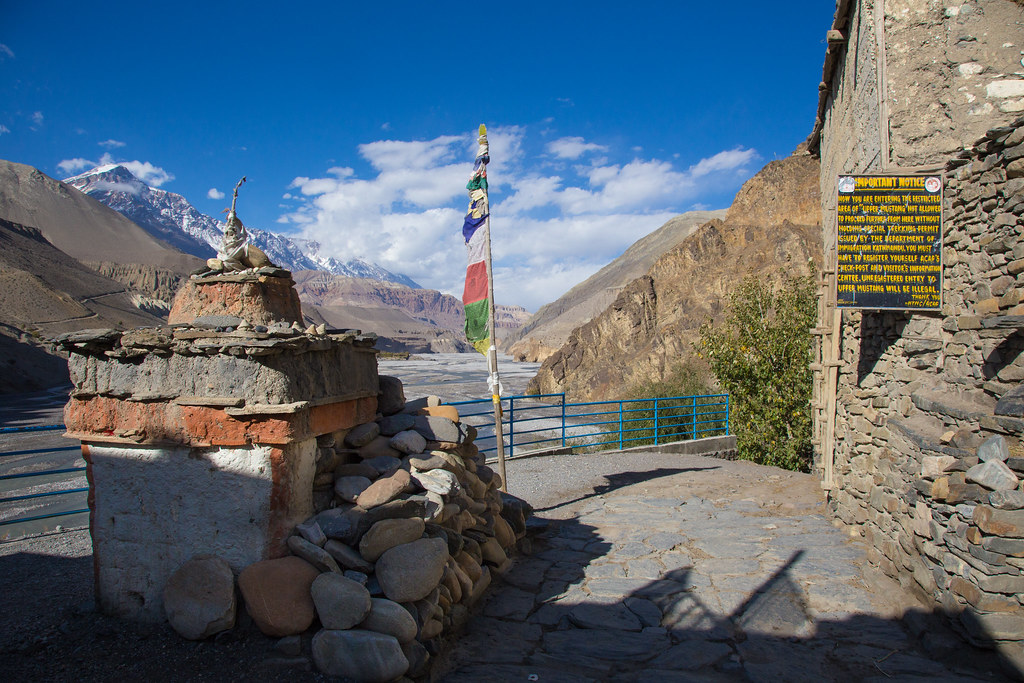
Yes, a licensed guide is required for trekking inside Upper Mustang’s restricted area, and foreign trekkers need the appropriate Restricted Area Permit to enter the region.
This is different from simply deciding whether you personally prefer trekking with a guide.
The restricted-area rules are one of the practical reasons travelers normally arrange Upper Mustang through a registered trekking agency.
A guide also provides much more than route navigation.
They can help with:
- Permit and checkpoint procedures
- Accommodation arrangements
- Communication with local communities
- Route decisions
- Weather-related changes
- Altitude monitoring
- Emergency coordination
- Cultural etiquette
- Vehicle arrangements where required
This can reduce the logistical difficulty of the trek considerably.
Mandatory Guide Requirement for the Restricted Area
The Upper Mustang restricted area is subject to special entry requirements.
Foreign travelers generally need a Restricted Area Permit, and trekking in the restricted area requires an authorized trekking arrangement with a licensed guide.
The practical implication is that Upper Mustang is not a destination where you should plan a completely independent solo trek in the same way you might approach an unrestricted hiking route.
Because permit rules and fees can change, travelers should confirm the requirements for their exact route and travel dates before departure.
How a Porter Can Reduce Physical Strain?
A porter is not technically necessary for every physically fit trekker, but hiring one can make the trek substantially more comfortable.
The biggest advantage is simple:
You walk with less weight.
Instead of carrying your clothing, sleeping gear and most of your personal belongings every day, you can carry only a small daypack containing essentials such as water, snacks, layers, sunscreen, a camera and personal items.
This matters more as the trek progresses.
Carrying an additional 8–12 kg at 3,500–4,000 meters can make a noticeable difference to your energy levels.
If you are a beginner, older traveler or someone who wants to focus on enjoying the cultural and landscape experience rather than maximizing physical effort, a porter can be particularly worthwhile.
How to Make the Upper Mustang Trek Easier?

Upper Mustang becomes much more manageable when you plan around altitude, walking pace, weather and carrying weight. A few simple choices can reduce fatigue and make long trekking days more comfortable.
Pace Yourself and Take Regular Breaks
At high altitude, a slow and consistent pace is more sustainable than walking quickly and stopping frequently. Start comfortably, take short breaks when needed and avoid pushing yourself uphill.
Starting early can also help you complete longer sections before the stronger afternoon winds. If you are already tired, avoid unnecessary side trips or trying to keep up with faster trekkers.
Stay Hydrated and Eat Well
Upper Mustang’s dry climate can make it easy to underestimate fluid loss. Drink regularly throughout the day rather than waiting until you feel very thirsty.
Eat enough to maintain your energy during consecutive walking days. Dal bhat, rice, noodles, potatoes, pasta, soups, porridge, eggs and energy snacks are practical trekking foods. Avoid excessive alcohol, particularly at higher elevations.
If you experience possible altitude-sickness symptoms, inform your guide rather than trying to continue according to schedule.
Carry the Right Gear
The right equipment can make a noticeable difference on rocky, windy and exposed trails. Useful essentials include:
- Broken-in trekking boots with good grip
- Layered clothing for changing temperatures
- Windproof jacket for exposed sections
- Sunglasses, sunscreen and a hat for strong sunlight
- Trekking poles for balance and rocky descents
- Reusable water bottle or hydration system
- Headlamp for unexpected delays
- Buff or face covering for dust and wind
- Small daypack for daily essentials
A porter can also reduce physical strain by carrying your main luggage, allowing you to trek with only a light daypack.
Good preparation will not eliminate the effects of altitude, but it can reduce unnecessary fatigue and make the Upper Mustang Trek considerably more comfortable.
Accommodation and Facilities Along the Upper Mustang Trail

Accommodation is another factor that influences how difficult the trek feels. Upper Mustang has a growing network of teahouses, lodges and guesthouses, particularly along the established route toward Lo Manthang.
Facilities have improved significantly over time, but they should not be compared directly with hotels in Kathmandu or Pokhara.
Expect simple mountain accommodation, basic rooms and shared facilities in many locations. The experience is part of what makes trekking in Mustang distinctive.
Teahouses and Accommodation
Most trekkers stay in locally operated lodges and guesthouses. In major settlements such as Kagbeni and Lo Manthang, accommodation choices can be relatively comfortable compared with smaller villages. Farther along the route, facilities may be more basic.
Depending on the lodge, you may encounter:
- Twin-sharing rooms
- Shared bathrooms
- Limited hot water
- Dining rooms with heating
- Basic bedding
- Electricity with limited availability
- Wi-Fi or mobile connectivity that varies by location
Do not assume that every lodge will have reliable hot showers or strong internet. At higher elevations, conserving energy and keeping warm can be more important than expecting hotel-style facilities.
Food, Water and Charging
Most lodges serve practical trekking meals such as dal bhat, noodles, soups, potatoes, pasta and bread. Food choices become more limited in smaller settlements, so flexibility is important.
Drinking water is available along the route, but natural water should be properly treated or purified before drinking. Carry a reusable bottle or hydration system to stay hydrated throughout the day.
Electricity is available in many villages but may be limited or require an additional charging fee. A power bank is therefore useful.
Internet and Mobile Connectivity
Internet and mobile coverage have improved, but connectivity remains inconsistent, particularly in remote sections. Do not rely entirely on your phone for navigation or communication.
Overall, the facilities are sufficient for trekking, but travelers should be prepared for basic mountain accommodation and limited services as they move deeper into Upper Mustang.
Does Road Access Make Upper Mustang Easier?
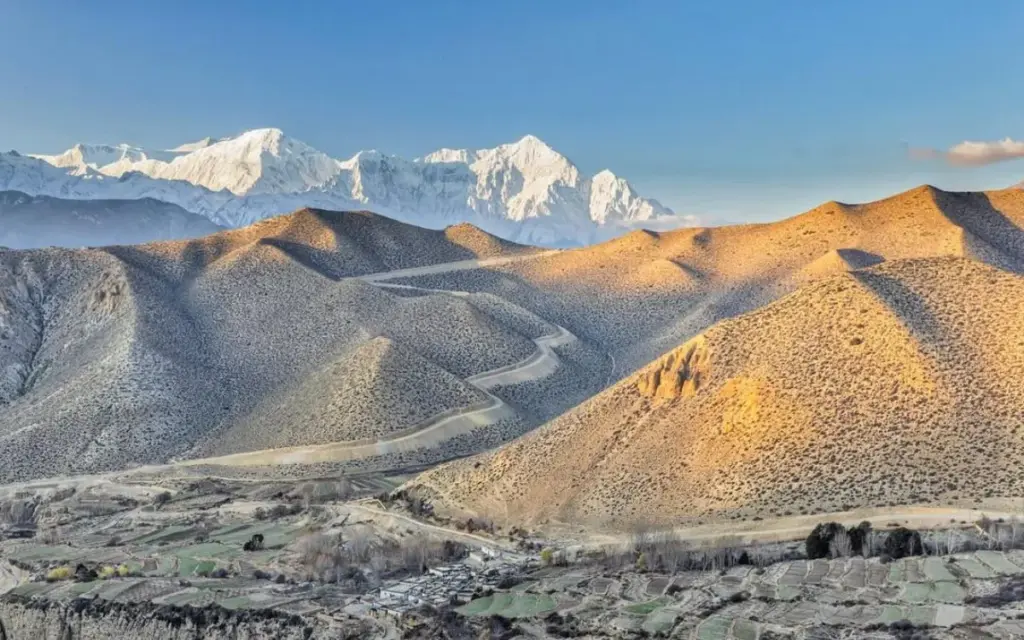
Yes, but only in certain ways.
The development of roads has changed the logistics of traveling through Upper Mustang considerably.
Vehicles can now reach areas that previously required much longer walking approaches, and major road improvement projects have made some sections smoother and easier to access.
By July 2025, reporting indicated that around 85% of the Beni–Kagbeni road had been blacktopped, representing a substantial improvement on the lower approach to Mustang. Farther north, however, road construction toward Korala was still underway, and not every section was paved.
For trekking difficulty, this has several consequences.
First, vehicle support can shorten certain walking sections.
Second, emergency evacuation and logistical support can be easier than in the past.
Third, travelers can customize an itinerary around the sections they most want to walk.
But there is an important distinction: Better road access does not mean Upper Mustang has become a fully paved or easy trek.
The region still has traditional footpaths, rocky trails, exposed terrain and unpaved jeep tracks. Some trekking itineraries deliberately use these quieter trails rather than following the road throughout the journey.
In fact, a 2025 reconnaissance of the route to Lo Manthang found that much of the trekking could still be completed on traditional trails, with only limited sections directly using the main road or jeep tracks.
For modern trekkers, the road network should therefore be viewed as an additional logistical option rather than a replacement for trekking.
If you are specifically traveling to Upper Mustang for the trekking experience, your agency can design the itinerary to prioritize traditional trails wherever practical.
Upper Mustang Trek Difficulty Compared With Other Nepal Treks
Upper Mustang is generally considered a moderate to challenging trek. Its main challenges are altitude, long walking days, dry and rocky terrain, and strong winds rather than technical climbing.
Compared with other popular Nepal treks:
| Trek | General Difficulty | Highest Point | Main Challenge |
|---|---|---|---|
| Upper Mustang | Moderate–challenging | 4,000 m+ on some routes | Altitude, wind and long walking days |
| Annapurna Circuit | Moderate–challenging | 5,416 m (Thorong La) | High-pass crossing and altitude |
| Everest Base Camp | Moderate–challenging | 5,545 m (Kala Patthar) | Higher altitude and long days |
| Mardi Himal | Moderate | ~4,500 m | Steep sections and altitude |
| Ghorepani Poon Hill | Easy–moderate | 3,210 m | Stone steps and uphill sections |
Upper Mustang is generally less demanding in terms of maximum altitude than Everest Base Camp or the Annapurna Circuit, but it is longer and more remote than shorter treks such as Mardi Himal and Ghorepani Poon Hill.
For beginners, Ghorepani Poon Hill is usually the easier option. For trekkers looking for a longer, remote and culturally rich high-altitude experience without technical climbing, Upper Mustang offers a good balance of challenge and accessibility.
Conclusion – Is the Upper Mustang Trek Right for Your Fitness Level?
The Upper Mustang Trek is a moderate to challenging Himalayan trek that does not require technical mountaineering skills. Its main challenges come from altitude, long walking days, rocky terrain, strong winds and remote conditions.
Improved road access has made the region more flexible than in the past, but traditional trails and rough sections remain an important part of the trekking experience.
You do not need to be an experienced mountaineer to complete Upper Mustang. If you are reasonably fit, prepare properly, allow time for gradual acclimatization and maintain a steady pace, the trek is achievable for many first-time Himalayan trekkers.
Ultimately, Upper Mustang is less about exceptional physical strength and more about preparation, patience and adapting to altitude. With the right itinerary and support, you can enjoy its dramatic landscapes, Tibetan-influenced culture, ancient monasteries and the historic walled city of Lo Manthang.
FAQs About Upper Mustang Trek Difficulty
-
Is Upper Mustang harder than EBC?
For most trekkers, Everest Base Camp is more demanding in terms of altitude because the trek reaches 5,364 meters at Base Camp and around 5,545 meters at Kala Patthar. Upper Mustang’s classic route to Lo Manthang reaches approximately 3,800–3,840 meters, although some Upper Mustang routes cross passes above 4,000 meters.
Upper Mustang can still be physically demanding because of long walking days, dry terrain, strong winds and remoteness. -
Can a beginner complete the Upper Mustang Trek?
Yes. A beginner can complete the standard Upper Mustang Trek if they have reasonable fitness, train beforehand and follow a properly paced itinerary.
Previous Himalayan trekking experience is helpful but not essential. The most important preparation is being able to walk for several hours on consecutive days and being comfortable with uphill and downhill terrain. -
What is the highest point of the Upper Mustang Trek?
It depends on the itinerary.
Lo Manthang is approximately 3,800–3,840 meters, but some routes and side trips cross passes above 4,000 meters. For example, Nyi La is around 4,010 meters on a commonly used route variation.
Therefore, travelers should check the actual elevation profile of their chosen itinerary rather than assuming that Lo Manthang’s elevation represents the highest point of the entire trek. -
How many days are needed to reduce difficulty and aid acclimatization?
There is no single ideal number of days for everyone, but rushing Upper Mustang is generally not a good way to reduce difficulty.
A classic trek to Lo Manthang is commonly planned over roughly two weeks, with variations depending on transportation, acclimatization, side trips and the return route.
Adding an acclimatization or exploration day around Lo Manthang can make the itinerary more comfortable, particularly for trekkers who are less experienced with altitude.
The goal should be a gradual ascent rather than simply choosing the shortest itinerary available. -
Do you need previous trekking experience for Upper Mustang?
No.
Previous trekking experience is useful, but the standard Upper Mustang route does not require technical climbing skills.
What you do need is sufficient endurance for several hours of walking each day and the ability to cope with high-altitude conditions.
A beginner who trains properly can be better prepared than an experienced trekker who arrives without adequate acclimatization. -
How many hours do you walk each day in Upper Mustang?
Many standard itineraries involve approximately 5–7 hours of walking per day, although this varies according to the route, distance, altitude gain and whether vehicle transfers are used.
Extended routes can have longer walking days.
Rather than focusing only on the number of hours, consider the combination of walking time + altitude + elevation gain + terrain. -
Is Upper Mustang difficult because of the roads?
Not exactly.
Road development has actually made some aspects of Upper Mustang easier by improving vehicle access and logistics. The Beni–Kagbeni road, for example, had undergone extensive blacktopping by 2025.
However, farther north, substantial unpaved sections remained, and the trekking route still includes traditional footpaths, rocky terrain and jeep tracks.
So the modern Upper Mustang Trek is not as isolated from roads as older descriptions may suggest, but it is also not a fully paved trek. -
Can you avoid walking on the road in Upper Mustang?
In many sections, yes.
The exact route depends on the itinerary, but traditional footpaths continue to provide alternatives to some road sections. Experienced trekking operators have reported using traditional trails for much of the route toward Lo Manthang rather than simply following the main jeep road.
If avoiding road walking is important to you, discuss this with your trekking agency before departure so the itinerary can prioritize traditional trails where practical. -
Is Upper Mustang suitable for older trekkers?
It can be, provided the traveler is physically active and comfortable with several hours of walking at altitude.
Older trekkers may benefit from a slower itinerary, a porter, additional rest time and flexible vehicle support.
Age alone should not determine suitability. Walking ability, previous hiking experience and how well the person handles altitude are more useful factors. -
Can families trek Upper Mustang with children?
Families can trek Upper Mustang, but children should be accustomed to physical activity and able to handle long walking days.
Parents should pay close attention to how children respond to altitude because children may not always describe early symptoms clearly.
A private itinerary with shorter walking days and additional flexibility can be a better option for families than a tightly scheduled group itinerary. -
Is Upper Mustang harder in winter?
For most travelers, yes.
The main issue is not technical difficulty but cold temperatures, possible snow at higher elevations, frozen conditions and reduced services.
Spring and autumn generally offer more comfortable conditions for most trekkers. -
What is the hardest part of the Upper Mustang Trek?
For many trekkers, the hardest part is the combination of altitude, repeated ascents and descents, wind and several consecutive days of walking.
There is no single technical obstacle that defines the trek.
The difficulty builds gradually. -
Is a porter necessary on the Upper Mustang Trek?
A porter is not essential for every trekker, but it can significantly reduce physical strain.
Carrying only a small daypack allows you to conserve energy for walking, particularly at elevations above 3,000 meters.
For beginners, older trekkers or travelers carrying camera equipment and additional clothing, a porter can make the trek considerably more comfortable. -
Is Upper Mustang a good first Himalayan trek?
It can be, but it is not the easiest first Himalayan trek.
Someone completely new to trekking may find Ghorepani Poon Hill or another lower-altitude route easier for their first experience.
However, a fit beginner who trains properly and chooses a well-paced Upper Mustang itinerary can successfully complete the trek.

Leave a Reply