Author: Hi Nepal Team

  • Mardi Himal Weather: When to Trek and What to Expect?

    Mardi Himal Weather: When to Trek and What to Expect?

    Predicting the Mardi Himal Trek weather is more challenging than it’s trail.

    Because it changes with both the season and elevation.

    You may start the trek in relatively mild conditions and reach much colder, windier weather as you climb toward High Camp and Mardi Himal Base Camp.

    Rain, snow, clouds, and clear mountain views also vary considerably throughout the year.

    Understanding the weather before your trek helps you choose the right season, prepare suitable clothing, and know what conditions to expect at different points on the route.

    In general, spring and autumn offer the most favorable trekking conditions, with moderate temperatures and clearer mountain views. Winter brings colder conditions and the possibility of snowfall, while the monsoon months are wetter and more challenging.

    Mardi Himal Weather at a Glance

    Mardi Himal experiences four distinct seasons, and each creates a different trekking environment.

    SeasonMonthsTypical ConditionsTrekking Experience
    SpringMarch–MayMild days, cool nights, blooming rhododendronsExcellent
    MonsoonJune–AugustRain, humidity, slippery trails, cloudy conditionsChallenging
    AutumnSeptember–NovemberStable weather, clear skies, pleasant daysExcellent
    WinterDecember–FebruaryCold temperatures, freezing nights, possible snowfallChallenging

    For most trekkers, March to May and September to November are the best periods for the Mardi Himal Trek. If your main goal is to experience snow and quieter trails, winter can also be appealing with the right preparation.

    Mardi Himal Temperature and Weather by Elevation

    Weather becomes colder as you gain elevation on the Mardi Himal route. Conditions at the lower sections of the trek can feel very different from those around High Camp and Base Camp.

    Forest Camp Weather

    Forest Camp sits higher than the lower sections of the route and is surrounded by dense forest. The weather is generally cooler than at the start of the trek, with temperatures becoming noticeably colder after sunset.

    During spring and autumn, daytime trekking conditions are generally comfortable, although mornings and evenings can be chilly.

    Monsoon brings higher humidity and rainfall, while winter can make nights particularly cold.

    Low Camp Weather

    At Low Camp, the weather begins to feel more alpine as the trail climbs above the forested sections.

    Spring and autumn usually provide pleasant conditions for walking during the day, but temperatures can fall quickly after sunset. Cloud and wind can also change the experience, particularly when moving toward the higher parts of the route.

    If you are trekking during winter, warm layers become increasingly important from this point onward.

    High Camp Mardi Himal Weather

    Mardi Himal High Camp weather is considerably colder than conditions at the lower camps.

    High Camp is more exposed, so wind can make the temperature feel colder, particularly early in the morning and after sunset. Winter conditions can be harsh, with freezing temperatures and snowfall possible.

    Autumn generally provides stable weather and clear mountain views, while spring offers mild daytime conditions and increasingly accessible trails.

    If you are planning the early morning walk toward the viewpoint or Base Camp, carry enough warm clothing even when the weather feels comfortable during the day.

    Mardi Himal Base Camp Weather

    The Mardi Himal Base Camp weather is colder and more unpredictable because of the higher elevation and exposed landscape.

    Winter can bring snowfall, and sudden changes in visibility are possible. Even during the more favorable trekking seasons, temperatures can feel very cold around the higher sections, especially before sunrise.

    Clear autumn mornings can provide excellent views of the surrounding Himalayan peaks, while clouds can move in quickly during less stable conditions.

    Because conditions at higher elevations can change quickly, trekkers should prepare for cold, wind, rain, and possible snow rather than relying only on the weather they experience at lower elevations.

    Mardi Himal Weather Month by Month

    The best time to trek Mardi Himal depends largely on what you want from the journey. Some trekkers prioritize clear mountain views, while others prefer snow, fewer people, or greener landscapes.

    Here is a general overview:

    MonthWeatherWhat to Expect
    JanuaryCold and potentially snowyFreezing nights and winter conditions
    FebruaryCold, with possible snowfallQuiet trails and winter landscapes
    MarchIncreasingly mildSpring begins and trekking conditions improve
    AprilMild and generally favorableRhododendrons and clear mountain scenery
    MayWarm lower down, increasingly humidGood trekking early in the month
    JuneRain beginsIncreasingly wet and cloudy
    JulyWet and humidHeavy rain and slippery trails
    AugustWet and greenMonsoon conditions continue
    SeptemberWeather begins to stabilizeImproving trekking conditions
    OctoberStable and generally clearOne of the best periods for trekking
    NovemberClear and coolExcellent mountain visibility, colder nights
    DecemberCold and potentially snowyWinter conditions begin

    These are seasonal patterns rather than a guarantee of daily conditions. Weather can change quickly in the mountains, particularly at higher elevations.

    Mardi Himal Weather in Spring: March to May

    Spring is one of the best times for the Mardi Himal Trek.

    From March to May, temperatures become more comfortable and the winter snow begins to recede from many parts of the trail. Daytime temperatures in the region are generally moderate, while nights remain cool.

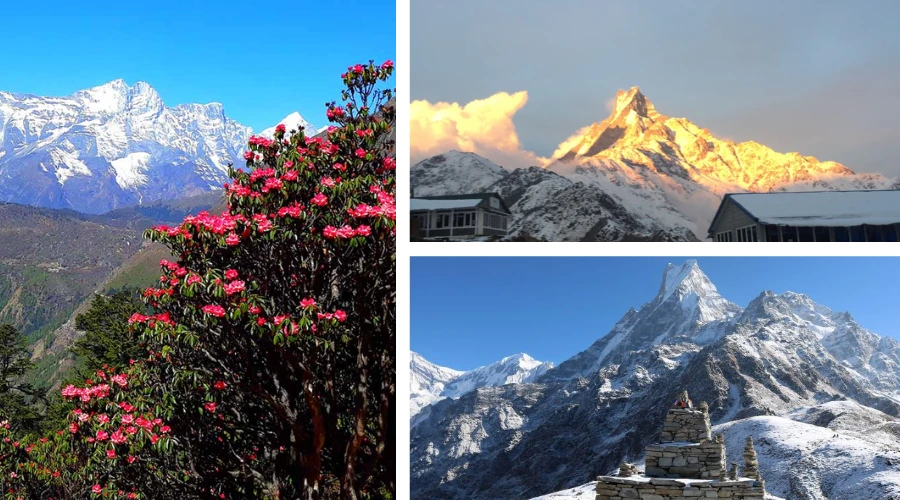
    One of the biggest attractions of a spring trek is the rhododendron forest. As the national flower of Nepal comes into bloom, sections of the trail become filled with vibrant colors.

    March

    March marks the transition from winter into spring. Conditions gradually become warmer, although mornings and nights can still be cold, particularly at higher elevations.

    Snow may still be present in some higher areas, depending on conditions earlier in the winter.

    April

    April generally offers comfortable trekking conditions, with mild daytime weather and good opportunities for mountain views.

    The rhododendrons are also an important attraction during this period, making April particularly appealing for trekkers who want both mountain scenery and colorful forests.

    May

    May remains a good month for trekking, although temperatures and humidity begin to increase as the monsoon approaches.

    The first part of May can offer favorable conditions, while cloud and rainfall become increasingly possible toward the end of the month.

    Mardi Himal Weather in Monsoon: June to August

    The monsoon season brings significant rainfall to the Mardi Himal region.

    Daytime temperatures can range from around 15°C to 25°C, but high humidity and frequent rain can make trekking uncomfortable.

    The trails may become:

    • Wet and slippery
    • Muddy
    • More difficult to navigate
    • Prone to leeches
    • Affected by landslides in some areas

    Clouds can also obscure mountain views, which means the chance of seeing clear Himalayan panoramas is generally lower than during autumn.

    However, monsoon has its own appeal. The forests become lush and green, flowers bloom, and the trails are considerably quieter.

    If you choose to trek during this period, waterproof clothing, sturdy footwear, and protection for your backpack and other belongings are essential.

    Accommodation availability can also be more limited during the off-season, so check ahead before starting your trek.

    Mardi Himal Weather in Autumn: September to November

    Autumn is generally considered one of the best seasons for the Mardi Himal Trek.

    After the monsoon, the weather becomes more stable and the skies are often clearer. This creates excellent opportunities to see the surrounding Himalayan peaks.

    Daytime temperatures are generally comfortable, while nights become increasingly cold as November approaches.

    September

    September marks the transition from monsoon to autumn. Early September can still experience some rainfall, but conditions generally improve as the month progresses.

    October

    October is one of the most favorable months for the Mardi Himal Trek.

    The weather is generally stable, the skies are often clear, and mountain visibility can be excellent. Daytime temperatures remain comfortable for walking, while nights are cooler.

    If clear mountain views are your priority, October is a particularly strong choice.

    November

    November continues to offer generally clear and dry conditions, although temperatures begin to drop, especially at night.

    The search data for Mardi Himal already shows interest in Mardi Himal weather in November, and this is important for planning: November can be an excellent trekking month, but you should be prepared for colder mornings and nights than earlier in autumn.

    Mardi Himal Weather in Winter: December to February

    Winter brings the coldest conditions to the Mardi Himal region.

    Daytime temperatures can become quite cold, while nighttime temperatures at higher elevations can fall below freezing. Snowfall is also possible, particularly around the higher sections of the route.

    For trekkers who enjoy snow-covered landscapes and quieter trails, winter can offer a completely different Mardi Himal experience.

    However, winter trekking requires better preparation.

    You should be prepared for:

    • Freezing nights
    • Snowfall
    • Cold winds
    • Reduced visibility
    • Snow-covered trails
    • Sudden changes in weather

    A warm sleeping bag, insulated clothing, gloves, a warm hat, and suitable footwear are particularly important.

    January

    January is among the coldest months. Snow and freezing temperatures can make the higher sections of the trail more challenging.

    February

    February remains cold, but conditions gradually begin transitioning toward spring later in the month.

    Snow may still be present at higher elevations, making this an appealing period for trekkers specifically looking for winter scenery.

    When Does It Snow on Mardi Himal?

    If your main reason for choosing winter is to experience snow, December to February generally offers the best chance of snowfall.

    Snow is more likely around the higher sections, including High Camp and the Base Camp area. The amount of snow can vary considerably from one year to another, so there is no guarantee that a particular departure date will have fresh snowfall.

    Spring and autumn can also experience occasional snow at higher elevations, but winter is the season most associated with snowy conditions.

    Before heading toward the higher sections, check current conditions with your guide or local trekking operators, particularly after a snowfall.

    Is Mardi Himal Cold at Night?

    Yes.

    The difference between daytime and nighttime conditions can be significant, especially as you gain elevation.

    During spring and autumn, daytime temperatures may feel comfortable while mornings and nights remain cold. In winter, temperatures at higher elevations can fall below freezing.

    This is why your packing list should focus on layers rather than relying on one heavy jacket.

    A practical system includes:

    • Thermal base layer
    • Fleece or insulating mid-layer
    • Down or warm insulated jacket
    • Waterproof outer layer
    • Warm gloves
    • Hat or beanie
    • Warm trekking socks

    You can remove layers while walking and add them again when temperatures drop.

    What Should You Pack for Mardi Himal Weather?

    Your clothing should match both the season and the elevation.

    For Spring and Autumn

    Pack:

    • Thermal layers
    • Fleece jacket
    • Warm insulated jacket
    • Waterproof jacket
    • Trekking trousers
    • Warm gloves
    • Hat
    • Good hiking boots
    • Sleeping bag
    • Sunglasses
    • Sunscreen

    For Winter

    Add extra protection against freezing temperatures:

    • Heavier insulated jacket
    • Warmer thermal layers
    • Insulated gloves
    • Warm hat
    • Cold-weather sleeping bag
    • Suitable winter footwear

    For Monsoon

    Rain protection becomes the priority:

    • Waterproof jacket
    • Rain cover for your backpack
    • Waterproof bags
    • Quick-drying clothing
    • Waterproof or highly water-resistant hiking footwear
    • Extra socks
    • Insect repellent

    The most important thing is to be prepared for changing conditions. Weather can shift during the same trekking day, so keeping waterproof and warm layers accessible is better than packing them at the bottom of your bag.

    How to Check the Mardi Himal Weather Forecast

    A weather forecast can help you plan your trek, but mountain weather should always be treated as changeable.

    Before starting the trek:

    1. Check the forecast for the Mardi Himal region rather than relying only on Pokhara weather.
    2. Check conditions again shortly before heading toward higher elevations.
    3. Ask your guide or local accommodation about recent weather and trail conditions.
    4. Be prepared to change your plan if heavy snowfall, rain, or poor visibility develops.
    5. Carry appropriate clothing even when the forecast looks favorable.

    A forecast is useful for planning, but it should not be treated as a guarantee of conditions at High Camp or Base Camp.

    What Is the Best Time for Mardi Himal Trek?

    For most trekkers, the best time for the Mardi Himal Trek is spring and autumn.

    Choose spring if you want:

    • Mild trekking temperatures
    • Blooming rhododendrons
    • Green forests
    • Good mountain views

    Choose autumn if you want:

    • Stable weather
    • Clear skies
    • Excellent mountain visibility
    • Comfortable trekking conditions

    Choose winter if you want:

    • Snow-covered landscapes
    • Fewer trekkers
    • A colder and more challenging experience

    Choose monsoon if you want:

    • Lush green landscapes
    • Quieter trails
    • A different side of the Mardi Himal region

    If this is your first Mardi Himal Trek and your priority is a balance of comfortable weather and mountain views, autumn, particularly October and November, is one of the strongest choices.

    Final Thoughts

    The Mardi Himal weather is one of the most important factors to consider before starting the trek.

    Conditions change as you move from the lower trail to Forest Camp, Low Camp, High Camp, and the higher Base Camp area. Spring and autumn generally offer the most favorable combination of moderate temperatures and clearer skies, while winter brings cold and possible snowfall. Monsoon is wetter and more challenging but offers lush green landscapes and quieter trails.

    Rather than choosing your trekking date based only on the season, consider what you want from the journey. If you want clear mountain views, autumn is an excellent option. If you want rhododendron forests, spring is particularly attractive. If snow is your priority, winter may be worth considering.

    Whatever season you choose, prepare for changing mountain weather and check current conditions before heading toward the higher elevations.

    Recommended Read: Mardi Himal Trek Cost

    FAQs

    What is the weather like in Mardi Himal?

    Mardi Himal weather varies by season and elevation. Spring and autumn generally have moderate daytime conditions and clearer skies, monsoon brings rain and humidity, while winter is cold with possible snowfall at higher elevations.

    Which month is best for Mardi Himal Trek?

    March to May and September to November are generally considered the best periods for the Mardi Himal Trek. Autumn is particularly favorable for stable weather and clear mountain views, while spring offers blooming rhododendrons.

    What is the weather like at Mardi Himal High Camp?

    High Camp is considerably colder and more exposed than the lower sections of the trek. Nights and early mornings can be very cold, and winter can bring freezing temperatures and snowfall.

    What is the Mardi Himal Base Camp weather like?

    Mardi Himal Base Camp has colder and more changeable conditions because of its higher elevation. Snowfall is possible during winter, while clear weather in autumn can provide excellent mountain views.

    When does it snow on Mardi Himal?

    Snowfall is most likely during the winter months from December to February, particularly around the higher sections of the route. Snow can also remain at higher elevations into other seasons depending on conditions.

    Is Mardi Himal Trek possible in winter?

    Yes, Mardi Himal can be trekked in winter, but the colder temperatures, snowfall, and potentially difficult trail conditions require proper preparation. Winter is better suited to trekkers who are comfortable with cold-weather trekking.

    Is November a good time for Mardi Himal Trek?

    Yes. November generally has clear and dry conditions and can offer excellent mountain visibility. However, temperatures, especially at night and at higher elevations, become colder as winter approaches.

    Is Mardi Himal Trek possible during monsoon?

    Yes, but June to August is a more challenging period because of rainfall, slippery trails, humidity, leeches, and reduced mountain visibility. Waterproof gear and careful planning are particularly important.

    Does Mardi Himal Base Camp have snow?

    Snow can occur around Mardi Himal Base Camp, particularly during winter. The amount of snow varies according to the weather conditions of a particular year.

    How cold is Mardi Himal at night?

    Nighttime temperatures become increasingly cold as you gain elevation. During spring and autumn, nights can be chilly, while winter nights at higher elevations can fall below freezing.
  • Kori Village: Nepal’s Most Authentic Gurung Experience

    Kori Village: Nepal’s Most Authentic Gurung Experience

    Dear Explorers,

    Looking for Nepal exposure, but confused about where to go?

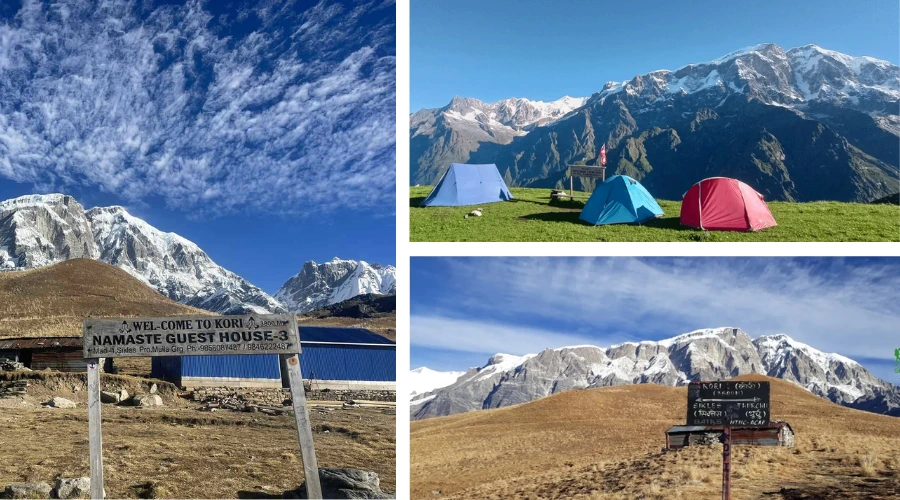
    A short trek of 2 to 3 days will take you to one of the most stunning places in Nepal, the Kori Village (3,800 m above sea level).

    Kori Village, located in the Kaski district, is a serene and picturesque settlement that remains largely untouched by mass tourism. The village is situated in the Gandaki Province of Nepal, offering one of the stunning views of the surrounding hills and mountains. 

    One of the best viewpoints for the Annapurna range, Kori Trek takes you to the place where time seems to slow down, allowing you to immerse yourself fully in the tranquil environment.

    How to Reach Kori Village from Pokhara?

    Reaching Kori Village from Pokhara is an adventure in itself. 

    The Kori Himal Trek typically begins in the bustling city of Pokhara, a popular starting point for various treks of the Annapurna Region. To get to Kori Village from Pokhara, you’ll embark on a scenic drive to Sikles Village, followed by a trek through the verdant landscapes of the Annapurna region. The Kori Village trek is moderately challenging, making it accessible to most trekkers with a reasonable level of fitness.

    Scenic Beauty Along the Trek

    The Kori Village trek itinerary is a sensory delight, with the fragrant aroma of pine and rhododendron forests accompanying you along the way. Each step brings new vistas as the landscape shifts from dense woodlands to terraced fields that cascade down the hillsides. Along the path, small streams and waterfalls offer refreshing stops where you can pause and take in the natural beauty that surrounds you.

    Local Encounters and Cultural Connection

    As you hike through the lush forests and terraced fields. In spring, the trail becomes even more beautiful as the whole trail is filled with the multi-coloured rhododendron flower (Nepal’s national flower). You’ll also encounter the friendly locals who greet you with warm smiles and genuine hospitality. 

    Kori Village trek is not just about reaching a particular destination; it’s about savoring every moment of the journey and connecting with the land and its people. The journey offers ample opportunities to engage with the local culture, as villagers are often eager to share stories and offer insights into their way of life.

    Traditional Architecture and Village Life

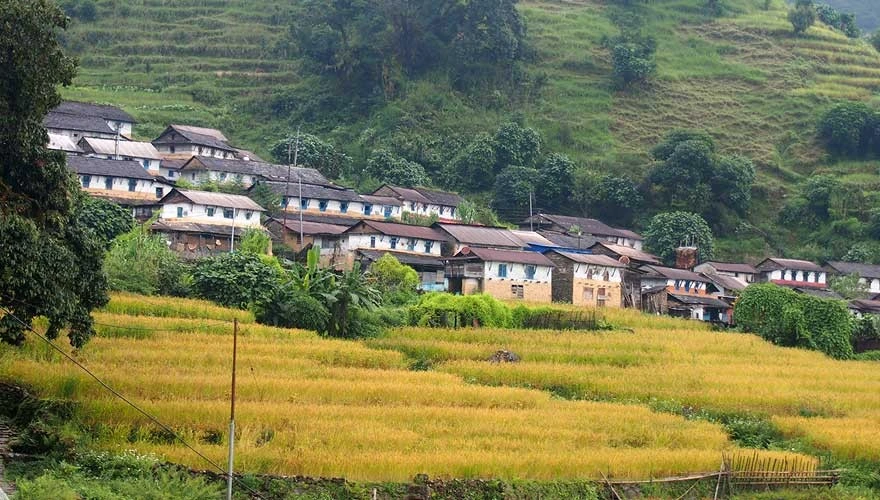
    Upon arrival in Kori Village, you’ll be greeted by the sight of traditional Nepali houses adorned with colorful prayer flags. The architecture reflects a harmonious blend of functionality and artistry, with intricately carved wooden beams and stone foundations. These homes are not just shelters; they are a testament to the villagers’ dedication to preserving their cultural heritage.

    Daily Life and Community Spirit

    The villagers here lead a simple yet fulfilling life, primarily dependent on agriculture and animal husbandry. As you wander through the village, you’ll have the opportunity to witness daily life in rural Nepal, gaining insights into age-old traditions and customs. The fields are alive with activity, as farmers tend to their crops with a deep respect for the land that sustains them.

    Children play in the open spaces around, their laughter echoing through the village, giving a different inspiration to the people nearby, while elders gather to share stories and the wisdom of the past. 

    The community spirit in Kori Village is palpable, and visitors are often welcomed with open arms, invited to participate in their daily activities, or share a meal with a local family. This immersive experience provides a deeper understanding of the values and traditions that shape life in this serene corner of Nepal.

    Festivals and Cultural Celebrations

    Kori Himal offers a wealth of cultural experiences that provide a glimpse into the rich tapestry of Nepali life. Here are a few highlights you cannot afford to miss:

    Dashain Festival

    Kori Village is known for its vibrant festivals, where locals come together to celebrate their cultural heritage. One of the most significant festivals is Dashain, which typically takes place in October. During this time of the festivals, the whole village comes alive with the traditional music, dance performances, and pleasant decorations. Participating in these celebrations offers a unique opportunity to connect with the community and experience the joyous spirit of Nepali culture.

    One of the most important festivals of Nepal, Dashain, is celebrated with rituals that symbolize the victory of good over evil, and villagers dress in their finest traditional attire. The festival is marked by family gatherings, where elders bless younger generations, and community feasts are held. Visitors are often invited to join in the festivities, where they can witness the intricate dance forms and listen to folk music that narrates tales of valor and tradition.

    Tihar Festival

    Aside from Dashain, the village also celebrates Tihar, the festival of lights, which honors animals like crows, dogs, oxen, and cows, recognizing their significance in Hindu mythology and daily life. 

    The village is illuminated with oil lamps, candles, and multi-colour lights, creating a magical atmosphere that captivates all who witness it. With all those lights, the village is decorated like a beautiful bride. These festivals highlight the deep-rooted cultural values and the close-knit community bonds in Kori Village.

    Authentic Nepali Cuisine

    In Kori Village, you’ll have the chance to taste authentic Nepali dishes made from fresh, locally sourced ingredients. Traditional meals often include dal bhat (lentil soup with rice), tarkari (vegetable curry), and achar (spicy pickle). Sharing a meal with the villagers is a delightful way to experience their warm hospitality and learn more about their culinary traditions.

    These local cuisines bring a new taste to the whole journey. Every bite of this savoury food releases the stress of the whole journey.

    Communal Dining Experience

    The preparation of food in Kori Village is a communal affair, with families often gathering to cook and share meals. This communal dining experience fosters a sense of unity and belonging among villagers and guests alike. As you savor each bite, you’ll notice the subtle blend of spices that characterizes Nepali cuisine, with flavors that are both comforting and exotic.

    Local Specialties

    In addition to traditional dishes, visitors may have the chance to try local specialties like gundruk (fermented leafy greens) or sel roti (a type of rice donut). These dishes reflect the region’s agricultural abundance and the villagers’ resourcefulness in utilizing available ingredients. Each meal is a celebration of the land and the community’s enduring connection to it.

    Handicrafts and Souvenirs

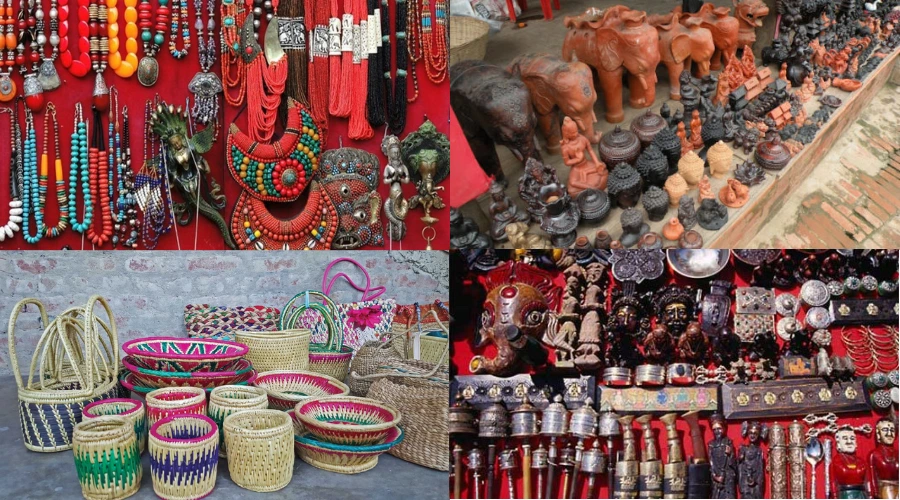
    Handicrafts and Souvenirs available in Nepal

    Kori Village is also known for its exquisite handicrafts, which make for unique souvenirs. The villagers are skilled artisans who create beautiful items such as woven baskets, pottery, and intricate jewelry. Purchasing these handmade goods not only supports the local economy but also allows you to take a piece of Kori Himal’s cultural heritage home with you as a memory that will remind you of your wonderful journey every time you see it.

    The handicraft tradition in Kori Village is passed down through generations, with each piece telling a story of the artisan’s skill and creativity. Visitors can often observe the crafting process, gaining insight into the techniques and materials used during the process. Whether it’s the delicate weaving of a basket or the meticulous carving of a wooden figure, each craft reflects the cultural identity and artistic expression of the village.

    Beyond being mementos, these crafts serve as a bridge between visitors and the community, offering a tangible connection to the village’s heritage. As you browse through the array of handcrafted items, you’ll appreciate the dedication and craftsmanship that goes into each piece, making them cherished keepsakes of your cultural journey.

    Nature and Adventure Around Kori Himal

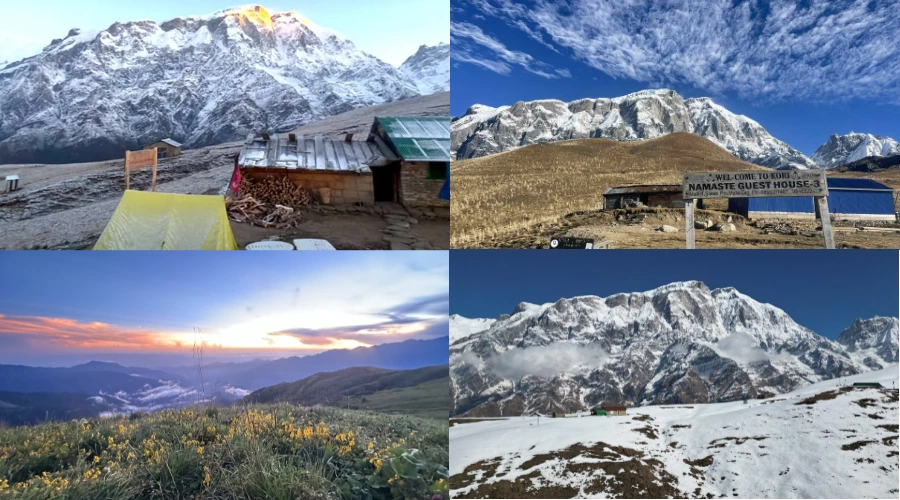
    Beautiful view from kori village in different seasons

    Beyond its cultural offerings, Kori Himal is a haven for nature lovers and adventure seekers. The surrounding landscapes provide ample opportunities for outdoor activities and exploration. From the stunning view of the mountain range to lush hills to witness some of the rare flora and fauna, this trek offers all.

    Trekking Trails

    The Kori Village Trek in Nepal offers a variety of trails that cater to different levels of hikers. Whether you’re an experienced trekker or a beginner, you’ll find a route that suits your abilities. The trails take you through lush forests, terraced fields, and along winding rivers, offering breathtaking views of the Annapurna range. Keep your eyes peeled for wildlife, as the region is home to diverse flora and fauna.

    Each trail presents its own unique set of challenges and rewards, with varying altitudes and terrains that test your endurance and offer unparalleled views of the majestic Himalayan peaks. As you trek, you’ll pass through charming villages and encounter locals who share stories of the mountains and their way of life. The sense of camaraderie among trekkers and villagers adds to the adventure, creating lasting memories of shared experiences.

    Day Hikes and Photography

    For those seeking a more leisurely pace, there are shorter day hikes that allow you to explore the natural beauty of the region without committing to a multi-day trek. These hikes are perfect for those who wish to soak in the scenery and capture the stunning landscapes through photography. Whether you’re embarking on a challenging trek or a gentle hike, the journey through Kori Village’s trails promises an unforgettable adventure.

    Bird Watching in Kori Himal

    For bird enthusiasts, the Kori Himal trek is a paradise. The area’s diverse ecosystems attract a wide range of bird species, making it an ideal spot for bird watching. Grab your binoculars and explore the forests and fields to catch a glimpse of colorful birds like the Himalayan Monal, Nepal’s national bird.

    The early morning hours are the best time for bird watching, as the forest comes alive with the sounds of chirping and the fluttering of wings. The diverse habitats in and around Kori Himal provide ample opportunities to observe both resident and migratory birds. Enthusiastic bird watchers can join local guides who have an intimate knowledge of the area’s avian inhabitants and can help identify species and their calls.

    Notable Bird Species

    As you wander through the village and its surroundings, you’ll likely spot other notable species such as the vibrant Scarlet Minivet or the elusive Rufous-bellied Niltava. These sightings offer a fascinating glimpse into the region’s biodiversity and the intricate balance of its ecosystems. Bird watching in the Kori Himal trek is not only a visual delight but also a chance to appreciate the interconnectedness of nature.

    Relaxation and Mindfulness

    After a day of adventure, take some time to relax and reflect in the tranquil surroundings of Kori Himal. The peaceful ambiance provides the perfect backdrop for meditation, yoga, or simply unwinding with a good book. As you soak in the natural beauty, you’ll find yourself feeling rejuvenated and at peace.

    The village’s serene environment is conducive to mindfulness and introspection, offering a respite from the hustle and bustle of daily life. Visitors often find solace in the simplicity of life in the Kori Himal trek, where the natural rhythms of the land encourage a slower pace and a deeper connection to the present moment.

    Whether you choose to meditate by a flowing stream, practice yoga in the open air, or simply sit and absorb the beauty of your surroundings, Kori Village offers countless opportunities for personal renewal. As the sun sets over the hills, painting the sky in hues of orange and pink, you’ll feel a sense of gratitude for the peace and tranquility that envelops you.

    When planning your visit to Kori Himal, there are a few things to keep in mind to ensure a smooth and enjoyable experience:

    Best Time to Visit Kori Village

    The ideal time to visit Kori Village is during the spring (March to May) and autumn (September to November) months. During these periods, the weather is pleasant, and the trails are at their most beautiful. The spring months bring blossoming rhododendrons and lush greenery, while autumn offers clear skies and stunning views of the mountains.

    Visiting during these seasons also allows you to experience the vibrant festivals and cultural events that take place in the village. The pleasant weather conditions make outdoor activities more enjoyable, whether you’re trekking, bird watching, or exploring the village. Planning your trip during these months ensures that you can make the most of your time in Kori Village and fully immerse yourself in its natural and cultural offerings.

    Less trekked, but one of the most pleasant times for the Kori Trek is in winter. The months from December to February are the time when the whole Kori Village is crowned with the white and soft snow, leaving the surroundings at their peak of beauty. However, due to the snow, the trail becomes slippery, and due to the extreme cold, the trek becomes tough. So, the winter trek is only recommended for the experienced trekker.

    Summar/ monsoon, however, is not recommended for trekking. As in this season, due to extreme downpour, the trail becomes slippery and full of leeches. Moreover, the risk of natural disasters like floods and landslides is high in this season.

    Accommodation in Kori Village

    While Kori Village is relatively remote, there are a few guesthouses, tea houses, and homestays where you can experience authentic Nepali hospitality. Staying with a local family provides a unique opportunity to learn about their unique way of life. The accommodations are simple yet comfortable, offering basic amenities and a chance to disconnect from the outside world.

    Homestays offer a deeper cultural experience, as you’ll have the opportunity to interact with your hosts and participate in daily activities. Sharing meals and stories with your host family fosters a genuine connection and offers insights into their traditions and customs. The warmth and generosity of the villagers make for a memorable stay, where you’ll feel like part of the community.

    For those seeking more privacy, guesthouses provide a cozy retreat with private rooms and shared common areas. Regardless of your choice, the accommodations in Kori Village offer a welcoming environment where you can relax and recharge after a day of exploration.

    Respecting Local Culture and Etiquette

    As with any cultural journey, it’s important to respect the customs and traditions of the local community. Make sure to dress modestly. Always ask permission before clicking the photographs. The villagers of Kori are proud of their heritage and appreciate visitors who show an interest in learning about their way of life.

    Engaging with the community respectfully fosters mutual understanding and creates a positive experience for both visitors and locals. Take the time to learn a few basic phrases in Nepali, as this effort is often met with appreciation and can enhance your interactions with the villagers. By approaching your visit with an open mind and a respectful attitude, you’ll leave Kori Village with lasting memories and meaningful connections.

    Final Thoughts

    Kori Himal, Nepal, is a destination that offers a perfect blend of culture, nature, and adventure. Whether you’re trekking through its stunning landscapes, participating in local festivals, or simply soaking in the serene atmosphere, Kori Village promises an unforgettable experience. So pack your bags and embark on a journey to discover the hidden treasures of this enchanting village. Your adventure awaits!

    FAQs

    How to reach Kori Hills from Pokhara?

    To reach Kori Village from Pokhara, you need to drive from Pokhara to Sikles Village. From Sikles, you need to trek to Kori Hills, passing Tasa and other villages. 

    Where is Kori in Nepal?

    Kori Village, located in the Kaski district, Gandaki Province of Nepal.

    How many days for Kori trek?

    Kori is one of the short treks in Nepal, which can be completed in only four days from Pokhara.

    How far is Kori from Pokhara?

    It takes 4 to 5 hours to drive the 40 to 45 kilometers from Pokhara to Sikles, the beginning of the Kori trip. The trekking trip from Sikles to Kori Danda is a separate 14.3 km uphill adventure over two days; the entire hiking distance to Kori Danda and back to Sikles is roughly 15–16 km.

    What is the height of Kori?

    The Kori is situated at an altitude of 3,800 m above sea level.

    Which month is best to visit Kori?

    Spring (March to May) and autumn (September to November) months are the best months to visit Kori.

  • EBC Trek: The Ultimate 14-Day Guide (2026 Updated)

    EBC Trek: The Ultimate 14-Day Guide (2026 Updated)

    So, you’re dreaming of trekking to the iconic Everest Base Camp? 

    That’s incredible! It’s an adventure of a lifetime that promises breathtaking views and a sense of accomplishment like no other adventure does. The journey to the base of the world’s highest peak is as much about the experience as it is about the destination. But one of the first questions you might have is: how long is the Everest Base Camp trek itinerary? Let’s dive into the details of this iconic trekking itinerary.

    The Everest Base Camp trekking itinerary is an approximately 130-kilometer round trip that typically takes trekkers between 14 to 16 days. This timeframe includes both the ascent to the base camp and the descent back to the starting point. But why does it take this long? 

    Let’s break it down into more detail to understand the unique aspects of this trek.

    Understanding the Role of Altitude

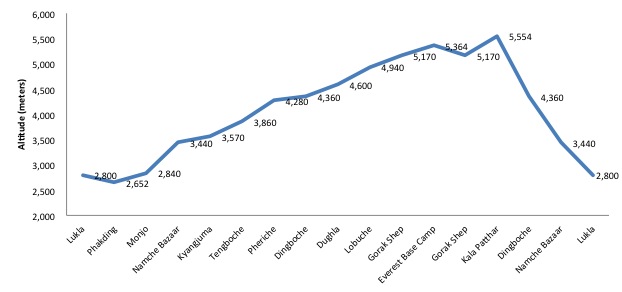
    EBC Altitude - Everest Base Camp Route
    Image Source: EBC TREK GUIDE

    Unlike a straightforward hike, like Pokhara valley or Thulakot Hill hikes, the Everest Base Camp trek is a high-altitude expedition. The challenge of altitude during this trek cannot be underestimated. As you climb higher, the oxygen level decreases, making each step more and more difficult than the last one. This is why acclimatization is crucial. 

    The human body needs time to adjust to the thinner air, and rushing this process can lead to altitude sickness, a potentially dangerous condition. Ensuring your body adapts well at each stage of the climb is vital for a successful trek.

    Importance of Acclimatization Days During the Everest Base Camp Trek Itinerary 

    The Everest Base Camp trekking itinerary is not just about walking to a high-altitude place; it’s about acclimatizing to the altitude to prevent altitude sickness. The Everest Base Camp trekking itinerary is deliberately structured to include several acclimatization days where you stay at a certain altitude to help your body adapt to the lower oxygen level at the higher altitude. 

    During these acclimatization days, you can explore local areas, engage in nearby shorter hikes, and enjoy the stunning surroundings while allowing your body to adjust to the altitude. 

    This acclimatization process during the EBC trek not only aids in health and safety but also enhances the overall experience by giving you time to soak in the cultural and natural beauty of the region.

    Physical and Mental Challenges of the EBC Trek

    The trek to Everest Base Camp is physically demanding due to the long distances walked each day and the challenging terrain. Trekkers must navigate rocky paths, steep inclines, and suspension bridges, all while carrying their gear. 

    Mental fortitude is equally important. The journey tests your perseverance, patience, and ability to stay motivated despite fatigue and changing weather conditions. 

    Preparing mentally and physically beforehand can make a significant difference in your trekking experience, assisting in the success of the trek.

    Everest Base Camp Trek Itinerary

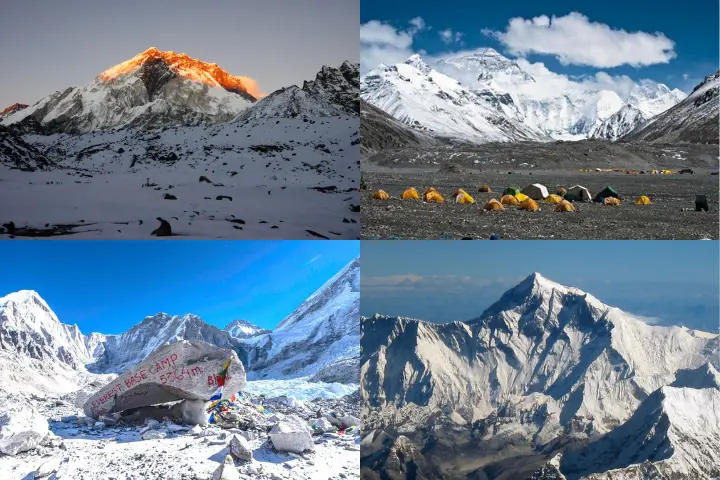
    View from Everest Base Camp - Everest Base Camp Trek Itinerary

    While itineraries can vary slightly depending on the trekking company or personal preferences, here is a typical breakdown of the Everest Base Camp trek itinerary. Understanding each day’s journey can help you prepare both physically as well as mentally for the adventure ahead.

    Day 1: Arrival in Kathmandu 

    Get settled and prepare for the adventure ahead. Kathmandu, the vibrant capital of Nepal, offers a rich cultural experience. Spend the day exploring its bustling streets, historic temples, and savoring local cuisine. Use this time to ensure that all your trekking gear is in order and meet with your trekking group for a pre-trek briefing.

    Day 2: Flight to Lukla and Trek to Phakding

    Begin your trek with a short yet thrilling flight from Kathmandu to Lukla, one of the most renowned mountain airports in the world. Upon reaching Lukla, you’ll start your trek to Phakding. 

    This initial walk is relatively easy, allowing you to ease into the trekking routine as you pass through charming villages and lush landscapes.

    Day 3: Trek from Phakding to Namche Bazaar

    Journey to the bustling Sherpa town of Namche Bazaar. The path takes you through pine forests and across the Dudh Koshi River via suspension bridges. As you approach Namche, the trail becomes steeper, but the panoramic views of Everest and other Himalayan peaks make the effort worthwhile.

    Day 4: Acclimatization Day in Namche Bazaar

    Spend a day exploring Namche Bazaar and acclimatizing. Take the opportunity to visit the Sherpa Museum or hike up to Everest View Hotel for stunning vistas of Everest, Lhotse, and Ama Dablam. 

    Engaging in light activities helps your body adjust to the altitude. Spending time with the local Sherpa people is one of the best ways to spend your day in Namchee.

    Day 5: Trek from Namche Bazaar to Tengboche

    Continue the trek to Tengboche, home to the famous Tengboche Monastery. The trail offers breathtaking views of the Himalayas, and upon arrival, you can visit the monastery, which is the largest in the Khumbu region. Witness the evening prayer ceremony for a spiritual experience.

    Day 6: Trek from Tengboche to Dingboche

    Travel through rhododendron forests and cross rivers to reach Dingboche. This village is a popular stop for acclimatization, offering beautiful views of the surrounding peaks. The terrain becomes more rugged, reminding you that you’re venturing deeper into the heart of the Himalayas.

    Day 7: Acclimatization Day in Dingboche

    Another rest day to acclimatize, with options for short hikes. You might choose to hike to Nagarjun Hill for panoramic views or explore the local area. 

    Rest days like this are essential to prevent altitude sickness and to conserve energy for the days ahead.

    Day 8: Trek from Dingboche to Lobuche

    Head towards the small settlement of Lobuche, surrounded by stunning peaks. The trail continues to ascend, and the landscape becomes more stark and dramatic. You’ll pass through the memorials of climbers who lost their lives in the region, which is a poignant reminder of the mountain’s power.

    Day 9: Trek from Lobuche to Gorak Shep and Everest Base Camp

    Reach Gorak Shep and then make the final push to Everest Base Camp. This is the most anticipated day of the trek. The path is challenging, but the sight of the base camp surrounded by towering peaks and the Khumbu Icefall is an unforgettable reward.

    Day 10: Trek from Everest Base Camp to Kala Patthar to Pheriche

    Begin the descent, heading back to the village of Pheriche. The descent is faster but requires caution as your body might still be adjusting to the altitude. Enjoy the changing perspectives of the landscapes you’ve trekked through.

    Day 11: Trek from Pheriche to Namche Bazaar

    Make your way back to Namche Bazaar, retracing your steps. The return journey offers a new appreciation for the path you’ve traveled and the people you’ve met along the way. Take time to relax and reflect in Namche.

    Day 12: Trek from Namche Bazaar to Lukla

    Continue your descent to Lukla. This final trekking day is bittersweet as you leave the stunning mountain vistas behind. Celebrate your accomplishments with your trekking team before your return flight.

    Day 13: Flight from Lukla to Kathmandu

    Fly back to Kathmandu and celebrate your achievement! Enjoy a well-deserved rest and explore more of the city’s vibrant culture. Share your journey stories with fellow trekkers and friends.

    Day 14: Departure from Kathmandu

    Conclude your EBC trek, farewell the capital of Nepal with tons of memories and motivation to visit Nepal again.

    Factors That Influence the Everest Base Camp Trek Itinerary Duration

    While the typical Everest trek time is around 14 to 16 days, several factors can influence the duration of your EBC trek. Understanding these factors can help in planning and ensuring a smoother trekking experience.

    Acclimatization and Health

    As mentioned earlier, acclimatization is crucial. Some trekkers may need additional rest days, especially if they experience symptoms of altitude sickness. 

    Symptoms can include headaches, dizziness, and nausea. It’s important to listen to your body and be prepared to adjust your itinerary if necessary. Your health and safety should always take precedence over sticking to a schedule.

    Weather Conditions

    The weather in the Everest region can be unpredictable. Flights to and from Lukla are often delayed due to fog or bad weather, which can extend your trip. The high-altitude weather can change rapidly, affecting trail conditions and visibility. 

    Always have a buffer day or two in your schedule to accommodate these potential delays and ensure you don’t miss your international flight home.

    Fitness Level and Experience

    Your trekking experience and fitness level can also affect how long your trek takes. While the trek doesn’t require advanced mountaineering skills, being physically fit will make the journey more enjoyable and possibly faster. 

    Experienced trekkers might find themselves more comfortable with the daily distances and altitudes. However, novices should not be discouraged; with proper preparation, the EBC trek is achievable for most.

    Best Seasons to Trek

    The best times to trek to Everest Base Camp are spring (March to May) and autumn (September to November). These seasons offer the most stable weather conditions, which can influence how smooth your trek is.

    During these periods, the trails are less likely to be affected by snow or rain, and the views are often clearer. However, these are also the busiest times, so expect more fellow trekkers on the trails.

    Winter, however, is the least recommended as the trail is filled with snow, making the trek extremely difficult and slippery as well. Winter is only for experienced trekkers.

    Summer is not recommended for anyone, as during this time, due to extreme downpour, the trail becomes slippery and full of leeches. Moreover, due to continuous rainfall, the risk of floods and landslides increases. Most of the accommodation in summer is closed, leaving the fewest options for staying.

    Preparing for the Everest Base Camp Trekking Itinerary

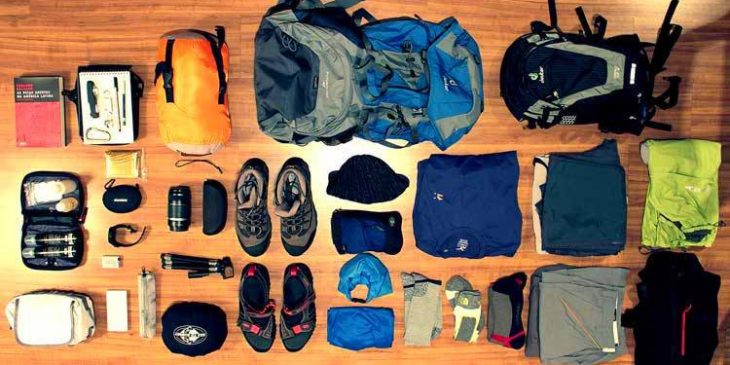
    Packing list for trekking

    Preparation is key to a successful trek to Everest Base Camp. From physical training to packing the right gear, each aspect plays a critical role in your experience.

    Physical Preparation

    Start preparing physically at least a few months before your trek. Focus on cardio exercises like running, cycling, or swimming to build stamina. Include strength training to prepare your muscles for long days of hiking. Working on your core stability and leg strength can help prevent injuries. Incorporating hikes into your routine, especially at higher altitudes if possible, can also be beneficial.

    Mental Preparation

    The trek is as much a mental challenge as it is a physical one. Prepare yourself for long days, varying weather conditions, and the possibility of altitude sickness. 

    Staying positive and determined will help you push through tough days. Mindfulness and meditation practices can help maintain focus and composure during challenging moments. Visualizing your trek and setting small daily goals can also enhance your mental resilience.

    Packing Essentials

    Pack wisely! You’ll need layered clothing to handle temperature changes, sturdy trekking boots, a good quality sleeping bag, and other essentials like a first-aid kit, sunscreen, and a water purification system. Invest in good quality gear to ensure comfort and safety. Pack light, but don’t skimp on essentials. Remember, you will be carrying your pack for long distances, so every item should have a purpose.

    Head

    • Warm hat & cap
    • Sunglasses with UV protection
    • Headlight
    • Beanie
    • Earmuffs

     Body

    • Thermal layers
    • Warm and Waterproof jacket
    • Thermal Gloves
    • Trekking Trousers and Shorts
    • Neck buff
    • Waterproof gloves

     Footwear

    • Trekking shoes
    • Hiking boots
    • Warm Hiking socks
    • Gaiters

    Essentials/Equipment

    • Sleeping bag
    • First aid kit
    • Trekking poles & Duffel bag
    • Water Bottles and Hydration Bladders
    • Raincoat
    • High-energy snacks
    • Reliable oxygen supply
    • Maps & Compass/GPS

    Final Thoughts

    Trek to Everest Base Camp is a journey filled with awe-inspiring landscapes and personal triumphs. While the Everest Base Camp trek itinerary is generally around 14 to 16 days, being flexible with your schedule and prepared for varying conditions will ensure a safe and rewarding experience. So, lace up those boots, pack your gear, and get ready for an adventure like no other! The EBC trek is not just a physical journey but a transformative experience that leaves a lasting impression on your soul.

    Remember, the mountains are calling, and it’s time for you to answer! Embrace the challenge and cherish every moment of this incredible adventure.

    FAQS

    How many days do you need at Everest Base Camp?

    The typical trekking itinerary of the Everest Base Camp is approximately 14 to 16 days. However, various factors may extend the itinerary durations, like:
    – Fitness
    – Altitude Sickness
    – Weather Change
    – Natural Calamities

    Can a beginner do Everest Base Camp?

    Yes, an individual without any prior trekking experience can make the Everest Base Camp trek. However, the trekker needs to be physically and mentally fit, ready to face any challenges such as fatigue, stress, rough climate, altitude sickness, and long hours of walking.

    What is the hardest day of Everest Base Camp?

    Day 9, trek from Lobuche to Gorak Shep and then to Everest Base Camp, is one of the hardest days of the EBC Trek. On day 9, you have to climb to an altitude above 5,000 m where the oxygen is thinner. Also, the trial combines with the trekking over the glacier and rocky terrain, making the walk even more difficult after a week of walking prior.

    What is the elevation of Everest Base Camp?

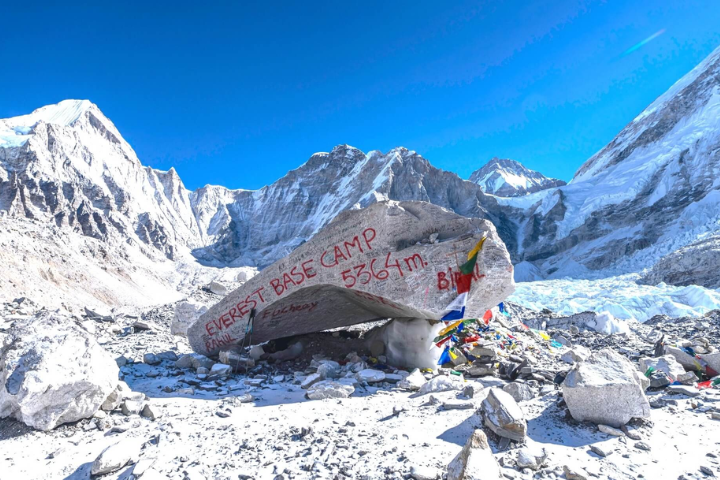
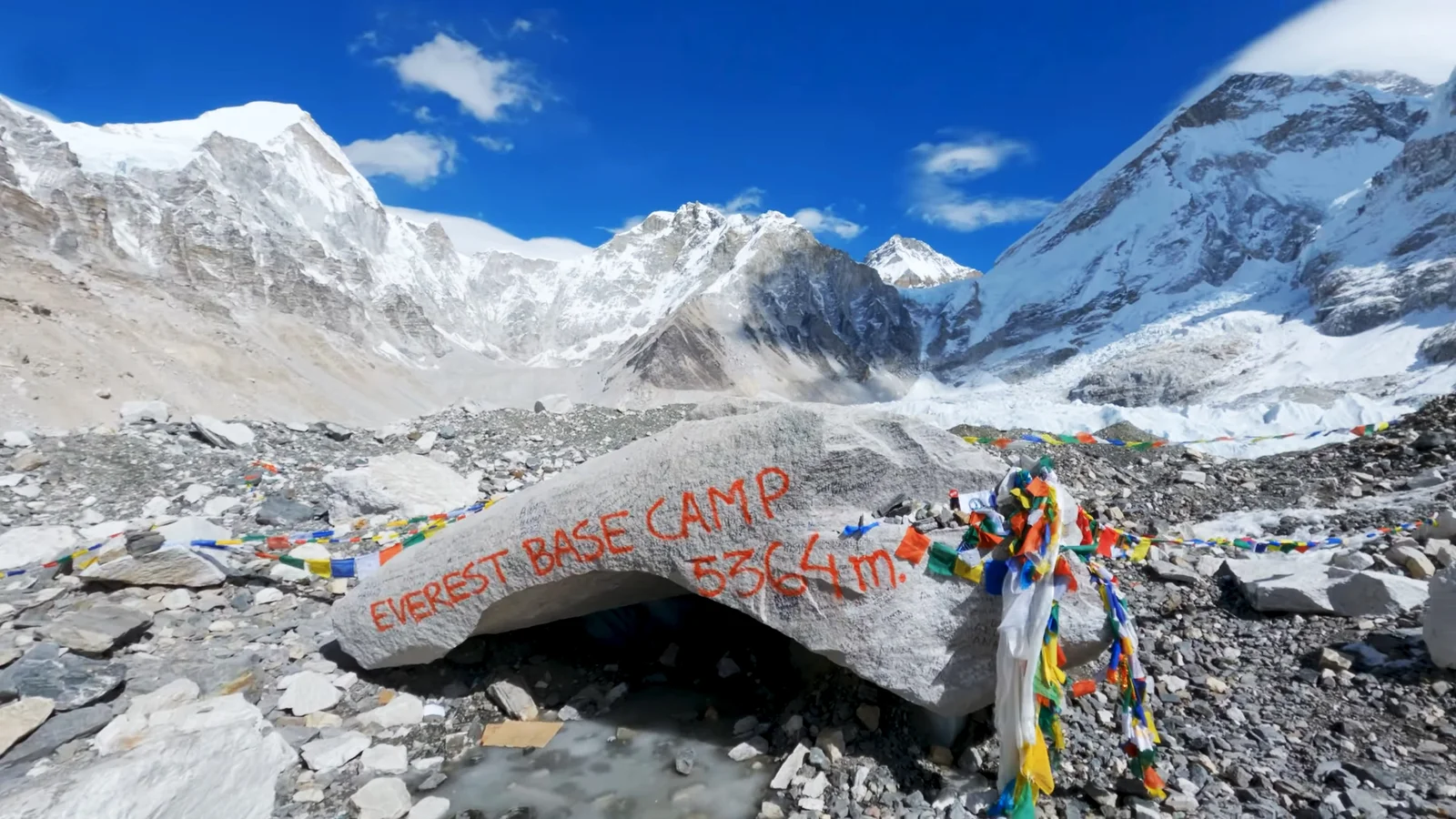
    The Everest Base Camp elevation is 5,364 meters (17,600 feet) above sea level.

    Where is Everest Base Camp?

    One of the most iconic trekking destinations, the Everest Base Camp, is located in the Solukhumbu District, Nepal. Situated at the heart of the Khumbu Region, the EBC trek’s coordinates are 28.0043° N, 86.8557° E.

  • Everest Base Camp Height: Can You Handle 5,364m (17,598ft)?

    Everest Base Camp Height: Can You Handle 5,364m (17,598ft)?

    When you think of Mount Everest, the first thing that comes to mind is its towering summit, standing as the Earth’s highest point. But before climbers attempt the dizzying heights of Everest’s peak, many adventurers first make their way to Everest Base Camp. So, what is the height of Everest Base Camp, and what makes the journey to this iconic destination so thrilling? 

    Let’s explore!

    Height of Everest Base Camp

    Reaching the height of Everest Base Camp is a dream destination for trekkers, not just from Nepal, but from around the globe. It’s not just a stopover for mountaineers gearing up for an Everest summit attempt; it’s a goal in itself for many. But let’s get to the heart of the matter: the altitude.

    Everest Base Camp is located at an altitude of approximately 17,598 feet (5,364 meters) above sea level. That’s more than three miles high! For comparison, the tallest peak in the contiguous United States, Mount Whitney, stands at 14,505 feet (4,421 meters). So, when you’re at Everest Base Camp, you’re higher than any point in the continental U.S.

    Challenges of the High Altitude of Everest Base Camp

    Everest Base Camp with its height

    Being at such a high altitude of Everest Base Camp also means you’re in an area with a significantly reduced oxygen level. This reduction can make every step feel more challenging as your body works harder to get the oxygen it needs. This is why acclimatization is crucial for anyone embarking on this trek.

    The altitude isn’t just a physical challenge, but it’s a mental challenge too. Knowing you’re at such an elevation on EBC can be both exhilarating and daunting. The thrill of standing so high above sea level is a unique experience that few other trekking locations can offer.

    Effect of High Altitude of Everest Base Camp on the Body

    Such high altitudes of Everest Base Camp result in less oxygen and thinner air. Your breathing and energy levels may be affected right away, making even easy tasks seem more difficult. Acclimatization is a crucial component of the EBC trek because your body requires enough time to adapt to these sudden shifts as you ascend higher.

    The effects of the high altitude of Everest Base Camp can differ significantly from person to person. While some people may adjust more easily, others may still suffer from altitude sickness symptoms even at lower elevations. The trek is made more uncertain and adventurous by this unpredictability.

    Weather Conditions at High Altitude of Everest Base Camp

    Weather Conditions at High Altitude of Everest Base Camp

    Understanding the altitude also means getting ready for potential uncertain weather changes. Even when the weather appears clear, trekkers must be ready for unexpected cold snaps or snowfalls because the weather can change quickly at such elevations.

    The altitude of Everest Base Camp is a defining characteristic of the journey rather than just a statistic. It influences every aspect of the experience, including the mental toughness and physical difficulty needed to overcome it. The high altitude is a major reason why this trek is considered a significant achievement in the trekking community.

    The Scenic and Cultural Significance

    The altitude also dictates the landscapes you’ll encounter. The higher you go, the more dramatic and stark the scenery becomes. The vast, open vistas, the towering peaks, and the sense of being above the world are experiences unique to high-altitude treks like this one.

    Moreover, the altitude of Everest Base Camp is a testament to the commitment and determination of those who undertake the journey. It’s a badge of honor that signifies not just reaching a destination but overcoming one of the earth’s natural challenges.

    The Journey to Everest Base Camp

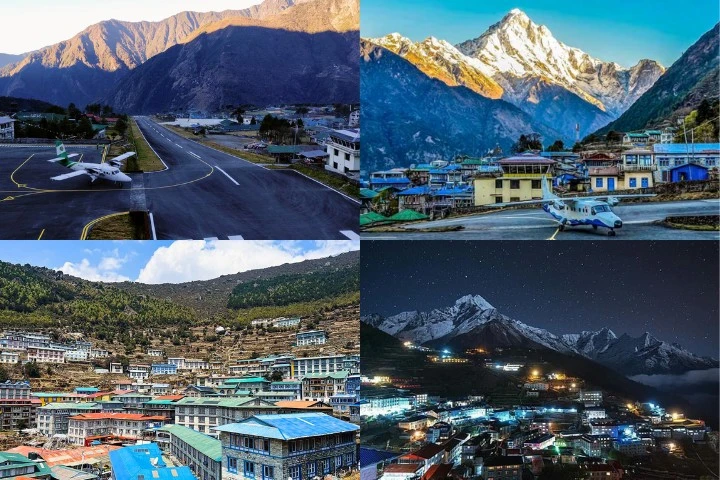
    Best View of Lukla and Namche Bazzar

    Reaching such a height of Everest Base Camp is not merely about getting to a high altitude. It’s about the journey, the experiences that you get along the way, and the breathtaking landscapes you encounter. Most treks start from the town of Lukla, often after a short yet dramatic flight from Kathmandu.

    1. The Thrilling Flight to Lukla

    The journey begins with an exhilarating flight to Lukla, one of the most challenging airports in the world due to its short runway and dramatic mountainous backdrop. This flight itself is an adventure, offering stunning aerial views of the Himalayas and setting the stage for the trek ahead.

    2. Exploring the Trail from Lukla

    Once in Lukla, trekkers are greeted by the vibrant energy of a town bustling with climbers and locals. This starting point is a hub of activity, where final preparations are made, and the real trekking begins. The atmosphere at Lukla is filled with excitement and anticipation as trekkers set out on the path to Base Camp.

    From Lukla, the trail winds through lush forests, across suspension bridges, and past waterfalls. Each step brings new sights and sounds, introducing trekkers to the diverse beauty of the Khumbu region.

    As you trek, you’ll pass through several Sherpa villages, each offering a unique glimpse into the local way of life. The Sherpa people living here are renowned for their mountaineering skills and warm hospitality, and interacting with them adds a rich cultural dimension to the trek.

    3. Majestic Cultural Village of Namche Bazaar

    Stopping in villages like Namche Bazaar, trekkers can experience local markets, taste traditional foods, and learn about the Sherpa’s unique relationship with the mountains. These cultural interactions are often highlights of the journey, providing insights into a way of life deeply connected to the high-altitude environment.

    Monasteries dot the landscape, offering moments of peace and reflection amidst the physical challenges of the trek. These spiritual sites, with their prayer flags and wheels, are integral to the cultural tapestry of the region and offer trekkers a deeper connection to the spiritual significance of the Himalayas.

    4. The Beauty of the Himalayas From EBC

    The trek to EBC is not just a physical journey but a visual blessing as well. The landscapes are constantly changing, from verdant valleys to stark, rocky terrains as you ascend. Each day brings new vistas, with the towering peaks of Everest, Lhotse, and Nuptse serving as constant companions.

    Trekkers are rewarded with stunning views of the Himalayas, which are particularly breathtaking at both sunrise and sunset. The sight of the sun casting golden hues over snow-capped peaks is an unforgettable experience that makes every step worthwhile.

    The natural beauty of the region is complemented by the biodiversity of the Sagarmatha National Park. Trekkers may encounter a variety of wildlife, including Himalayan tahr and musk deer, adding an element of surprise and wonder to the trek.

    Altitude Sickness and Acclimatization

    While the trek to the height of Everest Base Camp is undeniably one of the most beautiful adventure, the altitude can present challenges. Altitude sickness, or Acute Mountain Sickness (AMS), can affect anyone, regardless of fitness level.

    Understanding Altitude Sickness

    Altitude sickness occurs when you ascend to high elevations too quickly, and your body does not get enough time to adjust to the reduced oxygen levels. The symptoms of altitude sickness include headaches, nausea, dizziness, and fatigue. In severe cases, it can lead to life-threatening conditions like High Altitude Pulmonary Edema (HAPE) or High Altitude Cerebral Edema (HACE).

    The onset of altitude sickness can vary, with symptoms appearing within hours of reaching a higher elevation. It’s important to be aware of the signs and to take them seriously, as ignoring symptoms can lead to more severe conditions.

    Understanding altitude sickness is crucial for making informed decisions on the trek. Recognizing early symptoms allows for timely intervention, such as descending to lower altitudes or seeking medical assistance, which can prevent complications.

    Preventing and Managing AMS

    To minimize the risk of altitude sickness, it’s important to acclimatize properly. This means taking rest days in the middle of the trek, ascending gradually, and staying hydrated. Many trekkers also take Diamox, a medication that can help prevent AMS. Listening to your body and communicating any symptoms to your guide is crucial.

    Acclimatization strategies are integral to a successful trek. By incorporating rest days into the itinerary and maintaining a slow, steady pace, trekkers give their bodies the best chance to adjust to the higher altitude.

    Hydration and nutrition play key roles in preventing altitude sickness. Drinking plenty of fluids and eating a balanced diet helps to maintain energy levels in the body and supports acclimatization. Trekkers should also be mindful of avoiding alcohol and caffeine, which can exacerbate dehydration.

    Despite best efforts, some trekkers may still experience altitude sickness. It’s essential to remain vigilant and responsive to symptoms. Guides are trained to recognize and manage altitude-related issues, providing support and advice to ensure safety.

    In cases where symptoms persist or worsen, the best course of action is to descend to a lower altitude. This can provide relief and is often the most effective treatment for altitude sickness.

    The possibility of altitude sickness adds a layer of complexity to the trek, underscoring the importance of preparation and respect for the mountain environment. It’s a reminder that despite modern advancements, the mountains demand humility and caution.

    Why Trek to Such a Height of Everest Base Camp?

    You might be wondering, with the risks of altitude sickness, why do people trek to EBC? The answer lies in the once-in-a-lifetime experience it offers.

    The trek to Everest Base Camp is not just about reaching a specific altitude; it’s about immersing yourself in the grandeur of the Himalayas. The landscapes are awe-inspiring, with towering peaks, glacial rivers, and tranquil valleys. The sense of achievement upon reaching Base Camp is indescribable.

    The allure of the trek lies in the opportunity to stand in the shadow of the world’s tallest mountain. The majesty of Everest and its surrounding peaks is a sight that captivates and inspires adventurers from around the globe.

    The trek offers a unique blend of natural beauty and cultural richness. The journey is as much about connecting with the landscape as it is about engaging with the people who call this region home. The combination of these elements creates an experience that resonates deeply with those who undertake it.

    Personal Growth and Connections

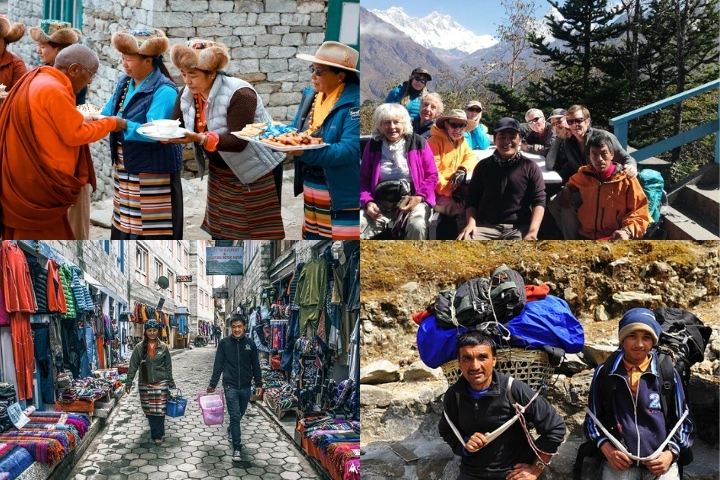
    Local people of namchee bazzar with trekkers

    For many, the trek to Everest Base Camp is a personal journey. It’s a test of endurance and resilience, a chance to step out of your comfort zone and connect with nature in its rawest form. The memories and friendships forged on this trek are cherished for a lifetime.

    The trek challenges individuals to push their limits, both physically and mentally. It requires determination, perseverance, and the ability to adapt to changing circumstances. These challenges are met with a profound sense of accomplishment upon reaching Base Camp.

    The journey also provides an opportunity for reflection and personal growth. The simplicity of life on the trail, away from the distractions of modern life, allows trekkers to reconnect with themselves and the natural world.

    The Everest Base Camp trek attracts adventurers from all over the world, creating a vibrant community of like-minded individuals. The camaraderie among trekkers is one of the highlights of the experience, as people from diverse backgrounds come together with a shared goal.

    The bonds formed on the trail often lead to lasting friendships. Shared experiences, from overcoming challenges to celebrating milestones, create connections that endure long after the trek is over.

    The sense of community extends to the local Sherpa people, whose hospitality and support are integral to the trek’s success. Their knowledge and experience enrich the journey, providing insights into the region’s history and culture.

    Preparing for the Trek

    If you’re considering the trek to EBC, preparation is key. Here’s what you need to know:

    Physical Preparation

    Training for the trek involves building your cardiovascular endurance, strength, and stamina. Long hikes, stair climbing, and carrying a backpack are great ways to prepare.

    A structured training program can help ensure you’re physically ready for the demands of the trek. Incorporating a mix of aerobic exercises, strength training, and flexibility work can build the fitness needed for long days on the trail.

    It’s also important to simulate trekking conditions during training. Practicing with the gear you plan to use and carrying a loaded backpack helps prepare your body for the realities of the trek.

    Essential Gear and Packing Tips

    You’ll need suitable clothing for varying temperatures, sturdy hiking boots, a quality sleeping bag, and other essentials like a first aid kit and water purification tablets. Packing smartly is crucial to ensure you’re prepared for the changing conditions.

    Choosing the right gear is essential for comfort and safety. Layers of clothing allow for adjustments to fluctuating temperatures, while durable boots provide support and protection for your feet.

    Packing efficiently means balancing the need for essential items with the desire to keep your load manageable. Prioritizing lightweight, multi-functional gear can help you carry only what you truly need.

    Mental Preparation

    Mental preparation is just as important as physical readiness. The trek can be challenging, and maintaining a positive attitude and resilience will help you push through tough days.

    Visualizing the trek and setting realistic expectations can build mental resilience. Understanding that challenges are a part of the journey allows for better mental adaptation when faced with difficulties.

    Developing coping strategies for tough moments, such as focusing on the present moment or recalling your motivations for the trek, can help maintain a positive mindset. Mental preparation is about cultivating the inner strength needed to persevere.

    Final Thoughts

    Trekking to Everest Base Camp is an adventure of a lifetime, offering a unique blend of natural beauty, cultural immersion, and personal growth. While the altitude is significant, with the right preparation and mindset, the journey is both safe and rewarding.

    Whether you’re drawn by the allure of the Himalayas, the challenge of high-altitude trekking, or the chance to experience a different culture, Everest Base Camp is a destination that leaves a lasting impact on all who visit.

    The journey to Everest Base Camp is more than just a trek; it’s an exploration of what it means to connect with the world and oneself. The memories created, the lessons learned, and the friendships forged make it an experience worth undertaking.

    So, are you ready to take on the adventure and find yourself standing at the base of the world’s tallest mountain? The journey to Everest Base Camp awaits you!

    FAQs

    1. What is the height of Everest Base Camp?

      The Everest Base Camp is situated at an altitude of 5,364 meters above sea level. It is one of the most iconic treks in Nepal, which holds an important role in the history of Nepal’s tourism and mountaineering.

    2. Where is the Mount Everest located? 

      The tallest mountain in the world, the legendary Mount Everest, is located at the border of Nepal and China. This gigantic peak is an example of the wonders of nature, standing tall at an altitude of 8,848.86 m above sea level.

    3. How long is the hike to Everest Base Camp?

      The total duration of the Everest Base Camp trek is 14 days from the capital of Nepal, Kathmandu. The duration, however, may extend due to different circumstances like natural disasters, weather change, or any other uncertain situations.

    4. Can a beginner trek Everest Base Camp?

      Yes, a beginner can also trek to Everest Base Camp, but you need to be well prepared. Firstly, you need to be physically fit and healthy. Then, you need to get all the necessary gear like a trekking pole, trekking boots, warm clothes, and others. You will also need to get the necessary information about the trek, including acclimatization, routes, permits, and so on.

    5. Which is better, EBC or ABC?

      The question of which trek is better between ABC vs EBC is very debatable as both trek has their own importance and difficulty, offering different values. While the ABC trek is better for people with a short schedule, who trekkers looking for a more challenging adventure, EBC is perfect.

    6. Which month is best for EBC?

      The best months to visit Nepal for the EBC trek are April to May (spring) and October to November (autumn).

  • 10 Insane Mount Everest Facts You Didn’t Know in 2026

    10 Insane Mount Everest Facts You Didn’t Know in 2026

    Hello Travel Learners!

    Want to know something new? Why not some of the surprising facts about Mount Everest?

    We all know Mount Everest for a common factor, that this legendary peak is the tallest mountain in the world, standing tall at an altitude of 8,848.86 m (29,031.69 feet). But, do you know, from the base of the ocean floor, it actually is Mauna Kea, which is taller than Mount Himalaya. Here are 10 mind-blowing facts that you may have no idea of:


    Is Mount Everest the Tallest Mountain?

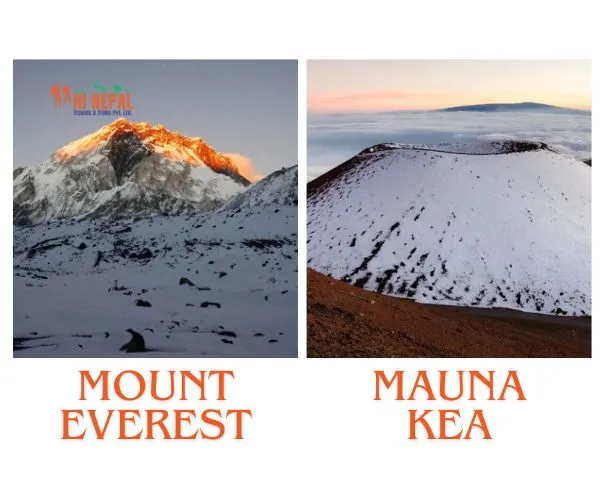
    Mount Everest vs Mauna Kea, which is the taller one?

    When we talk about the tallest mountain in terms of height above sea level, Mount Everest takes the crown. However, the lesser-known Mauna Kea in Hawaii surpasses Everest when considering the base-to-summit height. Rising from the ocean floor, Mauna Kea measures over 33,000 feet, making it a true giant of the Earth.

    The reason Mauna Kea is taller when measured from base to summit is due to its unique geological formation. Unlike Everest, which rests on the continental crust, Mauna Kea emerges from the oceanic crust, resulting in a massive underwater base. This anomaly highlights the diverse ways nature shapes our planet.

    Climbing Mauna Kea may not have the same allure as Everest, but it presents its own challenges. The ascent from the ocean floor to its peak involves traversing underwater landscapes, requiring skills in both diving and climbing. This duality adds a unique twist to the concept of mountain climbing.


    Different Heights of Mount Everest

    One of the interesting facts about Mount Everest is that Nepal considers Mount Everest’s height to be 29,032 feet (8,848 meters). This measurement was established using the Survey of Nepal in collaboration with international experts. The Nepalese view emphasizes precision and cultural significance, as Everest is a national symbol.

    China’s calculation of Everest’s height is slightly less, at 29,029 feet (8,848 meters). This discrepancy arises from different measurement techniques and starting points. The Chinese approach involves advanced surveying technology, reflecting their commitment to scientific accuracy.

    Efforts have been made to reconcile these differences, leading to joint surveys and collaborative studies. These efforts highlight the importance of international cooperation in understanding natural phenomena. The differing measurements also underscore the complexity of accurately measuring such a monumental peak.


    Is Mount Everest Still Growing?

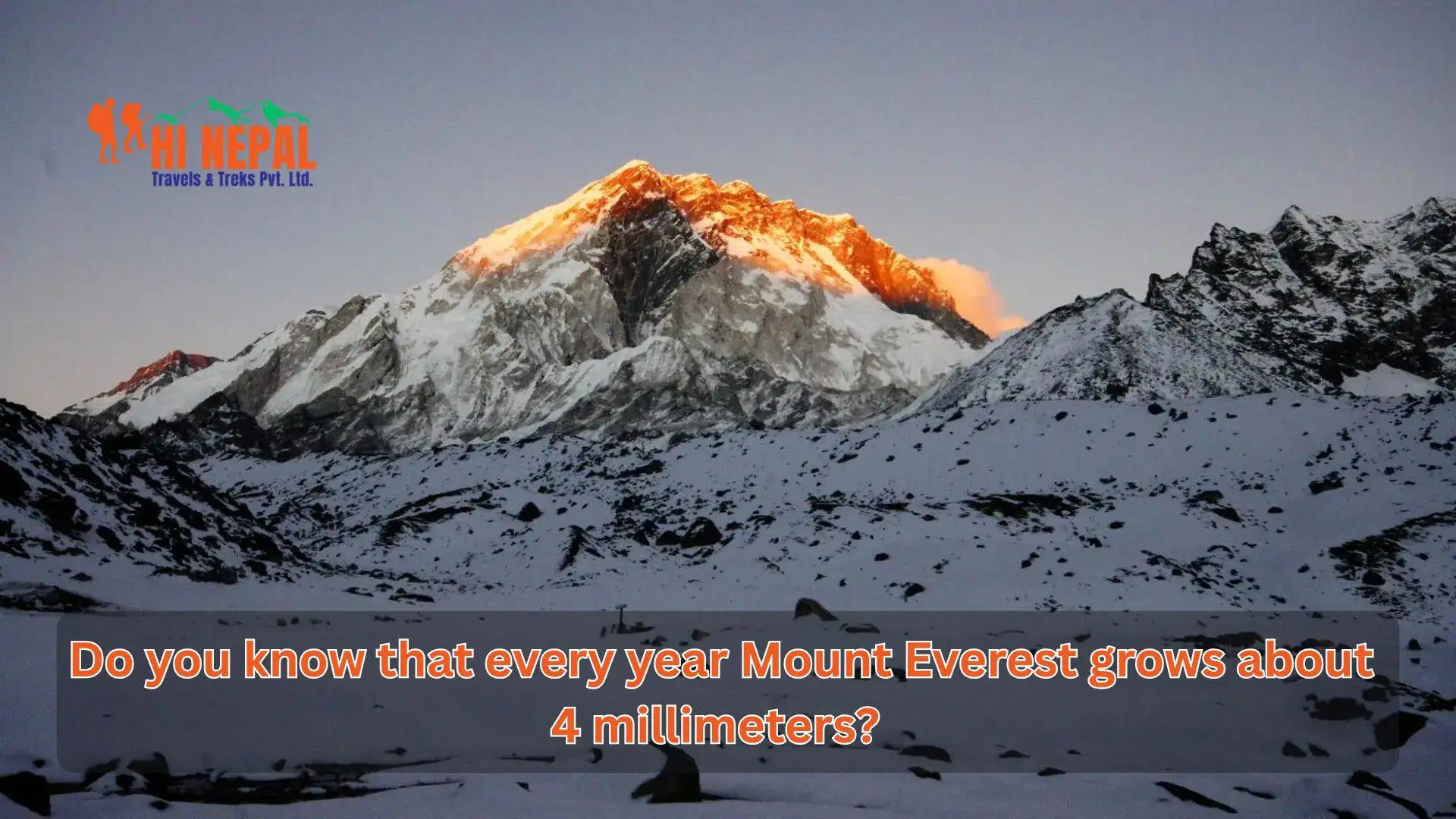
    One of the unbelievable facts about Mount Everest is that it is still growing. The movement of the Indian and Eurasian tectonic plates causes the Himalayas to rise approximately 4 millimeters every year. This ongoing geological activity keeps Everest in a state of perpetual change.

    The gradual growth of Everest Himalaya has implications for climbers and researchers alike. As the mountain rises, routes may subtly shift, and new challenges can emerge. Understanding these changes is crucial for ensuring safe and successful ascents.

    Everest serves as a natural laboratory for scientists studying tectonic activity. Research conducted on the mountain provides valuable insights into Earth’s dynamic processes. This growing giant offers a unique opportunity to witness geology in action.


    What are the Different Names of Mount Everest?

    Before it was famously known as Mount Everest, the peak was called Sagarmatha in Nepal, meaning “Goddess of the Sky.” This name reflects the mountain’s spiritual significance in Nepalese culture. Sagarmatha is more than just a mountain; it’s a revered deity.

    In Tibet, Everest Himalaya is called Chomolungma, which translates to “Mother Goddess of the Universe.” This name highlights the mountain’s prominence in Tibetan spirituality and mythology. Chomolungma is considered a sacred place, imbued with divine presence.

    The name Mount Everest was bestowed in honor of Sir George Everest, a British surveyor-general of India. This naming reflects the colonial history and exploration era during which the mountain was first surveyed. The decision to name the peak after Sir George was a testament to his contributions to cartography.


    Who was the First Person to Climb Mount Everest?

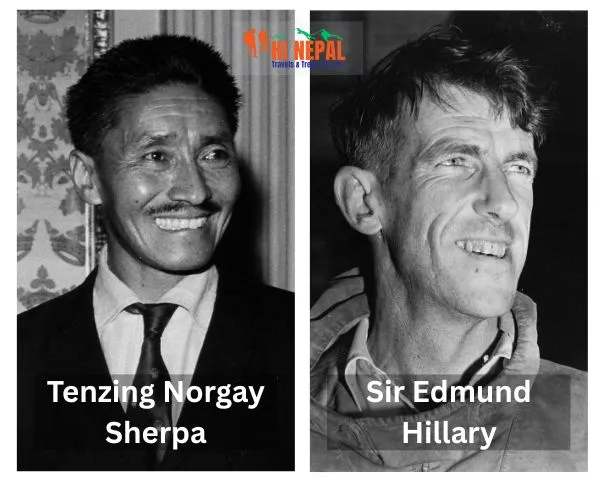
    Tenzing Norgay Sherpa and Sir Edmund Hillary were, first people to climb Mount Everest.

    The first successful climbers to reach the summit of the tallest mountain in the world, Mount Everest, were Sir Edmund Hillary from New Zealand and Tenzing Norgay, a Sherpa of Nepal, on May 29, 1953. Their historic climb is celebrated as a monumental achievement in mountaineering history. It marked the beginning of modern exploration on Everest.

    Tenzing Norgay’s role in the first ascent highlights the invaluable contributions of the Sherpa community. Sherpas are renowned for their expertise and resilience in high-altitude environments. Their support and knowledge have been crucial in numerous successful expeditions.

    The success of Hillary and Norgay continues to inspire climbers around the world. Their achievement is a testament to human determination and the spirit of adventure. The legacy of their climb lives on in the countless expeditions that follow in their footsteps.


    Death on Mount Everest

    Climbing Mount Everest is no small feat, and it comes with significant risks. Over 300 climbers have tragically lost their lives on Everest since 1953. The dangers include avalanches, falls, altitude sickness, and exposure to extreme weather conditions.

    The harsh conditions on Everest Himalaya test the limits of human endurance. Climbers face freezing temperatures, fierce winds, and unpredictable weather. These factors contribute to the high mortality rate on the mountain.

    Each tragic loss on Everest serves as a sobering reminder of the mountain’s dangers. The climbing community continually learns from these experiences to improve safety measures. Innovations in gear, training, and technology aim to reduce risks for future climbers.


    Firsts to Climb Mount Everest

    First Women Climb Mount Everest

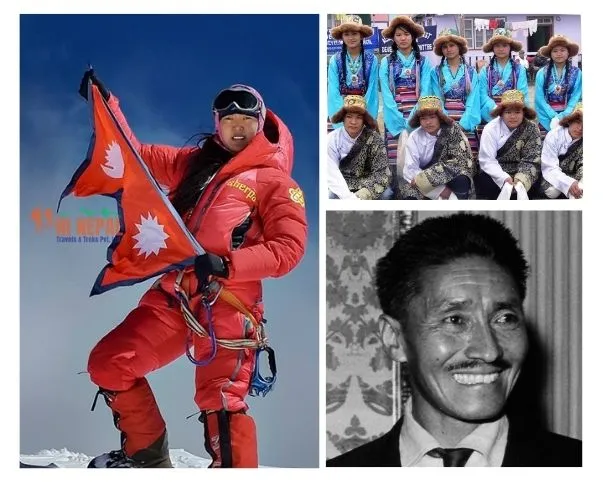
    Junko Tabei from Japan became the first woman to reach the summit of Mount Everest on May 16, 1975. Her achievement was not only a personal triumph but also a monumental milestone in mountaineering history. Tabei’s ascent challenged gender norms and inspired women worldwide.

    Tabei’s journey to the summit was fraught with challenges, both physical and societal. She faced skepticism and limited opportunities as a female climber. Her success demonstrated that passion and perseverance know no gender boundaries.

    Junko Tabei’s legacy continues to empower women in mountaineering and beyond. Her story encourages women to pursue their dreams and break through barriers. Tabei’s impact is felt in the growing number of female climbers taking on Everest and other peaks.

    Youngest Person to Climb Mount Everest

    Jordan Romero, an American, was just 13 years old when he reached the summit of Everest in 2010. His record-setting ascent captured the world’s attention and sparked debates about age and safety in mountaineering. Romero’s climb showcased the potential of youthful ambition.

    Oldest Person to Climb Mount Everest

    Yuichiro Miura, an 80-year-old Japanese alpinist, became the oldest person to summit Everest in 2013. Miura’s achievement exemplifies the idea that age is just a number. His climb was a testament to lifelong passion and the enduring spirit of adventure.

    The feats of Romero and Miura raise important questions about age limits in high-altitude climbing. While their achievements are celebrated, they also prompt discussions on the physical and ethical considerations of extreme expeditions. Balancing ambition with safety remains a key concern in the climbing community.


    Flora and Fauna on Mount Everest

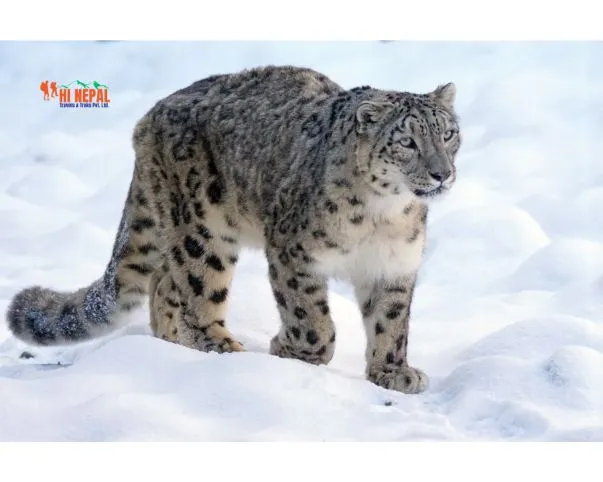
    Snow Leopard walking calmly in the white snow.

    Despite its harsh conditions, Everest Himalaya hosts some unique plant and animal life. Snow leopards, elusive and endangered, roam the lower regions of the mountain. These majestic creatures are a symbol of the mountain’s biodiversity.

    The flora on Everest includes rare species like the Himalayan blue poppy. This delicate flower blooms in the mountain’s surrounding areas, adding a splash of color to the rugged landscape. The plant life on Everest is a testament to nature’s adaptability.

    Efforts are underway to protect the unique flora and fauna of the Everest region. Conservation initiatives aim to preserve the mountain’s ecological balance and prevent habitat loss. These efforts highlight the importance of safeguarding Everest’s natural heritage.


    Cost to Climb the Tallest Mountain in the World, Mount Everest

    Attempting to climb Mount Everest is not just physically challenging but also financially demanding. The standard supported climb cost of Mount Everest ranges from $28,000 to $85,000. These expenses cover permits, gear, guides, and other logistical needs.

    For those seeking a more comfortable experience, luxury expeditions can cost upwards of $100,000. These high-end climbs offer additional amenities and personalized services. The luxury option provides an entirely different perspective on the Everest experience.

    The financial aspect of climbing Everest Himalaya also impacts local communities. The influx of climbers supports the economy of the region, providing jobs and income for Sherpas and local businesses. Balancing economic benefits with environmental and cultural preservation is an ongoing challenge.


    The Unpredictable Weather of Mount Everest

    The weather on Everest is notoriously unpredictable. Temperatures can plummet to -76°F (-60°C) in winter, while the jet stream brings winds exceeding 200 mph (322 kph). These extreme conditions make climbing Everest a daunting endeavor.

    Climbers must be well-prepared to face Everest’s harsh weather. Specialized gear and training are essential for enduring the cold and wind. Understanding weather patterns and timing ascents carefully is crucial for safety.

    The weather on Everest significantly influences the success of expeditions. Sudden storms and temperature drops can halt progress and endanger climbers. Navigating these challenges requires skill, experience, and a deep respect for nature’s power.


    Final Thoughts

    Mount Everest is more than just the tallest mountain in the world; it’s a place rich in history, adventure, and mystery. From its growth and naming origins to the courageous climbers who have conquered it, Everest continues to captivate the world. Whether you’re planning your own expedition or simply dreaming of the heights, these facts showcase the awe-inspiring nature of this incredible peak.

    As we continue to explore and understand the facts about Mount Everest, one thing is certain: Mount Everest will always hold a special place in the hearts of adventurers and explorers alike. So, next time you think about the world’s highest peak, remember these surprising facts and share the wonder of Everest with others!


    FAQs

    1. Where is Mount Everest?

    The world’s tallest mountain, the legendary Mount Everest, is situated on the border of Nepal and China. The south face of Everest is located in Nepal, whereas the north face of Mount Everest is situated in Tibet, a state of China.

    2. How tall is Mount Everest?

    The height of the tallest mountain in the world, the legendary Mount Everest, is 8,848,86 m (29,031.69 feet) above sea level. One of the unbelievable facts about Mount Everest is that Everest grows about 4 millimeters every year.

    3.How old is Mount Everest?

    According to multiple scientific studies, the geological age of Mount Everest is approximately 50 to 60 million years. This iconic mountain was formed when the Indian and Eurasian Tectonic plates collided with each other, pushing the land high above the surface, resulting in the formation of the tallest mountain in the world.

    4. How cold is Mount Everest?

    As the tallest mountain in the world, Mount Everest, is known for its extreme climate. The summit of Everest faces the maximum drop in temperature, with almost up as -60°C (-76°F). Even in the Peak climbing season, the temperature can drop to -20°C (-4°F).

    5. Is Everest a volcano?

    No, Everest is not a volcano, as this iconic peak was formed more than 50 million years ago, when the Indian and Eurasian Tectonic plates collided with each other.

    6. How hard is it to climb Everest?

    One of the adventurous yet rewarding adventures, climbing Mount Everest, is not an easy job to do. To successfully climb Mount Everest, not only physically, but you have to be prepared mentally and financially as well. A successful Mount Everest expedition requires dedication and passion, as this 7 to 8-week adventure is one of the toughest.

    7. What is the height of Everest Base Camp?

    Situated at the feet of Mount Everest, the height of the Everest Base Camp elevation is  5,364 meters (17598.43 feet) above sea level.

    8. What is the highest mountain before Mount Everest was discovered?

    Mount Kanchenjunga, the third-tallest mountain in the world, standing tall at an altitude of 8,586 meters (28,169 feet), was known as the world’s tallest mountain before Mount Everest.

  • Beyond Porters: Know Nepal’s Sherpa People

    Beyond Porters: Know Nepal’s Sherpa People

    Nepal is known for its breathtaking landscapes, towering peaks, and vibrant cultures. Among the diverse ethnic groups residing in this Himalayan paradise, the Sherpa people of Nepal stand out not only for their climbing prowess but also for their rich cultural heritage. The Sherpa community, primarily known for being skilled mountaineers and guides, has a unique lifestyle and traditions that are deeply rooted in their history and environment.


    Origins and History of the Sherpa People

    The term “Sherpa” is often associated with high-altitude mountain guides, but it originally refers to an ethnic group native to the mountainous regions of Nepal. The Sherpas migrated from Tibet over 500 years ago, settling mainly in the eastern regions of Nepal, particularly in the Solu-Khumbu district, which is home to Mount Everest.

    Sherpas are believed to have migrated from the Kham region in eastern Tibet. Their journey across the rugged Himalayas was not just a physical migration but also a cultural one, as they carried with them traditions and practices that would later blend with the local customs of Nepal. The process of migration was challenging, but it was crucial in shaping their identity and adaptability to the high-altitude environment.

    As they settled in the Everest region, Sherpas developed unique adaptations, both cultural and physiological, that enabled them to thrive in the mountains. This region, characterized by its high altitudes and harsh climates, demanded resilience and ingenuity, qualities that the Sherpas exemplified. Their settlement patterns and community structures were influenced by the need for cooperation and mutual support in such challenging conditions.

    The historical ties between the Sherpas and Tibet are evident in their language, religious practices, and cultural heritage. Despite the physical separation by the formidable mountain ranges, the Sherpa culture retains a strong Tibetan influence, which is reflected in their spiritual beliefs and social customs.


    Sherpas of Everest as Mountain Guides

    The expert mountain climbers, the Sherpa People of Nepal, in their mountain expedition.

    Sherpas of Everest gained international recognition for their role as guides and porters in mountaineering expeditions, especially on Mount Everest. Their expertise, knowledge of the terrain, and physical endurance make them indispensable to climbers seeking to conquer the world’s highest peaks. The famous Tenzing Norgay, who reached the summit of Everest with Sir Edmund Hillary in 1953, is perhaps the most celebrated Sherpa.

    Sherpas possess unique physiological traits that provide them with remarkable endurance and efficiency at high altitudes. These adaptations include a higher hemoglobin concentration and a more efficient oxygen utilization system, which are critical for survival and performance in the thin air of high altitudes. These traits, combined with their in-depth knowledge of the terrain, make Sherpas unparalleled guides in the mountaineering world.

    The Everest Sherpas’ involvement in mountaineering has also fostered a deep sense of pride and identity within the community. Many Sherpas view their role as guides not just as a profession but as a calling that connects them to their heritage. This connection is evident in the way they approach mountaineering, with a deep respect for the mountains and an understanding of their spiritual significance.

    Beyond their physical contributions to mountaineering, Sherpas of Everest have also played a crucial role in promoting safety and environmental stewardship on the mountains. Their intimate knowledge of the terrain allows them to navigate routes safely and efficiently, often ensuring the success and safety of expeditions. As mountaineering gains popularity, the Sherpa community continues to emphasize sustainable practices and respect for the natural environment.


    Sherpa Lifestyle and Village Life

    The Sherpa lifestyle is intricately linked to the mountainous terrain they inhabit. Their customs and daily practices reflect a deep connection with nature and spirituality, which are central to their cultural identity.

    Sherpa villages are typically nestled in valleys and hillsides, with stone-built houses that are designed to withstand the harsh mountain climate. These villages are often located at high altitudes, ranging from 2,500 to 4,000 meters above sea level. The strategic positioning of these villages takes into account factors such as sunlight exposure and proximity to water sources, ensuring sustainability and comfort in a challenging environment.

    Inside a typical Sherpa home, you’ll find a central hearth used for cooking and heating. The homes are simple yet functional, reflecting the Sherpas’ practical approach to life in the mountains. The hearth is not just a source of warmth but also a focal point for family gatherings and social interactions, emphasizing the importance of community and family bonds in Sherpa culture.

    The architecture of Sherpa homes is a testament to their resourcefulness and understanding of their environment. Houses are built using locally sourced materials such as stone and wood, providing insulation against the cold and stability in the rugged terrain. The design and layout of these homes are a reflection of the Sherpas’ adaptability and respect for the natural world.

    In addition to their practical considerations, Sherpa villages are often characterized by their aesthetic appeal, with colorful prayer flags adorning homes and communal spaces. These flags, believed to carry prayers and blessings on the wind, symbolize the spiritual connection that permeates Sherpa life. The vibrant colors and intricate designs of the flags add to the visual charm of the villages, creating a harmonious blend of culture and nature.


    Sherpa Diet and Cuisine

    The Sherpa diet is primarily vegetarian, consisting of locally grown grains and vegetables. A staple dish is “dal bhat,” which is rice served with lentil soup. Meat is consumed occasionally, often during festivals or special occasions. Sherpas also enjoy “tsampa,” a roasted barley flour, and “butter tea,” a traditional Tibetan beverage.

    The Sherpa diet reflects their adaptation to the high-altitude environment, focusing on nutrition and sustenance. Grains like barley and millet are staples, providing the necessary energy and nutrients required for their active lifestyle. These grains are often prepared in various forms, including porridge and bread, and are complemented by vegetables and dairy products.

    Food preparation and consumption are deeply embedded in Sherpa culture, often involving communal activities that reinforce social bonds. Meals are typically prepared and shared among family members, with an emphasis on hospitality and generosity. The act of sharing a meal is seen as a way to strengthen family ties and foster a sense of community.

    Sherpa cuisine also includes unique flavors and ingredients that reflect their cultural heritage. Spices and herbs, such as ginger, garlic, and turmeric, are commonly used to enhance the taste and nutritional value of dishes. The use of yak butter and cheese adds richness to their diet, providing essential fats and proteins necessary for endurance in the cold climate.

    The consumption of butter tea, a staple in Sherpa households, is both a cultural tradition and a practical necessity. This hearty beverage, made from tea leaves, yak butter, and salt, provides warmth and energy, making it ideal for the cold mountain environment. The preparation and serving of butter tea are often accompanied by rituals and customs, highlighting its significance in Sherpa culture.


    Sherpa Attire and Clothing Traditions

    The Sherpa people of Nepal are both practical and symbolic. Traditional clothing includes the “chuba,” a long-sleeved robe worn by both men and women. In colder months, Sherpas wear thick woolen garments and yak wool hats. Their attire is not only functional for the cold climate but also a reflection of their cultural identity.

    The design and materials of Sherpa clothing are carefully chosen to provide protection and comfort in the harsh mountain climate. The chuba, made from thick woolen fabric, offers warmth and flexibility, allowing for ease of movement during daily activities. The layering of garments is a common practice, enabling Sherpas to adjust their clothing according to the weather conditions.

    Beyond its functional aspects, Sherpa clothing carries cultural and spiritual significance. The colors and patterns of their attire often hold symbolic meanings, representing various aspects of their identity and beliefs. For instance, certain colors are associated with religious or spiritual connotations, reflecting their deep-rooted Buddhist faith.

    Sherpa attire also plays a role in social and ceremonial contexts, with specific garments worn during festivals and religious ceremonies. These occasions provide an opportunity for Sherpas to showcase their cultural heritage through their clothing, highlighting the importance of tradition and community in their lives. The preservation of traditional attire is seen as a way to honor their ancestors and maintain a connection to their cultural roots.

    The incorporation of modern elements into traditional Sherpa clothing is an example of their adaptability to changing times. While maintaining the essence of their cultural attire, Sherpas have embraced certain modern influences, blending tradition with contemporary styles. This fusion reflects their ability to evolve while preserving the core aspects of their cultural identity.


    Famous Sherpa People of Nepal

    Some of the famous Sherpas of Nepal have made rich contributions to the history of mountaineering.

    What the Sherpa people have done for the history of Nepal’s mountaineering is unmatched. From the first-ever Mount Everest expedition to today’s Mount Everest summit journey, Sherpas are the most crucial part of the journey. 

    The following are some of the famous Sherpa characters of Nepal who are recognized by the world:

    Tenzing Norgay Sherpa: The First person in history to climb Mount Everest along with Sir Edmund Hillary.

    Pasang Limbu Sherpa: First Nepali woman to reach the summit of the Everest, though she tragically died while descending. 

    Kami Rita Sherpa: Guniess World Record holder to climb Mount Everest 31 times.

    Lhakpa Sherpa: First Nepali woman to successfully ascend to Mount Everest and descend safely.

    Dawa Yangzum Sherpa: First Nepali woman to climb all 14 of the 8,000+ m peaks.


    Sherpa Religion and Spiritual Practices

    The culture of the Sherpas of Everest is a tapestry of Buddhist beliefs, traditional customs, and community values. Their spiritual practices and customs are interwoven with daily life, emphasizing harmony, respect, and reverence for nature.

    The majority of Sherpas practice Tibetan Buddhism, which plays a central role in their cultural identity. Monasteries are common in Sherpa villages, serving as centers for religious and social activities. Festivals such as “Losar” (Tibetan New Year) and “Dumji” are celebrated with fervor, featuring traditional dances, music, and rituals.

    Sherpas also believe in the presence of deities and spirits in the natural world. They often make offerings to appease these spirits and ensure safety and prosperity. The practice of making offerings, known as “puja,” is a significant aspect of Sherpa spirituality, involving rituals and ceremonies that honor the spirits and deities associated with their environment.

    The spiritual practices of the Sherpas are deeply rooted in the teachings of Tibetan Buddhism, which emphasizes compassion, mindfulness, and the pursuit of enlightenment. These principles are reflected in their daily lives, influencing their interactions with others and their approach to challenges. The presence of monasteries in Sherpa villages serves as a constant reminder of their spiritual path and commitment to their faith.

    Sherpa spirituality also involves a profound connection with the natural world, viewing the mountains and landscapes as sacred entities. This reverence for nature is evident in their customs and practices, which often involve rituals to honor the spirits of the land. The Sherpas’ spiritual beliefs guide their interactions with the environment, promoting a sense of stewardship and responsibility.

    The role of spiritual leaders, or “lamas,” is vital in Sherpa communities, providing guidance and wisdom to the people. These leaders are respected figures, often involved in important decisions and ceremonies. Their presence reinforces the significance of spirituality in Sherpa culture, serving as a link between the community and their spiritual beliefs.


    Sherpa Festivals and Cultural Celebrations

    Celebration of the Dumji Festival of Sherpas.

    Festivals are a vibrant part of Sherpa culture, providing an opportunity for community bonding and celebration. The “Mani Rimdu” festival is one of the most significant, involving a series of religious ceremonies and dances performed by monks. It is a time of joy, reflection, and spiritual renewal for the Sherpa community.

    Sherpa festivals are characterized by elaborate rituals, colorful attire, and communal participation. These celebrations often involve traditional music and dance, showcasing the rich cultural heritage of the Sherpas. The performances are not just entertainment but also a means of preserving and transmitting cultural knowledge and traditions.

    The timing of Sherpa festivals is often aligned with the lunar calendar, reflecting the influence of Tibetan Buddhism on their cultural practices. Each festival holds its unique significance, with specific rituals and customs associated with different deities or spiritual themes. These celebrations provide an opportunity for Sherpas to express their devotion and gratitude, reinforcing their spiritual beliefs and communal bonds.

    The social aspect of Sherpa festivals is equally important, fostering a sense of unity and camaraderie among community members. These events bring together people of all ages, allowing for the exchange of stories, experiences, and cultural knowledge. The communal nature of the festivals strengthens social ties and reinforces the values of cooperation and mutual support.

    In addition to their cultural and spiritual significance, Sherpa festivals play a role in promoting tourism and cultural exchange. Visitors are often welcomed to participate in these celebrations, providing an opportunity for cultural interaction and understanding. This openness to sharing their culture reflects the Sherpas’ hospitality and pride in their heritage.


    Family and Community in Sherpa Life

    Family and community are central to Sherpa life. The Sherpa people are known for their strong sense of community, where cooperation and mutual support are vital. Elders are respected, and decisions often involve the input of the community.

    The importance of family in Sherpa culture is reflected in their social structures and daily practices. Families often live in close-knit communities, where members support each other in various aspects of life, from economic activities to social responsibilities. This sense of interconnectedness is a defining feature of Sherpa society, fostering resilience and stability.

    Community involvement is a key aspect of Sherpa life, with communal activities and decision-making processes playing a significant role in their social organization. Important matters, such as the allocation of resources or the planning of festivals, are often discussed collectively, ensuring that the voices of all community members are heard. This democratic approach to decision-making reinforces the values of equality and cooperation.

    The role of elders in Sherpa communities is highly respected, with their wisdom and experience valued in guiding decisions and preserving cultural traditions. Elders often serve as custodians of cultural knowledge, passing down stories, customs, and practices to younger generations. Their involvement in communal affairs highlights the importance of continuity and the intergenerational transmission of cultural values.

    The Sherpas’ emphasis on community and family is also evident in their approach to challenges and change. In the face of external influences and modernization, the Sherpa community remains committed to preserving its cultural identity and supporting each other. This resilience and adaptability are a testament to the strength of their communal bonds and cultural pride.


    Tourism and Cultural Challenges

    While the Sherpas of Everest have preserved much of their cultural heritage, they face challenges in the modern world. Increased tourism and mountaineering have brought economic opportunities but also cultural shifts.

    Tourism, particularly trekking and mountaineering, has become a significant source of income for many Sherpas. However, this economic reliance on tourism has also led to cultural changes and environmental concerns. The influx of tourists has introduced new cultural influences and practices, leading to a gradual shift in traditional values and lifestyles.

    The economic benefits of tourism have provided the Sherpa community with development opportunities and improved living standards. Many Sherpas have been able to invest in education, healthcare, and infrastructure, enhancing their quality of life. However, this economic growth comes with the challenge of balancing modernization with the preservation of cultural identity.

    Environmental concerns have also emerged as a result of increased tourism, with the natural landscape facing pressure from the growing number of visitors. The Sherpa community has been at the forefront of efforts to promote sustainable tourism, emphasizing the need to protect their environment while benefiting from its economic potential. These efforts include initiatives to manage waste, conserve resources, and raise awareness about responsible tourism practices.

    The cultural impact of tourism is a complex issue, with both positive and negative aspects. On one hand, tourism provides a platform for cultural exchange and the promotion of Sherpa heritage to a global audience. On the other hand, the introduction of foreign influences can lead to the erosion of traditional practices and values. The Sherpa community continues to navigate these challenges, seeking ways to integrate economic opportunities with cultural preservation.


    Preserving Sherpa Culture and Traditions

    Efforts are being made to preserve Sherpa culture amidst these changes. Initiatives to promote traditional crafts, language, and customs are underway, aiming to maintain the rich heritage of the Sherpa people for future generations. These efforts involve collaboration between community members, local organizations, and international partners, reflecting a collective commitment to cultural preservation.

    Language preservation is a key focus, with programs aimed at promoting the use of the Sherpa language in schools and community settings. The transmission of language is seen as vital to maintaining cultural identity and continuity, ensuring that future generations can connect with their heritage. Educational initiatives often involve the inclusion of cultural content in the curriculum, fostering pride and awareness among young Sherpas.

    Traditional crafts and arts are also being revitalized as part of cultural preservation efforts. The production of traditional textiles, pottery, and jewelry not only sustains cultural practices but also provides economic opportunities for artisans. These crafts are often showcased in cultural events and exhibitions, highlighting their importance in the Sherpa cultural landscape.

    Community engagement and participation are crucial in preserving Sherpa culture, with initiatives encouraging active involvement from all members of the community. Cultural festivals, workshops, and storytelling sessions provide platforms for sharing and celebrating Sherpa heritage, reinforcing the values of community and tradition. These efforts aim to create a sense of ownership and pride in cultural preservation, ensuring its sustainability for future generations.

    The role of technology in cultural preservation is also being explored, with digital platforms providing new avenues for documenting and sharing Sherpa culture. Online resources, including websites and social media, offer opportunities to reach a wider audience and engage with global networks. This integration of technology with traditional practices reflects the Sherpas’ adaptability and commitment to preserving their cultural legacy.


    Final Though

    The Sherpa people of Nepal are more than just skilled mountaineers; they are a community with a rich cultural tapestry woven from history, tradition, and spirituality. Understanding the Sherpa culture offers a glimpse into the lives of those who have called the Himalayas home for centuries. As they continue to navigate the challenges of modernity, the Sherpas remain a testament to resilience and cultural pride.

    The Sherpa community’s ability to adapt to changing circumstances while maintaining its cultural integrity is a remarkable aspect of its identity. Their story is one of resilience, perseverance, and a deep connection to their heritage and environment. As they face the future, the Sherpas continue to embody the values of community, spirituality, and respect for nature, serving as an inspiration for others.

    The preservation of Sherpa culture is not just important for the Sherpa people of Nepal themselves but also for the broader global community. Their unique traditions and practices offer valuable insights into sustainable living, cultural diversity, and the importance of maintaining a harmonious relationship with nature. By supporting and celebrating Sherpa culture, we contribute to the preservation of a vibrant heritage that enriches our understanding of the world.

    In conclusion, the Sherpa people exemplify the strength and beauty of cultural diversity, standing as guardians of their heritage and stewards of the majestic Himalayas. Their journey is a testament to the enduring power of culture and community, offering lessons in resilience and the importance of preserving our shared human heritage. As we celebrate the Sherpas and their culture, we are reminded of the interconnectedness of all peoples and the shared responsibility to honor and protect our cultural legacies.


    FQAs

    1. Can you climb Everest without a Sherpa?

    Yes, you can climb Mount Everest without a Sherpa; however, the climbing will be extremely difficult, as these people have high skills in mountaineering, who can crucially assist you in your expedition. Having the Everest Sherpa people alongside you during your Mount Everest Expedition can make a big impact.

    2. What is a Sherpa Mount Everest?

    The Sherap people in Nepal are an ethnic group living in the Himalayan region of Nepal, especially in the Solukhumbu District. These people are recognized all over the world as the most skilled mountaineers. For nearly a century, these Everest Sherpas have made crucial contributions to Nepal’s history of mountaineering.

    3. Do sherpas go to the top of Everest?

    Yes, Sherpas go to the top of Everest frequently. Instead, the Sherpa people of Nepal are the people who climb Mount Everest the most. As a guide, porter, or climber, these people often climb to the summit of Mount Everest.

    4. Who is the first person to climb Mount Everest?

    Sir Edmund Hillary and Tenzing Norgay Sherpa were the first people to climb Mount Everest. They completed the very first Mount Everest Expedition on 29 May 1953.

    5. How long have sherpas been climbing Everest?

    Since, first climbed in 1953 by Tenzing Norgay Sherpa, the ritual of climbing Mount Everest by the Sherpas has become a symbol of pride and connection between Everest and the rest of the world. 

    6. Why can Sherpas climb without oxygen?

    The Sherpas can climb Mount Everest without any support of supplementary oxygen because of the combination of their genetic quality and the strength of adaptation to the higher altitude, making their body highly efficient to handle the pressure of low oxygen levels.

    7. What language do Sherpas speak?

    The Sherpa people of Nepal speak their native Sherpa language. However, they are also fluent in Nepali and English.

  • Where Is Annapurna? Location, ABC Trek Route & Facts

    Where Is Annapurna? Location, ABC Trek Route & Facts

    If you search for “Where is Annapurna?”, you may be looking for one of two things: the location of Mount Annapurna I or the wider Annapurna region, where some of Nepal’s most popular trekking routes are located.

    Both are in north-central Nepal, within the Himalayas. The Annapurna region stretches across a large area of mountains, valleys, villages and protected landscapes, while Annapurna I is the highest peak of the Annapurna massif at 8,091 m.

    For trekkers, the name Annapurna is closely associated with routes such as the Annapurna Base Camp Trek, Annapurna Circuit and Ghorepani Poon Hill Trek. These routes offer very different experiences, from high mountain passes to sunrise viewpoints and close-up views of the Annapurna massif.

    Where Is Annapurna Located?

    The Annapurna massif is located in north-central Nepal, in the Gandaki Province. It lies within the broader Himalayan range and is surrounded by deep valleys, high mountain passes and traditional settlements.

    The Annapurna Conservation Area covers much of the trekking region around the massif. As you travel through the area, the landscape changes considerably, from lower valleys and subtropical forests to alpine terrain at higher elevations.

    Pokhara is the main gateway for most travellers visiting the Annapurna region. The city is located southwest of the main Annapurna trekking areas and is commonly used as the starting point for journeys toward routes such as Annapurna Base Camp, Mardi Himal, Ghorepani and the Annapurna Circuit.

    Where Is Mount Annapurna on the Map of Nepal?

    On a map of Nepal, Annapurna is located toward the north-central part of the country, north of Pokhara.

    The massif sits between some of the major trekking landscapes of central Nepal. The Kali Gandaki Valley lies to the west, while the Marsyangdi Valley and Manang area are associated with the northern and eastern parts of the Annapurna trekking region.

    This location is one reason the Annapurna region has such varied landscapes. A single trekking journey can take you from green valleys and forests to dry high-altitude terrain and snow-covered mountain passes.

    For travellers, the easiest geographical reference point is Pokhara. Most trekking itineraries begin by travelling from Kathmandu to Pokhara before continuing by road or on foot toward the relevant trailhead.

    Annapurna I vs Annapurna Region: What’s the Difference?

    These two terms are often used interchangeably, but they refer to different things.

    Annapurna I is a specific mountain. At 8,091 m, it is the highest peak in the Annapurna massif and one of the world’s 8,000-meter mountains.

    The Annapurna region, on the other hand, is a much larger geographical and trekking area surrounding the mountain range. It includes several peaks, valleys, villages, trekking routes and protected landscapes.

    So, when someone says they are trekking in the Annapurna region, they do not necessarily mean they are climbing Annapurna I.

    In fact, most travellers visit the region to trek routes such as the Annapurna Base Camp Trek, Annapurna Circuit or Ghorepani Poon Hill Trek rather than attempt a mountain expedition.

    How High Is Annapurna I?

    Annapurna I stands at 8,091 m (26,545 ft) above sea level.

    It is the highest mountain in the Annapurna massif and the tenth-highest mountain in the world.

    The massif also contains several other major peaks:

    PeakElevation
    Annapurna I8,091 m
    Annapurna II7,937 m
    Annapurna III7,555 m
    Annapurna IV7,525 m
    Annapurna South7,219 m

    Machhapuchhre, or Fishtail, is another prominent mountain seen throughout the Annapurna trekking region. Although it is not one of the Annapurna peaks listed above, its distinctive double summit makes it one of the most recognizable mountains in the area.

    Where Is Annapurna Base Camp?

    Annapurna Base Camp is located at 4,130 m inside the Annapurna Sanctuary.

    It is not on the summit of Annapurna I. Instead, the trekking route leads into a natural amphitheater surrounded by high Himalayan peaks.

    This is what makes the ABC Trek different from simply viewing Annapurna from Pokhara or a lower viewpoint. As you approach the base camp, the mountains become increasingly prominent around you.

    The classic route passes through places such as:

    Pokhara → Ghandruk/Chhomrong → Bamboo → Deurali → Machhapuchhre Base Camp → Annapurna Base Camp

    The exact starting point and itinerary can vary depending on the route and transportation arrangements.

    At ABC, trekkers can see several major peaks, including Annapurna I, Annapurna South, Hiunchuli and Machhapuchhre.

    Explore the Annapurna Base Camp Trek

    How Do You Get to the Annapurna Region?

    For most international travellers, the journey begins in Kathmandu.

    From Kathmandu, you can travel to Pokhara, which serves as the main gateway to many Annapurna trekking routes.

    Kathmandu to Pokhara

    You can travel between Kathmandu and Pokhara by domestic flight or road.

    Flying is the faster option, while travelling by road allows you to see more of Nepal’s changing landscape along the way.

    Once you reach Pokhara, your onward journey depends on the trek you have chosen.

    Pokhara to the Trekking Trail

    Different Annapurna routes begin from different locations.

    For example:

    • Annapurna Base Camp: Travel toward the trailhead before beginning the trek through the Annapurna Sanctuary.
    • Ghorepani Poon Hill: Travel toward the lower Annapurna foothills and trek through villages and forests to Ghorepani.
    • Mardi Himal: Travel from Pokhara toward the starting point of the Mardi Himal route.
    • Annapurna Circuit: Travel toward the Marsyangdi Valley and begin the trek from the chosen roadhead.
    • Khopra Ridge: Approach the trail through the lower Annapurna villages before climbing toward Khopra Danda.

    Because roads have extended farther into parts of the Annapurna region, the starting point of some itineraries can change depending on the route and current road conditions.

    Popular Treks in the Annapurna Region

    The Annapurna region offers several trekking experiences rather than one single trail.

    Annapurna Base Camp Trek

    The Annapurna Base Camp Trek takes you into the heart of the Annapurna Sanctuary.

    The trail passes through villages, forests and high-altitude landscapes before reaching ABC at 4,130 m.

    It is a popular option for travellers who want close views of the Annapurna massif without undertaking an expedition to climb one of its peaks.

    Explore the Annapurna Base Camp Trek

    Annapurna Circuit Trek

    The Annapurna Circuit travels around the Annapurna massif and crosses Thorong La Pass at 5,416 m.

    One of its major attractions is the dramatic change in landscape. The route moves from lower valleys into the high mountains and eventually toward the Mustang side of the Himalayas.

    Unlike ABC, which takes you into a mountain sanctuary, the Circuit gives you a broader journey around the massif.

    Explore the Annapurna Circuit Trek

    Ghorepani Poon Hill Trek

    The Ghorepani Poon Hill Trek is a shorter alternative for travellers who want Himalayan scenery without committing to a long high-altitude trek.

    The main highlight is the sunrise from Poon Hill at 3,210 m, where the Annapurna and Dhaulagiri ranges can be seen on clear mornings.

    It is also known for its forested trails, traditional villages and rhododendron landscapes.

    Explore the Ghorepani Poon Hill Trek

    Mardi Himal Trek

    Although the Mardi Himal route is not a trek to Annapurna Base Camp, it is closely associated with the Annapurna trekking region.

    The upper trail provides impressive views of Machhapuchhre and Annapurna South, making it a popular choice for travellers looking for mountain scenery on a shorter route.

    Explore the Mardi Himal Trek

    Major Peaks of the Annapurna Range

    Annapurna is not a single mountain. The massif contains several major peaks.

    Annapurna I

    At 8,091 m, Annapurna I is the highest peak in the massif. It was the first 8,000-meter mountain to be successfully climbed, with Maurice Herzog and Louis Lachenal reaching the summit on June 3, 1950.

    Annapurna II

    Annapurna II reaches 7,937 m and forms an important part of the eastern section of the massif.

    Its enormous ridges and steep mountain faces make it a prominent feature of the northern Annapurna landscape.

    Annapurna III

    Annapurna III stands at 7,555 m. Its distinctive ridges and dramatic profile make it particularly recognizable from several viewpoints and trekking routes.

    Annapurna IV

    At 7,525 m, Annapurna IV is another major peak within the massif. It is less commonly discussed by general trekkers but remains an important mountain in the Annapurna range.

    Annapurna South

    Annapurna South, also called Annapurna Dakshin, rises to 7,219 m.

    It is especially prominent from trekking routes such as Mardi Himal and the Annapurna Base Camp approach.

    What Is the Annapurna Region Known For?

    The Annapurna region is popular because it combines several experiences in one destination.

    Diverse Landscapes

    The landscape changes dramatically with elevation. Lower sections contain forests, rivers and agricultural land, while higher areas become increasingly alpine.

    Himalayan Mountain Views

    The region provides views of Annapurna I, Annapurna South, Machhapuchhre, Dhaulagiri, Nilgiri and many other peaks.

    Traditional Mountain Villages

    Trekking routes pass through villages inhabited by communities including Gurung, Magar and Thakali people. Villages such as Ghandruk and settlements throughout the Manang and Mustang areas add a cultural dimension to the trekking experience.

    Annapurna Conservation Area

    The Annapurna Conservation Area protects a large and biologically diverse landscape. The region contains different ecosystems ranging from lower subtropical areas to high-altitude environments.

    Variety of Trekking Routes

    Perhaps the biggest attraction is the choice of routes. You can choose a short trek such as Poon Hill, a more immersive route such as ABC, or a longer journey such as the Annapurna Circuit.

    Interesting Facts About Annapurna

    Here are some facts that help explain why Annapurna is so well known.

    Annapurna I is 8,091 m high. It is the highest peak in the Annapurna massif and one of the world’s fourteen 8,000-meter mountains.

    Annapurna I was the first 8,000-meter peak to be climbed. Maurice Herzog and Louis Lachenal reached the summit in 1950.

    The Annapurna region is much larger than Annapurna I. The name refers to an extensive mountain and trekking region containing several peaks and valleys.

    Annapurna Base Camp is at 4,130 m. The trek takes visitors into the Annapurna Sanctuary rather than to the summit of Annapurna I.

    Thorong La reaches 5,416 m. The pass is one of the defining features of the Annapurna Circuit.

    Machhapuchhre is one of the region’s most recognizable mountains. Its distinctive shape makes it a major feature of views from Pokhara and trekking routes throughout the Annapurna area.

    Best Time to Visit the Annapurna Region

    The best time depends on the trek you choose, but spring and autumn are generally the most popular trekking seasons.

    Spring: March to May

    Spring brings warmer conditions at lower elevations and rhododendron blooms along many trekking routes.

    It is a good season for combining mountain views with colorful landscapes.

    Autumn: September to November

    Autumn follows the monsoon and is one of the most popular periods for trekking.

    Clearer skies can provide excellent mountain visibility, although popular routes can become busy.

    Winter: December to February

    Winter brings colder conditions, especially at higher elevations.

    Lower-altitude viewpoints and some trekking routes can still be accessible, but high-altitude trails may experience snow and freezing temperatures. Trekkers should check recent conditions before setting out.

    Monsoon: June to August

    Monsoon brings frequent rainfall to much of the Annapurna region. Clouds can obscure mountain views, while rain can affect trails and road conditions.

    Some travellers still visit during this period, particularly in rain-shadow areas, but it is not generally the first choice for clear mountain views. For detail, read this our guide.

    Final Thoughts

    So, where is Annapurna?

    Mount Annapurna and the wider Annapurna region are located in north-central Nepal, with Pokhara serving as the main gateway for many trekking journeys.

    But knowing its location is only the beginning. The Annapurna region offers very different ways to experience the Himalayas. You can trek into the Annapurna Sanctuary to reach ABC, cross Thorong La on the Annapurna Circuit, watch sunrise from Poon Hill or see Machhapuchhre from the Mardi Himal route.

    If you are planning your first trip to the region, choose the trek based on the experience you want rather than simply choosing the most famous route. The length of your trip, trekking experience, desired altitude and the type of mountain scenery you want to see can all influence the right choice.

    FAQs

    Where is Annapurna located?

    Annapurna is located in north-central Nepal in the Himalayas. The Annapurna region lies north of Pokhara and includes the Annapurna massif, surrounding valleys, villages and trekking routes.

    Where is Annapurna Base Camp located?

    Annapurna Base Camp is located at 4,130 m inside the Annapurna Sanctuary. It is reached by trekking through the Annapurna region, with routes commonly passing through Chhomrong, Bamboo, Deurali and Machhapuchhre Base Camp.

    How far is Annapurna from Kathmandu?

    The answer depends on which part of the Annapurna region you are travelling to. Most travellers first travel from Kathmandu to Pokhara and then continue toward their chosen trekking route.

    How far is Annapurna from Pokhara?

    Pokhara is the main gateway to the Annapurna region, but the distance varies depending on the specific destination. Places such as ABC, Poon Hill, Mardi Himal and the Annapurna Circuit all have different trailheads and approaches.

    How high is Annapurna?

    Annapurna I is 8,091 m above sea level. It is the highest peak in the Annapurna massif.

    When was Annapurna first climbed?

    Annapurna I was first successfully climbed on June 3, 1950, by French climbers Maurice Herzog and Louis Lachenal.

    Why is Annapurna famous?

    Annapurna is famous for its 8,091 m summit, mountaineering history, dramatic Himalayan landscapes and popular trekking routes. Annapurna I was the first 8,000-meter peak to be successfully climbed.

    Is Annapurna the same as Annapurna Base Camp?

    No. Annapurna I is a mountain reaching 8,091 m, while Annapurna Base Camp is a trekking destination at 4,130 m inside the Annapurna Sanctuary.

    Which is better: Annapurna Base Camp or Annapurna Circuit?

    It depends on the experience you want. ABC is more focused on reaching a high mountain sanctuary surrounded by peaks, while the Annapurna Circuit provides a longer journey around the massif with diverse landscapes and the Thorong La Pass crossing.

  • Is Mt. Kanchenjunga in Nepal or India? The Truth

    Is Mt. Kanchenjunga in Nepal or India? The Truth

    Greetings, adventure enthusiasts! 

    Have you ever wondered where is Mount Kanchenjunga located? Maybe in Nepal or India.

    Join us as we journey into the heart of the Himalayas to discover the secrets of this towering giant. You’re in the ideal place, whether you’re an experienced hiker or just interested in this amazing mountain. Together, let’s embark on this adventure and exploration.


    Where is Mount Kanchenjunga Located?

    The third-highest peak in the world, Mount Kanchenjunga, rises majestically to a height of 8,586 meters (28,169 feet). This gigantic mountain is the boundary between the Indian state of Sikkim and Nepal. If you’re thinking about going, get ready for a trip to the picturesque eastern Himalayas. Incredible vantage points that leave an everlasting impression are provided by Mt Kanchenjunga location.

    The majestic Himalaya range, which gracefully encompasses several nations, including Nepal, India, Bhutan, and Tibet, is the crowned jewel known as Kanchenjunga. The Kanchenjunga Himal, a sub-range that possesses an exceptional fusion of natural beauty and cultural diversity, includes this mountain as a fundamental element. The area is a haven for adventurers and nature lovers alike because of its breathtaking scenery, lively culture, and varied wildlife.


    Significance of Kanchenjunga Mountain

    The Kanchenjunga Himal has unmatched geographical significance. It acts as a climatic barrier and natural boundary that has a significant impact on the nearby regions’ weather patterns. Many glaciers and rivers that are essential to the ecosystem and the livelihoods of the local communities can be found on the mountain. Appreciating this natural wonder becomes more enjoyable when one becomes conscious of its geographic significance.

    Particularly for the local communities, Kanchenjunga is highly important both culturally and spiritually. It is regarded as a sacred mountain and is important to the indigenous people’s customs and folklore. The mountain is frequently connected to myths and deities, creating a wide variety of cultural narratives that enhance the experience of those who visit.

    The area around Kanchenjunga is a biodiversity hotspot. It is home to a diverse range of plants and animals, some of which are local endemics. The mountain’s function as an ambassador of nature’s treasures is demonstrated by the ecological diversity found here. In addition to being an adventure, exploring Kanchenjunga offers the chance to observe the delicate balance of life in one of the most pristine environments on earth.


    Kanchenjunga Treks

    Mt Kanchenjunga location in the map of Nepal,

    For those who have been bitten by the trekking bug, the Kanchenjunga region has a wealth of exciting trekking paths. There are plenty of options to suit different levels of adventure, whether you’re looking for a quick hike or a long adventure. Let’s explore some well-liked trekking destinations that offer remarkable encounters amidst the splendor of nature.

    The Kanchenjunga short walk is the best option if time is of the essence, but the attraction of the area is too strong to ignore. 

    The trek takes you through remote villages that are untouched by the hustle and bustle of modern life. These villages offer a rare opportunity to witness traditional ways of living that have remained unchanged for generations. The simplicity and resilience of the local communities are both inspiring and humbling.


    Kanchenjunga Circuit Trek

    For the more adventurous souls, the Kanchenjunga Circuit Trek, also known as the Kanchenjunga Base Camp trek, is a must-do. This trek encircles the base of the mountain, offering incredible views from all angles and presenting a comprehensive experience of the region’s raw beauty. It’s a challenging trek, but the rewards are immense, as you’ll pass through remote villages, cross high mountain passes, and immerse yourself in the splendor of the Himalayas.

    Kanchenjunga Circuit Trek itinerary:

    Day 1: Arrival in Kathmandu (1,300 m)

    Day 2: Kathmandu Sightseeing and Trek Preparation

    Day 3: Flight from Kathmandu to Bhadrapur (91 m | 45 minutes), Drive to Taplejung (1,820 m | 8-9 hours)

    Day 4: Drive from Taplejung to Sekathum (1,600 m | 5 hours)

    Day 5: Trek from Sekathum to Amjilosa (2,510 m | 6 hours)

    Day 6: Trek from Amjilosa to Gyabala (2,730 m | 4 to 5 hours)

    Day 7: Trek from Gyabala to Ghunsa (3,595 m | 5 to 6 hours)

    Day 8: Acclimatization in Ghunsa

    Day 9: Trek from Ghunsa to Kambachen (4,100 m | 5 to 6 hours) 

    Day 10: Acclimatization in Kambachen

    Day 11: Trek from Kambachen to Lhonak (4,785 m | 4 to 5 hours)

    Day 12: Explore Kanchenjunga North Base Camp

    Day 13: Trek from Lhonak to Ghunsa (3,595 m | 8 to 9 hours)

    Day 14: Trek from Ghunsa to Sele Le (4,390 m | 6 to 7 hours)

    Day 15: Trek from Sele Le to Tseram (Cheram) (3,864 m | 6 to 7 hours)

    Day 16: Trek from Tseram to Ramche (7 to 8 hours | 4,610 m), Explore Kanchanjanga South Base Camp

    Day 17: Trek from Ramche to Tortong (2,080 m | 5 to 6 hours)

    Day 18: Trek from Tortong to Khebang (1,910 m | 8 hours)

    Day 19: Trek from Khebang to Kanyam (1,150 m | 5 to 6 hours)

    Day 20: Drive from Kanyam to Bhadrapur (91m | 2 to 3 hours), Fly to Kathmandu (1,300 m | 45 minutes)

    Day 21: Departure for Kathmandu

    The Kanchenjunga Circuit Trek is a journey into the heart of nature’s raw beauty. From cascading waterfalls to expansive glaciers, the trek is a feast for the senses. The unspoiled landscapes and the serene solitude of the mountains create a profound connection with the natural world, leaving trekkers with a deep appreciation for the Earth’s wonders.


    Kanchenjunga North Base Camp Trek

    The Kanchenjunga North Base Camp is a short version of the Kanchenjunga Circuit trek. Like the circuit trek, the Kanchenjunga North Base Camp trek is also renowned for its challenging high mountain passes, as both share almost an identical path. 

    Kanchenjunga North Base Camp Trek itinerary:

    Day 1: Arrival in Kathmandu (1,300 m)

    Day 2: Kathmandu Sightseeing and Trek Preparation

    Day 3: Flight from Kathmandu to Bhadrapur (91 m | 45 minutes), Drive to Taplejung (1,820 m | 8-9 hours)

    Day 4: Drive from Taplejung to Sekathum (1,600 m | 5 hours)

    Day 5: Trek from Sekathum to Amjilosa (2,510 m | 6 hours)

    Day 6: Trek from Amjilosa to Gyabala (2,730 m | 4 to 5 hours)

    Day 7: Trek from Gyabala to Ghunsa (3,595 m | 5 to 6 hours)

    Day 8: Acclimatization in Ghunsa

    Day 9: Trek from Ghunsa to Kambachen (4,100 m | 5 to 6 hours) 

    Day 10: Acclimatization in Kambachen

    Day 11: Trek from Kambachen to Lhonak (4,785 m | 4 to 5 hours)

    Day 12: Explore Kanchenjunga North Base Camp

    Day 13: Trek from Lhonak to Gyabla (2,730 m | 8 to 9 hours)

    Day 14: Trek from Gyabla to Sekathum (1,600 m | 6 to 7 hours)

    Day 15: Drive from Sekathum to Taplejung  (1,820 m | 5 hours)

    Day 16: Drive from Taplejung to Bhadrapur (91m | 2 to 3 hours), then fly back to Kathmandu (1,300 m | 45 minutes)

    Day 17: Departure from Kathmandu 

    Crossing these passes is a thrilling experience, offering panoramic views that are both exhilarating and rewarding. The sense of achievement upon reaching these high points is profound and invigorating.


    Kanchenjunga South Base Camp Trek 

    The Kanchenjunga South Base Camp trek is one of the short Kanchenjunga Treks. This trip offers breathtaking views of the mountain that are energizing and rejuvenating, as well as passing through lush forests and quaint communities. It’s a fantastic way to get started in the world of Himalayan trekking, letting you enjoy the scenery without having to commit to a longer walk.

    Kanchenjunga South Base Camp Trek itinerary:

    Day 1: Arrival in Kathmandu (1,300 m)

    Day 2: Kathmandu Sightseeing and Trek Preparation

    Day 3: Flight from Kathmandu to Bhadrapur (91 m | 45 minutes), Drive to Khebang (1,910 m | 10 hours)

    Day 4: Trek from Khebang to Yamphudin (2,080 m | 5 hours)

    Day 5: Trek from Yamphudin to Tortong (2,980 m | 5 hours)

    Day 6: Hike to Tseram (Cheram) from Tortong (3,864 m | 6 to 7 hours)

    Day 7: Trek from Tseram to Ramche (7 to 8 hours | 4,610 m)

    Day 8: Explore Kanchenjunga South Base Camp (4,610 m), descend from Ramche to Tortong (2,980 m | 5 to 6 hours)

    Day 9: Hike from Tortong to Khebang (1,910 m | 8 hours)

    Day 10: Trek from Khebang to Kanyam (1,150 m | 5 to 6 hours)

    Day 11: Drive from Kanyam to Bhadrapur (91m | 2 to 3 hours), Fly to Kathmandu (1,300 m | 45 minutes)

    Day 12: Departure for Kathmandu


    Climb Mount Kanchenjunga

    Do you have a desire to get to the top? Although trekking to the base camp of Mount Kanchenjunga is a difficult undertaking, it is a once-in-a-lifetime experience for those who possess the necessary abilities and perseverance. Although the ascent is difficult and demands careful preparation, the feeling of achievement upon success is unmatched and incredibly satisfying.

    The Kanchenjunga Trek is the ultimate adventure for both first-time trekkers and experienced climbers. It’s a strenuous trek that requires technical climbing abilities and unwavering endurance. But with the correct planning and encouragement, you may overcome any difficulty and take pride in your accomplishment while standing high above the world.

    The secret to a successful adventure is preparation. To develop the mental and physical endurance needed for such a challenge, you must go through propre training. The preparation process must include acclimatization to the high altitudes and knowledge of the particular difficulties presented by the mountain.

    You may face technical obstacles on the Kanchenjunga Trek that call for sophisticated climbing abilities. To safely and successfully navigate the mountain’s challenges, you need to be proficient in the use of specific gear and methods.

    The satisfaction of climbing to Kanchenjunga Base Camp is beyond description. A sense of accomplishment that is both humbling and exhilarating is provided by the breathtaking panoramic views from the top. Being at the top is a tribute to the spirit of adventure and strong determination.


    Cultural and Natural Wonders

    Kanchenjunga is connected to a wealth of natural and cultural treasures, so it’s not just about climbing and trekking. The friendly and hospitable local communities provide a glimpse into their distinct lifestyle. You’ll also come across a range of wildlife, such as the red panda, the elusive snow leopard, and several bird species that live in this area.

    It’s important to keep in mind the value of protecting the environment while visiting this stunning area. The preservation of the region’s distinctive flora and fauna is the goal of the Kanchenjunga Conservation Area in Nepal. To guarantee that these pristine landscapes are preserved for future generations, it is imperative that we, as adventurers, respect the environment and promote sustainable tourism.

    The preservation of the Kanchenjunga region’s ecological integrity depends heavily on conservation areas. The survival of endangered species depends on these protected areas, which are also home to a multitude of biodiversity. We can contribute to preserving these natural gems by lending our support to conservation initiatives.

    For Kanchenjunga’s distinctive environment to be preserved over time, sustainable tourism is crucial. Eco-friendly behaviors, like reducing waste and honoring regional traditions, are encouraged for tourists. We can appreciate the area’s beauty while guaranteeing its preservation by encouraging responsible tourism.

    An essential component of the Kanchenjunga trekking experience is interacting with the local population. You can support the local economy by engaging in cultural exchanges and patronizing small businesses. This reciprocal interaction enhances the trip and promotes a better comprehension of the local way of life.


    Best time for Kanchenjunga Trek

    Timing your visit is crucial for the best experience during the Kanchenjunga Trek. The ideal time to explore Kanchenjunga is during the pre-monsoon (March to May) and post-monsoon (October to November) seasons. During these periods, the weather is generally clear, offering stunning views of the mountain and pleasant trekking conditions.

    Understanding the weather conditions during your visit is key to a successful trip. The pre-monsoon and post-monsoon seasons offer the most favorable weather, with clear skies and mild temperatures. These conditions are perfect for trekking and outdoor activities, allowing travelers to fully appreciate the beauty of the Kanchenjunga Circuit trek.

    The Kanchenjunga region has a distinct charm that changes with the seasons. While the autumn months bring crisp air and golden hues, the spring months are marked by blooming flowers and colorful landscapes. You can select the season that best suits their interests and preferences by being aware of these seasonal variations.

    The weather in the mountains can be unpredictable, so the pre-monsoon and post-monsoon seasons are ideal. Rain or a drop in temperature are examples of unexpected weather changes that you should be ready for. A comfortable and pleasurable trip is ensured by packing sensibly and keeping up with weather predictions.

    The best times to take pictures of Kanchenjunga are when the weather is clear. The scenery and the way light plays on the mountains will inspire photographers and nature lovers for years to come. The memories made during this period will last a lifetime.


    Packing the Right Gear

    Packing the right gear is essential for your Kanchenjunga adventure. Here’s a comprehensive checklist to ensure you’re well-prepared for the journey ahead:

    • Warm clothing (layers work best)
    • Sturdy trekking boots
    • A reliable backpack
    • Trekking poles
    • Reusable water bottle
    • Snacks and energy bars
    • First aid kit
    • Camera (to capture those amazing views!)

    Choosing the appropriate equipment is essential for a successful and comfortable Kanchenjunga trek. Sturdy trekking boots offer the support and protection required for rough terrain, and layers are crucial for adjusting to shifting temperatures. Purchasing high-quality equipment guarantees comfort and safety while improving the whole experience.

    Every trekker should have certain essentials with them in addition to clothes and shoes. For extended days on the trail, a sturdy backpack, trekking poles, and a reusable water bottle are essential. These things make trekking more sustainable and pleasurable.

    Any trekking trip must include a fully stocked first aid kit. Peace of mind and the ability to concentrate on the journey are ensured by being ready for minor injuries and health problems. Additionally, bringing energy bars and snacks on difficult hikes keeps energy levels high and provides sustenance.


    Final Thoughts

    So there you have it, folks! 

    Where is Mount Kanchenjunga located?

    Well, Mount Kanchenjunga, a heaven on earth, is located in the eastern part, sharing its border with India and Bhutan.

    Mount Kanchenjunga is a treasure trove of adventure, culture, and natural beauty. Whether you’re planning a trek, a climb, or just a visit to soak in the views, Kanchenjunga promises an unforgettable experience. So pack your bags, lace up those boots, and get ready to explore this Himalayan wonder!

    The core of any trip to Kanchenjunga is embracing the spirit of adventure. There are countless chances to explore and learn about the mountain and its surroundings. Travelers can completely immerse themselves in the Himalayan magic by approaching the experience with curiosity and an open mind.

    Among the most treasured memories are those made while visiting Kanchenjunga. Every moment, from the breathtaking scenery to the friendly interactions with local people, leaves a lasting impression on the heart. These encounters, which endure long after the trip is over, are the real gems of travel.

    The desire for new adventures starts as your Kanchenjunga trek comes to an end. Innumerable peaks and trails in the vast and varied Himalayas are just waiting to be discovered. Allow your spirit of adventure to lead you to new places, and never stop looking for the wonder and beauty the world has to offer.

    Stay curious, stay adventurous, and happy trekking!


    FAQs

    1. Where is Mount Kanchenjunga located?

    Second-highest mountain of Nepal and the world’s third-tallest mountain, the Kanchenjunga Himal is located in the eastern part of Nepal. Sharing its boundary with India and Tibet, it is one of the important landmarks of the three different nations.

    2. How difficult is Kanchenjunga trek?

    The trekking difficulty of the Kanchenjunga trek is moderate to hard. The difficulty level also depends on the timing of the trek. However, with good fitness and preparation, the trek can be completed.

    3. How long does it take to trek Kanchenjunga?

    The Kanchenjunga Base Camp trek is a long trek lasting 21 days. However, if you are looking for a short alternative, then the Kanchenjunga North Base Camp or Kanchenjunga South Base Camp trek is what you are looking for.

    4. Is Kanchenjunga harder than Everest?

    Kanchenjunga is harder than Everest is debatable, as for many, the Everest Base Camp is more difficult, while others might find the Kanchenjunga Circuit more difficult.

    5. What is the hardest trek in Nepal?

    The Annapurna Circuit trek is considered one of the hardest treks in Nepal due to its steep and rocky path. Moreover, you need to pass through one of the highest altitude trek passes in Nepal, the Thorang La Pass (5,416 m).

    6. Is Kanchenjunga safe to climb?

    The fatality rate for climbers trying to reach the peak of Kanchenjunga remains high, despite better climbing equipment. Over 20% of fatalities have occurred while climbing the main peak of Kanchenjunga throughout the 1990s.

    7. How many people climb Kanchenjunga every year?

    Approximately 30 to 50 people attempt to climb the world’s third-highest peak every year.

    8. What are the best treks in Nepal?

    Spring (March-May) and Autumn (September-November) are the best times to visit Nepal to be part of various activities, including trekking, sightseeing, adventure activities, and many more.

    9. What is the best time to visit Kanchenjunga?

    The best time to visit Kanchenjunga is during Spring (March-May) and Autumn (September-November).

  • Everest Base Camp Elevation: EBC Trek Altitudes and Guide

    Everest Base Camp Elevation: EBC Trek Altitudes and Guide

    Journey to Everest Base Camp to witness the world’s tallest mountain is a dream for many climbers and adventurers. Every year, thousands of trekkers are drawn from around the world to experience the challenges and thrills of the Legendary Mount Everest Base Camp elevation at an altitude of 5,364 meters, that is 17,598 feet above sea level. This iconic destination offers breathtaking views and a sense of accomplishment.

    The trek to EBC is not just about reaching a height. It’s about the experience, the culture, and the people you meet along the trail. The trekking journey to the Mt Everest Base Camp elevation actually begins from Lukla.

    While ascending acclimatization is crucial on this trek. In the Everest Base Camp itinerary, certain locations are included for acclimatization, including charming villages like Namche Bazaar and Tengboche. These stops provide a glimpse into the lives of the Sherpa people.

    For many, the trek is a life-changing experience. It offers time for reflection and connection with nature.

    Join us as we explore the journey to Mount Everest Base Camp elevation. Discover the beauty, the challenges, and the stories that make this trek unforgettable.

    Understanding Mt Everest Base Camp Altitude

    Reaching the top of the Everest Base Camp trek is not about covering a particular distance but also about conquering the challenges of the high altitude. As the Mount Everest Base Camp altitude stands at 5,364 meters above sea level, it’s crucial to understand the elevation while planning for the trek.

    At such a height, the oxygen level is thin, dropping almost by 50% of that at sea level, which makes the trek further challenging, increasing the risk of altitude sickness. Following proper acclimatization helps to prevent altitude sickness. 

    The trek to EBC is full of a series of ascents and descents, increasing cumulative elevation gain. Along the way, trekkers pass several elevation landmarks that help monitor progress and acclimatization.

    Here’s a quick look at what you need to keep in mind about Everest Base Camp elevation:

    • Everest Base Camp is at 5,364 meters (17,598 feet)
    • Oxygen levels are about 50% of sea level
    • Gradual acclimatization is essential
    • Trekkers experience diverse landscapes along the route

    The elevation at Everest Base Camp provides an exceptional vantage point where you can  Khumbu Glacier and the Khumbu Icefall.

    Understanding the Everest Base Camp altitude helps trekkers to be well prepared. A measured approach to acclimatization, awareness of the elevation’s effects, and respect for the environment enhance the trekking experience.

    The Route to Everest Base Camp: Key Elevation Points

    The trek to Everest Base Camp is a journey that reveals breathtaking vistas and rich culture. This route is renowned not just for its beauty but for the significant elevation points trekkers encounter. Starting from Lukla and ending at the base of the mighty Everest, each location presents its own challenges and rewards.

    Lukla marks the beginning of this high-altitude adventure. It is a small town perched at an elevation of 2,860 meters (9,383 feet). The airport here is famous for its exhilarating landings and serves as the launchpad to the higher Himalayan trails.

    As trekkers move forward, they pass through several traditional Sherpa villages, including Namche Bazaar, Tengboche, Dingboche, Lobuche, and Gorak Shep. These villages lay the foundation for the final push to base camp.

    The trek is as much about the journey as the destination. Here’s a quick list to guide you through the key elevation points:

    • Lukla: 2,860 meters (9,383 feet)
    • Namche Bazaar: 3,440 meters (11,286 feet)
    • Tengboche: 3,867 meters (12,687 feet)
    • Dingboche: 4,410 meters (14,470 feet)
    • Lobuche: 4,940 meters (16,207 feet)
    • Gorak Shep: 5,164 meters (16,942 feet)
    • Everest Base Camp: 5,364 meters (17,598 feet)

    Each elevation point on the route contributes to the trek’s uniqueness. Acclimatization and care are critical at these altitudes. Proper planning and awareness ensure that trekkers can handle the physical and environmental demands of the journey.

    Lukla: The Gateway to the Himalayas

    Lukla is where the adventure officially begins. Known for its small but famous airport. Lukla Airport sits at 2,860 meters (9,383 feet). It’s a bustling town that caters to trekkers embarking on their journey to EBC.

    The flight into Lukla is both thrilling and daunting. The short runway and dramatic mountain views are unforgettable. This initial adrenaline rush sets the tone for what is to come.

    Lukla offers trekkers a chance to prepare mentally and physically. It is the last point for any last-minute gear adjustments. Trekkers often spend their first night acclimatizing here before setting off on foot.

    The local culture is intriguing. Lukla is populated largely by Sherpas, whose hospitality and warmth provide comfort to travelers. The blend of modern and traditional lifestyles here gives trekkers a taste of what’s to come.

    Namche Bazaar: The Sherpa Capital

    Namche Bazaar is the vibrant heart of the Khumbu region. Sitting at 3,440 meters (11,286 feet), it is a bustling market town surrounded by sweeping mountain vistas. Known as the “Gateway to the High Himalayas,” Namche is a critical acclimatization stop.

    Trekkers typically spend two nights here. This pause allows their bodies to adjust to the thinning air. During this time, exploring the town offers cultural insights and stunning panoramas.

    Namche’s markets are lively and colorful. They offer everything from trekking gear to local handicrafts. This town also provides a unique chance to interact with the Sherpa community, known for their rich traditions and mountaineering expertise.

    Visitors often hike to the nearby Shyangboche Airport or the Everest View Hotel for breathtaking views of Everest. This scenic acclimatization hike is both rewarding and essential for successful adjustment.

    Tengboche and Dingboche: Acclimatization and Altitude

    Tengboche is famous for its monastery, the largest in the region, found at 3,867 meters (12,687 feet). Set against the majestic backdrop of the Himalayas, it offers spiritual solace and incredible views.

    At Tengboche, visitors can explore the iconic monastery and its serene surroundings. This experience adds a spiritual dimension to the trek. Acclimatization here involves absorbing the tranquil yet stunning scenery.

    Continuing to Dingboche, trekkers reach an elevation of 4,410 meters (14,470 feet). The village is known for its scenic valley views. This is another significant stop for acclimatization, where trekkers spend additional nights to adjust.

    Activities in Dingboche include side trips to Nagarjun Hill or Chhukung. These hikes are perfect for acclimatization and offer splendid views of peaks like Ama Dablam.

    To summarize key acclimatization strategies:

    • Slow pace and gradual ascent
    • Adequate hydration and nutrition
    • Side hikes for gentle altitude gain
    • Rest and acclimatization days

    Following these practices helps ensure a safe and enjoyable journey toward higher altitudes.

    Lobuche and Gorak Shep: Approaching the EBC

    After Dingboche, trekkers make their way to Lobuche. This village sits at 4,940 meters (16,207 feet). Its rugged terrain signals the proximity to Everest Base Camp. The area is characterized by glacial streams and towering peaks.

    Trekkers often feel a mixture of excitement and exhaustion at this point. The Everest Base Camp altitude makes it vital to continue steady pacing and careful acclimatization. Lodges in Lobuche serve as resting points for weary travelers.

    Gorak Shep is the final settlement before reaching base camp. At 5,164 meters (16,942 feet), it’s nestled among some of the tallest peaks in the world. It provides a direct route to the base of Everest.

    From Gorak Shep, trekkers embark on the iconic journey to the base camp itself. The landscape here is stark but stunning, marked by icefalls and rugged ridges.

    Reaching Gorak Shep feels like an achievement in itself. It is here that trekkers often pause, reflect, and prepare for the final leg to Everest Base Camp.

    Everest Base Camp: Reaching the Iconic Elevation

    Finally, the much-anticipated moment arrives as trekkers reach Everest Base Camp. Standing at 5,364 meters (17,598 feet), the base camp offers unparalleled views of the world’s tallest peak.

    The sense of achievement upon arrival is immense. It’s a moment that is both humbling and exhilarating. The base camp marks a culmination of days of hard trekking and acclimatization.

    At base camp, trekkers can explore the temporary settlement occupied by climbers aiming for the summit. The vibrant tapestry of tents and the hum of expedition activities provide a dynamic atmosphere.

    The surrounding Khumbu Glacier and Icefall are natural marvels. These features captivate visitors with their beauty and power. It’s a photographer’s paradise, with awe-inspiring vistas at every turn.

    Here’s a quick guide for what to do at Everest Base Camp:

    • Explore the camp and interact with climbers
    • Capture the stunning scenery
    • Reflect on the journey and personal achievements
    • Stay mindful of safety and health due to high elevation

    For many, reaching base camp is the culmination of a lifelong dream. It is a place where stories are shared, and bonds are formed with fellow trekkers. The experience of standing at the base of Everest is both life-changing and unforgettable.

    The Science of Altitude: Acclimatization and Health

    Some cases of altitude sickness while Everest Base Camp elevation trek.

    Acclimatization is crucial when trekking to high elevations like Everest, Annapurna Base Camp, or Manaslu Circuit Trek. The process helps the body to adapt to lower oxygen levels and decreasing air pressure as altitude increases. Understanding how the body responds to these changes is key to a safe trek.

    When you ascend too rapidly, you risk developing altitude sickness. The symptoms can range from mild headaches to severe nausea and dizziness. Proper acclimatization helps prevent such conditions, allowing a gradual adaptation to the environment.

    The primary goal is to let your body adjust slowly. This is achieved by incorporating acclimatization days into your itinerary. Staying at places like Namche Bazaar and Dingboche, where you can rest and allow your body to adapt, is essential.

    Key Acclimatization Principles

    • Ascend Slowly: Limit your elevation gain to about 300-500 meters (1,000-1,500 feet) per day.
    • Hydration and Nutrition: Drink plenty of water and consume a balanced diet to aid bodily functions.

    High-altitude regions present unique physiological challenges. Oxygen levels drop significantly, reaching almost half of what is available at sea level. The body responds by increasing breath and heart rates, which can be taxing if not managed correctly.

    Trekking at high altitudes requires more effort. The body’s energy demands rise due to the increased metabolic rate. Therefore, adequate rest and proper nutrition become even more vital for maintaining energy levels.

    Health Strategies at High Altitude

    • Rest Properly: Ensure you get enough sleep to help your body recover.
    • Avoid Alcohol: Alcohol can exacerbate dehydration and disturb sleep patterns, hindering acclimatization.

    It’s essential to be aware of the signs of altitude-related illnesses. Acute Mountain Sickness (AMS) is the most common, with symptoms like fatigue, headache, and loss of appetite. More severe conditions, such as High Altitude Pulmonary Edema (HAPE) and High Altitude Cerebral Edema (HACE), can develop if AMS is ignored.

    If symptoms of altitude sickness persist, descending to a lower altitude is vital. This often resolves symptoms rapidly and is an effective measure to ensure safety. Never push through symptoms just to meet a schedule.

    Consulting with a doctor before your trek can provide personalized advice and preventive strategies tailored to your health. They may recommend medications like acetazolamide, which helps prevent Everest Base Camp altitude sickness, though it requires a prescription.

    By following these guidelines and listening to your body, you can mitigate risks and fully enjoy the experience of trekking to Everest Base Camp. Remember, respecting the science of altitude is crucial for a healthy and successful ascent.

    Everest Base Camp Elevation in Context: Comparisons and Records

    Everest Base Camp itself is at an altitude of approximately 5,364 meters (17,598 feet), which is something breathtaking. It’s taller than most summits around the world. For comparison, Mont Blanc, the tallest mountain in Western Europe, stands at 4,807 meters (15,771 feet).

    A comparison of Everest Base Camp height with other locations puts its significance into perspective. The base camp itself is at a higher elevation than most locations famous for being tough, high-altitude locations. This gives trekkers a sense of achievement upon arrival.

    To put it into perspective:

    • Mont Blanc Summit: 4,807 meters (15,771 feet)
    • Base Camp Annapurna: 4,130 meters (13,550 feet)
    • Everest Base Camp: 5,364 meters (17,598 feet)

    The Everest elevation is even more dramatic with the Khumbu Glacier in mind. The glacier, visible from base camp, adds to the surreal high-altitude landscape that inspires respect and awe.

    The journey to base camp is a record for many. Completing the trek requires determination and endurance, more than any other hiking or climbing ambition. Whether it is their highest trek, most challenging experience, or bucket-list achievement, base camp leaves a lasting memory.

    Despite the hype to the summit, Everest Base Camp is a testament to human strength and the appeal of high-altitude trekking. Its altitude is both a goal and an inspiring challenge to trekkers worldwide.

    The History and Culture of Everest Base Camp

    The story of Everest Base Camp intertwines with the history of Everest expeditions. In the early 20th century, explorers sought to conquer the world’s tallest peak, setting their sights on Mount Everest and its formidable heights. Base camp emerged as a pivotal hub in these daring attempts.

    Sherpas have been indispensable to Everest’s history. This ethnic group, native to the Khumbu region, has long served as guides and porters, sharing their deep cultural and geographical insights with climbers. Their role in Everest’s history is invaluable.

    The first successful ascent of Mount Everest by Sir Edmund Hillary and Tenzing Norgay in 1953 marked a turning point. This achievement captured global attention and highlighted the significance of EBC as the starting point of legends. It became a site of inspiration and aspiration.

    Culturally, Everest Base Camp is a melting pot of influences. Trekkers encounter local traditions, including Tibetan Buddhist practices, which are deeply rooted in the region. Religious symbols and prayer flags adorn paths, infusing the journey with a spiritual dimension.

    A list of cultural touchstones:

    • Sherpa guides and porters: Essential for safe trekking and climbing.
    • Tibetan Buddhist influences: Evident in monasteries and prayer flags.
    • Namche Bazaar: A key cultural hub along the route.

    Historically, the base camp functions as a temporary settlement. During the Everest climbing season, it buzzes with activity, housing climbers from around the globe. This temporary community fosters camaraderie and cultural exchange among diverse adventurers.

    Today, treks to Everest Base Camp offer cultural insights that extend beyond mountain vistas. They provide an opportunity to learn about the Sherpa people’s way of life, their resilience in the face of modern challenges, and their enduring hospitality.

    Everest Base Camp remains a symbol of human tenacity and cultural richness. While the towering peaks attract many, the stories, traditions, and people encountered along the journey leave a profound impact. These elements enrich the experience, making Everest more than just a mountain to climb.

    Preparing for the Trek: Training and Gear for High Elevation

    Embarking on the journey to Everest Base Camp requires more than just enthusiasm. Proper preparation is vital to tackle the physical demands and high altitude. Training, both physical and mental, plays a crucial role in ensuring a successful trek.

    Begin your training regimen several months in advance. Cardiovascular exercises like hiking, running, or cycling are excellent for building stamina. Incorporate these activities 3-4 times a week to enhance your endurance.

    Strength training should not be overlooked. Focus on exercises that target your core, legs, and back. Strong muscles help manage the rigors of steep trails and heavy backpacks. Resistance exercises or weightlifting are effective.

    Flexibility and balance are equally important. Yoga and Pilates can improve your agility and prevent injuries. Dedicate time to stretching to maintain a full range of motion throughout your trek.

    A comprehensive gear checklist is crucial for a safe and comfortable journey. Essentials include a durable backpack, waterproof clothing, and sturdy hiking boots with good ankle support. Opt for a model that suits rugged terrains.

    Important gear items to pack:

    • Clothing: Thermal layers, waterproof jacket and trousers.
    • Footwear: Quality hiking boots, wool socks.
    • Sleeping equipment: Sleeping bag suitable for -10°C (14°F) temperatures.
    • Accessories: Trekking poles, gloves, hat, and sunglasses.

    Altitude affects the body differently, making acclimatization crucial. Spend time at higher elevations before your trek if possible. Gradual exposure to altitude helps your body adjust, reducing the risk of altitude sickness.

    Plan for contingencies. Prepare a first-aid kit with necessary medications, including remedies for altitude sickness. Pack enough food supplies and water purification tablets to ensure hydration and nutrition.

    Training also involves mental preparation. Visualizing your journey, focusing on goals, and building resilience help keep you motivated. Meditation or mindfulness practices can enhance your psychological readiness.

    With the right preparation, reaching Everest Base Camp becomes a fulfilling experience. Good training and gear choices mitigate risks and highlight the journey’s breathtaking moments. This preparation transforms a challenging trek into a manageable adventure.

    The Experience: What It Feels Like at Everest Base Camp Elevation

    Standing at Everest Base Camp is a surreal experience. The vastness of the Himalayas surrounds you, commanding respect and awe. The air feels crisp and thinner at this altitude, making every breath an act of mindfulness.

    A remarkable sense of connection with nature is inevitable. The towering peaks of Mount Everest, Lhotse, and Nuptse dominate the horizon. This majestic view offers a profound appreciation for the natural world.

    Emotions are running high at base camp, with contemplation and gratitude. The hike you completed is not merely physical; it is personal. The majority of individuals characterize this moment as life-changing, with a novel conception of self.

    The accommodation is communal with other trekkers, and friendships are forged. Camaraderie is strong, stories are told, and bonds are made. A common appreciation of the challenges undertaken and surmounted exists.

    Key sensations and observations at Everest Base Camp include:

    • Visual awe: Panoramic views of Himalayan giants.
    • Emotional fulfillment: A deep sense of achievement.
    • Physical feelings: Tingling of extremities and breathlessness.
    • Social connection: Shared stories and experiences with others.

    The journey is as much about the destination as it is about the path taken. The memories of Everest Base Camp linger long after you leave. It stands as a testament to human spirit and endurance against nature’s wonders.

    Environmental Impact and Conservation at High Altitude

    The trek to Everest Base Camp offers breathtaking views, but it also raises environmental concerns. The increasing number of trekkers poses a threat to the pristine Himalayan environment. Waste management becomes challenging at such high altitudes.

    The accumulation of trash and human waste impacts the ecosystem’s delicate balance. Efforts to mitigate this involve organized clean-ups and promoting responsible trekking practices. Trekkers are encouraged to carry out their trash.

    Key environmental considerations for trekkers include:

    • Waste management: Proper disposal of trash and waste.
    • Leave No Trace principles: Minimal environmental impact through mindful practices.
    • Support local conservation: Engage with and support Sherpa-led efforts.
    • Conserve resources: Use water and energy judiciously.

    Protecting the Everest region is a shared responsibility. Every visitor plays a part in ensuring that future generations can experience its beauty. Adopting sustainable practices ensures the preservation of this majestic landscape.

    Tips for a Successful Everest Base Camp Elevation Trek

    Venturing to Everest Base Camp is as thrilling as it is demanding. Preparation and awareness are keys to success. Here are some essential tips to ensure an enjoyable trek.

    Plan Your Acclimatization Days

    Acclimatization days are crucial. Schedule rest days at altitudes like Namche Bazaar. These days help your body adjust to the thinning air.

    Pack the Right Gear

    Proper gear is essential for comfort and safety. Ensure your clothing is suitable for cold nights and varied weather conditions.

    Essential Gear Includes:

    • Waterproof jacket: Protects against rain and snow.
    • Good-quality hiking boots: Comfort and support are vital.
    • Warm sleeping bag: Required for colder nights at higher altitudes.

    Maintain a Slow and Steady Pace

    Rushing can lead to altitude sickness. Walk slowly and take regular breaks. This pacing helps in adjusting gradually to the increasing altitude.

    Nutrition and Hydration

    Consume balanced meals to maintain energy levels. Hydration is also critical at high altitudes. Drink plenty of water and limit caffeine intake.

    Nutritious Foods to Carry:

    • Dried fruits and nuts: Offer quick energy.
    • Energy bars: Convenient for mid-hike snacking.
    • Electrolyte powders: Replenish salts lost through sweating.

    Learn About Altitude Sickness

    Recognize symptoms of altitude sickness, such as headaches and dizziness. Awareness can prevent serious health issues during the trek.

    Respect the Environment

    Follow Leave No Trace principles to minimize your environmental footprint. This ensures the beauty of this trek remains for future explorers. Keep these tips in mind for a fulfilling and safe journey to the renowned Everest Base Camp elevation. Proper preparation allows you to fully embrace the majestic landscapes and the vibrant culture along this iconic trek.

    Conclusion: The Lasting Impact of Elevation at Everest Base Camp 

    Reaching such an elevation at Everest Base Camp changes you. The experience is more than a feat of physical endurance. It transforms perspectives and leaves lasting memories.

    The base camp, situated amidst the mighty Himalayas, offers more than breathtaking views. It presents an opportunity for introspection and self-discovery. Many return home with a renewed sense of purpose and accomplishment.

    The cultural encounters enrich the journey. Engaging with the Sherpa community deepens understanding and appreciation of their way of life. These interactions are often cited as the heart of the experience.

    The journey to EBC, Nepal, with all its challenges and triumphs, offers life lessons. It emphasizes the importance of perseverance and resilience. These qualities extend beyond the trek, influencing future endeavors and shaping one’s approach to life’s challenges.

    In conclusion, the elevation at Everest Base Camp is not just a physical destination but a transformative milestone. It captivates the spirit and encourages personal growth, leaving trekkers with an indelible imprint of achievement and connection with nature.

    FAQs

    1. How tall is Mount Everest?

    Everest Base Camp is perched at an impressive 5,364 meters (17,598 feet) above sea level. It stands as one of the highest trekking destinations worldwide.

    2. Why is the base camp at such a high elevation?

    The elevation of base camp at Mount Everest allows climbers to acclimatize before attempting the summit. It serves as a starting point for those ascending higher altitudes.

    3. How does this elevation affect trekkers?

    The high altitude requires trekkers to acclimatize properly. It can lead to altitude sickness if climbers are not careful in pacing and hydration.

    4. Is the base camp elevation more challenging than other treks?

    Everest Base Camp’s elevation is more demanding than many treks, but it does not involve technical climbing. The challenge is mainly endurance and coping with altitude.

    5. Can anyone attempt the trek despite the elevation?

    While physically challenging, with preparation, people of various fitness levels can undertake the trek. Pre-trek fitness can greatly enhance the experience.

    Essential considerations for trekkers:

    • Acclimatization: Essential to avoid altitude sickness.
    • Hydration: Drinking enough water helps with altitude adaptation.
    • Fitness preparation: Increases enjoyment and safety.

    Understanding these aspects helps prepare for the exciting yet demanding journey to Everest Base Camp. Trekkers can better appreciate the natural beauty and cultural richness while managing the challenges of high elevation.

  • Everest Advanced Base Camp: North Face 2026 Guide

    Everest Advanced Base Camp: North Face 2026 Guide

    Less crowded and more technically demanding than its southern counterpart in Nepal, the North Face of Mount Everest (8848.86 m) presents a formidable and storied challenge to the world’s most ambitious mountaineers. The world’s highest peak, legendary Mount Everest, is located on the boundary of Nepal and Tibet, China. Besides the ever-growing debate of where is Mount Everest. The north face of Everest, also known as the Everest Advanced Base Camp, is situated in Tibet, China, whereas the south face of Everest is in Nepal.


    North Face of Mount Everest: Geographical Information

    Mount Everest, known in Tibetan as Chomolungma (“Goddess Mother of the World”), stands in the Tibet Autonomous Region of China. The entire northern route lies within the Chomulungmo National Park, a reserve on the vast Qinghai-Tibet Plateau. The desert high-altitude landscape defines the initial stages of any trek, with acclimatization starting the moment one arrives in the region.


    Everest Advanced Base Camp: Pioneers and the Quest for the Summit

    The legend of the North Face is inseparable from the early British expeditions of the 1920s. The enduring mystery of George Mallory and Andrew Irvine, who disappeared high on the Northeast Ridge in 1924, has captivated the public imagination ever since. 

    The first confirmed summit from the north was not achieved until 1960, when a Chinese team including Wang Fuzhou, Qu Yinhua, and Gonpo made a harrowing final push, cementing the Northeast Ridge as a viable, albeit perilous, path to the top of the world.


    Everest North Face vs South Face

    College picture of the south face and the north face of Mount Everest

    The primary distinction between the two teams is terrain and access. The Nepal South Face requires a multi-day trek up the Khumbu Valley to Everest Base Camp. The Tibet North Face Base Camp is accessible by car and thus more direct but potentially shorter exposure to high altitude. 

    While the south has the risky Khumbu Icefall, the north has constant technical challenges at very high altitude, particularly along the final summit ridge. The North is generally colder, windier, and more exposed.


    Is the North Face of Everest Harder?

    Actually, the North Face is tougher and riskier than the South Face of Mount Everest in Nepal. The North Face is not only extremely steep, but it is also exceedingly cold and windy. The lower oxygen concentration, only one-third of sea level, at an altitude of over 8,000 meters is known as the “Death Zone.”

    At this altitude, the temperature becomes subzero, e.g., down to -30°C, and the winds, gusting more than 100 km/h at summit altitude, howl around exposed ridges.  “Extremely strong wind and severe cold” is how most climbers and guides have described it. The climate, on the other hand, is a trifle gentler and less windy at the South Face of Mount Everest.

    In fact, wind chill is even more severe and drops below -50°C on Everest in the spring. Jet-stream winds are among the normal causes of issues for climbers on the route up the North Face of Mount Everest. They are particularly concerned about the top night and at the higher camps.


    Major Challenges of the North Face Expeditions

    Climbing Everest from the Tibetan side is an adventure fraught with objective risks that test all the dimensions of a climber’s physical and mental capabilities.

    Extreme Altitude and Its Physiological Impact

    The chief problem at Everest Advanced Base Camp is the very low oxygen levels at high altitude. Above 8,000 meters, the body can no longer acclimatize and begins to break down. This predisposes to life-threatening conditions like High Altitude Cerebral Edema (HACE) and High Altitude Pulmonary Edema (HAPE). Simple activities become Herculean ones, and cognitive functions are impaired, and good decisions become difficult to make when they are most required. Hypothermia is always a threat.

    Severe Weather Conditions: Blizzards, Wind, and Extremely Cold

    The Everest North Face is notorious for being in the path of the jet stream, creating ferocious gusts of wind of more than 100 mph. Temperature at the high mountain often plummets to below -30°C (-22°F), creating a brutal risk of frostbite. Climbing relies upon a narrow window of weather, typically late May, between the cessation of the nasty winter winds and the beginning of the summer monsoon snowfall.

    Technical Difficulties and Objective Hazards

    Other than the famous Second Step, the whole Northeast Ridge is rough and unforgiving. The climbers have to traverse ragged, rocky terrain, often over loose, “shale-like” rock, in heavy, cumbersome high-altitude gear. The route is less avalanche-prone than the south side’s Icefall but threatens large rockfalls and long, exposed traverses where one error would prove disastrous.

    Logistical Difficulty and Limited Evacuation Options

    Although Everest Advanced Base Camp is road-accessible, evacuations from further up the mountain are extremely challenging. On the Tibetan side, unlike the Nepalese, helicopter rescues are not usually feasible from the higher camps. Any rescue attempt would have to be made by other climbers and the Sherpa crew, a gradual and dangerous process that dramatically increases the risks of any mishap or illness. 

    The Mental Toughness Involved: Psychological Challenges of Endurance and Isolation

    Everest North Face ascent is a long, arduous ordeal that may last up to two months. Climbers must endure weeks of solitude, physical discomfort, and extreme stress. Maintaining concentration, motivation, and discipline in the face of weariness and fear is a psychological battle that is as important as the physical battle.


    New North Face Expedition: The Modern Climbing Guidebook

    The modern expedition combines timeless mountaineering basics with state-of-the-art equipment and advanced logistical preparation in a bid to minimize the enormous risks.

    Choosing an Expedition Organizer: Standards, Safety, and Expertise

    Selecting a competent guide service is the most important decision a prospective climber will ever make. Look for operators with a high success rate on the North Face, a high level of safety protocols in place, a low client-to-guide ratio, and experienced Sherpa personnel. 

    Pre-Expedition Preparation: Training, Gear, and Medical Readiness

    Preparation takes multiple years. Physical training must address cardiovascular fitness, strength, and high-altitude exposure on alternative peaks. Equipment selection is critical with no room for compromise in below-freezing weather. An extended medical examination and awareness of one’s altitude health are not choices.

    A Typical Expedition Itinerary: From Arrival to Summit

    It takes around eight weeks for a typical expedition to allow sufficient acclimatization. The program goes through a series of “rotations” where climbers ascend to higher camps (like the North Col) and descend to a point lower down (like ABC or Base Camp) and rest, and acclimatize. The progression is gradual to build up strength for the final attempt to the summit.

    Technology in Modern Expeditions: Maximizing Communication and Safety

    Modern teams rely on technology. Satellite phones and internet access from Base Camp enable communication around the clock. Advanced weather forecasting services provide accurate location-based forecasts, enabling teams to pinpoint the optimal summit window more precisely. GPS tracking allows for real-time location monitoring of a climber.

    Role of Supplemental Oxygen: Strategy and Use

    Nearly every mountaineer uses supplemental oxygen at elevations above 7,500 meters. A carefully planned oxygen strategy is key to success and survival. Systems today are lighter and more efficient than ever, but managing the supply, the rates of flow, and the potential for equipment failure remains a fundamental logistical hurdle on summit day.


    Final Thoughts

    The North Face of Mount Everest is one of the greatest human endurance tests, tests of willpower, and determination. More inaccessible and technically harder than its southern counterpart, it is the ultimate mountaineering experience—where every decision, breath, and step can be the difference between success and calamity. The thin air, howling winds, and exposed terrain make the climb a physical battle, but also a deep psychological battle within oneself.

    While better technology, better equipment, and guide-led climbs have made the North Face more accessible than ever before in Mallory and Irvine’s time, the mountain itself has not been lessened at all. It still requires and gets its greatest respect, a reminder to climbers as well as dreamers that the Himalayas are not just mountains to be conquered but sacred ground to be enjoyed humbly.

    In the end, it’s not reaching the summit, the North Face of Everest is about discovery’s spirit, preparation’s strength, and humanity’s unstoppable desire to push past what is known into the very realm of possibility.


    FAQs

    1. What does the north face of Mount Everest look like?

    The north face of Mt Everest looks stunning with a dramatic and rugged wall of rock and ice.

    2. Has anyone climbed the north face of Everest?

    Yes, many people have climbed Mount Everest from the north. The first to climb Mt Everest from the north were Wang Fuzhou, Qu Yinhua, and Gongbu (or Nawang Gombu) on May 25, 1960.

    3. Can you climb the north face of Everest?

    Yes, you can climb the north face of Everest.

    4. Is the north face of Everest harder?

    Compared to the south face, the north face of Everest is harder, as it is steeper and windier.

    5. Has anyone skied the north face of Everest?

    Yes, the Polish mountaineer, Andrzej Bargiel, successfully skied from the north face of Everest in September 2025. He did it without supplementary oxygen.

    6. Which side of Everest is safer?

    Comparatively, the south side from Nepal is safer than Everest north face from Tibet, due to the infrastructure, well-established route, and more established and organized options for rescue.