Author: Hi Nepal Team

  • Kagbeni, Nepal: Altitude, Village, Monastery & Travel Guide

    Kagbeni, Nepal: Altitude, Village, Monastery & Travel Guide

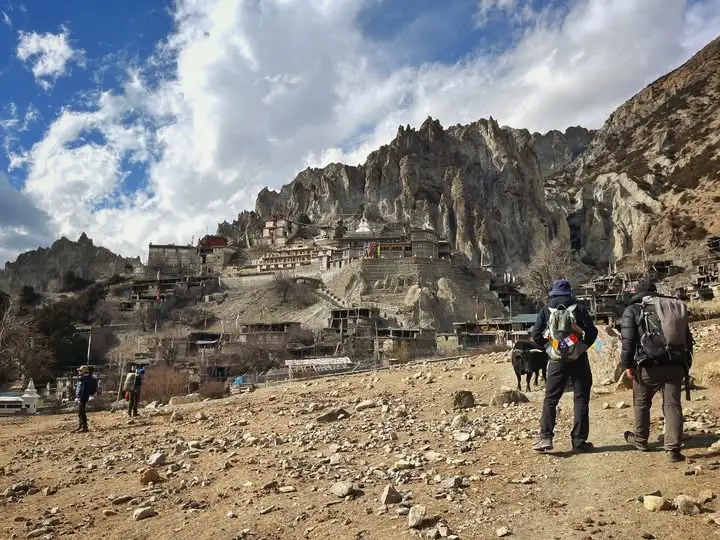
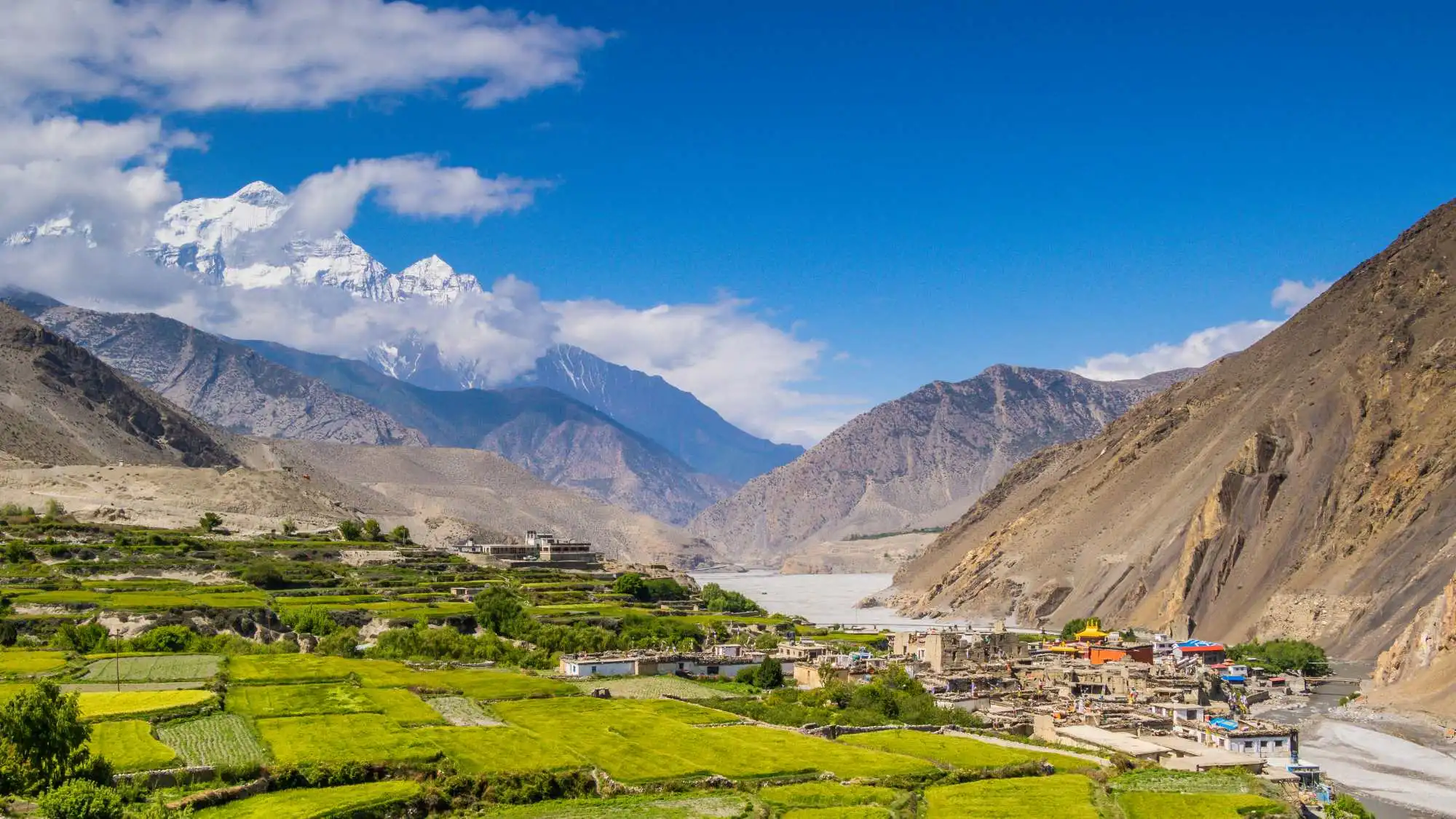
    Kagbeni is one of those villages that feels noticeably different as soon as you arrive. The green hills of lower Mustang give way to a much drier landscape, the Kali Gandaki River cuts through the valley, and the traditional houses reflect the Tibetan influence of the region.

    Located between Jomsom and Muktinath, Kagbeni is an important stop on the Annapurna Circuit and the access point toward Upper Mustang. It is also home to Kag Chode Thupten Samphel Ling Monastery and sits at an altitude of around 2,800 meters (9,186 feet).

    Whether you are trekking through the Annapurna region, visiting Muktinath, or continuing toward Upper Mustang, Kagbeni is worth more than a quick overnight stop.

    What Is Kagbeni Known For?
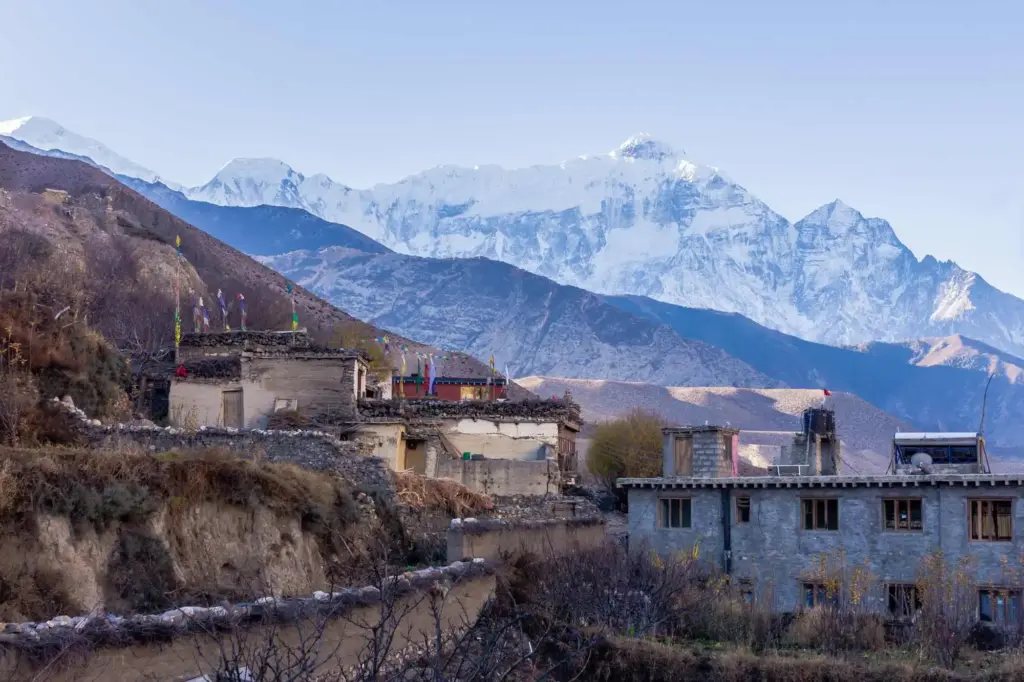
    Kagbeni is known for its traditional village architecture, Buddhist heritage, location along the Kali Gandaki River, and its position between the Annapurna and Mustang regions.

    The village sits in a dramatic landscape where the character of the valley changes quickly. To the south, the trail connects with Jomsom and the wider Annapurna region. To the north, the landscape leads toward Upper Mustang.

    For trekkers, Kagbeni is particularly significant because it combines several experiences in one place:

    • Traditional Mustang village life
    • Kag Chode Thupten Samphel Ling Monastery
    • Views of the dry Himalayan landscape
    • The Kali Gandaki River
    • The route toward Muktinath
    • Access toward Upper Mustang

    This makes Kagbeni more than simply another overnight village on a trekking itinerary.

    Where Does Kagbeni Lie in Nepal?

    Kagbeni lies in Mustang District of Gandaki Province in north-central Nepal, along the Kali Gandaki River.

    It is located roughly between Jomsom and Muktinath, making it an important settlement on routes through the lower Mustang region.

    Kagbeni is also situated near the point where the route north leads toward Upper Mustang. Nepal Tourism Board describes Upper Mustang as lying north of Kagbeni, and travelers entering the restricted Upper Mustang area need a special permit.

    Its location gives Kagbeni an interesting geographical position: it is connected to the popular Annapurna trekking routes while also sitting at the edge of the culturally distinct Mustang landscape.

    Kagbeni Altitude: How High Is Kagbeni?

    The Kagbeni altitude is approximately 2,800 meters (9,186 feet) above sea level.

    That makes altitude an important consideration if you are arriving from lower elevations such as Pokhara.

    For trekkers, the change in elevation can be noticeable even though Kagbeni is not yet at the highest point of the Annapurna Circuit. If you are continuing toward Muktinath and Thorong La, your body still has more altitude to gain.

    Kagbeni Elevation Compared With Nearby Places

    PlaceApprox. elevation
    Pokhara822 m
    Jomsom2,700 m
    Kagbeni2,800 m
    Muktinath3,800 m
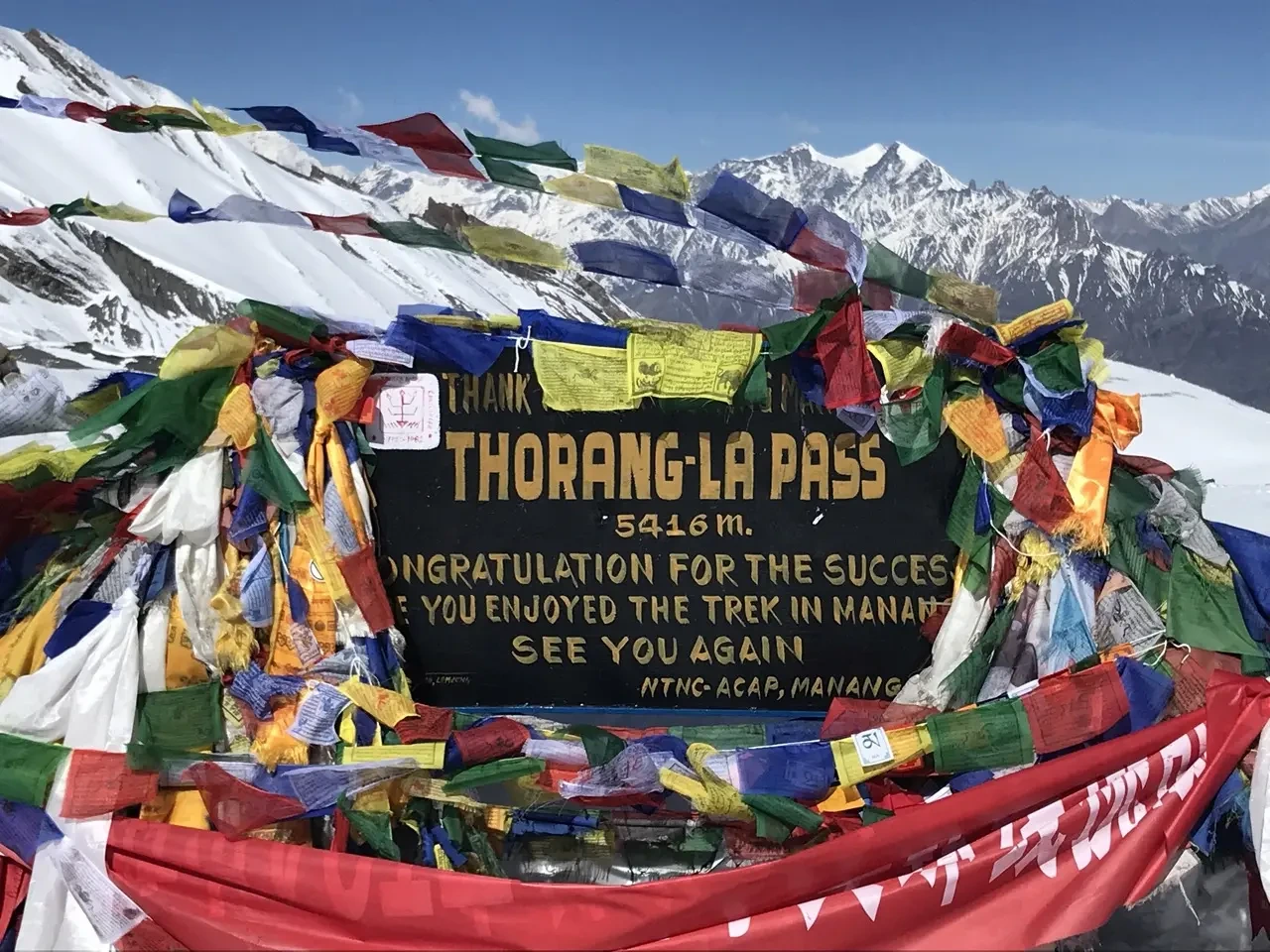
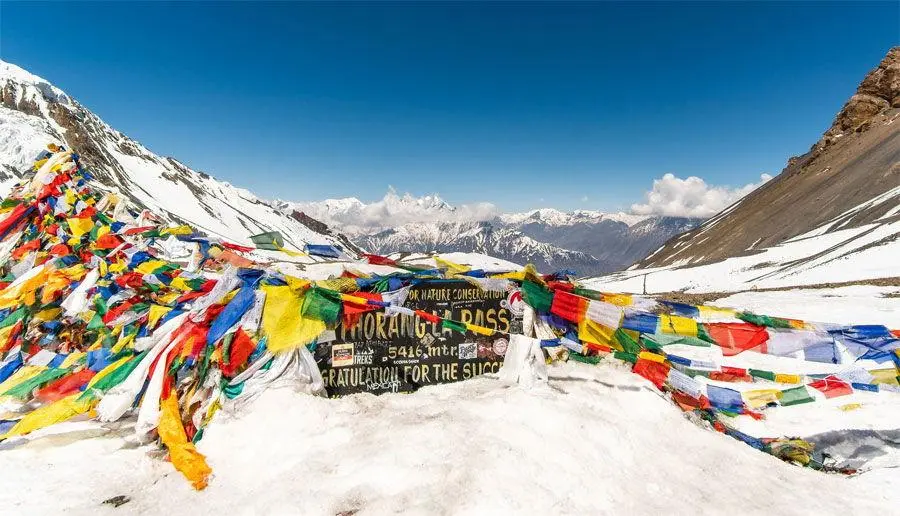
    Thorong La Pass5,416 m

    The jump from Kagbeni to Muktinath is significant. If you are trekking the Annapurna Circuit, take the increase in elevation seriously and avoid treating Kagbeni as just another low-altitude village.

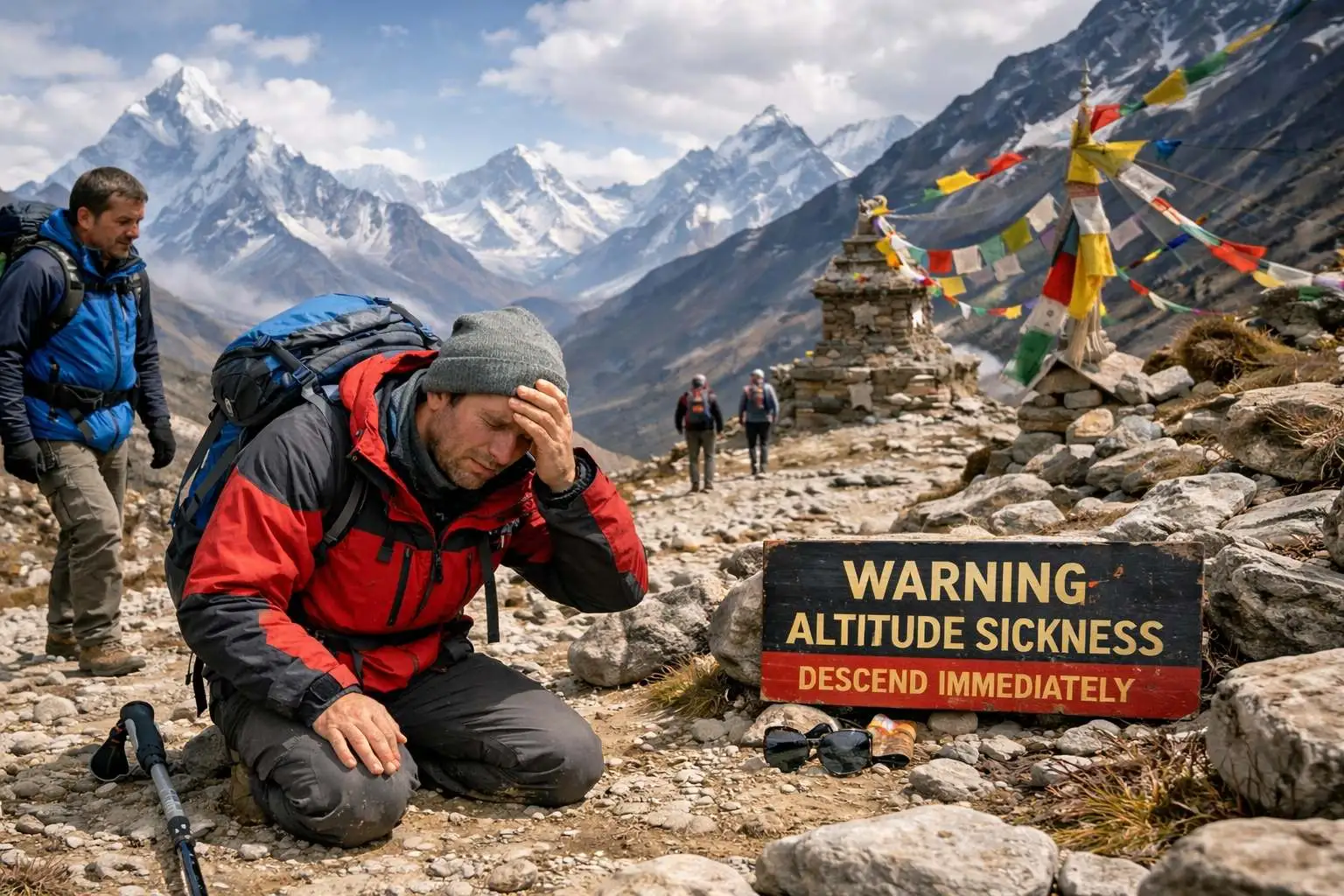
    If you experience symptoms such as persistent headache, dizziness, unusual fatigue, nausea, or difficulty breathing, do not simply push through them. Tell your guide or trekking partner and follow appropriate altitude-safety advice.

    Kagbeni Village and Its Historic Character

    The first thing you notice about Kagbeni village is its architecture.

    Traditional stone and mud-brick buildings line narrow passages, while the surrounding mountains create a stark backdrop. The village has retained much of the visual character associated with the Mustang region, although modern roads, guesthouses, shops, and trekking facilities have also become part of everyday life.

    Walking through Kagbeni is therefore quite different from simply passing through a roadside settlement.

    Look beyond the main trail and you will find:

    • Narrow lanes between traditional houses
    • Old-looking stone and mud walls
    • Prayer flags and Buddhist religious features
    • Courtyards and traditional building designs
    • Views toward the Kali Gandaki valley
    • Small shops, teahouses, and local guesthouses

    The best way to experience the village is to walk rather than immediately move on after checking into your accommodation.

    Kag Chode Monastery in Kagbeni
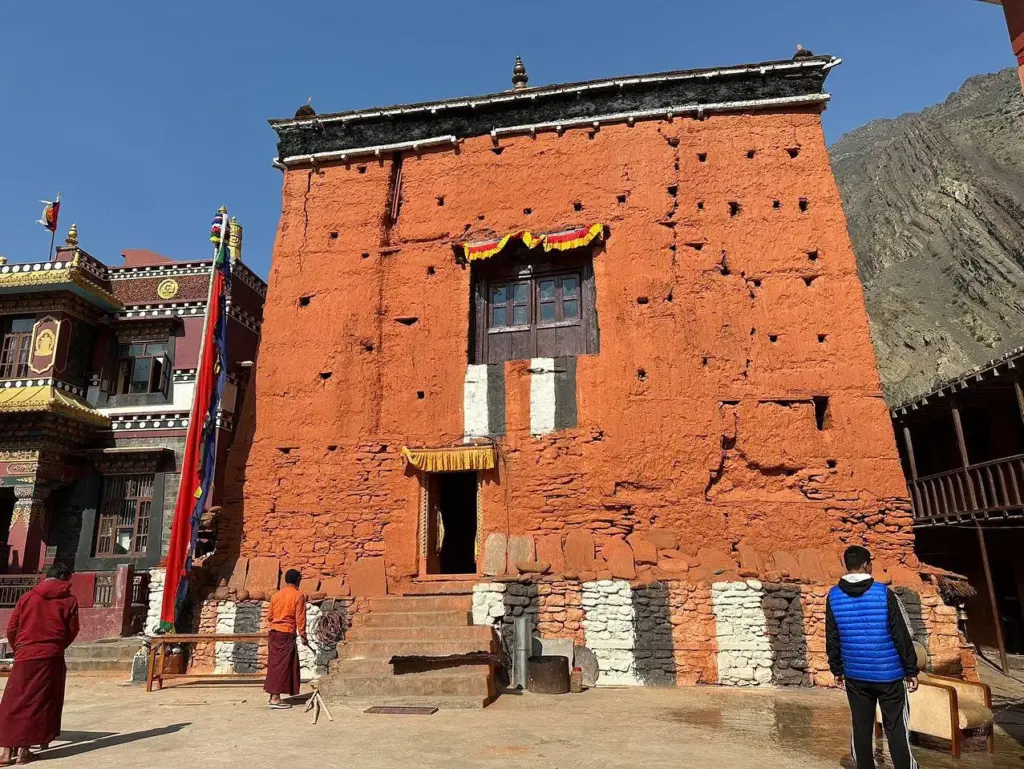
    One of the most important cultural sites in the village is Kag Chode Thupten Samphel Ling Monastery, commonly referred to as Kag Chode Monastery.

    The monastery represents the Buddhist heritage of the Mustang region and is an important reason many travelers spend time exploring the village rather than treating Kagbeni as a transit point.

    If the monastery is open to visitors, take time to observe the surroundings respectfully. Religious buildings are active places of worship, not simply tourist attractions.

    Photography may also be restricted in certain areas, so follow the instructions given by monks or local residents.

    For travelers interested in the cultural side of Mustang, the monastery provides a useful introduction before continuing farther north.

    Kagbeni on the Annapurna Circuit

    Kagbeni is a familiar stop on the Annapurna Circuit Trek, particularly on the section connecting Jomsom, Muktinath, and the wider Annapurna route.

    The village is especially useful as a stopping point because it gives trekkers an opportunity to experience the changing landscape of the Kali Gandaki valley before continuing toward higher elevations.

    A typical route through this part of the region can include:

    Jomsom → Kagbeni → Muktinath

    Depending on the itinerary and transportation arrangements, travelers may spend a night in Kagbeni before continuing toward Muktinath.

    If you are planning the complete Annapurna Circuit, you can learn more about the overall route, elevation, itinerary, permits, and preparation in our [Annapurna Circuit Trek guide].

    Kagbeni to Muktinath

    The Kagbeni to Muktinath route is one of the most popular short trekking sections in the Mustang region.

    Muktinath sits at approximately 3,800 meters, considerably higher than Kagbeni. The route therefore isn’t only about distance; the elevation gain is an important part of the journey.

    Along the way, the landscape becomes increasingly dry and rugged. The contrast between the river valley around Kagbeni and the barren mountain scenery toward Muktinath is one of the highlights of this section.

    Muktinath itself is an important pilgrimage destination for both Hindus and Buddhists. The area is also associated with Shaligram fossils found along the Kali Gandaki River.

    If you have enough time, walking this section can provide a much richer experience than simply driving between the two villages.

    Is Kagbeni the Gateway to Upper Mustang?

    Kagbeni is commonly described as the gateway to Upper Mustang, but there is an important distinction.

    Kagbeni itself is not the restricted Upper Mustang area. Upper Mustang lies north of Kagbeni, and entering the restricted area requires a special permit.

    This distinction matters if you are planning your trip around Mustang.

    The Upper Mustang region includes destinations such as Lo Manthang and requires additional planning compared with a standard visit to Kagbeni or Muktinath. Nepal Tourism Board states that Upper Mustang opened to non-Nepali trekkers in 1994 and that a special permit is required for the region.

    As of the current Department of Immigration fee schedule, the Upper Mustang restricted-area permit costs USD 500 for the first 10 days, followed by USD 50 per additional day.

    Permit requirements and trekking regulations can change, so check the latest requirements before your trip.

    What to See and Do in Kagbeni

    You do not need a long list of activities to enjoy Kagbeni. The village itself is the main attraction.

    1. Explore the Old Village

    Walk through the narrow lanes and observe the traditional architecture. Early morning or late afternoon is particularly pleasant when the light changes across the surrounding mountains.

    2. Visit Kag Chode Monastery

    Visit the monastery to learn more about the Buddhist traditions of the area. Remember that it remains a religious site, so dress and behave respectfully.

    3. Walk Along the Kali Gandaki

    The Kali Gandaki is one of the defining features of the valley. A short walk beside the river offers a different perspective of the village and surrounding landscape.

    4. Enjoy the Mustang Landscape

    Kagbeni is an excellent place to appreciate the transition from the greener southern Annapurna region to the dry, high-altitude environment of Mustang.

    5. Try Local Food

    Teahouses and guesthouses serve familiar trekking meals alongside dishes influenced by the local Himalayan food culture.

    If you have time, slow down and eat locally rather than treating the village as nothing more than a place to sleep.

    How to Reach Kagbeni

    There are several ways to reach Kagbeni, depending on your starting point and trekking plans.

    From Jomsom

    Jomsom is one of the most common access points for Kagbeni.

    You can travel from Jomsom toward Kagbeni by road or trek through the Kali Gandaki valley. The distance is relatively short, making Kagbeni an accessible stop for travelers arriving through Jomsom.

    From Pokhara

    Travelers coming from Pokhara can reach the Mustang region by air or overland routes.

    A flight from Pokhara to Jomsom is one of the quicker ways to reach the area, although flights are dependent on weather and operating conditions. From Jomsom, you can continue to Kagbeni.

    If you are completing the Annapurna Circuit, however, Kagbeni will usually be reached as part of the trekking route rather than as a standalone destination.

    From Muktinath

    Kagbeni is also connected with Muktinath by road and trekking routes.

    Many travelers visit Muktinath and then continue south through Kagbeni and Jomsom.

    Best Time to Visit Kagbeni

    The best time to visit Kagbeni depends on what you want to do.

    Spring: March to May

    Spring brings relatively favorable trekking conditions and pleasant daytime temperatures. The lower sections of the Annapurna region also become more colorful with vegetation and flowers.

    Autumn: September to November

    Autumn is generally one of the most popular trekking seasons in Nepal. Clear mountain views and stable weather make it a strong choice for Annapurna and Mustang journeys.

    Winter: December to February

    Winter brings colder temperatures and potential snow at higher elevations. Kagbeni can still be visited, but you should prepare properly for cold conditions and check route and accommodation availability.

    Monsoon: June to August

    Kagbeni lies in the rain-shadow area of the Himalayas, so the Mustang region receives considerably less rainfall than many parts of Nepal during the monsoon.

    This makes the region possible to visit during a period when many other trekking destinations are wet. However, road and flight conditions elsewhere in the journey can still be affected by monsoon weather.

    Accommodation and Facilities in Kagbeni
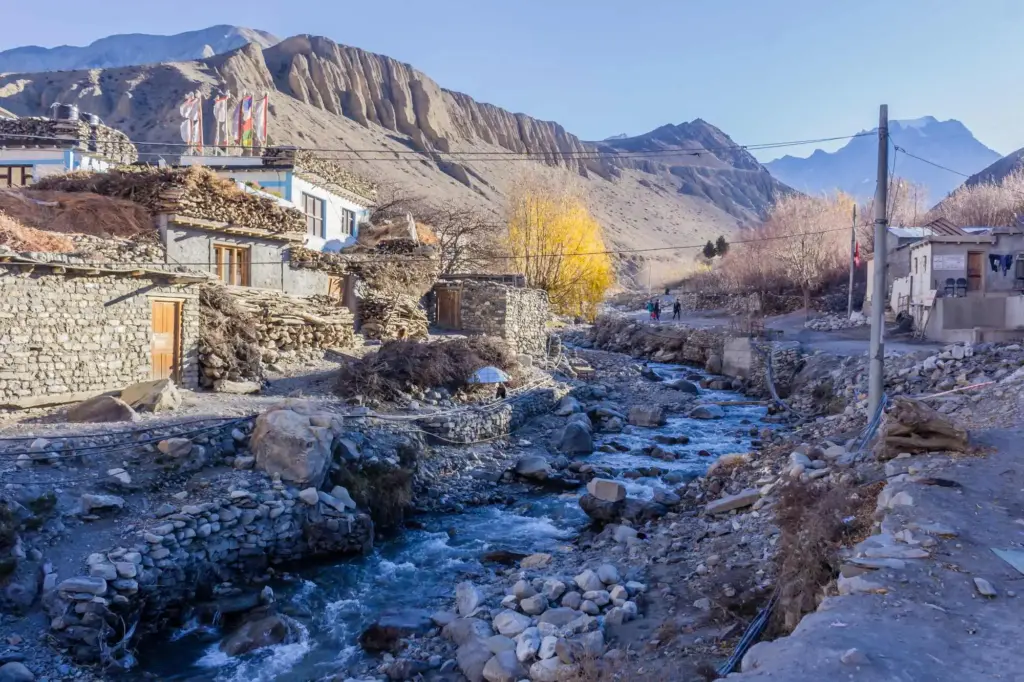
    Kagbeni has a range of teahouses, guesthouses, and small lodges catering to trekkers and travelers.

    Facilities are more basic than what you may find in Pokhara or Kathmandu, but you can generally find the essentials needed for an overnight stay.

    Before traveling, keep in mind that:

    • Accommodation standards vary between properties.
    • Hot showers may cost extra.
    • Internet and mobile connectivity can be inconsistent.
    • Card payments may not be available everywhere.
    • Carry enough Nepalese rupees for your journey.
    • Facilities become more limited as you continue farther into remote areas.

    If you are traveling during a busy trekking season, booking ahead can be useful, particularly if you have a fixed itinerary.

    How Long Should You Stay in Kagbeni?

    For travelers simply passing through on the Annapurna Circuit, one night is usually enough to experience the village.

    However, staying longer makes sense if you want to explore the village properly, visit the monastery, walk along the Kali Gandaki, or use Kagbeni as part of a slower Mustang itinerary.

    Your ideal stay depends on your route:

    • Passing through Annapurna Circuit: 1 night
    • Exploring Kagbeni: 1–2 nights
    • Combining Kagbeni with Muktinath: 1–2 nights
    • Continuing into Upper Mustang: depends on your full itinerary

    There is no need to add an extra day simply because Kagbeni is at altitude. Your itinerary should instead account for your overall elevation gain and how you are feeling.

    Kagbeni Travel Tips

    A few practical considerations can make your visit easier.

    Carry cash. Remote mountain settlements do not always offer reliable card-payment facilities.

    Prepare for wind. The Kali Gandaki valley can become noticeably windy, particularly later in the day.

    Dress in layers. Temperatures can change quickly between sunny daytime conditions and cold mornings or evenings.

    Take altitude seriously. Kagbeni is already around 2,800 meters, and the route toward Muktinath climbs considerably higher.

    Respect religious sites. Ask before taking photographs inside monasteries or other sacred spaces.

    Check road and flight conditions. Weather can affect transportation in the Mustang region.

    Check permit requirements before entering Upper Mustang. Visiting Kagbeni does not mean you automatically have permission to continue into the restricted Upper Mustang area.

    Is Kagbeni Worth Visiting?

    Yes—especially if you are already traveling through the Annapurna or Mustang region.

    Kagbeni offers something that is difficult to understand from photographs alone: a visible transition between the lower Annapurna landscape and the drier, culturally distinctive environment of Mustang.

    You can walk through the old village, visit Kag Chode Monastery, follow the Kali Gandaki, and watch the landscape change toward Muktinath and Upper Mustang.

    For Annapurna Circuit trekkers, it is a natural stopping point. For travelers heading toward Upper Mustang, it marks an important point on the journey north.

    And for anyone interested in Mustang, Kagbeni is one of those places where slowing down for a few hours can be more rewarding than simply checking it off the itinerary.

    Frequently Asked Questions

    What is the altitude of Kagbeni?

    Kagbeni is approximately 2,800 meters (9,186 feet) above sea level. Its elevation makes altitude awareness important, particularly for travelers continuing toward Muktinath and Thorong La.

    Where does Kagbeni lie?

    Kagbeni lies in Mustang District, Gandaki Province, Nepal, along the Kali Gandaki River between Jomsom and Muktinath.

    Is Kagbeni in Upper Mustang?

    No. Kagbeni is outside the restricted Upper Mustang area. Upper Mustang lies north of Kagbeni and requires a special permit for entry.

    What is Kagbeni famous for?

    Kagbeni is known for its traditional village architecture, Buddhist heritage, Kag Chode Monastery, the Kali Gandaki River, and its location on routes toward Muktinath and Upper Mustang.

    What is the Kagbeni monastery called?

    The main monastery is Kag Chode Thupten Samphel Ling Monastery, commonly known as Kag Chode Monastery.

    How far is Kagbeni from Muktinath?

    Kagbeni and Muktinath are connected by trekking and road routes. The exact travel time varies according to whether you walk or drive and the condition of the route.

    Is Kagbeni on the Annapurna Circuit?

    Yes. Kagbeni is an important settlement on the Mustang section of routes associated with the Annapurna Circuit, particularly between Jomsom and Muktinath.

    Do I need an Upper Mustang permit to visit Kagbeni?

    No. The special restricted-area permit is required when entering Upper Mustang, not simply for visiting Kagbeni. If you plan to continue north into the restricted area, arrange the required permit before entering.

    How many days should I spend in Kagbeni?

    One night is generally enough for trekkers passing through. If you want to explore the village, monastery, river valley, and surrounding area at a slower pace, consider staying for one or two nights.
  • Annapurna Circuit Trek Distance: km, Miles & Daily Map

    Annapurna Circuit Trek Distance: km, Miles & Daily Map

    The Annapurna Circuit is one of the world’s most celebrated long-distance treks, circling the entire Annapurna Massif through Nepal’s Himalayan heartland. The total Annapurna Circuit Trek distance ranges from 160 km to 230 km (100–145 miles), depending on how much of the motorable road sections you walk versus drive, and whether you add optional side trips such as Tilicho Lake or the Poon Hill extension.

    The Annapurna Circuit distance is often debated because the trail is as flexible as the mountains are high. One of Nepal’s most iconic long treks, it offers a horseshoe-shaped journey that transitions from lush tropical jungles to the high-altitude deserts of the Tibetan plateau. 

    Historically, the full loop distance from Besisahar to Nayapul stretched over 230 km. Today, most trekkers follow a modern standard of roughly 160 km of actual footpath, using jeep transfers to skip the dusty lower road sections while keeping every high-altitude trail intact. This guide gives you a clear, honest, day-by-day breakdown of every kilometer so you can plan with confidence.

    Below is a clear daily distance and route breakdown mapped to a standard high-value itinerary, ensuring you know exactly how many kilometers stand between you and the legendary Thorong La Pass.

    Expert Note
    Our 19-day itinerary has been refined over two decades of guiding on this circuit. It prioritizes acclimatization safety, maximum scenic coverage, and realistic daily targets, not just the fastest way around the mountain.

    Annapurna Circuit: Key Facts at a Glance

    Fact Detail
    Total Trekking Distance 160–230 km (100–145 miles) depending on road use & side trips
    Actual Walking Distance (this itinerary) ~145–160 km on footpath
    Duration 19 days (including Kathmandu days & Poon Hill extension)
    Highest Point Thorong La Pass — 5,416m (17,769 ft)
    Lowest Point Tatopani — 1,190m (3,904 ft)
    Average Daily Distance 8–16 km per trekking day
    Average Daily Walking Time 5–7 hours; Summit Day 8–10 hours
    Best Seasons Spring (March–May) and Autumn (September–November)
    Guide Requirement (2026) Mandatory for all foreign trekkers (Nepal Tourism Board regulation)
    Compared to Everest Base Camp Thorong La (5,416m) is slightly higher than EBC (5,380m); more diverse terrain

    Elevation Profile: The Bell Curve of the Himalayas

    The Annapurna Circuit follows a classic bell-curve elevation profile. You begin in the humid subtropical lowlands around 1,300–1,400m, steadily climb through temperate forests, alpine meadows, and high-altitude desert to the single dramatic peak of Thorong La Pass at 5,416m, then descend rapidly into the Mustang rain shadow and the lush rhododendron forests of the Ghorepani region.

    Annapurna Circuit Elevation profile

    Pro Tip: Because the highest point of the Annapurna Circuit is so significantly higher than the surrounding villages, the day you cross the pass involves a massive 1,000 m ascent and a 1,600 m descent.

    The Three Terrain Zones

    Lowland Subtropical (Jagat to Chame, 1,340–2,650m): Longer walking days of 14–16 km are manageable thanks to dense oxygen, well-defined trails, and moderate gradients along the Marsyangdi River valley.

    Alpine High-Altitude Zone (Manang to Thorong Phedi, 3,500–4,450m): Daily Annapurna Circuit Trek distances intentionally drop to 7–11 km. Above 3,000m, the body operates with significantly less available oxygen, at the Thorong La summit, you breathe roughly 50% less oxygen than at sea level. Every step demands more from your cardiovascular system.

    Descending Rain Shadow & Finish (Muktinath to Ghandruk, 3,710–2,012m): The western and southern sides of the circuit plunge through the deepest gorge on Earth (Kali Gandaki) before rising again into the world-famous rhododendron forests around Ghorepani.

    The Pass Day in Numbers: On Day 12, you face a 966m ascent from Thorong Phedi to the pass summit, followed by a 1,706m descent to Muktinath, all within roughly 16 km. This asymmetry makes it the most physically and mentally demanding single day of the trek.

    Daily Distance Breakdown of Annapurna Circuit Trek

    Annapurna Circuit Trek Distance Map Day by Day

    Phase 1 – The Lowland Warm-Up (Days 4–6)

    Starting from Jagat (1,340m), these first three trekking days follow the Marsyangdi River upstream through cascading waterfalls, terraced farmland, and traditional Gurung and Manangi settlements. The air is rich and warm, and the daily Annapurna Circuit Trek distances of 14–16 km let your legs adapt gradually.

    Day Route Altitude Distance Terrain Notes
    4 Jagat → Dharapani 1,860m ~15 km River valley, waterfalls, first villages
    5 Dharapani → Chame 2,650m ~16 km Pine forest; Mt. Manaslu views appear
    6 Chame → Pisang 3,250m ~14 km Dramatic rock faces; alpine meadows begin

    Phase 2 – Into the High Himalayas (Days 7–9)

    As you enter the Manang Valley, the landscape transforms into high-altitude Tibetan-influenced terrain. Daily Annapurna Circuit Trek distances drop to 9–10 km as elevation gain becomes the primary challenge. Day 7 takes the superior ‘High Trail’ via Ghyaru and Ngawal, adding slight elevation but rewarding you with the most expansive, unobstructed views of the Annapurna range found anywhere on the circuit.

    Day Route Altitude Distance Terrain Notes
    7 Pisang → Ngawal (High Trail) 3,660m ~10 km Best Annapurna panoramas on the circuit
    8 Ngawal → Manang 3,518m ~9 km Gradual descent; ancient monasteries
    9 Rest Day in Manang 3,518m Side trip Ice Lake hike to 4,600m; ‘climb high, sleep low’

    Phase 3 – The High-Altitude Push (Days 10–11)

    These two short days are the most safety-critical of the entire trek. Moving from Manang to Yak Kharka (10.5 km) and then Thorong Phedi (7 km) adheres strictly to the internationally recommended guideline of gaining no more than 300–500m of sleeping altitude per day above 3,000m. The brevity of these stages is a deliberate medical decision, not a lack of ambition.

    Day Route Altitude Distance Why This Distance?
    10 Manang → Yak Kharka 4,020m ~10.5 km 502m gain – at safe daily limit for AMS prevention
    11 Yak Kharka → Thorong Phedi 4,450m ~7 km 430m gain – conserves energy for summit day

    Phase 4 – Summit Day & Sacred Descent (Day 12)

    Day 12 is the centerpiece of the entire Annapurna Circuit. Departing Thorong Phedi or High Camp at 4:00 AM, you ascend nearly 1,000 vertical meters through pre-dawn darkness and thin mountain air to the summit of Thorong La Pass (5,416m). The descent of 1,706m to the sacred Hindu and Buddhist pilgrimage site of Muktinath (3,710m) is equally demanding on the knees and concentration.

    Day Route Peak Altitude Distance Summit Day Facts
    12 Thorong Phedi → Pass → Muktinath 5,416m ~16 km Start 4 AM; 966m ascent + 1,706m descent; 8–10 hrs

    Phase 5 – The Ghorepani Extension (Days 14–16)

    Rather than ending in dusty Jomsom, this itinerary transitions into the lush southern slopes of the Annapurna Conservation Area. The Poon Hill extension adds roughly 40–45 km of some of Nepal’s most beautiful forest trekking, culminating in the globally famous sunrise panorama from Poon Hill over the Dhaulagiri and Annapurna ranges.

    Day Route Altitude Distance Highlights
    14 Tatopani → Ghorepani 2,860m ~17 km Steep rhododendron & oak forest climb
    15 Poon Hill → Tadapani 3,210m ~12 km Iconic Himalayan sunrise; rich forest trail
    16 Tadapani → Ghandruk 2,012m ~7 km Traditional Gurung village; Annapurna South views

    Key Facts Before the Route Breakdown

    To help you prepare, here are the core Annapurna trek facts that define the experience.

    Total Annapurna Circuit Trek Distance & Duration

    • Total Distance: Typically 160–230 km (100–145 miles). The exact length depends on whether you utilize jeep transport for road sections or add side trips like Tilicho Lake.
    • Itinerary Length: Most HI Nepal Travels & Treks packages span 15–20 days. This includes travel from Kathmandu, mandatory acclimatization days, and a buffer for weather.

    The Peak of the Journey

    • Highest Point of the Annapurna Circuit: The legendary Thorong La Pass at 5,416 m (17,769 ft).
    • Daily Gain: Above 3,000 m, the goal is to increase your sleeping altitude by no more than 300–500 m per day to prevent altitude sickness.

    Complete 19-Day Day-by-Day Itinerary 

    Beautiful annapurna circuit trek trail

    The table below is the master reference for the full circuit. All trekking distances reflect footpath kilometers; road sections covered by jeep are marked as ‘Drive.’

    Day Route Altitude Distance Key Highlights
    01 Arrive Kathmandu 1,300m 0 km Airport pickup; Thamel welcome dinner
    02 Kathmandu Sightseeing & Trek Prep 1,300m 0 km UNESCO Heritage sites; pre-trek briefing & gear check
    03 Drive Kathmandu → Jagat 1,340m Drive Scenic 8–10 hr drive via Besisahar along Marsyangdi River
    04 Trek to Dharapani 1,860m ~15 km Lush waterfalls, terraced fields, Marsyangdi River trail
    05 Trek to Chame 2,650m ~16 km Pine forests, Bagarchhap & Timang villages, Mt. Manaslu views
    06 Trek to Pisang 3,250m ~14 km Dramatic alpine scenery; panoramic Himalayan vistas begin
    07 Trek to Ngawal (High Trail via Ghyaru) 3,660m ~10 km Best panoramic views of entire Annapurna massif
    08 Trek to Manang 3,518m ~9 km Gradual descent; ancient monasteries; cultural heart of circuit
    09 Rest & Acclimatize in Manang 3,518m Side trip Hike to Ice Lake (4,600m) or Milarepa Cave; ‘climb high, sleep low’
    10 Trek to Yak Kharka 4,020m ~10.5 km Open alpine pastures; Blue Sheep sightings; expanding panoramas
    11 Trek to Thorong Phedi 4,450m ~7 km Steady, slow ascent; final preparation for pass crossing
    12 Cross Thorong La Pass → Muktinath 5,416m ~16 km Summit day: world-class pass, sacred Muktinath temples
    13 Drive to Tatopani 1,190m Drive Kali Gandaki Gorge; natural hot spring recovery
    14 Trek to Ghorepani 2,860m ~17 km World-famous rhododendron & oak forest; steep but rewarding
    15 Poon Hill Sunrise → Trek to Tadapani 3,210m ~12 km Iconic sunrise over Dhaulagiri & Annapurna ranges
    16 Trek to Ghandruk 2,012m ~7 km Traditional Gurung village; Annapurna South close-up views
    17 Drive to Pokhara 820m Drive Lakeside relaxation; celebration dinner
    18 Return to Kathmandu 1,300m Drive 6–7 hr drive or optional flight; farewell cultural dinner
    19 Final Departure 1,300m 0 km Airport transfer; lifetime of memories

    How Itinerary Choices Affect Total Distance of the Annapurna Circuit

    One of the Annapurna Circuit’s greatest strengths is its flexibility. The total distance of Annapurna Circuit Trek you walk is not fixed, it scales with the choices you make at the planning stage.

    Route Variants by Total Distance

    Route Option Distance Duration Best For
    Full Classic (Besisahar → Nayapul + Poon Hill) ~230 km 21–22 days Purists who want every footpath kilometer
    Modern Standard (jeep lower section, Poon Hill finish) ~160 km 18–19 days Best balance of scenery, safety & experience
    Compact Route (start at Chame, fly Jomsom) ~100 km 12–14 days Experienced trekkers with limited time
    +Tilicho Lake Side Trip (from Manang) +35–40 km +3 days World’s highest glacial lake at 4,919m
    +Ice Lake / Kicho Tal (acclimatization hike) +14–16 km +1 day Excellent acclimatization from Manang

    Road Impact: The Kali Gandaki road from Muktinath to Jomsom is now fully paved. The 5-hour walk is now often replaced with a 20-minute jeep ride, saving knees for the final Ghorepani section. We recommend this swap for most trekkers.

    Why Altitude Changes How Distance Feels?

    A kilometer at sea level and a kilometer at 5,000m are not the same physical challenge. This is the most commonly underestimated aspect of the Annapurna Circuit for first-time high-altitude trekkers.

    The Science of Altitude Performance

    • Reduced aerobic capacity: Above 4,000m, even highly fit trekkers experience a 20–30% drop in sustainable walking pace.
    • Terrain multiplication: The loose scree, glacial moraine, and occasional snow above Manang demand constant micro-adjustments that consume significantly more energy than forest or river paths.
    • The 50% oxygen threshold: At Thorong La Pass (5,416m), atmospheric oxygen is approximately half that of sea level. Your heart rate at rest will be noticeably elevated.
    • Psychological fatigue: Pre-dawn starts, cold temperatures, and the mental weight of altitude can make 16 km on summit day feel three times longer than 16 km at lower elevations.

    Average Daily Distances & Walking Tips

    Besisahar city - gateaway to annapurna circuit trek

    The Annapurna Circuit is a journey of endurance, not a race. While the total Annapurna Circuit Trek distance spans approximately 160–230 km depending on road use, your daily experience is defined by the changing altitude and terrain. On average, you will cover 8–16 km per day, with walking times ranging from 4 to 9 hours.

    Understanding the Daily Grind

    • Lower Elevations (Jagat to Chame): Expect longer distances of 14–16 km. The air is thick with oxygen, and the trails are well-defined, allowing for a brisker pace.
    • The Alpine Zone (Manang to Thorong Phedi): Distances drop to 7–10 km. While the kilometers are fewer, the thinning air makes every step feel twice as heavy. These are critical “slow-and-steady” days.
    • The Big Pass (Thorong La Day): This is your longest and toughest day, covering roughly 16 km. You’ll start before dawn (usually 4:00 AM) to beat the high winds at the summit, totaling 8–10 hours of movement.

    Pro Tips for a Successful Trek

    To conquer the circuit comfortably, keep these “Golden Rules” in mind:

    • Find Your “Himalayan Pace”: Walk at a speed where you can still hold a full conversation without gasping for breath. If you’re too breathless to talk, you’re moving too fast for the altitude.
    • Hydration is Your Secret Weapon: Aim to drink 3–4 liters of water daily. Dehydration mimics and worsens altitude sickness symptoms, so keep sipping even if you don’t feel thirsty.
    • The “Climb High, Sleep Low” Strategy: On acclimatization days in Manang, take a short afternoon hike to a higher viewpoint (like Gangapurna Lake) before returning to the village to sleep. This “teaches” your blood how to carry more oxygen.
    • Master the Descent: The trek doesn’t end at the pass. The 1,600m descent to Muktinath is brutal on the knees. Use trekking poles and take frequent short breaks to save your joints for the final days.

    Altitude & Terrain Impact on Distance Perception

    On the Annapurna Circuit, a kilometer at 1,300m is not the same as a kilometer at 5,000m. As you ascend into the “Thin Air” zone above 4,000 meters, your body’s ability to process oxygen drops significantly, at the Thorong La Pass, you are breathing roughly 50% less oxygen than at sea level. This physiological shift fundamentally changes how you perceive distance and difficulty.

    The “Altitude Stretch” Effect

    • Reduced Aerobic Power: Above 4,000m, even the fittest hikers will experience a decline in pace by 20–30%. A trail that looks like a short 2-hour stroll on a map can easily take 4 hours because your heart and lungs are working double-time just to maintain a steady step.
    • Terrain as a Time-Multiplier: The trails around Manang and the Thorong La Pass aren’t just high; they are rugged. You’ll encounter loose scree, slippery glacial moraine, and occasionally deep snow. These surfaces require constant micro-adjustments in your footing, which consumes more energy than walking on the paved or forest paths found earlier in the trek.
    • The Psychology of the Pass: On Day 12 (Thorong La), the distance is roughly 16 km. However, the steep 1,000m ascent followed by a 1,600m descent makes this feel like the longest day of your life. Every step requires mental resilience as much as physical strength.

    Why the Itinerary Shortens Near the Top?

    You may notice that your daily Annapurna Circuit distances drop significantly as you approach the pass. This is a deliberate safety feature of the Hi Nepal Travels & Treks itinerary:

    • Strategic Micro-Distances: Moving from Yak Kharka to Thorong Phedi covers only about 7 km. While this seems short, the 400m+ elevation gain is the maximum your body should safely handle in a single day at that altitude to prevent Acute Mountain Sickness (AMS).
    • Cultural Village Stops: The Annapurna Circuit is unique because it connects ancient trade routes. These villages are perfectly spaced to ensure you aren’t forced to walk too far between safe havens, allowing you to rest in comfortable tea houses before the air gets too thin.

    Expert Trekking Tips for Managing Distance & Altitude

    Barka Monastery in Annapurna Circuit Trek Route

    The Himalayan Pace

    Walk at a speed at which you can hold a full conversation without gasping. If talking becomes difficult, slow down immediately. Speed is irrelevant above 4,000m, steady forward movement is the only goal.

    Hydration Strategy

    Target 3–4 liters of water per day throughout the trek. Dehydration is both a cause and an amplifier of Acute Mountain Sickness (AMS). Carry a reusable bottle and use purification tablets or filters for stream water at higher elevations.

    Climb High, Sleep Low

    On the rest day in Manang (Day 9), hike up to the Ice Lake (4,600m) and return to sleep at 3,518m. This ‘trains’ your red blood cells to carry more oxygen, making the high-altitude days that follow measurably safer and more comfortable.

    Protect Your Knees on the Descent

    The 1,706m descent from Thorong La to Muktinath is the most knee-intensive section of the circuit. Use trekking poles with weight shifted through the handles, take short breaks every 30–40 minutes, and step down with your stronger leg leading on steep sections.

    The 4:00 AM Summit Start

    Departing Thorong Phedi before dawn is non-negotiable. Afternoon winds at the pass frequently reach dangerous speeds. Starting early ensures you cross the summit before 11:00 AM when conditions are calmest and safest.

    Ready to Plan Your Annapurna Circuit Trek?

    The Annapurna Circuit is more than a distance to be covered, it is a journey through some of the most geographically and culturally diverse terrain on the planet. From the subtropical riverbanks of the Marsyangdi to the wind-scoured prayer flags of Thorong La, every kilometer tells a different story.

    Knowing the exact distances, elevation changes, and daily targets before you arrive means you can spend your time on the trail present in the experience, rather than wondering what lies ahead.

    FAQ

    1. How many km is the Annapurna Circuit Trek?

      The total Annapurna Circuit Trek distance ranges from 160 km to 230 km (100–145 miles). The figure depends on road use and optional side trips. The Hi Nepal Treks 19-day itinerary covers approximately 145–160 km of actual footpath, avoiding the dusty motorable road sections entirely.

    2. What is the distance on the Thorong La Pass crossing day?

      Thorong La Summit Day covers approximately 16 km, beginning at Thorong Phedi (4,450m) and finishing at Muktinath (3,710m) after crossing the 5,416m pass. While 16 km is not unusual in distance, the nearly 1,000m ascent and 1,700m descent at extreme altitude makes it by far the most demanding day of the trek, typically requiring 8–10 hours.

    3. What is the average daily walking distance on the circuit?

      Most trekkers cover 10–16 km per day at lower elevations and 7–11 km per day above 3,500m. The deliberate reduction at high altitude is not about ease, it is a critical acclimatization strategy to prevent Acute Mountain Sickness.

    4. Is the Annapurna Circuit harder than Everest Base Camp?

      Both treks are comparably challenging for different reasons. The Annapurna Circuit covers more total distance and crosses a higher pass, Thorong La at 5,416m versus Everest Base Camp at 5,380m. The Annapurna Circuit also demands more sustained endurance across varied terrain, while EBC involves a more consistent out-and-back gradient. The circuit is generally considered more diverse in landscape and culture.

    5. Can I shorten the Annapurna Circuit trek?

      Yes. Taking a jeep to Chame or Manang can reduce the trek to 12–14 days. However, skipping the lower acclimatization stages significantly increases the risk of AMS. We recommend a minimum of 18–19 days for first-time high-altitude trekkers.

    6. How many hours do you walk each day?

      On standard trekking days you walk 5–7 hours. The Thorong La summit day is the exception, requiring 8–10 hours of movement, starting around 4:00 AM to clear the pass before afternoon winds intensify.

    7. Is a licensed guide required for the Annapurna Circuit in 2026?

      Yes. The Nepal Tourism Board requires all foreign trekkers to hire a licensed, registered guide for high-altitude treks in the Annapurna region. This regulation, introduced to improve trekker safety and support local livelihoods, is enforced at permit checkpoints along the trail.

    8. What is the best time of year to trek the Annapurna Circuit?

      The two peak seasons are Spring (March–May) and Autumn (September–November). These windows offer the clearest skies, most stable trail conditions, and the highest probability of a snow-free Thorong La Pass. Experienced trekkers sometimes choose early December for quieter trails and crisp visibility, though the pass requires careful monitoring.

    9. How much elevation gain is safe per day above 3,000m?

      International wilderness medicine guidelines recommend a maximum sleeping altitude gain of 300–500m per day above 3,000m. Every stage of this 19-day itinerary is designed to stay within this range. Days 10 and 11 are the most carefully calibrated, gaining 502m and 430m respectively to place you in the safest possible condition for the pass crossing.

  • High Altitude Trekking Preparation: The Complete Training & Acclimatization Guide

    High Altitude Trekking Preparation: The Complete Training & Acclimatization Guide

    Your lungs work harder, your heart races, and a gentle uphill walk leaves you breathless,  that’s what happens when you trek above 3,000 meters without proper preparation. Whether you’re planning to hike to Everest Base Camp, Annapurna Base Camp, Manaslu Circuit Trek, or the iconic Ghorepani Poon Hill, the difference between struggling with altitude sickness and thriving on a Himalayan trail often comes down to proper high altitude trekking preparation in the weeks before you arrive.

    This guide covers everything you need: physical training for high altitude hiking, acclimatization strategies, altitude sickness prevention, breathing techniques, nutrition, and the gear that keeps you safe above the clouds.

     Key Takeaways

    • Start training 6–8 weeks before departure – cardio, strength work, and long practice hikes build the aerobic base you’ll rely on when oxygen is scarce.
    • Acclimatization trumps fitness – even elite athletes get altitude sickness; gradual ascent and scheduled rest days matter more than your 5K time.
    • Drink 3–4 liters of water daily while trekking – at 4,300 m you can lose up to 1,900 ml/day through breathing alone.
    • Know the warning signs early – understanding the difference between mild AMS and life-threatening HAPE or HACE can save your life.
    • Trek with experienced local guides – trained Sherpa guides monitor acclimatization, adjust your pace, and know when turning back is the right call.

    What Is High Altitude and How Does It Affect Your Body?

    A man doing High Altitude Trekking in Nepal with beautiful view of mountain in the back

    Above 2,400 meters (roughly 8,000 feet), each breath delivers significantly less oxygen than your body expects. At Everest Base Camp (5,364 m), the air contains about half the oxygen available at sea level. Your heart pumps faster, breathing quickens, and even a short uphill walk can leave you winded.

    Understanding this and focusing on proper high altitude trekking preparation is essential to help your body adjust and reduce the risk of altitude sickness during Himalayan treks. The physiological effects compound as you climb higher:

    • Reduced oxygen saturation – your blood carries less oxygen, making physical effort feel dramatically harder than it would at lower elevations.
    • Increased respiration rate – faster breathing compensates partially but also pulls moisture from your body continuously.
    • Accelerated dehydration – dry mountain air and rapid breathing combine to dehydrate you far faster than you realize.
    • Disrupted sleep – periodic breathing (Cheyne-Stokes respiration) is common above 3,000 m and can reduce sleep quality.
    • Reduced appetite – nausea and appetite loss are among the first signs your body is struggling to adjust.
    Good News
    The human body is remarkably adaptable. With proper preparation for high altitude trekking, gradual ascent, rest days, and the right training, most healthy people can safely trek to elevations above 5,000 m.

    At What Altitude Do You Need to Prepare for Elevation Change?

    Not every hike calls for serious altitude sickness prevention. Once you cross certain thresholds, however, your body faces real physiological stress that demands a plan.

    Altitude Zone Elevation Range What to Expect Nepal Treks in This Zone
    Moderate 1,500–2,400 m Minimal effects for most people Pokhara (827 m), lower trail sections
    High 2,400–3,600 m Noticeable breathlessness; acclimatization begins Lukla (2,860 m), Namche Bazaar (3,440 m)
    Very High 3,600–5,400 m Significant altitude stress; rest days essential ABC (4,130 m), EBC (5,364 m), Thorong La (5,416 m)
    Extreme Above 5,400 m Body cannot fully acclimatize; limited exposure High Himalayan peaks and mountaineering routes

    Popular Nepal treks span all of these zones. Even shorter routes like Ghorepani Poon Hill reach 3,210 m, high enough to warrant thoughtful preparation and a gradual ascent profile.

    How to Prepare for High Altitude Hiking Before Your Trek?

    Preparing for High Altitude Trekking in Nepal

    Physical preparation for high altitude hiking combines cardiovascular conditioning, strength building, and trek-specific practice. Starting 6–8 weeks before departure gives your body time to build the reserves you’ll draw on when oxygen is scarce, making high altitude trekking preparation an essential step for a safer and more comfortable Himalayan trekking experience.

    1. Start Aerobic Conditioning Early

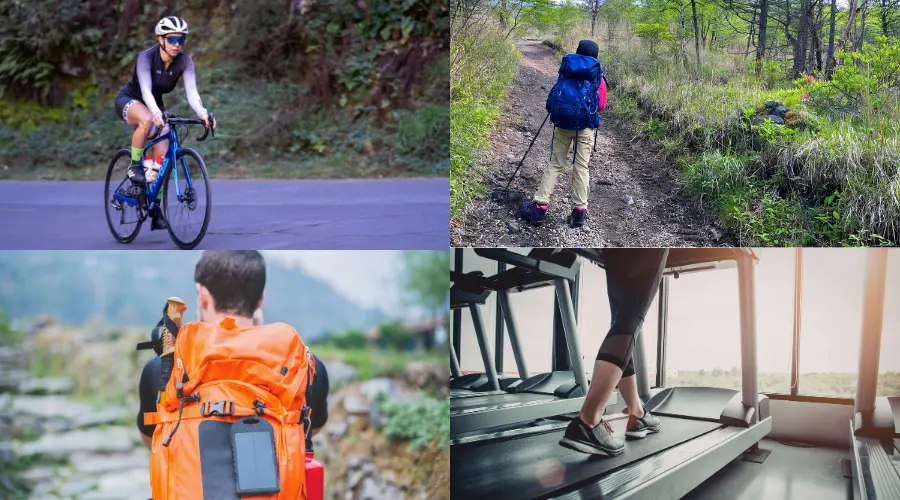
    Cardiovascular endurance forms the foundation of altitude fitness. Running, cycling, or swimming three to five times weekly builds the oxygen-processing capacity your lungs and heart depend on. You don’t need extreme intensity, sustained, moderate effort over 30–45 minutes teaches your cardiovascular system to work efficiently under prolonged aerobic stress.

    2. Add Hill Training and Stair Climbing

    Flat cardio helps, but incline work directly simulates trekking demands. If you live near hills, incorporate them into your runs or walks. No hills nearby? Stair climbing works remarkably well. Fifteen to twenty minutes of stair climbing with a light pack mimics the repetitive uphill motion of a Himalayan trail and is among the most effective forms of high altitude hiking training.

    3. Train With a Weighted Backpack

    On trek, you’ll carry a daypack with water, snacks, and spare layers, typically 6–10 kg. Training with weight prepares your body for the added load. Start with 5–7 kg and increase progressively over several weeks. Progressive loading builds both muscular endurance and mental familiarity with sustained effort under weight.

    4. Build Leg and Core Strength

    Strong legs power you uphill; a stable core keeps you balanced on uneven terrain. Aim for two to three strength sessions weekly:

    • Squats — build power for sustained uphill sections
    • Lunges — develop stability for stepping over rocks and roots
    • Calf raises — prepare ankles and calves for steep ascents and descents
    • Step-ups — closely mimic the motion of climbing trail stairs and stone steps
    • Planks and dead bugs — support posture and balance when carrying a pack all day

    5. Complete Long Endurance Hikes on Weekends

    Nothing replaces time on your feet. Weekend hikes of 3–5 hours on varied terrain condition your body for multi-day trekking. If possible, do back-to-back hiking days occasionally, consecutive days reveal how your body recovers overnight and closely simulate the cumulative fatigue of a real Himalayan trek.

    Pro Tip from Our Guides
    The week before your trek, shift from intense training to rest, light walks, and stretching. Your body needs energy reserves; arriving well-rested matters more than one extra workout.

    Best Cardio Exercises for Preparing for High Altitude

    Running and Jogging

    Sustained running builds the aerobic base that altitude demands. Even 20–30 minutes of steady jogging improves your body’s ability to process oxygen efficiently. Progressively increase your long run to 60–90 minutes over your training period to closely replicate the sustained effort of a trekking day.

    Cycling and Indoor Spinning

    Cycling offers a low-impact alternative that still meaningfully challenges your cardiovascular system. Indoor spinning classes add intensity without the joint stress of running on pavement, a good option if you’re managing knee issues before departure.

    Swimming for Controlled Breathing

    A lady swimming in pool to learn breath control

    Swimming teaches breath control under exertion, a skill that translates directly to trekking at altitude. The rhythmic breathing patterns developed in the pool help you stay calm and controlled when oxygen feels scarce on a steep climb, making it a valuable part of high altitude trekking preparation.

    Stair Climbing and Step Machines

    Stair climbing most closely mimics the mechanics of high altitude hiking. The repetitive stepping motion, especially with a weighted pack, directly prepares your legs and cardiovascular system for mountain trails. This is the single most transferable gym exercise for Nepal trekking preparation.

    How to Train Your Lungs for High Elevation Hiking?

    Your lungs can become more efficient at extracting oxygen, even if you can’t change the air itself. Targeted training improves VO2 max, your body’s maximum oxygen uptake during exercise, which directly affects how you feel at altitude.

    Interval Training to Boost VO2 Max

    Alternating high-intensity bursts with recovery periods forces your lungs to work harder and adapt. Hill sprints, cycling intervals, or fast stair climbing all work well. A simple protocol: 30 seconds of hard effort followed by 90 seconds of recovery, repeated 8–10 times. This pushes your respiratory system meaningfully beyond its comfort zone.

    Diaphragmatic Breathing Practice

    Most people breathe shallowly, using only the upper chest. Diaphragmatic breathing, expanding your belly as you inhale, maximizes oxygen intake with each breath. Practice lying down with one hand on your chest and one on your belly; the belly hand should rise first on the inhale. Five minutes of daily practice builds this pattern into an automatic habit on the trail.

    High-Intensity Interval Workouts (HIIT)

    Full-body HIIT sessions create the kind of oxygen debt you’ll experience on steep high-altitude sections. Burpees, jump squats, and mountain climbers challenge your respiratory system while building functional, trek-relevant strength. These sessions are especially valuable in the 3–4 weeks before departure.

    Understanding Altitude Sickness: Symptoms and Warning Signs

    A trekker having high alititude sickness while trekking

    Altitude sickness, medically known as Acute Mountain Sickness (AMS) and its more severe forms, can affect anyone, regardless of age, fitness level, or previous high-altitude experience. Knowing the symptoms is one of the most important parts of high altitude trekking preparation.

    Mild Acute Mountain Sickness (AMS)

    AMS is the most common form. Symptoms appear within 6–12 hours of arriving at a new elevation and include headache, nausea, fatigue, dizziness, and loss of appetite. Most cases resolve with rest, hydration, and staying at the same elevation. Do not ascend further until all symptoms have resolved.

    Serious High Altitude Pulmonary Edema (HAPE)

    HAPE involves fluid accumulating in the lungs. Warning signs include a persistent dry cough (sometimes producing pink frothy sputum), breathlessness even at complete rest, reduced exercise tolerance, and chest tightness. HAPE is a medical emergency, immediate descent is required. This is the leading cause of altitude-related death.

    Critical High Altitude Cerebral Edema (HACE)

    HACE occurs when fluid builds up on the brain. Symptoms include severe headache unresponsive to painkillers, confusion, loss of coordination (a simple “walk the line” test is useful), altered behavior, and eventually unconsciousness. HACE is life-threatening, descend immediately and seek emergency medical help. Understanding these risks is an important part of high altitude trekking preparation for anyone trekking in Himalayas.

    Never ignore worsening symptoms
    The “golden rule” of altitude medicine: if in doubt, descend. Our Hi Nepal Travels & Treks guides are trained in Wilderness First Aid and altitude emergency protocols. They are your best resource on the trail.

    Risk Factors That Increase Vulnerability to Altitude Sickness

    • Previous history of altitude sickness on past trips
    • Rapid ascent without adequate acclimatization
    • Dehydration or poor pre-trek nutrition
    • Pre-existing respiratory conditions (asthma, COPD)
    • Alcohol consumption at altitude (nearly quadruples AMS risk)
    • Overexertion in the first 24–48 hours at a new elevation

    How Long Does It Take to Adjust to High Altitude?

    A trekker sitting on floor enjoying view of the Namche Bazaar route to EBC

    Acclimatization is gradual and varies significantly between individuals, even between the same individual on different trips. A Nepal study found AMS incidence reached 51% at 4,500–5,000 m, underscoring why well-designed itineraries with built-in flexibility matter so much.

    Moderate Altitude (2,400–3,600 m)

    Most people adjust within 1–2 days at moderate elevations. Many Nepal treks begin in this zone, Lukla sits at 2,860 m. Minor symptoms like mild headache and increased fatigue are common and typically resolve quickly with rest and hydration.

    High Altitude (3,600–5,400 m)

    This zone requires deliberate acclimatization. The CDC recommends limiting sleeping altitude gains to no more than 500 m per night above 3,000 m. Well-designed itineraries for the Everest Base Camp Trek and Annapurna Circuit Trek build this in automatically, with strategic rest days at key elevations like Namche Bazaar and Manang.

    Extreme Altitude (Above 5,400 m)

    The human body cannot fully acclimatize above 5,400 m. Time spent at extreme altitude is carefully managed, and summit bids on high peaks like Island Peak are timed to minimize exposure in the death zone, another reason why proper high altitude trekking preparation is essential for safety and success in high Himalayan environments.

    Hydration and Nutrition for High Altitude Trekking

    Why Your Body Needs More Water at Altitude?

    Faster breathing and dry mountain air pull moisture from your body rapidly. At 4,300 m, research shows respiratory water loss can reach 1,900 ml per day, roughly the equivalent of a standard water bottle every hour you’re exerting yourself. You may not feel thirsty, but dehydration contributes to headaches, slows acclimatization, and degrades physical and cognitive performance.

    Aim for 3–4 liters daily while trekking. Clear or light-colored urine is the most reliable indicator of adequate hydration on the trail.

    Best Foods to Support Acclimatization

    High-carbohydrate foods are the most efficient fuel for your body in low-oxygen environments, requiring less oxygen to metabolize than fat or protein. Nepal’s national staple, dal bhat (rice with lentil soup and vegetables), provides exactly the fuel profile mountain physiology demands, and it’s available at virtually every teahouse on the main trekking routes.

    • Complex carbohydrates — rice, pasta, potatoes, oatmeal, dal bhat
    • Iron-rich foods — lentils, leafy greens, and legumes support red blood cell production and oxygen transport
    • Light, digestible meals — heavy meals strain your digestive system when oxygen is limited
    • Ginger tea — widely used by local guides for nausea; also keeps you warm and hydrated

    What to Avoid Before and During Your Trek

    • Alcohol — depresses breathing, worsens dehydration, and dramatically increases AMS risk
    • Sedatives and sleeping pills — suppress the respiratory drive during sleep, worsening overnight oxygen levels
    • Heavy, fatty meals — difficult to digest when the body is already under altitude stress
    • Excessive caffeine — contributes to fluid loss and can disrupt sleep quality at altitude

    Breathing Techniques for Hiking at High Altitude

    A woman teaching the breathing technique

    Pressure Breathing

    Exhale forcefully through pursed lips, as if blowing out a candle in slow motion. This creates back-pressure in your lungs that improves oxygen exchange at the alveolar level. Himalayan guides routinely teach this technique before steep sections. Practice it on your training hikes so it becomes automatic.

    The Rest Step Technique

    Coordinate your breathing with your steps on steep terrain. On a hard climb, take one breath per step, inhale as you plant your foot, exhale as you step up. This maintains steady oxygen delivery during sustained effort and prevents the gasping that leads to dizziness and early fatigue, making it an effective technique in high altitude trekking preparation.

    Diaphragmatic (Belly) Breathing

    As described in the lung training section above, breathing from your diaphragm rather than your chest significantly increases oxygen intake per breath. This is particularly valuable during rest stops and at camp, slow, deep belly breaths help your body recover between effort bursts and can reduce the headache that often accompanies the first night at a new altitude.

    Pranayama for Himalayan Trekkers

    Yogic breathing techniques, particularly Nadi Shodhana (alternate nostril breathing) and Kapalabhati, have been used by Himalayan trekkers for generations. Research suggests pranayama practice can improve respiratory efficiency and reduce anxiety responses. Practicing for 10 minutes daily in the weeks before departure builds patterns that activate automatically when you need them most.

    Acclimatization Strategies That Actually Work

    Proper acclimatization matters more than physical fitness for altitude success. The world’s most accomplished mountaineers can still be turned back by altitude sickness. These strategies are non-negotiable on any serious high-altitude trek.

    1. Follow the Climb High, Sleep Low Rule

    Gain elevation during the day, then descend to sleep at a lower altitude. This classic mountaineering principle, credited to the late pioneering altitude physiologist Dr. Charles Houston, stimulates acclimatization during the day while reducing overnight strain on your cardiorespiratory system. Every well-designed itinerary on our Nepal trek packages uses this principle.

    2. Limit Daily Elevation Gain – Especially in Sleeping Altitude

    Gradual ascent gives your body the time it needs to produce more red blood cells and adapt blood chemistry. The key metric is your sleeping altitude, where your body does its recovery work. Above 3,000 m, limit sleeping altitude increases to 300–500 m per night. In practice, this means your itinerary will include days where you hike higher before returning to sleep lower.

    3. Build Acclimatization Rest Days Into Your Itinerary

    Rest days are not wasted days, they are the mechanism by which your body actually adapts. Strategic rest days at Namche Bazaar (3,440 m) on the Everest route and Manang (3,500 m) on the Annapurna Circuit are physiologically essential, not optional extras. When planning your trek, choose itineraries that prioritize your safety over speed.

    Browse our properly acclimatized itineraries →

    4. Listen to Your Body and Communicate Early

    Report symptoms to your guide early, even mild ones. Experienced guides, many from Nepal’s Sherpa communities, who have generations of high-altitude lived experience, monitor trekkers continuously and can recognize subtle signs of distress before you’re aware of them yourself.

    This awareness and communication are an important part of high altitude trekking preparation. There is no shame in slowing down, taking an extra rest day, or turning back, it’s the right call for your safety.

    Medications and Natural Remedies for Altitude Adjustment

    Acetazolamide Tablet for altitude sickness prevention

    Acetazolamide (Diamox)

    Diamox is the most widely prescribed medication for altitude sickness prevention. It works by stimulating the kidneys to excrete bicarbonate, which acidifies the blood and triggers deeper, faster breathing, helping your body take in more oxygen. It has a meaningful evidence base for preventing AMS when taken prophylactically.

    Important: Diamox is a sulfonamide drug. It requires a prescription and should not be taken by people with sulfa allergies. Common side effects include tingling in the fingers and toes and increased urination. Consult your doctor well before departure to discuss whether it’s appropriate for you.

    Medication Note
    Diamox and other medications mask symptoms but are not a substitute for proper acclimatization. They should be used alongside gradual ascent, not instead of it.

    Ibuprofen for Altitude Headache

    Recent research has supported ibuprofen as an alternative to Diamox for AMS prevention in people who cannot take acetazolamide. It is also the most effective OTC remedy for the headaches that accompany mild AMS. Avoid aspirin, which can cause stomach irritation at altitude.

    Natural Remedies Used in Nepal

    Local guides in Nepal have long recommended garlic soup (lasun ko thukpa), ginger tea, and warm lemon honey drinks for mild altitude symptoms. While rigorous clinical evidence is limited, many trekkers find these helpful, and they carry no adverse effects. Garlic in particular is believed to have mild vasodilatory properties that may support circulation at altitude.

    When to Consult a Doctor Before Your Trek

    • History of altitude sickness on previous trips
    • Cardiovascular or respiratory conditions (heart disease, asthma, COPD)
    • Medications that affect breathing, blood pressure, or fluid balance
    • Pregnancy
    • Any concerns about your fitness for high altitude travel

    Essential Gear for High Altitude Hiking

    Layered Clothing System

    Temperatures at altitude can swing 30°C within a single day, from freezing at dawn to surprisingly warm midday sun and back to biting cold after sunset. Proper clothing choices are an important part of high altitude trekking preparation. A three-layer system is essential:

    • Base layer — moisture-wicking merino wool or synthetic (avoid cotton)
    • Mid layer — insulating fleece or down jacket
    • Outer shell — waterproof, windproof jacket with hood

    Sun and Eye Protection

    UV radiation increases approximately 4% per 300 m gain in elevation. On snow or glaciers, this effect is amplified by reflection. Quality sunglasses rated to block UV400 (CE4 / glacier glasses for snow travel), SPF 50+ sunscreen, and SPF lip balm are essential, not optional.

    Trekking Poles and Footwear

    Trekking poles reduce leg strain on steep terrain by up to 25% and dramatically improve balance on uneven ground, river crossings, and loose scree. Break in your boots at home, blisters from new footwear are one of the most common preventable trek-enders. Your boots should be waterproof, ankle-supporting, and already comfortable before you land in Nepal.

    Hydration and Water Treatment

    Carry a 2-liter water bottle or hydration bladder, plus a purification method for refilling on the trail. Iodine tablets, squeeze filters (Sawyer Squeeze is popular), or UV pens (SteriPen) all work well in Nepal’s teahouse trekking environment. Boiled water is available at teahouses but adds cost over time.

    Pulse Oximeter

    A small fingertip pulse oximeter lets you monitor your blood oxygen saturation (SpO2) throughout the trek. At sea level, healthy SpO2 is 95–100%. Below 3,000 m expect 90–95%; at 5,000 m+ readings of 75–85% are common. A sharp drop in your personal baseline, especially combined with symptoms, is a clear signal to rest or descend. Our guides carry pulse oximeters on all treks.

    How Experienced Guides Keep You Safe at High Altitude?

    Trekker and Hi Nepal Guide in Annapurna Base Camp

    With more than 20 years of experience guiding treks across Nepal’s highest regions, the team at Hi Nepal Travels & Treks has an uncompromising commitment to trekker safety. Here’s how our guides make a measurable difference:

    • Daily condition monitoring – your guide assesses your symptoms, SpO2, and recovery each morning before setting off
    • Pace management – experienced guides set a pace matched to the slowest member, not the fastest
    • Itinerary flexibility – rest days can be extended; ascents can be slowed; your guide has the authority to make these calls
    • Emergency preparedness – our guides carry first aid kits, pulse oximeters, and in some cases Gamow bags (portable hyperbaric chambers)
    • Helicopter evacuation coordination – Nepal has helicopter rescue services, and our operations team can coordinate emergency evacuation 24/7
    • Local knowledge – Sherpa and locally trained guides know every teahouse, every shortcut to lower altitude, and every satellite phone location on the trail.

    Top High Altitude Trekking Preparation Tips Before Departure

    1. Choose an Itinerary With Proper Acclimatization Built In

    Be skeptical of the shortest possible itinerary. A trek that saves two days dramatically increases altitude sickness risk. Choose operators, like Hi Nepal Travels & Treks, that prioritize safety over speed and build in strategic rest days. Also plan your departure around the best trekking seasons in Nepal, spring (March–May) and autumn (September–November) offer the most stable weather and trail conditions.

    2. Get a Medical Checkup Before Departure

    Visit your GP or a travel medicine specialist, especially if you have any health conditions or a history of altitude issues. Discuss prophylactic medications, arrange any necessary prescriptions, and get your general health formally assessed before committing to a high-altitude route.

    3. Arrive a Day or Two Early in Kathmandu or Pokhara

    Arriving a couple of days before your trek begins lets you recover from jet lag and long-haul travel fatigue. Kathmandu sits at 1,400 m, gentle pre-acclimatization before you head into the mountains. Use the time to repack your kit, enjoy some Nepali food, and visit cultural sites like Boudhanath Stupa or Pashupatinath Temple.

    4. Test All Gear Before You Leave Home

    Break in your boots on real hikes, not just around the block. Test your layering system on a cold, wet day. Ensure your water treatment works. Discovering problems on day three of an Everest Base Camp trek is far more frustrating, and potentially dangerous, than discovering them at home.

    5. Practice Your Breathing Techniques Daily

    Make diaphragmatic breathing and pressure breathing daily habits in the weeks before departure. When you’re exhausted on a 1,000 m ascent, the techniques become automatic rather than something you have to consciously remember and implement.

    6. Download an Offline Map and Know the Emergency Numbers

    Apps like Maps.me and Wikiloc allow offline GPS trekking maps of Nepal. Your Hi Nepal guide will have all emergency contacts, but having them yourself adds an extra layer of safety.

    Frequently Asked Questions About High Altitude Trekking Preparation

    1. Can I prepare for high altitude trekking if I live at sea level?

      Yes. You can build excellent fitness at sea level through cardio conditioning, strength training, stair climbing with a weighted pack, and HIIT sessions. Consistent aerobic training in the 6–8 weeks before your trek is the most important preparation variable within your control. Acclimatization happens on the mountain, the job of pre-trek training is to give you the physical reserves to handle what altitude throws at you.

    2. At what altitude do you need oxygen when hiking?

      Supplemental oxygen is typically reserved for extreme mountaineering above 7,000–8,000 m (in the “death zone”). The popular Himalayan treks,  including Everest Base Camp at 5,364 m, do not require supplemental oxygen. With proper preparation and a well-paced itinerary, most healthy trekkers can complete Nepal’s high-altitude routes without supplemental oxygen.

    3. How long does it take to adjust to high altitude?

      At moderate altitudes (2,400–3,600 m), most people adjust within 1–2 days. At very high altitudes (3,600–5,400 m), acclimatization is ongoing and requires deliberate rest days and limited daily elevation gains. Full physiological adaptation, including increased red blood cell production, takes several weeks, which is why even a long trek only partially acclimatizes your body.

    4. Does physical fitness determine how well I acclimatize?

      No. This is one of the most common misconceptions about high altitude hiking preparation. Fitness determines how much physical output you can sustain, but it does not protect you from altitude sickness. AMS, HAPE, and HACE are physiological responses to low oxygen that can affect anyone. Gradual ascent and adequate acclimatization time matter far more than your fitness level.

    5. How do I know if my acclimatization is going well during the trek?

      Positive signs include sleeping well (or better each night), maintaining your appetite, feeling stronger and more energetic each day, and stable or improving SpO2 readings. Red flags include persistent or worsening headaches despite rest and hydration, loss of appetite on day 2+, difficulty sleeping, and any confusion or coordination problems. Communicate with your guide immediately if you notice the latter.

    6. Is it safe to trek at high altitude with asthma or heart conditions?

      Many people with well-controlled asthma or stable cardiac conditions trek successfully in Nepal. The key is pre-trek medical clearance from your doctor and transparent communication with your trek operator so guides can monitor you appropriately. Certain conditions, like pulmonary hypertension or severe COPD, may make high-altitude trekking inadvisable. Always get professional medical advice specific to your situation.

    7. What are the best Nepal treks for first-time high altitude hikers?

      The Ghorepani Poon Hill Trek (3,210 m) and Annapurna Base Camp Trek (4,130 m) are ideal for first-timers — both feature gradual ascent profiles and shorter high-altitude exposure. The Annapurna Circuit includes built-in acclimatization days at Manang. For those aiming for the classic, the Everest Base Camp Trek with a proper 14+ day itinerary includes strategic rest days and is achievable for well-prepared trekkers.

    8. What happens if I need emergency evacuation due to altitude sickness in Nepal?

      Nepal has excellent helicopter evacuation infrastructure specifically for altitude emergencies. Reputable operators like Hi Nepal Treks include emergency protocols and maintain communication systems on all high-altitude routes. We strongly recommend purchasing comprehensive travel insurance that explicitly covers high-altitude trekking and helicopter evacuation before your trip, this is non-negotiable for any trek above 3,500 m.

  • Annapurna Circuit Trek from Pokhara: Route, Itinerary & Guide

    Annapurna Circuit Trek from Pokhara: Route, Itinerary & Guide

    The Annapurna Circuit Trek from Pokhara takes you from the green hills around the Marsyangdi River to the high mountain landscape of Manang, across Thorong La Pass at 5,416 m, and down through the Kali Gandaki Valley before returning to Pokhara.

    Starting from Pokhara makes the logistics simple. You can prepare for the trek in the city, travel to the trailhead, and finish the circuit back in Pokhara. Along the way, the landscape changes dramatically—from subtropical forests and terraced farmland to Tibetan-influenced villages, alpine terrain, and the dry valleys around Muktinath and Mustang.

    This guide covers the route, 14-day itinerary, elevation, difficulty, best seasons, permits, cost, packing, and the main things to know before trekking the Annapurna Circuit from Pokhara.

    Annapurna Circuit Trek from Pokhara: Quick Facts

    Trek InformationDetails
    Trek nameAnnapurna Circuit Trek from Pokhara
    Duration14 days
    Starting pointPokhara
    Ending pointPokhara
    Highest pointThorong La Pass – 5,416 m
    Trek styleTeahouse trekking
    DifficultyModerate to challenging
    Best seasonsSpring and autumn
    Main permitsACAP and TIMS, where applicable
    AccommodationTeahouses and lodges
    Main highlightsManang, Thorong La, Muktinath, Marpha, Tatopani, Ghorepani and Poon Hill

    Why Start the Annapurna Circuit from Pokhara?

    Pokhara is one of the most convenient bases for an Annapurna trek. The city has trekking agencies, equipment shops, accommodation, restaurants, transport connections and plenty of places to make final preparations before heading into the mountains.

    For the circuit, starting from Pokhara also gives you a straightforward route toward the Marsyangdi Valley before the trail climbs gradually toward Manang.

    Another advantage is the finish. After crossing Thorong La and descending through the Kali Gandaki Valley, the route continues through Ghorepani and Ghandruk before bringing you back toward Pokhara.

    So, rather than treating Pokhara only as a place to stay before or after the trek, you can use it as the natural starting and finishing point of your Annapurna Circuit journey.

    Can You See the Annapurna Range from Pokhara?

    Yes, the Annapurna range from Pokhara can be seen on clear days.

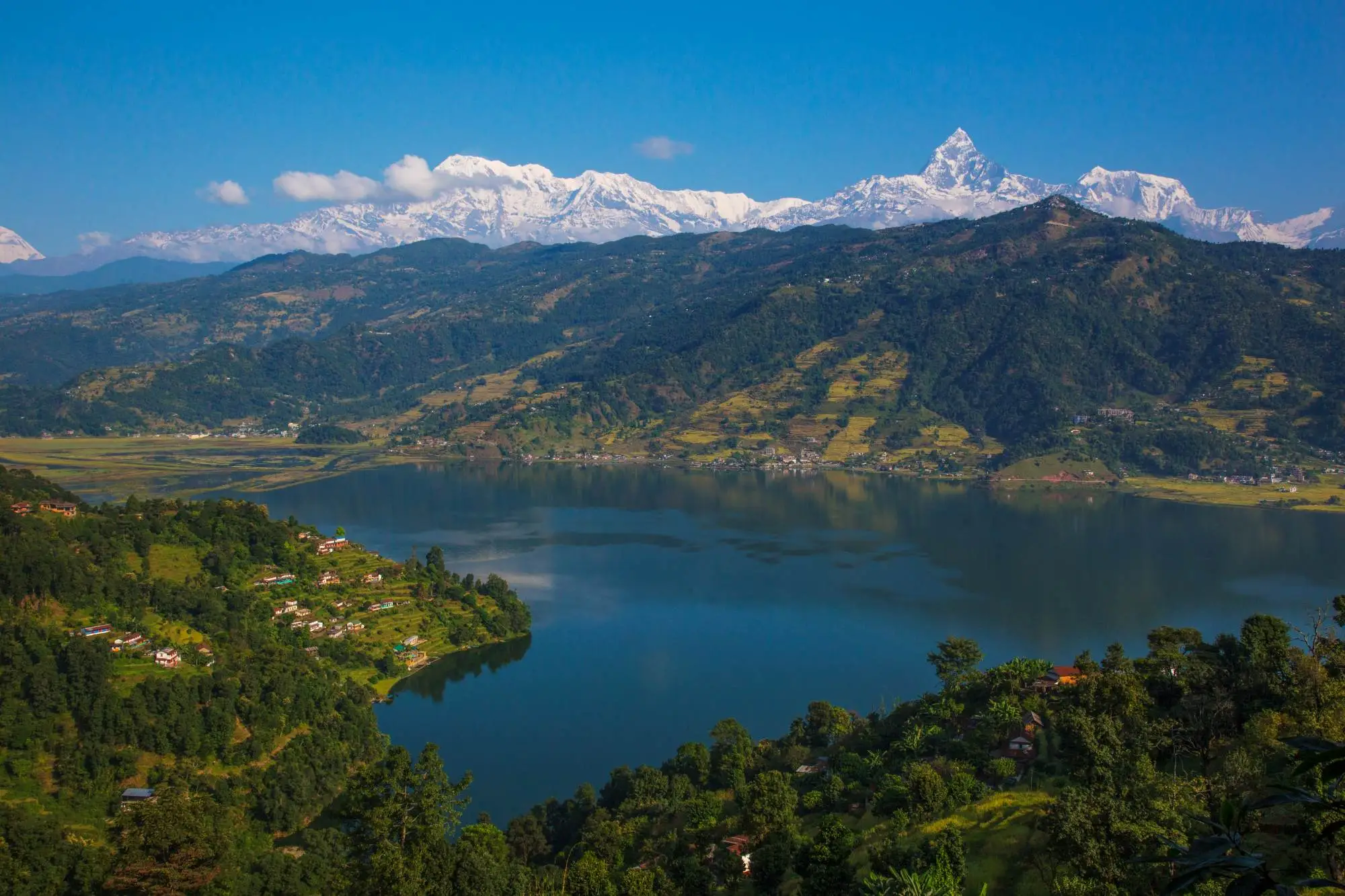
    The mountains form the northern backdrop of the city, with Machhapuchhre (Fishtail) being one of the most recognizable peaks from Pokhara. Depending on the viewpoint and weather, you can also see several peaks of the Annapurna massif.

    The views become much closer and more dramatic once you enter the Annapurna region.

    During the circuit, the landscape changes from distant mountain views around the lower valleys to close-up Himalayan scenery around Pisang and Manang. The Upper Pisang route, in particular, offers impressive views toward Annapurna II and the surrounding peaks.

    If your search for Annapurna from Pokhara is mainly about seeing the mountain rather than trekking around the massif, you do not necessarily need to complete the entire circuit. But if you want to experience the different landscapes, villages and high-altitude terrain of the Annapurna region, the circuit offers a much broader experience.

    Annapurna Circuit Route from Pokhara

    The Annapurna Circuit follows a large loop around the Annapurna massif.

    The route from Pokhara generally follows this progression:

    Pokhara → Besisahar → Bahundanda → Chame → Pisang → Manang → Thorong Phedi → Thorong La → Muktinath → Marpha → Tatopani → Ghorepani → Poon Hill → Tadapani → Ghandruk → Pokhara

    The eastern side follows the Marsyangdi Valley. As you gain elevation, subtropical vegetation gradually gives way to pine forests, alpine landscapes and the dry terrain around Manang.

    After crossing Thorong La, the scenery changes again. You descend toward Muktinath and enter the Kali Gandaki Valley, passing through places such as Kagbeni, Marpha and Tatopani before climbing toward Ghorepani.

    The final section through Poon Hill and Ghandruk brings you back into the greener middle hills.

    Main sections of the route

    Pokhara to Manang:
    Lower hills, river valleys, villages, forests and gradually increasing altitude.

    Manang to Thorong La:
    The highest and most demanding part of the trek, with acclimatization around Manang before the pass crossing.

    Thorong La to Tatopani:
    A major descent through Muktinath and the Kali Gandaki Valley, with a noticeable change in climate and landscape.

    Tatopani to Pokhara:
    A final climb through forests toward Ghorepani and Poon Hill, followed by the descent through Ghandruk.

    Annapurna Circuit Trek Itinerary from Pokhara

    The 14-day itinerary below combines road transport, trekking and the major highlights of the traditional circuit.

    Day 1: Pokhara to Besisahar

    Altitude: 760 m
    Activity: Drive
    Overnight: Besisahar

    Your Annapurna Circuit journey begins with a drive from Pokhara to Besisahar.

    The route follows Nepal’s mid-hill landscape, passing through river valleys, terraced farmland and small settlements before reaching Besisahar.

    Besisahar is an important gateway to the Annapurna region and provides a convenient overnight stop before the trek begins.

    Use the afternoon to organize your trekking gear, prepare your daypack and get some rest before heading higher into the Marsyangdi Valley.

    Day 2: Besisahar to Bahundanda

    Altitude: 1,310 m
    Trekking: Around 5–6 hours
    Overnight: Bahundanda

    Today you begin walking.

    The trail passes through villages, farmland and forest as it follows the Marsyangdi River. Suspension bridges and terraced hillsides become regular features of the route.

    Bahundanda sits on a ridge above the valley and provides your first proper mountain-village experience of the trek.

    The elevation is still relatively low, so this section is more about getting comfortable with walking several hours each day than dealing with high-altitude conditions.

    Day 3: Bahundanda to Chame

    Altitude: 2,670 m
    Activity: Trek/transport depending on route conditions
    Overnight: Chame

    The route continues toward Chame, the administrative center of Manang District.

    The landscape gradually changes as you move deeper into the mountains. Forests become more prominent, the valley narrows, and the surrounding peaks become easier to see.

    Chame is an important stop before the route climbs further toward Pisang and Manang.

    Because road access has changed the Annapurna Circuit over the years, the exact balance between walking and road transport can vary depending on the itinerary and trail conditions.

    Day 4: Chame to Upper Pisang

    Altitude: 3,300 m
    Trekking: Around 5–6 hours
    Overnight: Upper Pisang

    The landscape becomes noticeably more alpine today.

    You pass through pine forest and the dramatic rock formations around the Marsyangdi Valley before reaching Pisang.

    Upper Pisang is particularly rewarding because of its traditional village atmosphere and mountain views. The village sits beneath the surrounding peaks, giving you a closer look at the Himalayan landscape than you had in the lower valleys.

    Take the afternoon slowly and allow your body to adjust to the increasing altitude.

    Day 5: Upper Pisang to Manang

    Altitude: Around 3,500 m
    Trekking: Around 5–6 hours
    Overnight: Manang

    This is one of the most scenic days of the Annapurna Circuit.

    The trail climbs toward Manang through increasingly dry terrain, with views of the Annapurna range and surrounding peaks.

    You can take either the higher scenic route or the lower route depending on the itinerary and conditions. The higher route provides more dramatic mountain views but also involves more elevation gain.

    Manang is more than an overnight stop. It is the main acclimatization point before the route climbs above 4,000 m.

    Day 6: Manang Acclimatization Day

    Altitude: Around 3,500 m
    Activity: Rest and short acclimatization hike
    Overnight: Manang

    Spend another night in Manang rather than immediately continuing toward Thorong La.

    A common approach is to take a short hike to a higher elevation during the day and return to Manang to sleep.

    Possible walks include viewpoints and nearby villages, while stronger trekkers may choose a longer hike toward Ice Lake.

    The purpose is not simply to add another sightseeing day. Spending time around Manang gives your body more opportunity to adjust before the route reaches higher elevations.

    Avoid treating this as a full rest day spent entirely indoors. A gentle acclimatization walk is generally more useful than complete inactivity, provided you feel well.

    Day 7: Manang to Thorong Phedi / High Camp

    Altitude: Up to around 4,900 m
    Trekking: Around 4–7 hours
    Overnight: Thorong Phedi or High Camp

    The landscape becomes increasingly rugged as you leave Manang.

    The trail passes through areas such as Yak Kharka and continues toward Thorong Phedi, the main staging point for the Thorong La crossing.

    Depending on the itinerary, fitness, weather and accommodation availability, trekkers may stay at Thorong Phedi or continue toward High Camp.

    This is a demanding day because of the elevation. Walk steadily, drink regularly and pay attention to how your body feels.

    If you develop significant symptoms of altitude sickness, tell your guide rather than trying to push through them.

    Day 8: Thorong La Pass to Muktinath

    Highest point: Thorong La – 5,416 m
    Trekking: Around 8–9 hours
    Overnight: Muktinath

    This is the biggest day of the Annapurna Circuit.

    The climb to Thorong La Pass begins early because weather conditions can become less favorable later in the day.

    The trail climbs steadily from the high camp or Thorong Phedi toward the pass. Reaching 5,416 m is a major achievement, but the crossing is not simply about reaching the highest point.

    The descent afterward is long.

    From Thorong La, the trail drops dramatically toward Muktinath. The change in landscape is striking: the green valleys of the eastern Annapurna region give way to the drier terrain associated with Mustang.

    Muktinath is also an important pilgrimage site for both Hindus and Buddhists.

    What makes Thorong La difficult?

    The challenge comes from a combination of factors:

    • High elevation
    • Long walking hours
    • Cold and wind
    • Steep sections
    • Reduced oxygen availability
    • A significant descent after reaching the pass

    You do not need mountaineering skills to cross Thorong La under normal trekking conditions, but you do need reasonable fitness, acclimatization and preparation.

    Day 9: Muktinath to Marpha

    Altitude: Around 2,670 m
    Activity: Trek/drive depending on route
    Overnight: Marpha

    After the high point of the trek, the route descends through the Kali Gandaki Valley.

    Muktinath, Kagbeni and the villages toward Marpha have a distinctly different character from the Manang side of the circuit.

    The dry landscape, stone houses and Tibetan-influenced culture make this section feel almost like another region entirely.

    Marpha is known for its traditional Thakali village architecture and apple products. It is also one of the most pleasant places to slow down after the Thorong La crossing.

    Day 10: Marpha to Tatopani

    Altitude: Around 1,200 m
    Activity: Trek/transport depending on route
    Overnight: Tatopani

    The descent continues toward Tatopani.

    The scenery changes quickly as you lose elevation. Dry mountain terrain gradually gives way to greener valleys and warmer temperatures.

    Tatopani is famous for its natural hot springs, making it a popular place for trekkers to relax after the demanding high-altitude section of the circuit.

    This is also where you begin to feel the return to Nepal’s warmer middle-hill environment.

    Day 11: Tatopani to Ghorepani

    Altitude: Around 2,874 m
    Trekking: Around 6–7 hours
    Overnight: Ghorepani

    Unlike the previous days, today’s route involves a substantial climb.

    You leave the lower Kali Gandaki Valley and ascend toward Ghorepani through forested hills.

    The trail passes through areas known for rhododendron, oak and other vegetation. During spring, rhododendron flowers add another layer of color to the forest.

    Ghorepani is one of the busiest trekking settlements in the Annapurna region and is best known for its access to Poon Hill.

    Day 12: Ghorepani to Poon Hill to Tadapani

    Poon Hill: 3,210 m
    Trekking: Around 6 hours
    Overnight: Tadapani

    An early morning climb to Poon Hill gives you one of the classic mountain viewpoints of the Annapurna region.

    From the viewpoint, you can see several Himalayan peaks, including Dhaulagiri, Annapurna South and Machhapuchhre, depending on visibility.

    After returning to Ghorepani for breakfast, continue through the forest toward Tadapani.

    The environment here feels very different from the high-altitude section around Thorong La. You are back among dense forests and greener hills.

    Day 13: Tadapani to Ghandruk to Pokhara

    Altitude: Around 1,940 m at Ghandruk
    Activity: Trek + drive
    Overnight: Pokhara

    Your final trekking section takes you toward Ghandruk, one of the well-known Gurung settlements in the Annapurna region.

    Ghandruk offers mountain views, traditional architecture and an opportunity to experience the culture of the middle hills.

    After exploring the village, continue toward the roadhead and travel back to Pokhara.

    Arriving in Pokhara marks the completion of your Annapurna Circuit journey.

    Day 14: Pokhara – Leisure or Departure

    Altitude: 822 m
    Activity: Leisure or onward travel

    Keep the final day flexible.

    If your travel schedule allows, you can relax around Phewa Lake, explore Pokhara, visit the International Mountain Museum or simply recover after the trek.

    You can also continue your Nepal trip toward destinations such as Chitwan or Kathmandu.

    Annapurna Circuit Trek Difficulty

    The Annapurna Circuit is generally considered a moderate to challenging trek.

    You do not need technical climbing experience, but the route demands more than simply being able to walk for a few hours.

    The main challenges are:

    • Long trekking days
    • Continuous elevation gain
    • Thorong La at 5,416 m
    • Cold and changing weather
    • Steep ascents and descents
    • Walking at high altitude
    • Limited facilities in remote sections

    The Thorong La crossing is usually the most demanding part of the trek.

    Good preparation helps. Regular walking, stair climbing, hiking and cardiovascular exercise in the weeks before the trek can make the long trekking days more manageable.

    Best Time for the Annapurna Circuit Trek from Pokhara

    The main trekking seasons are spring and autumn.

    Spring: March to May

    Spring brings warmer conditions and increasingly colorful forests.

    March and April are particularly attractive for trekkers who want to see rhododendrons in bloom on the lower sections of the route.

    Autumn: September to November

    Autumn is one of the most popular periods for trekking in Nepal.

    After the monsoon, the skies often become clearer and mountain visibility improves. October and November are particularly popular for the Annapurna Circuit.

    Winter: December to February

    Winter brings colder conditions and more challenging conditions around Thorong La.

    Snow and strong winds can affect the high pass, so winter trekkers need appropriate equipment and greater flexibility.

    Monsoon: June to August

    The lower sections of the Annapurna Circuit receive substantial rainfall during the monsoon.

    The rain-shadow areas around Manang and Mustang can remain considerably drier, but the journey to and from the trail can still be affected by wet roads, landslides and transportation delays.

    Annapurna Circuit Trek Permits

    Trekkers on the Annapurna Circuit need to consider the permits and registration requirements that apply to the route.

    The main permit associated with the region is the Annapurna Conservation Area Permit (ACAP).

    TIMS requirements can also apply depending on whether you are trekking independently or through a registered trekking agency and according to the current regulations.

    Because permit rules and fees can change, confirm the current requirements before departure rather than relying on an old fee table.

    If you book the trek through Hi Nepal, the team can arrange the required trekking documentation as part of the trip preparation.

    Annapurna Circuit Trek Cost from Pokhara

    The cost of an Annapurna Circuit Trek from Pokhara depends on the itinerary, group size, accommodation, transportation and services included.

    A package price can include:

    • Private ground transportation
    • Trekking permits
    • Guide
    • Porter service
    • Teahouse accommodation
    • Meals during the trek
    • Trek briefing
    • Government taxes and service charges

    You should also budget separately for expenses such as:

    • International airfare
    • Nepal visa
    • Travel insurance
    • Personal trekking equipment
    • Snacks and drinks
    • Wi-Fi and charging
    • Hot showers
    • Tips
    • Personal expenses
    • Emergency evacuation, if required

    If you are comparing trekking packages, do not look only at the headline price. Check how many trekking days are included, whether transportation is private or shared, what meals are covered and whether permits and accommodation are already included.

    What to Pack for the Annapurna Circuit

    You do not need to carry your entire wardrobe, but you do need to prepare for very different temperatures.

    Clothing

    • Moisture-wicking base layers
    • Fleece or warm mid-layer
    • Down or insulated jacket
    • Waterproof jacket
    • Trekking trousers
    • Warm thermal layers
    • Warm hat
    • Gloves
    • Trekking socks
    • Comfortable underwear

    Footwear

    • Well-broken-in trekking boots
    • Lightweight camp shoes or sandals
    • Extra socks

    Trekking equipment

    • Backpack
    • Duffel bag if using porter service
    • Sleeping bag suitable for the season
    • Trekking poles
    • Headlamp
    • Sunglasses
    • Water bottles or hydration system
    • Water purification method
    • Sunscreen
    • Personal first-aid supplies

    Documents and essentials

    Keep your passport, permits, insurance details, money and other important documents somewhere dry and easily accessible.

    For full packing guide, check this link.

    Altitude on the Annapurna Circuit

    Altitude is one of the most important things to consider when trekking the Annapurna Circuit.

    You begin around the lower Marsyangdi Valley and eventually reach 5,416 m at Thorong La.

    The increase in elevation means your body has progressively less oxygen available.

    Common symptoms of mild altitude sickness can include:

    • Headache
    • Tiredness
    • Reduced appetite
    • Dizziness
    • Difficulty sleeping
    • Nausea

    Do not ignore worsening symptoms.

    The most useful approach is gradual acclimatization, sensible pacing, adequate hydration and communicating with your guide if you feel unwell.

    If serious altitude-related symptoms develop, descending to a lower elevation is more important than completing the itinerary.

    Can You Add Tilicho Lake to the Annapurna Circuit?

    Yes. Tilicho Lake is one of the most popular additions to the Annapurna Circuit.

    The lake sits at around 4,919 m and requires additional trekking days from the main circuit.

    Adding Tilicho makes the itinerary longer and more demanding, so it should be considered based on your fitness, available time and acclimatization.

    If you specifically want Tilicho Lake, it is better to choose an itinerary designed around the side trip rather than trying to squeeze it into an already tight schedule.

    Annapurna Circuit vs Other Annapurna Treks

    The Annapurna region has several trekking routes, and they offer very different experiences.

    Annapurna Circuit:
    Best for trekkers who want a longer journey around the massif, multiple landscapes and the Thorong La crossing.

    Annapurna Base Camp:
    A shorter route focused more directly on reaching the Annapurna Sanctuary and viewing the surrounding peaks.

    Ghorepani Poon Hill:
    A shorter trek suited to travelers with less time who still want Himalayan scenery and a sunrise viewpoint.

    If you are unsure which route fits your time and fitness level, comparing the different trekking routes in Nepal can help before choosing a package.

    Why Trek the Annapurna Circuit from Pokhara?

    The biggest attraction of the Annapurna Circuit is not one particular viewpoint.

    It is the change in the journey.

    You start among green hills and river valleys. You move through pine forests and mountain villages, enter the dry highlands around Manang, cross a 5,416 m mountain pass, descend into the Mustang region, and eventually return to forests and Gurung villages.

    That variety is what makes the Annapurna Circuit different from a trek that simply takes you toward one mountain or one base camp.

    Starting and finishing in Pokhara also makes the journey easier to combine with the rest of a Nepal trip.

    Frequently Asked Questions

    How long is the Annapurna Circuit Trek from Pokhara?

    The Hi Nepal itinerary is designed as a 14-day journey from Pokhara and back to Pokhara. Longer itineraries are possible if you add side trips such as Tilicho Lake or spend additional days on the trail.

    Is the Annapurna Circuit Trek suitable for beginners?

    A reasonably fit first-time trekker can complete the Annapurna Circuit with proper preparation, acclimatization and a sensible pace. However, the high altitude and Thorong La crossing make it more demanding than a short low-altitude trek.

    How high is Thorong La Pass?

    Thorong La Pass reaches 5,416 m (17,769 ft) above sea level.

    What is the hardest day of the Annapurna Circuit?

    The Thorong La crossing is usually the most demanding day because of the altitude, early start, long walking time and significant descent to Muktinath.

    Can I do the Annapurna Circuit without a guide?

    The practical requirements for trekking independently can change with Nepal’s current regulations. Check the latest rules before planning an independent trek.

    What is the best month for the Annapurna Circuit?

    October and November are among the most popular months because of generally favorable trekking conditions and good mountain visibility. March, April and May are also strong choices, particularly for spring scenery.

    Is Tilicho Lake part of the Annapurna Circuit?

    Tilicho Lake is not on the main circuit route but can be added as a side trip. Allow additional days if you want to include it.

    Can I see Annapurna from Pokhara?

    Yes. The Annapurna range forms part of the mountain panorama visible from Pokhara on clear days. Machhapuchhre is particularly prominent from many viewpoints around the city.

    Do I need travel insurance for the Annapurna Circuit?

    Travel insurance is strongly recommended for high-altitude trekking. Make sure your policy covers trekking at the maximum elevation of your itinerary and emergency medical evacuation if required.

    Plan Your Annapurna Circuit Trek from Pokhara

    The Annapurna Circuit is a long journey, but you do not need to rush it.

    The key is to choose an itinerary that gives you enough time to adjust to altitude, prepare properly for Thorong La and enjoy the villages and landscapes along the way.

    If you are planning to trek the circuit from Pokhara, you can review the full itinerary, check the current package cost and discuss your preferred dates with Hi Nepal Travels & Treks before booking.

  • Luxury Trekking in Nepal 2026: Best Luxury Lodge Treks

    Luxury Trekking in Nepal 2026: Best Luxury Lodge Treks

    Luxury trekking in Nepal delivers Himalayan adventure without sacrificing comfort, premium lodges with private rooms, hot showers, and multi-course meals replace the basic teahouses most trekkers know. You’re walking the same iconic trails beneath Everest and Annapurna, just returning each evening to heated rooms and mountain-view dining.

    This guide covers the top luxury trekking routes, what’s included in premium packages, the best seasons to go, and how to prepare for a comfortable high-altitude journey.

    What Makes a Luxury Trek in Nepal Different?

    Luxury trekking in Nepal pairs Himalayan adventure with premium comfort, think private rooms with attached bathrooms, heated common areas, and multi-course meals instead of basic teahouse dormitories. The difference comes down to where you sleep, what you eat, and who guides you through the mountains.

    On a standard trek, you’ll share rooms with thin walls, use communal squat toilets, and order from a basic dal bhat menu. Luxury lodges, on the other hand, offer en-suite bathrooms with hot showers, quality mattresses, and dining rooms serving everything from Nepali specialties to pasta and wine.

    • Accommodation: Private rooms with attached bathrooms, heating systems, and mountain-view windows
    • Service: A dedicated guide who adjusts the pace to your preferences, plus porters for your gear
    • Dining: Breakfast, lunch, and dinner included—often with multiple courses and beverage options
    • Amenities: Wi-Fi access, charging stations, and comfortable common areas for evening relaxation

    Your guide handles permits, coordinates with lodges, and shares local knowledge about Sherpa culture, Buddhist monasteries, and the peaks surrounding you. That personalized attention is what separates a luxury trek from simply walking the same trail with better beds.

    Top Luxury Trekking Routes in Nepal

    Are you looking for best luxury trekking experiences in Nepal? While the Everest and Annapurna regions are most famous for luxury lodge networks, premium options now extend to Manaslu, Langtang, and other regions.

    Everest Base Camp Luxury Lodge Trek

    Everest Region | ★★★★★ | 14 Days

    Eeverst Summit Lodge - Everest Base Camp Luxury Lodge Trek

    The classic Everest Base Camp route passes through Namche Bazaar, Tengboche Monastery, and the Khumbu Valley before reaching base camp at 5,364 meters. Luxury versions of this trek use lodges like Yeti Mountain Home and Everest Summit Lodges, which offer heated rooms, hot showers, and dining rooms with panoramic views.

    You’ll still walk the same trails as everyone else, past prayer wheels, across suspension bridges, and through Sherpa villages. The difference is returning each evening to a warm room and a proper meal rather than a cold dormitory.

    Everest View Luxury Trek

    Everest Region | ★★★★★ | 7–10 Days

    A beautiful mountain view from Hotel Everest View

    For travelers with limited time, the Everest View trek reaches the famous Hotel Everest View, one of the highest-placed hotels in the world, without the full base camp commitment. You’ll see Everest, Lhotse, and Ama Dablam from comfortable vantage points while staying in luxury lodges throughout.

    This shorter route works well for first-time high-altitude trekkers or anyone who wants Himalayan views without two weeks on the trail.

    Annapurna Luxury Lodge Trek

    Annapurna Region | ★★★★★ | 10–12 Days

    A morning breakfast in Annapurna region at Poonhill

    The Annapurna luxury lodge trek follows trails through rhododendron forests and Gurung villages into the Annapurna Sanctuary, a natural amphitheater surrounded by peaks over 7,000 meters. Lodges operated by Ker & Downey and similar providers offer spa-like amenities at altitude.

    Maximum elevation on this route is lower than Everest Base Camp, making it accessible to a wider range of fitness levels while still delivering dramatic mountain scenery.

    Annapurna Circuit Luxury Trek

    Annapurna Region | ★★★★★ | 14–19 Days

    Luxury Lodge in Jomsom Mustang

    The full Annapurna Circuit is one of the world’s most diverse treks. Luxury departures combine premium lodge stays in key villages like Manang with strategic vehicle transfers to reduce road sections.

    The highlight is crossing Thorong La Pass before descending to Muktinath Temple.

    Luxury here means:

    • Carefully selected private rooms
    • Flexible acclimatization planning
    • Personalized pace adjustments
    • Strong weather-based decision-making

    Best for: Adventurous travelers wanting a full Himalayan circuit without sacrificing comfort.

    Manaslu Circuit Luxury Expedition Trek

    Manaslu Region | ★★★★★ | 14–18 Days

    Manaslu Circuit Luxury Lodge Trek

    The Manaslu Circuit circles Mount Manaslu, the world’s eighth-highest mountain.

    Crossing Larkya La Pass, this route offers a more remote, less crowded experience than Everest or Annapurna.

    Luxury here is defined by:

    • Exclusive small-group departures
    • Upgraded lodge accommodations where available
    • Premium camping support in higher sections
    • Experienced high-altitude guides

    Because Manaslu is a restricted region, permits and logistics require expert coordination, making it ideal for travelers who want privacy, exclusivity, and serious Himalayan authenticity.

    Best for: Experienced trekkers seeking elite, off-the-beaten-path luxury.

    Ghorepani Poon Hill Luxury Trek

    Annapurna Region | ★★★★☆ | 5–7 Days

    Ghorepani Poon Hill Luxury Lodge Trek with Hi nepal

    Poon Hill is famous for sunrise views over Annapurna and Dhaulagiri, and the luxury version pairs those views with comfortable lodge stays. The moderate difficulty makes it a good starting point for trekkers new to Nepal.

    You’ll walk through terraced hillsides, stay in traditional villages, and reach the 3,210-meter viewpoint without the altitude challenges of higher routes.

    Langtang Valley Luxury Trek

    Langtang Region | ★★★★☆ | 8–10 Days

    Langtang Valley Luxury Lodge Trek

    Langtang offers a less crowded alternative closer to Kathmandu, with emerging luxury lodge options along the trail. The valley is home to Tamang communities, ancient monasteries, and glacier views, all without the crowds of Everest or Annapurna.

    This route suits travelers seeking cultural immersion alongside mountain scenery, with fewer trekkers on the trail each day.

    Helicopter-assisted Luxury Treks

    Multiple Regions | ★★★★★ | Varies

    Helicopter Flight in Nepal

    Helicopter-assisted treks combine walking with scenic flights, allowing you to fly into remote trailheads or skip challenging sections. For example, you might fly to Lukla and trek to Everest Base Camp, then helicopter out, or the reverse.

    These hybrid itineraries reduce total trekking days while preserving the on-foot experience through the most scenic sections.

    Luxury Trekking vs Standard Trekking in Nepal

    Wondering whether a luxury trek is right for you? Here’s how the two options compare:

    Feature Luxury Trekking Standard Trekking
    Accommodation Private rooms, attached bathrooms, heating Shared rooms, basic facilities
    Meals Multi-course meals included Basic menu, pay as you go
    Guides Private, certified guides Shared group guides
    Group Size Small, private groups Larger mixed groups
    Pace Flexible, personalized Fixed itinerary
    Porter Service Included Often extra cost

    Standard treks cost less and offer a more rugged experience. Luxury treks prioritize comfort without changing the fundamental trekking experience, you’re still walking the same trails, just sleeping and eating better.

    What Luxury Trek Packages Include?

    Premium Accommodation and Meals

    Luxury lodges feature private rooms with attached bathrooms, hot water, comfortable beds, and common areas with mountain views. Meals are included throughout, typically breakfast, lunch, dinner, and snacks, with diverse cuisine options and dietary accommodations available with advance notice.

    Private Guides and Porter Services

    Your private guide provides cultural context, safety expertise, and personalized attention throughout the trek. Porters carry your main luggage, so you walk with only a daypack containing water, snacks, and layers.

    Permits and Internal Flights

    Most packages cover TIMS cards (Trekker’s Information Management System), conservation area permits, domestic flights to trailheads like Lukla, and airport taxes. TIMS cards track trekkers for safety purposes, while conservation permits fund trail maintenance and local communities.

    Upgrades and Add-on Experiences

    Optional enhancements include helicopter evacuation insurance, spa treatments at lodges, photography guides, cultural experiences in villages, and extended Kathmandu or Pokhara tours before or after your trek.

    What Luxury Trekking Feels Like (From a Solo Female Traveler)?

    A female solo traveler with our guide Bam Tamang

    When Bara from the Czech Republic joined our Annapurna Circuit Luxury Trek, she was traveling alone, and it was her first experience trekking at high altitude.

    Naturally, she had concerns. Could she handle the altitude? Would she feel safe? Would the journey be physically overwhelming?

    From day one, our senior guide Bam Tamang created a fully personalized experience. Together, they discussed route options, daily pacing, and weather forecasts. Each evening, instead of basic teahouse dormitories, she returned to carefully selected private guesthouse rooms with comfortable bedding and warm dining spaces, small details that make a major difference after long mountain days.

    As snowfall was forecast near Tilicho Lake, Bam reassessed conditions and recommended adjusting the plan. Skipping Tilicho ensured a safe and successful crossing of Thorong La Pass, which was already experiencing snow during their ascent. Strategic decision-making like this is what separates professional luxury guiding from standard trekking.

    When Bara felt unwell at altitude, Bam carefully monitored her acclimatization, adjusted the pace, and ensured proper hydration and rest. She completed the circuit without altitude medication, thanks to gradual ascent planning and attentive support.

    Beyond safety and logistics, the trek became deeply personal. Bam shared stories of mountain life, culture, and growing up in Nepal. What began as a guided journey became a meaningful friendship.

    So much so that after completing the Annapurna Circuit, she chose to continue directly to the Mardi Himal Trek with him.

    After the trek, she was invited to a traditional dinner in Pokhara with our founder and his family, a reminder that luxury trekking in Nepal is not only about upgraded lodges, but about genuine hospitality and trusted relationships.

    Her words summarize it best:

    “I always felt 100% safe. The whole trek was tailored to me. You can’t go wrong with Hi Nepal Travels & Treks.”

    For solo female travelers, luxury trekking is not simply better accommodation, it is confidence, safety, flexibility, and comfort combined.

    Best Time for Luxury Trekking in Nepal

    Spring Season Luxury Trekking

    March through May brings warming temperatures, blooming rhododendrons, and clear skies. This popular season means booking luxury lodges early is essential; rooms fill quickly, especially at the most sought-after properties.

    Autumn Season Luxury Trekking

    September through November is considered the best time for trekking in Nepal, with stable weather, excellent visibility, and comfortable temperatures after the monsoon clears. Demand for luxury lodges is highest during these months.

    Winter and Monsoon Considerations

    December through February offers solitude and lower prices, though nights at altitude are cold, even in heated lodges. June through August brings monsoon rains and obscured views, making these months less suitable for most luxury treks.

    Luxury Lodge Accommodation and Amenities

    Room Features and Comfort Standards

    Expect private rooms with attached bathrooms, hot showers, quality bedding, and heating systems. Common areas typically feature comfortable seating, mountain views, and sometimes a bar or library. Room sizes and amenities vary by lodge and altitude.

    Dining Options and Cuisine

    Lodges serve multi-course meals blending Nepali and international cuisine. Vegetarian, vegan, and gluten-free options are available with advance notice. Quality ingredients are transported to remote locations specifically for luxury properties.

    Wi-Fi and Connectivity at Luxury Lodges

    Most luxury lodges offer Wi-Fi, though speeds vary with altitude and remoteness. Some lodges charge for internet access or limit usage during peak hours. Charging stations for devices are standard at all luxury properties.

    How to Prepare for a Luxury Trek?

    Physical Fitness and Training Tips

    Even luxury treks involve walking several hours daily at altitude. Cardiovascular training, hiking practice, and stair climbing help prepare your body. You don’t need to be an athlete, but gradual preparation makes the experience more enjoyable, and reduces the risk of altitude-related issues.

    Packing List for Luxury Trekking

    • Layered clothing for varying temperatures
    • Sturdy, broken-in trekking boots
    • Down jacket for cold evenings
    • Rain gear and sun protection
    • Personal medications and toiletries
    • Camera and extra batteries

    Altitude Sickness Prevention

    Acute Mountain Sickness (AMS) can affect anyone at high altitude, regardless of fitness level, research published in High Altitude Medicine & Biology found it affects around 45% of Himalayan trekkers. Symptoms include headache, nausea, and fatigue. Proper acclimatization, hydration, and gradual ascent reduce risk. Luxury itineraries typically build in acclimatization days at key elevations, and consulting a doctor before travel is wise.

    Safety Standards on Luxury Treks in Nepal

    Trained Local Guides and Support Teams

    Experienced guides with wilderness first aid training, altitude awareness, and deep local knowledge accompany every luxury trek. At Hi Nepal, our guides bring over two decades of Himalayan expertise to every journey, your safety is our highest priority.

    Emergency Protocols and Evacuation

    Satellite phones, established communication protocols, and helicopter evacuation procedures ensure help is available if needed. Our team maintains 24/7 emergency contact throughout your trek, with transparent costs and no hidden charges.

    Travel Insurance Requirements

    Comprehensive travel insurance covering helicopter evacuation up to 6,000 meters is essential for trekking in Nepal. Policies typically cost a fraction of potential rescue expenses and provide peace of mind in remote mountain terrain.

    We recommend policies covering emergency helicopter evacuation up to 6,000 meters. Our team provides documentation assistance for insurance claims if evacuation becomes necessary.

    Why Travelers Choose Nepal for luxury Himalayan Trekking?

    Annapurna Base Camp Trek with Hi Nepal Treks

    Nepal, welcoming over 1.15 million foreign tourists in 2025, offers a combination found nowhere else:

    • Mountain scenery: Home to eight of the world’s fourteen 8,000-meter peaks
    • Established infrastructure: A developed network of premium lodges along major routes
    • Cultural heritage: Buddhist monasteries, Sherpa villages, and living traditions
    • Experienced local teams: Guides with deep Himalayan expertise and genuine hospitality
    • Value: Premium experiences at reasonable prices compared to other luxury adventure destinations

    Licensed & Trusted Trekking Operator in Nepal

    Hi Nepal Travels & Treks is:

    • Registered with the Government of Nepal
    • Licensed by the Nepal Tourism Board
    • Member of Trekking Agencies’ Association of Nepal (TAAN)
    • Fully insured and legally operating since 2004
    • Based in Pokhara with local on-ground support teams

    With over two decades of Himalayan guiding experience, our leadership team has guided treks across Everest, Annapurna, Langtang, and Manaslu regions.

    Book Your Luxury Nepal Trek with Confidence

    Ready to experience the Himalayas in comfort? Hi Nepal Travels & Treks brings over 20 years of trekking expertise to every journey. Our Pokhara-based team handles every detail, from lodge reservations to permit processing, with transparent pricing and no hidden charges.

    Your trek is guaranteed to run once confirmed, regardless of group size. We provide personalized service from planning through completion, with 24/7 emergency support throughout your adventure.

    FAQs About Luxury Trekking in Nepal

    1. How much does a luxury trek in Nepal cost?

      Luxury trek packages typically range from $3,000 to $6,000+ per person depending on route length, accommodation tier, and included services, significantly more than standard treks but delivering premium comfort throughout.

    2. Can I customize my luxury trek itinerary?

      Yes, reputable operators offer fully customizable itineraries. You can adjust trek length, add rest days, include helicopter transfers, or combine trekking with cultural tours in Kathmandu or Pokhara.

    3. What is the typical group size on luxury treks in Nepal?

      Luxury treks typically feature small private groups or couples rather than large mixed groups, ensuring personalized attention from guides and a more intimate mountain experience.

    4. Are luxury treks in Nepal suitable for beginners?

      Luxury treks work well for beginners. Comfortable lodges, experienced guides, and well-paced itineraries reduce physical strain while delivering an authentic Himalayan experience.

    5. Do luxury trek packages include helicopter transfers?

      Some packages include helicopter transfers as standard while others offer them as optional add-ons. Helicopter-assisted treks are popular for saving time or reducing trekking distance.

    6. What happens if my flight to Lukla is delayed or canceled?

      Weather delays are common on Lukla flights. Quality operators build buffer days into itineraries and arrange alternative transportation, including helicopter transfers, when needed.
      We monitor aviation weather forecasts daily during peak seasons and proactively prepare backup plans for our clients.

    7. What dietary options are available on luxury treks in Nepal?

      Luxury lodges accommodate vegetarian, vegan, and gluten-free diets with advance notice, serving diverse multi-course meals featuring both Nepali and international cuisine.

    8. How far in advance should I book a luxury trek in Nepal?

      Booking several months ahead is wise, especially for peak autumn and spring seasons, Nepal recorded a 15.7% rise in tourist arrivals in early 2026. Premium lodges have limited rooms and fill quickly during popular trekking windows.

    9. Is tipping expected on luxury treks in Nepal?

      Tipping guides and porters is customary in Nepal and greatly appreciated. Your operator can advise on appropriate amounts based on service quality and trek duration.

    10. Can I combine a luxury trek with other Nepal tours?

      Many travelers pair luxury treks with Kathmandu cultural tours, Chitwan wildlife safaris, Pokhara relaxation, or helicopter tours to maximize their Nepal experience.

    11. What vaccinations are required for luxury trekking in Nepal?

      Consult your doctor about recommended vaccinations before traveling to Nepal. Requirements vary based on your home country and planned activities.

    12. Are solo travelers welcome on luxury treks in Nepal?

      Solo travelers are welcome and can join scheduled departures or book private luxury treks. Either option provides safe, supported access to Nepal’s premier mountain routes.

  • Choosing a Nepal Trekking Agency? 2026 Safety Guide

    Choosing a Nepal Trekking Agency? 2026 Safety Guide

    Nepal is home to the world’s most iconic trekking routes, including the legendary Everest Base Camp Trek, the breathtaking Annapurna Circuit, and the remote and culturally rich Manaslu region. With 8 of the world’s 14 highest mountains above 8,000 meters, including Mount Everest (8,849m), Nepal is globally recognized as the ultimate trekking destination.

    Every year, hundreds of thousands of trekkers travel to Nepal to experience the Himalayas, walking through high alpine passes, traditional Sherpa and Gurung villages, glacial valleys, and UNESCO-listed national parks. But before you lace up your boots, there’s one crucial decision to make:

    With hundreds of trekking agencies in Pokhara and Kathmandu, selecting the right company can feel overwhelming. While many offer similar itineraries and pricing, the quality of service, safety standards, guide experience, and ethical practices vary significantly.

    Choosing the wrong agency can lead to poor organization, hidden costs, inexperienced guides, or even serious safety risks at high altitude. On the other hand, partnering with a licensed, experienced, and locally trusted company ensures a smooth, secure, and unforgettable Himalayan adventure.

    In this complete 2026 guide, we explain exactly what to look for when choosing a trekking company in Nepal, including legal registration, guide certification, safety protocols, transparent pricing, customer reviews, sustainability practices, and local expertise.

    We’ll also show you why selecting a reliable operator like Hi Nepal Travels and Treks can make all the difference between an average trek and a once-in-a-lifetime experience.

    If you’re planning to trek in Nepal, this guide will help you make a confident, informed decision, and ensure your Himalayan journey is safe, authentic, and truly unforgettable.

    Why Choosing the Right Trekking Company in Nepal Matters

    Trekking in Nepal is not just a simple holiday, it is a real adventure into remote Himalayan regions where weather can change quickly, trails can be challenging, and altitude can seriously affect your body. Whether you are planning the Everest Base Camp Trek, the Annapurna Circuit, or the Manaslu Circuit, choosing the best trekking company in Nepal plays a major role in your safety, comfort, and overall experience.

    Nepal has hundreds of registered trekking agencies and many unverified operators online. While prices and itineraries may look similar, the quality of service, safety standards, and guide experience can vary greatly. That’s why selecting a licensed and professional trekking agency in Nepal is essential.

    A reliable trekking company will ensure:

    • Proper permits and legal documentation for national parks and restricted areas
    • Experienced and government-licensed trekking guides
    • Altitude awareness and safety protocols to prevent altitude sickness
    • Well-planned acclimatization schedules
    • Pre-booked accommodation and organized logistics
    • Emergency support and backup plans in case of bad weather or health issues
    • Ethical treatment, fair wages, and insurance for porters and staff

    Professional trekking operators handle all logistics, from permits and transportation to food, tea house bookings, and trail coordination, allowing you to focus fully on enjoying the Himalayas.

    On the other hand, choosing the wrong trekking agency can lead to hidden costs, poor organization, inexperienced guides, or even serious safety risks at high altitude. Even experienced trekkers can face unexpected challenges without proper local support.

    For a smooth, safe, and unforgettable Himalayan adventure, careful research is essential. Selecting the right trekking company in Nepal ensures your journey is not only successful but also responsible, comfortable, and truly life-changing.

    How to Choose the Best Trekking Company in Nepal

    Hi Nepal Travels and Treks Team in Gokyo Lake

    When planning a trek in Nepal, the first and most crucial step is choosing a reliable and legally registered trekking company. Your trekking provider plays a key role in ensuring safety, smooth logistics, and a memorable Himalayan experience. Here’s how to verify their credibility before booking:

    1️. Check for Registration, License & Legal Credentials

    A trustworthy trekking company in Nepal should always be fully registered and licensed. This ensures that your trek is legally operated and protects you from unlicensed or fraudulent operators. Key credentials to look for include:

    Legitimate companies openly display these details on their website and booking documents. Always ask for proof of registration and licenses before confirming your trek.

    Hi Nepal Travels and Treks is a fully licensed and government-registered trekking company. All our treks are legally operated, professionally managed, and aligned with Nepal Tourism Board regulations, giving you complete peace of mind before you even start your Himalayan adventure.

    Planning to cross Thorong La Pass on the Annapurna Circuit? Hi Nepal Travels and Tours offers expertly guided treks with experienced leaders, proper acclimatization schedules, and a strong focus on safety, helping you experience the Himalayas with confidence.

    2️. Experience & Local Expertise

    When trekking in Nepal, experience matters more than anywhere else in the world. High-altitude trails, unpredictable weather, and remote regions require more than a map, they demand local knowledge, professional judgment, and years of hands-on experience.

    A reliable trekking company should have:

    Experienced companies can anticipate seasonal trail conditions, manage unpredictable weather, and design safer itineraries that prioritize your health and comfort.

    For example, Hi Nepal Travels and Treks offers expert local guides who know the Himalayan trails inside out, from cultural insights in mountain villages to ensuring proper acclimatization and safety at high passes. Our 20+ years of experience make us a trusted choice for trekkers seeking safe, well-organized, and unforgettable Himalayan adventures.

    3️. Safety Standards & Emergency Preparedness

    Trekking in high-altitude regions such as Everest, Annapurna, or Manaslu comes with inherent risks. A professional trekking company in Nepal prioritizes your safety, health, and emergency preparedness at every step of the journey.

    When choosing a trekking company, ask:

    • Are the guides trained in first aid and altitude sickness prevention?
    • Do they carry oximeters, oxygen, and first-aid kits to monitor trekkers’ health?
    • What is the emergency evacuation or helicopter rescue plan?
    • Are guides and porters insured for trekking emergencies?
    • Do they have communication systems like satellite phones for remote regions?

    A quality trekking agency in Nepal doesn’t just plan your route, they actively monitor your health, ensure safe acclimatization, and respond quickly in emergencies. They are prepared for unexpected weather changes, high-altitude illness, or any situation where rapid action is needed.

    For example, Hi Nepal Travels and Treks employs experienced trekking guides trained in emergency response and high-altitude trekking safety. With proper equipment, insurance coverage, and established evacuation plans, they ensure that trekkers can explore the Himalayas with confidence and peace of mind.

    4️. Licensed Guides & Professional Support Team

    In the Himalayas, your guide is more than just a companion, they are your safety partner, cultural guide, and key to a successful trek. Choosing a trekking company with licensed and experienced guides ensures that your journey is safe, smooth, and enriching.

    Annapurna Base Camp Trek with Our Professional Guide and happu client

    When evaluating a trekking company, make sure they:

    • Provide government-licensed trekking guides with proper certifications
    • Train guides in first aid, altitude sickness awareness, and emergency response
    • Maintain a healthy guide-to-client ratio, ensuring personalized attention and safety (smaller groups are better)
    • Employ trained porters who are ethically treated, fairly paid, and insured

    Professional trekking guides do much more than lead the way. They monitor your health, manage acclimatization, detect early signs of altitude sickness, and provide insightful cultural experiences, sharing local stories, traditions, and history along the trails.

    A reputable trekking company like Hi Nepal Travels and Treks ensures that every trekker is supported by trained guides and a professional support team, giving you confidence, comfort, and a truly memorable Himalayan adventure.

    5️. Transparent Pricing (No Hidden Costs)

    When planning a trek in Nepal, the cheapest option isn’t always the best. Low prices can sometimes mean missing services, inexperienced guides, or hidden fees. A trustworthy trekking company provides full transparency in pricing, so you know exactly what you are paying for.

    Before booking, ask for a detailed cost breakdown, including:

    • Trekking permits and national park fees
    • Accommodation during the trek (tea houses or lodges)
    • Meals (breakfast, lunch, and dinner)
    • Guide and porter salaries
    • Transportation and domestic flights
    • Government taxes and service charges

    A reputable company like Hi Nepal Travels and Treks follows a transparent pricing policy, ensuring trekkers understand exactly what is included and avoid unexpected costs during the trek.

    💡 Tip: When comparing trekking companies, focus on services offered and value provided, not just the price. The right investment guarantees safety, comfort, and a truly memorable Himalayan experience.

    6️. Reputation, Reviews & Social Proof

    When choosing a trekking company in Nepal, reputation matters just as much as experience or pricing. A well-established company with consistent positive feedback is more likely to provide a safe, organized, and enjoyable trek.

    Don’t rely only on star ratings, read real traveler reviews on multiple platforms, including:

    ✅ Google Reviews

    ✅ TripAdvisor

    ✅ Facebook and Instagram pages

    ✅ Travel forums like Reddit or trekking blogs

    Pay attention to patterns in feedback, such as:

    ✔️ Guide professionalism and knowledge

    ✔️ Safety handling and emergency response

    ✔️ Accommodation and meal quality

    ✔️ Communication, logistics, and overall trek management

    Consistent positive reviews across multiple platforms are a strong signal of a reliable and trusted trekking company.

    For example, Hi Nepal Travels and Treks has earned a reputation for well-organized treks, experienced trekking guides, and excellent customer service, making them a preferred choice for trekkers from around the world.

    7️. Compare Trekking Packages: What’s Included

    Not all trekking packages in Nepal are the same, and the cheapest option isn’t always the best. A well-organized trekking package should provide complete support, safety, and comfort from start to finish.

    Typically, a professional trekking itinerary includes:

    ✅ Airport pickup and drop-off in Kathmandu or Pokhara

    ✅ Accommodation in hotels (Kathmandu/Pokhara) and tea houses along the trail

    ✅ All meals (breakfast, lunch, and dinner)

    ✅ Trekking permits and TIMS cards for legal trekking

    ✅ Transportation and domestic flights within Nepal

    ✅ Licensed guide and porter services

    ✅ Safety equipment and emergency contingency plans

    Always ask for a detailed cost and service breakdown before booking. Transparency in what is included shows professionalism, builds trust, and avoids surprises during your trek.

    8️. Small Groups & Customization Options

    Trekking in Nepal can be a personalized experience. Some travelers prefer larger group tours for social interaction, while others want private or customized treks for flexibility and comfort. The best trekking companies offer:

    • Small group treks for better attention and support
    • Private trekking packages for couples, families, or solo adventurers
    • Customized itineraries based on fitness, interests, and available time
    • Flexible departure dates to suit your schedule

    Hi Nepal Travels and Treks provides fully customizable trekking packages, ensuring your trek matches your fitness level, time availability, and budget.

    9️. Fixed Departures vs. Customized Treks

    Most trekking companies in Nepal offer two main types of treks:

    • Fixed Departure Treks – Pre-scheduled groups on popular trekking routes like Everest Base Camp, Annapurna Circuit or Manaslu Circuit. Ideal for solo travelers, budget trekkers, and those who prefer a social trekking experience.
    • Fully Customized Private Treks – Tailored experiences based on your fitness, interests, and schedule. Perfect for families, couples, or experienced trekkers seeking flexibility.

    Hi Nepal Travels and Treks offers both options, allowing you to choose the trekking style that best fits your adventure goals in the Himalayas.

    10. Responsible & Sustainable Tourism

    Sustainable and ethical trekking is becoming increasingly important in Nepal. Choosing a trekking company that prioritizes responsible tourism ensures that the Himalayas remain pristine while supporting local communities and workers.

    Look for companies that:

    • Pay fair wages and provide insurance for guides and porters
    • Limit porter loads to prevent overwork and injuries
    • Minimize waste and single-use plastics on trails
    • Support local lodges, shops, and village economies
    • Promote eco-friendly trekking practices to protect the environment

    A responsible trekking company doesn’t just focus on trekkers, it invests in the well-being of the community and the sustainability of the mountains. Ethical and eco-friendly trekking not only preserves Nepal’s natural beauty but also enriches your experience, connecting you to authentic mountain life, culture, and traditions.

    For instance, Hi Nepal Travels and Treks ensures safe working conditions for staff, sustainable trekking practices, and active support for local communities, making your Himalayan adventure safe, enjoyable, and socially responsible.

    11. Communication & Professionalism

    How a trekking company communicates before you even start your trek is a strong indicator of their professionalism, reliability, and attention to detail. Clear, prompt, and informative communication helps build trust and ensures a smooth experience from planning to the trail.

    When evaluating a company, consider:

    • Do they respond quickly to inquiries?
    • Do they answer questions clearly and thoroughly?
    • Do they provide detailed itineraries, packing lists, and trekking advice?
    • Do they offer guidance on visas, permits, gear, and seasonal weather conditions?

    A professional trekking company ensures that all your doubts are addressed before departure, giving you confidence and peace of mind. How they communicate off the trail often reflects how they will manage logistics, emergencies, and your overall trekking experience on the Himalayan trails.

    Hi Nepal Travels and Treks is known for prompt, clear, and helpful communication, guiding trekkers through every step of planning and ensuring a seamless, enjoyable, and safe Himalayan adventure.

    Common Mistakes to Avoid When Choosing a Trekking Company

    While Nepal has many professional trekking companies, some operators cut corners, compromise safety, or provide poor service. Being aware of common red flags can save you from a stressful or unsafe trek. Watch out for companies that:

    • Lack proper government registration or licenses – unlicensed agencies may operate illegally, putting your trek and safety at risk.
    • Offer unusually low prices – extremely cheap packages often skip essential services, safety measures, or experienced guides.
    • Provide vague or incomplete itineraries – if details about accommodations, meals, or transport are unclear, the company may be disorganized.
    • Do not respond promptly to inquiries – poor communication before booking is often mirrored during the trek.
    • Have no reviews, testimonials, or social proof – no verified feedback may indicate a lack of experience or credibility.
    • Overload porters or provide unsafe trekking conditions – ethical and professional companies always prioritize staff safety.
    • Avoid discussing safety protocols or emergency plans – every reputable agency should clearly explain first-aid measures, altitude sickness precautions, and evacuation procedures.

    Avoiding these red flags ensures your trek is safe, well-organized, and enjoyable. Choosing a reputable company like Hi Nepal Travels and Treks, which is fully licensed, experienced, and highly rated by trekkers worldwide, guarantees peace of mind and a memorable Himalayan adventure.

    Final Checklist Before Booking Your Trek

    Before you confirm your trek with any company, make sure you verify all essential aspects to ensure a safe, well-organized, and memorable Himalayan adventure. A professional trekking company should meet the following criteria:

    • Legal registration & NTB/TAAN verification – ensures the company is officially licensed and recognized by the Nepal Tourism Board
    • Experienced and licensed guides trained in first aid, altitude sickness awareness, and emergency response
    • Transparent pricing with no hidden fees, covering permits, accommodation, meals, and staff salaries
    • Clear and detailed itinerary outlining included services, transport, and daily plans
    • Strong reviews and positive reputation across Google, TripAdvisor, and social media platforms
    • Comprehensive safety and emergency procedures including oxygen, first-aid kits, and evacuation plans
    • Ethical and sustainable practices benefiting porters, local communities, and the environment
    • Professional pre-trip communication to answer questions and provide guidance on visas, gear, and weather

    Ticking all these boxes ensures your trek is safe, well-planned, and truly unforgettable, giving you the confidence to enjoy the Himalayas with peace of mind.

    Choosing the Best Trekking Agency for Trekking in Nepal

    Choosing the right trekking company in Nepal is the most important step for a safe, smooth, and unforgettable Himalayan adventure. A professional and experienced company ensures that your trek is well-organized, your safety is prioritized, and your experience is enriched with local knowledge.

    When evaluating trekking companies, make sure they are government-registered and NTB/TAAN licensed, employ experienced guides trained in high-altitude safety and first aid, offer transparent pricing with no hidden fees, and follow ethical and sustainable tourism practices. Positive reviews and clear pre-trek communication are also key indicators of a reliable company.

    For a hassle-free Himalayan journey, choosing a company like Hi Nepal Travels and Treks, with over 20 years of experience, ensures expert guidance, careful planning, and professional support throughout your trek. Whether your adventure is to Everest Base Camp, the Annapurna Circuit, the Manaslu region, or other remote Himalayan trekking routes, having a trusted, experienced company makes all the difference in creating a safe, memorable, and life-changing trekking experience.

    Frequently Asked Questions (FAQs)

    1️. How do I choose a reliable trekking company in Nepal?

    Look for government registration (NTB/TAAN certified), experienced and licensed guides, transparent pricing, positive customer reviews, safety measures, and ethical practices. A reputable company ensures a safe, well-organized, and enjoyable Himalayan trek.

    2️. What should be included in a trekking package in Nepal?

    A complete trekking package typically includes:
    – Airport pickup and drop-off in Kathmandu or – Pokhara
    – Accommodation (hotels in cities and tea houses on the trail)
    – All meals (breakfast, lunch, and dinner)
    – Trekking permits and TIMS cards
    – Licensed guides and porters
    – Transportation and domestic flights
    – Safety equipment and emergency support

    3️. Are guides trained for high-altitude trekking?

    Yes, professional trekking companies employ licensed guides trained in first aid, altitude sickness prevention, and emergency response. This ensures trekkers’ safety and proper acclimatization during high-altitude treks like Everest Base Camp or Manaslu Circuit.

    4️. How can I verify if a trekking company is legitimate?

    Check if the company is:
    – Registered with the Nepal Tourism Board (NTB)
    – A member of the Trekking Agencies’ Association of Nepal (TAAN)
    – Transparent about licenses and permits on their website or booking documents

    5️. Do trekking companies offer customized packages?

    Yes, many professional companies provide customized treks based on your fitness level, schedule, budget, and route preferences. Options include private treks, small group tours, and flexible departure dates.

    6️. What safety measures do trekking companies provide?

    Reliable companies ensure:
    – Oxygen and first-aid kits
    – Satellite communication and emergency support
    – Clear evacuation plans for high-altitude emergencies
    – Trained guides who monitor health and acclimatization

    7️. How do I know if a trekking company treats its staff ethically?

    Look for companies that:
    – Pay fair wages and provide insurance for guides and porters
    – Limit porter loads for safety
    – Support local communities and eco-friendly practices1

    8️. Can a trekking company help with transportation and flights in Nepal?

    Yes, most professional agencies handle airport transfers, domestic flights to trailheads, and local transportation, so trekkers can focus fully on the journey.

    9️. Why is it important to read reviews before booking?

    Reviews on Google, TripAdvisor, and social media show the company’s reliability, guide quality, safety standards, and customer satisfaction. Look for consistent positive feedback rather than only star ratings.

    1️0. Why choose Hi Nepal Travels and Treks?

    With over 20 years of experience, Hi Nepal Travels and Treks offers licensed guides, transparent pricing, customized itineraries, and strong safety protocols. They are trusted for treks like Everest Base Camp, Annapurna Circuit, Manaslu Circuit, and more remote trekking routes, ensuring a safe, professional, and unforgettable Himalayan adventure.

  • 14 Highest Mountains in the World: 8000m Peak List

    14 Highest Mountains in the World: 8000m Peak List

    Eight of the world’s fourteen 8,000-meter peaks sit inside Nepal’s borders. If you’ve ever planned a trek toward Everest Base Camp or stood at Poon Hill at dawn, you’ve already been closer to these mountains than most people on Earth ever get.

    Most of the world’s highest peaks are concentrated in the powerful Himalayan and Karakoram mountain ranges, stretching across Nepal, Tibet, Pakistan, and India. This region is home to all fourteen mountains that rise above 8,000 meters, often called the “eight-thousanders”, making it the ultimate destination for high-altitude expeditions and trekking adventures.

    This guide breaks down all fourteen “eight-thousanders,” where they sit, how they were measured, what makes the infamous “death zone” so dangerous, why so many of them cluster in the Himalayas and Karakoram, and what actually makes climbing above 8,000 m so dangerous. We’ll also look at how trekkers (not just climbers) can get genuinely close to several of these giants without needing a mountaineering permit.

    How Is Mountain Height Actually Measured? (Above Sea Level Explained)

    Height above sea level is measured using a mix of GPS satellite positioning, geodetic leveling, and increasingly precise satellite radar. Using this method ensures that peaks are compared accurately, regardless of where their base begins.

    For example, a mountain with a massive base but a lower summit will rank below a peak with a higher elevation. This is why Mount Everest is officially recognized as the tallest mountain, even though some volcanic mountains are technically taller when measured from the ocean floor.

    In 2020, Nepal and China jointly resurveyed Everest using GPS and leveling teams from both countries and agreed on an official height of 8,848.86 meters (29,031.7 feet), a figure that finally resolved decades of disagreement between Nepali and Chinese survey data.

    That 2020 joint announcement is worth knowing about, specifically if you’re fielding the “how tall is Everest, really?” question, since older sources still float Survey of India’s 1955 figure of 8,848 m or China’s earlier 2005 rock-height-only measurement of 8,844.43 m.

    What Are the Tallest Mountains in the World?

    The tallest mountains in the world are ranked based on their elevation above sea level rather than the distance from base to summit. This standardized measurement allows geographers and climbers to accurately compare the highest mountains on Earth, helping define which peaks truly dominate the global landscape.

    To qualify among the highest mountains in the world, a peak typically must rise above 8,000 meters (26,247 feet). Only fourteen mountains reach this extraordinary height, a prestigious group often referred to as the eight-thousanders. Their extreme altitude, harsh weather, and thin oxygen levels make them some of the most challenging and dangerous climbs in mountaineering.

    These towering giants were formed over millions of years when the Indian tectonic plate collided with the Eurasian plate, a powerful geological event that created the Himalayas and Karakoram ranges, home to nearly all of the world’s tallest mountains. Even today, these mountains continue to grow slowly due to ongoing tectonic activity.

    Beyond their impressive elevation, the highest peaks in the world attract people from every corner of the globe. They are natural laboratories for science, bucket-list destinations for trekkers, and legendary challenges for climbers seeking to stand on top of the world.

    Is Everest Actually the Tallest Mountain in the World?

    Visual Representation of Tallest Mountains in the World Comparison

    Only if you measure height above sea level, which is the standard everyone actually uses. Once you change the measurement, the “winner” changes too:

    Measurement Standard Tallest Mountain Why
    Height above sea level Mount Everest (8,849 m) Highest point on the standard global sea-level reference.
    Base-to-summit height Mauna Kea, Hawaii (10,210 m) About 6,000 m of the mountain lies below the Pacific Ocean, making it taller from base to summit.
    Distance from Earth’s centre Mount Chimborazo, Ecuador Earth’s equatorial bulge places its summit farther from the planet’s center than Everest’s.
    Free-standing prominence Mount Kilimanjaro, Tanzania Rises independently rather than being part of a connected mountain range.

    Mauna Kea rises only 4,207 m above sea level, but its submerged base adds another roughly 6,000 m, for a true base-to-summit height of around 10,210 m, taller than Everest by that measure alone. Chimborazo’s case is different: because Earth bulges slightly at the equator, a mountain near the equator sits farther from the planet’s center than one nearer the poles at the same sea-level elevation.

    Kilimanjaro’s claim is simpler: it’s the tallest mountain that doesn’t belong to a connected range, making it the tallest “free-standing” peak rather than the tallest by any height measurement.

    For nearly every practical purpose, trekking, climbing, geography – “tallest mountain in the world” means Everest.

    The Top 14 Tallest Mountains Over 8,000 Meters in the World

    The tallest mountains in the world, known as the eight-thousanders, are the only fourteen peaks rising above 8,000 meters. Located primarily in the Himalayas and Karakoram, these giants represent the highest mountains on Earth and rank among the greatest natural wonders.

    The comparison table below provides a quick overview of their elevations, locations, and rankings, making it easy to understand how these world’s highest peaks compare at a glance.

    Rank Mountain Height Location
    1 Mount Everest 8,848.86 m Nepal / Tibet
    2 K2 8,611 m Pakistan / China
    3 Kangchenjunga 8,586 m Nepal / India
    4 Lhotse 8,516 m Nepal / Tibet
    5 Makalu 8,485 m Nepal / Tibet
    6 Cho Oyu 8,188 m Nepal / Tibet
    7 Dhaulagiri I 8,167 m Nepal
    8 Manaslu 8,163 m Nepal
    9 Nanga Parbat 8,126 m Pakistan
    10 Annapurna I 8,091 m Nepal
    11 Gasherbrum I 8,080 m Pakistan / China
    12 Broad Peak 8,051 m Pakistan / China
    13 Gasherbrum II 8,035 m Pakistan / China
    14 Shishapangma 8,027 m Tibet

    1. Mount Everest (8,848.86 m) — Nepal / Tibet: The Tallest Mountain in the World

    Mount Everest - The Tallest Mountain in the world from sea level

    No list of the tallest mountains in the world is complete without Mount Everest, the ultimate symbol of human ambition. Mount Everest stands at 8,848.86 meters (8.849 km) above sea level, based on the official 2020 Nepal–China joint measurement.

    Known locally as Sagarmatha in Nepali and Chomolungma in Tibetan, Everest sits in the Mahalangur Himal sub-range of the Himalayas on the border between Nepal–China. Tenzing Norgay Sherpa and Edmund Hillary made the first confirmed ascent in 1953, and more than 6,000 climbers have summited since.

    You don’t need a mountaineering permit to see it up close: the Everest Base Camp Trek gets trekkers to 5,364 m with views of the summit itself, and the Everest Base Camp Heli Tour covers the same ground in a single day for those short on time.

    If “tallest” means highest above sea level, Everest wins.

    2. K2 (8,611 m) — Pakistan / China:(2nd Tallest Mountain in the World)

    Second highest mountain in the world - The K2

    Known as the  2nd tallest mountain in the world, K2 rises dramatically to 8,611 meters (28,251 feet) and is widely regarded as one of the most challenging peaks on Earth.

    K2’s nickname, “the Savage Mountain,” isn’t marketing, it reflects a genuinely higher fatality rate than Everest, driven by steeper ice faces, fewer fixed-rope sections, and far less predictable weather.

    There’s no easy route to the summit, which is part of why K2 is widely regarded as the harder climb of the two despite Everest’s greater height. For a closer look at how the two compare, see our breakdown of Everest vs K2.

    3. Kangchenjunga (8,586 m) — Nepal / India

    3rd Higghest Mountain in the World: Nepal, Kanchengunja

    The 3rd tallest mountain in the world, Kangchenjunga, the name translates roughly to “Five Treasures of Snow,” referring to five distinct summits that locals associate with gold, silver, grain, holy scripture, and gems. Many climbing teams have historically stopped just short of the true summit out of respect for the mountain’s sacred status to local communities.

    Curious whether it sits in Nepal or India? We’ve covered where Kangchenjunga is actually located in detail, and trekkers can get into the region itself on the Kanchenjunga Circuit Trek.

    4. Lhotse (8,516 m) — Nepal / Tibet

    Mount Lhotse fourth highest mountain with everest in the back

    The 4th tallest mountain in the world, Lhotse shares the South Col with Everest and is often climbed as part of the same expedition logistics.

    Its south face is one of the steepest sustained rock-and-ice walls in the Himalayas, which keeps Lhotse’s summit far less crowded than its famous neighbor despite the shared approach route.

    5. Makalu (8,485 m) — Nepal / Tibet

    Mt. Makalu - 5th highest mountain in the world lies in Nepal

    Makalu is the 5th tallest mountain in the world, famous for its near-symmetrical pyramid shape, which makes it one of the more recognizable 8,000ers from a distance, but its knife-edge ridgelines make it one of the more technically demanding climbs in the range, harder, by most accounts, than several taller peaks on this list.

    6. Cho Oyu (8,188 m) — Nepal / Tibet

    Cho Oyo Mountain in Nepal

    At 8,188 m, Cho Oyu has comparatively gentle slopes and lower avalanche exposure than most 8,000ers, which is why it’s frequently recommended as a first 8,000-meter summit for climbers building toward Everest. “Easier” is relative, altitude alone still makes it a serious undertaking.

    7. Dhaulagiri I (8,167 m) — Nepal

    7th highest mountain in the World: Dhaulagiri I

    The 7th tallest mountain in the world, Dhaulagiri, which means “White Mountain,” sits in a remote stretch of western Nepal where rescue logistics are notably harder than on the more heavily trafficked Everest and Annapurna routes.

    Trekkers can see it from a very different angle on the Dhaulagiri Circuit, which loops around the massif rather than approaching the summit.

    8. Manaslu (8,163 m) — Nepal

    Mount Manaslu 8th Highest Mountain

    Manaslu, the 8th tallest mountain in the world, is named after the Sanskrit word “manasa,” meaning “soul” or “intellect.” The Manaslu Circuit Trek around its base has become one of Nepal’s fastest-growing routes precisely because it offers Everest- and Annapurna-caliber scenery with a fraction of the foot traffic; see our Manaslu Circuit cost breakdown and current permit requirements for planning.

    9. Nanga Parbat (8,126 m) — Pakistan

    Nanga Parbat: The Killer Mountain

    Known as the 9th tallest mountain in the world, Nanga Parbat earned its nickname after numerous early climbing disasters.

    Early 20th-century expeditions suffered such heavy losses on Nanga Parbat that it earned the nickname “Killer Mountain.” Its Rupal Face, rising roughly 4,600 m from base to summit, is among the tallest mountain faces on Earth.

    10. Annapurna I (8,091 m) — Nepal

    Annapurna I: 10th tallest mountain in the world

    Annapurna I ranks as the 10th tallest mountain in the world and has one of the highest fatality-to-summit ratios among 8,000-meter peaks. It was the first 8,000-meter peak ever summited, in 1950, three years before Everest.

    Trekkers wanting proximity without the technical climb typically choose the Annapurna Base Camp Trek or the longer Annapurna Circuit, both of which circle the massif rather than approaching the true summit.

    11. Gasherbrum I (8,080 m) — Pakistan / China

    Gasherbrum I - 11th highest peak in the word

    The 11th tallest mountain in the world, Gasherbrum I, also called “Hidden Peak” for its position deep inside the Karakoram, is well out of sight from the approach routes used to reach K2 and Broad Peak. Its remoteness alone makes it one of the least-visited 8,000ers.

    12. Broad Peak (8,051 m) — Pakistan / China

    Board Peak: 12th highest peak in the world

    Broad Peak, the 12th tallest mountain in the world, is named for its roughly 1.5-kilometer-long summit ridge, genuinely unusual among the eight-thousanders, most of which taper to a single distinct point.

    13. Gasherbrum II (8,035 m) — Pakistan / China

    Gasherbrum II: 13th highest peak in the world

    Ranked as the 13th tallest mountain in the world, Gasherbrum II is considered the most approachable of the Karakoram 8,000ers, with a more straightforward southwest-ridge route than its neighbors. “Approachable” by 8,000m standards still means serious technical climbing and weeks of acclimatization.

    14.Shishapangma (8,027 m) — Tibet

    14th tallest mountain in the world - Shishapangma

    Shishapangma, the 14th tallest mountain in the world, is the only 8,000-meter peak located entirely within Tibet rather than straddling a border, which historically gave it fewer permit complications than peaks shared between Nepal, China, and Pakistan.

    Why Most of the World’s Highest Mountains Are in Nepal and the Himalaya

    The Himalayas are home to nearly all of the world’s highest mountains, including the tallest peaks on Earth. This region’s extraordinary height and dramatic landscapes are the result of its unique geology.

    Eight of the fourteen eight-thousanders—Everest, Kangchenjunga, Lhotse, Makalu, Cho Oyu, Dhaulagiri I, Manaslu, and Annapurna I, sit at least partly within Nepal. Pakistan’s Karakoram range holds five more: K2, Nanga Parbat, Gasherbrum I and II, and Broad Peak. Shishapangma is the only one located entirely in a single country (Tibet) without a shared border.

    The reason this geography exists at all comes down to the same tectonic collision mentioned earlier. The Indian Plate continues to push north into the Eurasian Plate at roughly 5 cm per year, among the faster plate movements on the planet, which is why the Himalaya, geologically speaking, are still a young and actively rising range rather than a settled, eroding one.

    This combination of geology, altitude, and natural beauty has earned the Himalayas the nickname “Earth’s rooftop”, making it the ultimate destination for trekkers, climbers, and adventure travelers seeking the highest mountains on Earth.

    Everest vs K2: Height Isn’t the Same as Difficulty

    While Mount Everest is the tallest mountain in the world, many mountaineers consider K2, the 2nd tallest mountain in the world, far more challenging and dangerous.

    Everest is taller. K2 is harder. Those two facts coexist because climbing difficulty depends far more on route technicality, weather reliability, and rescue access than on raw elevation.

    Everest’s standard routes have decades of fixed-rope infrastructure and a well-established guiding industry, which raises success rates considerably. K2 has neither in the same way: its routes demand serious technical rock and ice climbing, its weather windows are shorter and less predictable, and rescue options above its high camps are minimal. For a fuller comparison, see K2 vs Everest: Which Peak Is Tougher?

    What Is the Death Zone? (Above 8,000 Meters)

    Death Zone above 8000m

    “Death zone” refers to altitudes above roughly 8,000 m, where atmospheric oxygen is too thin to sustain normal human physiological function for long. Even climbers using supplemental oxygen are racing against their body’s deterioration the longer they stay up there.

    The main risks include:

    • High-altitude cerebral edema (HACE) — swelling in the brain
    • High-altitude pulmonary edema (HAPE) — fluid in the lungs
    • Severe frostbite and hypothermia
    • Progressive organ strain from prolonged oxygen deprivation

    This is also why turnaround times are taken so seriously on summit pushes, including Everest’s well-known “2 PM rule,” which requires climbers to begin descending by early afternoon regardless of how close they are to the top, specifically to avoid being caught in the death zone after dark.

    Countries With the Most 8,000-Meter Peaks

    The world’s highest mountains are concentrated in a few key countries, making these regions the ultimate destinations for climbers and trekkers.

    • Nepal – Home to eight of the fourteen tallest mountains in the world, including Mount Everest, Lhotse, and Makalu.
    • Pakistan – Hosts five of the highest peaks in the world, including K2 and Nanga Parbat.
    • China/Tibet – Contains several shared summits with Nepal, including Shishapangma, the only 8,000-meter peak entirely in Tibet.

    Together, the Nepal–Tibet region serves as the global epicenter for high-altitude mountaineering, trekking, and adventure tourism, making it a hotspot for anyone aiming to explore the tallest mountains on Earth.

    How Climate Change Is Reshaping These Mountains

    The highest mountains in the world are extremely sensitive to climate change, and scientists are raising alarms over rapid environmental shifts in these fragile ecosystems. Glacial retreat across the Himalaya and Karakoram has accelerated over the past two decades, and the eight-thousanders are not insulated from it.

    Faster ice melt is destabilising icefalls that climbing routes depend on, increasing avalanche risk on several standard routes, and altering the glacial meltwater systems that millions of people downstream rely on for water.

    For trekkers, this is also showing up in shifting trail conditions and, in some regions, increased rockfall, one more reason route-specific, current-year guidance from a local operator matters more than a generic packing list.

    Key impacts of climate change on the tallest mountains:

    Trekking Near the World’s Highest Peaks: What You Actually Need to Know

    Climbers in Line to Summit the Mountain

    You don’t need to summit an eight-thousander to stand close to one. Nepal’s trekking routes, not its mountaineering routes, are how the vast majority of visitors experience these mountains, and the planning fundamentals are different from what climbing expeditions require:

    • Acclimatise properly: Altitude sickness, not technical terrain, is the most common reason trekkers turn back early. For a full breakdown of how to train and acclimatise before a high-altitude trek, see our altitude training and acclimatisation guide.
    • Pick a route that matches your timeframe and fitness, not just the most famous name. EBC, Annapurna Circuit, and Manaslu Circuit all get you within sight of multiple 8,000ers, but they differ significantly in length, crowding, and difficulty.
    • Go with a licensed local operator: Permit handling, guide-mandatory rules, and rescue coordination all work more smoothly with an established agency, see our guide on choosing a trekking agency in Nepal if you’re comparing options.
    • Budget for evacuation insurance: Helicopter rescue in these regions is expensive and not optional to skip, see our helicopter rescue flights guide for what’s actually involved.
    • Know your access point: Several of these routes begin with the same notoriously short, weather-dependent runway, see our guide to Lukla Airport, the gateway to the Everest region.

    Fascinating Facts About the Tallest Mountains

    The highest mountains in the world hold countless mysteries and surprises:

    • Mount Everest grows about 4 mm per year due to tectonic activity.
    • Jet streams near summits can exceed 200 mph, creating extreme wind conditions.
    • Temperatures can plunge below −40°C, even in summer.
    • Marine fossils have been discovered near peaks, proving these rocks were once seabeds.

    These facts highlight how the tallest mountains on Earth are not only climbing challenges but also living records of geological history and natural wonder.

    Final Thoughts

    The tallest mountains in the world are far more than impressive geographic landmarks, they are enduring symbols of human ambition, resilience, and the spirit of exploration.

    From Mount Everest, the highest mountain on Earth, to K2, the 2nd tallest mountain in the world known for its extreme difficulty, these majestic peaks showcase the sheer power and beauty of nature. They challenge climbers, inspire trekkers, and captivate adventure travelers from around the globe.

    Whether you are planning to trek near the world’s highest mountains, dream of summiting an 8,000-meter peak, or simply want to witness these natural wonders, standing in the shadow of these giants is an unforgettable experience that transforms the way you see the world.

    The tallest mountains on Earth are not just destinations, they are living testaments to endurance, nature, and human curiosity.

    FAQs About the Tallest Mountains in the World

    1. Which is the tallest mountain in the world?

      Mount Everest, at 8,848.86 m above sea level, the standard measurement used for ranking mountains globally.

    2. Is there a mountain technically taller than Everest?

      Yes, by a different measurement. Hawaii’s Mauna Kea is taller from base to summit (~10,210 m total), but most of that height sits below sea level, so it doesn’t count for standard elevation rankings.

    3. What are the top 10 tallest mountains in the world?

      The top 10 tallest mountains are: Everest, K2, Kangchenjunga, Lhotse, Makalu, Cho Oyu, Dhaulagiri I, Manaslu, Nanga Parbat, and Annapurna I.

    4. Where is the second-tallest mountain in the world?

      K2, the 2nd tallest mountain in the world, is located in Pakistan’s Karakoram range.

    5. Is Mount Everest in Nepal or India?

      Neither alone — it sits on the Nepal–China (Tibet) border. Most climbing and trekking access routes start from the Nepal side.

    6. Where are the 7 highest mountains in the world?

      All seven are in the Himalayas, spanning Nepal, Tibet (China), and parts of India.

    7. What is the ranking of Annapurna I?

      Annapurna I is the 10th tallest mountain in the world and is known for its high fatality rate among climbers.

    8. Which is higher, K2 or Nanga Parbat?

      K2 is higher at 8,611 m, while Nanga Parbat stands at 8,126 m.

    9. What is the hardest mountain to climb?

      K2 is widely considered the most difficult and dangerous climb among the world’s tallest mountains due to steep slopes and unpredictable weather.

    10. Can beginners climb an 8,000-meter peak?

      No. Every eight-thousander requires years of technical mountaineering experience, high-altitude training, and significant logistical support, this is distinct from trekking to a base camp, which is accessible to reasonably fit beginners with proper preparation.

    11. Can I see Everest from Nepal?

      Yes, trekking routes like the Everest Base Camp Trek and nearby viewpoints offer stunning views of Mount Everest.

    12. Is Mount Everest more in China or Nepal?

      Everest straddles the Nepal–China (Tibet) border, with the summit shared between the two countries.

    13. Why can’t planes fly over Mount Everest?

      Extreme altitude, strong winds, and thin air make flying over Everest risky for commercial aircraft.

    14. Why is there a 2 PM rule on Mount Everest?

      Climbers must turn back by 2 PM to descend safely before darkness, reducing the risk of accidents in the death zone.

    15. Which country has the most mountains?

      China has the most mountains globally, while Nepal hosts the majority of the world’s highest peaks above 8,000 meters.

    16. How many mountains are above 8,000 meters?

      Exactly fourteen, all located in the Himalaya and Karakoram ranges across Nepal, Tibet, Pakistan, and India.

    Sources: Survey Department of Nepal and the Ministry of Natural Resources of the People’s Republic of China (joint 2020 Everest elevation announcement); peak elevation data cross-referenced against Nepal’s Department of Tourism and standard mountaineering references for the Karakoram peaks.

  • Is Thorong La Pass Difficult?  Altitude & Tips

    Is Thorong La Pass Difficult? Altitude & Tips

    Thorong La Pass is challenging, but it is not a technical climb.

    At 5,416 meters (17,769 feet), Thorong La is the highest point of the Annapurna Circuit. The main challenge is not climbing equipment or technical terrain. It is the combination of high altitude, a long summit day, cold conditions, steep sections, and the demanding descent toward Muktinath.

    You do not need mountaineering experience to cross Thorong La. However, you do need reasonable trekking fitness, proper acclimatization, an early start, and enough time to adapt to the increasing altitude.

    For most reasonably fit trekkers who follow a sensible itinerary, the pass is achievable. The key is not walking fast; it is managing the altitude and keeping enough energy for the entire crossing.

    Thorong La Pass Difficulty at a Glance

    FactorDifficulty
    Overall difficultyChallenging
    Maximum altitude5,416 m / 17,769 ft
    Technical climbingNot normally required
    Altitude challengeVery high
    Physical fitnessGood trekking fitness recommended
    Summit dayLong and demanding
    TerrainSteep and uneven in sections
    Weather exposureHigh
    Main concernAltitude and weather

    The important distinction is that Thorong La is physically demanding without being a technical mountain climb.

    Why Is Thorong La Pass Difficult?

    Several factors make the crossing challenging. None of them alone necessarily makes the pass impossible, but they become significant when combined.

    1. The altitude is the biggest challenge

    Thorong La reaches 5,416 meters, considerably higher than most people normally live and exercise.

    As you gain altitude, atmospheric pressure decreases and each breath provides less available oxygen to your body. You may notice that your walking pace becomes slower, your breathing becomes heavier, and even a short uphill section requires more effort.

    This is why someone who is very fit at sea level can still struggle at Thorong La.

    Fitness helps you handle the physical effort, but it does not eliminate the effects of altitude.

    That is why acclimatization is one of the most important parts of the Annapurna Circuit.

    2. The summit day is long

    Crossing Thorong La is not simply a short walk to a viewpoint.

    Trekkers normally start very early from Thorong Phedi or High Camp, climb toward the pass, spend a short time at the summit, and then descend toward Muktinath.

    Depending on your starting point, pace, weather, and trail conditions, the entire day can take many hours.

    The combination of altitude and duration is what makes the day tiring.

    3. The descent is harder than it looks

    Reaching the prayer flags at Thorong La can feel like the hardest part is over.

    It isn’t.

    The descent toward Muktinath involves a substantial loss of elevation, and tired legs can make the downhill sections surprisingly demanding. Your knees and quadriceps take considerable strain, particularly if you are carrying a heavy backpack.

    This is one reason trekking poles are useful on summit day.

    4. Weather can change quickly

    Conditions around high mountain passes can change rapidly.

    Cold temperatures, strong winds, snow and reduced visibility can make the crossing considerably more difficult than it would be in stable weather.

    A clear morning does not guarantee that conditions will remain unchanged throughout the day.

    This is one reason trekkers normally start early and should check current conditions before attempting the pass.

    Is Thorong La Pass Harder Than Everest Base Camp?

    There is no universal answer because the two treks challenge you differently.

    Everest Base Camp reaches a similar elevation, but the experience involves a longer gradual approach to the base camp.

    Thorong La, on the other hand, requires you to cross a 5,416-meter pass in a single trekking day.

    For this reason, many trekkers find the Thorong La crossing particularly demanding even if they have already completed long-distance hikes.

    The simplest comparison is:

    Thorong La PassEverest Base Camp
    Main challengeHigh-altitude pass crossingSustained high-altitude trekking
    Highest point5,416 mAround 5,364 m
    Technical climbingNot normally requiredNot normally required
    Difficult sectionSummit crossing and descentOverall trek and altitude
    Experience requiredGood preparation and acclimatizationGood preparation and acclimatization

    So, Thorong La can feel harder on the actual summit day, while Everest Base Camp is a longer high-altitude trekking experience.

    Can Beginners Cross Thorong La Pass?

    Yes, but “beginner” does not mean unprepared.

    You do not need previous mountaineering experience or technical climbing skills. However, someone who has never done a multi-day trek should prepare seriously before attempting the Annapurna Circuit.

    A beginner is more likely to manage the crossing if they can:

    • Walk for several hours on consecutive days
    • Handle sustained uphill walking
    • Maintain a slow and steady pace
    • Carry a small daypack comfortably
    • Follow an acclimatization schedule
    • Recognize and report altitude-related symptoms
    • Stay patient when progress becomes slow

    Previous trekking experience is helpful, but altitude acclimatization and physical preparation matter more than simply having a long list of previous treks.

    If you are completely new to high-altitude trekking, choosing an itinerary that allows adequate acclimatization is particularly important.

    How Fit Do You Need to Be for Thorong La?

    You do not need to be an athlete.

    What you need is trekking endurance.

    The most useful forms of preparation are:

    Cardiovascular endurance

    Walking uphill, hiking, cycling, stair climbing and incline treadmill sessions can help improve your ability to sustain effort.

    Leg strength

    Squats, lunges and step-ups can prepare your legs for both the climb and the long descent.

    Uphill and downhill training

    Don’t train only on flat roads. Thorong La involves elevation gain and a substantial descent, so your preparation should include both.

    Walking for several hours

    Try to build up your ability to stay active for extended periods. Your body needs to become comfortable with prolonged walking rather than short bursts of intense exercise.

    Ideally, begin preparing 8–12 weeks before the trek, particularly if you are not already active.

    How Important Is Acclimatization Before Thorong La?

    Extremely important.

    The body needs time to adapt as you gain elevation. You should not treat Thorong La as a challenge that can be overcome simply through fitness.

    The Annapurna Circuit naturally provides a gradual increase in altitude, and Manang is an important acclimatization point before the higher sections of the route.

    A sensible itinerary should allow your body time to adjust rather than rushing through the lower and middle sections of the circuit.

    Before crossing Thorong La:

    • Follow a gradual ascent
    • Take planned acclimatization time
    • Walk at a comfortable pace
    • Stay hydrated
    • Eat regularly
    • Avoid alcohol during the high-altitude section
    • Tell your guide or trekking partner if you feel unwell

    Most importantly, do not continue ascending if symptoms of altitude illness are becoming worse.

    Severe headache, repeated vomiting, confusion, loss of coordination, or difficulty breathing at rest should be treated as warning signs requiring immediate attention and descent.

    What Does Crossing Thorong La Actually Feel Like?

    The experience changes throughout the day.

    Early morning

    You will normally leave before sunrise, when the temperature is extremely cold. The first part of the climb can feel slow because your body is still waking up and the altitude is already significant.

    During the ascent

    The trail gradually becomes more demanding. You may find yourself taking shorter steps and more frequent breaks.

    This is normal.

    The goal is not to reach the pass as quickly as possible. A steady pace that you can maintain for hours is much more useful.

    Near the pass

    The final section can feel mentally demanding. The altitude is high, the air is cold, and the surrounding terrain can make the summit appear farther away than expected.

    Then the prayer flags and Thorong La sign eventually come into view.

    At the summit

    You will have reached 5,416 meters.

    Most trekkers stop briefly to take photographs, enjoy the views and appreciate the achievement before beginning the descent.

    Don’t stay unnecessarily long if conditions are cold or windy.

    The descent

    The trail drops toward Muktinath, and the change in landscape becomes dramatic as you move from the Manang side toward the drier Mustang region.

    The descent may feel easier on your breathing, but your legs can become increasingly tired.

    How Long Does It Take to Cross Thorong La?

    The exact duration depends on where you start, your pace, weather and trail conditions.

    A typical summit day can take around 7–10 hours or more when the ascent, pass crossing and descent are considered together.

    A simplified day might look like:

    Early morning: Leave Thorong Phedi or High Camp

    ↓

    Morning: Climb toward Thorong La

    ↓

    Morning: Reach the 5,416 m pass

    ↓

    Late morning: Begin descent

    ↓

    Afternoon: Continue toward Muktinath

    The important point is that crossing Thorong La is an entire trekking day, not simply a short climb to the highest point.

    Thorong Phedi or High Camp: Which Makes the Crossing Easier?

    Where you spend the night before crossing can affect the difficulty of your summit day.

    Thorong PhediHigh Camp
    AltitudeLowerHigher
    Summit-day distanceLongerShorter
    Sleep at altitudeGenerally easierMore difficult
    Time spent at very high altitudeLowerHigher
    Main advantageBetter night’s sleep and lower sleeping altitudeShorter summit morning

    High Camp reduces the distance you need to walk before reaching Thorong La, but it also means sleeping at a higher elevation.

    For many trekkers, Thorong Phedi is the more conservative option, while High Camp can be considered depending on itinerary, conditions, accommodation availability and how well you are acclimatizing.

    This decision should not be based only on wanting a shorter summit day.

    What Is the Best Time to Cross Thorong La?

    The main trekking seasons are generally spring and autumn, when conditions are more favorable.

    Spring: March–May

    Spring brings generally favorable trekking conditions, warmer temperatures than winter and clearer conditions during many periods.

    Autumn: September–November

    Autumn is traditionally one of the most popular periods for trekking in the Annapurna region, with generally stable weather and good mountain visibility.

    For a detailed seasonal breakdown, see our guide to the best time to trek the Annapurna Circuit.

    Winter and monsoon

    Winter can bring heavy snow and difficult pass conditions, while the monsoon period can create wet trails, landslides and difficult conditions on parts of the Annapurna Circuit.

    The actual condition of Thorong La should always be checked before attempting the crossing.

    What Should You Pack for Thorong La Summit Day?

    You do not need to carry your entire trekking kit with you during the crossing. Keep your summit-day daypack practical.

    Clothing

    • Warm down or insulated jacket
    • Thermal base layers
    • Fleece or warm mid-layer
    • Windproof and waterproof outer layer
    • Warm gloves
    • Hat or beanie
    • Warm trekking socks
    • Neck gaiter or buff

    Trekking equipment

    • Trekking poles
    • Headlamp
    • Sunglasses
    • Sunscreen
    • Water bottle or hydration system
    • Small daypack

    Personal essentials

    • Snacks
    • Basic first-aid supplies
    • Personal medication
    • Rehydration supplies
    • Passport and necessary documents

    If you take medication for altitude-related concerns, discuss it with a qualified medical professional before your trek rather than self-prescribing.

    7 Mistakes That Can Make Thorong La Much Harder

    1. Rushing the itinerary

    Trying to save a day by reducing acclimatization can create a much bigger problem later.

    2. Walking too quickly

    A fast start can leave you exhausted before reaching the highest section.

    3. Ignoring altitude symptoms

    Don’t assume a headache or nausea will automatically disappear if you keep walking.

    4. Starting too late

    An early start provides more time to complete the crossing and reduces your exposure to later-day weather changes.

    5. Underestimating the descent

    Reaching the pass is only part of the summit day.

    6. Carrying too much

    A heavy backpack adds unnecessary strain during a long high-altitude day.

    7. Treating the pass like a competition

    There is no prize for reaching Thorong La first.

    Slow and steady is the better strategy.

    Is Thorong La Pass Worth the Difficulty?

    For many trekkers, yes.

    The crossing brings together several experiences that make the Annapurna Circuit distinctive: high-altitude trekking, changing landscapes, mountain villages and the dramatic transition from Manang toward Mustang.

    The reward is not only standing at 5,416 meters.

    You experience the landscape changing from the greener valleys on the eastern side of the circuit to the dry, high-altitude terrain around Mustang. After crossing the pass, the descent eventually brings you toward Muktinath, an important pilgrimage destination.

    The difficulty is real, but that is also part of what makes the crossing memorable.

    Final Verdict: How Difficult Is Thorong La Pass?

    Thorong La Pass is challenging, primarily because of altitude rather than technical climbing.

    You don’t need ropes, climbing equipment or advanced mountaineering skills. But you do need to take the altitude seriously.

    The biggest factors are:

    • 5,416 m elevation
    • A long summit day
    • Steep uphill and downhill sections
    • Cold and changing weather
    • Risk of altitude illness
    • Physical fatigue

    If you are reasonably fit, properly acclimatized and prepared for a long day, Thorong La is an achievable goal for many trekkers.

    The best approach is simple: prepare well, ascend gradually, start early, walk at a sustainable pace and never ignore serious altitude symptoms.

    If you’re planning the full crossing, see our Annapurna Circuit Trek guide for the complete route, itinerary and preparation details.

    FAQs

    How difficult is Thorong La Pass?

    Thorong La Pass is challenging, mainly because of its 5,416 m altitude, long summit day and steep descent. It is not normally a technical climb, so mountaineering skills are not required.

    Can beginners cross Thorong La Pass?

    Yes. Beginners with reasonable fitness can cross Thorong La if they prepare properly and follow an itinerary with adequate acclimatization. Previous high-altitude trekking experience is helpful but not essential.

    Is Thorong La harder than Everest Base Camp?

    They present different challenges. Thorong La can feel harder on the summit day because you cross a 5,416 m pass and descend toward Muktinath in the same day. Everest Base Camp involves a longer gradual high-altitude trekking experience.

    How high is Thorong La Pass?

    Thorong La Pass is 5,416 meters (17,769 feet) above sea level and is the highest point of the Annapurna Circuit.

    How long does it take to cross Thorong La?

    The complete crossing from the eastern side toward Muktinath commonly takes around 7–10 hours or more, depending on your starting point, pace, weather and trail conditions.

    Do you need technical climbing experience?

    No. Thorong La is a trekking pass rather than a technical mountaineering route. However, high-altitude trekking experience, good preparation and proper acclimatization are valuable.

    What is the biggest danger at Thorong La?

    The biggest concerns are altitude illness and rapidly changing mountain weather. Proper acclimatization, conservative pacing and responding appropriately to symptoms are essential.

  • Nepal Trekking 2026: Costs, Permits & Season Guide

    Nepal Trekking 2026: Costs, Permits & Season Guide

    In today’s world, where our days are dominated by screens and constant notifications, trekking holidays have become the perfect escape from the digital grind. Travelers increasingly crave “slow travel” experiences, journeys that allow them to be fully present, challenge themselves physically, and reconnect with nature. This growing trend is not just about walking on trails; it’s about wellness, mindfulness, and a true digital detox, trading city noise for the serenity of soaring mountains and finding an unfiltered connection with the natural world.


    Nepal: The Crown Jewel of Trekking Holidays

    When it comes to ultimate trekking experiences, Nepal stands unrivaled. While many destinations offer scenic trails, Nepal provides a world suspended between earth and sky. Here, you can wander through subtropical forests in the morning and find yourself amidst towering glacial peaks by evening, a rare experience only possible in this Himalayan paradise.

    Why Choose Nepal for Trekking Holidays

    If outdoor adventure had a global hall of fame, Nepal wouldn’t just be featured, it would be the centerpiece. From towering Himalayan peaks to rich mountain cultures, Nepal remains the world’s most iconic destination for trekking holidays. Here’s why trekkers from across the globe continue to choose Nepal year after year.

    1. Home of the Himalayas – The Roof of the World

    Nepal is synonymous with the Himalayas. It hosts 8 of the world’s 14 highest mountains, including Mount Everest (8,849 m), the highest point on Earth. Trekking beneath these colossal peaks offers a sense of scale, humility, and awe that no other destination can match.

    2. Trekking Routes for Every Fitness Level

    Nepal offers unmatched trekking diversity. Whether you want an easy scenic walk or a demanding high-altitude expedition, there’s a trail designed for you.

    This flexibility makes Nepal suitable for first-time trekkers and seasoned adventurers alike.

    3. A Living Cultural Experience

    Trekking in Nepal is more than just walking through nature, it’s a journey through living heritage. Trails pass through centuries-old villages where daily life remains deeply rooted in tradition.

    • Warm hospitality from Sherpa, Gurung, and Tamang communities
    • Overnight stays in family-run teahouses
    • Ancient Buddhist monasteries and Hindu pilgrimage sites like Muktinath enriching the spiritual atmosphere

    Few trekking destinations offer such an intimate blend of culture and landscape.

    4. Excellent Value for Money

    Compared to trekking in Europe or South America, Nepal delivers exceptional value. Thanks to the well-established teahouse system, trekkers don’t need expensive camping gear or logistics.
    With an average daily cost of USD 40–100, you typically receive:

    • Comfortable accommodation
    • Three freshly cooked meals
    • Experienced local guides and porters

    This makes Nepal one of the most affordable world-class trekking destinations.

    5. Safe, Established & Modern Trekking Infrastructure

    By 2026, Nepal has significantly upgraded its trekking infrastructure while preserving its raw mountain charm.

    • Licensed guide requirements in most regions improve safety and altitude management
    • Teahouses increasingly offer Wi-Fi, hot showers, and charging facilities, even above 4,000 meters
    • Well-organized helicopter rescue services provide reliable emergency evacuation

    These improvements ensure a safer and more comfortable trekking experience without losing the adventure spirit.

    Types of Hiking & Trekking Holidays in Nepal

    Trekkers standing on the rock with beautiful view od mountain on the back: best trekking holidays in Nepal

    Nepal is a trekking paradise that caters to every kind of adventurer. From relaxed walks through scenic hills to demanding high-altitude crossings in remote regions, trekking holidays in Nepal can be broadly grouped into three categories based on difficulty, altitude, and duration.

    Short & Easy Trekking Holidays

    These easy and short treks are perfect for travelers who want breathtaking Himalayan views without pushing into extreme altitudes. Ideal for beginners, families, senior travelers, or anyone short on time.

    Experience:

    Gentle trails, gradual ascents, and well-marked paths, usually staying below 3,500 meters, reducing the risk of altitude sickness.

    Duration:

    3 to 7 days

    Best Short Treks in Nepal:

    • Ghorepani Poon Hill Trek: Renowned for spectacular sunrise views over the Annapurna and Dhaulagiri ranges
    • Everest View Trek: A scenic introduction to the Everest region, reaching Namche Bazaar and the Everest View Hotel without trekking to Base Camp
    • Ghandruk Loop Trek: A culturally rich walk through one of the most picturesque Gurung villages in Nepal.

    Want to discover the best short treks in Nepal and read all the details? Check out our blog on short treks in Nepal for inspiring routes, tips, and itinerary ideas!

    Moderate Trekking Holidays

    Designed for trekkers with reasonable fitness, these routes deliver the classic Nepal trekking experience, challenging days balanced by comfortable teahouse stays.

    Experience:
    A combination of forest trails, stone staircases, suspension bridges, and steady climbs, with elevations typically ranging between 4,000 and 5,000 meters.

    Duration:
    7 to 12 days

    Popular Moderate Treks in Nepal:

    • Annapurna Base Camp Trek: A dramatic journey into a natural amphitheater surrounded by towering 7,000–8,000 meter peaks
    • Langtang Valley Trek: Often called the “Valley of Glaciers,” offering alpine landscapes just a short drive from Kathmandu
    • Mardi Himal Trek: A fast-growing favorite featuring ridge-top trails and close-up views of Machhapuchhre (Fishtail Mountain)

    Challenging & High-Altitude Trekking Holidays

    These demanding treks are meant for experienced hikers seeking adventure, isolation, and high-mountain terrain far from the crowds.

    Experience:
    Remote routes, long trekking days, possible glacier crossings, and elevations frequently exceeding 5,000 meters. Strong physical fitness and mental endurance are essential.

    Duration:
    14 to 22 days or longer

    Best Challenging Treks in Nepal:

    • Everest Three Passes Trek: The ultimate Everest region adventure, crossing Kongma La, Cho La, and Renjo La passes
    • Manaslu Circuit Trek: A wild and less-crowded alternative to Annapurna, circling Mount Manaslu, the world’s eighth-highest peak
    • Upper Dolpo Trek: A rare high-altitude desert trek into an ancient Tibetan-influenced region with turquoise lakes and timeless culture

    Looking for long, challenging, high-altitude treks in Nepal? Read our detailed blog on the best treks in Nepal to plan your next great adventure!

    Best Trekking Holiday Destinations in Nepal

    The forest of rhododendron on trail of Nepal

    Nepal is a country of dramatic contrasts, and its trekking regions reflect that diversity beautifully. From the world’s highest peaks to remote high-altitude deserts, Nepal offers trekking holidays suited to every kind of adventurer. Below are four of the best trekking holiday destinations in Nepal that deserve a place on every traveler’s list in 2026.

    Everest Region (Khumbu)

    The Everest region is the undisputed icon of trekking holidays in Nepal. This journey goes far beyond simply standing beneath the world’s tallest mountain, it’s a complete immersion into Himalayan life at high altitude.

    • Everest Base Camp (EBC) Trek
      Everest Base Camp Trek is often considered the ultimate bucket-list trek, the EBC route takes you to an elevation of 5,364 meters at the base of Mount Everest. Most trekkers also hike up to Kala Patthar (5,545m) for a breathtaking 360-degree panorama of Everest, Lhotse, and Nuptse.
    • Cultural Heart of the Himalayas
      Trekkers spend nights in Namche Bazaar, widely known as the Sherpa capital, and visit Tengboche Monastery, the spiritual hub of the Khumbu region. Along the trail, prayer flags, mani walls, and ancient stupas reflect the deep-rooted Buddhist traditions of the mountains.

    A Classic Yet Comfortable Experience
    By 2026, the Everest region offers some of the best trekking infrastructure in Nepal. From traditional teahouses to high-end mountain lodges with heated rooms and quality dining, even above 4,000 meters, this region blends adventure with comfort like no other.

    Annapurna Region

    For trekkers seeking variety, the Annapurna region delivers one of the most diverse trekking holidays in Nepal. The landscapes here shift dramatically, making every day feel like a new journey.

    • Annapurna Circuit Trek
      Annapurna Circuit Trek is renowned for crossing Thorong La Pass (5,416m), one of the highest trekking passes in the world, this classic route circles the Annapurna massif. Along the way, trekkers enjoy views of three towering 8,000-meter peaks: Annapurna I, Dhaulagiri, and Manaslu.
    • Annapurna Base Camp (ABC) Trek
      Also called the Annapurna Sanctuary Trek, this route leads deep into a natural mountain amphitheater surrounded by snow-covered giants, offering one of the most dramatic base camp settings in the Himalayas.
    • Unmatched Landscape Diversity
      In the Annapurna region, trekking holidays take you from subtropical forests and terraced farmlands to the arid terrain of the Kali Gandaki Gorge and the dry rain-shadow valleys of Mustang, all within a single itinerary.

    Langtang Region

    Often described as the “valley of glaciers,” the Langtang region is ideal for trekkers looking for an authentic Himalayan experience without large crowds or long travel days.

    • Easy Access from Kathmandu
      Unlike Everest, Langtang trekking holidays begin with a scenic 7–9 hour drive from Kathmandu, making it one of the most accessible trekking regions in Nepal.
    • Tamang Culture & Traditions
      Langtang is home to the Tamang community, whose culture is deeply influenced by Tibetan Buddhism. Visitors often find the hospitality here especially genuine and personal.
    • Peaceful Trails & Alpine Scenery
      The trek to Kyanjin Gompa features alpine meadows, yak pastures, and glacial landscapes. A side hike to Tserko Ri (4,984m) rewards trekkers with sweeping views of Langtang Lirung and surrounding glaciers, all in a quieter setting than Everest or Annapurna.

    Mustang & Restricted Areas

    For those searching for something truly different, trekking holidays in Upper Mustang offer a rare journey into Nepal’s last forbidden kingdom. Often called “Little Tibet,” this region remained closed to foreigners until 1992.

    • Otherworldly Landscapes
      Upper Mustang replaces green hills with dramatic red cliffs, deep wind-carved canyons, and mysterious ancient sky caves etched into vertical rock faces.
    • Preserved Tibetan Heritage
      The trek leads to Lo-Manthang, the walled capital of the former Kingdom of Lo. Here, centuries-old monasteries, traditional homes, and Tibetan customs remain remarkably intact.
    • Restricted Access & Exclusive Experience
      As a restricted trekking area, Upper Mustang requires a special permit (USD 500 for the first 10 days). This regulation limits visitor numbers, ensuring a quieter, more exclusive trekking holiday.
    • Ideal for Monsoon Trekking
      Located in the Himalayan rain shadow, Mustang is one of the few places in Nepal where trekking holidays are comfortable during the monsoon season (June to August), offering a unique seasonal advantage.

    Best Time for Trekking Holidays in Nepal

    Best time or season to trek in nepal

    Choosing the right season can make or break your trekking holidays in Nepal. Although the country can be visited throughout the year, every season in the Himalayas delivers a completely different experience, each with its own mood, scenery, and challenges.

    Autumn (September–November): The Prime Trekking Season

    Autumn is widely regarded as the best time for trekking holidays in Nepal. As the monsoon retreats, it leaves behind crystal-clear skies, fresh landscapes, and highly stable weather conditions.

    • What makes it special
      This season offers unmatched mountain visibility, the kind of sharp, postcard-perfect views often seen in professional photography.
    • Weather conditions
      Days are dry and comfortable, with daytime temperatures averaging 15°C to 20°C, while nights are cool and ideal for cozy layers. The balance makes long trekking days enjoyable and manageable.
    • Cultural highlights
      Autumn coincides with Dashain and Tihar, Nepal’s most important festivals. Trekking during this time adds a festive charm, with villages alive with celebrations, rituals, and local traditions.
    • Things to consider
      As peak season, popular routes such as the Everest Base Camp trek and Annapurna trails can be busy. Teahouses in high-demand areas often fill quickly, so advance planning is essential.

    Spring (March–May): Nature in Full Bloom

    If autumn is about clarity, spring trekking holidays in Nepal are about color and renewal. As winter snow melts, the Himalayas burst back to life.

    • Seasonal highlight
      The blooming rhododendron forests are the star attraction. Hillsides in the Annapurna and Langtang regions glow in vibrant shades of red, pink, and white.
    • Climate & comfort
      Spring brings longer days and warmer temperatures than autumn, making it an excellent choice for trekkers who prefer milder nights and sunnier afternoons.
    • Wildlife encounters
      This is the ideal season for spotting Himalayan wildlife, including Himalayan tahr, musk deer, and a variety of bird species that become more active during spring.
    • A small trade-off
      While mornings are typically clear, light haze or dust can develop in the afternoons, especially at lower elevations. This rarely diminishes the overall trekking experience.

    Winter & Monsoon: For the Off-Season Adventurers

    For trekkers who value solitude and unique perspectives, off-season trekking holidays offer a quieter and more intimate connection with the Himalayas.

    • Winter (December–February)

      Advantages:
      Winter delivers some of the clearest skies of the year, along with near-empty trails. Iconic viewpoints like Poon Hill feel incredibly peaceful without crowds.

      Challenges:
      Night temperatures can drop sharply, often reaching -15°C above 4,000 meters. Snow may block high passes such as Thorong La, limiting route options.

      Best suited for:
      Lower-altitude treks (below 3,000 meters) and shorter Himalayan routes, particularly in the Everest region.
    • Monsoon (June–August)

    Why consider it
    During monsoon season, Nepal transforms into a lush, green paradise. Waterfalls are powerful, valleys are vibrant, and the landscape feels alive.

    The hidden advantage
    Rain-shadow regions such as Upper Mustang and Upper Dolpo remain dry even during monsoon months, making them ideal for trekking holidays when much of Nepal is wet.

    Downsides
    Lower trails can be muddy and slippery, leeches are common, and cloud cover often obscures mountain views in mainstream trekking areas.

    What to Expect on Trekking Holidays in Nepal

    Beautiful mountain view of nepal

    Taking your first steps onto a Himalayan trail in 2026 is a unique mix of raw adventure and unexpected comfort. While Nepal’s mountains remain wild and awe-inspiring, the facilities supporting trekking holidays in Nepal have steadily improved, making high-altitude journeys more approachable than ever before.

    Daily Life on the Trail

    Life in the mountains follows a simple and steady rhythm, early mornings, purposeful walking, and restful evenings.

    1. Trekking Hours: Most days involve 4 to 8 hours of walking, with an average of around six hours. Treks usually start by 7:00–7:30 AM to take advantage of clear morning skies before clouds build later in the day.
    2. Trail Conditions: Expect a constant mix of dirt paths, centuries-old stone steps (common in the Annapurna region), and rocky terrain near glaciers at higher elevations. Flat sections are rare, locals jokingly call it “Himalayan flat,” meaning a continuous sequence of climbs and descents.

    Teahouse Living: Mountain Hospitality

    Instead of tents, trekking holidays in Nepal rely on teahouses, family-run lodges that provide shelter, meals, and warmth along the trail. Comfort levels vary by altitude and region, but hospitality is always genuine.

    1. Accommodation: Rooms are usually twin-sharing with two single wooden beds. Basic bedding is provided, but a good-quality sleeping bag is essential, as bedrooms are unheated and walls are thin.
    2. The Gathering Space: The dining area serves as the social heart of the teahouse. Heated by a central stove, often fueled by wood or dried yak dung, it’s where trekkers relax, share stories, and warm up after a long day.

    Food That Fuels the Journey

    Meals on trekking holidays are designed to keep you energized. While popular stops like Namche Bazaar offer pizza, pasta, and even yak burgers, the real hero of the Himalayas is Dal Bhat.

    Local Wisdom: “Dal Bhat Power, 24 Hour!” This traditional combination of lentil soup, rice, and vegetable curry comes with unlimited refills, making it both filling and economical for trekkers.

    Connectivity & Facilities in the Mountains

    By 2026, modern conveniences have reached deep into the Himalayas, although they become more limited and more expensive the higher you go.

    1. Internet Access: Most teahouses provide Wi-Fi through prepaid services such as Everest Link. Connectivity works well for basic messaging at lower elevations but slows considerably near the 5,000-meter mark.
    2. Electricity & Charging: Charging phones or power banks usually costs extra, ranging from $2 to $8 per charge. Many villages rely on solar energy, meaning availability can depend on the weather.

    Showers & Toilets: Hot showers (solar or gas-heated) are available for a small fee, typically $3–$7. Toilets vary between Western-style and squat toilets, and at higher altitudes, flushing often involves using a bucket of water.

    Cultural Experiences Along the Way

    Trekking holidays in Nepal offer more than mountain views, they provide meaningful cultural encounters.

    1. Ethnic Communities: Along the trails, you’ll experience Sherpa culture in the Everest region, Gurung and Magar traditions in Annapurna, and Tamang heritage in Langtang.
    2. Spiritual Atmosphere: Prayer flags, mani walls, and ancient monasteries are constant companions on the trail. It’s important to follow local customs, such as passing mani walls and stupas on the left-hand (clockwise) side.

    Essential Preparation for Trekking Holidays

    Preparing for the Himalayas is as much mental as it is physical. In fact, successful trekking holidays in Nepal often come down to the right balance, roughly 30% proper gear, 30% physical fitness, and 40% mindset. As you plan your adventure for 2026, the guide below will help you get ready for high altitudes, long walking days, and ever-changing mountain conditions.

    Physical Fitness & Training

    You don’t need elite-level fitness, but you do need endurance and consistency. Most trekking holidays involve 5 to 8 hours of walking per day on steep, uneven terrain.

    1. Start 12 Weeks Ahead: Begin training at least three months before your trek. Prioritize cardiovascular fitness, such as brisk walking, running, cycling, or swimming, three to four times per week, along with leg-strength exercises like squats, lunges, and step-ups.
    2. Train With a Backpack: One of the best ways to prepare is by hiking with the gear you’ll actually use. Wear your trekking boots and carry a backpack loaded with 5–8 kg to simulate real trail conditions.
    3. Master the Ups and Downs: Stair climbing and hill training are especially effective. What tires trekkers most in the Himalayas isn’t distance, it’s the relentless ascents and descents often referred to as “Himalayan flat.”

    Packing Essentials for the Himalayas

    Smart packing can make or break your trekking holidays. The key principle is layering, as temperatures can swing dramatically between sunny afternoons and freezing nights.

    1. Essential Layers:
      Base Layer: Moisture-wicking thermal wear, ideally merino wool
      Mid Layer: Insulating fleece or a lightweight down vest
      Outer Layer: A reliable down jacket paired with a windproof and waterproof shell
    2. Footwear: Well-broken-in trekking boots are critical; never start a trek with new boots. Pack several pairs of wool or wool-blend trekking socks to keep feet warm and blister-free.
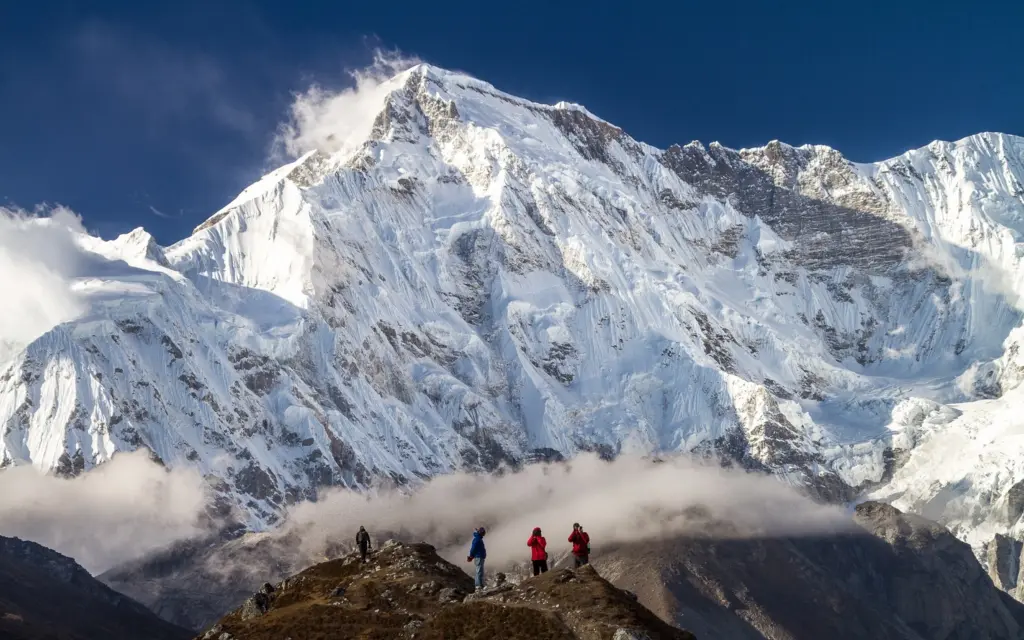
    3. Must-Have Gear: A four-season sleeping bag rated for sub-zero temperatures, trekking poles to reduce knee strain, and a headlamp for early mornings or evenings in teahouses.
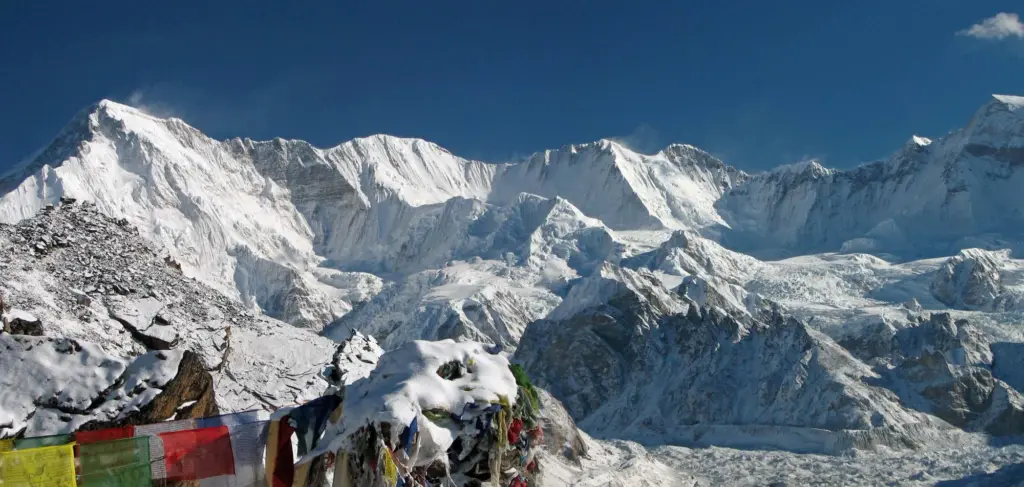
    Understanding and Preventing Altitude Sickness (AMS)

    Altitude affects everyone differently, regardless of age or fitness level making awareness essential for safe trekking holidays in Nepal.
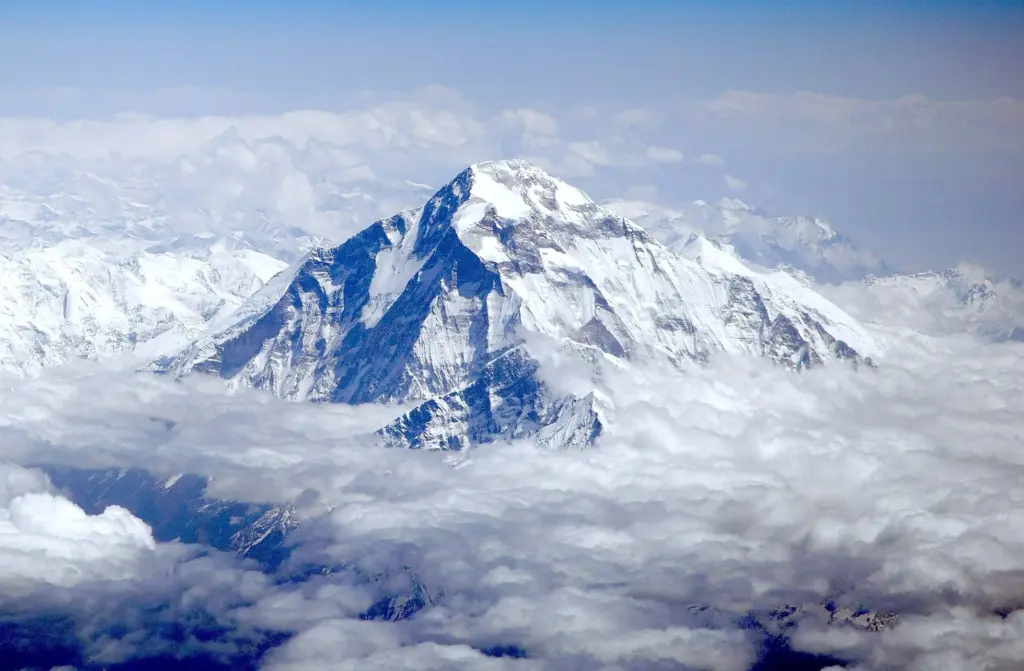
    1. The 500-Meter Guideline: Once above high altitude, avoid increasing your sleeping elevation by more than 300–500 meters per day.
    2. Early Warning Signs: Common symptoms of Acute Mountain Sickness (AMS) include headaches, nausea, loss of appetite, and disturbed sleep. If symptoms appear, pause and rest. If they intensify, descending is the safest option.
    3. Prevention Tips: Stay well hydrated by drinking 3–4 liters of water daily, avoid alcohol, and follow the “climb high, sleep low” approach whenever possible.

    Permits, Guides & Insurance: 2026 Updates

    Recent changes in Nepal’s trekking regulations focus on safety, sustainability, and local support, important factors to plan for in advance.

    1. Licensed Guides Required: As of 2026, most foreign trekkers must be accompanied by a registered, licensed guide. This improves safety, supports local employment, and ensures professional assistance in emergencies.
    2. Updated Permit System: The traditional TIMS card has largely been replaced. Trekkers now generally need a Local Municipality Permit (such as Khumbu Pasang Lhamu for Everest) along with a National Park or Conservation Area Permit (ACAP or Sagarmatha). Permit fees typically range between $20 and $30 each.
    3. Comprehensive Travel Insurance: Insurance is mandatory and non-negotiable. Your policy must cover trekking up to 6,000 meters and include emergency helicopter evacuation. Many standard travel policies stop coverage at 3,000 meters, so always verify the details carefully.

    Proper preparation transforms trekking holidays from a physical challenge into a deeply rewarding experience. With the right training, equipment, and planning, the Himalayas become demanding, but entirely achievable.

    Guided vs Independent Trekking Holidays in Nepal

    A group of people trekking manaslu circuit trek

    Trekking in Nepal has changed significantly over the past few years. By 2026, the romantic idea of the completely independent “lone trekker” has largely given way to a more structured approach best described as supported independence. While the Himalayan trails remain just as breathtaking, regulations around who can trek, and under what conditions are now much stricter.

    Below is a clear breakdown of guided versus independent trekking holidays in Nepal as they stand today.

    The 2026 Reality: Can You Still Trek Solo in Nepal?

    Before comparing options, it’s essential to understand the legal framework. Since 2023, and firmly enforced through 2026, foreign trekkers are required to be accompanied by a licensed guide in most National Parks and Conservation Areas, including Annapurna, Langtang, and Manaslu.

    1. What “Independent” Now Means: For travelers who value flexibility, independent trekking typically means hiring a private guide, rather than trekking entirely alone or joining a large group.
    2. The Everest Region Exception: The Khumbu (Everest) region sometimes operates under local regulations, but the broader trend in 2026 is clear, no guide, no permit. Digital tracking systems at checkpoints increasingly enforce this rule.

    Advantages of Guided Trekking Holidays in Nepal

    In today’s landscape, choosing a guided trekking holiday is about far more than convenience, it’s about legality, safety, and deeper access to the region.

    1. Permits & Legal Compliance: Trekking agencies handle all required permits. In many regions, the old TIMS card has been replaced by digital permits issued only through registered agencies.
    2. Safety & Altitude Monitoring: Licensed guides are trained to recognize early symptoms of Acute Mountain Sickness (AMS). They often carry oximeters and are authorized to arrange helicopter evacuations, something extremely difficult for solo trekkers to manage independently.
    3. Cultural Insight: A guide adds depth to the journey. What might look like a simple stone wall becomes a sacred mani wall, rich with Buddhist meaning. Guides help bridge cultural gaps with Sherpa, Gurung, Tamang, and other local communities.
    4. Accommodation Advantage: During peak trekking seasons, teahouses frequently prioritize guides they know well, meaning better rooms and smoother logistics for guided trekkers.

    When “Independent” Trekking Still Makes Sense

    For experienced trekkers who value autonomy, independent trekking in Nepal now works best as a private guided experience, you gain freedom without sacrificing safety or legality.

    1. Flexible Daily Pace: With a private guide, you’re not tied to group schedules. You can linger for photography, rest longer, or walk farther when energy allows.
    2. Less-Touristed Routes: Fully unguided trekking is now generally limited to low-altitude, non-protected areas, such as certain community trails near Kathmandu that fall outside national park boundaries.
    3. Budget Awareness: While you can choose simpler teahouses and meals, you’ll still need to cover your guide’s daily fee, typically around USD 30–45 per day, depending on region and experience.

    Comparison: Safety, Navigation, and Support

    Feature Guided/Group Trek Independent (with Private Guide)
    Safety High. Constant monitoring and established evacuation protocols High. One-on-one attention; the guide focuses solely on your health.
    Navigation Zero effort. You just follow the leader. Collaborative. You choose the route; the guide ensures you don’t miss a turn.
    Local Support Seamless. Logistics, food, and beds are pre-arranged. High effort. You (or your guide) must negotiate for beds on arrival.
    Social Aspect High. You’ll have a built-in “trekking family.” Low/Intimate. Better for deep reflection or bonding with a partner
    Permit Ease Handled entirely by the agency. Requires agency registration for the permit to be valid.

    The Final Verdict

    For most travelers in 2026, guided trekking holidays in Nepal, whether in a group or with a private guide, are the only legal and responsible way to explore the high Himalayas. While the era of true solo trekking has mostly passed, the rise of supported independent trekking offers a practical and rewarding alternative.

    You retain flexibility and personal space, while gaining local expertise, safety support, and a trusted companion who helps ensure that your Himalayan adventure ends exactly as it should, with safe memories and a journey home.

    Trekking Costs in Nepal (2026): What to Expect Each Day

    Beautiful sunset view on the mountain

    By 2026, trekking holidays in Nepal have become more structured, with guided travel now the norm across most major trails. While trekking remains affordable for different travel styles, many first-time visitors underestimate the small daily expenses that quietly add up. Knowing these costs in advance is the key to a smooth and worry-free trekking experience.

    Typical Daily Expenses on a Nepal Trek

    When budgeting for a trekking holiday in Nepal, it helps to break daily spending into four core categories. On average, trekkers spend $40 to $80 per day, depending on altitude, comfort level, and support services.

    1. Accommodation and Lodging

    Teahouse accommodation remains inexpensive by global standards. A basic twin-share room usually costs $5 to $15 per night. In lower-altitude villages, rooms can be as cheap as $3, while high-altitude settlements such as Gorak Shep may charge up to $20 due to supply challenges.

    Most teahouses keep room prices low with the expectation that guests eat their meals on-site. Choosing to dine elsewhere often results in an added “room surcharge” of around $10 or more.

    2. Meals and Drinking Water 

    Food is typically the largest daily expense on trekking routes. Expect to spend $25 to $45 per day on meals. At trailheads, dishes cost around $5–$7, while at higher elevations prices can exceed $12 as supplies must be transported by air or mule.

    Bottled water costs $1 to $4 per liter, increasing with altitude. To cut costs and reduce plastic waste, many trekkers invest about $15 in water purification tablets or a filtered bottle, allowing access to free drinking water throughout the trek.

    3. Guide and Porter Costs

    Under updated 2026 regulations, hiring a licensed guide is standard practice. Guide fees typically range from $25 to $40 per day, covering wages, meals, accommodation, and insurance.

    For lighter trekking, porters can be hired for $20 to $25 per day, carrying up to 20kg. Two trekkers often share one porter. A popular middle option is a porter-guide, costing around $30 per day, who assists with navigation while carrying a lighter load.

    4. Extras and Daily Comforts

    Small comforts in the mountains come at a price. Budget $5 to $15 per day for extras such as:

    • Hot showers: $3–$7
    • Device charging: $2–$5 per item
    • Wi-Fi cards (Everest Link): $10 per day or $20 for a data package

    Mobile signals are generally free but unreliable above 3,000 meters.

    Budget vs Luxury Trekking Holidays in Nepal

    One of Nepal’s biggest advantages is that travelers with very different budgets can walk the same trails, yet enjoy completely different experiences.

    Budget Trekking Holidays ($800–$1,200 total)

    • Accommodation: Simple teahouses with shared bathrooms
    • Transport: Local buses or shared jeeps
    • Meals: Mostly Dal Bhat (best value with free refills)
    • Support: Shared guide, no porter

    Mid-Range Trekking ($1,400–$2,200 total)

    • Accommodation: Best available teahouses, often with private bathrooms at lower altitudes
    • Transport: Domestic flights such as Kathmandu–Lukla
    • Meals: Greater variety including pasta, pizza, and bakery items
    • Support: Experienced English-speaking guide and one porter per two trekkers

    Luxury Trekking Holidays ($3,500–$6,000+)

    • Accommodation: Premium lodges like Yeti Mountain Home or Everest Summit Lodges
    • Transport: Private helicopter transfers
    • Meals: Gourmet dining with espresso coffee
    • Support: Private guide team, assistant guides, and personal porters

    What Trekking Packages Usually Include (and Don’t)

    If you book a full-board trekking package in Nepal, reviewing the inclusions is essential.

    Common Inclusions:

    • Permits: National park and local fees ($50–$70)
    • Staff Costs: Guide and porter wages, insurance, and equipment
    • Accommodation: Teahouses on the trail plus 2–3 nights in Kathmandu
    • Meals: Breakfast, lunch, and dinner during the trek

    Common Exclusions (Hidden Costs):

    • Nepal Tourist Visa: $50 for 30 days
    • Travel Insurance: Must cover high-altitude trekking and helicopter evacuation (up to 6,000m)
    • Tips: Typically 10–15% of total trek cost
    • Wi-Fi & Charging: $20 for data cards, $3–$5 per charge
    • Drinking Water: Bottled water costs add up quickly without purification tools

    Responsible & Sustainable Trekking Holidays

    By 2026, Nepal has firmly embraced a high-value, low-impact tourism model. Responsible trekking is no longer optional, it is built directly into trekking permits and national regulations. As a traveler, your choices play a real role in protecting the Himalayas while still enjoying a meaningful and authentic trekking holiday.

    Here’s how you can trek responsibly in Nepal and leave a positive footprint behind.

    Honoring Local Culture and Mountain Traditions

    The Himalayan trails are far more than hiking routes. They pass through sacred landscapes and living communities shaped by centuries-old traditions. Many newer trekking routes now emphasize community-based tourism, making cultural respect an essential part of the experience.

    • Walk the Sacred Way: When passing Mani walls, chortens, or stupas, always keep them on your left side (clockwise). This is a long-standing Buddhist practice observed throughout the mountains.
    • Use the Right Hand: In Nepali culture, the right hand symbolizes respect. Use it, or both hands together, when offering or receiving money, food, or gifts.
    • Dress Respectfully: Trekking is active, but villages remain conservative. Covering shoulders and knees, especially near monasteries and homes, shows cultural awareness.
    • A Simple “Namaste” Goes Far: Greeting locals with “Namaste” and pressed palms is more than politeness, it reflects mutual respect and human connection.

    Environmental Responsibility: Leaving No Trace in the Himalayas

    With the introduction of the Green Fee in 2026 (an added NPR 1,000 to several conservation permits), Nepal has strengthened its commitment to protecting fragile mountain ecosystems.

    • Say No to Single-Use Plastic: Plastic bottles are now restricted or banned in popular trekking regions like Everest and Annapurna. Carry a reusable water bottle with a built-in filter or purification tablets.
    • Stay on Marked Trails: Avoid stepping off the path or taking shortcuts around muddy sections. This practice, known as trail braiding, causes erosion and damages alpine plants that take decades to regenerate.
    • Carry Your Waste Out: Recycling options are limited at high altitudes. Bring a small waste pouch and carry non-biodegradable trash back to Pokhara or Kathmandu.
    • Use Energy Thoughtfully: Most teahouses rely on solar or micro-hydro power. Turn off lights when not needed, opt for short bucket showers, and avoid ordering meat at high elevations, where transport requires extra fuel and resources.

    Supporting Local Guides and Mountain Communities

    The mandatory guide regulation introduced in 2026 aims to ensure trekking tourism directly benefits local people and improves safety across the trails.

    • Hire Ethically: Booking a licensed guide or porter through a registered agency ensures fair wages, insurance coverage, and safe working conditions. Porter weight limits are now strictly enforced, typically capped at 20–25kg, pack responsibly.
    • Eat Local Food: Choosing traditional meals like Dal Bhat supports local farmers and minimizes environmental impact. It’s also one of the most nutritious and energy-rich options for trekking.
    • Buy Direct from Villages: Purchase handicrafts, wool products, tea, or souvenirs directly from local artisans along the trail. This keeps income within the community instead of tourist hubs.
    • Tip with Appreciation: While guides receive regulated wages, tipping remains an important part of their income. A fair guideline is 10–15% of your total trek cost, given at the end of the journey.

    Trekking Holidays in Nepal: More Than a Trip, a Life Experience

    Choosing a trekking holiday in Nepal is far more than booking an adventure, it’s a journey to the heart of the Himalayas. In 2026, better trail systems, increasingly comfortable teahouses, and a strong focus on cultural preservation have elevated Nepal as the world’s premier destination for trekkers seeking both adventure and inner clarity.

    Whether you come for the peaks or the people, Nepal offers an experience that stays with you long after the trek ends.

    Why Nepal Remains the World’s Top Trekking Destination

    Nepal stands apart because it blends dramatic landscapes with living traditions. Few places on Earth allow you to walk through lush rhododendron forests in the morning and gaze at towering 8,000-meter Himalayan giants by evening.

    What truly sets Nepal apart is its teahouse trekking culture. This unique system lets you explore remote mountain regions without camping gear, while still enjoying warm meals, local hospitality, and a safe place to rest each night. It creates the perfect balance between raw wilderness and human connection, something no other trekking destination offers at this scale.

    The key to an unforgettable Himalayan journey is selecting a trek that matches your time, fitness level, and travel style.

    • Limited time? Short treks like Poon Hill or Mardi Himal (4–6 days) deliver spectacular Annapurna views without a long commitment.
    • Ready for a challenge? Classic routes such as Everest Base Camp or the Annapurna Circuit (12–18 days) offer iconic scenery, high passes, and deep cultural immersion.
    • Looking for quiet trails? Remote adventures like Upper Dolpo or the Manaslu Circuit take you far from crowds and closer to ancient Himalayan lifestyles.
    • A Trek That Changes You
      As Sir Edmund Hillary famously said, “It is not the mountain we conquer, but ourselves.” Trekking in Nepal is as much an inner journey as a physical one. Each step, whether gentle or demanding, offers space for reflection, resilience, and renewal.

    You may come for the mountains, but you’ll return with memories of kind strangers, peaceful moments above the clouds, and a deeper understanding of your own strength.

    FAQs About Trekking Holidays in Nepal

    When is the best time for trekking holidays in Nepal?

    The best time is Autumn (September–November) for clear skies and stable weather, and Spring (March–May) for blooming rhododendrons and longer trekking days.

    Do I need a guide to trek in Nepal?

    Yes. As of 2026, most treks in National Parks and Conservation Areas require a licensed guide for safety, permits, and cultural guidance.

    What permits are required for trekking in Nepal?

    You typically need a National Park or Conservation Area permit and a local municipality permit, costing between $20–$30 per region.

    How fit do I need to be for trekking in Nepal?

    Trek difficulty ranges from easy to strenuous. Prepare with cardio, leg exercises, and endurance hikes. Expect 4–8 hours of trekking per day.

    What accommodation is available on Nepal treks?

    Most trekkers stay in teahouses offering twin rooms and meals. Luxury lodges with hot showers, heated rooms, and Wi-Fi are available in popular areas.

    What should I pack for a Himalayan trek?

    Bring layered clothing, broken-in trekking boots, wool socks, a 4-season sleeping bag, trekking poles, and a headlamp. Layering helps with fluctuating temperatures.

    How much does trekking in Nepal cost?

    Daily costs range from $40–$80. Full trek costs vary: Budget ($800–$1,200), Mid-range ($1,400–$2,200), Luxury ($3,500–$6,000+).

    Can I trek independently in Nepal?

    Solo trekking in protected areas is largely not allowed in 2026. You can opt for supported independent trekking with a private guide or explore low-altitude community-managed trails.

    How can I prevent altitude sickness?

    Follow the “climb high, sleep low” rule, stay hydrated, avoid alcohol, and acclimatize gradually. Guides monitor symptoms like headache, nausea, and insomnia.

    How do I trek responsibly in Nepal?

    Respect local culture, stay on marked trails, reduce waste, use reusable bottles, hire licensed guides, support local businesses, and tip 10–15% of your trek cost.

    Are meals included in trekking packages?

    Most full-board packages cover breakfast, lunch, and dinner, but snacks, specialty meals, and drinks may cost extra.

    Is Wi-Fi available on the trails?

    Yes, most teahouses offer Free Wi-Fi and solar-powered charging, though speeds slow above 3,000–4,000 meters.

  • Manaslu Circuit vs Annapurna Circuit: Which Trek Should You Choose?

    Manaslu Circuit vs Annapurna Circuit: Which Trek Should You Choose?

    Trying to decide between the Manaslu Circuit Trek and Annapurna Circuit Trek?

    Both are classic high-altitude treks in Nepal, and both take you through dramatic changes in landscape, culture, and altitude. But they offer very different experiences once you get beyond the shared Himalayan scenery.

    The Manaslu Circuit is more remote, quieter, and culturally immersive, with fewer facilities and stricter trekking regulations. The Annapurna Circuit is more accessible, has better-developed infrastructure, offers greater flexibility, and passes through an exceptionally diverse range of landscapes.

    So, which is better?

    Choose Manaslu if you want a quieter, more remote and adventurous trekking experience. Choose Annapurna if you want greater comfort, flexibility, infrastructure, and landscape variety.

    Neither is universally better. The right choice depends on your experience, budget, available time, and the type of trekking experience you want.

    Manaslu Circuit vs Annapurna Circuit: Quick Comparison

    FeatureManaslu CircuitAnnapurna Circuit
    Overall experienceRemote and adventurousAccessible and varied
    Typical durationAround 14–18 daysAround 12–15 days, depending on route
    Highest pointLarkya La – 5,106 mThorong La – 5,416 m
    DifficultyModerate to challengingModerate to challenging
    CrowdsLowerHigher, especially in peak season
    InfrastructureBasic to moderateWell developed
    AccommodationSimple teahousesWider range of teahouses and lodges
    Cultural characterStrong Tibetan-influenced cultureDiverse Hindu and Buddhist communities
    Road accessLimitedSignificant in some sections
    CostGenerally higherGenerally lower
    Trekking regulationsMore restrictedMore flexible
    Best forExperienced trekkers and solitude seekersFirst-time circuit trekkers and those wanting flexibility
    Best seasonsSpring and autumnSpring and autumn

    The biggest difference is simple:

    Manaslu prioritizes remoteness and adventure. Annapurna prioritizes accessibility and variety.

    What Is the Difference Between Manaslu and Annapurna Circuit?

    Both are long-distance Himalayan circuit treks, but they differ considerably in how you experience the mountains.

    The Manaslu Circuit Trek circles Mount Manaslu, the eighth-highest mountain in the world, and travels through the Budhi Gandaki Valley toward the Larkya La Pass. The route passes through remote mountain communities with strong Tibetan cultural influences.

    The Annapurna Circuit Trek circles the Annapurna massif and crosses Thorong La Pass. The route travels through subtropical valleys, forests, high-altitude landscapes, and the rain-shadow region around Manang and Mustang.

    The two routes also differ in accessibility. Manaslu remains a more regulated and remote trek, while Annapurna has more roads, transportation options, accommodation choices, and tourism infrastructure.

    That difference affects almost everything else: cost, comfort, crowds, flexibility, and the overall feel of the trek.

    Manaslu Circuit vs Annapurna Circuit: Route, Distance and Altitude

    Manaslu Circuit Route

    The Manaslu Circuit generally begins around the lower Budhi Gandaki Valley and gradually climbs through villages such as Jagat, Namrung, Lho, Samagaun and Samdo before crossing Larkya La Pass at 5,106 m.

    The route is roughly 177–180 km, although the actual walking distance varies depending on the itinerary and transportation used.

    The gradual change from river valleys to high alpine terrain is one of the strongest features of the trek.

    Annapurna Circuit Route

    The Annapurna Circuit has changed significantly because of road development.

    The original circuit was considerably longer, but modern itineraries often combine walking with road transportation on selected lower sections. Many trekkers now focus their walking days on the more scenic and higher sections.

    The highest point is Thorong La Pass at 5,416 m, making it higher than Larkya La on the Manaslu Circuit.

    The route then descends toward Muktinath and the Kali Gandaki Valley, creating a dramatic change from the high mountain environment.

    Which Has the Higher Pass?

    Annapurna Circuit has the higher main pass.

    • Larkya La: 5,106 m
    • Thorong La: 5,416 m

    However, a higher pass does not automatically make one trek harder overall. Difficulty also depends on acclimatization, daily elevation gain, terrain, weather, walking distance, and how comfortable you are with remote trekking.

    Which Is More Difficult: Manaslu or Annapurna Circuit?

    This is one of the most important differences between the two.

    Manaslu Circuit Difficulty

    Manaslu is generally the more demanding trek from an overall trekking-experience perspective.

    The challenge comes from a combination of:

    • Remote terrain
    • Fewer facilities
    • Longer and more rugged sections
    • High altitude
    • The Larkya La crossing
    • Fewer easy exit options
    • More basic accommodation in some areas

    You need to be comfortable with long trekking days and changing conditions.

    Annapurna Circuit Difficulty

    Annapurna is also a serious high-altitude trek, particularly because of the 5,416 m Thorong La Pass.

    However, the route has a more developed trekking infrastructure. Roads and settlements provide more flexibility, while the availability of lodges and transportation can make logistics easier.

    The altitude should not be underestimated simply because the infrastructure is better.

    Which Is Harder?

    If you are comparing the overall trekking experience, Manaslu is generally the more demanding choice because of its remoteness and limited infrastructure.

    If you are comparing the highest pass, Annapurna is higher.

    So the better question isn’t simply “Which has a higher pass?” but:

    Which type of difficulty are you comfortable with?

    Choose Manaslu if you are comfortable with remoteness and basic conditions.

    Choose Annapurna if you want a challenging high-altitude trek with more logistical flexibility.

    Manaslu vs Annapurna: Which Has Better Mountain Views?

    This comes down to the type of scenery you prefer.

    Manaslu: Dramatic and Close-Up

    The Manaslu Circuit offers powerful mountain scenery throughout the upper section.

    You get views of:

    • Mount Manaslu
    • Himalchuli
    • Ngadi Chuli
    • Ganesh Himal
    • Other surrounding Himalayan peaks

    The landscape feels enclosed and dramatic, particularly around the upper Budhi Gandaki Valley.

    The combination of glaciers, steep valleys, monasteries and high mountain villages gives Manaslu a strong wilderness character.

    Annapurna: Greater Landscape Variety

    Annapurna offers a wider variety of landscapes.

    The trek can take you through:

    • Green subtropical valleys
    • Forests
    • Alpine meadows
    • High mountain terrain
    • The Manang valley
    • Thorong La
    • The dry landscapes of Mustang
    • The Kali Gandaki Valley

    You also encounter major peaks and ranges including Annapurna, Dhaulagiri and Machhapuchhre.

    Which Has Better Scenery?

    Choose Manaslu for dramatic, remote Himalayan scenery.

    Choose Annapurna for greater landscape and ecological diversity.

    There is no clear winner here.

    Manaslu vs Annapurna: Which Has the Better Cultural Experience?

    Both offer strong cultural experiences, but they are different.

    Manaslu: Tibetan-Influenced Mountain Culture

    The upper Manaslu region has a strong Tibetan Buddhist influence.

    Villages such as Lho, Samagaun and Samdo feature:

    • Buddhist monasteries
    • Mani walls
    • Prayer wheels
    • Prayer flags
    • Traditional mountain homes
    • Tibetan-influenced traditions

    Because tourism is more limited, the cultural environment can feel quieter and less commercial.

    For trekkers who are particularly interested in Himalayan Buddhist culture and traditional mountain communities, Manaslu has a major advantage.

    Annapurna: Cultural Diversity

    Annapurna offers a broader mix of communities and traditions.

    As the route changes elevation and geography, trekkers encounter different ethnic groups and cultural environments, including communities influenced by both Hindu and Buddhist traditions.

    The route also passes through culturally significant locations such as Muktinath, an important pilgrimage destination for both Hindus and Buddhists.

    Which Is Better for Culture?

    Manaslu is the stronger choice for a quieter Tibetan-influenced cultural experience.

    Annapurna is better if you want greater cultural and ethnic diversity along the route.

    Which Trek Is Less Crowded?

    Manaslu Circuit is less crowded than Annapurna Circuit.

    This is one of the clearest differences between the two routes.

    Manaslu’s restricted status, permit requirements, and limited infrastructure naturally limit the number of trekkers.

    Annapurna is one of Nepal’s most established and popular trekking regions. During peak seasons, particularly October and November, the trail can be much busier.

    That doesn’t necessarily mean Annapurna is unpleasant. Some trekkers actually enjoy the social atmosphere.

    Choose Manaslu if you want:

    • Quieter trails
    • Fewer trekking groups
    • More solitude
    • A stronger wilderness feeling

    Choose Annapurna if you enjoy:

    • Meeting other trekkers
    • Busy teahouses
    • More developed villages
    • A social trekking atmosphere

    Manaslu vs Annapurna: Which Is More Comfortable?

    This is where Annapurna has a clear advantage.

    Manaslu Accommodation

    Accommodation on Manaslu is generally simpler, particularly as you move into the higher and more remote sections.

    You should expect:

    • Basic teahouses
    • Simpler rooms
    • Fewer facilities
    • Limited connectivity
    • More basic food choices in some villages

    That is part of the appeal for many trekkers.

    Annapurna Accommodation

    Annapurna has a much more developed trekking infrastructure.

    Depending on the village and route, you can find:

    • Comfortable teahouses
    • Private rooms
    • Hot showers
    • Wi-Fi
    • Cafés and bakeries
    • More varied food
    • Better access to supplies

    This makes Annapurna a more comfortable option for trekkers who don’t want to sacrifice too many modern conveniences.

    Which Trek Is Cheaper: Manaslu or Annapurna?

    In general, Annapurna Circuit is cheaper than Manaslu Circuit, particularly because Manaslu has higher permit and logistical requirements.

    Why Manaslu Costs More

    The Manaslu Circuit is a restricted-area trek, so trekkers have additional permit and guide-related costs.

    The limited infrastructure can also make logistics more expensive. For full cost breakdown, click this link.

    Why Annapurna Can Be Cheaper

    Annapurna has:

    • More accommodation options
    • Greater competition between lodges
    • Easier transportation
    • More flexible itineraries
    • Lower restricted-area permit costs

    Your final cost still depends on your itinerary, guide, porter, transportation, accommodation and food choices.

    So rather than asking only “Which trek has the lower package price?”, compare what is actually included.

    Recommended Read: Annapurna circuit Trek Cost

    Permits and Guide Requirements

    The permit system is another major difference between the two treks.

    Manaslu Circuit

    Manaslu is a restricted trekking region. Trekkers need the appropriate restricted-area permit in addition to conservation-area permits.

    The route also requires trekking through an organized setup with a licensed guide and the required group arrangement.

    This makes independent trekking more restricted than on standard trekking routes.

    Annapurna Circuit

    Annapurna requires the appropriate conservation-area and trekking documentation.

    The route is more flexible from a logistical perspective, although current guide and permit regulations should always be checked before your trip because Nepal’s trekking requirements can change.

    Which Has Easier Permits?

    Annapurna is simpler.

    Manaslu has more regulatory requirements because of its restricted-area status.

    Which Has Better Road Access?

    This is where the title of the old article was focusing too heavily.

    The answer is:

    Manaslu has less road influence. Annapurna has considerably more road access.

    Some sections of the Annapurna Circuit now have road access, which means modern itineraries can use jeeps to shorten certain sections.

    For some trekkers, this is a disadvantage because vehicles reduce the sense of wilderness.

    For others, it is a major advantage because road access provides:

    • More flexibility
    • Easier transportation
    • More exit options
    • Easier logistics
    • More options when weather or health becomes an issue

    Manaslu offers a more continuous trekking experience, but that also means fewer easy alternatives when plans change.

    Best Time: Manaslu Circuit vs Annapurna Circuit

    Both circuits are generally best during spring and autumn.

    Spring: March to May

    Spring brings warmer conditions, blooming rhododendrons and generally good trekking conditions.

    It is an excellent period for both routes.

    Autumn: September to November

    Autumn is particularly popular because of clearer skies and generally stable weather.

    October and November are among the most popular months for both circuits.

    Winter: December to February

    Winter brings colder conditions and possible snow at higher elevations.

    Manaslu can be particularly challenging because some high-altitude facilities may have limited seasonal availability.

    Annapurna may offer more flexibility, although Thorong La conditions still need to be considered carefully.

    Monsoon: June to August

    Both routes experience wet conditions during the monsoon.

    Rain can make trails slippery and affect visibility.

    Annapurna’s rain-shadow sections around Manang and Mustang can behave differently from the wetter lower valleys, but the overall route still requires careful seasonal planning.

    Which Trek Is Better for Beginners?

    For most first-time high-altitude trekkers, Annapurna Circuit is the more accessible option.

    That doesn’t mean it is easy.

    Thorong La is above 5,400 m, and altitude remains a serious concern.

    However, the better-developed infrastructure, more frequent settlements, transportation options and greater flexibility make Annapurna easier to manage for someone who is new to long Himalayan trekking.

    Choose Annapurna if:

    • This is your first major Himalayan circuit
    • You want more infrastructure
    • You prefer flexible itineraries
    • You want more accommodation choices
    • You are uncomfortable with remote trekking

    Choose Manaslu if:

    • You already have trekking experience
    • You are comfortable with basic facilities
    • You want fewer people
    • You enjoy remote environments
    • You want a stronger sense of adventure

    Manaslu or Annapurna: Which One Should You Choose?

    Still unsure?

    Use this simple decision guide.

    Choose Manaslu Circuit if you want:

    Remote adventure

    You want to get away from busy trekking routes and experience a quieter Himalayan environment.

    Solitude

    You prefer walking through quieter villages and trails rather than meeting large numbers of trekkers.

    Tibetan-influenced culture

    You are particularly interested in monasteries, Buddhist traditions and traditional Himalayan communities.

    A more rugged experience

    You don’t mind basic accommodation, fewer facilities and longer periods away from modern conveniences.

    Experienced trekking

    You already have experience with multi-day mountain trekking and understand the demands of high-altitude environments.

    Choose Annapurna Circuit if you want:

    Comfort

    You want better-developed lodges, more food choices, Wi-Fi and other conveniences.

    Landscape variety

    You want to experience forests, valleys, alpine terrain, high passes and the dry landscapes of Mustang in one trek.

    Flexibility

    You want more options to adjust your itinerary or use road transportation.

    A social trail

    You enjoy meeting other trekkers and having a more lively atmosphere in mountain villages.

    A first major circuit trek

    You want a challenging Himalayan trek without choosing one of Nepal’s more remote routes.

    Manaslu Circuit vs Annapurna Circuit: Final Verdict

    There is no single answer to “Manaslu or Annapurna Circuit?”

    The better trek depends on what you value.

    If your priority is…Better choice
    SolitudeManaslu
    Remote adventureManaslu
    Tibetan-influenced cultureManaslu
    Fewer crowdsManaslu
    Basic, authentic trekkingManaslu
    ComfortAnnapurna
    InfrastructureAnnapurna
    Landscape diversityAnnapurna
    FlexibilityAnnapurna
    Easier logisticsAnnapurna
    First major high-altitude circuitAnnapurna
    Lower overall trekking costAnnapurna

    In one sentence:

    Choose Manaslu for a quieter and more remote Himalayan adventure; choose Annapurna for a more accessible, comfortable and geographically diverse trekking experience.

    If you’re still undecided, think about what you want to remember most after the trek.

    If it is “I went somewhere remote and experienced a quieter side of the Himalayas,” choose Manaslu.

    If it is “I want to experience as much landscape, culture and trekking infrastructure as possible,” choose Annapurna.

    Frequently Asked Questions

    Is Manaslu Circuit harder than Annapurna Circuit?

    Manaslu is generally more demanding overall because of its remoteness, rugged terrain, simpler infrastructure and limited exit options. Annapurna has the higher pass, Thorong La at 5,416 m, so altitude remains a major challenge on both treks.

    Which is better, Manaslu Circuit or Annapurna Circuit?

    Neither is universally better. Manaslu is better for solitude, remote adventure and Tibetan-influenced culture, while Annapurna is better for infrastructure, flexibility, comfort and landscape diversity.

    Which trek is less crowded: Manaslu or Annapurna?

    The Manaslu Circuit is generally less crowded. Its restricted-area status and limited trekking infrastructure keep visitor numbers lower than on the popular Annapurna Circuit.

    Which trek is cheaper, Manaslu or Annapurna?

    The Annapurna Circuit is generally cheaper because Manaslu has additional restricted-area permits and more regulated trekking logistics. Your final cost will depend on the itinerary, guide, porter, transportation and accommodation you choose.

    Which trek has a higher altitude, Manaslu or Annapurna?

    The Annapurna Circuit reaches 5,416 m at Thorong La Pass, while the Manaslu Circuit crosses Larkya La Pass at 5,106 m.

    Is Annapurna Circuit easier than Manaslu?

    Generally, yes, when considering the overall trekking experience. Annapurna has more developed infrastructure, road access and accommodation options. However, crossing Thorong La remains physically demanding and requires proper acclimatization.

    Which trek is better for beginners?

    The Annapurna Circuit is generally the more accessible choice for first-time high-altitude trekkers because of its infrastructure and logistical flexibility. It should still be treated as a serious high-altitude trek.

    Which trek has better mountain views?

    Both have excellent mountain scenery. Manaslu provides dramatic, close-up Himalayan landscapes around Mount Manaslu, while Annapurna offers greater landscape diversity and views of the Annapurna and Dhaulagiri ranges.

    Can you combine Manaslu and Annapurna Circuit?

    Yes. Experienced trekkers can combine sections of the two routes, with the Manaslu Circuit connecting toward the Annapurna region around Dharapani. This creates a much longer trek and requires careful itinerary and permit planning.

    Which is better for solitude?

    Manaslu is the better choice if solitude is your priority. Annapurna is more popular and generally has a busier trail atmosphere, particularly during peak trekking seasons.

    Which is better in December?

    Both can be trekked in December with appropriate preparation, but winter conditions become increasingly important at high elevations. Manaslu is generally more demanding because of its remoteness and seasonal limitations, while Annapurna offers greater infrastructure and flexibility.

    What should I choose for 2026: Manaslu or Annapurna?

    For 2026, choose based on your preferred trekking experience rather than simply looking for the “best” trek. Manaslu is the better fit for experienced trekkers seeking remoteness and solitude; Annapurna is the better fit for trekkers who value comfort, flexibility and varied landscapes.