
Rara Lake feels a world away from Nepal’s better-known trekking routes. While most trekkers head toward the Everest and Annapurna regions, this remote lake in western Nepal offers something quieter: a deep blue lake at 2,990 meters, surrounded by pine, spruce, and juniper forests.
Getting to Rara takes more time and planning than many popular treks. The roads are longer, facilities are limited, and you will see far fewer trekkers along the way. But that is also what makes the journey worthwhile. Instead of busy trails and crowded teahouses, the Rara Lake Trek gives you time to experience the landscape at a much slower pace, with the lake and surrounding mountains as the main attraction.
Where Is Rara Lake and Why Trek It?
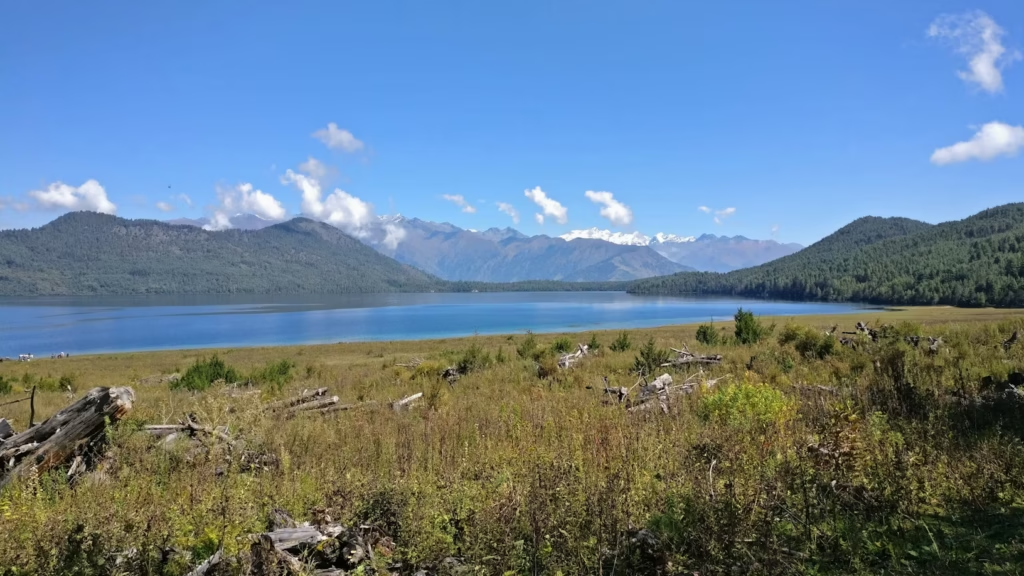
Rara Lake lies within Rara National Park in Mugu District, far northwest Nepal, at an elevation of 2,990 meters. It is Nepal’s largest and deepest freshwater lake, surrounded by alpine forest and the snow peaks of the Sisne and Kanjirowa ranges.
The trek is moderate in difficulty but remote in access. While the trail largely hugs the lake area, it does require a steep climb up to the Murma Top viewpoint at 3,630 meters, meaning you will cross the 3,500-meter threshold on your exploration days. For anyone who has found the popular trails too busy, this pristine high-altitude sanctuary is the perfect antidote
The appeal is solitude. You can walk for hours without crossing another foreign trekker. The lake changes color through the day, from steel grey at dawn to deep turquoise by midday, and the surrounding meadows fill with wildflowers in spring. For anyone who has found the popular trails too busy, this is the antidote.
If you are weighing this against the classic routes, our comparison of Annapurna vs Everest Base Camp shows just how different a low-traffic trek like Rara feels.
Best Time to Trek Rara Lake in 2026
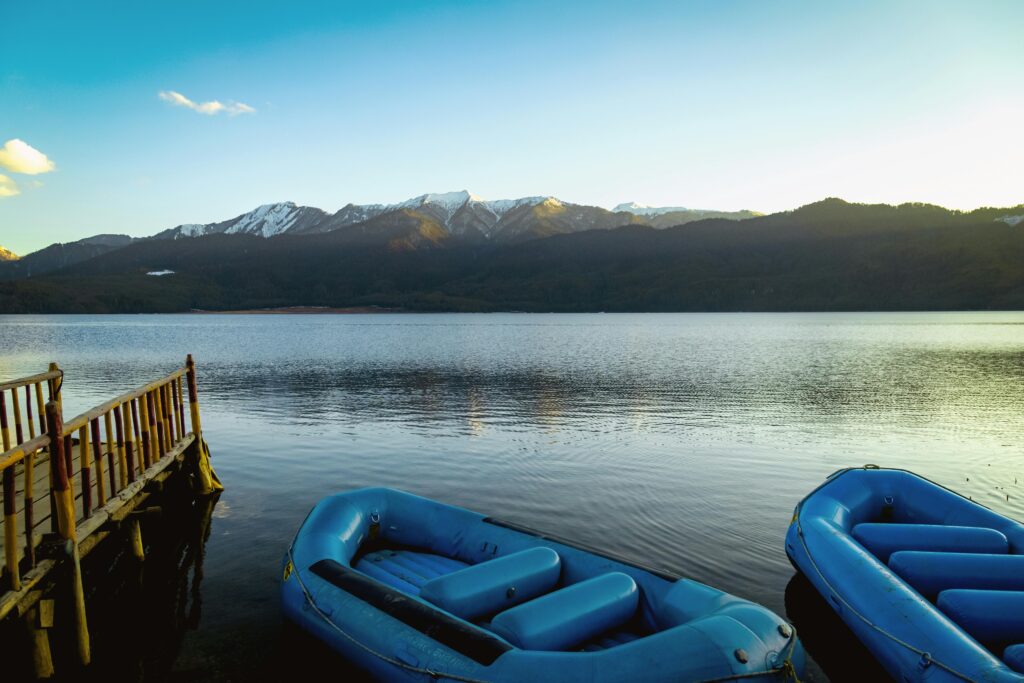
The two prime windows for Rara are spring (March to May) and autumn (September to November). Spring brings rhododendron blooms and wildflowers, while autumn delivers crisp, clear mountain views and stable weather. Winter is harsh with heavy snow, and the standard monsoon brings rain to the lower approaches.
Autumn is our overall favorite for the cleanest views and the most reliable flight schedules. Spring is gorgeous but slightly hazier. If you trek in winter, expect sub-zero nights and the possibility of snow blocking trails near the lake. For broader seasonal planning, see our overview of trekking in October.
| Season | Months | Conditions |
|---|---|---|
| Spring | March–May | Wildflowers, rhododendrons, mild haze |
| Autumn | September–November | Clearest skies, stable flights, cool nights |
| Winter | December–February | Snow, freezing nights, possible trail closures |
| Monsoon | June–August | Rain on lower trails, muddy approach |
Permits and Fees for the Rara Trek (2026)
The Rara trek requires the Rara National Park entry permit and a regional trekking management fee. Rara is not classified as a Restricted Area, so it does not require an expensive Restricted Area Permit, but park entry rules apply strictly at checkpoints inside Mugu District.
The Rara National Park entry fee for foreign nationals is NPR 3,000 (roughly $22 USD) per person. A discounted rate of NPR 1,500 applies exclusively to SAARC nationals, while Nepali citizens pay a nominal fee of NPR 100. You will also typically pay a local trekking management or municipality fee at the trailhead. Always verify current park rates with your operator before departure, as municipal fees occasionally adjust.
Additionally, under Nepal’s unified trekking system, a TIMS (Trekkers’ Information Management System) Card is mandatory for the Rara circuit. Because independent trekking is no longer permitted, your mandatory TIMS card and park permits must be officially issued and processed through your registered trekking agency before you depart Kathmandu.
On the visa front, your Nepal tourist visa on arrival costs $30 USD for 15 days, $50 USD for 30 days, and $125 USD for 90 days. Budget accordingly based on your full trip length.
Understanding Nepal’s Mandatory Guide Policy
Navigating a trek to Rara requires careful adherence to local regulations. In recent years, the Nepal Tourism Board implemented a major policy shift: solo trekking for foreign nationals is officially banned across all of Nepal’s national parks and mountain regions.
To visit Rara Lake, you are legally required to hire a licensed guide through a registered Nepalese trekking agency. This policy is strictly enforced at park checkpoints throughout Mugu District. While it adds an upfront cost, the rule ensures your safety in an area devoid of developed roads or easy medical infrastructure, while simultaneously supporting the local remote economy. Your licensed guide will handle the complex logistics of tracking down volatile domestic flight connections, dealing with trailhead municipality fees, and mapping out remote homestay availability.
Getting to Rara: Flights and Road Logistics

Reaching Rara involves a domestic flight from Kathmandu to Nepalgunj, then a second short flight to either Talcha Airport (closest to the lake) or Jumla. The most popular access is Kathmandu–Nepalgunj–Talcha, which puts you within a day’s walk of the lake. Flights are weather-dependent and seats are limited.
Because the Talcha and Jumla flights are small aircraft on tight schedules, delays are common. We always build 1–2 buffer days into Rara itineraries to absorb weather cancellations. Domestic flight pricing is genuinely volatile, so treat any figure as an estimate and verify live fares; the Kathmandu–Nepalgunj and Nepalgunj–Talcha legs together are a major part of your total cost.
An overland alternative exists via long jeep drives toward Jumla, but the roads are rough and time-consuming. For most travelers, flying is the practical choice.
The Overland Route: Driving the Rugged Karnali Highway
For travelers who prefer to keep their feet on the ground—or those who want to avoid the weather-dependent delays of small mountain planes—there is an epic overland alternative to flying. You can reach Rara Lake by driving, but it is an adventure reserved for the truly resilient.
The overland journey typically takes 3 to 4 days of intense driving each way from Kathmandu. The route follows the paved highways down to the southern plains of Surkhet before turning north onto the infamous Karnali Highway. From there, the road transitions into heavily unpaved, single-lane dirt tracks carved directly into steep valley cliffs. While bumpy and time-consuming, choosing a private 4WD jeep or local public buses offers an immersive look at rural Nepalese life, winding through deep river gorges and traditional villages that flights completely bypass.
Rara Lake Trek Itinerary (Talcha Route)
The classic Talcha-based Rara trek runs about 5 to 7 days on the trail, with total trip length of 9 to 11 days including Kathmandu logistics and buffer days. Daily walking ranges from 4 to 6 hours over forested ridges and pasture. The route primarily stays around the 3,000-meter mark, though the side trek to Murma Top peaks at 3,630 meters, keeping overall altitude risks relatively low but still requiring basic acclimatization awareness
| Day | Route | Duration / Notes |
|---|---|---|
| 1 | Kathmandu to Nepalgunj (flight) | 1 hour flight; overnight in Nepalgunj |
| 2 | Nepalgunj to Talcha, trek to Rara Lake area | Short flight + 3–4 hour walk |
| 3 | Explore Rara Lake & circuit walk | Full day around the lake (2,990 m) |
| 4 | Rara to Gamgadhi / Murma Village Viewpoint | 4–5 hour trek |
| 5 | Trek to Pina / Jhyari | 5–6 hour forest trail |
| 6 | Return trek to Talcha | 4 hour walk; overnight near the airstrip |
| 7 | Fly Talcha to Nepalgunj to Kathmandu | Two flights; buffer day if delayed |
The walk around the lake itself is the highlight. A full circuit of the shoreline and the climb to Murma Top deliver the postcard panoramas of the water framed by snow peaks. Keep your camera ready at dawn when the surface is glass-still.
Accommodation and Food on the Trail
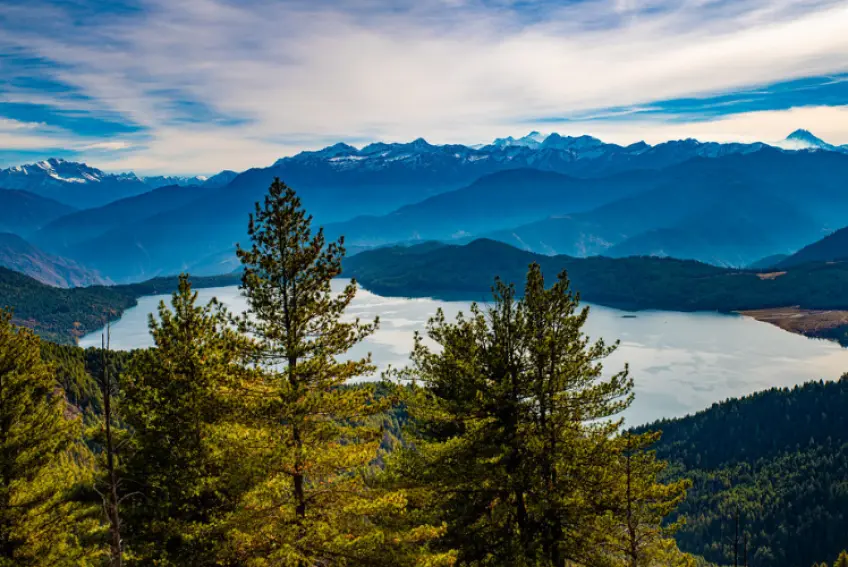
Lodging on the Rara trail is basic. Expect simple teahouses, homestays, and the national park guesthouse rather than the developed lodges of Annapurna. Rooms are spartan, and during peak weeks beds fill quickly, so carrying a quality sleeping bag is wise.
We recommend bringing a warm sleeping bag rated for cold nights, as heating is minimal and nights drop sharply. Food is simple and carbohydrate-based.
Stick to the classic Dal Bhat, which gives you steamed rice, lentil soup, and vegetable curry, usually with free refills and clean, reliable energy. Prioritize vegetarian meals on the trail; fresh local produce is your safest fuel in remote areas with no refrigeration. Our guide to teahouse food explains what to expect at meal times.
Cost Breakdown for the Rara Trek
A guided Rara Lake trek generally costs between $900 and $1,500 USD per person. The biggest variables are the two domestic flight segments, group size, and the number of buffer days. Independent budget trekking is possible but harder here due to remote logistics and limited services.
| Expense | Estimated Cost |
|---|---|
| Rara National Park Permit | NPR 3,000 (~$22 USD) |
| Domestic Flights (Kathmandu–Nepalgunj–Talcha Return) | Variable — verify live rates |
| Licensed Guide (Per Day) | Approximately $30–40 USD/day |
| Porter (Optional) | Approximately $20–30 USD/day |
| Teahouse / Homestay (Per Night) | NPR 800–2,000 (cash) |
| Meals (Per Day) | NPR 1,500–2,500 (cash) |
For a wider sense of trail spending across Nepal, our breakdown of trek amenities and costs and budget trekking tips will help you plan realistically.
Cash, Charging, and Connectivity
There are no reliable ATMs on the Rara trail. Withdraw all the Nepalese Rupees you will need in Kathmandu or Nepalgunj before flying in. Lodges, snacks, and every extra service accept cash only, and you cannot count on card payments anywhere in the region.
Expect common trail upcharges. Charging a phone or power bank, getting a gas-heated hot shower, or accessing localized Wi-Fi each typically costs an extra 200 to 700 NPR per use. For mobile coverage in this remote western zone, Nepal Telecom (NTC) generally performs better than other networks, though signal remains patchy near the lake.
Safety, Altitude, and Insurance
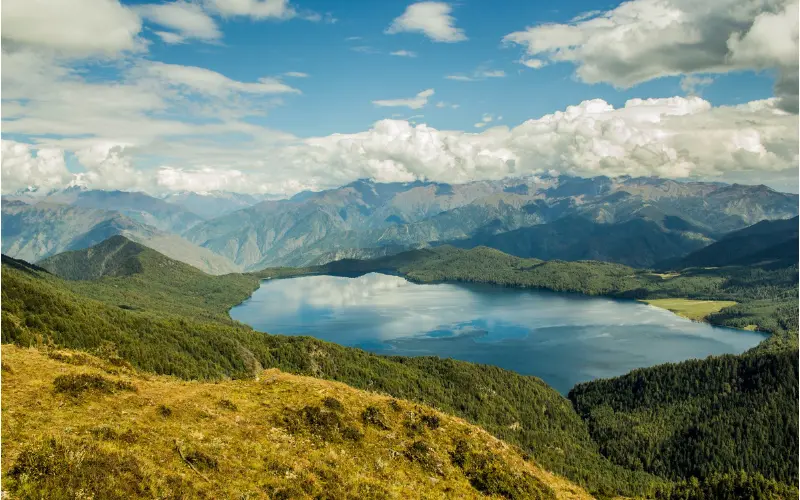
Rara is a moderate trek that stays below 3,500 meters, so serious altitude illness is uncommon. Still, you should ascend gradually and never increase your sleeping elevation by more than 300–500 meters per day once above 3,000 meters. Listen to your body and report headaches or nausea early.
Because the region is remote with no road rescue, comprehensive travel insurance covering high-altitude emergency helicopter evacuation and medical treatment is essential. Standard policies are not enough; confirm your plan explicitly covers mountain evacuation. Read our primer on altitude sickness before you go.
Carry reusable bottles with an active purification system such as a UV purifier, Sawyer filter, or chlorine dioxide drops. Please do not buy single-use plastic bottled water; the park’s pristine environment depends on trekkers keeping their footprint small.
Flora, Fauna, and Birdwatching: What to Spot in Rara
While the stunning lake takes center stage, Rara National Park is a highly biodiverse sanctuary that protects some of the Himalayas’ most elusive wildlife. The surrounding forests of blue pine, spruce, and juniper offer a rare ecosystem where patient trekkers can catch glimpses of wildlife completely undisturbed by large crowds.
The park is a crucial habitat for the endangered Red Panda, Musk Deer, Himalayan Black Bear, and the rare Leopard Cat. For birdwatchers, Rara is absolute paradise; over 270 species of birds migrate through or inhabit the area, including the colorful Danphe (Impeyan Pheasant, Nepal’s national bird, and various waterfowl that rest on the lake’s surface. Looking into the water, you might spot any of the three endemic species of Rara Snow Trout (Schizothorax), fish found nowhere else on planet Earth.
Cultural Etiquette in the Rara Region
The villages around Rara blend Hindu and Buddhist traditions, and respectful behavior matters. When you pass mani walls, chortens, or stupas, always walk clockwise, keeping the sacred structure on your right side. Remove your shoes and hat before entering any temple or monastery.
Outdoor photography is welcome, but never photograph inside a monastery prayer hall unless a resident monk gives you clear permission. A little courtesy goes a long way in communities that see few visitors.
At the end of your trek, tipping your crew is culturally expected and forms a vital part of their income. A standard range is 10% to 15% of your total trek cost, distributed among guides and porters. Our tipping guide for guides and porters covers the details.
What to Pack
Pack for cold nights and variable weather even in peak season. Layered clothing, a warm down jacket, a four-season sleeping bag, sturdy broken-in boots, and a reliable headlamp are non-negotiable. Because services are limited, bring spare batteries and a power bank.
You can rent down jackets and bags affordably in the capital; see our notes on trekking rental gear in Kathmandu. For a full checklist, our trek packing list covers everything from first aid to water treatment.
Frequently Asked Questions
-
How many days do I need for the Rara Lake trek?
Plan for 9 to 11 days total, including Kathmandu flights, 5 to 7 days of trekking, and 1 to 2 buffer days for weather delays on the small Talcha and Jumla flights.
-
Is the Rara Lake trek difficult?
It is a moderate trek with daily walks of 4 to 6 hours. While the physical terrain is manageable, the trek does peak at 3,630 meters when climbing to Murma Top, and the remote logistics present their own mental and travel challenges.
-
Do I need a Restricted Area Permit for Rara?
No, Rara is not a designated restricted area (unlike Upper Mustang or Manaslu). However, you legally require a mandatory TIMS Card and a Rara National Park Entry Permit (NPR 3,000 for foreigners), both of which must be processed by your registered agency.
-
Can I trek Rara Lake solo?
No, solo trekking for foreign nationals is legally banned in Nepal. You are required by law to hire a licensed guide through an authorized trekking agency to clear the checkpoints and secure your mandatory park permits and TIMS card.
-
Are there ATMs near Rara Lake?
No reliable ATMs exist on the trail. Carry all the Nepalese Rupees you need in cash from Kathmandu or Nepalgunj.
-
How do I get to Rara Lake from Kathmandu?
Fly Kathmandu to Nepalgunj, then take a second short flight to Talcha or Jumla. From Talcha you are within a few hours’ walk of the lake.
-
What is the best month to trek Rara?
October is ideal for the clearest skies and stable flights. April and May are excellent for wildflowers and rhododendron blooms.
-
Is there Wi-Fi at Rara Lake?
Connectivity is limited. Some lodges offer paid local Wi-Fi for 200 to 700 NPR, and NTC mobile signal is patchy near the lake. Treat the trek as a digital detox.
-
How cold does it get at Rara?
Nights drop near or below freezing even in spring and autumn, and winter brings deep snow. A four-season sleeping bag and warm layers are essential.
-
Is travel insurance with helicopter evacuation required?
It is strongly recommended. The region has no road rescue, so a policy covering high-altitude helicopter evacuation and medical treatment is critical for safety.
Leave a Reply