Blog

  • Best Time to Trek Upper Mustang: Complete Weather & Season Guide 2026

    Best Time to Trek Upper Mustang: Complete Weather & Season Guide 2026

    Introduction — Why Timing Matters for the Upper Mustang Trek

    Choosing the best time to trek Upper Mustang can make a significant difference to your experience. The region sits in the rain shadow of the Annapurna and Dhaulagiri mountain ranges, creating a climate that is considerably drier than much of Nepal. While heavy monsoon rainfall affects trekking areas such as Pokhara, the lower Annapurna region, and many trails in eastern Nepal, Upper Mustang can remain relatively dry during the same period.

    That unusual climate makes Upper Mustang different from many of Nepal’s classic trekking destinations. June to August, normally considered monsoon months in Nepal, can still be a practical trekking period in Upper Mustang. The dry, desert-like landscapes, high Himalayan surroundings, ancient villages, monasteries, and Tibetan-influenced culture make the region particularly appealing during a season when many other trekking routes experience frequent rain.

    However, “possible” does not always mean “best.” Weather conditions can vary considerably with altitude, wind, cloud cover, and the time of day. Upper Mustang is also a high-altitude, remote region, so travelers need to consider temperature changes, strong winds, trail conditions, accommodation availability, and transportation when choosing their travel dates.

    For most travelers, spring and autumn remain the most comfortable seasons, particularly if clear mountain views, pleasant daytime temperatures, and reliable trekking conditions are priorities. Spring and autumn are the best general trekking seasons in Nepal, and October and November generally offer some of the clearest skies after the monsoon.

    At the same time, travelers specifically looking for a monsoon trek in Nepal should not overlook Upper Mustang. Its rain-shadow geography is one of the region’s biggest advantages.

    What Makes Upper Mustang’s Climate Different from Other Nepal Treks

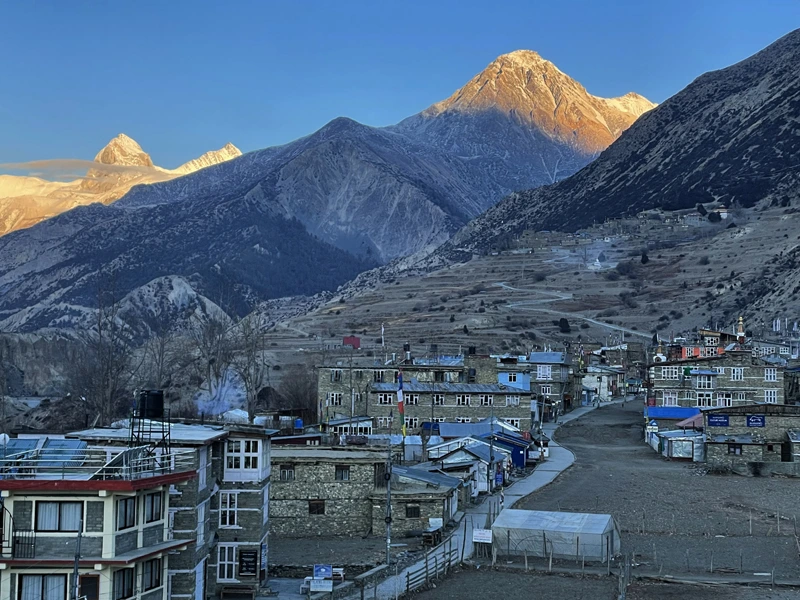
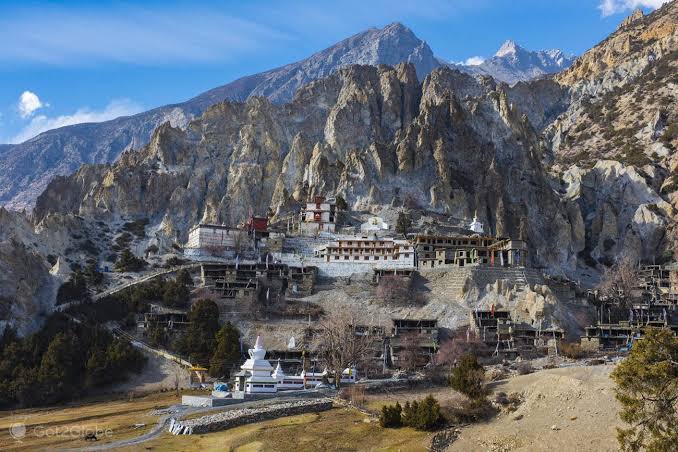
    Scenic view of Muktinath village and monastery complex against rugged mountain peaks in Mustang Nepal - best time to trek upper mustang

    Upper Mustang is geographically and climatically different from the lush, humid trekking environments found on the southern side of the Himalayas. The region lies on the northern, leeward side of the Annapurna range, where the mountains block much of the moisture carried inland by the South Asian monsoon.

    As moist air rises over the Himalayan mountains, much of its moisture is released as precipitation on the southern slopes. By the time the air reaches the Mustang region, considerably less moisture remains. This creates the rain-shadow effect responsible for Mustang’s dry, rugged environment.

    The difference is substantial. According to the Nepal Tourism Board, Nepal receives around 80% of its precipitation during the June–September monsoon, while Mustang receives less than 300 mm of average annual rainfall.

    This helps explain why Upper Mustang can look almost desert-like even while other parts of Nepal are green and receiving heavy rainfall.

    The landscape is one of the clearest signs of this climate. Instead of dense forests and thick vegetation, trekkers encounter eroded cliffs, barren hills, dry valleys, rocky trails, caves, traditional villages, and broad Himalayan landscapes. The terrain has a strong Tibetan Plateau character, which is one of the reasons Upper Mustang is often described as one of Nepal’s most distinctive trekking regions. Upper Mustang is geographically part of the Tibetan Plateau and highlights its unique mountain culture and landscape.

    But the rain shadow does not mean Upper Mustang has warm or easy weather throughout the year.

    Wind is an important part of the Mustang experience. The region can become particularly windy during the afternoon, and temperatures can fall quickly when the sun disappears behind clouds or mountains. Nights are considerably colder than daytime conditions, especially at higher elevations.

    Altitude is another factor. Lo Manthang sits at approximately 3,840 m (12,598 ft), and many trekking routes in Upper Mustang travel through similarly high terrain. At these elevations, travelers should be prepared for cold nights, intense sunlight during clear periods, dry air, and changing weather.

    This is why choosing the right season is about more than avoiding rain.

    It is about finding the right balance between temperature, wind, visibility, trail conditions, crowds, accommodation availability, and your personal trekking priorities.

    Quick Answer: Best Months to Trek Upper Mustang at a Glance

    If you want the short answer, March to May and September to November are generally the most favorable periods for an Upper Mustang trek, while June to August is an excellent alternative for travelers specifically looking for a dry monsoon destination. Winter is possible in principle but is generally less suitable because of cold temperatures, strong winds, snow, and reduced services.

    Here is a practical overview:

    Season Months Overall Conditions Best For
    Spring March–May Mild to warm days, increasingly favorable conditions First-time trekkers, scenery, culture
    Early Summer/Monsoon June–August Relatively dry because of the rain shadow, but windy conditions possible Monsoon trekking, photographers, fewer crowds
    Autumn September–November Generally dry, stable, and clear Best overall trekking experience
    Winter December–February Very cold, windy, possible snow and limited services Experienced trekkers seeking solitude

    For travelers who want the best combination of comfortable trekking conditions and clear Himalayan views, October and November are particularly strong choices. The clearest skies in Nepal are generally found after the monsoon, particularly during October and November.

    If avoiding crowds is more important than having the most predictable conditions, late spring or the monsoon period can be attractive alternatives. Upper Mustang receives substantially fewer visitors during some of these months than during the major autumn trekking period, while the rain-shadow geography means rain is generally much less of a concern than it is on Nepal’s wetter trekking routes.

    The Tiji Festival is another reason travelers may deliberately choose a particular period. The festival is held in Lo Manthang and is generally associated with May, although the exact dates vary according to the Tibetan lunar calendar. Nepal Tourism Board notes that many visitors travel to Lo Manthang specifically for the festival.

    So, rather than asking only “When is Upper Mustang open?”, a better question is:

    What kind of Upper Mustang experience do you want?

    If you want clear skies and comfortable trekking, choose autumn.

    If you want spring landscapes and cultural experiences, choose March to May.

    If you want to explore one of Nepal’s best monsoon trekking destinations, consider June to August.

    If your priority is solitude and a winter atmosphere, December to February may be possible with careful planning, but winter conditions should not be underestimated.

    Upper Mustang is a restricted trekking region, so seasonal planning should also include the necessary permits and logistics. Travelers entering restricted areas must obtain a special trekking permit through the Department of Immigration, and Upper Mustang is specifically listed as a restricted area.

    For that reason, your travel season, permit arrangements, transportation, accommodation, guide, and itinerary should be considered together rather than separately.

    Upper Mustang Weather Overview: The Rain Shadow Advantage

    Upper Mustang trek in the best season with mountain view

    The defining feature of Upper Mustang weather is its position behind the Himalayas.

    While the summer monsoon brings substantial rainfall to much of Nepal, the Upper Mustang region remains comparatively dry because it lies within the Himalayan rain shadow. As one of Nepal’s principal rain-shadow zones, Mustang offers conditions suitable for trekking even during the monsoon season.

    This is the main reason Upper Mustang has become famous as a monsoon trekking destination in Nepal.

    The rain-shadow effect also helps create the region’s distinctive appearance. The Upper Mustang landscape is dominated by dry valleys, exposed rock formations, cliffs, and barren hills rather than the dense green vegetation commonly associated with Nepal during the rainy season.

    However, travelers should avoid interpreting “dry” as “hot.”

    Upper Mustang is a high-altitude Himalayan region, and temperatures can vary significantly between daytime and nighttime. Clear sunny afternoons can feel surprisingly warm when you are walking in direct sunlight, while early mornings and evenings can be very cold.

    Temperatures in Nepal generally decrease by around 6°C for every 1,000 m increase in elevation, although actual conditions vary with location, weather, wind, and season.

    Why Upper Mustang Stays Dry During Monsoon (Rain Shadow Effect Explained)

    The monsoon arrives in Nepal carrying moisture from the south. When this moist air reaches the Himalayan mountain ranges, it is forced upward.

    As the air rises, it cools and releases moisture as rain or snow on the windward side of the mountains.

    The Annapurna and Dhaulagiri ranges form a major barrier between the wetter southern side of the Himalayas and the Mustang region to the north. As a result, Upper Mustang receives far less monsoon precipitation than many other trekking destinations in Nepal.

    This geographical effect is known as a rain shadow.

    It is the reason Upper Mustang can remain comparatively dry during June, July, and August while places such as Pokhara may be experiencing frequent rainfall.

    The Nepal Tourism Board specifically describes Mustang as a rain-shadow region and states that below 300 mm of annual rainfall is recorded in Mustang, compared with much higher rainfall in wetter areas such as Pokhara.

    That contrast is important when planning a summer trek.

    A traveler may leave Kathmandu or Pokhara during the monsoon and experience rain along the way, then arrive in the Mustang region to find a much drier, more arid landscape.

    Nevertheless, the rain shadow does not guarantee completely rain-free conditions. Localized rainfall can still occur, particularly around transitional areas and during changing weather patterns. Travelers should therefore pack appropriate protection rather than assuming they will encounter zero rain.

    The biggest challenges during the Upper Mustang monsoon season are often wind, dust, changing visibility, transportation conditions, and temperature variation, rather than prolonged rainfall.

    Average Temperature and Rainfall by Month in Upper Mustang

    There is no single reliable official month-by-month climate table covering every trekking location in Upper Mustang, because weather varies with elevation and exact location. Conditions in lower Mustang can differ noticeably from those around Lo Manthang and the higher villages.

    For that reason, it is better to use seasonal patterns rather than present false precision.

    The broad pattern is:

    • March–May: Temperatures gradually become more comfortable, with generally improving trekking conditions as spring progresses.
    • June–August: The wider Nepal monsoon is active, but Upper Mustang remains relatively dry because of its rain-shadow location.
    • September–November: Conditions generally become drier and more stable, with October and November particularly favorable for clear mountain views.
    • December–February: Temperatures drop significantly, and winter conditions can become harsh, especially at higher elevations. Strong winds, cold, snow, and limited services make this the least favorable season for most trekkers.

    Rather than relying on a single temperature number, trekkers should prepare for large differences between daytime and nighttime temperatures and changing conditions as elevation increases.

    This is especially important around Lo Manthang and other high settlements.

    A sunny afternoon can feel comfortable while walking, but once the sun drops, the temperature can fall rapidly. Strong winds can make it feel considerably colder than the thermometer suggests.

    That is why a good Upper Mustang packing list should always include warm layers, even when you are trekking during the warmer months.

    Mustang is a region that can be cold in winter and windy year-round, underscoring the need to consider wind and temperature, not rainfall alone, when selecting your trekking dates.

    For most travelers, the takeaway is simple:

    Upper Mustang’s rain-shadow climate makes it unusually suitable for monsoon trekking, but autumn offers the strongest combination of stable weather, clear visibility, and comfortable trekking conditions.

    Season-by-Season Breakdown for Trekking Upper Mustang

    Elevated view of the historic walled city of Lo Manthang featuring ochre monastery walls set against desert mountain cliffs

    There is no single month that is perfect for every Upper Mustang trekker. The best season depends on what you value most, comfortable temperatures, clear mountain views, fewer people, cultural festivals, photography, or the chance to trek during Nepal’s monsoon.

    Upper Mustang can be visited during several different seasons, but conditions change considerably throughout the year. Spring and autumn are generally the most favorable seasons for trekking, while summer offers a unique advantage because of the region’s rain-shadow climate. Winter is the most challenging period and requires considerably more preparation.

    Spring (March–May) in Upper Mustang: Weather, Pros & Cons

    March to May is one of the best periods to trek Upper Mustang, particularly for travelers who want a combination of improving weather, relatively comfortable daytime conditions, and the opportunity to experience the region before the main monsoon season.

    Spring begins with colder conditions, especially in March, but temperatures gradually become more comfortable as April and May approach. The landscape remains dry and rugged, while warmer conditions make long trekking days more manageable than during winter.

    April and May are particularly attractive months for an Upper Mustang trek.

    One of the biggest advantages of spring is that you can enjoy the distinctive Mustang landscape without the intense cold associated with winter. The days generally become warmer, although early mornings, evenings, and higher elevations can still be cold.

    Spring is also an important cultural season because the Tiji Festival is traditionally held in Lo Manthang during May. The festival follows the Tibetan lunar calendar, so the exact dates change each year. Travelers planning specifically around Tiji should confirm the official dates before booking flights, accommodation, and permits.

    Advantages of Trekking Upper Mustang in Spring

    • Comfortable trekking conditions, particularly later in spring
    • Increasingly pleasant daytime temperatures
    • Generally dry trails
    • Excellent opportunities for landscape photography
    • Opportunity to combine trekking with the Tiji Festival
    • Less winter-related disruption than December–February

    Potential Challenges

    Spring is not completely predictable.

    Wind can become noticeable during the afternoon, particularly in the exposed valleys of Mustang. Trekkers should also expect colder mornings and evenings at higher elevations.

    May can also become warmer and busier as the main trekking season approaches.

    For travelers interested in culture, photography, and a balance between weather and accessibility, April and May are excellent choices.

    Summer/Monsoon (June–August) in Upper Mustang: Why It’s Actually Trekkable

    For most of Nepal, June through August is the monsoon season. Heavy rainfall can make trails muddy, slippery, and difficult on many trekking routes.

    Upper Mustang is different.

    Because of its location in the Himalayan rain shadow, the region receives substantially less rainfall than Nepal’s wetter southern and central areas. This makes Upper Mustang one of the country’s most practical destinations for travelers who want to trek during the monsoon.

    Nepal Tourism Board specifically identifies Mustang as a rain-shadow region and notes that trekking is possible there during the monsoon period.

    That does not mean Upper Mustang becomes completely dry and cloudless every day.

    Instead, the major advantage is that the amount and frequency of rainfall are generally much lower than on many other Nepal trekking routes.

    For travelers with limited vacation windows during June, July, or August, this can be a major advantage.

    Advantages of Trekking Upper Mustang in Summer

    • Much drier than many other Nepal trekking regions during monsoon
    • Excellent option for a monsoon trek in Nepal
    • Fewer trekkers than the main autumn season
    • Distinctive dry landscapes
    • Strong opportunities for photography
    • Good option for travelers who cannot visit Nepal during spring or autumn

    What You Should Expect

    The most noticeable issue during summer is often wind rather than rain.

    Mustang’s valleys are highly exposed, and strong afternoon winds can blow through the region. Dust can also become an issue on exposed trails and roads.

    Visibility can vary. Some days can be bright and exceptionally clear, while other days may have clouds or haze.

    Transportation should also be considered carefully because getting to Mustang involves roads and, depending on the itinerary, flights through the Kali Gandaki corridor. Weather can still affect transportation even if Upper Mustang itself is relatively dry.

    Therefore, travelers should build some flexibility into their itinerary rather than planning every transfer with zero margin for delays.

    Overall, June to August is one of Upper Mustang’s biggest seasonal advantages.

    Autumn (September–November) in Upper Mustang: Peak Season Explained

    If someone asks for the best overall time to trek Upper Mustang, autumn is usually the safest recommendation.

    September, October, and November bring some of the most favorable trekking conditions in Nepal, especially after the main monsoon period has ended.

    The atmosphere generally becomes drier, visibility improves, and the Himalayan landscape can look exceptionally clear after the summer rains.

    Spring and autumn are the best seasons for trekking, with October and November generally offering particularly clear skies.

    For photographers and travelers whose priority is mountain scenery, this is a major advantage.

    September

    September is a transition month.

    Early September can still experience some residual monsoon influence, while later September generally becomes increasingly stable.

    The advantage of September is that it can provide a good balance between improving weather and somewhat lower visitor numbers than the busiest part of autumn.

    October

    October is arguably the strongest all-round month for an Upper Mustang trek.

    The weather is generally dry, visibility is often excellent, and temperatures are more comfortable than during winter.

    This makes October particularly suitable for:

    • First-time trekkers
    • Photography
    • Mountain views
    • Cultural exploration
    • Longer trekking itineraries
    • Travelers who want the most predictable conditions

    The trade-off is demand.

    Because October is one of Nepal’s major trekking months, popular accommodations and transportation can become busier. Booking your Upper Mustang trek in advance is recommended, particularly if you are traveling with fixed dates.

    November

    November remains an excellent month, but temperatures begin to fall as winter approaches.

    The first part of November can still provide excellent trekking conditions, while late November can become significantly colder, particularly at night.

    For travelers who want clear skies with somewhat fewer crowds than October, early November can be an excellent choice.

    Winter (December–February) in Upper Mustang: Is It Possible?

    Technically, winter trekking in Upper Mustang is possible, but it is not the season we would recommend for most travelers.

    The biggest problem is not rainfall.

    It is cold, wind, snow, and reduced services.

    Nepal Tourism Board warns that winter in Mustang can be very cold and windy and recommends avoiding winter trekking because of unfavorable conditions.

    As temperatures fall, higher sections of the route can become much more difficult. Snow and freezing conditions may affect trails and mountain passes, while some accommodation and local services may operate on a reduced basis because many residents traditionally move to lower areas during the harshest winter months.

    This is particularly important around Lo Manthang and other high-altitude settlements.

    Can Experienced Trekkers Visit in Winter?

    Yes, under the right circumstances.

    Experienced trekkers with appropriate equipment, flexible schedules, suitable support, and a good understanding of high-altitude winter conditions may choose to travel during this period.

    But the question is not simply whether the trek is technically possible.

    The better question is whether winter provides the experience you actually want.

    If your priority is reliable accommodation, comfortable walking conditions, clear mountain views, and straightforward logistics, autumn is a much better choice.

    If your priority is solitude and a stark winter landscape—and you have significant high-altitude trekking experience—winter may offer a completely different Upper Mustang experience.

    Best Time to Trek Upper Mustang for Clear Mountain Views

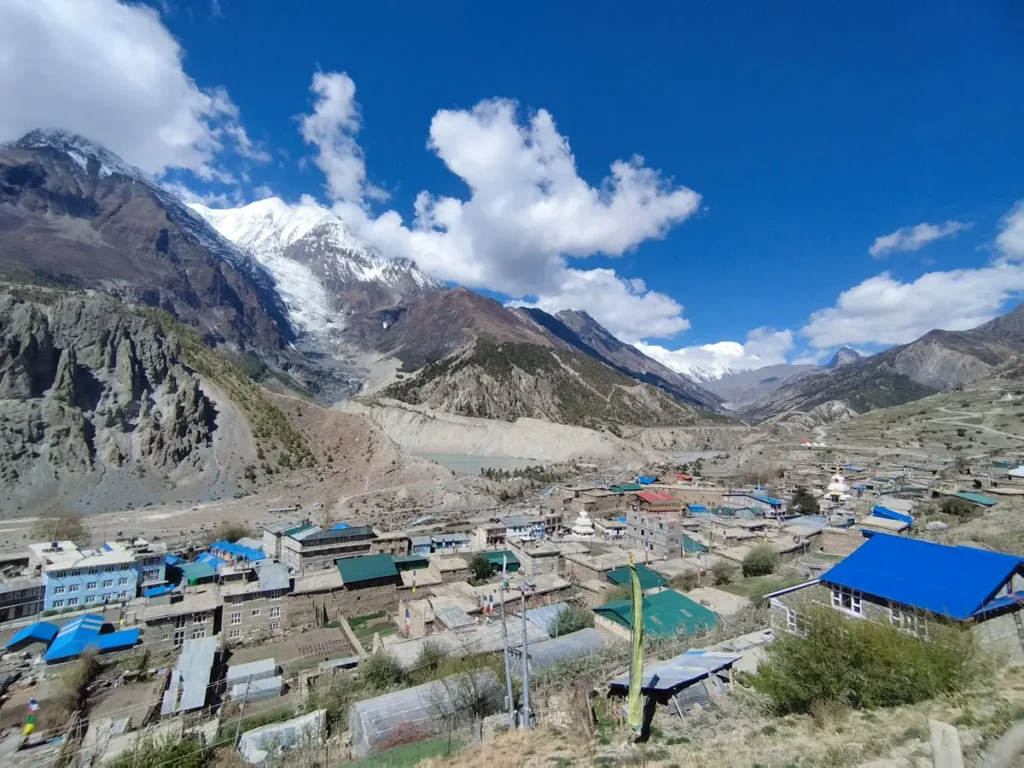
    Lush green agricultural fields and blue-roofed village buildings set against arid Himalayan mountains in Upper Mustang

    For many trekkers, the biggest reason for choosing a particular season is simple:

    They want to see the Himalayas clearly.

    Upper Mustang is surrounded by dramatic Himalayan terrain, including the Annapurna and Dhaulagiri ranges, and the region offers expansive views across dry valleys and high mountain landscapes.

    Clear visibility depends on more than the calendar. Cloud cover, dust, wind, atmospheric haze, and recent weather conditions can all affect what you see.

    Nevertheless, autumn generally offers the most reliable combination of clear skies and stable weather.

    Months with the Clearest Skies and Best Visibility

    October and November are among the best months for clear Himalayan views in Upper Mustang.

    The main monsoon has ended, the atmosphere is generally drier, and the probability of prolonged cloud cover is lower than during the wetter months elsewhere in Nepal.

    September can also provide excellent visibility, particularly later in the month as monsoon conditions retreat.

    Spring is another strong option.

    April and May can provide excellent mountain scenery, although increasing haze and afternoon cloud or wind can occasionally affect visibility.

    For the clearest views, many trekkers also benefit from starting their daily walks relatively early.

    Morning conditions are often calmer than the afternoon, when Mustang’s characteristic winds can become stronger.

    Best Time for Photography in Upper Mustang

    Upper Mustang is an exceptional destination for landscape photography because the scenery is visually different from the green valleys found on many other Nepal trekking routes.

    Photographers can capture:

    • Dry Himalayan valleys
    • Red and ochre cliffs
    • Ancient settlements
    • Tibetan-style monasteries
    • Whitewashed houses
    • Prayer flags and mani walls
    • Dramatic mountain backdrops
    • Cave formations
    • High-altitude landscapes
    • Traditional Mustang architecture

    October and November are excellent months for photography because clearer skies can provide strong contrast between the mountains, blue sky, and rugged terrain.

    Spring is also attractive, especially for travelers who want softer light and a slightly different atmosphere.

    For photographers, timing during the day matters as much as choosing the right month.

    Early morning and late afternoon generally provide softer light, while the middle of the day can produce harsh shadows and strong glare at high altitude.

    At the same time, the afternoon wind can create dust and make tripod photography more difficult in exposed areas.

    A photographer planning an Upper Mustang trek should therefore consider not only the season but also daily trekking hours, wind conditions, and sunrise/sunset opportunities.

    Trekking Upper Mustang During Monsoon Season (June–August)

    Upper mustang trek in monsoon season

    Upper Mustang is one of the rare trekking destinations in Nepal where the monsoon season can actually be an advantage.

    While many travelers associate June, July, and August with wet trails and persistent rain, Upper Mustang’s rain-shadow geography creates a very different environment.

    Why Upper Mustang Is a Top Monsoon Trek Destination in Nepal

    The main reason is geography.

    Upper Mustang lies behind the major Himalayan ranges, which shield the region from much of the moisture associated with the South Asian monsoon.

    This makes the region substantially drier than many popular trekking routes farther south.

    For someone searching specifically for a monsoon trek in Nepal, Upper Mustang should therefore be high on the list.

    The region also has another advantage during this period: the landscape can feel quieter than during the major autumn trekking season.

    With fewer visitors, trekkers may have more opportunities to experience villages, monasteries, and cultural sites without the same level of traffic found during peak periods.

    However, fewer trekkers should not be confused with completely empty trails.

    Upper Mustang remains a restricted trekking destination, and visitors must arrange the appropriate permits and travel through the required trekking arrangements.

    What to Expect: Trail Conditions During Monsoon in Mustang

    The most important thing to remember is:

    Monsoon in Upper Mustang does not mean guaranteed rain-free trekking.

    Rain can still occur, and weather can change.

    Road and flight conditions can also be affected outside the immediate Upper Mustang rain-shadow area. This is especially relevant for travelers entering the region via Pokhara and Jomsom.

    Once trekking deeper into Upper Mustang, however, the landscape is generally much drier than the southern side of the Himalayas.

    Expect:

    • Dry and dusty trails
    • Strong afternoon winds
    • Significant sun exposure
    • Rapid temperature changes
    • Occasional localized rain
    • Possible cloud or haze
    • Excellent dry-landscape scenery
    • Potential transportation delays before or after entering the region

    A lightweight rain jacket should still be packed, even for a monsoon Upper Mustang trek.

    The rain shadow reduces rainfall; it does not eliminate weather uncertainty.

    For the best experience, plan shorter walking periods during the strongest afternoon winds, protect your eyes and face from dust, stay hydrated, and keep your itinerary flexible enough to accommodate transportation changes.

    For travelers who can only visit Nepal during the summer months, this makes June through August a genuinely viable season for Upper Mustang, rather than a compromise destination.

    Tiji Festival Timing – Trekking Upper Mustang for the Festival

    Tiji Festival celebration in Upper Mustang - Lo Manthang

    The Tiji Festival is one of the most important reasons travelers choose to visit Upper Mustang in May. Held in the ancient walled city of Lo Manthang, the festival combines Buddhist traditions, masked dances, religious ceremonies, music, and centuries-old local culture.

    Nepal Tourism Board notes that many visitors travel to Lo Manthang specifically for the festival, which is usually scheduled in May.

    For travelers interested in combining trekking with cultural exploration, planning around Tiji can turn an already remarkable Upper Mustang trek into a particularly memorable experience.

    What Is the Tiji Festival and Why It Draws Trekkers to Lo Manthang

    Tiji, also spelled Teeji, is a traditional Buddhist festival celebrated in Lo Manthang. It is associated with the local Tibetan Buddhist tradition and is known for its elaborate masked dances and religious performances.

    The festival is traditionally linked to the story of Dorje Jono, a deity who defeats a destructive demon and protects the region from drought and other troubles.

    For visitors, however, Tiji is much more than a performance.

    It provides an opportunity to experience an important part of Upper Mustang’s living cultural heritage.

    During the festival period, Lo Manthang becomes considerably more active as local residents, monks, visitors, and trekkers gather for the ceremonies.

    The atmosphere is very different from visiting the city on an ordinary trekking day.

    Travelers should remember that Tiji is a religious and cultural event, not simply a tourist show. Visitors should dress respectfully, follow local instructions, avoid disrupting ceremonies, and ask before photographing people at close range.

    The festival is particularly attractive for travelers who want to combine:

    • Upper Mustang trekking
    • Tibetan Buddhist culture
    • Traditional architecture
    • Monasteries and religious sites
    • Photography
    • Local festivals
    • The historic city of Lo Manthang

    Because Tiji takes place around May, it also fits naturally into the spring trekking season, which generally offers favorable conditions for traveling through Upper Mustang.

    Tiji Festival 2027 Dates and How to Plan Your Trek Around It

    The exact Tiji dates are determined according to the Tibetan lunar calendar, so they should always be confirmed from a reliable official or local source before finalizing travel arrangements.

    For a 2027 trek, travelers should not rely on a generic “May” date published years in advance.

    Confirm the exact 2027 festival dates before booking your international flights, domestic transportation, accommodation, and trekking itinerary.

    This is particularly important because the festival attracts additional visitors to Lo Manthang.

    If you are traveling specifically for Tiji, it is sensible to arrange your restricted-area permit, guide, transportation, accommodation, and itinerary well in advance.

    Upper Mustang is a restricted trekking region, and the Department of Immigration states that permits for restricted areas are issued through authorized trekking agencies.

    Best Time to Trek Upper Mustang by Traveler Type

    Close-up of Muktinath monastery with vibrant autumn trees and towering Himalayan mountains in the background

    The best time for an Upper Mustang trek depends on the type of experience you want.

    A photographer may prefer a different month from someone who wants the warmest possible trekking conditions. A first-time high-altitude trekker may prioritize predictable weather, while an experienced traveler looking for solitude may deliberately choose a shoulder season.

    Best Season for First-Time Trekkers

    For most first-time trekkers, autumn is the easiest recommendation, particularly October and early November.

    During this period, weather conditions are generally stable, visibility is often excellent, and temperatures are more comfortable than during winter.

    The main advantage for beginners is predictability.

    You are less likely to spend your trek dealing with the extreme cold associated with winter, while the heavy monsoon conditions affecting many parts of Nepal have already passed.

    October is particularly suitable for first-time Upper Mustang trekkers who want to concentrate on enjoying the scenery and cultural experience rather than dealing with challenging seasonal weather.

    Spring, especially April and May, is another excellent option.

    However, anyone planning a May trek should check whether their dates overlap with Tiji and expect greater demand around Lo Manthang.

    Regardless of season, Upper Mustang is still a high-altitude trek, so first-time trekkers should prepare for altitude, dry air, strong sunlight, cold nights, and potentially strong winds.

    Best Season for Photographers and Landscape Enthusiasts

    For photographers, October and November are among the strongest months.

    The combination of dry conditions, clearer skies, dramatic landscapes, and strong Himalayan visibility can produce excellent conditions for landscape photography.

    Upper Mustang is particularly distinctive because its scenery differs from the lush green valleys commonly associated with Nepal.

    Instead, photographers can capture:

    • Barren Himalayan valleys
    • Red and orange cliffs
    • Dramatic rock formations
    • Ancient settlements
    • Tibetan-style architecture
    • Monasteries
    • Prayer flags
    • Mani walls
    • High mountain landscapes
    • Lo Manthang’s historic buildings

    May is especially interesting for cultural photographers because of the Tiji Festival.

    During the festival period, photographers have opportunities to document traditional costumes, masked dances, religious ceremonies, architecture, and everyday cultural life.

    However, cultural photography requires sensitivity.

    Always respect local customs and ask permission before photographing people at close range, especially during religious ceremonies.

    Best Season to Avoid Crowds in Upper Mustang

    If avoiding busy trekking periods is your priority, consider late spring, summer/monsoon, or the shoulder periods around the main autumn season.

    The major autumn trekking period is popular across Nepal, and Upper Mustang also attracts travelers seeking its dry weather and clear mountain views.

    By contrast, June through August can provide a quieter trekking experience while still benefiting from Upper Mustang’s rain-shadow climate.

    This is one of the reasons Upper Mustang is unusual compared with many other Nepal trekking destinations.

    You can potentially travel during Nepal’s monsoon season without experiencing the persistent rain found on many southern Himalayan trails.

    Winter offers even greater solitude, but there is an important trade-off: fewer people does not automatically mean better trekking conditions.

    The cold, wind, possible snow, and reduced services make winter considerably more demanding. Winter conditions in Mustang are extreme at higher elevations, and trekking is advised against.

    For most travelers seeking fewer crowds without extreme winter conditions, late spring or summer is a better compromise.

    Month-by-Month Trekking Conditions in Upper Mustang (2026)

    Understanding Upper Mustang weather month by month helps you choose the right travel dates based on weather, visibility, crowds, and trekking conditions. Because conditions vary by elevation and location, the information below is a practical seasonal guide rather than an exact weather forecast.

    Upper Mustang Trekking Conditions by Month

    Month Season General Conditions Best For
    January Winter Very cold, windy, possible snow Experienced trekkers
    February Winter Cold with possible snow and limited services Experienced trekkers
    March Spring Cold mornings; conditions improving Early-season trekking
    April Spring Dry and increasingly comfortable Excellent trekking
    May Spring Favorable conditions; Tiji Festival Tiji Festival & culture
    June Monsoon Relatively dry due to rain shadow Monsoon trekking
    July Monsoon Dry compared with most of Nepal; windy Monsoon trekking
    August Monsoon Generally dry; occasional rain and wind Monsoon trekking
    September Autumn Conditions becoming more stable Shoulder-season trekking
    October Autumn Dry, clear, and comfortable Best overall
    November Autumn Clear but increasingly cold Mountain views
    December Winter Very cold; possible snow and strong winds Experienced trekkers

    January & February

    January and February are the most challenging months for most Upper Mustang trekkers. Higher elevations can experience freezing temperatures, snow, and strong winds, while some local services may be limited.

    March, April & May

    Spring brings gradually improving conditions. April and May are particularly favorable, with more comfortable trekking conditions. May is also important for travelers planning to experience the Tiji Festival in Lo Manthang.

    June, July & August

    Although these months fall within Nepal’s monsoon season, Upper Mustang lies in the Himalayan rain shadow, making it significantly drier than many other trekking regions. June to August can therefore be an excellent choice for monsoon trekking, although wind, dust, occasional rain, and transportation disruptions are still possible.

    September, October & November

    Autumn offers some of the most reliable trekking conditions of the year. September generally improves as the monsoon retreats, while October and early November are especially good for clear skies, mountain views, and comfortable trekking.

    December

    December marks the beginning of the harsh winter period. Temperatures fall significantly, and higher areas can experience snow and strong winds. Winter trekking is possible with specialist preparation but is not recommended for most travelers.

    How Season Affects Upper Mustang Permits and Restricted Area Rules

    Kagbeni Mustang Village

    Weather determines when you may want to trek, but it does not remove the administrative requirements for entering Upper Mustang.

    Upper Mustang remains a restricted trekking area, and foreign trekkers need the appropriate restricted-area trekking permit.

    The Department of Immigration states that trekking permits for designated restricted areas are issued through authorized trekking agencies.

    Restricted Area Permit (RAP) Requirements Year-Round

    The permit requirement is not simply a spring or autumn rule.

    Upper Mustang’s restricted-area permit applies regardless of whether you travel in spring, summer, autumn, or winter.

    The current Department of Immigration trekking-route fee table lists the Upper Mustang permit at USD 50 per person per day.

    This is important because older information online may still show a different Upper Mustang fee structure.

    Always check the latest Department of Immigration information before publishing or booking, because government fees and trekking regulations can change.

    In addition to the Upper Mustang restricted-area permit, travelers should also check the other permits or conservation-area entry requirements applicable to their itinerary.

    Does Trekking Season Affect Permit Cost or Availability?

    The Upper Mustang permit fee is not presented by the Department of Immigration as a seasonal rate in its current Upper Mustang fee table. The current listed rate is USD 50 per person per day.

    However, seasonal travel can still affect the practical planning of your trek.

    During peak periods such as October and November, transportation, accommodation, guides, and other trekking logistics can be in higher demand.

    During winter, the issue is less about the permit itself and more about weather, accessibility, accommodation, and local services.

    This is why arranging the permit alone is not enough.

    A properly planned Upper Mustang trek should coordinate:

    permit + authorized trekking agency + guide + transportation + accommodation + weather + itinerary.

    For travelers booking with Hi Nepal Travels and Treks, arranging the required restricted-area documentation in advance can make the planning process much simpler, particularly for fixed-date journeys or trips planned around the Tiji Festival.

    Packing List by Season for Upper Mustang Trek

    Upper Mustang’s dry climate can make packing seem simple, but the region’s high altitude, strong sunlight, wind, and large temperature differences between day and night require careful preparation.

    Your packing list should change depending on when you travel.

    What to Pack for Spring and Autumn Treks

    Spring and autumn are the most popular seasons, so a versatile layering system works well.

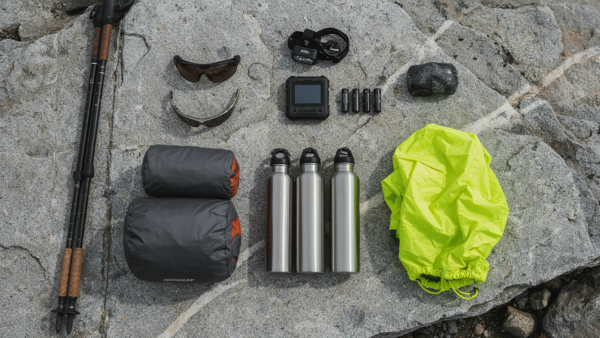
    Essential items include:

    • Layered trekking clothing
    • Warm fleece or insulated mid-layer
    • Windproof and waterproof outer shell
    • Comfortable trekking trousers
    • Thermal base layers
    • Warm hat and gloves
    • Sun hat or cap
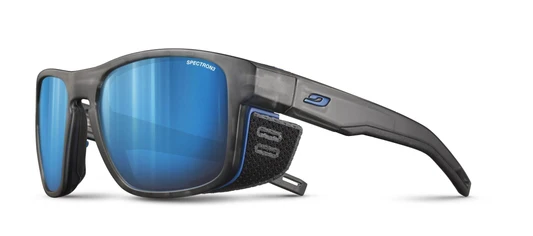
    • UV-protection sunglasses
    • Sunscreen
    • Reusable water bottle or hydration system
    • Comfortable trekking boots
    • Warm sleeping bag suitable for the season
    • Headlamp
    • Personal medications and basic first-aid supplies
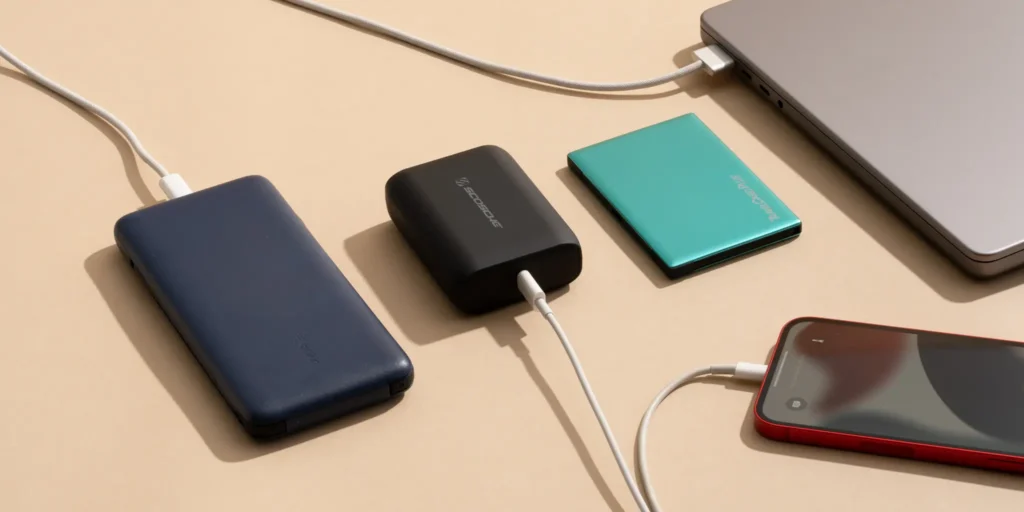
    • Power bank and charging accessories
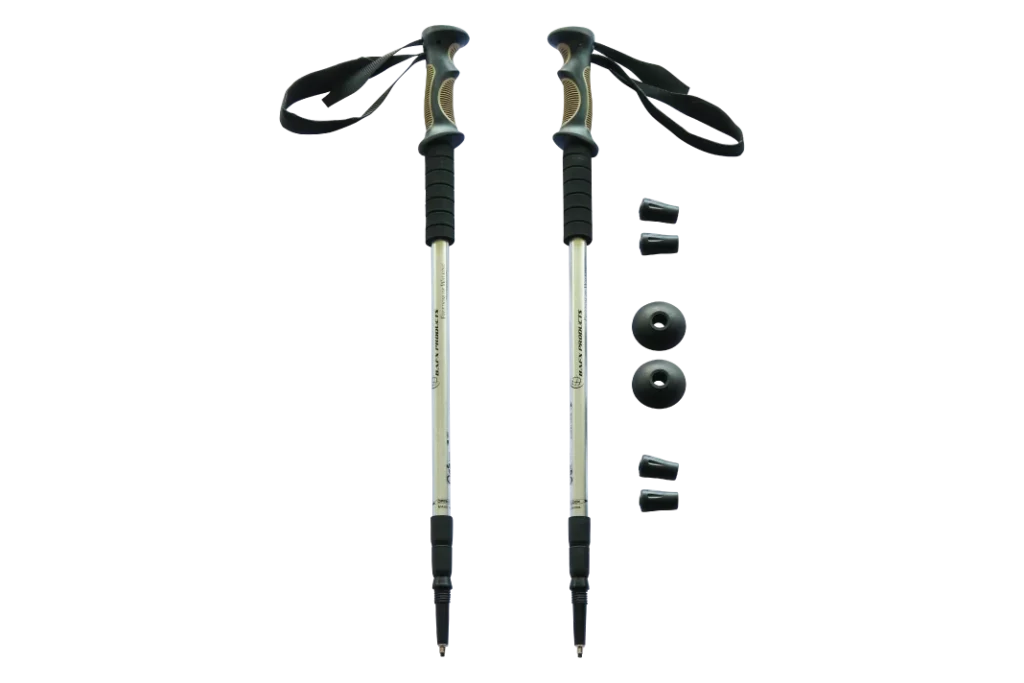
    • Trekking poles
    • Lightweight rain protection

    Do not underestimate the sun.

    At high altitude, UV exposure can be intense even when temperatures feel cool, so sunglasses, sunscreen, and sun protection are essential.

    What to Pack for Monsoon Season Trekking

    A monsoon Upper Mustang trek still requires rain protection even though the region lies in the rain shadow.

    Pack:

    • Lightweight waterproof jacket
    • Waterproof protection for electronics
    • Quick-drying trekking clothing
    • Windproof layer
    • Sunglasses
    • Sun protection
    • Dust mask or buff
    • Trekking poles
    • Water-resistant backpack cover
    • Warm layers for cold mornings and evenings
    • Sturdy trekking shoes

    A windproof layer is particularly useful because afternoon winds can be more noticeable than rainfall.

    What to Pack for Winter Trekking in Mustang

    Winter requires a significantly warmer setup.

    If attempting a winter trek, you should be prepared for:

    • Heavy insulated jacket
    • High-quality thermal base layers
    • Warm fleece or down layers
    • Insulated gloves
    • Warm hat
    • Neck gaiter or buff
    • Thick trekking socks
    • Winter-rated sleeping bag
    • Appropriate footwear for snow and freezing conditions
    • Sunglasses with strong UV protection
    • Sunscreen
    • Headlamp
    • Emergency supplies

    Winter equipment should not be treated as optional.

    Upper Mustang can become extremely cold at higher elevations, and weather conditions can change quickly.

    For most travelers, however, the better solution is not simply carrying more winter equipment, it is choosing a more favorable trekking season.

    Wind Factor – Why Afternoon Timing Matters Every Day in Upper Mustang

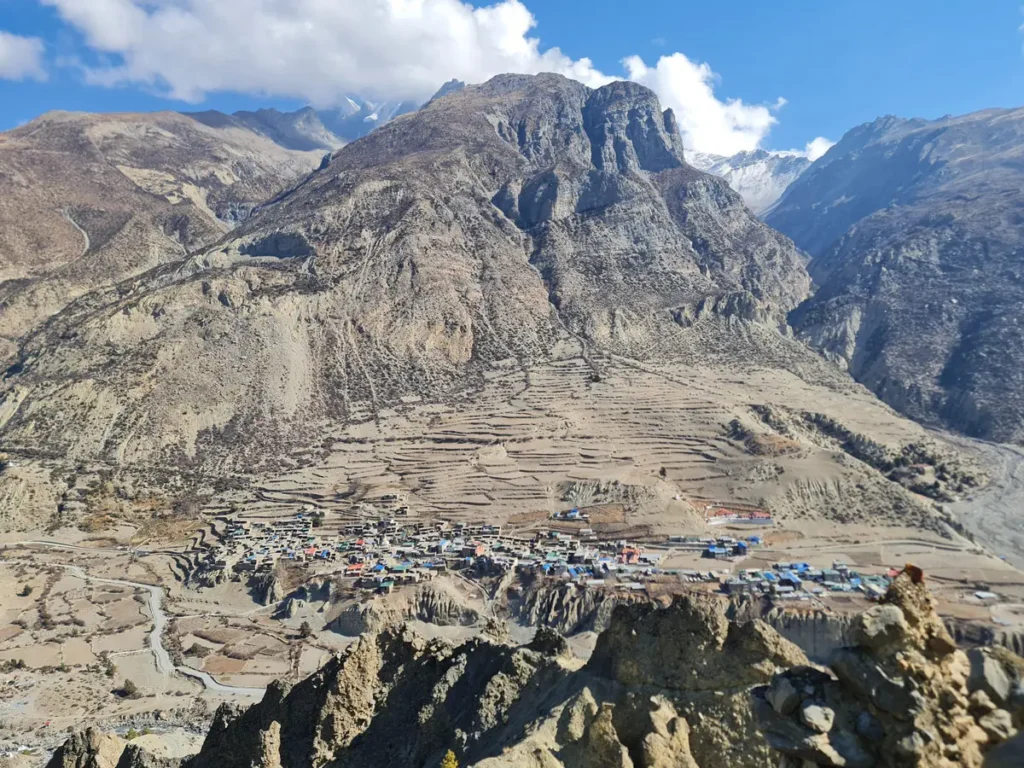
    Panoramic landscape of a traditional mountain village with red-roofed buildings nestled beneath steep cliff faces in Upper Mustang.

    One of the most important weather factors to understand before an Upper Mustang trek is wind.

    Visitors often focus on rainfall when planning their trip, particularly because Upper Mustang is known as a monsoon-friendly destination. However, wind can have a much more noticeable effect on your daily trekking experience than rain, especially on exposed trails and during the afternoon.

    The Kali Gandaki valley and the surrounding Mustang landscape are highly exposed to mountain winds. As the day progresses, winds can become stronger, creating dusty conditions and making exposed sections of the trail feel colder.

    This is one reason experienced trekkers and guides generally prefer to start walking early and complete the most exposed sections before the strongest afternoon winds.

    Understanding Mustang’s Daily Wind Patterns

    Upper Mustang’s dry, open terrain offers little protection from the wind.

    During clear weather, the sun warms the land and surrounding air, while differences in temperature and pressure across the deep valleys and surrounding mountains contribute to the characteristic daily wind pattern.

    The exact strength and timing of wind varies according to season, elevation, valley, weather system, and location.

    You should therefore avoid treating a particular hour as a guaranteed daily wind forecast.

    Instead, use the general pattern as a planning principle:

    Mornings are often calmer, while afternoon conditions can become increasingly windy.

    This is particularly noticeable around exposed sections of the route.

    Wind can also carry dust, which may reduce comfort and visibility. Travelers with sensitive eyes may find sunglasses or protective eyewear particularly useful.

    The wind can make a relatively moderate walking temperature feel much colder. This is especially important during spring, autumn, and winter when temperatures can already be low.

    How to Plan Daily Trekking Hours Around the Wind

    A practical strategy is to start trekking relatively early in the morning.

    Early starts provide several advantages:

    • Cooler but often calmer conditions
    • Better morning visibility
    • More comfortable walking before afternoon winds increase
    • More time to complete the day’s distance
    • Greater flexibility if weather changes
    • Better opportunities for morning photography

    Your guide can adjust the walking schedule according to the actual conditions on the trail.

    For example, if strong winds are forecast or already developing, your guide may recommend an earlier departure or a shorter break at an exposed location.

    Do not feel that you need to maintain a rigid schedule simply because your itinerary says you will walk for a certain number of hours.

    Mountain weather should always take priority over an exact timetable.

    For photographers, early starts have another advantage.

    The softer morning light can produce excellent conditions for photographing Lo Manthang, cliffs, monasteries, villages, and Himalayan landscapes before the stronger midday sunlight and afternoon winds arrive.

    Worst Time to Trek Upper Mustang (And Why)

    There is no universally “impossible” month for every traveler, but mid-winter is generally the least favorable period for a conventional Upper Mustang trek.

    The combination of low temperatures, strong winds, possible snowfall, frozen conditions, and reduced local services can make the journey substantially more demanding.

    Trekking Challenges During Peak Winter Months

    December through February presents the greatest seasonal challenges.

    At higher elevations, temperatures can drop well below freezing, particularly at night. Snow can affect trails and passes, while icy conditions can make walking more difficult.

    Another issue is local infrastructure.

    Upper Mustang is a remote Himalayan region, and many communities have traditionally adapted their lives around the harsh winter. Some residents move toward lower areas during the coldest period, which can mean fewer open accommodation and service options.

    This matters because a trek is not only about whether a trail can physically be walked.

    You also need:

    • Accommodation
    • Food
    • Transportation
    • Communication
    • Permit arrangements
    • Emergency support
    • Local guides and logistics

    Nepal Tourism Board advises against winter trekking in Mustang because of the region’s severe winter conditions.

    For most visitors, there is therefore little reason to choose the harshest winter months when spring, summer, and autumn offer significantly easier alternatives.

    Winter can still appeal to highly experienced trekkers seeking solitude, but it should be approached as a specialist high-altitude trip rather than a normal holiday trek.

    Upper Mustang Trek Difficulty by Season

    Ancient Sky Caves in Upper Mustang

    Upper Mustang is often described as a moderate-to-challenging trek, but season can significantly influence how difficult the route feels.

    The physical challenge comes from a combination of:

    • High altitude
    • Long walking days
    • Dry air
    • Uneven and rocky terrain
    • Ascents and descents
    • Strong winds
    • Temperature changes
    • Remote locations
    • Limited services in some sections

    The same route can feel considerably easier in October than during a cold winter day with strong winds.

    How Altitude and Weather Combine to Affect Difficulty

    Altitude is one of the most important considerations.

    Much of the Upper Mustang trekking route takes place at high elevation, with Lo Manthang located at approximately 3,840 m (12,598 ft).

    At this altitude, your body has to work harder because there is less available oxygen than at sea level.

    Weather can make the experience even more demanding.

    For example:

    Cold + altitude + strong wind = significantly greater physical stress.

    Similarly:

    Strong sun + dry air + long walking hours = increased dehydration and fatigue risk.

    This is why travelers should not judge Upper Mustang difficulty solely by distance.

    A relatively short walking day can still be demanding if you are ascending rapidly or dealing with strong wind and cold temperatures.

    The best way to manage the challenge is gradual acclimatization, appropriate hydration, sensible pacing, adequate nutrition, and listening to your body.

    If symptoms of altitude illness develop, they should never be ignored.

    Do not continue ascending if you are experiencing serious or worsening altitude-related symptoms. Inform your guide immediately and follow professional medical advice.

    Seasonal planning also helps. For most trekkers, spring and autumn provide the most manageable combination of weather and trail conditions.

    Conclusion – Choosing the Right Season for Your Upper Mustang Trek

    The best time to trek Upper Mustang depends on the experience you want, but the region’s rain-shadow climate gives travelers more flexibility than many other trekking destinations in Nepal.

    If you want the best overall combination of stable weather, clear Himalayan views, and comfortable trekking conditions, choose October or November.

    If you prefer spring conditions and want the possibility of experiencing the Tiji Festival in Lo Manthang, consider April or May.

    If your travel schedule falls during Nepal’s monsoon season, don’t automatically rule out Mustang. June, July, and August can be excellent months for Upper Mustang trekking because the region lies in the Himalayan rain shadow.

    If you want solitude, winter may seem attractive, but December through February is the most challenging period because of severe cold, wind, possible snow, and reduced services.

    Ultimately, the best Upper Mustang trek is not simply about picking a month.

    It is about matching the season to your fitness level, trekking experience, photography goals, cultural interests, tolerance for cold, available travel dates, and preferred level of solitude.

    Whichever season you choose, plan your permits and logistics carefully. Upper Mustang is a restricted region, and the journey requires more preparation than an ordinary Nepal trekking route.

    For travelers who want local assistance with permits, transportation, accommodation, guides, acclimatization, and itinerary planning, working with an experienced Nepal trekking agency can make the journey considerably smoother.

    With the right season and preparation, Upper Mustang offers something few other places in Nepal can match: an arid Himalayan landscape, centuries-old Tibetan-influenced culture, dramatic mountain scenery, ancient monasteries, and a trekking experience that feels remarkably different from the classic routes of Nepal.

    FAQs

    1. Can You Trek Upper Mustang in the Rain?

      Yes.
      Upper Mustang is one of Nepal’s best options for trekking during the monsoon because it lies in the Himalayan rain shadow.
      However, rain can still occur, and conditions can change. You should carry a lightweight waterproof layer and keep some flexibility in your itinerary.
      The larger practical concerns during monsoon can include wind, dust, changing visibility, and transportation conditions outside the rain-shadow area.

    2. Is Upper Mustang Trek Possible in Winter?

      Yes, but winter is not recommended for most trekkers.
      December through February can bring severe cold, strong winds, snow, and reduced services at higher elevations.
      Experienced trekkers with suitable winter equipment and strong logistical support may undertake the journey, but spring or autumn is a much better choice for most travelers.

    3. What Is the Coldest Month in Upper Mustang?

      January is generally among the coldest months, with December and February also experiencing severe winter conditions.
      Exact temperatures vary significantly depending on elevation, location, time of day, and weather conditions.
      Higher settlements and exposed areas can feel considerably colder than lower parts of Mustang.

    4. How Many Days Do You Need to Trek Upper Mustang?

      A typical Upper Mustang trekking itinerary commonly takes around 12–16 days, depending on the starting point, transportation arrangements, acclimatization schedule, and route.
      Longer itineraries allow more time for acclimatization and exploration, while shorter itineraries may use more road transportation.
      The right duration depends on whether you want a trekking-focused experience or a combination of trekking and vehicle travel.

    5. Is Upper Mustang Good for a Monsoon Trek?

      Yes. Upper Mustang is one of the best monsoon trekking destinations in Nepal.
      Its rain-shadow location means it receives considerably less rainfall than many popular trekking regions farther south.
      June, July, and August can therefore be excellent alternatives for travelers who cannot visit during spring or autumn.

    6. What Is the Best Month to Trek Upper Mustang?

      For most travelers, October is one of the best months for an Upper Mustang trek.
      It generally offers a strong combination of dry weather, good visibility, comfortable trekking conditions, and excellent Himalayan scenery.
      April, May, September, and November are also strong choices depending on your priorities.

    7. Is April a Good Month for Upper Mustang Trek?

      Yes. April is part of the spring trekking season and generally provides increasingly favorable conditions.
      It is a particularly good option for travelers who want to avoid the colder winter months while traveling before the main monsoon period.

    8. Is May a Good Month to Visit Upper Mustang?

      Yes. May can be an excellent month, particularly for travelers interested in the Tiji Festival in Lo Manthang.
      The exact festival dates vary each year according to the Tibetan lunar calendar, so travelers should confirm the dates before booking.

    9. Is June a Good Time to Trek Upper Mustang?

      Yes. June marks the beginning of Nepal’s monsoon season, but Upper Mustang’s rain-shadow geography makes it much drier than many other trekking destinations.
      It is a particularly good option for travelers seeking a summer or monsoon trek in Nepal.

    10. Is July a Good Month for Upper Mustang?

      Yes, with the right expectations.
      July falls within the Nepal monsoon season, but Upper Mustang remains relatively dry because of its rain-shadow location.
      Expect wind, dust, strong sunlight, and possible localized rain, and allow flexibility for transportation.

    11. Is August a Good Time to Trek Upper Mustang?

      Yes. August is another viable monsoon trekking month in Upper Mustang.
      The region’s dry climate makes it substantially more suitable for trekking than many wetter areas of Nepal during this period.

    12. Is September a Good Month for Upper Mustang?

      Yes. September is a transition period between monsoon and autumn.
      Later September can offer increasingly stable weather and improving visibility as the monsoon retreats.

    13. Is October the Best Month for Upper Mustang Trek?

      For many travelers, yes.
      October combines dry conditions, clear skies, excellent mountain visibility, and comfortable trekking temperatures.
      It is also one of the busiest trekking periods, so advance planning is recommended.

    14. Is November Good for Upper Mustang Trek?

      Yes. November remains one of the strongest months for trekking, particularly during the first half of the month.
      Temperatures begin to fall toward winter, but clear skies and dry conditions can make the month excellent for trekking.

    15. Can You Trek Upper Mustang Without a Guide?

      For foreign travelers entering the restricted Upper Mustang area, the required restricted-area permit must be arranged through an authorized trekking agency, and travelers should follow the current Department of Immigration requirements for restricted-area trekking.
      Because regulations can change, travelers should confirm the current requirements before departure.

    16. How Much Is the Upper Mustang Permit?

      The current Department of Immigration trekking-route fee table lists the Upper Mustang Restricted Area Permit at USD 50 per person per day.
      Other applicable permits or entry fees may be separate depending on your itinerary.
      Always verify the latest official fee before booking, because government regulations can change.

    17. Does Upper Mustang Get Rain During Monsoon?

      It can. The rain-shadow effect means Upper Mustang receives far less monsoon rainfall than many parts of Nepal, but it does not mean the region is completely rain-free.
      Pack basic rain protection and remain prepared for changing weather.

    18. When Is the Best Time for Photography in Upper Mustang?

      October and November are excellent for landscape photography because of generally clear skies and strong visibility.
      May can be especially rewarding for cultural photography because of the Tiji Festival in Lo Manthang.
      Early morning and late afternoon can provide softer natural light, although afternoon winds may make exposed photography more challenging.

    19. When Is Upper Mustang Least Crowded?

      Summer/monsoon and shoulder periods generally offer a quieter experience than the major autumn trekking season.
      Winter is quieter still, but the severe conditions make it unsuitable for most travelers.
      For a balance between fewer visitors and reasonable weather, late spring or summer can be a good option.

    20. What Should I Pack for Upper Mustang?

      Regardless of season, pack layered clothing, a warm insulating layer, wind protection, sun protection, sturdy trekking footwear, a reusable water bottle, personal medication, and appropriate rain protection.
      Your winter equipment should be substantially heavier than your spring or autumn setup.

    21. Is Upper Mustang Very Windy?

      Yes, wind is an important part of the Upper Mustang climate.
      Exposed valleys can become particularly windy during the afternoon.
      This is one reason many trekkers prefer an early start, completing longer or more exposed sections before the strongest winds develop.

    22. What Time Should I Start Trekking Each Day?

      There is no single fixed departure time for every route.
      However, early morning starts are generally advantageous because conditions can be calmer and visibility can be better.
      Your guide should adjust the daily schedule according to the route, weather, altitude, and actual wind conditions.

  • Lo Manthang Guide: Explore Upper Mustang’s Walled Capital

    Lo Manthang Guide: Explore Upper Mustang’s Walled Capital

    Few places in the Himalaya feel as untouched by time as Lo Manthang. Behind mud-brick walls that have stood for six centuries, this small capital of the former Kingdom of Lo guards a Tibetan Buddhist culture that has all but vanished across the border. Golden-hued cliffs, ancient monasteries painted with fading murals, and a fortress-like royal palace make it one of Nepal’s most extraordinary destinations.

    Having guided and travelled through Upper Mustang across many seasons, we at Hi Nepal Travels and Treks put together this honest, practical guide to help you plan the journey properly, permits, timing, costs, and the local knowledge that turns a trip into an experience.

    What Is Lo Manthang and Why It Matters

    Lo Manthang is the ancient walled capital of Upper Mustang, a high-desert region in north-central Nepal that borders Tibet. Founded in 1380 by Ame Pal, it served as the seat of the Kingdom of Lo for over 600 years. Nepal formally absorbed the kingdom in 2008, but the last king, the Raja of Mustang, was recognised until then, making it one of the last living remnants of a Tibetan-style monarchy.

    The town sits at roughly 3,840 metres on the arid Tibetan plateau. Its whitewashed walls enclose a maze of narrow alleys, chortens, and monasteries. Because the area was closed to outsiders until 1992, its culture stayed remarkably preserved.

    Quick Answer: Lo Manthang is a medieval walled city in Upper Mustang, Nepal, once the capital of the Kingdom of Lo. It is famous for its 15th-century Tibetan Buddhist monasteries, desert landscape, sky caves, and the annual Tiji Festival.

    Where Is Lo Manthang Located?

    Lo Manthang - Upper Mustang Village with prayer flag

    Lo Manthang lies in the northern part of the Mustang district, deep inside the rain-shadow of the Annapurna and Dhaulagiri massifs. The Kali Gandaki River, carving the world’s deepest gorge is your natural highway into the region.

    Detail Information
    Region Upper Mustang, north-central Nepal
    Elevation ~3,840 m (12,600 ft)
    Nearest Airport Jomsom (STOL)
    Gateway City Pokhara
    Distance from Tibet ~20 km

    Permits Required for Upper Mustang

    Upper Mustang is a restricted trekking area, so foreign trekkers need special permits and must follow stricter regulations than on standard trekking routes. The rules help regulate tourism in this culturally and environmentally sensitive region near the Tibetan border.

    • Restricted Area Permit (RAP): The current Department of Immigration fee for Upper Mustang is USD 50 per person per day. For example, a 10-day permit costs USD 500, while a 14-day permit costs USD 700.
    • Annapurna Conservation Area Permit (ACAP): The current Nepal Tourism Board park-entry fee table lists NPR 3,000 per foreign visitor for entry into the Annapurna Conservation Area.
    • TIMS Card and Licensed Guide: Upper Mustang is among Nepal's trekking routes where trekkers must be accompanied by a licensed trekking guide and obtain a trekking-agency-issued TIMS Card.
    • Registered Trekking Agency: The restricted-area permit must be arranged through a registered trekking agency rather than obtained independently by the trekker.

    Important Note: Permit fees and trekking regulations can be revised by the Government of Nepal. The current Department of Immigration lists Upper Mustang's Restricted Area Permit at USD 50 per person per day, so check the latest official fee schedule before booking your trek.

    Best Time to Visit Lo Manthang

    Beautiful view of upper mustang landscape with the mountains

    Here is where Upper Mustang breaks the usual Nepal trekking rules. Because it sits behind the great Himalayan wall, monsoon rains barely reach it. That means summer, otherwise a poor season for most Nepal treks, is a genuine window here.

    Season Weather Notes
    Spring (Mar–May) Dry, warming, clear Best views; Tiji Festival in May
    Summer/Monsoon (Jun–Aug) Mostly dry, warm days Rare rain-shadow trekking window
    Autumn (Sep–Nov) Crisp, clear, cool nights Excellent conditions, popular
    Winter (Dec–Feb) Very cold, some closures Locals migrate south; harsh conditions

    Winter brings bitter cold, and many locals leave for warmer areas, so teahouses and services thin out. Spring and autumn remain the most comfortable choices, while summer suits those who want to trek during Nepal's off-season.

    The Tiji Festival: Lo Manthang's Cultural Highlight

    If you can time your visit for May, the three-day Tiji Festival is unforgettable. Held in the central square of Lo Manthang, it re-enacts the myth of Dorje Jono defeating a demon to bring rain and prosperity to the valley.

    Monks in elaborate masks and silk robes perform ritual dances over three days, watched by the whole community. It is one of the most authentic living festivals in the Himalaya, not a tourist show, but a genuine spiritual event.

    Did You Know? Tiji dates shift each year according to the Tibetan lunar calendar, so book early. Accommodation in Lo Manthang fills quickly during the festival, and prices rise.

    What to See in and Around Lo Manthang

    Lo Manthang rewards slow exploration. Give yourself at least two full days here rather than rushing in and out.

    Inside the Walled City

    • Jampa Lhakhang: The oldest monastery, dating to the early 15th century, home to a towering Maitreya Buddha and rare mandala murals.
    • Thubchen Gompa: A vast assembly hall with restored 15th-century wall paintings.
    • Chodey Gompa: The main active monastery where you may hear monks chanting.
    • The Royal Palace: A four-storey mud-brick building that once housed the King of Lo.

    Beyond the Walls

    • Chhoser Sky Caves: A short ride north, these ancient multi-storey cave dwellings carved into cliffs are among Mustang's greatest mysteries.
    • Namgyal Monastery: A hilltop gompa serving as the region's high court and study centre.
    • Ghar Gompa (Lo Gekar): One of the oldest Buddhist sites in Nepal, linked to Guru Rinpoche.

    Travel Tip: Many monasteries charge a small entry fee and forbid interior photography to protect fragile murals. Always ask permission before taking photos of people or sacred art.

    The Classic Upper Mustang Trekking Route

    Upper mustang lo manthang village in monsoon season

    The traditional trek follows the Kali Gandaki upstream through a landscape of eroded cliffs, ochre canyons, and cliff-perched villages. Here is a typical itinerary from Jomsom.

    Day Route Elevation
    1 Fly Pokhara–Jomsom, trek to Kagbeni 2,810 m
    2 Kagbeni to Chele 3,050 m
    3 Chele to Syangboche 3,800 m
    4 Syangboche to Ghami 3,520 m
    5 Ghami to Charang 3,560 m
    6 Charang to Lo Manthang 3,840 m
    7 Explore Lo Manthang & Chhoser 3,840 m
    8–11 Return via Dhakmar, Ghiling, Chuksang Varies
    12 Trek to Jomsom, fly to Pokhara 2,720 m

    Because the trail crosses several passes above 3,700 m, altitude matters. Ascend gradually and stay hydrated. For a deeper look at planning, see our full Upper Mustang trek guide.

    Altitude and Health on the Trek

    Lo Manthang sits below 4,000 m, so serious altitude sickness is less common than on Everest or Annapurna routes. Still, several passes push higher and the dry, dusty air can be tough.

    • Drink 3-4 litres of water daily.
    • Walk at a steady, unhurried pace.
    • Never ascend rapidly by jeep and then sleep high.

    Understand the warning signs before you go. Read our guides on altitude sickness, the more serious HACE and HAPE conditions, and whether Diamox is right for you.

    Safety Tip: The strong afternoon winds in Mustang carry fine dust. A buff or face scarf and good sunglasses protect your eyes and lungs. Sun protection is essential at this elevation.

    Lo Manthang Trek Cost Breakdown

    Upper Mustang Cost is one of Nepal's more expensive trekking destinations because of its restricted-area permit, mandatory guide arrangements, and relatively high transportation and accommodation costs in this remote region.

    For a roughly two-week trip, the following gives a realistic per-person estimate for 2026. Actual costs vary depending on your itinerary, group size, season, and whether you choose flights or road transportation.

    Expense Approx. Cost (USD)
    Restricted Area Permit $400-$500+
    ACAP Permit $22–$35
    Licensed Guide (per day) $25–$40
    Porter (optional, per day) $20–$30
    Teahouse Lodging & Food (per day) $30–$45
    Pokhara–Jomsom Flights (return) $200–$260

    For a broader sense of daily spending, see our trek amenities cost guide and tips on budget trekking in Nepal. Don't forget to factor in fair tipping for your guide and porter.

    Where to Stay in Lo Manthang

    Upper mustang - Shija Jhong Cave

    Accommodation is simple but comfortable. Lo Manthang has several teahouses and a couple of higher-end guesthouses catering to travellers who want more comfort. Expect twin rooms, shared bathrooms in basic lodges, and hearty local meals.

    Rooms are limited during the Tiji Festival, so advance booking is vital. Our tips on booking teahouses and understanding typical teahouse food apply well here too.

    What to Pack for Upper Mustang

    The high desert brings intense sun by day and freezing nights, plus persistent wind and dust. Pack for extremes.

    • Warm down jacket and thermal base layers
    • Windproof outer shell
    • Buff or scarf for dust protection
    • High-SPF sunscreen and lip balm
    • Quality sunglasses (UV protection)
    • Broken-in trekking boots or trail runners
    • Reusable water bottle and purification

    For gear decisions, compare trekking boots vs trail runners, review the full trek packing list, and consider whether you need a sleeping bag. You can also arrange rental gear in Kathmandu before you fly.

    Common Mistakes to Avoid

    1. Rushing the itinerary. People often try to reach Lo Manthang in a hurry and miss its atmosphere. Slow down.
    2. Skipping the buffer day. Jomsom flights cancel often; without a spare day you risk missing everything.
    3. Underestimating cold and wind. Even in summer, nights are cold and afternoon winds are fierce.
    4. Photographing sacred sites without asking. Respect local customs; some interiors are strictly off-limits.
    5. Booking last minute during Tiji. Permits, flights, and rooms sell out fast.

    Why Travel With a Local Guide

    Beyond the legal requirement, a knowledgeable guide transforms Upper Mustang. The murals, monasteries, and festivals carry layers of meaning you would never grasp alone. Local guides also read the weather, arrange jeeps, handle permits, and open doors - sometimes literally, to monasteries that are usually locked.

    At Hi Nepal Travels and Treks, we work with licensed guides who know the Lo dialect, the monastery caretakers, and the safest ways to handle the region's unpredictable roads and flights. That local relationship is what makes the difference between simply seeing Lo Manthang and truly understanding it.

    Expert Advice: If you have extra days, combine Upper Mustang with a visit to the pilgrimage site of Muktinath or explore Lower Mustang villages like Kagbeni, which offer a gentler introduction to the region's culture.

    Nearby Trips to Combine With Lo Manthang

    Because you'll be in the Annapurna and Mustang region anyway, consider extending your adventure. Popular pairings include:

    • The remote Nar Phu Valley for even wilder Tibetan-influenced landscapes.
    • The high-altitude Tilicho Lake trek.
    • A relaxed few days in Pokhara before or after, with plenty to do around Phewa Lake.

    Final Thoughts

    Lo Manthang is not the easiest or cheapest trek in Nepal, and that is exactly why it stays so special. Behind its ancient walls lies a way of life that survived where the rest of the Tibetan world changed forever. The red cliffs, the wind, the fluttering prayer flags, and the quiet chant of monks stay with you long after you leave.

    Plan carefully, respect the culture, allow enough time, and travel with people who know the region well. If you're ready to explore the walled capital of Upper Mustang, the team at Hi Nepal Travels and Treks would be glad to help you sort permits, guides, flights, and a realistic itinerary that fits your pace and budget. Reach out whenever you're ready to start planning.

    FAQ's

    1. What is Lo Manthang?

      Lo Manthang is the historic walled capital of the former Kingdom of Lo in Nepal’s Upper Mustang region. Located at around 3,840 meters, it is known for its ancient monasteries, traditional Tibetan-style houses, royal palace, narrow streets, and rich Himalayan culture.

    2. Where is Lo Manthang located?

      Lo Manthang is located in Mustang District of Gandaki Province in north-central Nepal, close to the Tibetan border. It lies within the restricted Upper Mustang area and is surrounded by the dramatic landscapes of the Trans-Himalayan region.

    3. Why is Lo Manthang called the walled city?

      Lo Manthang is known as a walled city because its historic settlement is enclosed by a traditional defensive wall with gates. The wall protected the ancient kingdom and helped preserve the town's distinctive medieval character.

    4. What is Lo Manthang famous for?

      Lo Manthang is famous for its ancient monasteries, historic palace, traditional Tibetan-influenced architecture, surrounding caves, Buddhist culture, and spectacular desert-like Himalayan landscapes. It is also an important destination on the Upper Mustang Trek.

    5. How high is Lo Manthang?

      Lo Manthang sits at an altitude of approximately 3,840 meters (12,600 feet) above sea level. Because of its elevation, travelers should allow enough time for acclimatization when visiting or trekking in Upper Mustang.

    6. How do you get to Lo Manthang from Kathmandu?

      The most common route is to travel from Kathmandu to Pokhara, continue to Jomsom, and then travel by road toward Lo Manthang. Travelers can also visit Lo Manthang as part of a longer Upper Mustang trekking or jeep journey.

    7. Can you drive to Lo Manthang?

      Yes, Lo Manthang can be reached by road from Jomsom through the Upper Mustang region. A 4WD jeep is generally preferred because the route includes rough, mountainous and unpaved sections.

    8. What are the best places to visit in Lo Manthang?

      Some of the main attractions include the Lo Manthang Royal Palace, Jampa Lhakhang, Thubchen Monastery, Chodey Monastery, the old city walls, traditional streets, and surrounding villages and caves. The nearby Chhoser area is also popular for its ancient cave settlements.

    9. Can you visit Lo Manthang as part of the Upper Mustang Trek?

      Yes. Lo Manthang is one of the major highlights and traditional destinations of the Upper Mustang Trek. Trekkers typically spend time exploring the walled city and nearby cultural sites before continuing or returning along the Upper Mustang route.

    10. Do you need a permit to visit Lo Manthang?

      Yes. Lo Manthang lies within Nepal's restricted Upper Mustang area, so travelers need the required restricted-area trekking permit. The permit requirements and fees can change, so it is best to check the latest regulations before traveling.

    11. Do you need a guide to visit Lo Manthang?

      Yes. Travelers visiting the restricted Upper Mustang region must follow the applicable guided-travel requirements and travel with an authorized trekking agency or guide. A local guide can also make it easier to understand the region's history, culture and monasteries.

    12. What is the best time to visit Lo Manthang?

      The best time to visit Lo Manthang is generally during spring (March–May) and autumn (September–November). These seasons usually offer favorable trekking conditions, clearer mountain views and more comfortable weather.

    13. Can you visit Lo Manthang in winter?

      Yes, but winter travel can be challenging because temperatures are very low and snow can affect roads and trekking routes. Some local services may also operate on a limited basis, so winter visitors should plan carefully.

    14. What is the Tiji Festival in Lo Manthang?

      The Tiji Festival is a major three-day Buddhist festival celebrated in Lo Manthang. It features traditional dances, religious ceremonies, colorful costumes and rituals based on Tibetan Buddhist traditions, making it one of the most culturally significant events in Upper Mustang.

    15. How much does a trip to Lo Manthang cost?

      The cost of a Lo Manthang trip depends on the itinerary, permits, transportation, accommodation, guide and porter services, and trip duration. A guided Upper Mustang journey generally costs more than trips to unrestricted trekking regions because of the restricted-area permit and additional logistical requirements.

  • Annapurna Base Camp Helicopter Tour Cost 2026: Prices, Packages & Tips

    Annapurna Base Camp Helicopter Tour Cost 2026: Prices, Packages & Tips

    Imagine sipping coffee in Pokhara at sunrise, then standing inside the towering Annapurna Sanctuary- less than an hour after takeoff, you’ll be standing at Annapurna Base Camp, surrounded by some of the highest mountains on Earth, including Annapurna I (8,091 m). That is exactly what the Annapurna Base Camp helicopter tour delivers. It compresses a week-long trek into a single unforgettable morning.

    But before you book, the biggest question is always the same: how much does it actually cost in 2026, and what do you get for the price?

    After years of arranging these flights for travellers of every kind, we at Hi Nepal Travels and Treks have put together this honest, detailed breakdown. You will find real price ranges, package comparisons, seasonal advice, and the practical tips most websites leave out.

    Quick Answer: Annapurna Base Camp Helicopter Tour Cost in 2026

    Here is the short version for anyone in a hurry.

    • Sharing tour (per person, from Pokhara): approximately USD 450–600
    • Private charter (whole helicopter, from Pokhara): approximately USD 2,000–2,600 for up to 4–5 passengers
    • From Kathmandu (private): approximately USD 3,500–4,500

    These are indicative 2026 ranges. Actual prices shift with fuel costs, season, group size, and operator. Always request a written quote before paying.

    What Is the Annapurna Base Camp Helicopter Tour?

    Annapurna Base Camp Helicopter Tour from Kathmandu

    The Annapurna Base Camp (ABC) helicopter tour is a scenic mountain flight that takes you deep into the Annapurna Sanctuary and, in most cases, lands briefly at or near base camp itself at around 4,130 metres.

    Instead of walking 7 to 12 days, you fly over lush valleys, terraced hills, and glaciers, then step out into a natural amphitheatre ringed by peaks like Annapurna I (8,091 m), Machhapuchhre (Fishtail), Hiunchuli, and Gangapurna.

    It is ideal for travellers who are short on time, have limited fitness, or simply want a comfortable, high-impact mountain experience. Families, couples, older travellers, and luxury visitors love it. If you would rather earn the view on foot, compare it with the classic Annapurna Base Camp trek cost guide first.

    Annapurna Base Camp Helicopter Tour Cost Breakdown 2026

    Let’s look at pricing in more detail, because “how much” depends heavily on how you fly.

    Tour Type Departure Point Approx. 2026 Cost Best For
    Sharing (Per Person) Pokhara USD 450–600 Solo travellers, couples, and budget-minded flyers
    Private Charter Pokhara USD 2,000–2,600 (up to 4–5 people) Families, private groups, and travellers wanting flexible timing
    Sharing (Per Person) Kathmandu USD 900–1,100 Travellers staying only in Kathmandu
    Private Charter Kathmandu USD 3,500–4,500 Groups looking for a full-day helicopter experience

    Pro Tip: Flying from Pokhara is almost always cheaper and faster than flying from Kathmandu, because Pokhara sits much closer to the Annapurna range. If your schedule allows, base yourself in Pokhara for the flight.

    Why Sharing Tours Are So Popular

    In a sharing tour, the helicopter is filled with individual passengers (usually up to 4–5) who split the cost. This dramatically lowers the price per head, often to a third of a private charter.

    The trade-off is flexibility. You fly on the operator’s schedule, and the trip only runs if enough passengers book for that date. Weight limits also mean seat assignments and landing rotations are managed by the pilot.

    Why Choose a Private Charter

    A private charter gives you the entire helicopter. You control the departure time, you are not waiting on strangers, and the experience feels far more exclusive.

    For a family of four or a group of friends, a private charter from Pokhara can actually work out similar per-person to a sharing flight, while offering more comfort and photo time. It is the top choice for luxury travellers and honeymooners.

    What’s Included in the Helicopter Tour Price?

    A trustworthy operator should clearly state what your package covers. Typically included:

    • Round-trip helicopter flight (Pokhara or Kathmandu to ABC and back)
    • Experienced high-altitude pilot
    • Landing at or near Annapurna Base Camp (weather permitting)
    • Airport transfers on the flight day (varies by operator)
    • ACAP permit and any required government fee.
    • Government taxes and service charges

    Often NOT included:

    • Hotel accommodation before or after the flight
    • Travel insurance covering helicopter evacuation and high altitude
    • Personal expenses, tips, and meals beyond any breakfast stop
    • Extra charges if you exceed the standard baggage or weight limit

    Important Note: Always ask whether the ACAP fee is included. Rules and fees are set by authorities and can change, so read our ACAP permit cost guide to understand what applies.

    Weight Restrictions and Luggage Allowance

    Helicopter flights to Annapurna Base Camp operate under strict weight limitations due to the high-altitude environment. Most operators request each passenger’s weight in advance to ensure safe flight planning and proper seating arrangements.

    Passengers are generally advised to carry only a small daypack, as baggage allowances are limited. Heavy luggage can affect aircraft performance and may need to be left at your hotel or the operator’s office. If travelling with professional camera equipment or other bulky items, inform your operator before departure so suitable arrangements can be made.

    Factors That Affect the Cost

    Prices are not fixed. Here are the main things that move them up or down:

    1. Departure city. Pokhara is cheaper than Kathmandu.
    2. Season. Peak months (Oct–Nov, Mar–May) see higher demand and prices.
    3. Fuel prices. Aviation fuel directly affects charter rates.
    4. Group size. Sharing splits cost; small groups pay more per head for private flights.
    5. Weight. High altitude limits payload, which can affect passenger numbers.
    6. Operator quality. Established companies with strong safety records may charge slightly more, and it is worth it.

    Budget Tip: Book a sharing flight during the shoulder season and depart from Pokhara for the lowest realistic price. Combine it with cheaper accommodation using our budget trekking tips to keep overall costs down.

    Who Should Choose the Annapurna Base Camp Helicopter Tour?

    Annapurna Base Camp Trek - ABC Heli Tour

    Not every traveller wants—or is able—to spend a week trekking through the Annapurna region. The Annapurna Base Camp helicopter tour offers an excellent alternative for visitors who want to experience the Himalayas in just a few hours.

    This tour is particularly suitable for:

    • Travellers with limited time who want to see the Himalayas without committing to a multi-day trek.
    • Senior travellers looking for a comfortable way to experience Annapurna Base Camp.
    • Families with children who may find high-altitude trekking physically demanding.
    • Couples and honeymooners seeking a memorable mountain experience.
    • Photographers and content creators who want breathtaking aerial views of the Annapurna Sanctuary.
    • People recovering from injuries or with moderate fitness levels who cannot complete a week-long trek.

    If you enjoy trekking and cultural experiences, the classic Annapurna Base Camp Trek may still be the better option. However, if your priority is seeing the mountains comfortably within a limited schedule, a helicopter tour is one of Nepal’s most rewarding experiences.

    Annapurna Base Camp Helicopter Tour Itinerary

    Here is a typical morning flight from Pokhara. Timings are approximate and depend on weather.
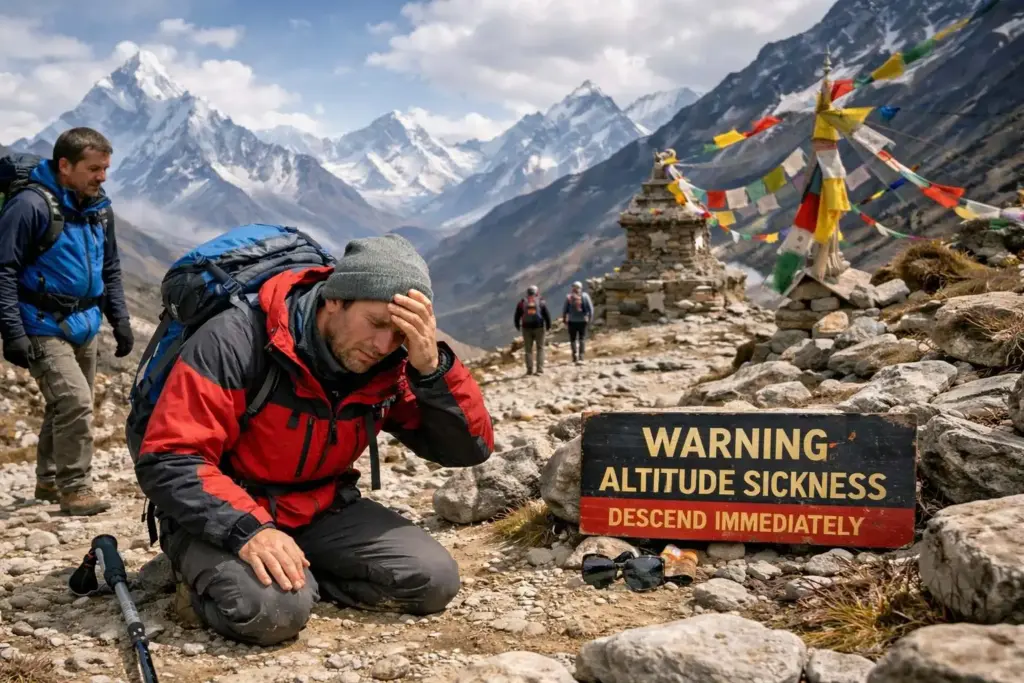
    Time Activity
    6:00 AM Hotel pickup in Pokhara and transfer to Pokhara Airport helipad for check-in.
    6:30 AM Meet your pilot, attend a safety briefing, and prepare for boarding.
    6:45 AM Take off and enjoy a breathtaking helicopter flight over the Annapurna foothills, lush valleys, and traditional mountain villages.
    7:15 AM Land at or near Annapurna Base Camp (4,130 m / 13,550 ft), surrounded by towering Himalayan peaks.
    7:20–7:35 AM Spend approximately 15 minutes taking photos, enjoying panoramic views of Annapurna I, Machapuchare, Hiunchuli, and surrounding mountains, and experiencing the high-altitude alpine environment.
    7:35 AM Board the helicopter for the return flight. Depending on your package and weather conditions, enjoy an optional breakfast stop at a scenic mountain lodge.
    8:30–9:00 AM Arrive back in Pokhara and transfer to your hotel, concluding your unforgettable Annapurna Base Camp Helicopter Tour.

    Did You Know? Some premium packages include a landing at a viewpoint lodge lower down (such as around Machhapuchhre Base Camp or a hillside restaurant) for a mountain breakfast. This helps your body adjust and gives you more relaxed photo time.

    Best Time for the Annapurna Base Camp Helicopter Tour

    Weather is everything on a mountain flight. Clear skies mean spectacular views; clouds mean delays or cancellations.

    Season Months Conditions Recommendation
    Autumn Sep–Nov Clear skies, stable weather, best views Best overall
    Spring Mar–May Warm, blooming rhododendrons, good visibility Excellent
    Winter Dec–Feb Crisp, sharp views but cold; some snow delays Good on clear days
    Monsoon Jun–Aug Cloudy, rainy, frequent cancellations Not recommended

    Expert Advice: Book the earliest morning slot. In the Annapurna region, clouds usually build up by late morning, so early flights have the highest success rate. If you’re deciding on timing, our Best Time to Visit Annapurna Base Camp Guide is a useful read.

    Weather Delays, Cancellations & Refund Policy

    Annapurna base camp filled with snow in winter season

    Mountain weather in Nepal changes quickly, and helicopter flights operate only when conditions are safe. Even during the best trekking seasons, morning fog, strong winds, or cloud cover can delay or cancel departures.

    If your flight cannot operate due to weather:

    • Most reputable operators will reschedule your flight to the next available weather window.
    • If rescheduling is not possible, refunds are generally provided according to the company’s cancellation policy.
    • Flights are never guaranteed because pilot safety decisions always take priority over schedules.

    For this reason, we strongly recommend keeping at least one extra day in your Nepal itinerary. A buffer day greatly increases your chances of completing the flight without affecting your onward travel plans.

    Helicopter Tour vs Trekking to Annapurna Base Camp

    Not sure whether to fly or walk? Here is an honest comparison.

    Factor Helicopter Tour Trekking
    Duration 2.5–5 hours total 7–12 days
    Fitness needed Minimal Moderate to good
    Cost Higher per hour Lower per day, more days
    Altitude adjustment Sudden (short exposure) Gradual and safer
    Cultural experience Limited Rich villages and teahouses
    Best for Short on time, comfort seekers Adventure lovers, budget trekkers

    If you have the time and fitness, the trek is deeply rewarding, and our Annapurna vs Everest Base Camp comparison can help you plan. If time is tight, the helicopter is unbeatable. Many travellers even combine both: trek partway and fly out.

    Altitude and Safety: What You Must Know

    Altitude sickness while trekking in Himalayas

    Even though the flight is short, you go from around 800 metres in Pokhara to 4,130 metres in minutes. That rapid gain can cause mild dizziness, headache, or shortness of breath.

    This is why pilots keep landings short, usually 5–15 minutes. Your body barely has time to react before you descend again.

    Safety Tips:

    • Stay hydrated the day before and morning of your flight.
    • Move slowly at base camp; don’t run around for photos.
    • Tell your operator about any heart, lung, or altitude conditions.
    • Skip alcohol the night before.

    If you want to understand how altitude affects the body, read our guides on altitude sickness and the more serious conditions of HACE and HAPE. For medication questions, see our note on Diamox use while trekking and consult a doctor.

    Warning: Never pressure a pilot to fly or land in poor weather. Mountain flying demands respect. A postponed flight is far better than an unsafe one.

    How High Does the Helicopter Fly?

    Many travellers wonder how high the helicopter actually flies during the Annapurna Base Camp tour.

    Most flights cruise above the valleys before gradually ascending into the Annapurna Sanctuary. The helicopter lands at or near Annapurna Base Camp (4,130 metres / 13,550 feet), depending on weather conditions and operational requirements.

    Because the air is significantly thinner at this altitude, helicopters normally remain on the ground for only 5 to 15 minutes. This short landing minimizes altitude-related discomfort while allowing passengers enough time to enjoy the panoramic views and take photographs.

    Pilots continuously monitor weather conditions, aircraft performance, and passenger safety throughout the journey, making adjustments whenever necessary.

    What to Wear and Pack

    Base camp is cold even in autumn, especially in the early morning. Dress in layers you can remove after landing back in warm Pokhara.

    Packing Tips:

    • Warm jacket or down layer
    • Hat, gloves, and sunglasses (glare off snow is intense)
    • Sunscreen and lip balm
    • Comfortable shoes with grip
    • Camera or phone with a full battery (cold drains it fast)
    • A light daypack — keep it minimal due to weight limits

    For a full checklist you can adapt, see our trek packing list. You won’t need heavy gear, but warm layers matter.

    How to Book the Annapurna Base Camp Helicopter Tour

    Booking is straightforward when you follow these steps:

    1. Choose your departure city — Pokhara for value, Kathmandu for convenience.
    2. Decide sharing vs private based on your budget and group size.
    3. Pick a peak-season morning for the best weather odds.
    4. Confirm inclusions in writing — permits, transfers, taxes.
    5. Check the operator’s safety record and licensing.
    6. Keep a buffer day in case weather forces a delay.

    At Hi Nepal Travels and Treks, our licensed team arranges the entire experience, from hotel pickup to a professional, high-altitude pilot, and clearly explains what is and isn’t included. We would rather set honest expectations than overpromise on weather nobody can control.

    Travel Tip: If you’re combining this with other adventures, we can bundle it into a wider itinerary. See our sample 10-day adventure itinerary for ideas, or explore fun add-ons in things to do in Pokhara.

    Why Annapurna Base Camp Helicopter Tour Prices Change Every Year?

    Helicopter tour prices in Nepal are reviewed regularly and may vary from one season to another. While published rates provide a useful estimate, the final cost depends on several operational factors.

    Some of the main reasons prices change include:

    • Rising aviation fuel costs
    • Seasonal demand during spring and autumn
    • Aircraft maintenance and operating expenses
    • Government taxes or permit updates
    • Passenger numbers on shared flights
    • Currency exchange rate fluctuations

    For this reason, prices shown online should always be considered indicative. Before confirming your booking, request a written quotation that clearly lists all inclusions, taxes, and any additional charges.

    Is the Annapurna Base Camp Helicopter Tour Worth It?

    Annapurna Base Camp covered in snow

    For most travellers, yes. In under an hour, you witness a landscape that trekkers spend a week reaching. The value lies in time saved and the sheer drama of the flight.

    It is worth it if you:

    • Have limited time in Nepal
    • Cannot trek for fitness or health reasons
    • Want a comfortable, memorable mountain experience
    • Are celebrating something special

    It may not suit you if you:

    • Are on a tight backpacker budget
    • Crave the physical challenge and culture of trekking
    • Get anxious about small aircraft or sudden altitude

    Be honest with yourself about which traveller you are. There is no wrong answer, only the right choice for your trip.

    Combining Your Helicopter Tour With Other Experiences

    Since you’ll likely be in Pokhara, make the most of it. The lakeside city is one of the most relaxing spots in Nepal.

    • Catch a golden sunrise at Sarangkot the day before your flight.
    • Go paragliding over Pokhara for another aerial thrill.
    • Enjoy boating on Phewa Lake in the afternoon.

    If you’re planning a broader trip, explore the wider Annapurna region or consider the popular short Ghorepani Poon Hill trek for a taste of teahouse trekking. For those visiting Everest too, we also offer the Everest Base Camp helicopter tour.

    Common Mistakes Travellers Make

    From experience, here are the pitfalls to avoid:

    • Booking a late-morning flight. Clouds ruin views. Always go early.
    • No buffer day. Weather delays happen; don’t schedule your international flight for the same evening.
    • Ignoring weight limits. High altitude reduces payload; heavy passengers may affect seating.
    • Skipping insurance. Ensure your policy covers helicopter and high-altitude activities.
    • Choosing on price alone. Safety and reputation matter more than saving a few dollars.

    Conclusion: Plan Smart, Fly High

    The Annapurna Base Camp helicopter tour is one of the most spectacular short adventures in Nepal. In 2026, expect to pay around USD 450–600 per person for a shared flight from Pokhara, or USD 2,000–2,600 for a private charter, with Kathmandu departures costing more.

    Choose an early morning slot in autumn or spring, confirm exactly what your package includes, keep a buffer day for weather, and pack warm layers. Do that, and you’ll come home with images most travellers only dream of.

    Remember that prices, fees, and regulations can change, so always confirm current details before booking.

    Ready to fly into the heart of the Annapurnas? Get in touch with Hi Nepal Travels and Treks for an honest quote, licensed pilots, and friendly local advice tailored to your dates. We’re happy to answer questions, compare options, and help you build the perfect Nepal itinerary, no pressure, just genuine guidance.

    Contact Hi Nepal Travels and Treks today for the latest 2026 pricing, available departure dates, and a personalised quote for your Annapurna Base Camp helicopter adventure.

    Frequently Asked Questions

    1. How much does an Annapurna Base Camp helicopter tour cost in 2026?

      A sharing tour from Pokhara costs roughly USD 450–600 per person, while a private charter runs about USD 2,000–2,600 for up to five passengers. Kathmandu departures cost more due to the longer flight. Prices shift with season, fuel, and operator, so always request a written quote first.

    2. How long is the tour?

      From Pokhara, the round trip takes about 2.5 to 3 hours, including a short landing at base camp. From Kathmandu, allow 4 to 5 hours because of the extra flying distance and a possible refuel stop in Pokhara along the way.

    3. Can you actually land at Annapurna Base Camp?

      Yes, weather and space permitting, helicopters land at or near base camp at around 4,130 metres. Landings are brief, usually 5–15 minutes, to limit altitude exposure and manage engine performance. Occasionally pilots land slightly lower if conditions or crowding require it.

    4. Is the helicopter tour safe?

      It is generally safe with licensed operators, experienced pilots, and clear weather. Flights follow strict weight rules and only run in good conditions. Because mountain weather changes quickly, flights may be delayed or cancelled for safety. Always keep a buffer day in your plan.

    5. What is the best time for the tour?

      Late September to November and March to May offer the clearest skies and best views. Early morning flights are ideal before clouds form. Winter can be crisp and beautiful on clear days, while monsoon months from June to August see frequent cancellations.

    6. Do I need a permit?

      You enter the Annapurna Conservation Area, so an ACAP permit may apply. Reputable operators usually handle required permits within the package. Rules can change, so confirm inclusions and carry a passport copy on the flight day.

    7. Will I get altitude sickness?

      Serious altitude sickness is unlikely due to the short exposure, but some people feel mild dizziness or headache. Stay hydrated, move slowly at base camp, avoid alcohol the night before, and tell your operator about any health conditions in advance.

    8. How many people fit in the helicopter?

      Most tours use helicopters carrying up to five passengers, but high-altitude weight limits often reduce this. Pilots manage seating and landing rotations based on total weight to fly safely into the sanctuary.

    9. Can families and older travellers join?

      Absolutely. The tour is popular with families, couples, and older travellers because it needs little fitness. Just inform the operator of any medical conditions and follow the pilot’s guidance during the short high-altitude landing.

    10. Should I fly from Pokhara or Kathmandu?

      Pokhara is closer to the Annapurna range, so it is cheaper and faster. Kathmandu is convenient if you’re already there, but expect higher costs and a longer flight. If possible, base yourself in Pokhara for this tour.

    11. What happens if the flight is cancelled?

      If weather cancels your flight, reputable operators reschedule to the next available slot or refund according to their policy. This is why a buffer day is essential. Never book your international departure for the same day.

    12. Is it worth the money?

      For time-short travellers, those unable to trek, or anyone wanting a comfortable, dramatic mountain experience, it is very worthwhile. Budget backpackers or adventure lovers who want the full cultural trek may prefer walking to base camp instead.

    13. Is breakfast included in the helicopter tour?

      Some premium helicopter tour packages include breakfast at a mountain-view lodge after landing, while others cover only the helicopter flight. Always confirm what is included when booking.

    14. Is there a luggage or baggage limit?

      Yes. Helicopters operating at high altitude have strict weight restrictions. Passengers should bring only essential items in a small daypack and follow the baggage allowance provided by the operator.

    15. Can children join the Annapurna Base Camp helicopter tour?

      Yes. Children can join the tour when accompanied by an adult. Families should inform the operator in advance, so appropriate seating arrangements and safety guidance can be provided.

    16. What helicopter is usually used for the tour?

      Most operators use high-altitude helicopters such as the Airbus H125 (AS350 B3e) or equivalent aircraft, which are specifically designed for mountain operations in Nepal.

    17. Can I book the tour at the last minute?

      Yes, subject to aircraft availability and weather conditions. However, during the busy spring and autumn seasons, booking several days in advance is recommended to secure your preferred departure date.

  • Sikles Trek 2026: The Annapurna Region’s Most Overlooked Village Trail

    Sikles Trek 2026: The Annapurna Region’s Most Overlooked Village Trail

    Most travelers fly into Pokhara, glance at the wall of the Annapurnas, and march straight onto the Annapurna Base Camp or Mardi Himal trails. Few of them ever turn northeast toward the Madi River valley, where one of the largest Gurung settlements in Nepal sits quietly on a ridge below Annapurna II and Lamjung Himal. That village is Sikles, and the trail to reach it remains one of the Annapurna region’s best-kept secrets.

    We have walked these slate-roofed lanes and shared Dal Bhat in family teahouses where you are often the only foreigner staying the night. If you want close mountain views, authentic village culture, and a route free of the dust and crowds that now plague the busier circuits, the Sikles Trek deserves a serious look for 2026.

    What Is the Sikles Trek?

    The Sikles Trek is a short, low-altitude village trek northeast of Pokhara that leads to Sikles, one of Nepal’s largest traditional Gurung villages at roughly 1,980 meters. It offers panoramic views of Annapurna II, Lamjung Himal, and the Madi valley, with cultural immersion rather than high passes, making it ideal for families and first-time trekkers.

    This trail threads through terraced millet and rice fields, dense rhododendron and oak forest, and several smaller Gurung and Tamang hamlets. Because Sikles lies inside the Annapurna Conservation Area, the landscape stays protected and the air feels clean and unhurried. The whole circuit can be done comfortably in 3 to 5 days, which suits trekkers short on time.

    Why Sikles Stays Overlooked

    Sikles is overlooked mainly because it lacks a famous base camp or named pass to draw bucket-list trekkers. There is no Instagram-famous viewpoint with a signboard, no high-altitude record to chase, and limited marketing. What you get instead is genuine village life, empty trails, and unobstructed mountain views without the foot traffic.

    The bigger trails near Pokhara pull almost everyone toward Ghorepani or Mardi Himal. Sikles, by contrast, feels lived-in rather than staged for tourism. Stone houses, water-powered grain mills, and grandmothers spinning wool on porches are part of daily routine here, not a performance.

    Permits and Fees for 2026

    The Sikles Trek requires two documents: the ACAP permit and the e-TIMS card. Sikles is not a Restricted Area, so no special RAP is needed, but it sits inside protected conservation land. Both permits are easy to obtain in Pokhara at the Nepal Tourism Board office before you start.

    Permit / Fee Foreigners SAARC Nationals
    ACAP Permit NPR 3,000 (~$23 USD) NPR 1,000
    e-TIMS Card NPR 2,000 (~$15 USD) NPR 1,000

    Carry passport-size photos and a copy of your passport for the paperwork. You can read more in our guides to the TIMS card and overall trekking rules and costs in Nepal. For your tourist visa, remember the standard fees: $30 USD for 15 days, $50 USD for 30 days, and $125 USD for 90 days.

    Do You Need a Guide?

    Sikles falls inside the Annapurna Conservation Area, where Nepal now strongly enforces the licensed-guide rule for foreign trekkers. While Sikles itself is not a Restricted Area requiring a guide by special permit law, hiring a licensed guide is the current expected practice. We recommend confirming the live rule with your operator before departure.

    A local guide also adds real value here. Trail junctions in the Madi valley are not always marked, and a Gurung-speaking guide opens doors to homestays and stories that you would never access alone. If you are a solo female trekker, a guide is especially worth arranging.

    Sikles Trek Itinerary: 4-Day Plan

    The classic Sikles loop runs 4 days from Pokhara, beginning with a short drive to the trailhead and following the Madi River up to Sikles before looping back via forested ridges. Daily walking time stays moderate at around 4 to 6 hours, with gentle elevation gain well within safe limits.

    Day Route Walking Time Max Elevation
    1 Pokhara to trailhead (drive), trek to Tangting 4–5 hours 1,600 m
    2 Tangting to Sikles Village 5–6 hours 1,980 m
    3 Sikles exploration & viewpoint, descend to Parche 4–5 hours 2,100 m
    4 Parche to roadhead, drive to Pokhara 3–4 hours 1,400 m

    Because the maximum sleeping elevation stays below 2,100 meters, altitude sickness is not a major concern on the standard loop. Still, if you extend toward Kapuche Glacier Lake at around 2,500 meters, keep your daily sleep-elevation gain modest and review our notes on altitude sickness.

    The Kapuche Glacier Lake Extension

    For trekkers wanting more, a 2-day extension from Sikles leads to Kapuche Glacier Lake, one of the lowest-elevation glacial lakes in Nepal at roughly 2,546 meters. The trail descends and climbs along the Seti tributary, ending at a turquoise lake fed directly by hanging glaciers below Annapurna III.

    This add-on transforms the trek into a 6-7 day adventure and is best done with a guide who knows the river crossings. The terrain involves steep, narrow forest paths and occasional landslide-prone sections, so wear proper boots and trek poles.

    Best Time to Trek Sikles

    The best seasons for Sikles are autumn (late September to November) and spring (March to May), when skies are clear and rhododendrons bloom on the ridges. The trek is lower than most Annapurna routes, so it stays comfortable even in late autumn when higher trails turn cold.

    Season Conditions Verdict
    Autumn (Sep–Nov) Clear skies, crisp air, stable weather Best overall
    Spring (Mar–May) Rhododendron bloom, warm days, some haze Excellent
    Monsoon (Jun–Aug) Heavy rain, leeches, lush green terraces Wet but possible
    Winter (Dec–Feb) Cold nights, clear days, quiet trails Doable, pack warm

    Unlike the high-altitude crossings, Sikles remains walkable during the monsoon, though leeches and slippery trails make it uncomfortable. If you want a guaranteed dry summer trek, the rain-shadow regions of Upper Mustang and Upper Dolpo are far better monsoon choices. For more on timing, see our guide to the best time for the Annapurna region and trekking in October.

    Getting to the Trailhead

    Sikles begins with a 2-3 hour drive northeast from Pokhara to the road head near Tangting or Bhujung, depending on road conditions. Private jeep hire is the most reliable option, and rates fluctuate seasonally.

    Public buses run partway but are slow and infrequent. We generally recommend a shared or private jeep, since the final stretch of road can be rough and unpredictable after rain. Build flexibility into your plans in case a landslide forces a longer walk-in.

    Money, Charging, and Connectivity on the Trail

    There are no ATMs beyond Pokhara, so carry all your NPR cash before leaving the city. Teahouses in Sikles, Tangting, and Parche operate on a small cash economy, and most extra services cost money on top of your room and meals.

    Expect to pay roughly 200 to 500 NPR to charge a phone or power bank, similar amounts for a gas-heated hot shower, and a small fee for Wi-Fi where it exists. For connectivity, Ncell generally provides the strongest coverage throughout the Annapurna and Madi valley region, so buy a local SIM in Pokhara if you need to stay online.

    Our breakdown of trek amenity costs explains these trail upcharges in detail, and our budget trekking guide helps you plan daily spending.

    Food, Water, and Eating Well

    Stick to fresh, locally grown carbohydrates on the trail, with the classic Dal Bhat (lentil soup, rice, and vegetable curry) as your reliable, refillable fuel. Lower-altitude villages like Sikles grow their own vegetables, so meals are fresher than on remote high routes, but we still recommend prioritizing vegetarian dishes.

    For water, never buy plastic bottles. Carry a reusable bottle paired with a reliable purification system such as a UV purifier, a Sawyer squeeze filter, or chlorine dioxide drops. This keeps you healthy and protects the conservation area’s environment. Learn more about teahouse food on Nepal’s trails.

    Gurung Culture and Trail Etiquette

    Sikles is a deeply Gurung village with strong Buddhist and animist traditions, so respectful behavior matters. Always walk clockwise around mani walls, stupas, and chortens, keeping these sacred structures on your right side as you pass.

    Before entering any monastery or village temple, remove your shoes and hat. Outdoor photography is fine, but never photograph inside monastery prayer halls unless a resident monk gives explicit permission. Ask before photographing people, and a smile goes a long way in these tight-knit communities.

    Packing and Gear

    Sikles is a low-altitude trek, so you need far less heavy gear than a high-mountain expedition, but layers still matter for cool evenings. A good base layer, fleece, light down jacket, and rain shell cover most conditions across the seasons.

    If you do not own everything, you can easily arrange rental trekking gear in Kathmandu or Pokhara. Check our full trek packing list and our guide to choosing a sleeping bag for the right warmth rating.

    Insurance and Safety

    Standard travel insurance is not enough for any Nepal trek. Make sure your policy covers high-altitude emergency helicopter evacuation and treatment for AMS, HAPE, and HACE. While Sikles is lower-risk, accidents and rapid weather changes happen, and rescue coverage is essential.

    The trail is gentle but includes some steep, slippery forest sections, especially near Kapuche. Trek with proper footwear, use poles on descents, and let your guide set a sensible pace.

    Tipping Your Crew

    Tipping is culturally expected in Nepal and forms a vital part of your guide and porter’s income. A standard guideline is 10% to 15% of your total trek cost, distributed among the crew at the end of the trip.

    Hand tips over personally and thank your team directly. Our detailed guide and porter tipping guide breaks down realistic amounts for different trek lengths.

    Who Should Choose Sikles?

    Sikles suits trekkers who value culture over altitude, families with children, photographers, and anyone wanting a short escape from Pokhara without crowds. If you have already done the popular routes and want something quieter, this is the trail. Those craving high passes should look at the Mardi Himal trek or compare the Annapurna and Everest base camp options instead.

    Pair Sikles with a few relaxed days exploring things to do in Pokhara, a boat trip on Phewa Lake, or a Sarangkot sunrise for a balanced trip.

    Frequently Asked Questions

    1. How many days does the Sikles Trek take?

      The standard loop takes 3 to 5 days from Pokhara, with walking times of roughly 4 to 6 hours daily. Adding the Kapuche Glacier Lake extension stretches it to 6-7 days.

    2. Is the Sikles Trek difficult?

      No. It is rated easy to moderate. The maximum sleeping elevation stays around 2,100 meters, so altitude is not a serious concern, though some forest sections are steep.

    3. Can I do the Sikles Trek solo?

      Sikles sits in the Annapurna Conservation Area, where Nepal strongly enforces the licensed-guide rule for foreigners. We recommend hiring a licensed guide and confirming the current regulation before you travel.

    4. How do I get to the Sikles trailhead?

      Drive 2-3 hours northeast from Pokhara by private or shared jeep to the road head near Tangting or Bhujung. Confirm live jeep rates and road conditions in advance.

    5. What is the best month for the Sikles Trek?

      October and November offer the clearest skies and most stable weather. March to May brings rhododendron blooms and warm days with occasional haze.

    6. Are there teahouses on the Sikles route?

      Yes. Simple teahouses and homestays operate in Tangting, Sikles, and Parche. Facilities are basic, and most extra services like charging and hot showers cost an additional 200 to 500 NPR.

    7. Is there Wi-Fi on the Sikles Trek?

      Limited Wi-Fi exists in some teahouses for a small fee, but it is unreliable. An Ncell SIM card gives the most consistent mobile coverage in this part of the Annapurna region.

    8. How much does the Sikles Trek cost?

      Permits cost NPR 3,000 for ACAP and NPR 2,000 for e-TIMS. Daily teahouse costs, guide fees, and jeep transport vary, so budget realistically and carry all cash from Pokhara.
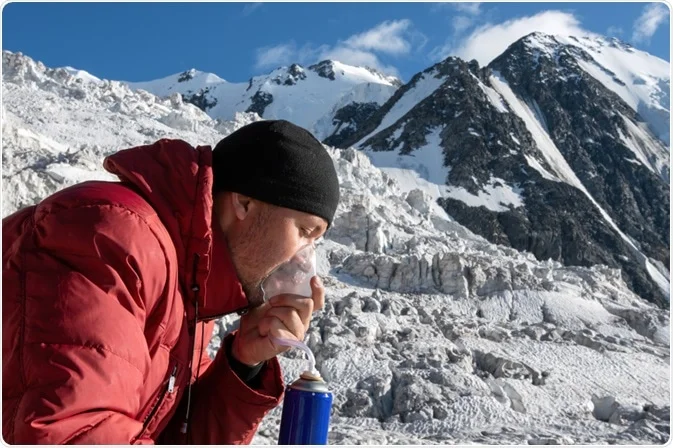
    9. Can I see Annapurna from Sikles?

      Yes. Sikles offers striking close views of Annapurna II, Annapurna IV, and Lamjung Himal directly above the village, especially at dawn from the upper viewpoints.

    10. Is the Sikles Trek good for families?

      Absolutely. Its low altitude, short walking days, and strong cultural experience make it one of the best family-friendly treks near Pokhara.

  • 17 Must-Visit Places Along the Annapurna Circuit: 2026/27 Guide

    17 Must-Visit Places Along the Annapurna Circuit: 2026/27 Guide

    The Annapurna Circuit Trek is a true Himalayan adventure, one that takes trekkers deep into the heart of Nepal’s most diverse and dramatic mountain landscapes. Often ranked among the best treks in the world, this legendary route delivers a new thrill almost every day, from steamy lowland valleys to the stark, wind-swept heights of the high Himalaya.

    Along the trail, trekkers pass through traditional Gurung and Thakali villages, ancient monasteries, sacred pilgrimage sites, and some of the most breathtaking scenery in the Annapurna region. The journey winds through lush forests, thundering rivers, glacial valleys, and high-altitude deserts before culminating at the iconic Thorong La Pass (5,416 m), one of the highest trekking passes on Earth.

    What makes the Annapurna Circuit Trek truly unforgettable is its constant change: landscapes, climate, culture, and emotions evolve with every step. This guide highlights the major attractions during the Annapurna Circuit Trek, focusing on the places, viewpoints, and experiences that make this classic Nepal trek a once-in-a-lifetime journey for adventure seekers.

    1. Besisahar to Chame – Lush Valleys, Rivers, and Traditional Villages

    Besisahar - First Major Attractions During the Annapurna Circuit Trek

    The Annapurna Circuit Trek officially begins in Besisahar, a lively town that marks the gateway to the Annapurna region. The lower trail gently introduces trekkers to Nepal’s rural mountain life before the terrain gradually becomes more alpine.

    This scenic section of the trek takes you through:

    • Terraced rice fields carved into green hillsides
    • Suspension bridges crossing roaring rivers
    • Waterfalls fed by glacial streams cascading down cliffs
    • Authentic Gurung and Manangi villages untouched by mass tourism

    Villages such as Jagat, Dharapani, and Chame offer warm Himalayan hospitality, traditional stone houses, and early glimpses of snow-capped peaks. Walking through these settlements provides a genuine insight into daily mountain life and sets the cultural foundation of the Annapurna Circuit Trek.

    2. Upper Pisang & Paungda Danda – Dramatic Landscapes and Sacred Cliffs

    Upper Pisang Trail to Annapurna Circuit Trek

    As the trail ascends toward Upper Pisang, the landscape changes dramatically. Lush greenery slowly gives way to dry, rugged terrain, massive cliffs, and Tibetan-influenced architecture. Upper Pisang itself is known for its stone houses, prayer flags, and panoramic mountain views.

    One of the most striking natural attractions in this section is Paungda Danda, also known as Heaven’s Gate. This towering rock face rises abruptly above the Marshyangdi River, creating one of the most dramatic scenes on the Annapurna Circuit.

    Beyond its visual impact, Paungda Danda holds spiritual significance for local communities, adding cultural depth to its natural beauty. This area marks the point where many trekkers realize they’ve entered the true high Himalayas.

    3. Manang Valley – Acclimatization, Culture & Mountain Views

    Snowfall in Manang Valley

    Manang (3,540 m) is one of the most important, rewarding, and major attractions during the Annapurna Circuit Trek. More than just an overnight halt, Manang is the heart of proper acclimatization and a place where Himalayan culture, scenery, and comfort come together.

    Surrounded by towering peaks such as Annapurna II, Annapurna III, Annapurna IV, Gangapurna, and Tilicho Peak, the valley feels raw, powerful, and unmistakably high-altitude. Most trekkers spend an extra day here, not only for safety, but because Manang has so much to offer.

    Major Attractions in Manang:

    • Acclimatization hikes to Gangapurna Lake and Ice Lake, offering breathtaking panoramic views
    • Visit to Braga (Braka) Monastery, one of the oldest and most important monasteries in the Annapurna region
    • Himalayan Rescue Association (HRA) altitude-awareness briefing for safe trekking
    • Cozy bakeries, coffee shops, and mountain lodges, a rare comfort at this elevation

    Manang is often the point where trekkers feel fully connected to the Himalayas, physically, mentally, and emotionally.

    👉 Hi Nepal Travels and Treks carefully schedules acclimatization days in Manang, ensuring a safer ascent and a more enjoyable trekking experience.

    4. Explore Ancient Buddhist Monasteries Along the Annapurna Circuit

    Ancient Buddhist Monastery: Barka Monastery

    One of the most enriching cultural attractions during the Annapurna Circuit Trek is exploring ancient Buddhist monasteries and village gompas that have stood for centuries.

    These sacred sites reflect Tibetan-influenced Himalayan Buddhism and offer a deeper understanding of the spiritual traditions that shape mountain life.

    Notable Buddhist Monasteries on the Route:

    • Braga (Braka) Monastery near Manang, perched dramatically above the valley
    • Local village gompas in Upper Pisang, Kagbeni, and Manang
    • Prayer wheels, mani walls, and fluttering prayer flags along the trail

    Stepping into these monasteries provides a peaceful contrast to long trekking days, offering moments of silence, reflection, and connection with the spiritual rhythm of the Himalayas.

    5. Attend a Local Buddhist Puja Ceremony – A Spiritual Experience

    local buddhist puja ceremony

    Along the Annapurna Circuit Trek, timing may allow you to witness or participate in a local Buddhist puja (prayer ceremony). These ceremonies offer an authentic glimpse into Himalayan spirituality that goes beyond sightseeing.

    During a puja, you can experience:

    • Monks chanting mantras in melodic rhythm
    • Butter lamps flickering against the mountain backdrop
    • Prayer flags fluttering in the crisp high-altitude air

    For many trekkers, attending a puja becomes one of the most memorable cultural experiences of the trek, connecting you deeply to the local traditions and spiritual life of the region.

    Tip: Respectful observation is key; photography is usually allowed, but follow the guidance of monks or local guides.

    6. Tilicho Lake (Optional Side Trip) – A High-Altitude Gem

    Tilicho Lake Trek in Winter

    The side trek to Tilicho Lake (4,919 m) is one of the most rewarding detours and major attractions during the Annapurna Circuit Trek, offering an adventurous extension for trekkers with extra time and energy.

    Why Tilicho Lake is Special:

    • One of the highest lakes in the world, set against stark Himalayan peaks
    • Turquoise waters that contrast dramatically with the barren surrounding landscape
    • Less crowded, offering a remote, serene trekking experience

    Though the hike is physically demanding, reaching Tilicho Lake is immensely satisfying, rewarding trekkers with unparalleled mountain scenery and a profound sense of accomplishment.

    Pro Tip: Proper acclimatization in Manang is essential before attempting this side trip to ensure a safe and enjoyable experience.

    7. Yak Kharka & Thorong Phedi – Entering the High Himalayas

    Yak Kharka Annapurna Circuit

    After leaving Manang Valley, the Annapurna Circuit Trek enters the high Himalayas, where the landscape becomes increasingly dramatic. Forests give way to barren alpine terrain, oxygen levels drop, and yaks replace mules as the main pack animals.

    Key stops in this high-altitude stretch:

    • Yak Kharka – a small settlement surrounded by towering peaks, perfect for acclimatization and enjoying wide alpine vistas
    • Thorong Phedi – the last village before the Thorong La Pass, offering basic lodges and breathtaking views

    These settlements provide:

    • Vast, unbroken alpine scenery
    • Crystal-clear night skies, ideal for stargazing away from light pollution
    • A growing sense of anticipation and preparation before crossing Thorong La Pass

    Trek Tip: Take it slow in this section; proper pacing helps prevent altitude sickness and lets you fully absorb the beauty of the high Himalayas.

    8. Thorong La Pass (5,416 m) – The Pinnacle of the Annapurna Circuit

    Thorong La Pass - World's Highest Trekking Pass

    Thorong La Pass is the ultimate highlight and a major attraction during the Annapurna Circuit Trek and a milestone for every trekker. At 5,416 meters, it is one of the highest trekking passes in the world, offering both a physical challenge and a visual feast.

    Why Thorong La is Unforgettable:

    • Panoramic views of Annapurna, Dhaulagiri, and Mustang
    • A true test of endurance, resilience, and mental strength
    • A surreal experience of walking beneath a sky full of stars if you start the climb before dawn

    The summit is marked by prayer flags fluttering in the wind, and the sense of achievement is unmatched. Many trekkers describe it as the most emotional and empowering moment of the entire trek.

    Trekking with experienced guides from Hi Nepal Travels and Treks ensures safe navigation, proper acclimatization, and support for this challenging section.

    For more tips and detailed guidance on crossing Thorong La Pass safely, read our full Thorong La Pass: The Highest Pass in the Annapurna Circuit guide here.

    9. Muktinath Temple – Spiritual & Cultural Landmark

    Muktinath Temple in Winter - Mustang

    Descending from Thorong La Pass, trekkers arrive at Muktinath (3,800 m), one of Nepal’s most sacred pilgrimage sites. This serene location is revered by both Hindus and Buddhists, making it a unique convergence of faiths in the high Himalayas.

    Why Muktinath is Special:

    • Holy pilgrimage site with spiritual significance for multiple religions
    • 108 stone water spouts (Muktidhara) used for ritual cleansing
    • An eternal natural flame temple that symbolizes divine presence
    • Peaceful surroundings offering a moment of reflection after the challenging Thorong La ascent

    The combination of spirituality, stunning mountain backdrop, and calm ambiance makes Muktinath a highlight not only for religious pilgrims but also for trekkers seeking cultural immersion and inner peace.

    Tip: Arrive early in the morning to enjoy the tranquil atmosphere and observe the rituals without crowds.

    10. Kali Gandaki Gorge – The World’s Deepest Gorge

    Kali Gandaki Gorge - World's Deepest Gorge

    From Muktinath, the trail follows the Kali Gandaki River, flowing between Annapurna I and Dhaulagiri, forming the world’s deepest gorge. This section is not just about scale; it’s a journey through history, culture, and geology, and major attractions during the Annapurna Circuit Trek.

    Highlights of the Kali Gandaki Gorge:

    • Wind-swept valleys that reveal the raw Himalayan terrain
    • Ancient salt trade routes, once a vital link between Tibet and Nepal
    • Fossilized ammonites (shaligrams) embedded in the valley cliffs, considered sacred by Hindus
    • Villages like Kagbeni and Marpha, showcasing strong Tibetan and Thakali cultural influences

    Walking through the gorge offers trekkers a rare opportunity to witness how geography and culture intertwine. From dramatic cliffs to historic villages, the Kali Gandaki Gorge is a living museum of the Himalayas.

    Tip: Stop in Kagbeni for a tea break and explore the old monasteries and traditional stone architecture; it’s a perfect cultural pause on your trek.

    11. Ride a Horse in the Mustang Region – A Unique Himalayan Experience

    Horse Riding in Nepal

    In Lower Mustang, especially around Jomsom and Kagbeni, horses remain a vital part of daily life and transportation. For trekkers, a short horse ride is more than a novelty; it’s a chance to experience traditional Himalayan travel firsthand.

    Why Horse Riding in Mustang is Special:

    • Experience local transport traditions used for centuries in the Mustang region
    • Explore ancient trade routes, once traveled by salt caravans connecting Tibet and Nepal
    • Enjoy dramatic desert landscapes from a new perspective, with the barren Himalayan plateau stretching before you

    A horse ride here provides a slower, more immersive way to enjoy Mustang’s unique terrain, culture, and scenery, a memorable highlight for adventure and culture lovers alike.

    Tip: Hire horses locally through your teahouse or trekking agency like Hi Nepal Travels and Treks to ensure safety and proper guidance.

    12. Marpha Village – Apple Orchards & Thakali Culture

    Marpha Village in Annapurna Circuit Trek

    Often called the most picturesque village on the Annapurna Circuit, Marpha is a cultural and sensory delight. Nestled in the Kali Gandaki valley, the village combines natural beauty, traditional architecture, and rich local heritage.

    Highlights of Marpha:

    • Apple orchards and traditional apple brandy production
    • Whitewashed stone houses and clean, quaint streets
    • Thakali culture and cuisine, including local dishes like Thakali Khana Set

    Marpha is the perfect spot to pause, enjoy a meal, and soak in village life while trekking. Its charm and hospitality make it a must-visit cultural stop on the Annapurna Circuit Trek.

    Tip: Try the local apple brandy and take a stroll along the stone-paved streets for the perfect photo opportunity.

    13. Tatopani – Relax in Natural Hot Springs

    Tatopani - Natural Hot Springs

    After days of trekking through high-altitude valleys, Tatopani is a rejuvenating oasis. Known for its natural hot springs, it offers both physical relief and a chance to unwind before continuing the journey.

    Why Tatopani is a Trekker Favorite:

    • Natural hot springs by the Kali Gandaki River for relaxation
    • Muscle recovery after long trekking days and high passes
    • Warm, subtropical climate providing a comfortable contrast to the alpine chill

    Soaking in the hot springs surrounded by mountains is an unforgettable way to recharge and reflect on the trek’s progress.

    Tip: Early morning or late evening visits are quieter and more peaceful, giving you a true Himalayan retreat experience.

    14. Trek Through Blooming Rhododendron Forests – Nature’s Colorful Canvas

    The forest of rhododendron on trail of Nepal

    One of the most beautiful natural attractions on the Annapurna Circuit Trek is walking through rhododendron forests in full bloom. These forests transform the trail into a vibrant tapestry of color, especially in spring.

    What to Know:

    • Best time to visit: Spring (March–April), when rhododendrons are at their peak
    • Where to see them: Ghorepani, Chame, and lower elevations along the trail
    • Why it’s special: Bright reds, pinks, and whites contrast dramatically with snow-capped peaks and alpine valleys

    Hiking through these forests offers not just scenic beauty but also a chance to connect with the rich biodiversity of the Annapurna region, making every step visually rewarding.

    For the best season to trek the Annapurna Circuit and plan your adventure perfectly, read our full guide on the Best Time to Trek Annapurna Circuit here.

    15. Ghorepani & Poon Hill – Sunrise With Iconic Himalayan Views

    Sunrise view in poonhill

    Many trekkers choose to finish their Annapurna Circuit journey with a side trek to Ghorepani and Poon Hill for an unforgettable sunrise.

    Highlights of Poon Hill Sunrise:

    • Golden light on Annapurna, Dhaulagiri, and Machhapuchhre peaks
    • Short and accessible hike, ideal for a spectacular view without added fatigue
    • One of Nepal’s most photographed viewpoints, perfect for memorable trek photos

    The sunrise at Poon Hill provides a serene finale to the trek, leaving trekkers with a lasting impression of the Himalayas’ majesty.

    16. Enjoy the Night Sky – Himalayan Stargazing

    Night Sky view from Annapurna Circuit Trek

    Far from urban lights, the Annapurna Circuit offers some of the clearest night skies in Nepal, a hidden treasure for trekkers.

    Where to Experience It:

    • Manang, Yak Kharka, Thorong Phedi, and other high-altitude stops
    • What you’ll see: Countless stars, recognizable constellations, and the Milky Way stretching across the sky
    • The serene silence of the mountains makes stargazing even more magical

    For many trekkers, gazing at the star-filled sky is a peaceful, almost meditative experience, often remembered as one of the highlights of the journey.

    17. Interact With Local People – Authentic Himalayan Connections

    Local child with lamb

    Beyond landscapes and landmarks, one of the most meaningful aspects of the Annapurna Circuit Trek is interacting with local communities.

    What Makes This Special:

    • Visit Gurung villages in lower regions, Thakali and Manangi settlements higher up
    • Share meals, stories, and cultural traditions with locals
    • Learn firsthand about Himalayan lifestyles, agriculture, and mountain hospitality

    These interactions add depth and richness to the trek, providing memories and insights that no scenic viewpoint alone can offer.

    Tip: Trekking with a local operator like Hi Nepal Travels and Treks enhances cultural experiences and ensures respectful, authentic engagement with communities along the trail.

    Why the Annapurna Circuit Trek Is Truly Special

    The Annapurna Circuit Trek is not just another Himalayan trek; it’s a journey through constantly changing landscapes, cultures, and experiences. Every day brings something new, keeping trekkers engaged and inspired from start to finish.

    What Makes This Trek Unique:

    • Diverse landscapes: From lush tropical valleys and roaring rivers to barren alpine deserts and high mountain passes
    • Rich cultural variety: Trek through Hindu villages, Tibetan-influenced settlements, and centuries-old monasteries
    • Challenging yet rewarding trails: Easy walking sections give way to extreme high passes, including the iconic Thorong La
    • Ever-changing experiences: Each day feels like a completely new adventure, combining scenery, culture, and personal achievement

    No other trek in Nepal offers such a blend of natural beauty, cultural immersion, and adventure all in one route.

    Trek the Annapurna Circuit with Hi Nepal Travels and Treks

    Annapurna circuit trek with Hi Nepal Travels and treks - Local trek operator

    To fully experience the major attractions during the Annapurna Circuit Trek, partnering with a trusted trekking company makes all the difference.

    Hi Nepal Travels and Treks ensures that your journey is safe, immersive, and unforgettable by offering:

    • Experienced, government-licensed guides with local expertise
    • Proper acclimatization planning to maximize safety and enjoyment
    • Flexible itineraries tailored to your pace and interests
    • Authentic cultural experiences in villages, monasteries, and local communities
    • Strong focus on safety, from high passes to trekking logistics

    Ready to experience the Annapurna Circuit the right way?

    Contact Hi Nepal Travels and Treks and start planning your Himalayan adventure today.

    Final Thoughts

    The major attractions during the Annapurna Circuit Trek make this journey one of the most remarkable experiences in the Himalayas. This trek is far more than just walking from one village to another; it’s an exploration of Nepal’s diverse landscapes, cultures, and traditions. From the challenging heights of Thorong La Pass and the spiritual serenity of ancient monasteries to the vibrant greenery of subtropical forests and the hospitality of mountain villages, every step reveals something unforgettable.

    Along the way, trekkers are rewarded with breathtaking vistas of snow-capped peaks, roaring rivers, glacial valleys, and high-altitude deserts. These attractions combine adventure, culture, and natural beauty into a journey that touches both the senses and the soul.

    For anyone seeking thrilling adventure, cultural immersion, awe-inspiring scenery, and a profound sense of personal achievement, the Annapurna Circuit Trek is an experience that delivers it all. The memories, stories, and perspectives gained on this trail stay with you long after you return, making it a truly once-in-a-lifetime Himalayan journey.

    Frequently Asked Questions (FAQs)

    What are the major attractions during the Annapurna Circuit Trek?

    Major attractions include Thorong La Pass, Manang Valley, Muktinath Temple, Tilicho Lake, Kali Gandaki Gorge, Marpha village, Tatopani hot springs, rhododendron forests, and Buddhist monasteries.

    Is Thorong La Pass the hardest part of the Annapurna Circuit Trek?

    Yes, Thorong La Pass (5,416 m) is the most challenging section due to altitude and long trekking hours, but proper acclimatization makes it achievable.

    Can beginners enjoy the Annapurna Circuit Trek?

    Yes, beginners can complete the trek with good fitness, proper acclimatization, and guidance from experienced trekking companies.

    When is the best time to see rhododendron forests on the Annapurna Circuit?

    The best time is spring (March to April) when rhododendrons are in full bloom.

    Is Tilicho Lake included in the Annapurna Circuit Trek?

    Tilicho Lake is an optional side trip that can be added for trekkers with extra time and energy.

    Do I need a guide for the Annapurna Circuit Trek?

    While experienced trekkers may go independently, hiring a guide enhances safety, cultural understanding, and overall experience.

  • Mardi Himal Trek Cost: 2026 Budget Guide

    Mardi Himal Trek Cost: 2026 Budget Guide

    Looking for a short yet soothing trekking adventure in Nepal?

    Mardi Himal trekking itinerary is the best option for those who are looking for a short alternative to treks like Annapurna Base Camp, Annapurna Circuit, or even the Everest Base Camp trek.

    But what about the Mardi Himal trek cost? Is it affordable?

    Venturing into the heart of the Himalayas lies a land of dreams for many adventurers, and the Mardi Himal Trek offers a perfect blend of natural beauty and cultural richness. But before you lace up your hiking boots, it’s crucial to understand the costs involved. This guide will help you with the Mardi Himal Trek budget, covering everything from permits to food.

    A Hidden Gem in the Annapurna Region

    Enjoy the stunning Mardi Himal and Machhapuchhre view.

    The Mardi Himal Trek is often overshadowed by its more famous neighbors, like the Annapurna Base Camp Trek. However, it offers a more intimate experience with fewer crowds, stunning vistas, and a chance to explore the untouched beauty of the Himalayas.

    While popular routes like the Everest Base Camp or Annapurna Circuit see a constant flow of trekkers, the trek to Mardi Himal remains relatively quiet. This solitude allows for a more personal encounter with nature, providing a sense of peace and tranquility. Fewer crowds mean you can enjoy the trails and viewpoints without the hustle, making it perfect for those seeking a more contemplative experience.

    The trek offers unparalleled views of the Annapurna Range, including iconic peaks like Machapuchare and Hiunchuli. As you ascend, each vantage point presents a new perspective, with the landscape transforming dramatically from lush forests to alpine meadows. These vistas are not only breathtaking but offer a photographer’s paradise, with every turn revealing postcard-worthy scenery.

    Cultural Encounters with the Gurung Community

    Gurung dress and dance

    Beyond the natural splendor, the Mardi Himal Trek offers a rich cultural experience. The trail weaves through traditional Gurung villages, where you can witness and partake in local customs and traditions. The hospitality of the Gurung people living in this region is legendary, offering trekkers a warm welcome and a glimpse into a way of life that has remained largely unchanged for generations.

    Major Mardi Himal Trek Expenses to Consider

    When planning for the trek, it’s essential to consider several key expenses that will contribute to the overall Mardi Himal trek cost. Here’s a detailed breakdown of Mardi Himal Trek Expenses:

    Trekking Permits for Mardi Himal

    To trek in the Annapurna region, you’ll need two essential permits:

    Annapurna Conservation Area Permit (ACAP)

    Having the ACAP is mandatory for all trekkers to enter the Annapurna region. It is a must for the maintenance and conservation of the area. The funds collected are used to preserve the natural environment and support sustainable tourism practices, ensuring the region remains pristine for future generations.

    TIMS Card (Trekkers’ Information Management System)

    The TIMS card is essential for safety and security. It helps authorities keep track of trekkers in the region, making it easier to assist in case of emergencies. Obtaining these permits is straightforward and can be done in Kathmandu or Pokhara, ensuring you are compliant with local regulations.

    These permits not only ensure your safety but also contribute significantly to the local economy and conservation efforts. By purchasing them, you play an important part in preserving the natural beauty and cultural heritage of the Himalayas, making your trek more sustainable and impactful.

    Mardi Himal Trek Cost for Accommodation 

    Accommodation along the Mardi Trek is relatively affordable. Tea houses are the primary option, and they provide basic amenities like a bed, blanket, and sometimes a warm shower.

    Tea House Experience

    Tea houses along the route offer a cozy and comfortable place to rest. While amenities are basic, they provide everything a trekker needs after a long day of hiking. The communal atmosphere often leads to interesting conversations with fellow trekkers from around the world, adding a social dimension to your journey. 

    Moreover, the cost per night’s stay in these accommodations is relatively lower than other popular treks in Nepal, keeping your Mardi Himal trek expenses more reasonable.

    Price Range for Lodging

    The price for the lodging varies depending on the altitude and remoteness of the location during the trek. 

    Higher up, prices may increase slightly due to the logistical challenges of transporting supplies to remote areas, as no means of transportation; all needed goods need to be carried by hand or using animals. 

    Despite the simplicity, the hospitality and warmth of the hosts make every stay memorable.

    Additional Amenities

    While most tea houses offer simple accommodations, some also provide additional services like Wi-Fi and hot showers for a small fee. These comforts, though minimal, can be a welcome luxury on the trail, offering a chance to rejuvenate and recharge for the next day’s adventure.

    Sometimes, some simple means can play a big part in making your trek memorable and successful.

    Mardi Himal Trek Expenses For Food and Beverages

    The Mardi Himal trek expenses can be impacted by the food’s cost, which can vary depending on the location and your dietary preferences. Tea houses offer a range of local and international dishes. 

    Typical Meals on the Trail

    The menu in tea houses typically includes both local Nepalese cuisine and popular international dishes. Meals such as dal bhat, noodles, and pancakes are common, with prices ranging. The portions are generous, ensuring you have the energy needed for trekking.

    Hydration and Drinks

    Staying hydrated is crucial, and bottled water, tea, and other beverages are readily available. Prices range depending on the altitude. While bottled water is convenient, consider using purification tablets or a filtration system to reduce plastic waste and save money.

    Dietary Preferences

    For those with specific dietary requirements, it’s advisable to communicate your needs in advance. Most tea houses are accommodating and can prepare meals that cater to vegetarian, vegan, or gluten-free diets, ensuring you stay nourished throughout the trek.

    Mardi Himal Trek Budget to Hire Guides and Porters

    While planning for the Mardi Himal trek budget, make sure to separate the cost for the guide and porter, as you need to hire them during the trek. Although it’s possible to trek independently, hiring a guide or porter can significantly enhance your experience.

    Guide Services

    A guide offers valuable insights into the region’s culture and history. Their knowledge of the trails ensures you stay on the right path and navigate any challenges with ease. Guides can also facilitate interactions with locals, enriching your cultural experience.

    Porter Services

    Porters can carry your gear, allowing you to focus on enjoying the trek. This service is particularly beneficial for those not accustomed to carrying heavy loads at high altitudes. Hiring a porter supports the local economy and provides employment opportunities in the region.

    Combining a Guide and Porter

    Many trekkers opt for both a guide and a porter, benefiting from the expertise of the guide while lightening their physical burden. This combination can make the trek more enjoyable and less physically demanding, allowing you to fully appreciate the journey.

    Mardi Trek Cost for Transportation 

    If you’re starting your trek from Pokhara, you’ll need to account for transportation to and from the trailhead.

    Transportation options include buses and taxis. Buses are the more economical choice, offering a scenic and adventurous ride to the starting point at Phedi. Taxis, while more expensive, provide comfort and convenience, especially for groups.

    Once on the trail, there may be minimal additional transportation costs, as the trek is primarily on foot. However, it’s wise to budget for unforeseen circumstances, such as returning to Pokhara sooner than planned or taking alternative routes.

    Although the transportation covers a small part of your Mardi Himal Trek budget,  it is crucial to include it while planning for the trek. Booking transportation in advance can often secure better rates and ensure availability, particularly during peak trekking seasons. Consider coordinating with other trekkers to share costs and enhance the journey with new friendships.

    Mardi Trek Cost for Trekking Gear and Equipment 

    Packing list for Mardi Himal trekking

    If you don’t already own trekking gear, you might need to rent or purchase items like hiking boots, jackets, and trekking poles. A certain part of your Mardi Himal trek cost needs to be invested in the trekking gear and equipment for a comfortable and successful trekking adventure. Prices can vary significantly along the trekking route, so it’s worth shopping around in Pokhara or Kathmandu.

    Buying vs. Renting Gear

    Investing in quality gear is crucial for a comfortable trek. Items such as sturdy hiking boots, a warm jacket, and a reliable backpack are essential. While purchasing gear can be costly, renting from local shops offers a budget-friendly alternative, providing the necessary equipment without the high expense.

    Renting Options in Pokhara and Kathmandu

    For those who trek infrequently, renting gear can be more economical. Shops in Pokhara and Kathmandu offer a wide range of items for rent, allowing you to choose based on your specific needs. However, if you plan to trek regularly, investing in your own gear ensures a perfect fit and long-term savings.

    Packing Tips

    The weather in the Himalayas can be unpredictable, so packing layers and waterproof clothing is advisable. Ensuring you are prepared for various conditions enhances your comfort and safety on the trail, allowing you to focus on the experience rather than the elements.

    Cost of Travel Insurance for Mardi Himal Trek Budget

    Trekking in the Himalayas comes with inherent risks, so having comprehensive travel insurance that covers high-altitude trekking is essential. Allocating the Mardi Himal trek cost for such insurance can vary depending on the duration and coverage.

    Importance of Insurance

    Investing a certain part of the Mardi Trek cost in travel insurance is vital for peace of mind, covering unforeseen events such as medical emergencies, evacuation, or trip cancellations. Ensuring your policy includes high-altitude activities is crucial, as many standard plans do not cover trekking above certain elevations.

    When selecting insurance, compare different providers to find a plan that suits your needs. Consider factors such as coverage limits, emergency evacuation options, and the provider’s reputation. A well-chosen policy ensures you are protected, allowing you to enjoy your trek with confidence.

    In the event of an emergency, having clear communication with your insurance provider is key. Familiarize yourself with the claims process and keep necessary documentation accessible. This preparation ensures prompt assistance when needed, minimizing stress during challenging situations.

    Miscellaneous Expenses

    Although the Mardi Trek cost is not impacted much by miscellaneous expenses, some tea houses charge a small fee for charging devices. As electricity is limited, particularly in remote areas, having a backup power source like a portable charger can be useful. This ensures you stay connected and capture every memorable moment of your trek.

    Available at some locations for a nominal fee, hot showers provide a welcome respite from the cold. While not always available, prioritizing tea houses that offer this service can enhance your comfort, particularly after a long day on the trail.

    It’s customary to tip guides and porters at the end of your trek, usually around 5-10% of their total fee. Tipping is a way to show appreciation for their hard work and dedication, contributing to the local economy and supporting the people who make your trek possible.

    Estimated Total Cost of the Mardi Himal Trek

    Combining all these elements, a budget traveler could expect a week-long trek to  Mardi Himal. This estimate includes permits, accommodation, meals, transportation, and the services of a guide or porter. However, costs can vary based on personal preferences and spending habits.

    Flexibility is key when budgeting for your trek. Unexpected expenses can arise, so having a financial buffer ensures you can handle any surprises. Planning for a slightly higher budget allows for spontaneous decisions, like extending your stay at a particularly beautiful location.

    Your personal preferences, such as accommodation choices and dietary habits, will influence your overall budget. Opting for luxury options or indulging in additional services can increase costs, while a more frugal approach can keep expenses low. Understanding your priorities helps tailor the trek to your budget.

    Budgeting Tips for Trekkers

    There are many ways to save money on the trek, from sharing accommodation and transportation to bringing your own snacks. Research and preparation are key, enabling you to make informed decisions that align with your budget without compromising the quality of your experience.

    • Plan Ahead: Booking accommodations and services in advance can sometimes secure better rates.
    • Travel Off-Peak: Prices are often lower during the off-peak trekking seasons.
    • Pack Light: Limit the need for a porter by packing only the essentials.

    Planning your trek well in advance allows you to take advantage of early booking discounts and better availability. Researching and comparing options ensures you get the best deals on accommodation, transportation, and services, optimizing your budget.

    Traveling during off-peak seasons not only reduces costs but also offers a quieter and more serene trekking experience. The trails are less crowded, and tea houses are more accommodating, providing personalized service and a peaceful atmosphere.

    Packing efficiently minimizes the need for additional porter services, reducing costs. Prioritize essential items and consider multi-functional gear to save space and weight. A well-packed bag enhances mobility and comfort, allowing you to enjoy the trek without unnecessary burdens.

    Embracing the Experience

    The Mardi Himal Trek is more than just a trek; it’s an opportunity to connect with nature, culture, and yourself. With careful planning and budgeting, you can immerse yourself fully in the experience, creating memories that will last a lifetime.

    Embrace the cultural encounters along the way, engaging with locals and fellow trekkers. These interactions enrich your journey, offering new perspectives and friendships that transcend borders.

    As you traverse the majestic landscapes, take the time to pause and appreciate the beauty around you. Each moment is unique and fleeting, so savor the serenity and wonder of the Himalayas, knowing that this adventure is a gift to be cherished.

    Final Thoughts 

    The Mardi Himal Trek offers a remarkable adventure through the breathtaking landscapes of Nepal. By understanding the costs involved, you can better plan and budget for your journey, ensuring a stress-free and enjoyable trek. Whether you’re a seasoned hiker or a first-time trekker, this guide aims to prepare you for the financial aspects of your adventure, allowing you to focus on the incredible experience that awaits.

    Embark on your journey with confidence, knowing that the pristine beauty of the Himalayas and the warmth of Nepalese hospitality are within reach.

    Safe travels!

    FAQs

    1. How long is the Mardi Himal Trek?

    Program for an Eight-Day Mardi Himal Trek Tour. Depending on the route and itinerary selected, the Mardi Himal trek usually takes four to eight days. The whole walking distance is roughly 25–28 miles, or 41–45 kilometers. However, the duration can be customized.

    2. Is Mardi Himal Trek difficult?

    The Mardi trek is considered moderately difficult and suitable for beginners with a reasonable level of fitness due to the steep ascents and descents, especially on the upper sections from High Camp to Base Camp.

    3. How to go to Mardi Himal from Pokhara?

    You have to drive to the trailhead, which is typically Kande, in order to get to Mardi Himal from Pokhara. A multi-day hiking route will then begin, typically stopping at Pothana/Deurali, Low Camp, High Camp, and Mardi Base Camp. The trek usually takes four to five days before you return to Pokhara.
    4. Which month is best for Mardi Himal trek?

    The best seasons for the Mardi Himal trek are March through May in the spring and September through November in the fall because of the steady weather, clear skies, and pleasant temperatures. While spring offers rhododendron blooming, autumn is the most popular season for trekking because it provides unhindered views of the mountains.

    5. Which is the toughest trek in Nepal?

    The Dhaulagiri Circuit Trek and the Kanchenjunga Circuit Trek are frequently cited as the most difficult treks in Nepal due to their remote location, challenging terrain, high elevations, and camping requirements.

    6. Is the Mardi Himal trek cost affordable?

    Yes, trekking to Mardi Himal is typically regarded as an affordable trek, especially compared to other treks in the Annapurna region, such as the Annapurna Circuit and the Annapurna Base Camp trek. It has reasonable costs due to its short duration, proximity to Pokhara, and basic teahouse infrastructure.

  • 10 Trekking Routes in Nepal 2026/27: Beginner to Expert

    10 Trekking Routes in Nepal 2026/27: Beginner to Expert

    Hey adventure seekers!

    If you dream of walking through the breathtaking Himalayan views and experiencing the vibrant local culture on unforgettable trails, trekking in Nepal is what you need. Whether you’re a seasoned hiker or a beginner traveler looking to explore, Nepal offers some of the best trekking routes in the world. Trekking in Nepal is suitable for beginners and experienced hikers because it comes with all kinds of trails. So, tighten your boots, pack your spirit of adventure, and let’s explore the top 10 trekking routes in Nepal that will truly take your breath away. Be ready to be awe-inspired! 

    1. Everest Base Camp Trek

    At the top stands the legendary Everest Base Camp Trek.  This is probably the first trek that pops into your mind when you think of Nepal. This historic trail is one of the most popular trekking trails in Nepal, and it has been the route of countless mountaineers on their way to conquer the world’s highest peak, making every step feel like a walk through mountaineering history. Walking this Everest Base Camp path means walking in the footsteps of pioneers, providing a sense of connection to the grand history of mountaineering.

    This trek offers jaw-dropping views of the world’s tallest peak, Mount Everest(8,848.86 m). As you ascend, the neighbouring peaks, including Lhotse, Nuptse, and Ama Dablam, create a dramatic skyline that is both humbling and inspiring. The sight of these majestic mountains, draped in snow, under the vast blue skies, is a memory that will be carved in your mind forever.

    As you hike through the Khumbu region, you’ll pass through charming Sherpa villages, explore centuries-old monasteries, and experience the warm hospitality of the locals. The Sherpas are known for their rich cultural heritage and resilience, and interacting with them provides a deep understanding of life in the Himalayas. Their stories and traditions add a rich layer of experience to the trek.

    The  Everest Base Camp trek typically takes about 12–14 days, winding through the Khumbu region, and it’s a challenge that promises to be rewarding in every way. Proper acclimatization is crucial to prevent altitude sickness in Everest Base Camp, and the gradual ascent allows your body to adjust to the thinning air. Well-marked trails and readily available teahouses make logistics easier, ensuring a smooth trekking experience. Every day brings new landscapes, cultural encounters, and the kind of inspiration that only the Himalayas can provide.

    2. Annapurna Circuit Trek

    Another popular trekking route on the list is the Annapurna Circuit Trek, often known as one of the best treks in Nepal. This trek takes you through diverse landscapes, from lush green valleys to arid high-altitude deserts. Each day brings a new environment, a testament to Nepal’s ecological diversity. From dense forests to barren rocky landscapes, the changing scenery keeps the trek exciting.

    You’ll cross the Thorong La Pass, one of the highest trekking passes in the world, and catch views of Annapurna, Dhaulagiri, and Machapuchare. The pass is a challenging yet thrilling section of the trek. Reaching the top, at an altitude of 5,416 meters, gives a sense of accomplishment and offers sweeping views that are absolutely breathtaking.

    The cultural diversity along this trek is just as impressive as the scenery, with the chance to meet people from different ethnic backgrounds, as it is a journey through rich, immersive landscapes. You will walk through villages inhabited by Gurungs, Thakalis, and Manangis, each with their own unique customs and traditions. Engaging with these communities provides insights into their way of life, which is closely tied to the rugged landscapes they inhabit.

    This genuine glimpse into the diverse ways of life shaped by the Himalayas is a must-experience for any trekking enthusiast. The trek usually takes around 15–20 days, allowing for a more immersive experience. Proper preparation, including physical conditioning and packing the right gear, is essential. The circuit offers a full spectrum of experiences, from cultural interactions to physical challenges, making it a comprehensive trekking adventure. With proper planning and preparation, this trail promises to be the most fulfilling experience a trekker can have in Nepal.

    3. Langtang Valley Trek

    Mountains seen from Lantang trekking route in Nepal in the Langtang Region

    The Langtang Valley Trek is a hidden gem that offers a serene mountain adventure with stunning views and without the crowds. It’s often overshadowed by the more famous trekking routes, but the quieter nature of the Langtang Valley Trek works to its advantage by providing a more tranquil experience. The trail is less trodden, allowing for a deeper connection with nature and a sense of solitude and it is known for its incredible biodiversity.

    Just a short drive from Kathmandu, this trek takes you into the heart of the Langtang National Park. The park is a biodiversity hotspot, home to a variety of flora and fauna, including the elusive red panda. Trekking through this region offers an opportunity to witness the natural beauty that thrives in Nepal’s protected areas.

    As you hike, you’ll have the chance to see traditional Tamang villages, yak pastures, and breathtaking views of the Langtang Lirung peak, which is the highest peak of Langtang Himal. The Tamang people have a rich cultural heritage, influenced by Tibetan traditions. Visiting these villages provides a glimpse into their daily lives, traditional dances, and unique craftsmanship.

    The trek is relatively short, about 7–10 days, making it ideal for those short on time but still want a great adventure. Despite its shorter duration, the trek offers a rewarding experience with its cultural encounters and stunning landscapes. It’s perfect for those who want to experience the beauty of the Himalayas along the top trekking routes in Nepal without committing to a longer trek, ideal for both beginners and seasoned trekkers. 

    4. Manaslu Circuit Trek

    For those who want to experience the off-beat trekking routes in Nepal, the Manaslu Circuit Trek is a perfect choice. This trek circles the majestic Mount Manaslu, the eighth highest peak in the world. The trail is less commercialized, offering a raw and authentic trekking experience that is becoming increasingly rare.

    The trekking route takes you through remote villages, lush forests, and rugged mountain terrain. The journey through these remote secluded areas offers insight into the traditional lifestyles of the people living in the shadows of the mighty Himalayas. The forests are rich with diverse plant life, adding an element of natural wonder to the trek.

    The highlight is crossing the Larkya La Pass(5,106 m), which offers panoramic views that will take your breath away. The pass is a challenging section of the trek, requiring stamina and determination. Standing at the pass, with the Himalayas stretching out before you, is a truly amazing experience that epitomizes the grandeur of high-altitude trekking.

    This trek is gaining popularity but this trekking route in Nepal still retains a sense of solitude and unspoiled beauty. If you have some extra time, you can merge your Manaslu Circuit with Tsum Valley Trek as well to magnify your experience. The remote location of the trail ensures that trekkers can enjoy the serenity of the mountains, away from the bustling crowds. It’s an ideal trek for those seeking a more intimate connection with nature and a chance to explore the less-traveled paths of Nepal.

    5. Ghorepani Poon Hill Trek

    Stunning views of mountains seen during Ghorepani Poon Hill Trek in the Annapurna Region of Nepal.

    Looking for a short and sweet trek with stunning views and a lot of memories? The Ghorepani Poon Hill Trek is top on the list. This trek is ideal for those with limited time or for beginners looking to get a taste of trekking in Nepal. Despite being such a short trail, the trek is packed with scenic beauty and cultural experiences.

    This trek is famous for its panoramic sunrise view over the Annapurna and Dhaulagiri mountain ranges. Early risers are rewarded with a natural light show as the sun illuminates the snow-capped peaks, creating a mesmerizing display of colors. It’s a photographic moment that captures the essence of Himalayan beauty, offering a true Himalayan experience.

    The trek is relatively easy and can be completed in about 4–5 days, making it perfect for beginners or those with limited time. The well-marked trails and readily available accommodations ensure a hassle-free trekking experience. It’s an excellent introduction to trekking in Nepal, offering a taste of the adventure without the challenges of higher altitudes.

    The cozy teahouses along the way offer cozy spots to rest and refuel with some delicious Nepali cuisine, the power of Dal- Bhat. These teahouses provide a warm and welcoming atmosphere, where trekkers can relax and share stories with fellow adventurers. The local food, with its unique flavors, adds to the overall experience, making the trek both a cultural and culinary journey.

    6. Annapurna Base Camp Trek

    Do you know that the Annapurna Base Camp Trek route is one of the most iconic trekking routes in Nepal? It takes you to the heart of the Annapurna region, through diverse landscapes, lush rhododendron forests, terraced fields, charming Gurung villages, and towering snow-capped peaks.

    The highlight of the trek is reaching the Annapurna Base Camp (4130 m) with a 360 ° mountain view. The stunning Annapurna massif surrounds Annapurna I (8,091 m), Machapuchare (Fishtail) at 6,993 m, and Hiunchuli(6,441 m). In the middle of this beautiful amphitheatre, you and your problems feel small, the kind of moment every trekker cherishes for a lifetime.

    What makes this trekking route special is the culture you get to witness up close, as the traditions and hospitality are deeply rooted. As you share tea in the mountain teahouses, watching the locals carry on with their daily life offers you a timeless frame of rural Nepal.

    This trek wins when it helps you find peace and moments where you find yourself and understand yourself better. Trekking at sunrise among the blooming rhododendrons and gazing starlights throughout the night from ABC makes this a magical moment.

    This trek is perfect for both beginners and seasoned trekkers as the route is accessible with extraordinary rewards. From the vibrant city of Pokhara to the heart of Annapurna, this trek shows you the majestic, pure and unforgettable side of Nepal.

    7. Kanchenjunga Base Camp Trek

    If you are looking for a truly epic Himalayan adventure, the Kanchenjunga Base Camp Trek is a journey of challenges waiting for you. This trek offers a chance to explore one of the most remote and least visited areas of Nepal. The trek to the base of the world’s third-highest peak is a challenging yet rewarding expedition.

    As you trek to the base of the world’s third-highest peak, you’ll traverse through remote villages, lush rhododendron forests, and high mountain passes. The remoteness of the region ensures a sense of wilderness and adventure. The trek offers a chance to disconnect from the modern world and connect with nature in its purest form.

    This trek is less crowded, offering a sense of wilderness and a chance to connect with nature. The Kanchenjunga region is home to diverse wildlife, including snow leopards and red pandas. The rich biodiversity of the area adds an exciting element of wildlife spotting, making the trek a thrilling experience for nature enthusiasts.

    It’s a challenging trek, being physically demanding, but the views of Kanchenjunga and the surrounding peaks make it all worth it. The physical demands of the Kanchenjunga trek are balanced by the stunning landscapes and cultural encounters in the form of sweet rewards.

    It’s a journey that tests your limits, but the rewards are immense, offering a profound sense of achievement and awe, making this journey a test of endurance.

    8. Mardi Himal Trek

    View of Mount Fishtail  with fluttering fla od Nepal from Mardi Trek Route in Nepal

    The Mardi Himal Trek is a hidden treasure in the Annapurna region that offers stunning views of the Annapurna range. This trek is relatively new and less crowded, making it a great option for those seeking tranquility, peace and solitude. The lesser-known status of the trail ensures a peaceful trekking experience, away from the bustling crowds of more popular routes.

    The trail passes through lush forests, alpine meadows, and rocky landscapes, with views of Machapuchare (Fishtail Mountain) that are simply breathtaking. The diverse environments encountered along the way provide a dynamic and engaging trekking experience. Each day brings new vistas and challenges, keeping the trek exciting and rewarding.

    It’s a short trek, about 5–7 days, but it packs beautiful scenery into a beautiful journey. The manageable duration of the trek makes it accessible to a wide range of trekkers, from beginners to seasoned hikers. The peace you experience on the trail allows for a deeper connection with the natural surroundings, making it a meditative and rejuvenating journey.

    The trek offers panoramic views of the Annapurna Massif, providing ample opportunities for photography. The scenic beauty of the region, with its dramatic landscapes and vibrant colors, is a constant source of inspiration. It’s a trek that delights the senses and nourishes the soul, offering a perfect blend of adventure and serenity. This blend creates a truly soul-enriching experience in the Himalayas.

    9. Upper Dolpo Trek

    The Upper Dolpo Trek is a journey into Nepal’s most isolated and culturally rich regions. It is considered traveling to the other world for the timeless beauty and adventures that take you through the remote wonderland, rugged trails, and ancient villages where time seems to have stood still.

    Upper Dolpo Trek is ideal for trekkers seeking solitude, spiritual connection, and untouched natural beauty. The crown jewels of the trek is the Shey Phokshundo Lake, which is the deepest lake in Nepal. Along the route, you’ll visit sacred monasteries like Shey Gompa and traditional villages that offer a glimpse into the Tibetan influenced culture and ways of living.

    This region is a living tapestry for Tibetan Buddhism and Bon culture. The trekkers on this route can experience local traditions, vibrant festivals and ancient rituals, such as the Phoksundo and Shey Gompa Festival. The Khaam language spoken in these areas adds a unique cultural immersion.

    Dolpo’s landscapes are diverse, from arid plateaus to deep valleys and towering snow-capped peaks. Wildlife enthusiasts may encounter rare species such as the snow leopards and the blue sheep, making this trek a paradise for nature lovers and photographers.

    For those looking for a slightly less challenging trek, Lower Dolpo can be a good alternative as it takes you through the lush valleys, smaller villages and sacred caves, giving a closer look at the Tibetan Buddhist lifestyle without the extreme altitudes of Upper Dolpo.

    This challenging yet beautiful trek takes you through the serene environment, preserved traditions and dramatic landscapes. It is a kind of experience that you should book for yourself as it showcases the raw and mystical side of the Himalayas.

    10. Helambu Trek

    Last but not least, the Helambu Trek is a short and easy trek that’s perfect for beginners. Located just a few hours from Kathmandu, this trek offers a convenient escape into the serene beauty of the Himalayas. The gentle trails and moderate altitudes make it an ideal introduction for trekking in Nepal.

    This trekking route takes you through the beautiful Helambu region, known for its rich Buddhist culture and stunning landscapes. The monasteries and gompas along the route provide a spiritual dimension to the trek, offering insights into the religious practices of the local communities. The cultural richness of the area enhances the trekking experience, providing a deeper connection to the land and its people.

    The trail passes through charming villages, terraced fields, and rhododendron forests, with views of the Langtang(7,234m) and Jugal Himal(6,095 m) ranges. The scenic landscapes offer a perfect backdrop for a leisurely trek, with opportunities for photography and exploration. The vibrant colors of the rhododendron blooms and the panoramic mountain views create a visual feast for trekkers.

    It’s a great trek for those who want a taste of the Himalayan trekking experience without the altitude challenges. The manageable distances and gentle ascents make it accessible to a wide range of trekkers, providing an introduction to the beauty and adventure of trekking in Nepal. The perfect combination of culture, nature, and adventure offers a memorable, enriching experience for anyone who is eager to discover the beauty of Nepal.

    Conclusion

    There you have it, the top 10 trekking routes in Nepal that promise unforgettable adventures and stunning landscapes. From the legendary Everest Base Camp to the beautiful Helambu trail, Nepal has all kinds of trekking experiences for adventurers.

    Whether you’re chasing the thrill of conquering high mountain passes of the Annapurna Circuit, exploring ancient cultures of Upper Dolpo, or simply enjoying the serenity of nature on the Mardi Himal Trek, trekking in Nepal is an experience like no other. Each trek, even the short Ghorepani Poon Hill Trek, offers its own unique challenges and rewards, providing a diverse array of experiences for adventurers of all levels.

    The breathtaking diversity of landscapes and rich cultural encounters make trekking in Nepal all about transformation, connection, and discovery. So, pack your bags, grab your camera, and get ready to make some incredible memories on the trails of Nepal. Let the Himalayas guide you to an experience you will remember for a lifetime. 

    Happy trekking!

    Plan Your Trek Now!

    FAQs (Frequently Asked Questions)

    1. Is Trekking in Nepal Safe?

    Yes! Trekking in Nepal is generally safe. Even on the popular to extreme trekking routes like the Everest Base Camp and the Annapurna Circuit Trek, the trails are well-marked with teahouses along the way. With experienced guides and good preparation, trekking in Nepal is safe.

    2. Which trek is best for beginners in Nepal?

    The Ghorepani Poon Hill Trek, Mardi Himal, and Helambu Treks are the best options for beginners in Nepal because they are short, easy to follow, with stunning views and rich cultural experiences.

    3. Do I need a guide for trekking in Nepal?

    While some trekking routes can be done independently, hiring a licensed guide or joining a trekking agency is highly recommended for safety and navigation, especially on remote treks like Manaslu or Kanchenjunga.

    4. Is altitude sickness common on trekking routes of Nepal?

    Yes. Altitude Sickness can occur on high-altitude treks over 3000 m. To stay safe, trek gradually, stay hydrated, and allow time for proper acclimatization. Itineraries of Hi Nepal Treks are designed to reduce the risk.

    5. What is the safest time to trek in Nepal?

    The best and safest seasons for trekking in Nepal are Spring ( March-May) and Autumn(September- November). These months are considered safest as the skies are clear, weather is stable and views are crisp.

    6. Are there easy treks in Nepal?

    Yes! There are all kinds of trekking experiences in Nepal because of the geographical positioning. Trekking destinations like Helambu, Mardi and Ghorepani Trek are considered easy treks in Nepal.

    7. How can I avoid altitude sickness in the trekking routes of Nepal?

    You can avoid altitude sickness in the trekking routes of Nepal by ascending gradually, staying hydrated, and proper acclimatization during the trek.

    8. What should I pack for trekking in Nepal?

    For trekking in Nepal, pack layered clothing, trekking boots, a waterproof jacket, a sleeping bag, trekking poles, sunscreen, water, snacks, and a basic first aid kit for safety.

    9. What are the quieter alternatives to Everest or Annapurna?

    While Everest or Annapurna is everyone’s favourite, making it crowded along the routes, there are quieter alternative treks in Nepal. Manaslu Circuit Trek or Kanchenjunga Trek are considered tranquil and quieter compared to other popular treks with similar experience.

    10. Is Nepal safe for female travelers?

    Yes, Nepal is considered safe for female travelers because of the welcoming nature of the country. Despite some conservative beliefs, it is recommended to travel with a guide from a registered trekking agency on remote trails to ensure safety and an enjoyable journey.

    11.  What number should I call in case of an emergency in Nepal?

    In Nepal, you can dial 100 to reach the police in case of an emergency. For fire or medical emergencies, you can also contact 101 (fire) or 102 (ambulance). Always keep local emergency numbers handy while trekking or traveling to Nepal.

  • 8 Best Short Treks in Nepal 2026: Epic Himalayan Escapes

    8 Best Short Treks in Nepal 2026: Epic Himalayan Escapes

    Nepal is a hub where the delights of adventure, cultural, and natural wonders unite the dreams of every traveler. Trekking around Nepal’s best trekking routes is an idyllic experience, where you can observe untouched cultural beauty, breathtaking landscape vistas, and embark on a thrilling journey to the Himalayas. For beginners to pros, from easy and short treks in Nepal to long and challenging routes, Nepal serves all.


    Annapurna Base Camp Trek

    A short trek from Pokhara, the Annapurna Base Camp Trek is one of the most popular and stunning trekking trails in Nepal. Situated at an altitude of 4,130 m above sea level, the Annapurna Base Camp offers breathtaking 360-degree views of some of Nepal’s major peaks, including Annapurna I and Machhapuchhre.

    Spring and autumn are the best times for the Annapurna Base Camp trek. However, the ABC trek in winter offers its own beauty and challenges. Trekking in summer is not recommended due to the extreme downpour, the trails are slippery with full of leeches. Also, the risk of floods and landslides is high in the Annapurna Region.


    Mardi Himal Trek

    One of the short treks in Nepal, the Mardi Himal trek, is just a 10-day itinerary from Kathmandu Valley. At an altitude of 4,200 m, the Mardi Base Camp is one of the stunning viewpoints for the Annapurna Range

    One of the beginner-friendly and short popular treks in Nepal, the Mardi Himal trekking trail offers the majestic scenery of the combination of enchanting landscape and vibrant Himalayas, such as Mardi Himal, Machhapuchhre, Annapurna, and Nilgiri.


    Ghorepani Poon Hill Trek

    Ghorepani Poon Hill trek is one of the popular short best treks in Nepal, known for its views of the Annapurna range and Machhapuchhre, especially at sunrise. The trek, combined with the Ghandruk Village, is one of the largest Gurung settlements in Nepal, and offers a mixture of cultural and natural exploration.


    Pikey Peak Trek

    One of the Everest Region’s short treks in Nepal, the Pikey Peak trek is a hidden gem to witness the idyllic view of Everest and its surrounding peaks. The first climber of Mount Everest, Sir Edmund Hillary, stated that it is the most stunning place to enjoy the beauty of the giant snow-covered Mount Everest, also known as Sagarmatha (Nepali Name).


    Helambu Trek

    The Helambu trek is a short and easy trekking in Nepal to explore the beautiful Langtang Region. Located at an altitude of 3,690 m, the 8-day itinerary of the Helambu trek offers a blend of unique and traditional culture with an unforgettable view of lush forests and mountain ranges, including Dorje Lakpa, Ganesh Himal, and Langtang Lirung.

    Apart from all the trekking trails of Helambu is less crowded and beginner-friendly, making it ideal for those who are seeking a peaceful journey in the Himalayan range of Nepal.


    Langtang Valley Trek

    Another mesmerizing trail in the Langtang region, the Langtang Valley Trek is another short and best treks in Nepal, offering an exposure of the traditional Tamang culture, pristine vistas like lush landscapes, and snow-capped mountains like Langtang Lirung, Kyanjin Ri, and Tserko Ri.

    The 10-day trekking itinerary to the diverse Langtang Valley is a journey that will last in your memory forever.


    Kapuche Lake Trek

    Located in the lap of the Annapurna region, the Kapuche Lake trek is one of the short treks from Pokhara Valley. A perfect destination after a pleasing Pokhara Valley tour, the Kapuche Lake is the world’s lowest glacier lake at an altitude of 2,546 m above sea level.

    Trekking to Kapuche Lake offers the unique exploration of an ancient Gurung culture at Sikles Village, a tranquil trail, and a majestic view of the pristine lake and the glances of Annapurna II, Lamjung Himal, and Machhapuchhre.


    Khumai Danda Trek

    One of the great viewpoints for the Annapurna Region, the Khumai Danda trek is a short and popular treks in Nepal, known for its front seat package to witness the Machhapuchhre and Annapurna. The Khumai Danda trek, a short trek from Pokhara, also offers a pristine journey through the lush forest with a picturesque landscape vista.


    Best Time to Trek in Nepal

    Summer (April-May) and Autumn (October-November) are considered to be the best times to trek in Nepal. During these months, the weather is moderate and the skies are clear. Moreover, the trail offers a Vibrant landscape and a Lush Rhododendron Forest, especially during the spring.

    For some adventurous trekkers, winter is a great option for trekking, offering a completely different experience compared to any other season. However, if you are a beginner or looking for an easy trail, then trekking in winter is not recommended. 

    Summer, on the other hand, is not a recommended trekking season for any trekking trail in Nepal, as due to heavy rainfall in summer, the trails are slippery and full of leeches. Moreover, there’s also a risk of landslides and floods.


    Final Thoughts

    Nepal is a paradise for trekkers with culturally rich trails, breathtaking Himalayan landscapes, and serene natural landscapes. It caters to beginners looking for an easy and short trek and experienced trekkers seeking new challenges. From the popular Annapurna Base Camp to offbeat peaks like Pikey Peak, Kapuche Lake, and Khumai Danda, each trail is a unique experience that leaves one with lasting memories.

    If you are thinking of going for a trekking tour in 2025, these short treks in Nepal are the perfect choices to feel the magnificence of the Himalayas without having to take long and exhausting trails. A good strategy, the right season, and an adventurous mindset are all you require; Nepal will take care of the rest.


    FAQs

    1. Are there easy treks in Nepal?

    Yes, Nepal offers several easy treks such as Mardi Himal, Khumai Danda, and Ghorepani Poon Hill treks.

    2. Which is the best trek in Nepal?

    Each trek in Nepal offers something unique; however, Annapurna Base Camp and Everest Base Camp treks are considered to be the best treks in Nepal.

    3. Which trek is best for beginners?

    Some of the beginner-friendly treks in Nepal are the Mardi Himal trek, the Khumadi Danda trek, and the Ghorepani Poon Hill Trek.

    4. Is a trek harder than a hike?

    Compared to hiking, trekking is difficult as you need to walk continuously for multiple days.

    5. Is trekking good for health?

    Yes, trekking is good for health, as it helps to improve your physical strength as well as mental well-being.

    6. Is trekking just walking?

    Technically, trekking is walking; however, along with walking, you explore new places, learn new things, meet different kinds of people, and so on. So, trekking is more than just walking.

  • Everest Base Camp Luxury Lodge Trek 2026: Heli-Shuttle

    Everest Base Camp Luxury Lodge Trek 2026: Heli-Shuttle

    Hey there, adventure seekers!

    Looking for an unforgettable journey with stunning natural beauty and challenges without missing out on the luxury. 

    Imagine yourself in one of the highest altitudes in the world, with all the luxury and comfort. Then the Everest Base Camp Luxury trek is where your imagination meets reality.  Yes, you heard it right! Follow your dream to witness the world’s stunning beauty, the roof of the world, Mount Everest, with the Everest Base Camp Luxury Lodge trek.


    What is the Everest Base Camp Luxury Trek?

    The Everest Base Camp Luxury trekking package is not like an ordinary trekking package to the Base Camp of Mount Everest. 

    Now, picture yourself in a heated room of a cozy lodge at the top of the Everest Base Camp, along with a hot shower and lavish meals. Sounds amazing, right? So, this is what the luxury EBC trekking package offers you.

    The Everest luxury trek is a well-planned trek to the Everest Base Camp, where the luxury and adventures comes together. Unlike the traditional rough-and-ready treks, this journey allows you to immerse yourself in nature without forgoing the pleasures of modernity. In the luxury trek to Everest Base Camp, you can wake up with the crisp air of the mountain breezing through your window and a warm, steaming cup of coffee to start your day. 

    This trek is designed for those who cherish the beauty of the wilderness but prefer to end their day in warmth and coziness.

    This trek’s distinctive offerings are what make it special. As soon as you start, you’ll see that small pleasures have a significant impact. After a day on the trails, consider treating yourself to a hot stone massage or savoring a glass of fine wine while watching the sun set behind the towering peaks. These additions enhance the experience and transform a strenuous hike into a restorative getaway.

    The Everest Base Camp Luxury Lodge Trek is ideal for those seeking adventure without compromising comfort. It’s ideal for travelers who are not seasoned trekkers but want to experience the magic of the Himalayas. Additionally, this trek attracts those who appreciate the finer things in life, ensuring that every moment of their journey is as memorable as the landscapes they traverse.


    Why choose a luxury trek over the regular one?

    You might have wondered about “ Why even should I choose a luxury trek over the normal one?” Well, here’s your answer:

    Comfort is the Priority

    On this trek, comfort is crucial. Nothing compares to a hot shower and a cozy bed after an exhausting day of Everest luxury trekking. You will be relaxing in luxurious quarters with every element designed for enhancing rest. Imagine falling asleep to the sounds of the mountains outside while nestled into a cozy bed covered with warm blankets.

    A Lavish Meal

    Another highlight of the luxury trek is the gourmet meals. Take the instant noodles out of your mind. You will receive delicious meals made by excellent chefs. With ingredients sourced locally and international cuisines, each meal is an eating journey in and of itself. From healthy breakfasts to delightful dinners, your sense of taste will be as pleased as your eyes.

    Personalized service

    Personalized service is essential. Your guides and staff will give you more attention if your group is smaller. This involves customized experiences, such as sharing local stories and insights that enhance your journey or modifying the pace of your trek to suit your needs. Making your trek as pleasurable and hassle-free as possible is the staff’s top priority.

    Exclusive Lodge

    Incredible lodges provide a unique experience. Enjoy some of the greatest lodges with breathtaking Himalayan views. These luxury Everest hotels guarantee an authentic yet comfortable stay by fusing modern conveniences with traditional Nepali architecture. Every luxury Everest hotel is positioned to offer stunning views, enhancing the specialness of each moment.


    Where does this luxury trek take you?

    A breathtaking view of Mount Everest  during Everest Base Camp Luxury trek.

    The journey of the luxury trek to Everest Base Camp commences with a thrilling and scenic flight from the capital of Nepal, Kathmandu, to Lukla village. Lukla is a small Sherpa town in the Solukhumbu District. From Lukla, you will begin the trek through the charming villages, lush forests, and some of the jaw-dropping mountain views.

    The flight ot Lukla is itself an adventure, which is known as one of the thrilling flights across the globe. The flight to Lukla offers the majestic beauty of Nepal’s landscape while leading to the heart of the mountains.

    As you commence your trek, you’ll pass through some of the picturesque Sherpa villages, including Phakding, Namche Bazaar, Tengboche, and Dingboche. These villages are rich in history, offering a warm welcome to travellers. People here are so friendly that they will make you feel at home.

    The trek passes through lush greenery and breathtaking scenery. You will be encircled by the beauty of nature as you traverse suspension bridges over thundering rivers and stroll through rhododendron forests. There is never a dull moment on the trail because of the varied flora and fauna, as well as the constantly shifting landscape. There is something new to marvel at with each step.


    Must-See Stops of the Everest Base Camp Luxury Trek

    The busy center of the Khumbu region, Namche Bazaar, is ideal for acclimatization and market exploration. Trekkers gather in this vibrant town during the Everest Luxury trek, which provides an opportunity to restock on essentials, enjoy indigenous cuisine, and even visit the local museum to gain a deeper understanding of the history of the Everest region.

    With breathtaking views of Ama Dablam, Everest, and other giants, Tengboche Monastery is a spiritual paradise. You can observe the monks’ daily activities and take in the tranquil atmosphere at this famous monastery, which is a place of peace and solitude. This location offers breathtaking panoramic views.

    A wonderful place to relax while delighting in the scenery is Dingboche, which can be found hidden deep in a lovely valley. This charming village is a great place to acclimate and offers breathtaking views of the surrounding peaks. The serene environment is the ideal setting for rest and introspection.

    The air becomes thinner as you ascend, and the vistas become even more breathtaking. At the renowned Everest Base Camp, where you can stand in the shadow of the highest peak in the world, the journey comes to an end. You will always remember that moment! This is a genuinely remarkable experience because of the sense of accomplishment and the stunning surroundings.


    Accommodations on the Everest Base Camp trek

    The goal of luxury lodges on the Everest Base Camp elevation trek is to make you feel at home. Imagine comfortable spaces, warm blankets, and a fire to relax by. These lodges are a little piece of heaven after a long day of trekking.

    No matter how cold it gets outside, heated rooms make sure you stay warm and comfortable. These rooms are designed to be as comfortable as possible, with luxurious furnishings and thoughtful accents that will make your stay unforgettable. Nothing feels better than entering a warm area where you can relax and rejuvenate after spending the day outside in the cold.

    One luxury you won’t take lightly is a hot shower. Take a warm, revitalizing shower to rejuvenate yourself after a strenuous day on the path. This small pleasure changes everything by relieving the fatigue of the day and getting you ready for further adventure. It’s a minor luxury that has a significant impact.

    Gourmet meals are a feature of upscale lodges. Savor meals that are as visually stunning as they are delicious. Using local, fresh ingredients, skilled chefs create delicious dishes that offer a fascinating combination of foreign and traditional Nepali tastes. Every meal is a chance to delight your senses and enjoy the moment.

    Luxurious lodges are always accompanied by breathtaking views. Every window provides a fresh view of the surrounding splendor as you awaken to expansive views of the Himalayas. The views serve as a continual reminder of the breathtaking scenery you’re discovering, whether you’re sipping tea by a window or having breakfast on a patio.

    In order to improve your stay, luxury lodges are furnished with well-considered amenities. These lodges provide a variety of amenities to make your stay as pleasurable as possible, from comfortable fireplaces to well-stocked libraries. Everything you need is close at hand, whether you want to unwind with a book or chat with other trekkers.


    Packing Essentials

    Before you head off on this adventure of a lifetime, there are a few things you should know.

    A luxury adventure requires slightly different packing. In addition to your Everest luxury trekking necessities, you should think of the following extras:

    Packing layers will help you stay comfortable because the weather might change rapidly. Consider insulating mid-layers, a waterproof outer garment, and base layers that are lightweight and moisture-wicking. In this manner, you may adapt your attire to the weather and maintain your comfort level during the hike.

    For any trekker, good boots are essential. Invest in a pair of boots that are both robust and offer decent grip and ankle support. To prevent blisters and discomfort, make sure to break them in before you start your hike. The extra attention will be appreciated by your feet.

    Since you’ll want to record every second of this amazing experience, a camera is a must. Make sure you have enough storage space and extra batteries for both your smartphone and your professional camera. You should record and share the scenes and experiences you have.


    Everest Luxury Heli Tour

    Luxury Everest Base Camp Trek with helicopter return

    The Everest Luxury Heli Tour starts with a heli flight from Kathmandu or Lukla over some the most breathtaking landscapes, such as lush valleys, alpine forests, and glacial rivers. As the helicopter gains altitude, you will come across panoramic views of several of the highest peaks in the world, including Mount Everest (8,848m), Lhotse, Nuptse, Ama Dablam, and Makalu. The helicopter lands near Everest Base Camp or Kala Patthar, which is one of the best viewpoints to enjoy Everest from up close.

    This is an exclusive trip that caters to those individuals who have a desire to have an overview of the Everest area but would not like to experience uncomfortable day-long trekking. It is an adventure combined with comfort and efficiency, making it perfect for honeymooners, families, luxury travelers, and professionals short on time.

    Everest Base Camp Luxury Trek with Helicopter Return

    Those who would go for a trek combined with luxury will love the Everest Base Camp Luxury Trek with Helicopter Return. It lets travelers pass through iconic Sherpa villages like Namche Bazaar, Tengboche, and Dingboche while offering them lodging in premium lodges that have nice rooms, hot showers, and gourmet meals. You will reach the Everest Base Camp and then, instead of walking back on the same route, you will have a helicopter flight back to either Kathmandu or Lukla to save days of return walking and receive amazing aerial views of the majestic Himalayas.

    This combination of Everest Base Camp luxury trekking and helicopter return not only minimizes fatigue but also maximizes the overall experience, enabling travelers to witness Everest from both ground and sky perspectives.


    Fitness and Preparation

    To enjoy the luxury hike to Everest Base Camp, you do not need to be an athlete, but you should be reasonably fit. Trekking might be significantly more fun if you train a little before your trip.

    By engaging in regular cardio exercises like cycling, jogging, or walking, you can concentrate on increasing your endurance. Several times a week, try to get in at least 30 minutes of exercise. This will guarantee that you have the endurance to enjoy the journey each day and help you adjust to the physical demands of the walk.

    Use strength training to get your muscles ready for the journey. Leg strengthening exercises, such as calf raises, lunges, and squats, are essential for handling the challenging terrain. Additionally, a strong core will aid with stability and balance on uneven terrain.

    Recognize the significance of acclimatization. The climb entails an elevation rise, and avoiding altitude sickness requires proper acclimatization. Ascend slowly, pay attention to your body, and give yourself time to acclimate. To guarantee a fun and safe trip, your guides will be there.

    Being mentally prepared is equally as crucial as being physically prepared. Have an optimistic mindset and an adventurous spirit as you embark on the quest. Be ready to try new experiences and to accept the challenges as well as rewards that come with hiking in the Himalayas. Every moment of your journey will be improved by having a positive mentality.


    Is the Everest Base Camp Luxury Trek really worth it?

    From the top of Mount Everest

    “Is it actually worth it?”, you might think for a moment. Absolutely! The Everest Base Camp Luxury lodge trekking is an experience like no other. It combines the thrill of adventure with the comfort of luxury. You get to see some of the most stunning landscapes on the planet, without sacrificing comfort or style.

    The route provides a special fusion of luxury and adventure. Every evening is spent in the lap of luxury, while every day is full of the thrill of discovering new routes and soaking in breath-blowing views. Knowing that comfort is waiting for you at the end of each day, this balance enables you to totally immerse yourself in the experience.

    The real highlights of this trip are lifelong memories. Enjoying the journey is just as important as getting to the objective on the luxury Everest Base Camp trek. Every moment is full of wonder, from the first time you walk the trail until you arrive at base camp. You will always remember the people you encounter, the locations you visit, and the tales you hear.

    For many people, this walk is a life-changing experience. A significant impact is produced when physical difficulty, cultural immersion, and scenic beauty are combined. It’s a path that changes our viewpoints, gives us a sense of achievement, and deepens our understanding of the world. The Everest Base Camp Luxury Trek is a journey of self-discovery rather than just a holiday.

    This journey inevitably involves personal development. You become stronger and confident when you push yourself, overcome obstacles, and adjust to new situations. Your mind and soul will be deeply influenced by the trek’s lessons on determination, patience, and the strength of nature.


    Final Thoughts

    Comfort and adventure come together perfectly in the Everest Base Camp Luxury Lodge Trek. Everyone can find something to enjoy on this trip, regardless of skill level. Are you prepared to put on your boots and go on the luxury trek to Everest Base Camp? Awaiting you is your journey!

    Take this as your invitation to set out on a once-in-a-lifetime journey. The Everest Base Camp Luxury Lodge Trek offers stunning vistas, luxurious accommodations, and life-changing experiences. It’s a path that offers equal parts obstacles and rewards, leaving you with priceless memories and an overflowing heart.

    Embrace the journey with enthusiasm and an open heart. Let the splendor of the Himalayas and the friendliness of its people overwhelm you. The trek is a celebration of the spirit of adventure, a testament to the wonders of the world, and an exploration of the soul. It is more than just a physical journey.

    As you get ready for your next big journey, keep in mind that the Everest Base Camp Luxury Lodge Trek is more than simply a holiday; it’s a chance to meet new people, connect with nature, and make lifelong memories. So prepare for the journey of a lifetime by packing your luggage and putting on your boots.


    FAQs

    1. Can a beginner do the Everest Base Camp luxury trek?

    Yes, the Everest Base Camp lodge luxury trek is from beginner to experienced trekkers. However, you must be physically fit for the trek. Make sure to exercise daily for 2 weeks or more before the trek. It helps to make the most out of your trek.

    2. What is the best company to do the Everest Base Camp with?

    One of the reputed trekking agencies in Nepal, with more than 20 years of experience in this field, Hi Nepal Travels and Treks Pvt. Ltd is one of the best companies to do the Everest Base Camp luxury trek.

    3. What level of fitness do you need for Everest Base Camp?

    Proper fitness, good health, and an optimistic mentality are a must for the Everest Base Camp trek. For good fitness, eat healthy, drink plenty of water, exercise regularly, and practice yoga and meditation.

    4. How high is Mount Everest Base Camp?

    The Everest Base Camp altitude is  5,364 m above sea level. It is one of the highest-altitude treks in Nepal. 

    5. When is the best time to Everest  Base Camp luxury trek in Nepal?

    The best time for the EBC trek is during autumn (April-May) and spring (October-November). During these months, the weather is clear and the temperature is moderate. The views of lush hills and stunning snow-covered mountains make spring and autumn the most ideal times to visit Nepal.

    6. Who was the first person to climb Mount Everest?

    Sir Edmund Hillary and Tenzing Norgay Sherpa were the first people to climb Everest successfully in 1953. 

  • 10 Best Treks in Nepal 2026: Beginner to Expert Guide

    10 Best Treks in Nepal 2026: Beginner to Expert Guide

    Nepal is a trekker’s paradise, offering some of the world’s most iconic trails and the best treks in Nepal for all adventure levels. From the towering peaks of the Himalayas to lush green valleys and remote mountain villages, the landscapes are truly breathtaking.

    With a wide range of trekking routes in Nepal, ranging from beginner-friendly walks to challenging high-altitude expeditions, travelers can explore dramatic landscapes, rich culture, and natural beauty in every season.

    Iconic routes like Everest Base Camp and Annapurna Circuit remain among the most popular treks, offering dramatic landscapes and unforgettable Himalayan experiences. For those looking to escape the crowds, quieter trekking routes in Nepal, such as the Manaslu Circuit and Upper Mustang, deliver raw beauty and peaceful trails.

    If you’re new to trekking, Nepal is one of the best destinations to begin your journey. Some of the best treks in Nepal for beginners include Langtang Valley, Ghorepani Poon Hill, and Australian Camp, which offer stunning scenery without extreme difficulty.

    On high-altitude treks, altitude sickness can be a concern, so proper acclimatization and pacing are essential. With the right planning and support from an experienced Nepal trekking guide, trekking in Nepal becomes a safe, rewarding, and truly life-changing adventure.

    Why Trek in Nepal? An Overview of the Himalayas

    Trekking in Nepal is a transformative experience. The country is renowned for its stunning mountain vistas and rich culture. Whether seeking adventure or tranquility, Nepal’s trails offer both.

    The Himalayas are more than just tall peaks. They embody the spirit of Nepal, presenting a diverse range of ecosystems. You’ll find alpine meadows, subtropical forests, and high-altitude deserts.

    Nepal boasts several iconic trekking routes. The Everest Base Camp trek brings you close to the world’s highest peak. Meanwhile, the Annapurna Circuit offers a journey through varied landscapes.

    Cultural immersion is a highlight of trekking in Nepal. As you walk through villages, the warmth of local hospitality is evident. The chance to explore ancient monasteries adds depth to the journey.

    Trekking here means entering a world of natural diversity. The country’s unique flora and fauna enhance the adventure. Spotting a rare Himalayan tahr or a vibrant pheasant is a joy for nature lovers.

    Nepal’s varied trekking options cater to all levels and interests:

    • Iconic Treks: Everest Base Camp, Annapurna Circuit
    • Cultural Treks: Upper Mustang, Tsum Valley
    • Nature Treks: Langtang Valley, Rara Lake

    For many, the Himalayas are an ultimate trekking destination. They offer unrivaled beauty and a sense of awe. This draws thousands of adventure travelers each year.

    When Is the Best Time to Trek in Nepal?

    Best time or seasons of Nepal when trekking in Nepal - Beautiful landscape and wheater

    Nepal’s weather is a key factor in planning a trek. The seasons dramatically alter the landscape and conditions. Picking the right time ensures a safer and more enjoyable experience.

    The peak trekking seasons fall pre- and post-monsoon. In the spring, from March to May, the trails come alive. Rhododendrons bloom, adding color to the journey.

    Autumn, spanning September to November, is also popular. The skies are clear, and visibility is excellent. These months offer unparalleled mountain views.

    Winter can be chilly with more challenging conditions. However, the quieter trails in December and January appeal to some. Trekking at lower elevations is better in these months.

    The monsoon season lasts from June to August. Heavy rains make many trails muddy and risky. However, it’s an ideal time to explore the rain-shadow areas like Upper Mustang.

    Best Trekking Times in Nepal

    • Spring (March-May): Flowers bloom, moderate weather
    • Autumn (September-November): Clear skies, great visibility
    • Winter (December-February): Cold, less crowded
    • Monsoon (June-August): Rain, best for Mustang

    Choosing the right season to trek in Nepal enhances the trekking experience. Consider your preferences and trekking route. Each season offers unique beauty and challenges.

    Trekking in Nepal: Difficulty Levels & Choosing the Right Route

    Trekking in Nepal offers a wide range of difficulty levels. Understanding these can help you pick the right trek. Your fitness level and experience are key factors.

    Easy treks are suitable for beginners. They feature lower altitudes and shorter distances. Examples include the Helambu and Poon Hill treks.

    Moderate treks are a step up. They require a decent fitness level. These include the Annapurna Base Camp and Langtang Valley treks.

    Challenging treks demand good fitness and some experience. The Everest Base Camp and Manaslu Circuit are famous choices. They offer demanding routes with rewarding views.

    Extreme treks in Nepal are for seasoned adventurers. The Kanchenjunga Base Camp and Upper Dolpo treks are prime examples. They traverse high altitudes and remote areas.

    Choosing the right route enhances your trekking experience. Consider personal factors like time, fitness, and interest. Some trails are rich in culture, while others focus on nature.

    Difficulty Levels at a Glance

    • Easy: Great for beginners
    • Moderate: Good for fit trekkers
    • Challenging: For experienced hikers
    • Extreme: Adventurers only

    Always research your chosen trek thoroughly. Weather and trail conditions can vary. Consulting a Nepal trekking guide can provide valuable insights and help ensure safety. Remember, the best treks in Nepal offer not just views but memorable experiences too.

    15 Best Treks in Nepal for 2026: At a Glance

    Nepal’s diverse landscapes offer some of the best treks for adventure seekers. Each trekking route presents unique challenges and breathtaking vistas. From towering peaks to deep valleys, the options are endless.

    For 2026, several trekking routes stand out, appealing to both beginners and seasoned trekkers. These routes range from easy, short treks to longer, more challenging ones. Planning your trek requires considering the difficulty and the season.

    Below is a quick overview of the top trekking routes in Nepal. This list highlights key details such as trekking difficulty and the best time to visit.

    List of Top Treks

    • Everest Base Camp Trek: Epic views and challenging paths.
    • Annapurna Circuit: Known for its diverse landscapes.
    • Langtang Valley: Suitable for beginners, offering scenic beauty.

    Choosing the right trek depends on personal goals and preferences. Whether seeking a cultural journey or a physical challenge, Nepal has a trek for everyone. Each path promises an unforgettable adventure.

    1. Everest Base Camp Trek

    View from Everest Base Camp Trek - Famous Rock

    The Everest Base Camp Trek is an iconic experience in Nepal. It attracts adventurers from all over the globe. This trek offers unrivaled views of the world’s highest peak, Mt. Everest.

    This journey usually starts with a flight to Lukla. From there, trekkers begin a memorable adventure through diverse terrains. The trek lasts about 12 to 14 days, depending on the pace and acclimatization needs.

    Trekkers encounter various Sherpa villages along the way. These communities offer a glimpse into local culture and warm hospitality. Tea houses provide simple yet comfortable accommodations and meals.

    High-altitude challenges, including altitude sickness, are a concern on this trek. Proper acclimatization and hydration are essential for a successful journey. Hiring an experienced Nepal trekking guide is highly recommended for safety and local insights.

    The best time to embark on this trek is during spring (March to May) and autumn (September to November). These months offer clear skies and moderate weather, perfect for trekking.

    Highlights of the Everest Base Camp Trek

    • Difficulty Level: Challenging due to high altitude.
    • Duration: Typically 12-14 days.
    • Best Time to Visit: Spring and autumn.
    • Major Attractions: Views of Everest, Khumbu Icefall, and Sherpa culture.

    Embarking on the Everest Base Camp Trek is a once-in-a-lifetime opportunity. It combines stunning natural beauty with cultural experiences. Every step taken brings trekkers closer to the mighty Everest.

    2. Annapurna Circuit Trek

    Annapurna Circuit Trek Route & Trail - Beautiful view of mountain in the back

    The Annapurna Circuit Trek is among Nepal’s most celebrated treks. It offers an exceptional journey through diverse landscapes and cultures. This trek circles the grand Annapurna Massif and varies in altitude and scenery.

    The trail covers around 160 to 230 kilometers, depending on the starting point. Trekkers traverse lush subtropical forests, terraced fields, and alpine regions. A highlight is the Thorong La Pass, standing at 5,416 meters above sea level.

    Cultural diversity is a hallmark of this route. Along the way, trekkers encounter various ethnic communities, including Gurung, Thakali, and Manangi villages. Each village presents a unique slice of Himalayan culture and tradition.

    Weather plays a crucial role in planning this trek. The ideal trekking seasons are the autumn months of September through November and the spring months of March through May. These periods ensure clear views and stable weather conditions.

    While the trek is demanding, it remains achievable with reasonable fitness and preparation. Staying in local tea houses provides an authentic experience, enhancing the adventure with traditional Nepalese hospitality.

    Highlights of the Annapurna Circuit Trek

    • Difficulty Level: Moderate to strenuous.
    • Duration: Typically 15-20 days.
    • Best Time to Visit: Spring and autumn.
    • Major Attractions: Thorong La Pass, diverse landscapes, rich culture.

    The Annapurna Circuit Trek offers not just breathtaking vistas but profound cultural exposure. Each day of trekking unfolds a new aspect of the Himalayas, making the journey rich and rewarding.

    3. Annapurna Base Camp Trek

    Annapurna base camp filled with snow in winter season

    The Annapurna Base Camp Trek is a standout choice for trekkers. It combines challenging trails with spectacular views of the Annapurna range. Often called ABC, this trek caters to both seasoned and novice adventurers.

    This trek is relatively shorter, spanning roughly 7 to 12 days. It takes you deep into the heart of the Annapurna Sanctuary. The trail ascends through charming villages, dense rhododendron forests, and terraced fields.

    The base camp sits at 4,130 meters, offering panoramic views of majestic peaks. Annapurna I, Machapuchare, and other peaks encircle the sanctuary, creating a natural amphitheater of snow-capped summits.

    Cultural immersion is integral to this trek. Trekkers interact with local Gurung and Magar communities. Their hospitality and unique traditions enrich the journey, offering insights into rural Himalayan life.

    Typically, the best times to trek to ABC are during spring and autumn. These seasons provide the most stable weather and clear mountain views. While the trek is more accessible, it’s crucial to acclimatize properly to avoid altitude sickness.

    Highlights of Annapurna Base Camp Trek

    • Difficulty Level: Moderate.
    • Duration: 7-12 days.
    • Best Time to Visit: Spring (March-May) and Autumn (September-November).
    • Major Attractions: Annapurna Sanctuary, Machapuchare.

    Annapurna Base Camp offers an unforgettable blend of natural beauty and cultural depth. Its accessibility and awe-inspiring views make it a must for adventurers visiting Nepal.

    4. Langtang Valley Trek

    langtang Valley Trek - Beautiful view of langtang valley with the moutain in the back

    Langtang Valley Trek is a gem just north of Kathmandu, offering scenic beauty with less crowd. It is an ideal trek for beginners who wish to experience the Himalayas.

    This trek typically takes about 7 to 10 days. It welcomes trekkers into a tranquil world of lush forests and stunning mountains. The trail passes through rhododendron and bamboo forests, cascading waterfalls, and snow-capped peaks.

    The Langtang Valley is home to the ethnic Tamang people. Trekkers will experience their unique culture and traditions along the way. The warmth and hospitality of the locals enhance the trekking experience significantly.

    Trekkers should aim to visit during spring or autumn. These times offer the most pleasant weather for exploring this picturesque valley. While the trek is easier than others, it still provides stunning views of Langtang Lirung and other surrounding peaks.

    Highlights of Langtang Valley Trek

    • Difficulty Level: Easy to Moderate.
    • Duration: 7-10 days.
    • Best Time to Visit: Spring (March-May) and Autumn (September-November).
    • Major Attractions: Langtang Lirung, Tamang culture.

    Langtang Valley offers a combination of natural beauty and cultural intrigue, making it a perfect introduction to trekking in Nepal.

    5. Manaslu Circuit Trek

    Manaslu Circuit Trek - Beautiful view of manaslu circut trek in winter covered in snow

    The Manaslu Circuit Trek is a lesser-known yet remarkable route. It is a perfect choice for trekkers seeking solitude and adventure. This trek circles Mount Manaslu, the eighth highest peak in the world.

    Spanning around 14 to 18 days, it offers a journey through remote landscapes and diverse terrains. Trekkers will cross the Larkya La Pass, reaching heights of over 5,000 meters. The dramatic views from the pass are worth the challenging ascent.

    Local culture is vibrant along the Manaslu trail. As you trek, you’ll encounter Tibetan-influenced communities and ancient monasteries. This cultural immersion adds a rich layer to the adventure.

    The Manaslu region is less commercialized compared to other popular treks. Autumn and spring are ideal seasons for trekkingthe Manaslu Circuit Trek. The weather is clearer and more stable, allowing for better mountain views.

    Highlights of Manaslu Circuit Trek

    • Difficulty Level: Challenging.
    • Duration: 14-18 days.
    • Best Time to Visit: Spring (March-May) and Autumn (September-November).
    • Major Attractions: Larkya La Pass, Tibetan culture.

    Manaslu Circuit Trek offers a unique blend of scenic beauty and cultural insight. It’s a must-try for trekkers looking to explore beyond the usual paths in Nepal.

    6. Ghorepani Poon Hill Trek

    Beautiful view of sunrise from poon hill with the moutain view in the back - One of the iconic short treks in nepal

    The Ghorepani Poon Hill Trek is renowned for its breathtaking sunrise views. It is a short yet rewarding trek in the Annapurna region. This route is ideal for beginners and those short on time.

    The trek typically lasts four to five days. It offers a chance to see the Annapurna and Dhaulagiri ranges up close. The rhododendron forests, especially in spring, add vibrant colors to the trail.

    Poon Hill is the highlight of this trek. At sunrise, trekkers are treated to panoramic views of soaring Himalayan peaks. It’s an unforgettable experience for anyone who ventures there.

    This trek is easily accessible from Pokhara. The moderate elevation makes it suitable for all fitness levels. It allows for cultural encounters with local Gurung and Magar communities.
    Highlights of Ghorepani Poon Hill Trek

    • Duration: 4-5 days.
    • Difficulty Level: Easy to moderate.
    • Best Time to Visit: Autumn (September-November) and Spring (March-May).
    • Major Attractions: Sunrise at Poon Hill, rhododendron forests.

    The Ghorepani Poon Hill Trek is perfect for stunning scenery without extensive trekking time. It is a must-try for capturing Nepal’s natural beauty in a short span.

    7. Mardi Himal Trek

    Mardi himal base camp itrail n autumn season

    The Mardi Himal Trek offers a tranquil experience in the heart of the Annapurna region. This route is a newer, less crowded alternative to its popular counterparts. Trekkers are treated to stunning vistas of Mardi Himal, Machapuchare, and the surrounding peaks.

    One unique feature of the trek is its variety of landscapes. The journey begins in lush forests, transitioning into rugged high-altitude terrain. This variation keeps the journey engaging and rewarding for adventurers.

    Travelers often experience a serene environment throughout the trek. This peacefulness allows for deep connections with nature and local culture. Encounters with traditional Gurung villages enhance the cultural experience, making it memorable.

    The trek is best suited for those seeking solitude amidst majestic mountains. Its moderate difficulty appeals to both new and experienced trekkers. The highlights of the Mardi Himal Trek are truly worth witnessing in 2026.

    Highlights of Mardi Himal Trek

    • Duration: 5-7 days
    • Difficulty Level: Moderate
    • Best Time to Visit: Spring (March-May) and Autumn (September-November)
    • Main Attractions: Mardi Himal Base Camp, Machapuchare views

    The Mardi Himal Trek provides an off-the-beaten-path adventure. It presents an opportunity to witness breathtaking scenery in a quiet, serene setting. A perfect choice for those seeking peace in nature.

    8. Upper Mustang Trek

    Beautiful view of upper mustang landscape with the mountains

    The Upper Mustang Trek transports adventurers into an ancient Buddhist kingdom. This region is often described as a “mini Tibet” due to its rich Tibetan culture and traditions. Trekkers journey through a remarkable desert landscape, dotted with red cliffs and sprawling fields.

    A highlight of this trek is the medieval walled city of Lo Manthang. Lo Manthang is the ancient capital of Upper Mustang and is steeped in history and mystery. Trekkers have the chance to explore centuries-old monasteries and unique cave dwellings.

    Upper Mustang is also a restricted area, which requires a special permit. This restriction preserves its unique cultural heritage and limits the number of tourists. The scarcity of trekkers enhances the area’s sense of remoteness and mystery.

    The best time to explore Upper Mustang is during the monsoon season. Unlike much of Nepal, the region experiences minimal rainfall, making treks more feasible. It’s an enthralling trek ideal for those seeking cultural immersion along with adventure.

    Highlights of Upper Mustang Trek

    • Duration: 10-14 days
    • Difficulty Level: Moderate
    • Best Time to Visit: May to October
    • Main Attractions: Lo Manthang, monasteries, Tibetan culture

    9. Gokyo Lakes Trek

    Beautiful view of Golyo Lake

    The Gokyo Lakes Trek offers an enchanting journey through the heart of the Everest region. It’s less crowded than the iconic Everest Base Camp trek, yet just as visually stunning. Trekkers can marvel at the breathtaking vistas of turquoise glacial lakes.

    One of the trek’s highlights is the ascent of Gokyo Ri. This vantage point provides panoramic views of four of the world’s tallest peaks. Watching the sun rise over Everest, Lhotse, Makalu, and Cho Oyu is truly mesmerizing.

    The Gokyo Lakes Trek also offers a rich tapestry of local culture. Trekking through Sherpa villages, visitors can experience the warm hospitality and vibrant traditions of this mountain community. The blend of natural beauty and cultural richness makes this trek exceptional.

    Ideal months to embark on this adventure are October through November. These months provide the clearest views and make the walking more pleasant. Gokyo’s serene landscapes promise a memorable experience that few other treks can match.

    Highlights of Gokyo Lakes Trek

    • Duration: 12-14 days
    • Difficulty Level: Moderate
    • Best Time to Visit: October to November
    • Main Attractions: Gokyo Ri, turquoise lakes, panoramic Himalayan views

    10. Kanchenjunga Base Camp Trek

    Kanchenjunga Base Camp Trek covered in snow

    The Kanchenjunga Base Camp Trek is a true adventure for seasoned trekkers. Nestled in the eastern part of Nepal, it leads to the base of the world’s third-highest peak. This remote trek offers solitude and awe-inspiring vistas.

    The journey passes through diverse landscapes, from dense forests to high alpine meadows. Along the way, trekkers can witness rare wildlife, including the red panda. The trek also reveals the unique culture of the local communities.
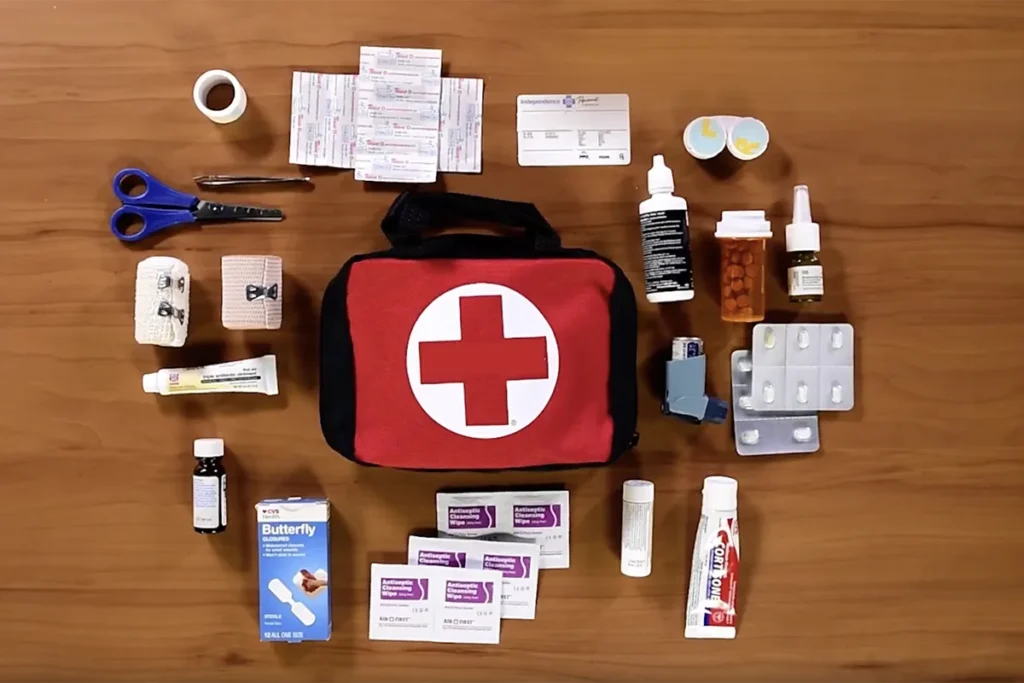
    Due to its challenging nature, the trek requires good fitness levels. It’s best suited for those seeking an authentic and less-traveled path. Proper preparation is essential to tackle its rugged and varied terrain.

    Ideal trekking seasons are from late March to May and September to November. These months ensure clear weather and spectacular mountain views. The Kanchenjunga Base Camp Trek is an exhilarating journey into the wilderness.

    Key Information about Kanchenjunga Base Camp Trek

    • Duration: 20-24 days
    • Difficulty Level: Challenging
    • Best Time to Visit: Late March to May; September to November
    • Main Attractions: Remote wilderness, diverse landscapes, base of Kanchenjunga

    11. Helambu Trek

    Beautiful view of helambu trail with guides carrying big bags and a buddha stup in the top
    Img Src: Index Adventure

    The Helambu Trek is a fantastic choice for those seeking a short and easy trek near Kathmandu. Famous for its rich culture and stunning natural beauty, Helambu offers a unique experience.

    Despite its proximity to the city, the trek takes you through quaint villages and lush green forests. Trekkers can enjoy the beautiful views of the Langtang Mountains along the way. The friendly Helambu locals add a cultural richness to the journey.

    This trek is ideal for beginners and families. It provides a gentle introduction to trekking in Nepal without the altitude challenges of higher treks. The Helambu Trek is best done from March to May or September to November.

    Key Information about Helambu Trek

    • Duration: 5-7 days
    • Difficulty Level: Easy
    • Best Time to Visit: March to May; September to November
    • Main Attractions: Local culture, close proximity to Kathmandu, beautiful landscapes

    12. Dhaulagiri Circuit Trek

    Beautiful view of sunset in moutains in dhaulagiri circuit trek

    The Dhaulagiri Circuit Trek offers a challenging yet rewarding experience. It takes you deep into the rugged wilderness surrounding the seventh-highest peak in the world. This trek is ideal for seasoned trekkers seeking adventure and solitude.

    Expect diverse terrains, from lush green valleys to barren high-altitude landscapes. The trek provides breathtaking views of multiple peaks, including the towering Dhaulagiri. It’s a remote route, less trafficked by tourists, providing a sense of peace and exclusivity.

    Trekking the Dhaulagiri Circuit is an adventure that requires physical endurance and proper preparation. The best times for this trek are in the spring and autumn, when the weather is more predictable and the views are clear.

    Key Information about Dhaulagiri Circuit Trek

    • Duration: 18-20 days
    • Difficulty Level: Difficult
    • Best Time to Visit: April to May; September to November
    • Main Attractions: Remote trails, stunning mountain vistas, sense of adventure

    13. Makalu Base Camp Trek

    Makalu Base Camp Trek
    Img Src: Nepal Mountain Trekkers

    The Makalu Base Camp Trek takes you to the heart of the fifth-highest mountain on earth, Mount Makalu. It’s an enticing choice for trekkers drawn to less-crowded paths. This route offers solitude and pristine natural beauty.

    The trek spans diverse terrains, from lush rainforests to high-altitude alpine meadows. It provides astounding views of Makalu and other majestic peaks such as Everest and Lhotse. The experience is enhanced by encounters with diverse flora and fauna, and a rich local culture.

    Prepare for a demanding journey that requires fitness and resolve. The ideal times to embark on this trek are during spring and autumn, when the weather is most hospitable, allowing for clear and awe-inspiring vistas.

    Essential Details of Makalu Base Camp Trek

    • Duration: 20-22 days
    • Difficulty Level: Challenging
    • Best Time to Visit: April to May; September to November
    • Main Attractions: Remote wilderness, spectacular mountain views, cultural encounters

    14. Khopra Ridge Trek

    Beautiful view from Khopre Danda Viewpoint

    The Khopra Ridge Trek is a hidden jewel among Nepal trekking routes, offering magnificent panoramic views without the crowded trails. This trek leads you off the beaten path, allowing you to connect deeply with nature.

    One of the trek’s main highlights is the incredible view of Dhaulagiri and Annapurna ranges. The route takes you through serene rhododendron forests and quaint traditional villages, where you can experience the local Gurung and Magar cultures.

    The trek is accessible yet offers a rewarding experience for those willing to venture away from popular paths. It’s best undertaken in spring and autumn, when the landscape blooms with beauty, offering clear and splendid views.

    Key Information for Khopra Ridge Trek

    • Duration: 7-9 days
    • Difficulty Level: Moderate
    • Best Time to Visit: March to May; September to November
    • Highlights: Panoramic mountain views, local culture, less crowded paths

    15. Tsum Valley Trek

    Beautiful view from trail of Tsum valley trek

    The Tsum Valley Trek offers an extraordinary journey into a secluded and untouched world. Tucked away in the northern part of Gorkha, this trek takes you through ancient villages and allows you to discover a unique Tibetan culture.

    A highlight of the Tsum Valley is its spiritual aura, enriched by ancient monasteries and sacred sites. As you trek through the lush and serene valley, you’ll be captivated by towering views of Ganesh Himal and Sringi Himal.

    This trek is perfect for those seeking a deeply cultural experience combined with stunning natural beauty. The route’s relative isolation ensures a tranquil escape.

    Key Information for Tsum Valley Trek

    • Duration: 14-16 days
    • Difficulty Level: Moderate
    • Best Time to Visit: March to May; September to November
    • Highlights: Ancient monasteries, isolated culture, breathtaking Himalayan scenery

    Best Treks in Nepal for Beginners: Top Picks

    For novice trekkers, Nepal offers a variety of beginner-friendly treks that promise stunning views and cultural immersion. These routes provide the perfect introduction to the mesmerizing landscapes of the Himalayas.

    Among the best treks in Nepal for beginners is the Langtang Valley Trek. It’s famous for its scenic beauty and welcoming communities, and it’s a manageable journey for those just starting out. The trail is less crowded, allowing for a more relaxed trekking experience.

    Another great option is the Ghorepani Poon Hill Trek. This trek is known for its breathtaking sunrise views over the Annapurna and Dhaulagiri ranges. Despite being short, it doesn’t compromise on the wow factor.

    Lastly, the Helambu Trek, close to Kathmandu, offers a blend of cultural and natural beauty. It’s an easy and short trek, making it ideal for those with limited time.

    Ideal Treks for Beginners

    • Langtang Valley Trek
    • Ghorepani Poon Hill Trek
    • Helambu Trek

    Best Short & Easy Treks in Nepal

    Nepal’s diverse landscapes offer treks catering to those seeking short treks and easy adventures. These treks provide exhilarating experiences without the demands of longer routes.

    The Poon Hill Trek is a wonderful option for those short on time. It’s famous for its awe-inspiring mountain vistas, including the Annapurna and Dhaulagiri ranges. Its relatively gentle paths make it accessible for all fitness levels.

    The Panchase Trek offers a mix of cultural richness and natural beauty. This trek is perfect for beginners, offering encounters with local traditions and panoramic views. It’s a serene journey through lush forests and charming villages.

    For a quick escape, the Nagarkot to Dhulikhel Trek is ideal. It provides beautiful views and is located near Kathmandu, allowing for quick access. This trek offers a taste of Nepal’s rural life and scenic beauty.

    Recommended Short & Easy Treks

    • Poon Hill Trek
    • Panchase Trek
    • Nagarkot to Dhulikhel Trek

    Popular Off-the-Beaten-Path Treks in Nepal

    Trekking trail of Nepal

    Nepal offers several hidden trails for those seeking solitude and unique experiences. These off-the-beaten-path treks promise adventure away from the crowds.

    The Tsum Valley Trek is an excellent choice for culture enthusiasts. It offers insights into the traditional Tibetan lifestyle, along with stunning landscapes. The trek winds through ancient villages and sacred monasteries.

    Another captivating journey is the Khopra Ridge Trek. This route provides dramatic views of Annapurna South and Nilgiri peaks. Unlike busier trails, it offers peaceful paths and an authentic Himalayan experience.

    The Arun Valley Trek is a gem for nature lovers. It boasts diverse flora and fauna, set against picturesque mountain scenery. Trekkers can explore rich biodiversity in a less-trodden region.

    Notable Off-the-Beaten-Path Treks

    • Tsum Valley Trek
    • Khopra Ridge Trek
    • Arun Valley Trek

    How Much Does Trekking in Nepal Cost? (Permits, Guides, Accommodation & More)

    Trekking in Nepal suits many budgets. Costs depend on the trek’s location, duration, and your preferences. Budgeting helps you enjoy the adventure without stress.

    Permits are essential for most treks. The Trekkers’ Information Management System (TIMS) card is a must. Fees vary by trek and region.

    Some treks need special area permits. For example, the Annapurna Conservation Area requires a permit. Permit costs can range from $20 to $50.

    Hiring guides and porters adds value to your trek. They provide local knowledge and support. Guide costs can start at $20 per day.

    Accommodation on the trails varies widely. Teahouses offer basic facilities. Costs range from $3 to $5 per night.

    Higher-end lodges are available in popular areas. Expect to spend around $40 for extra comfort. Meals in teahouses often cost $3 to $5 each.

    Key Costs for Trekking

    • Permits: TIMS, area permits ($20-$50)
    • Guides: Around $20 per day
    • Accommodation: Teahouse ($3-$5), higher-end lodges ($40+)

    Additional Expenses

    • Meals: $3 to $5 per meal
    • Transport: Local flights, buses
    • Equipment: Rentals or purchases

    Common Trekking Costs in Nepal:

    • Permits: $20–$50
    • Guide fees: $25–$30 per day

    Health and Safety Tips:

    • Acclimatize properly to avoid altitude sickness
    • Stay hydrated and maintain energy levels

    Travel insurance is another essential expense. Cover for trekking is crucial due to altitude and remote locations. Planning your budget allows a worry-free trek.

    Essential Tips for Trekking in Nepal (Packing, Health & Safety)

    Essential packing list for trekking in Nepal

    Trekking in Nepal requires careful planning. Packing the right gear is key. Essential items include durable hiking boots, warm clothing, and a reliable backpack.

    Acclimatization is crucial for high-altitude treks. It helps prevent altitude sickness. Take rest days and ascend gradually to adjust.

    Stay hydrated and well-nourished. Carry energy-rich snacks. Local dal bhat meals are nourishing and widely available.

    Ensuring personal safety is vital. Always trek with a buddy or group. Hiring a local Nepal trekking guide enhances safety and enriches the experience.

    Packing a basic first-aid kit is a good idea. Include band-aids, antiseptic wipes, and personal medications. This helps manage minor injuries on trails.

    Environmental responsibility is important. Practice Leave No Trace principles. Carry reusable water bottles and minimize waste.

    Packing Essentials

    • Hiking boots
    • Warm layers
    • Reliable backpack
    • First-aid kit

    Health & Safety Tips

    • Acclimatize gradually
    • Stay hydrated
    • Trek with a buddy or guide

    Finally, respect local culture and traditions. Engage with local communities and learn from them. This enriches your trekking experience in Nepal. Preparation enhances enjoyment and ensures safety on these incredible trails.

    Nepal Trekking Guide: Permits, Guides, and Local Culture

    Trekking in Nepal requires some paperwork. Most routes need a TIMS card (Trekkers’ Information Management System). Additionally, area permits are mandatory for specific regions like Annapurna and Everest.

    Hiring a guide can enrich your trek. Guides offer invaluable local knowledge and ensure safety on challenging trails. They help with navigation and bridge cultural gaps.

    A group of gurung people in their cultural dress

    Exploring Nepal’s culture is a trek highlight. Villages often feature ancient monasteries. Interactions with local communities provide insights into traditional lifestyles and customs.

    Accommodations along the trails include teahouses. These are simple lodgings offering food and shelter. They are excellent for experiencing local hospitality and cuisine.

    Required Permits for Popular Treks

    • Annapurna Circuit: TIMS card, ACAP permit
    • Everest Base Camp: TIMS card, Sagarmatha National Park permit

    Hiring a Guide: Benefits

    • Safety assurance
    • Cultural insights
    • Language assistance

    Remember to respect local customs. This includes appropriate dress and behavior in villages. Understanding Nepalese culture enhances your trekking experience considerably.

    Frequently Asked Questions About Trekking in Nepal

    What is the best time to trek in Nepal?

    Trekking in Nepal is best during pre-monsoon (March to May) and post-monsoon (September to November). These months offer clear skies and mild temperatures.

    How difficult are the trekking routes in Nepal?

    The difficulty varies by route. Some treks are beginner-friendly, like the Langtang Valley. Others, like the Kanchenjunga Base Camp, are for experienced trekkers.

    What are essential items to pack for a trek?

    Packing the right items is crucial. Remember sturdy hiking boots, layered clothing, and a quality backpack. Always carry a first-aid kit and water purification tablets.

    What are the best treks in Nepal for 2026?

    The best treks in Nepal for 2026 include Everest Base Camp, Annapurna Circuit, Annapurna Base Camp, Manaslu Circuit, Langtang Valley, Ghorepani Poon Hill, Upper Mustang, Mardi Himal, and Kanchenjunga Base Camp.

    Which trek in Nepal is best for beginners?

    Some of the best treks in Nepal for beginners are Ghorepani Poon Hill, Langtang Valley, Australian Camp, and Mardi Himal. These routes offer stunning views, well-marked trails, moderate altitude, and comfortable accommodations.

    What is the best time to trek in Nepal?

    The best time to trek in Nepal is during spring (March–May) and autumn (September–November). These seasons offer clear mountain views, stable weather, and ideal trekking conditions across most trekking routes in Nepal.

    How much does trekking in Nepal cost in 2026?

    Trekking costs in Nepal in 2026 typically range from USD 500 to USD 2,500 per person. The cost depends on the trek route, duration, permits, guide/porter fees, accommodation type, and transportation.

    Which trek in Nepal is the most difficult?

    Kanchenjunga Base Camp, Dhaulagiri Circuit, and Upper Dolpo are considered some of the most difficult treks in Nepal due to their remote locations, high altitude, long duration, and limited infrastructure.

    Do I need a guide for trekking in Nepal?

    Yes, for most trekking routes in Nepal, hiring a licensed Nepal trekking guide is mandatory and highly recommended. A guide ensures safety, proper acclimatization, navigation, and cultural insight during the trek.

    Which trek in Nepal is best for short time travelers?

    For travelers with limited time, Ghorepani Poon Hill, Langtang Valley, Mardi Himal, and Annapurna Base Camp are excellent options. These treks can be completed within 5-10 days.

    Is trekking in Nepal safe for solo travelers?

    Trekking in Nepal is generally safe, but solo trekkers are advised to hire a Nepal trekking guide for safety, altitude management, and local support, especially on remote or high-altitude trails.

    Trekking in Nepal offers an adventure intertwined with learning about diverse cultures. Being prepared with knowledge makes your trek more enjoyable and culturally rewarding.

    Conclusion: How to Choose Your Perfect Trek in Nepal for 2026

    Choosing the perfect treks in Nepal depends on several factors. Consider your fitness level and the trek’s difficulty. Beginners might prefer easier routes like the Langtang Valley or Helambu Trek.

    Timing is crucial for an optimal experience. Plan your trek for the pre-monsoon or post-monsoon months for the best weather. This ensures clearer views and a more pleasant climate.

    Lastly, consider what you wish to experience. Some treks offer cultural richness, while others showcase natural beauty. Reflect on what you value most in your adventure. With thorough planning, you can find a trek that aligns with your interests and capabilities.

    Ready to trek in Nepal in 2026? Let Hi Nepal Travels & Tours in Pokhara handle everything, from permits and experienced trekking guides to customized itineraries and comfortable accommodations. Contact us today to plan your perfect Himalayan trek and turn your Nepal trekking dream into a once-in-a-lifetime journey.