Blog

  • Everest Trash 2026: World’s Highest Garbage Dump

    Everest Trash 2026: World’s Highest Garbage Dump

    Overview

    The world’s tallest Mountain, the mighty Mount Everest, stands as an ultimate dream for many adventurers and climbers. However, behind such a glorifying wonder, hides a hidden truth: trash on Mount Everest, one of the major environmental issues in the Himalayan ranges. Every year, with hundreds of climbers attempting to summit Mount Everest, the world’s highest peak faces a crisis in managing waste.


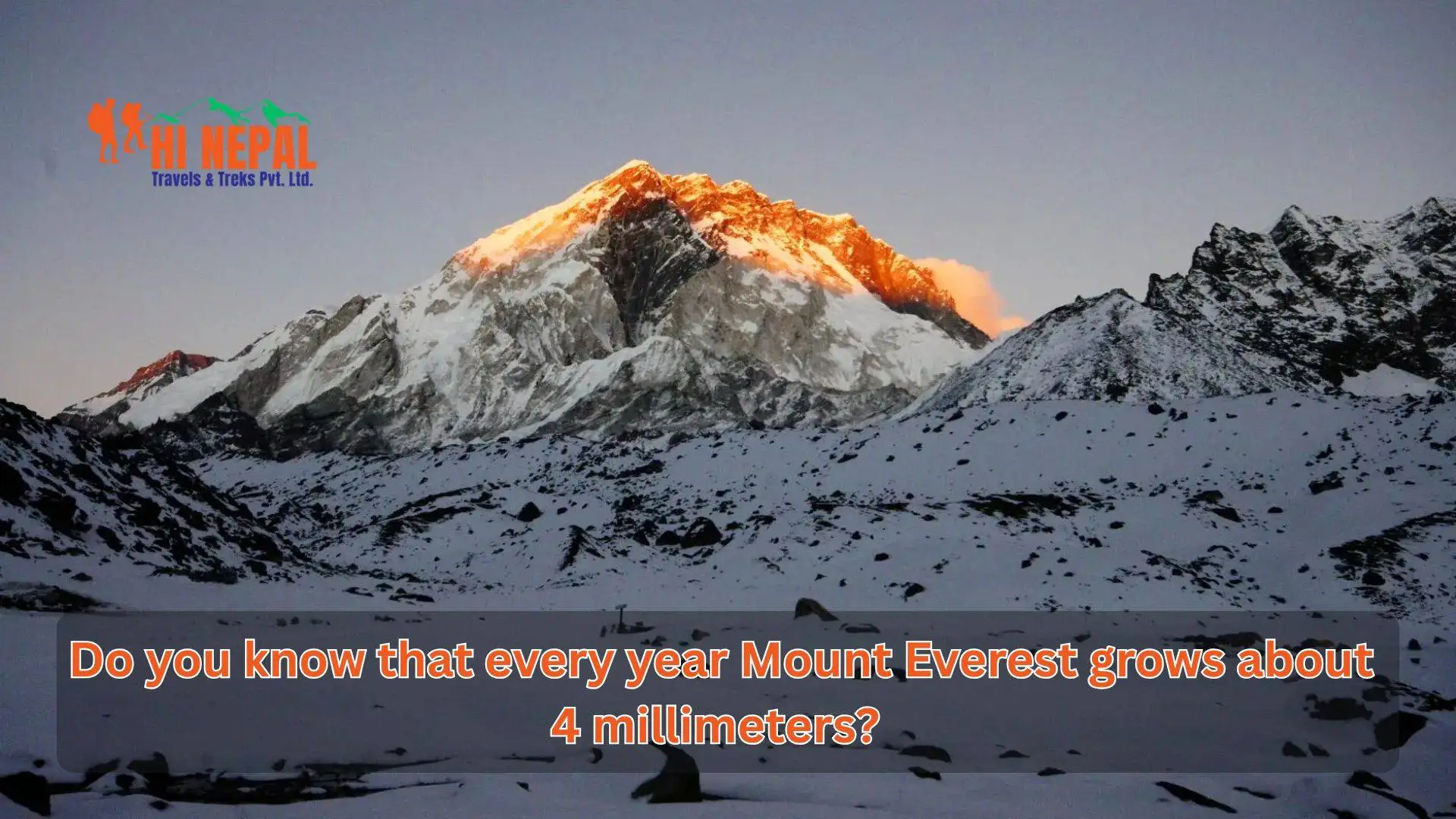
    Mount Everest

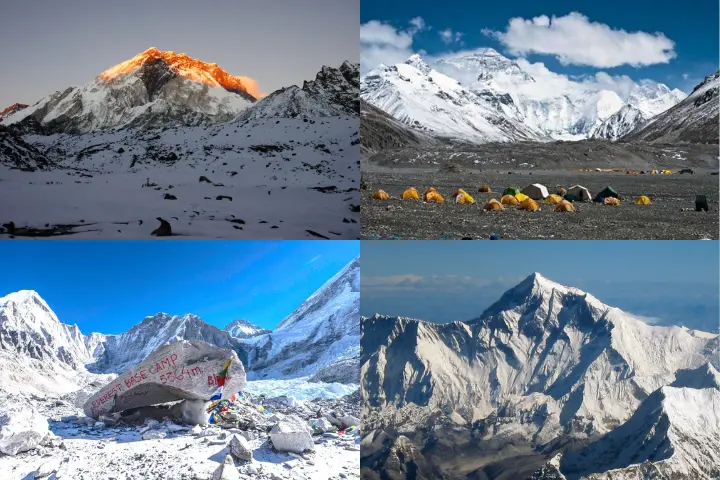
    Situated at an altitude of 8,848.86 m above sea level, Mount Everest is the highest mountain in the world. It is located in the Everest region, on the border of Nepal and Tibet, China.  Every year, thousands of people trek to Everest Base Camp just to observe a close glimpse of the white giant. Many of them even try to conquer the summit.


    Why Is There So Much Trash on Mt Everest?

    The increasing popularity among climbers to summit the world’s tallest peak attracts people from all around the globe towards Mt Everest. With an increasing number of climbers towards the mighty Everest, it brings a large amount of trash with it. And, there’s no solution for the trash.

    1. Rising Number of Climbers

    Every year, between 600 to over 1,000 climbers attempt to climb Mt Everest. During their expedition, they carry a load of equipment and resources, such as food, oxygen bottles, gear, and other equipment with them. Much of this gets abandoned by the climbers at the top.

    2. Extreme Altitude and Harsh Conditions

    As you get closer to the top of Everest, especially after crossing the death zone, survival is the most important priority. While returning carrying the heavy trash by oneself is nearly impossible. So, most of the trash is left behind.

    3. Lack of Waste Management 

    Above the Everest Base Camp, other camps lack a disposal system. There’s no system to collect the trash, so the trash that is left behind remains there forever, unless removed physically.

    4. Frozen Legacy from the First Mount Everest Expedition

    Decades of expeditions since the first Mount Everest expedition in 1953 have left tons of garbage, some buried in ice and snow. And what compounds the problem is the harsh cold, which does not even let biodegradable garbage, such as food, paper, or human feces, rot naturally. What may take months to rot further down can remain preserved for decades on Everest.

    5. High Cost and Difficulty to Remove Mount Everest Trash

    Located at such a high altitude, and due to extreme cold, the project to clean the Mount Everest trash is very costly. Millions of dollars need to be invested in order to clean the trash on Mt Everest.


    How Much Trash Is Actually on Mount Everest?

    Mount Everest covers about 30 to 50 metric tons of waste, including human waste, empty oxygen bottles, left tents, and plastics. It is estimated that each climber left about 8 kg of trash on their Mount Everest expedition. Reports suggest that every year, more than 8,000 kg of waste is left on Mt Everest.

    From Everest Base Camp to the South Col, trash can be found everywhere during the Mount Everest expedition. Some of the most common types of Mount Everest trash are:

    • Abandoned oxygen bottles.
    • Broken climbing gear (ropes, crampons, ladders).
    • Ripped tents and tattered tarps.
    • Plastic wrapping from food and packaging.
    • Beer cans, glass, and aluminum cans.
    • Human waste, typically frozen and preserved due to the freezing weather.

    Impact of Trash on Mt Everest

    The garbage on Mt Everest has far-reaching impacts, from ecological degradation to cultural aspects. Here are the key effects:

    • Ecological Degradation – Plastics, metal, and frozen trash pollute the fragile alpine ecosystem and contaminate snowmelt.
    • Health Risks – Human waste left on the mountain seeps into water sources, posing a threat to climbers and villagers.
    • Danger to Wildlife – Birds and animals risk consuming poisonous materials like plastics and wrappers.
    • Cultural Disrespect – Litter on a sacred mountain like Sagarmatha/Chomolungma diminishes its spiritual value for local people.
    • Tourism Image – Media coverage of Everest litter damages the image of Nepal and discourages environmentally conscious tourists.

    Efforts to Clean Up Mount Everest Trash

    Despite all the obstacles, various projects have been launched to address the problem of trash on Mt Everest. These efforts show that there is hope for the future by working together with governments, NGOs, and climbers:

    • Government Clean-Up Campaigns – Nepal and China organize annual Everest clean-up campaigns, collecting tons of garbage from base camp to high altitudes.
    • Eco Everest Expedition – Started in 2008, this campaign encourages climbers to remove their rubbish and even bring back old garbage left behind by earlier expeditions.
    • Deposit and Refund System – Climbers deposit money before climbing, which is refunded only if they come back with a quantity of rubbish that is mandatory.
    • Community and NGO Involvement – Sherpa communities and local NGOs are crucial in clearing the waste and raising awareness.
    • Everest Garbage Art – Certain projects recycle collected waste into art, raising awareness regarding the pollution at the top of the world’s highest peak.
    • International Collaboration – International environmental organizations help with the Everest clean-up through funding support and raising awareness.

    Final Thoughts

    Mount Everest, the Earth’s highest point, is facing a mounting issue of uncontrolled trash, threatening its ecosystem, the health of indigenous people, and cultural assets. Government intervention and cleaning drives have proved unsuccessful in checking the menace, and long-term responsibility is required. 

    Climbers should dispose of their trash, stricter enforcement needs to be handed out, and environmentally friendly mountaineering needs to be mainstreamed. 

    Protecting Everest is not really saving a mountain, but a question of respecting nature, respecting culture, and proving that human achievement can coexist with environmental protection. It could all go terribly wrong and make the mountain the world’s highest trash can.


    FAQs

    1. Is there garbage on Mount Everest?

    Yes, there are tons of garbage on Mount Everest, including human waste, empty oxygen bottles, abandoned tents, and food leftovers.

    2. Why is there so much trash on top of Mount Everest?

    There is so much trash on Mt Everest because carrying the trash back from Everest is very difficult for climbers. Especially when it comes to life and death situations, and executing projects to clean Mount Everest trash is very costly.

    3. Is Sleeping Beauty’s Body still on Everest?

    Yes, the body of Francys Arsentiev, also known as Sleep Beauty, is still in the Everest; however, it is no longer visible, as climber Ian Woodall and his team in their Mount Everest expedition in 2007 conducted a private mission to bury her body in snow.

    4. Who cleans up Mount Everest?

    Government, various NGOs, and the local community clean up Mount Everest’s trash.

    5. How much trash is left on Everest each year?

    The report says that more than 30 metric tons of trash on Mt Everest is left behind.

    6. What do people leave at the top of Mount Everest?

    Due to the high altitude and extreme climate, survival is more important, so bringing back the trash is impossible for the climbers.

  • Annapurna vs Everest Base Camp: Key Differences

    Annapurna vs Everest Base Camp: Key Differences

    Nepal is a paradise for trekkers, home to some of the major iconic trekking routes of the world. Some major trekking trails are the Everest Base Camp (EBC) Trek, Annapurna Base Camp (ABC) trek, Mardi Himal Trek, Ghorepani Poon Hill Trek, Langtang Gosaikunda Trek, and many more. Among all, the Everest Base Camp trek and the Annapurna Base Camp trek are the most popular ones. However, the ABC vs EBC trek, which one is better, is always a part of a big debate.

    For decades, there’s been a debate about which one is the best trek. Despite both of these routes offering various similarities, there are various differences as well. Choosing any one of them depends upon your physicality, experiences, time, and budget.  

    Annapurna Vs Everest Base Camp Treks Overview

    Everest Base Camp Trek Overview

    One of the legendary trekking routes around the world, the Everest Base Camp trek lies at the foot of the world’s highest peak, Mount Everest, also known as Sagarmatha Himal. The EBC trek is famous for its challenging terrains, stunning vistas, and the raw and traditional Sherpa culture. 

    EBC Trek Difficulty & Duration 

    Number of days: 14 Days

    Difficulty: Hard

    Highlights:

    • Trek past renowned Sherpa towns like Namche, Tengboche & Dingboche
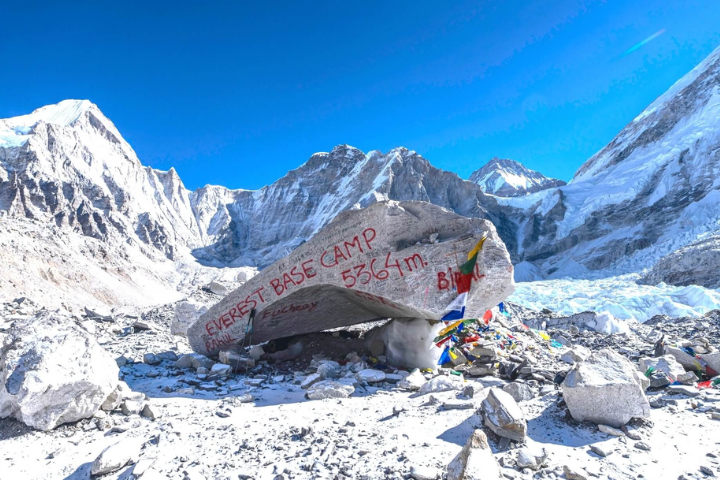
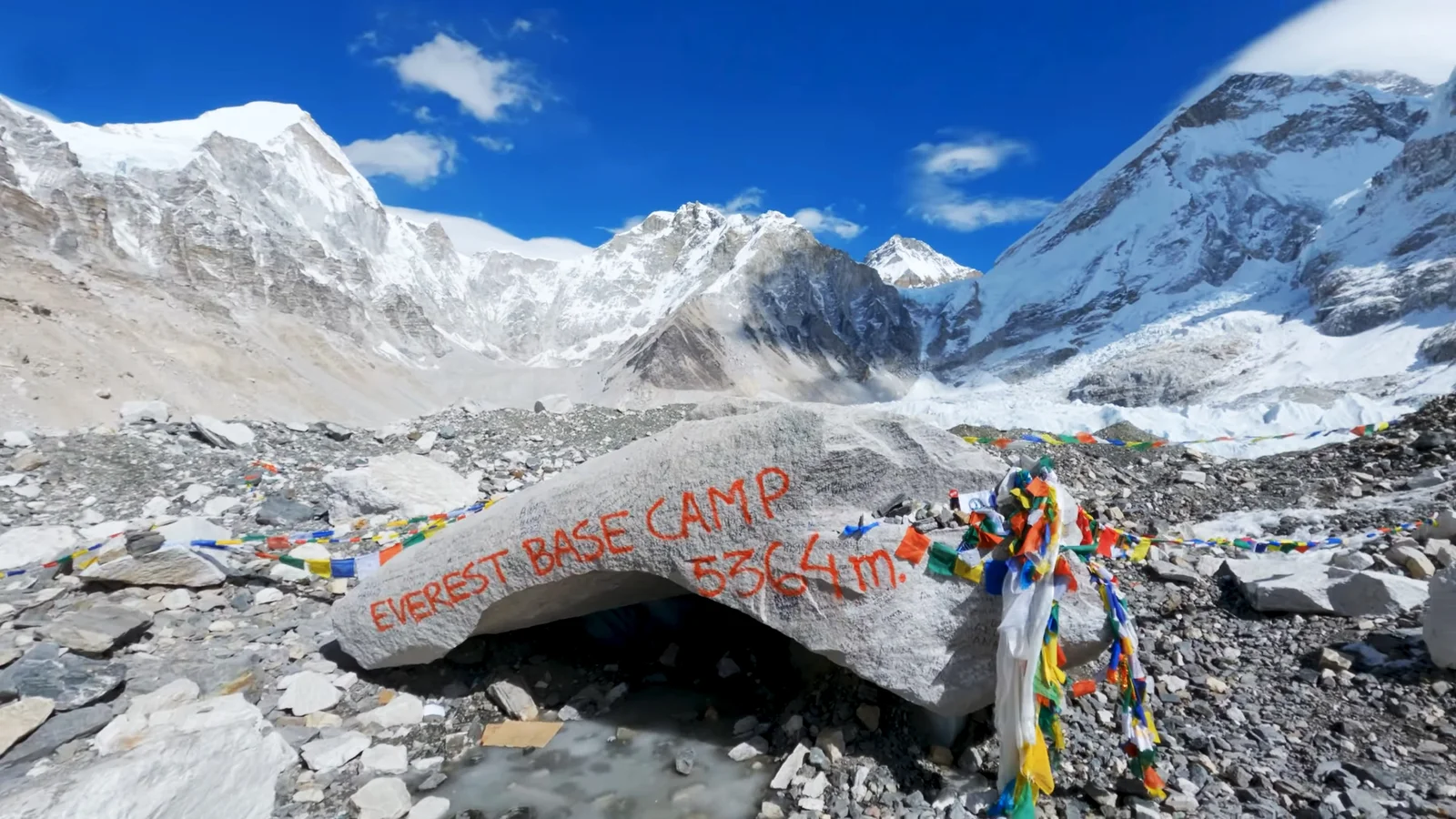
    • Stand at Everest Base Camp (5,364m), a lifetime goal
    • Sunrise from Kala Patthar (5,555m) with Everest in view
    • Experience Sherpa culture, monasteries & traditional villages
    • Walk along the Khumbu Glacier and view the Icefall

    Annapurna Base Camp Trek Overview

    The Annapurna Base Camp trek is a magnificent masterpiece of nature, with a mixture of different cultures. Renowned for its lush forests, terraced fields, and panoramic mountain views, the ABC trek is a paradise in itself. The trek offers beautiful mountain views, including Annapurna I, Machhapuchhre (Fishtail), and Hiunchuli.  

    ABC Trek Difficulty & Duration 

    Number of days: 12 Days

    Difficulty: Moderate

    Highlights:

    • Ghandruk village, a traditional Gurung village with stunning mountain views and a rich cultural heritage.
    • Trekking through green forests, terraced hills, and beautiful scenery.
    • Annapurna Base Camp (4,130m) amid Himalayan giants is breathtaking.
    •  Relax in the natural hot springs at Jhinu Danda.

    Culture and Local Experience in ABC vs EBC Trek: Sherpa Villages vs Gurung Settlements

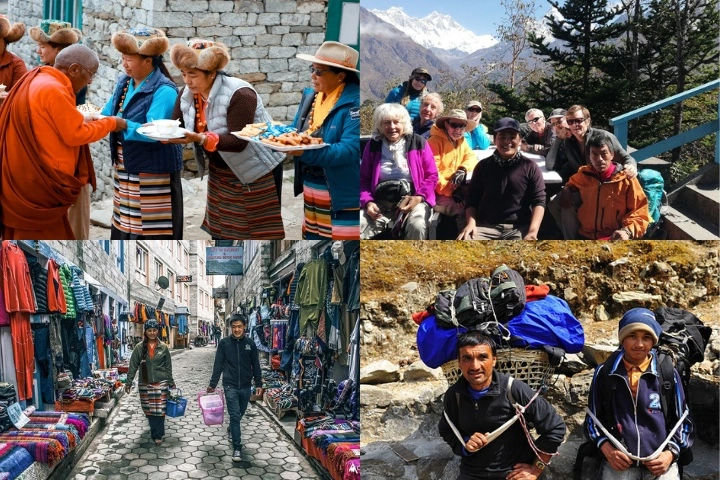
    The trail to Everest Base Camp trek passes through several Sherpa villages such as Namche Bazaar, Tengboche, Dingboche, and Lobuche. People from the Everest Region are known for their mountaineering skills, Tibetan traditions, and monasteries. You can witness the smiling local people and their unforgettable hospitality while trekking in these regions.

    Annapurna Base Camp trek, on the other hand, is renowned for its traditional Gurung settlements such as Ghandruk (one of the oldest and largest Gurung villages), Jhinu, Sinuwa, etc. Gurungs of the Annapurna Region are known for warm hospitality, traditional folk dance, and unique stone houses. 


    Permit Requirements for ABC vs EBC

    It is mandatory to have permits while trekking to any region of Nepal. Each region has a different set of permit requirements. Trekking permits requirement for ABC vs EBC treks:

    EBC Trek Permits: 

    • Sagarmatha National Park Entry Permit
    • Khumbu Pasang Lhamu Rural Municipality Permit
    • TIMS (Trekkers’ Information Management System) Card

    ABC Trek Permits:

    • ACAP (Annapurna Conservation Area Project) Permit 
    • TIMS (Trekkers’ Information Management System) Card

    ABC vs EBC Treks Starting Points: Ghandruk vs Lukla

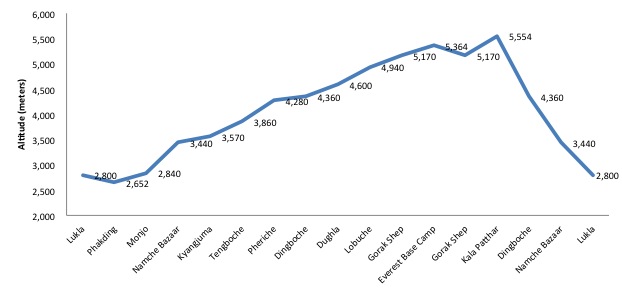
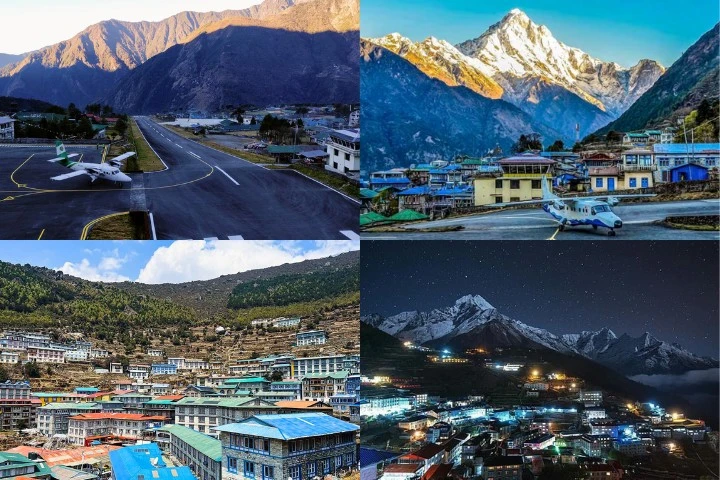
    EBC trek starting point: After taking a 40-minute flight from Kathmandu, start your Everest Base Camp Trek from Lukla to EBC, passing Phakding, Namche Bazaar, Tengboche, Dingboche, Lobuche, and Gorak Shep.

    ABC trek starting point: Commence your Everest Base Camp Trek from Ghandruk to ABC, after a drive from Kathmandu to Ghandruk via Pokhara. During the Ghandruk to ABC trek, pass through Jhinu, Sinuwa, Bamboo, and Deurali.


    Other Famous Trekking Routes of the Everest and Annapurna Regions

    Everest Region Trekking Routes:

    1. Everest Cho La Pass Trek
    2. Gokyo Valley Trek
    3. Pikey Peak Trek
    4. Three Passes Trek
    5. Renjo La Pass Trek

    Annapurna Region Trekking Routes:

    1. North Annapurna Base Camp Trek
    2. Ghoerpani Poon Hill Trek
    3. Mardi Himal Trek
    4. Dhaulagiri Circuit Trek
    5. Jomsom Muktinath Trek
    6. Khumai Danda Trek

    Conclusion

    Both the ABC vs EBC treks are unique blends of natural beauty, cultural significance, and challenges. If you are looking for more challenging routes, along with exploring the Sherpa culture, then the EBC trek is what you are looking for. However, it demands more time, physical effort, and budget.

    On the other hand, if you are seeking shorter and easier trekking trails, then the ABC trek might be a better option for you. Explore the beautiful landscape and mountain views, and the traditional Gurung culture, on a budget-friendly and easier route.


    FAQs

    1. ABC vs EBC: Which Trek Is Better?

    It depends upon an individual’s preferences to determine whether Annapurna or Everest Base Camp is better. 

    2. Is Annapurna harder to climb than Everest?

    Annapurna is considered an easier trail compared to the Everest.

    3. Can we see Everest from Annapurna Base Camp?

    No, you can’t see Everest from the Annapurna Base Camp.

    4. Can beginners do the Annapurna Base Camp trek?

    Yes, beginners can do the Annapurna Base Camp trek as its difficulty level is moderate.

    5. Which company is best for the Annapurna Base Camp trek?

    There are several trekking agencies in Pokhara and different parts of Nepal. Among all, Hi Nepal Travels and Treks Pvt. Ltd. is one of the best trek and travel agencies in Nepal with years of high-quality services.

  • Where is Mount Everest? (The Truth) Nepal vs. China

    Where is Mount Everest? (The Truth) Nepal vs. China

    The crown of the earth, Mount Everest, is the highest peak in the world, situated at an altitude of 8,848.86 m above sea level.  From climbers, adventurers, to travelers, Mount Everest, also known as “Sagarmatha” in Nepal and “Chomolungma” in China, has always been a major center of attraction. However, there’s always a question: where is Mount Everest? Nepal or China?

    Mount Everest Location: Nepal or China?

    Mt Everest location in the map of Nepal.

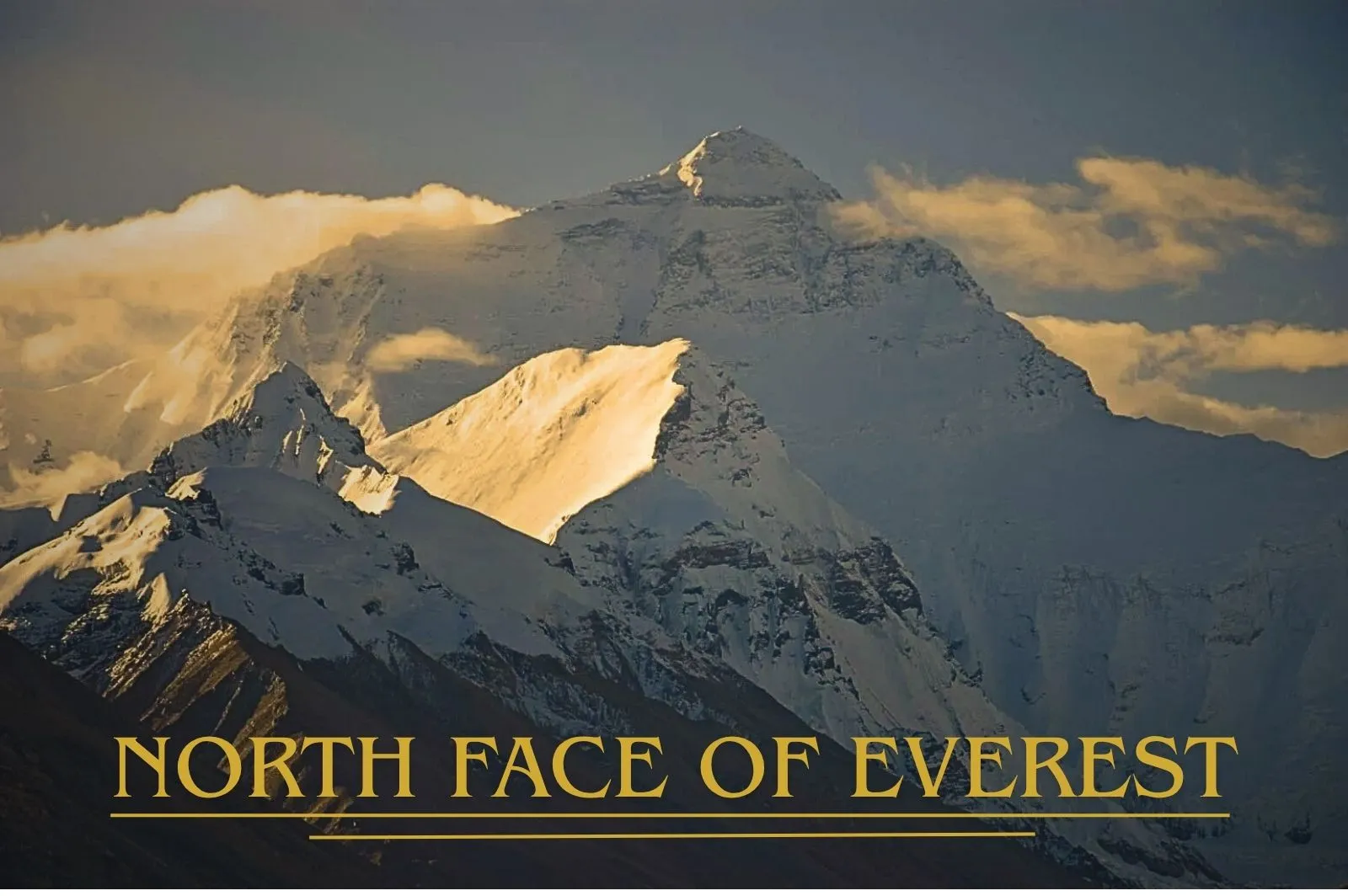
    If you are wondering where is Mount Everest, in Nepal or in China? The actual answer is in both, Mount Everest is located between the border of Nepal and Tibet (an autonomous Region of China). The southern side of Everest lies in Nepal, whereas the Northern part falls under the territory of China.

    Geographical Facts About Mount Everest

    • Height: 8,848.86 meters (29,031.7 feet), the tallest mountain in the world.
    • Range: Himalayas, more precisely the Mahalangur range.
    • Coordinates: Latitude 27°59′ North, Longitude 86°55′ East.
    • Location: Nepal-Tibet Autonomous Region of China border.
    • National Park: In Nepal, it is part of Sagarmatha National Park, a UNESCO World Heritage Site.
    • Local Names: Sagarmatha in Nepal and Chomolungma in Tibet.

    Historical, Cultural, and Religious Facts About Mount Everest

    • Local Names: Sagarmatha in Nepal (“Goddess of the Sky”) and Chomolungma in Tibet (“Mother Goddess of the World”).
    • English Name: Officially named Mount Everest in 1865 by the Royal Geographical Society, in recognition of Sir George Everest.
    • First Measurement: Identified as the highest mountain in the world in 1856 during the Great Trigonometric Survey of India, then called Peak XV.
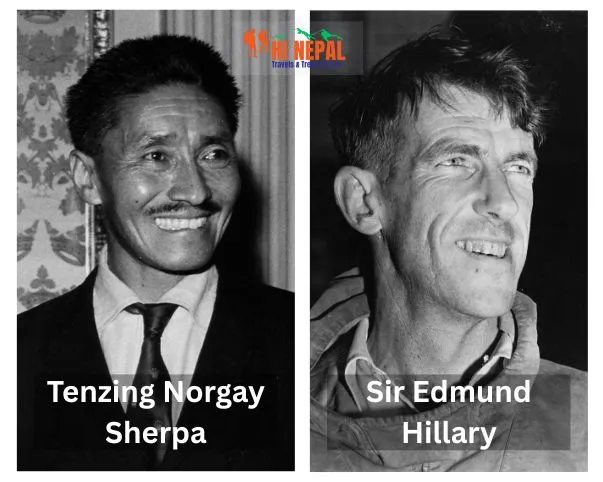
    • First Successful Ascent: On May 29, 1953, by Sir Edmund Hillary (New Zealand) and Tenzing Norgay Sherpa (Nepal).
    • Cultural Significance: Considered sacred for thousands of years by native peoples before becoming a global mountaineering venue.
    • Sherpas hold a puja ceremony at Everest Base Camp before climbing to seek blessings for protection.
    • Tengboche Monastery in Nepal is one of the most significant religious centers where monks bless mountaineers.
    • Sherpa festivals such as Dumji and Mani Rimdu involve Buddhist rites and mountain worship.
    • The majority of locals believe Everest to be a living goddess to whom they offer deep reverence.

    Where is Mount Everest in Nepal? (Everest South Base Camp)

    Mount Everest is located in the Everest Region of Nepal, within Sagarmatha National Park, a UNESCO World Heritage Site. Home to one of the legendary trekking routes, the Everest Base Camp trek is an iconic checkpoint to the Everest summit. 

    In order to reach the South Base Camp of Everest, you need to catch a flight from Kathmandu to Lukla. From the Lukla trek to the Everest Base Camp, passing some major Sherpa villages like Phakding, Namche Bazaar, Tengboche, and others. 

    Where is Mount Everest in China (Tibet)? (Everest North Base Camp)

    On the Chinese side, Mount Everest is located in Tibet, specifically within Tingri County of Shigatse Prefecture. You need to pass through the Everest North Base Camp to reach Everest. Compared to the Eversest South Base Camp, it’s easier to reach the Everest North Base Camp due to the easy road access. 

    Which Country Owns Mount Everest?

    When the question is raised: Where is Mount Everest, or which country owns Mount Everest? The Peak is not owned by a single country; it lies on the border of Nepal and China. So, as the summit is shared by both countries, it belongs to both countries. 

    How old is Mount Everest?

    Mount Everest is believed to be 50 to 60 million years old. When the Indian and Eurasian tectonic plates collided, the process pushed the landmass upward, raising the Himalayan region. 

    What is the Best Time to Climb Mount Everest?

    The pre-monsoon season from April to May is considered to be the best time to climb Mount Everest. The weather in pre-monsoon is mostly stable with less snowfall and calmer winds. Although some climbers attempt to climb during Autumn (September to November), spring is the most ideal time to climb Everest.

    Final Thoughts: Where is Mount Everest?

    If you have ever been curious where is Mount Everest, then it proudly stands at the border of Nepal and Tibet (China), both of which countries share. Apart from its amazingly gorgeous and humongous size, Everest is also geographically, historically, culturally, and spiritually important. Whether you want to trek to its Base Camps or simply want to know about its past, Everest continues to inspire people across the globe.

    FAQs

    How tall is Mount Everest?

    Mount Everest’s height is 8848.86 m.

    How long does it take to climb Mount Everest?

    Climbing Mount Everest can take about 60 to 70 days.

    Who was the youngest person to climb Mount Everest?

    American mountaineer Jordan Romero climbed Mount Everest at the age of 13.

    Is Mount Everest a volcano?

    No, Mount Everest is not a volcano.

    Is Mount Everest in Nepal?

    Yes, a major part of Mount Everest is located in Nepal, as well as in Tibet, China.

    Is it possible to see Mount Everest from Annapurna Base Camp?

    No, Mount Everest is not visible from the Annapurna Base Camp.

  • Viewpoints for Annapurna Region: Must-See 8 Spots

    Viewpoints for Annapurna Region: Must-See 8 Spots

    Annapurna Region is a paradise offering some of the stunning trekking trails along with the breathtaking Landscape and Mountain views. Located in the Western side of Nepal, this is home to several popular trekking routes such as the Annapurna Base Camp trek, the North ABC trek, the Dhaulagiri Circuit trek, and so on.  Explore the top viewpoints for Annapurna Region.

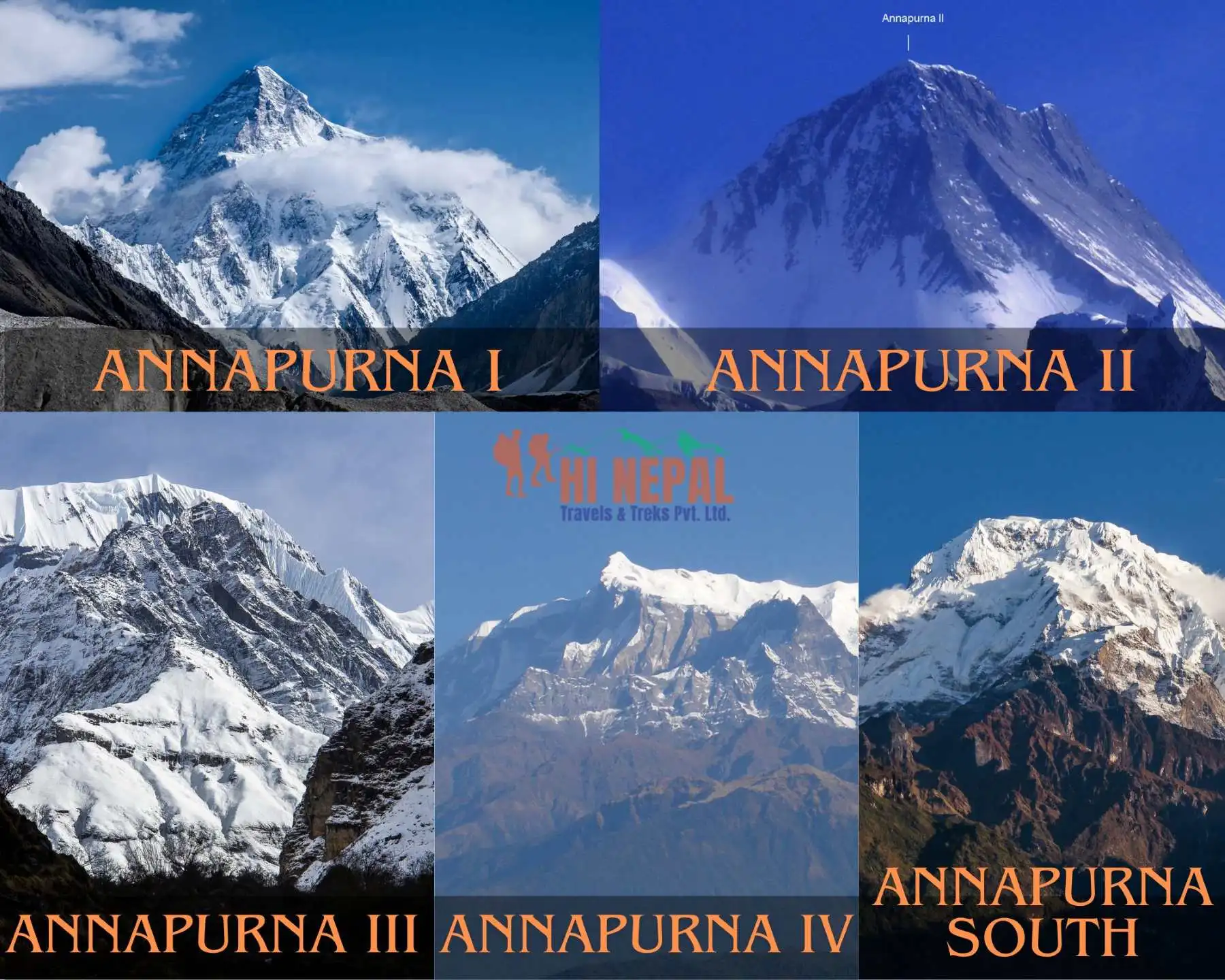
    Moreover, the snow-crowned mountains, such as Annapurna I-IV, Machhapuchhre (Fishtail), Hiunchuli, and Dhaulagiri, situated in this region, are out of this world. In order to enjoy such outstanding views, the following are the major viewpoints for Annapurna Region.

    1. Annapurna Base Camp

    Located at an altitude of 4,130 m, the Annapurna Base Camp is the one of the most iconic viewpoints for Annapurna Region. There can’t be any other spots to witness the Annapurna Region view, except the Annapurna Base Camp trek itself.

    Best Time for ABC trek: Autumn and Spring.

    Highlights: 360° mountain view including Annapurna I, Machhapuchhre, and Hiunchuli.

    How to Reach: Multi-day trek via Ghandruk or Ghorepani.

    1. Thorang La Pass

    At 5,416 m, the Thorag La Pass is one of the highest viewpoints for Annapurna Region. The jaw-dropping view of Mount Annapurna and Dhaulagiri from a certain height is a once-in-a-lifetime experience.

    Best Time: Autumn and Spring for safer conditions.

    Highlights: Unmatched high-altitude scenery and panoramic Himalayan views.

    How to Reach: Trekking from Manang to Muktinath on the Annapurna Circuit.

    1. Poon Hill 

    A popular spot to enjoy one of the stunning panoramic viewpoints for Annapurna Region, along with the mesmerizing sunrise, is Poon Hill. The viewpoint of the Ghorepani Poon Hill trek, Poon Hill is situated at an altitude of 3,210 meters above sea level. The viewpoint of Poon Hill rewards you with a 360 panoramic view of Annapurna I, Dhaulagiri, Nilgiri, and Machhapuchhre.

    Best Time to Visit: Spring (April-May) and Autumn (October-November)

    Highlights: Golden sunrise over the Annapurna and Dhaulagiri ranges.

    How to Reach: A short hike from Ghorepani village, usually part of the Ghorepani Poon Hill trek.

    1. Mardi Himal View Point

    The viewpoint of the Mardi Himal trek, situated at 4,200 m, is a front seat package to witness the Machhapuchhre and Annapurna. This viewpoint for Annapurna Region can be a perfect alternative for Annapurna Base Camp and Poon Hill during peak season.

    Best Time: Autumn and Spring.

    Highlights: Close views of Machhapuchhre and Annapurna South.

    How to Reach: Climb from Nayapul via High Camp on the Mardi Himal Trek.

    1. Khorchan Danda

    At 3,700 m, Khorchan Danda is an off-the-beaten-path treasure. It has vast Himalayan views and serene trekking with no crowds of tourists, making it one of the pleasant viewpoints for Annapurna Region vista.  

    Best Time: Spring season for rhododendron blooms.

    Highlights: Serene, isolated landscape ideal for photographers.

    How to Reach: Accessible by the Khumai Danda Trek from Gha Chok.

    1. Khopra Danda

    At 3,660 m, Khopra Danda provides a stunning panorama of Annapurna South, Dhaulagiri, and Nilgiri. On a clear day, you might even spot the sacred Khayer Lake.

    Best Time: Autumn and Spring.

    Highlights: Panoramic Himalayan scenery with fewer trekkers.

    How to Access It: Along with the Khopra Ridge Trek from Ghorepani or Tadapani.

    1. Sarangkot Hill

    Only 1,600 m above sea level, Sarangkot Hill is among some of the closest viewpoints for Annapurna Region from Pokhara. It’s famous for sunrise on Annapurna and Machhapuchhre, with Pokhara Valley and Phewa Lake in the foreground.

    Best Time: Throughout the year, though Autumn mornings have the finest skies.

    Highlights: Annapurna range, Machhapuchhre, and view of Pokhara city.

    How to Reach: 30-minute drive or 2–3 hour trek from Pokhara Lakeside

    1. Thulakot Hill

    Less crowded than Sarangkot, a short hike to the Thulakot Hill offers a quiet spot to see the Annapurna range, Dhaulagiri, and Lamjung Himal.

    Best Time: Autumn and Winter mornings.

    Highlights: Quiet, panoramic ridge with mountain and valley views.

    How to Reach: 3–4 hour trek from Pokhara or a short drive followed by trekking.a

    Final Thoughts

    The viewpoints for Annapurna region of Nepal offer iconic points with unique Himalayan views. From Thorong La Pass at a high level to peaceful Poon Hill, Annapurna Base Camp to peaceful Thulakot Hill, each offers unforgettable experiences. Whether a trekker or a casual visitor, the area offers breathtaking scenery. To really love the area for its beauty, include several perspectives in your plans, as the variation in elevation, landscape, and mood will render your vacation unforgettable. Keep in mind that you’ll take it with you forever.

    FAQs

    Where is the best view of the Annapurna range?

    Annapurna Base Camp is one of the best viewpoints of Annapurna Range.

    What is the most beautiful part of the Annapurna Circuit?

    Thorong La Pass, situated at an altitude of 5,416 m, is considered as jewel of the Annapurna Circuit.

    What is the highest point of Annapurna?

    Located at 8,091 m above sea level, the summit of Annapurna is the highest point of Annapurna.

    What region is Annapurna in?

    Annapurna is located in the north-central region of Nepal.

    What is the highest mountain in the Annapurna Region?

    Annapurna I, with an altitude of 8,091 m, is the highest peak of the Annapurna Region.

  • ABC Trek in Winter 2026: Is it Safe? (Expert Tips)

    ABC Trek in Winter 2026: Is it Safe? (Expert Tips)

    One of the pleasant and popular trekking routes of Nepal, the Annapurna Base Camp trek in winter is a journey to paradise. Surrounded by some of the major snow-crowned peaks of the Annapurna Region, this place is heaven on Earth. Despite the fact, Autumn (September – November) and Spring (March – May) are considered the best times for the ABC trek, winter offers its own uniqueness and beauty. Annapurna winter season offers fewer crowds, snow-covered trails, and clear mountain views.

    Why Annapurna Base Camp Trek in Winter?

    Winter in the Annapurna region completely transforms the view of the landscape. The lush green forest and the green grassy land transform into a white, snowy forest and land. The whole environment looks like a cake garnished with a creamy white texture. The crystal clear skies offer the breathtaking views of Annapurna, Machhapuchhre (Fishtail), Dhaulagiri, and Nilgiri, along with other snow-capped hills which are normally snowless during other seasons.  

    Highlights of the Annapurna Base Camp trek in Winter:

    • Stunning snow-covered trail for snow lovers.
    • Peaceful trail as the off-season attracts fewer crowds.
    • Crystal clear skies with snow-capped mountain views.
    • Golden sunrise above Annapurna I and Machhapuchhre.
    • A picturesque time for the photograph enthusiast. 

    Weather and Temperature in Winter 

    The Annapurna Base Camp trek in Winter has temperatures during the day remain between 5°C-10°C. But the temperature at the base camp can reach up to -10°C or below at night. Make sure to keep proper layering of clothes, as this time of year in Annapurna Base Camp is extremely cold. 

    Packing List for Annapurna Base Camp Trek in Winter

    A proper Annapurna winter trek relies on proper planning. Low temperatures demand efficient equipment to keep a person warm, dry, and secure.

    Clothing

    • Best Winter Camping Base Layer – Thermal or moisture-wicking merino wool base layer to manage body temperature.
    • Insulating Layer – Fleece or down mid-layer for warmth.
    • Outer Layer – Waterproof and windproof parkas and trousers to protect against snow and wind.
    • Annapurna Winter Jackets – A Minimum 700-fill power down jacket is recommended for extreme cold.

    Footwear & Accessories

    • Waterproof trekking boots with adequate traction (strictly on icy trails)
    • Thermal socks (carry extra pairs)
    • Warm hat and neck gaiter
    • Sunglasses (snow glare is blinding)
    • Gloves – inner liner and insulated outer gloves

    Other Winter Trekking Gear

    • Trekking poles for added support on snow and ice
    • Sleeping bag with a rating of at least -15°C
    • Microspikes or crampons for slippery trails

    Accommodation & Food during Winter

    It’s highly recommended to contact the tea houses in advance during the Annapurna Base Camp trek in winter season. As during the off-season, the majority of tea houses are closed because of are fewer crowds trekking in this season. Expect warm food like Dal Bhat, soups, and noodles, and cozy dining rooms with a central woodstove to keep you warm.

    Troubles of Winter Trek to Annapurna Base Camp

    While the Annapurna Base Camp in winter is stunningly beautiful, it does pose some difficulties that one will have to be ready for:

    • The snow and ice on the trail make the terrain slippery, particularly from Deurali to Machhapuchhre Base Camp to ABC, so the employment of trekking poles or microspikes is highly recommended.
    • Short daylight hours during the Annapurna winter season require early starts and an early arrival at camp to prevent walking in the dark for safety. 
    • Early mornings and cold nights can reach as low as -10°C or worse at base camp, and so a down jacket, insulated sleeping bag, and optimum base layer for winter camping are an absolute necessity.
    • There may be a requirement for the occasional deviation in routes if trail signs are covered with deep snow or if some routes are rendered unsafe, and flexibility in itineraries is important to ensure safety on an Annapurna winter ascent.

    With adequate ABC winter trekking gear, physical fitness, and adaptability, all these challenges can be overcome and even form part of the thrill in reaching the snowy ABC winter haven.

    Final Thoughts 

    The Annapurna Base Camp Trek In winter is a special blend of remoteness, stunning white scenery, and unobstructed mountain views. It’s the perfect trek for explorers looking for a less-populated trek and who are prepared for fewer crowds and lower temperatures. With good planning, enough equipment, and an open mind, winter turns this congested trek into an exotic Himalayan experience.

    FAQs

    Can you do Annapurna Base Camp in December?

    Yes, you can do the Annapurna Base Camp trek in December, but it is more chill compared to other seasons.

    What is the best time for Annapurna Base Camp?

    Autumn (September – November) and Spring (March – May) are considered the best times for the Annapurna Base Camp trek

    How difficult is ABC Trek?

    The ABC trek is moderate in difficulty.

    Why trek ABC in winter?

    Although the winter trek is not highly recommended due to extreme cold, it offers stunning mountain and landscape views with a snow-covered trail.

  • Best Time to do Annapurna Base Camp Trek: A Seasonal Guide to Your Adventure

    Best Time to do Annapurna Base Camp Trek: A Seasonal Guide to Your Adventure

    Situated at an altitude of 4,130 meters above sea level, the Annapurna Base Camp trek is a paradise surrounded by white, snow-crowned peaks. Popular for its offering of stunning panoramic views and diverse trails passing through lush Rhododendron forests, traditional Gurung Villages, and terraced farms, the ABC trek is a complete blend of nature, culture, and adventure.

    Despite the breathtaking beauty the trail offers, when it comes to planning a trek, it is very crucial to learn about the best time to do Annapurna Base Camp trek, to ensure a smooth and unforgettable journey.

    Factors to Consider When Deciding the Best Time to do Annapurna Base Camp Trek

    Annapurna Base Camp trek itinerary is a 12-day trek itinerary from & to Kathmandu. While planning this itinerary, certain factors need to be considered. 

    1. Weather and Temperature 

    Weather can be a big factor while trekking as it makes its impact on visibility, comfort, and safety. Spring and Autumn offer a clear sky, while winter brings extreme cold and less visibility as it is mostly foggy at this time of the year. Moreover, the Monsoon months see heavy rainfall, making the trail slippery. 

    1. Altitude and Acclimatization

    Although the Annapurna Base Camp’s altitude (4,130 m) is not extremely high compared to other trekking routes of Nepal, such as Everest Base Camp and Upper Dolpo Trek, altitude sickness can still be a factor to be considered. Selecting a favorable season to trek might help the body adjust to the temperature.

    1. Trail Condition

    Trails are relatively easier during the months of Spring and Winter. Whereas, the path in Monsoon is too slippery and full of snow in Winter, making it extremely difficult to walk.

    1. Crowd

    If you love interacting more and meeting more people during your trek, then the peak season (spring and winter) is ideal for you. However, if you prefer solitude, then despite the difficulties, winter and late monsoon suit you better.

    1. Cost and Availability 

    Being a popular trekking destination, during the peak season, the accommodation in the ABC trekking trail can fill up quickly, which might even result in a rise in price due to high demand. However, in the off-season, you can receive certain discounts.

    Best Times to Do Annapurna Base Camp Trek

    The ideal time to trek to Annapurna Base Camp depends on your priorities, whether you are looking for clear visibility, fewer crowds, or snowy trails. Here’s a quick breakdown of each season, including why the season is ideal, Temperature, Highlights of each season, and challenges.

    Autumn (September – November): Best Time for Annapurna Base Camp Trek

    Autumn is considered to be the best season to trek to Annapurna Base Camp for many adventurers. The season after Summer brings fresh air and a clear atmosphere when the view is vibrant. You will get opportunities to meet people from different corners of the world.

    Temperature: 

    • 8°C to 16°C day temperature (night temperature can drop below freezing, i.e. 0°C)

    Highlights:

    • Crisp and fresh air
    • Vibrant landscape
    • Festival time
    • Clear view of Annapurna, Machhapuchhre, and other surrounding peaks

    Spring (March – May)

    Spring is another best time for Annapurna Base Camp trek when the weather, like Autumn, is favorable with a lush trail and clear views. Routes are normally easy, offering a clear vista of mountains and landscapes. You will also get the privilege to meet people from different corners of the world.

    Temperature: 

    • 10°C to 20°C day temperature (night temperature can drop below freezing, i.e. 0°C)

    Highlights:

    • Crisp and fresh air
    • Vibrant landscape
    • Lush Rhododendron Forest
    • Clear view of Annapurna, Machhapuchhre, and other surrounding peaks

    Winter (December – February)

    Compared to Autumn and Spring, the climate is extremely cold. During these months, continuous snowfall makes it difficult to walk. However, this is a season better suited for the experienced trekkers who prefer adventure and solitude. The breathtaking snowy panoramic views are rewarding if you love snow and trekking during the Winter season. 

    Temperature: 

    • Can drop below -10°C at night time (2°C to 8°C in day)

    Highlights:

    • Cold and fresh air
    • Vibrant landscape
    • Snow-covered views
    • Clear view of Annapurna, Machhapuchhre, and other surrounding peaks (if lucky)

    Summer/Monsoon (June – August)

    Monsoon is the least recommended time for trekking to Annapurna Base Camp, as the trail is mostly slippery due to continuous downpour. Similarly, the risk of flood and landslide is high during the summer. Moreover, the path is filled with leeches, making it more problematic. On the positive side, the route is empty, perfect for peace seekers with stunning landscape and waterfall views.

    Temperature: 

    • 15°C to 25°C day temperature

    Highlights:

    • Crisp and fresh air
    • Rich Green valleys and Lush forests
    • Waterfall at full flow
    • Clear view of Annapurna, Machhapuchhre, and other surrounding peaks (lowest probabilities)

    Comparison of Best Times for Annapurna Base Camp Trek

    Spring vs. Autumn

    Both Autumn and Spring bring stable weather and clear visibility, attracting more and more trekkers. Spring welcomes you with mid-temperature, lush Rhododendron forest, and a colorful atmosphere. Perfect for nature and photography lovers. Autumn, on the other hand, more a clearer view of the mountains with moderate temperature, all thanks to the post-monsoon clarity. 

    In terms of the crowd, Autumn is the busiest time due to the holidays of the festival season, motivating more domestic people to trek. 

    Winter and Summer: Which season is better for the experienced trekker vs. beginners?

    Winter (December–February) makes the Annapurna region a serene, snow-covered haven that is inviting to professional trekkers who are used to extreme cold and limited daylight. It’s isolation time, but with the additional challenge of slippery trails and subfreezing temperatures at Annapurna Base Camp. 

    Summer (June–August), monsoon season, is quite the opposite, warm and lush but wet. It has heavy rains, which introduce muddy trails, leeches, and isolated landslides, making it less ideal for beginners. For those who don’t mind walking in the rain, summer brings a peaceful, once-in-a-lifetime encounter with green valleys and pounding waterfalls.

    Tips for Trekking Annapurna Base Camp

    • You must train beforehand with hiking and cardiovascular exercises to develop endurance for the trek.
    • Pack smart with layered outfits for spring and autumn, bulky items in winter, and rain equipment during monsoons.
    • Acclimatize by climbing slowly, keep yourself hydrated, and observe any signs of altitude sickness.
    • Make an advance booking for accommodation, especially during the peak season.
    • Carry enough cash since ATMs are not available in higher altitudes.
    • Keep your permits, like ACAP and TIMS, with you.
    • Get a guide or porter to increase safety and ease the trek by reducing your load.

    Conclusion

    The best time to do Annapurna Base Camp trek depends on what you want most: good mountain vistas, fewer crowds, greenery, or snow-covered trails. Autumn and spring are best for most trekkers due to stable weather and great scenery, while in winter, solitude and snow-covered peaks are for experienced trekkers. Monsoon is not so recommended, but can be a peaceful, green trekking adventure for those who show a desire to trek in the rain.

    Proper planning, pre-season training, and following basic trekking rules will make sure a safe, enjoyable, and memorable journey to the heart of the Annapurna region.


    FAQs

    Can beginners do the Annapurna Base Camp trek?

    Yes, during Autumn and Spring, beginners can do the Annapurna Base Camp Trek; however, in the off-seasons (Summer and Winter) it’s not recommended.

    What is the best time to do Annapurna Base Camp trek?

    Autumn and Spring are the best times to trek to Annapurna Base Camp.

    Do I need a sleeping bag for Annapurna Base Camp?

    As proper accommodations are available, you do not need to carry a sleeping bag. However, if you want to camp, you should carry one along with other camping gear.

    How difficult is ABC Trek?

    ABC trek is moderate in difficulty.

    How high is ABC?

    ABC is situated at an altitude of 4,130 m above sea level.

    Is a guide mandatory for the Annapurna Base Camp trek?

    Yes, it is mandatory to hire a guide during the Annapurna Base Camp trek.