Blog

  • Best Month for Manaslu? Dust-Free Trails & 360° Views

    Best Month for Manaslu? Dust-Free Trails & 360° Views

    The Manaslu Circuit Trek is one of Nepal’s best-kept trekking secrets, offering dramatic Himalayan scenery, remote mountain landscapes, and an immersive cultural experience. Choosing the right season for Manaslu Circuit Trek plays a vital role in ensuring a safe, enjoyable, and memorable adventure, as each season presents different weather conditions, trail challenges, and rewards.

    The best time for the Manaslu Circuit Trek is during spring (March to May) and autumn (September to November), when trekkers enjoy stable weather, clear skies, and excellent mountain visibility. Spring transforms the trail with blooming rhododendron forests and vibrant greenery, making it ideal for nature lovers and photographers. Autumn, on the other hand, is considered the prime season for Manaslu Circuit trekking, offering crystal-clear views of snow-capped peaks and perfect conditions for panoramic photography.

    Winter (December to February) attracts trekkers seeking solitude and untouched snowy landscapes, though cold temperatures and snow-covered passes demand strong preparation and experience. The monsoon season (June to August) is generally not recommended due to heavy rainfall, landslides, leeches, and poor visibility, which can make trekking risky.

    Beyond timing, successful planning for the Manaslu Circuit Trek requires a well-paced itinerary, proper acclimatization to prevent altitude sickness, and securing the required restricted-area permits with a licensed guide. Less commercialized than other popular treks in Nepal, the Manaslu Circuit offers an authentic journey through traditional villages and Tibetan-influenced culture. Packing season-appropriate gear and preparing for changing weather conditions will ensure a comfortable and rewarding trekking experience.

    Summary

    Spring (March-May) and autumn (September–November) provide the most stable weather and clearest views, making them the prime season for the Manaslu Circuit, October often stands out. Winter (December-February) offers solitude and pristine snowy landscapes but demands serious cold-weather preparation, while the monsoon (June-August) is generally discouraged due to heavy rain, landslides, leeches, and poor visibility. 

    Plan 14–18 days with proper acclimatization, secure the required restricted-area and conservation permits with a licensed guide, and pack season-appropriate gear. Choose timing based on your priorities, weather, crowds, culture, photography, or solitude, to balance safety and enjoyment.

    Overview of the Manaslu Circuit Trek

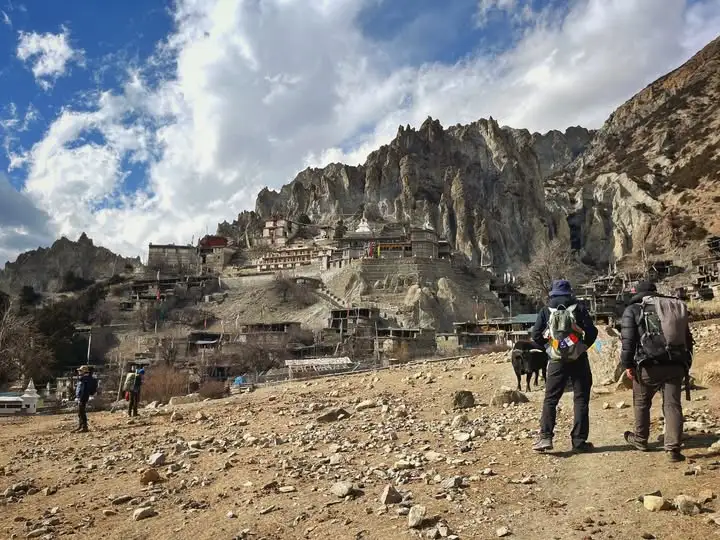
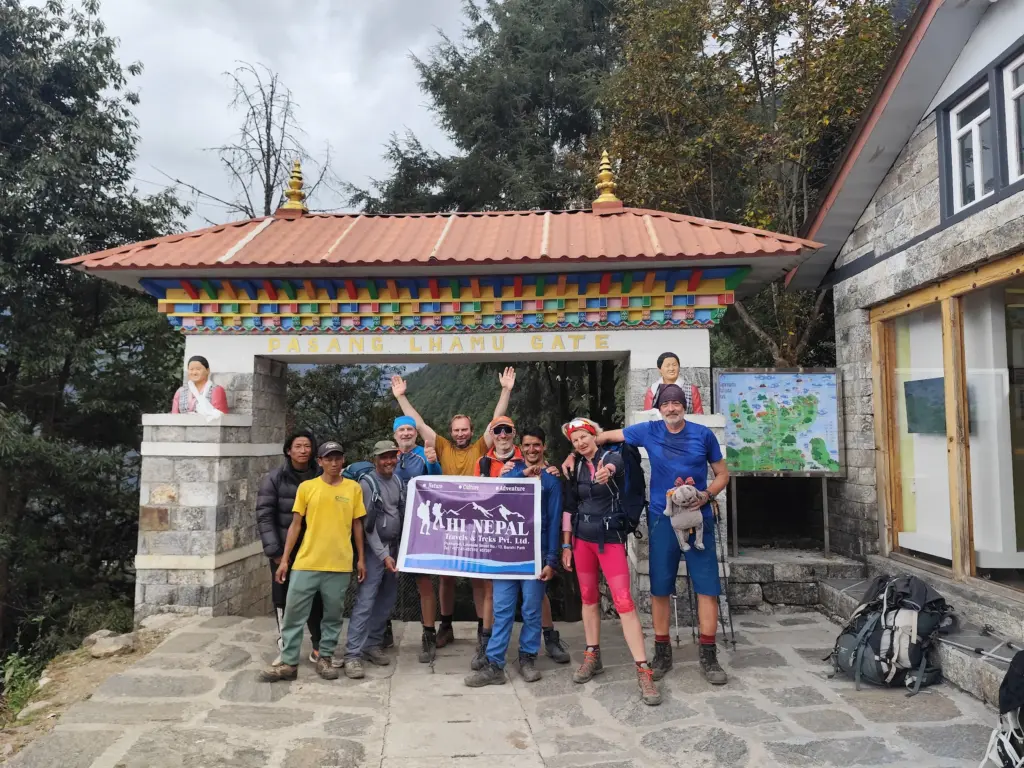
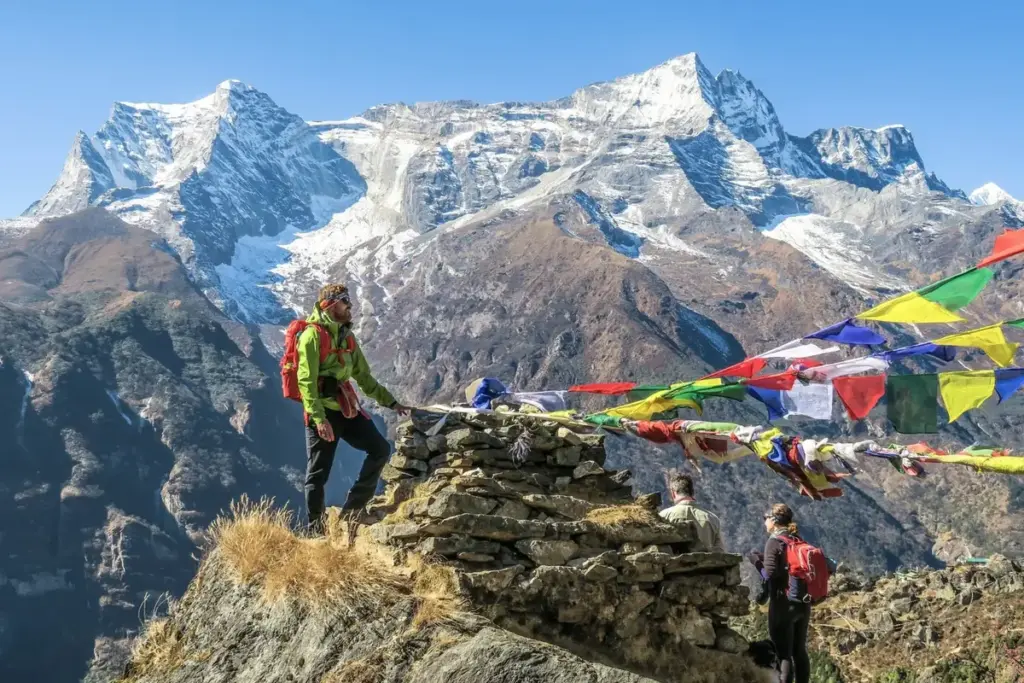
    A group of people trekking manaslu circuit trek

    The Manaslu Circuit Trek presents a captivating journey through Nepal’s diverse landscapes. Located in the Manaslu region, it offers trekkers an opportunity to explore both natural and cultural wonders.

    This trek circles Mount Manaslu, the eighth highest peak in the world. The towering mountain provides awe-inspiring backdrops throughout the adventure. The trek is approximately 177 kilometers long. It takes trekkers through a variety of terrains, from lush valleys to rugged trails.

    Trekkers will experience an authentic slice of Nepali culture. The region is home to the Gurung and Tibetan communities, offering insights into their traditions.

    Manaslu Circuit offers both teahouse and camping accommodation. Depending on the season, travelers can choose their preferred style of lodging. Notable highlights include the challenging ascent of the Larkya La Pass. This high-altitude pass offers stunning views and an exhilarating challenge.

    Key Aspects of the Manaslu Circuit Trek:

    • Location: Manaslu Region, Nepal
    • Distance: Approximately 177 kilometers
    • Highest Point: Larkya La Pass (5,160 meters)
    • Duration: 14-18 days on average
    • Difficulty Level: Moderately challenging

    The trek begins in Soti Khola and concludes in Besisahar. These points are accessible by road from Kathmandu, making it convenient for travelers. Manaslu Circuit is part of the Great Himalayan Trail. This offers connections to other notable trekking routes within Nepal. 

    Embarking on this trek requires proper preparation. Acclimatization, physical fitness, and appropriate gear are necessary for a successful journey. The trek’s relative seclusion compared to other popular routes in Nepal enhances its appeal. It promises a truly immersive experience for adventurous souls.

    Understanding Manaslu Circuit Trek Timing

    Trek timing is crucial when planning the Manaslu Circuit Trek. The timing impacts both the weather conditions and the overall experience.

    Different seasons offer distinct experiences on the trail. Understanding this timing helps trekkers to choose the best period for their adventure.

    The trek can be categorized into four primary seasons: spring, summer/monsoon, autumn, and winter. Each season for Manaslu Circuit Trek brings its unique set of challenges and rewards.

    Spring (March to May) and autumn (September to November) are generally favored. These periods provide the most stable weather conditions and clear visibility.

    Summer monsoon (June to August) is marked by heavy rainfall. This can lead to slippery trails and potential landslides, posing difficulties for trekkers.

    Winter (December to February) offers a quiet and less crowded trail. However, it also brings snow and cold temperatures, demanding extra preparation.

    Key Timing Considerations:

    • Spring (March-May): Flowers bloom and skies clear
    • Summer (June-August): Heavy rains and lush landscapes
    • Autumn (September-November): Best visibility and weather
    • Winter (December-February): Quiet trails and cold conditions

    Travelers should align their trek timing with their preferences and abilities. Those seeking fewer crowds might brave the challenges of winter or monsoon.

    It’s essential to pack according to the seasonal demands. Warm clothing, rain gear, and layered outfits ensure comfort throughout the journey. The best time to undertake the trek depends on personal interests. Balancing between weather conditions and the desired experience is key.

    Best Seasons for Manaslu Circuit Trek: A Detailed Breakdown

    Selecting the season for Manaslu Circuit Trek depends on your goals, tolerance for crowds, and comfort with weather. Timing your trek in relation to the seasons is fundamental. Each season influences the weather, trail conditions, and scenery.

    Spring and autumn are generally seen as the best times. They offer more consistent weather and vibrant landscapes.

    Monsoon season is challenging with heavy rains. Winter is serene but demands dealing with snow and cold.

    Seasonal Overview:

    • Spring (March-May): Ideal for flora and moderate weather.
    • Monsoon (June-August): Difficult due to rainfall and mud.
    • Autumn (September-November): Perfect climate and visibility.
    • Winter (December-February): Cold, snowy, and tranquil.

    Choosing the right season is crucial to have a fulfilling trek. Keep your physical condition and experience level in mind.

    Spring (March to May): Blossoms and Clear Skies

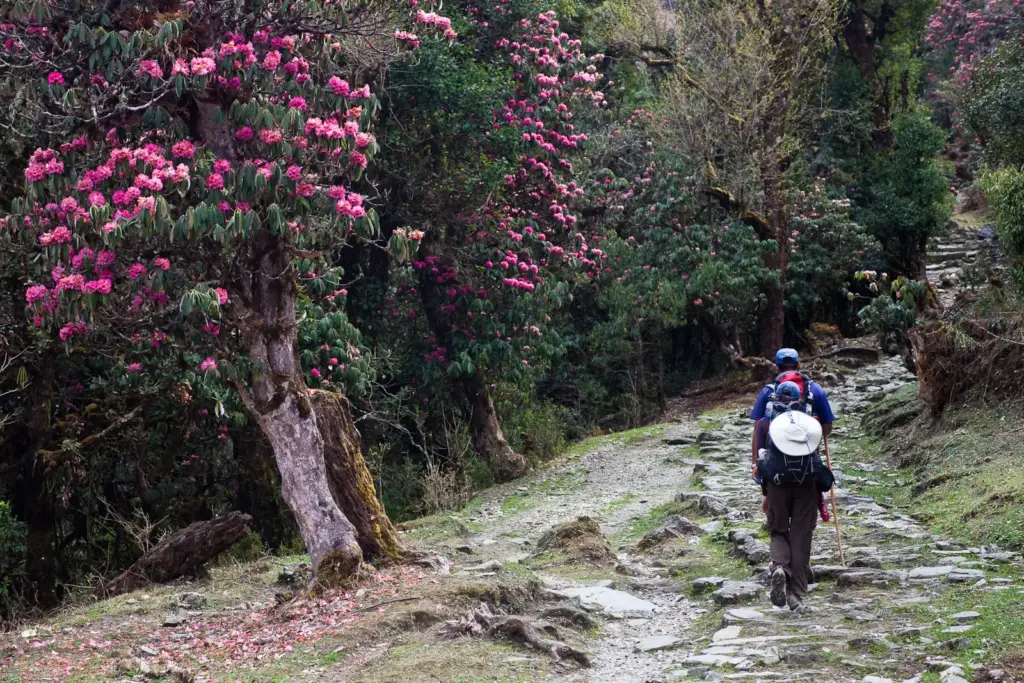
    Spring is one of the most beautiful times to trek the Manaslu Circuit. The hills come alive with vibrant rhododendron blooms and lush greenery. Clear skies during spring provide stunning views of the majestic peaks. The weather remains mild, making hiking conditions comfortable.

    Temperatures range from pleasant during the day to cooler at night. It’s essential to pack layers to adjust to varying temperatures. This is also an ideal time for nature lovers. Flowers in bloom enhance the experience, offering plenty of photographic opportunities.

    Manaslu Circuit in Spring: Best season for Manaslu Circuit Trek

    Spring’s mild temperatures reduce the risk of altitude-related illnesses, but acclimatization is still crucial. Some parts of the trek may experience snowfall early in the season.

    Local villages bustle with activity and preparation for agricultural seasons. Trekkers can enjoy cultural interactions, learning about local Gurung and Tibetan customs. Trekkers should anticipate the growing number of fellow trekkers. Though it’s less busy than other popular treks, accommodations may fill up quickly.

    Key considerations during spring include:

    • Average daytime temperature: 15-20°C
    • Nighttime temperature: Falls to freezing point sometimes
    • Packing: Layers, mild-weather gear, and sun protection

    Plenty of teahouse accommodations are available at this time. It’s wise to pre-book or start early to secure spots during peak days.

    Overall, spring offers a perfect balance of beauty, accessibility, and the joys of exploring vibrant alpine regions.

    Summer/Monsoon (June to August): Rain and Challenges

    Summer overlaps with the monsoon season, bringing challenges for trekkers. Heavy rains can cause slippery and muddy trails. This season witnesses fewer trekkers due to difficult conditions. Frequent precipitation and clouds obscure mountain views.

    View of Manaslu Circuit Trek in Nonsoon Season

    Rains can lead to landslides, which may block paths and delay itineraries. Additionally, there are more leeches in the damp forest sections. Trekkers brave enough to navigate monsoon challenges will find lush, green landscapes. The flora thrives, giving the trail a different charm.

    Pros and cons of trekking in monsoon:

    • Pros: Green scenery, quieter trails, and thriving flora.
    • Cons: Poor visibility, slippery trails, increased chance of leeches.

    Rain gear is an absolute must; waterproof jackets and sturdy boots are essential. Frequent rain showers make it important to protect dry clothes and electronics with waterproof bags.

    The roads can become impassable due to landslides. Therefore, itineraries must remain flexible, with extra days added for contingencies. Despite the challenges, some trekkers value the solitude and unique experience. Risk versus reward is higher, but adventuresome souls may find the seclusion appealing.

    Trekkers should prepare for erratic weather and expect delays. Communication with local guides ensures updated trail conditions. Exploring Manaslu during monsoon requires caution and respect for nature’s unpredictability. Staying informed and well-equipped is key.

    Autumn (September to November): The Prime Trekking Window

    Autumn is, without doubt, the prime time for the Manaslu Circuit. Weather is predictably stable, and the mountain views are crystal-clear. The trek during autumn offers unparalleled visibility. This is when the mountain range stands in its full glory.

    Birendra Lake - manaslu circuit trek
    Img: Wikimedia

    Daytime temperatures remain moderate, though nights start getting crisp. Layers again are essential for adapting to fluctuating temperatures. Cultural festivities abound with local communities celebrating major festivals. This adds a rich cultural layer to the trekking experience.

    The autumn season for Manaslu Circuit Trek is also the busiest time on the trails. Trekkers should anticipate increased traffic and limited accommodation availability.

    Key points for autumn trekking:

    • Daytime temperatures: Ranging around 10-15°C.
    • Nighttime temperatures: Can drop below freezing at higher elevations.
    • Packing needs: Warm layers, sun protection, and a good camera for scenic shots.

    Local agriculture in full swing provides a unique cultural insight. Harvests influence community activities, offering authentic village experiences. It’s wise to book accommodations in advance. Popular teahouses can fill quickly due to the trekking rush.

    While trails are bustling, the spirit among trekkers is positive and convivial. Sharing stories and experiences adds to the journey. Given the stable weather, altitude acclimatization is smoother. However, caution around high-altitude areas remains paramount.

    The chance of unforeseen weather changes is minimal. This certainty allows for efficient itinerary planning.

    Hence, autumn is undoubtedly the most favored trekking period. It combines the best weather, stunning vistas, and enriching cultural exposures.

    Winter (December to February): Solitude and Snow

    Winter transforms the Manaslu Circuit into a serene, snow-covered paradise. Fewer trekkers attempt the trek during this cold period. Temperatures drop significantly. This presents challenges yet offers unique advantages for the prepared and adventurous.

    Manaslu Circuit Trek in Winter: one of the best season for manaslu circuit trek
    Img: Wikimedia

    Snow blankets the landscape, adding pristine beauty to the area. The crunch of snow underfoot is a distinct winter sound. Trails may become difficult to navigate due to snow drifts. However, the solitude creates a deep sense of peace, the best season for manaslu circuit trek

    Packing efficiently is crucial. Warm clothing, thermal layers, and waterproof gear become necessary to combat freezing conditions. Accommodations along the route stay open, albeit with reduced capacity. A surge in fireside camaraderie can be a warm perk.

    Key winter trekking insights:

    • Temperatures: Can plunge well below zero at higher altitudes.
    • Daylight hours: Shorter, requiring timely scheduling of daily hikes.
    • Safety: Consider bringing crampons and consulting with local guides.

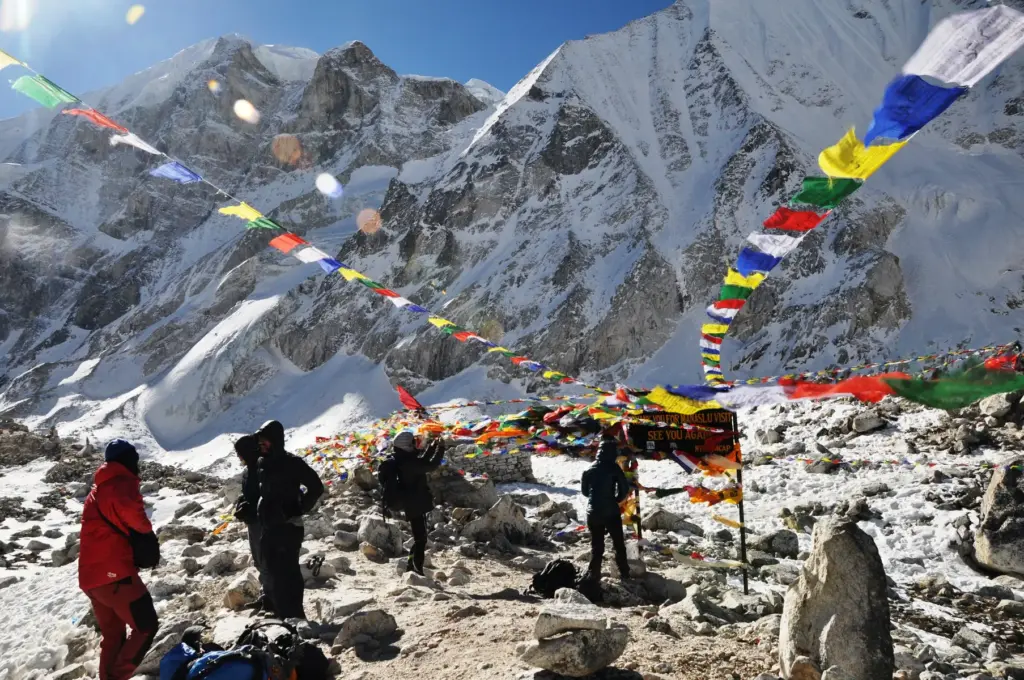
    Larkya La Pass, the trek’s challenging point, can be especially severe. However, the reward is worth the extra effort. Spectacular views of snow-capped peaks are unrivaled. Photographers find this season particularly alluring, with pristine vistas.

    Additionally, witness wildlife venturing out in search of food. The absence of crowds offers better chance to spot rare species.

    The journey requires cautious pacing to prevent health issues. Altitude sickness can still pose a risk, particularly with the intense cold. Those seeking tranquility and a once-in-a-lifetime experience may find winter ideal. The adventure is rigorous but incredibly rewarding for the soul.

    Want to plan your trek better?
    For better planning, explore our complete Manaslu Circuit Trek Itinerary , including duration, route, and acclimatization days.

    Comparing the Seasons: Pros and Cons

    Each season for Manaslu Circuit Trek offers distinct experiences. Weighing the pros and cons can help in deciding the best time for your trek.

    Spring entices with blooming rhododendrons and mild weather. However, trails might be busier as trekkers flock for the vibrant scenery.

    Summer, marked by monsoons, is lush and green. Yet, heavy rainfall makes trails slippery, posing challenges to navigation.

    Autumn is the season of ideal conditions. Clear skies and moderate temperatures prevail, but it is also the busiest period.

    Winter provides a peaceful escape into snow-covered landscapes. The solitude is inviting, but cold temperatures are a significant hurdle.

    To help with decision-making, here’s a quick reference list:

    • Spring (March-May): Pros – Blossoms, stable weather; Cons – Crowd.
    • Summer/Monsoon (June-August): Pros – Green landscapes; Cons – Rain, leeches.
    • Autumn (September-November): Pros – Perfect conditions; Cons – High traffic.
    • Winter (December-February): Pros – Solitude, beauty; Cons – Cold, limited daylight.

    Comparing these factors aids in aligning the trek with personal preferences. Choosing the right season for Manaslu Circuit Trek enhances both safety and enjoyment on the trek. It ensures your experience of the Manaslu Circuit is as memorable as the grand peaks it showcases.

    Best Month to Trek Manaslu Circuit Trek

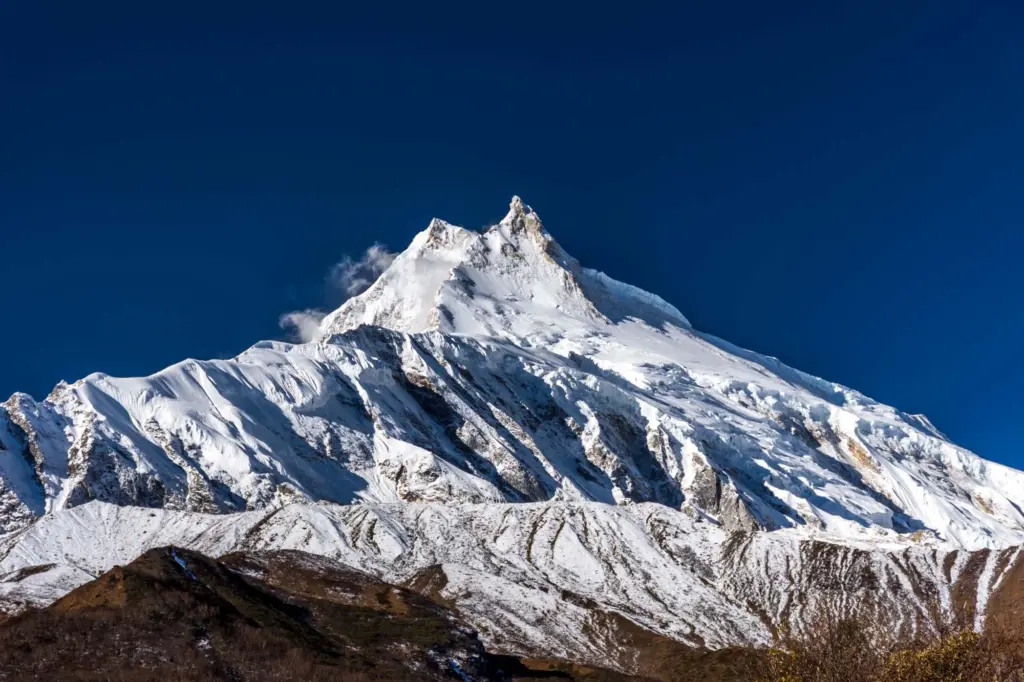
    Beautiful Landscape of Manaslu Circuit Trek

    Choosing the best month for the Manaslu Circuit Trek depends on several factors. Your preferences for weather, crowd levels, and trail conditions all play a role.

    For many, October stands out as the best month. It combines favorable weather with breathtaking views. The skies are predominantly clear, offering unhindered vistas of the majestic Himalayas.

    If you prefer to experience local culture, November is ideal. The busy harvest season means vibrant local activities in the villages along the trek. However, be prepared for cooler nights as winter approaches.

    March also earns a spot among top months to trek. Nature awakens with colorful blooms, especially the rhododendron forests. Mild temperatures make trekking comfortable during this season.

    Adventurers seeking solitude might opt for December. It promises pristine, snow-covered landscapes. Despite the cold, it offers serenity away from the crowds.

    When planning, take note of national holidays and festivals. Festivals can enhance the trekking experience but may also result in busier trails.

    Here’s a concise guide to aid in decision-making:

    • October: Clear skies, perfect views.
    • November: Cultural activities, cooler nights.
    • March: Blooming flowers, mild weather.
    • December: Solitude, snowy landscapes.

    Your ideal trekking month will resonate with your desire for scenery, culture, or tranquility. Personal priorities dictate the best time to trek the Manaslu Circuit, ensuring a memorable adventure with lasting impressions.

    Manaslu Circuit Trek in Winter: What to Expect

    Beautiful view of manaslu circuit in winter

    Embarking on the Manaslu Circuit Trek in winter offers a unique adventure. The trails are less crowded, providing solitude and peace. But, winter presents challenges that trek enthusiasts should anticipate.

    Expect temperatures to drop significantly, especially at higher elevations. Nights are particularly cold, demanding adequate winter gear. Snow-covered paths add both beauty and difficulty to the trek.

    The rewards of trekking in winter are plentiful. You will witness a magical transformation of the landscape. Pristine white snow blankets the mountains, creating breathtaking panoramas.

    However, trekkers should be ready for unpredictable weather. Sudden snowfalls and strong winds are not uncommon. Trail conditions can be demanding with increased snow and ice.

    Preparation is key to a successful winter trek. Equip yourself with essential warm clothing and proper equipment. Hiring an experienced guide increases safety and enjoyment.

    Consider the following points for winter trekking on the Manaslu Circuit:

    • Temperature Control: Bring thermal clothing and a sturdy sleeping bag.
    • Safety Measures: Use crampons and poles for snowy trails.
    • Health Preparedness: Acclimatize properly to combat cold and altitude.
    • Flexibility: Allow for itinerary changes due to weather disruptions.

    Winter is perfect for those who love solitude and stunning snowy landscapes. Yet, it demands serious preparation and respect for nature’s challenges. Ensure you’re ready for cold weather and changing conditions on your winter trek.

    Weather and Climate: What You Need to Know

    Understanding the weather is crucial for planning the Manaslu Circuit Trek. Conditions vary with the seasons, impacting both safety and enjoyment. Here’s what you need to know.

    The Manaslu region experiences four distinct seasons. Each season offers unique weather patterns and challenges. Planning your trek should take these into account.

    Spring and autumn are generally considered the best for trekking. These months feature stable weather and great visibility. Temperatures are moderate, ideal for long days on the trail.

    In contrast, summer brings the monsoon with heavy rains. This can lead to trail erosion and landslides. Moreover, leeches thrive in the damp conditions, adding to the challenges.

    Winter weather is characterized by snow and freezing temperatures. High passes can be treacherous due to ice accumulation. Nonetheless, the clear skies and serene landscapes are awe-inspiring.

    Here are key weather considerations for trekkers:

    • Spring (March to May): Mild temperatures, blooming flora.
    • Summer (June to August): Heavy rains, slippery trails.
    • Autumn (September to November): Clear skies, excellent views.
    • Winter (December to February): Snowfall, cold temperatures.

    Packing appropriately for the expected weather enhances your trek experience. Stay informed about weather forecasts before and during your journey. Equip yourself with appropriate gear, including layers and waterproofs, to ensure comfort and safety throughout your trek.

    Manaslu Circuit Itinerary: Timing and Route Planning

    Crafting a well-timed itinerary is crucial for a successful Manaslu Circuit Trek. The trek typically spans 14 to 18 days, providing ample time to explore this majestic Manaslu region. Adequate planning ensures a balance between challenging hikes and restful acclimatization days.

    Starting in Soti Khola, trekkers journey through lush forests and traditional villages. The route ascends through various climatic zones, presenting diverse landscapes and cultural experiences. Each day of the trek offers a unique blend of nature and culture.

    The highest point of the trek is the Larkya La Pass. Reaching 5,135 meters, the pass demands proper acclimatization. It’s crucial to allocate rest days in Samagaon and Samdo, facilitating acclimation to the high altitudes.

    Route flexibility is key. Weather conditions and the trekker’s pace dictate changes. Some might require additional days for side trips, while others may adjust due to unforeseen circumstances.

    Here is a typical Manaslu Circuit itinerary outline:

    • Day 1-3: Soti Khola to Machha Khola and Jagat
    • Day 4-6: Jagat to Deng and Namrung
    • Day 7-9: Namrung to Lho and Samagaon (acclimatization day)
    • Day 10-12: Samagaon to Samdo and Dharamsala
    • Day 13-14: Larkya La Pass to Bimthang
    • Day 15-16: Bimthang to Tal and Syange

    Adhering to a planned schedule aids in maximizing the trek experience. Side trips, such as visiting the Manaslu Base Camp, enriches the journey. Always leave room for adjustments, considering variables like weather, health, and group dynamics.

    Planning in advance ensures a memorable journey. Alongside route planning, including travel insurance and permits is essential. Preparing well in advance with professional guidance ensures safety and an enriching experience during the trek.

    Acclimatization and Altitude: Timing for Safety

    Acclimatization is a vital aspect of the Manaslu Circuit Trek. It ensures trekkers’ safety as they ascend to higher altitudes. The risk of altitude sickness increases with elevation gain, so gradual adaptation is crucial.

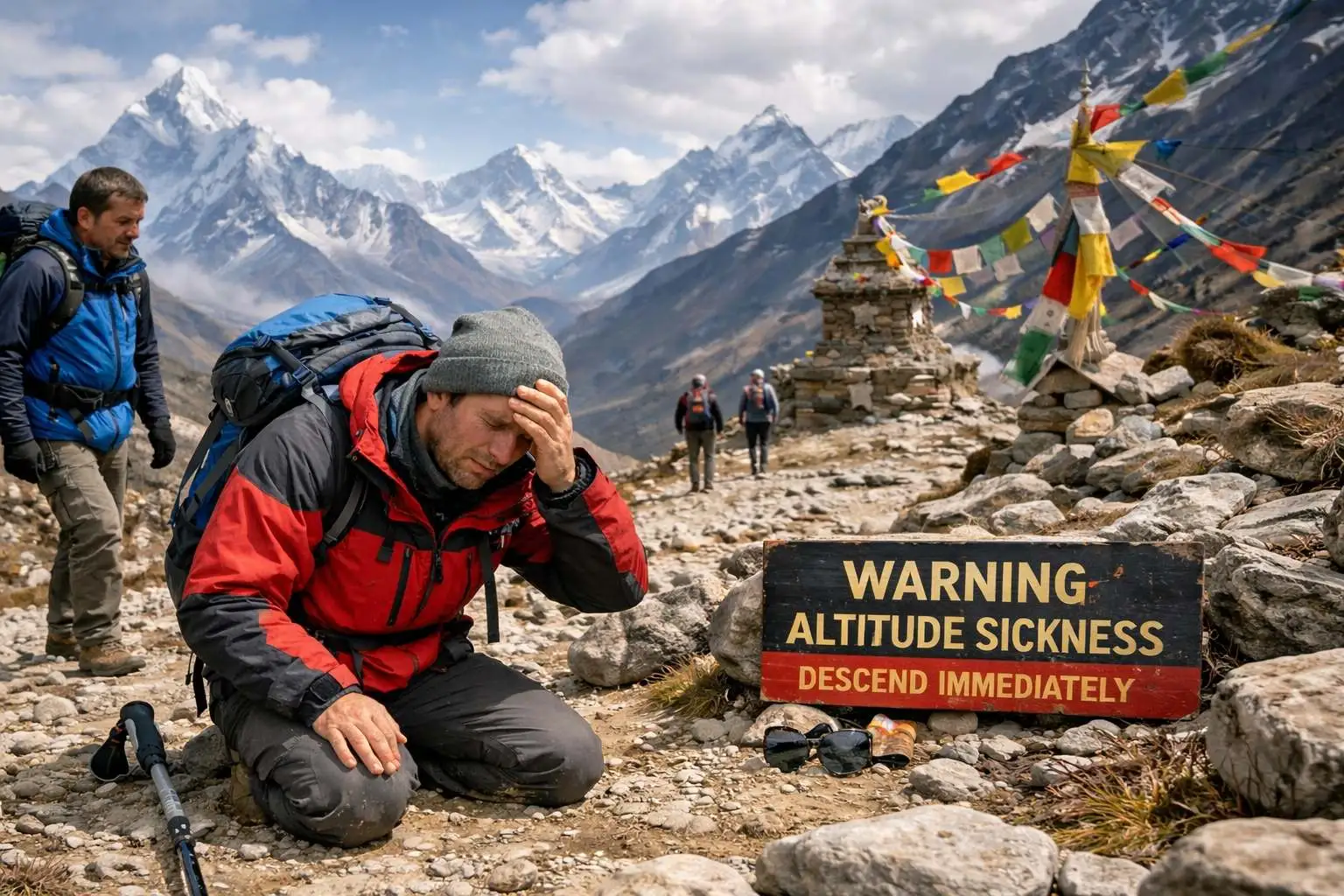
    Altitude sickness can occur when ascending too quickly. Symptoms include headaches, nausea, and fatigue. Ignoring these signs may lead to severe conditions like pulmonary or cerebral edema, which can be life-threatening.

    Incorporating acclimatization days in your itinerary is essential. Spending extra days at strategic locations like Samagaon and Samdo allows your body to adjust to the thin air. These rest days help build resilience against altitude sickness.

    A well-planned itinerary incorporates acclimatization stops. Gradual elevation increases of no more than 300-500 meters per day are recommended. This helps mitigate the risk of developing symptoms associated with altitude sickness.

    Take it slow while trekking uphill. Listen to your body and be aware of its limits. Immediate descent is crucial if symptoms worsen. This precaution ensures safety and well-being throughout the trek.

    Important tips for acclimatization include:

    • Ascend gradually: Allow time to adjust.
    • Stay hydrated: Drink plenty of water.
    • Avoid alcohol: It exacerbates dehydration.
    • Listen to your body: Rest when needed.

    Successful acclimatization contributes significantly to an enjoyable trekking experience. Adopting these measures enhances the chances of completing the trek safely. Ultimately, acclimatization ensures you enjoy the stunning landscapes without compromising health.

    Permits, Guides, and Regulations: Seasonal Considerations

    Navigating the Manaslu Circuit requires specific permits. The route falls under a restricted region, necessitating extra documentation. This includes the Manaslu Restricted Area Permit, Annapurna Conservation Area Permit, and Manaslu Conservation Area Permit.

    A licensed guide is mandatory for this trek. This regulation enhances safety and supports local employment. Guides possess vital knowledge about the region’s terrain, culture, and weather conditions.

    Regulations might differ slightly by season. During peak months, from March to May and September to November, permit processing could be slower due to high demand. During off-peak times, such as winter, the process may be swifter.

    It’s important to plan for potential delays in high season. Early applications prevent unnecessary stress. Moreover, guides often get booked quickly, so securing one early is beneficial.

    Here’s a checklist for your trek:

    • Permits: Acquire all necessary permits.
    • Guide: Book a licensed professional.
    • Insurance: Ensure coverage for high-altitude trekking.
    • Regulations: Stay informed about any seasonal updates.

    Abiding by these regulations not only enhances trek safety but also contributes to sustainable tourism. Following guidelines supports the preservation of the Manaslu region’s unique environment and culture.

    Packing and Gear: Season-Specific Essentials

    List of packings to trek in nepal

    Packing appropriately for the Manaslu Circuit Trek is crucial for a comfortable journey. Seasonal variances make having the correct gear imperative.

    In spring, light layers are key. Days are warm, but mornings and evenings can be brisk. A good fleece jacket and a windproof shell are smart choices.

    Monsoon season demands heavy-duty rain gear. Waterproof jackets and pants are essential. Lightweight clothing that dries quickly is also recommended to combat the constant dampness.

    Autumn trekking should emphasize warmth without compromising mobility. Layering is the best strategy. Consider thermal base layers combined with a down jacket for chilly mornings.

    Winter requires serious cold protection. Think insulated boots, thick gloves, and a beanie. A down jacket is non-negotiable to fend off biting cold at higher altitudes.

    Regardless of the season, certain gear is universal:

    • Sturdy trekking boots: Essential for all terrains.
    • Backpack with rain cover: Protects belongings in all weather.
    • Trekking poles: Useful on steep and uneven paths.
    • Water bottle and purifier: Ensure hydration and safety.

    Packing smartly not only aids in comfort but also ensures safety. Season-specific gear allows you to adapt to changing weather, keeping the trek enjoyable regardless of the conditions you face.

    Accommodation and Food: What Changes with the Season?

    Accommodation options on the Manaslu Circuit vary by season. Teahouses are the primary option, offering basic amenities.

    In spring, most teahouses are operational. You’ll find warm beds and the chance to connect with other trekkers over hearty meals.

    Monsoon trekking challenges the availability and quality of accommodations. Some teahouses may close due to low demand or road blockages.

    Autumn is peak season for Manaslu Circuit Trek, so expect bustling teahouses. Early booking is advised as rooms fill quickly. The food is varied and reflects the increased number of trekkers.

    Winter means fewer teahouses stay open. However, you’ll enjoy the tranquility. The menu may be limited, focusing on hearty staples to combat the cold.

    Regardless of the time of year, teahouses typically offer:

    • Dal Bhat: A traditional dish of rice and lentils.
    • Noodles and soups: Simple yet comforting.
    • Tea and coffee: A welcome warm-up.
    • Bread and eggs: For breakfast energy.

    Understanding seasonal changes helps plan effectively. Knowing what to expect in terms of accommodation and food availability can enhance your trekking experience.

    Wildlife, Flora, and Photography: Seasonal Highlights

    The Manaslu Circuit offers diverse wildlife and flora, attracting nature enthusiasts. Each season brings unique photographic opportunities.

    In spring, vibrant rhododendron blooms paint the trails. The lush scenery creates a paradise for photographers. Birds are abundant, filling the air with song.

    Summer’s rains awaken the forests. Vegetation flourishes, though photographing wildlife can be challenging due to visibility. However, macro shots of flora become possible.

    Autumn provides crisp, clear air, ideal for capturing distant landscapes. The fauna is more active post-monsoon, offering chances to spot shy species.

    Winter blankets the region in snow. The stark contrast of white landscapes against blue skies offers surreal photograph opportunities. Animal tracks in the snow hint at elusive wildlife.

    Highlights include:

    • Rhododendron forests: Best seen in spring.
    • Birdwatching: Particularly rewarding in spring and autumn.
    • Snow-clad peaks: Most stunning in winter.
    • Lush vegetation: Vibrant in summer.

    Adapting your photographic approach to each season ensures you capture the trek’s essence. Preparing for seasonal conditions helps maximize photographic opportunities.

    Tips for Choosing the Best Time to Hike Manaslu Circuit Trek

    Selecting the right time for the Manaslu Circuit Trek hinges on various factors. Weather is crucial in deciding when to embark on this adventure.

    Consider your comfort with temperature extremes. If you prefer mild weather, aim for the spring or autumn.

    Crowds can affect your experience. Trekking in spring or autumn might mean more company on the trails. Winter offers a quieter, more solitary journey.

    Your photography goals should influence timing. Rhododendrons in spring provide colorful compositions, while winter landscapes offer striking contrasts.

    Personal fitness and experience level matter too. High-altitude trekking is challenging, especially in winter or wet conditions.

    Key considerations include:

    • Weather Preferences: Warm or cold conditions.
    • Crowds: Busy seasons or solitude.
    • Photography Goals: Spring blooms or winter snows.
    • Trekking Experience: Navigating difficult terrain.

    Evaluate these elements carefully to ensure a rewarding trek. Your best time will align with personal preferences and preparedness.

    Frequently Asked Questions (FAQs) on Manaslu Circuit Trek Timing

    What is the best time for the Manaslu Circuit Trek?

    The ideal periods are spring (March to May) and autumn (September to November). Both seasons offer stable weather, great visibility, and pleasant temperatures.

    Can I trek in winter?

    Yes, but be prepared for snow-covered trails and colder conditions. Winter trekking promises solitude but requires advanced preparation and gear.

    Is the Manaslu Circuit trek doable during the monsoon season?

    It’s possible, though not recommended due to heavy rains. The monsoon season brings challenges like landslides and leeches.

    How long does the trek usually take?

    Typically, the Manaslu Circuit trek itinerary spans 14 to 18 days. This includes acclimatization and allows for side trips.

    Do I need a guide or permits?

    Yes, a registered guide is mandatory, as are special permits. The trek passes through a restricted area in Nepal.

    What should I pack according to the season?

    Spring and autumn require layered clothing. Winter needs more warm gear, while monsoon necessitates waterproof attire.

    Key requirements include:
    – Permits: Restricted Area Permit and Manaslu Conservation Area Permit.
    Guide: Compulsory for safety and navigation.

    Are there differences in accommodation by season?

    Teahouses are available year-round, but services may be limited in winter. In peak seasons, booking in advance is advisable.

    What wildlife can I expect to see?

    Wildlife spotting is best in spring and autumn. The region is home to various species, including the elusive snow leopard.

    These FAQs highlight crucial aspects for planning your Manaslu Circuit trek. Prepare according to seasonal conditions, for a memorable experience.

    Conclusion: Manaslu Circuit Best Time of the Year

    Choosing the best season for Manaslu Circuit depends on personal preferences and goals. While each season offers unique experiences, autumn is often hailed as the top choice. This season provides trekkers with stable weather and stunning mountain vistas, enhancing the journey.

    Spring, with blooming rhododendrons and vibrant landscapes, is equally compelling. It’s a time when nature enthusiasts can soak in the colorful flora. This season appeals to those interested in the local flora’s full bloom.

    Winter presents a chance for solitude and serenity amidst snow-draped peaks. Though challenging, it rewards those prepared with tranquil trails and fewer crowds.

    Ultimately, the Manaslu Circuit Trek is remarkable year-round. Careful consideration of conditions and personal goals will help determine your perfect trekking time. Each season offers its own allure, promising an unforgettable adventure.

    Ready to plan your Manaslu adventure?

    Choose the best time for the Manaslu Circuit Trek, secure your permits, and trek with an experienced local guide Hi Nepal Travels & Tours in Pokhara, Nepal, to ensure safety, comfort, and an unforgettable Himalayan experience. Start planning your Manaslu Circuit Trek today and turn your adventure into reality.

  • Annapurna Circuit vs Base Camp: Don’t Make This Mistake

    Annapurna Circuit vs Base Camp: Don’t Make This Mistake

    Nepal is a dream destination for trekkers, and the Annapurna region sits right at the heart of that dream. With snow-capped peaks, welcoming mountain villages, and trails that feel straight out of a postcard, it’s no surprise this region attracts adventurers from all over the world. Among the many trekking routes here, two stand out as the most popular and most debated: Annapurna Base Camp vs Annapurna Circuit Trek.

    If you’re confused about which trek is better, easier, more scenic, or worth your time and money, you’re not alone. This is one of the most common dilemmas trekkers face when planning a trip to Nepal. While both treks offer unforgettable Himalayan experiences, they are very different when it comes to duration, difficulty, landscapes, cultural immersion, and the overall sense of adventure. 

    The Annapurna Base Camp (ABC) Trek takes you straight into the heart of the mountains, offering a shorter, more direct journey to the foot of Annapurna I. On the other hand, the Annapurna Circuit Trek (ACT) is a grand Himalayan expedition that circles the entire Annapurna massif, crossing diverse landscapes and the legendary Thorong La Pass.

    Both treks lie within the protected Annapurna Conservation Area, yet each offers a completely unique experience. This detailed comparison of Annapurna Base Camp vs Annapurna Circuit will help you decide which trek best matches your fitness level, available time, and travel goals, so you can choose the adventure that feels right for you.

    Overview of Annapurna Base Camp (ABC) Trek

    The Annapurna Base Camp Trek, commonly known as the ABC Trek or Annapurna Sanctuary Trek, is one of the most iconic and rewarding short treks in Nepal. Perfect for trekkers who want dramatic Himalayan scenery without committing to a long expedition, this trek takes you deep into a protected high-altitude glacial basin, an experience that feels both humbling and magical.

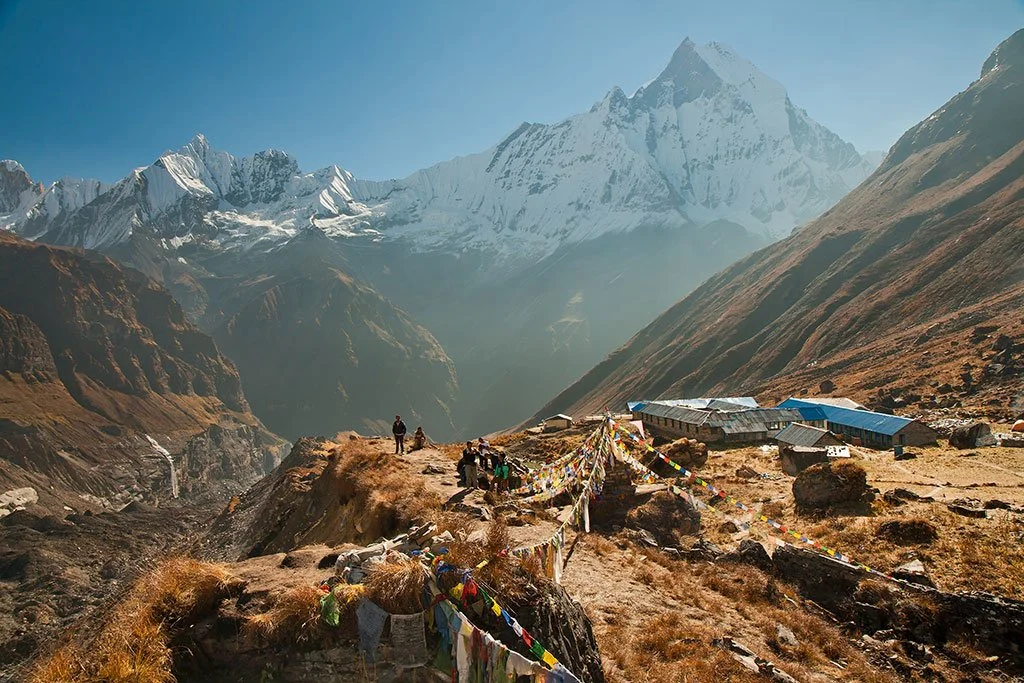
    Annapurna Base Camp Trek (ABC)

    As you walk higher into the Annapurna Sanctuary, the mountains slowly rise around you until you find yourself completely surrounded by giants. Standing at Annapurna Base Camp feels surreal: a natural amphitheater of towering 7,000-meter and 8,000-meter peaks, offering breathtaking 360-degree Himalayan views. Few treks in Nepal provide such close-up access to massive mountains in such a short time.

    Trek Facts – Annapurna Base Camp Trek

    • Max Altitude: 4,130m (13,550 ft)
    • Duration: 7-11 days
    • Distance: Approx. 70-100 km (round trip)
    • Starting Point: Nayapul or Ghandruk (near Pokhara)
    • Difficulty Level: Moderate

    Highlights of the Annapurna Base Camp Trek

    • Close-up views of Annapurna I (8,091 m), the world’s 10th highest mountain
    • Stunning sight of Machhapuchhre (Fishtail), one of Nepal’s most sacred peaks
    • Panoramic views of Annapurna South, Hiunchuli, and surrounding snow-capped summits
    • Reaching the legendary Annapurna Base Camp, surrounded by glaciers and towering peaks
    • Walking through lush rhododendron and bamboo forests, especially beautiful in spring
    • Scenic river valleys, waterfalls, and alpine landscapes
    • Cultural encounters in traditional Gurung and Magar villages
    • Sunrise views from Poon Hill (often included as a side trek)
    • Soaking tired muscles in the natural hot springs at Jhinu Danda

    Pros and Cons

    Pros

    • Ideal for trekkers with limited time
    • Lower altitude compared to the Annapurna Circuit, reducing altitude risk
    • Well-maintained trails and comfortable teahouse accommodation
    • Incredible mountain views packed into a shorter itinerary
    • Suitable for first-time trekkers in Nepal

    Cons

    • Trails can be crowded during peak seasons (spring and autumn)
    • Less landscape variation compared to longer treks like the Annapurna Circuit
    • No high mountain pass crossing for those seeking extreme adventure

    Overview of Annapurna Circuit Trek

    The Annapurna Circuit Trek is one of Nepal’s most iconic long-distance treks, often called the “Grand Loop”. Unlike the Annapurna Base Camp Trek, which takes you straight to the heart of the mountains, the Annapurna Circuit circles the entire Annapurna Massif, offering an extraordinary journey through wildly diverse landscapes, cultures, and climates.

    A beautiful view of mountain while circling the annapurna circuit trek

    From lush, subtropical river valleys to the stark, high-altitude Tibetan-style desert of Manang and Mustang, this trek is a rollercoaster of natural beauty. The highlight, and the ultimate test for trekkers, is the Thorong La Pass (5,416 m / 17,769 ft), one of the highest trekking passes in the world, rewarding those who cross it with breathtaking panoramic views of the Annapurna and Dhaulagiri ranges.

    Trek Facts – Annapurna Circuit Trek

    Max Altitude: 5,416m (17,769 ft) at Thorong La Pass

    Duration: 12–21 days

    Distance: 160–230 km (depending on route)

    Starting Point: Besisahar or Dharapani

    Difficulty Level: Moderate to challenging

    Highlights of the Annapurna Circuit Trek

    • Thorong La Pass: Conquer one of the world’s highest trekking passes, an unforgettable achievement
    • Muktinath Temple: Visit this sacred site revered by both Hindus and Buddhists
    • Manang Village: Explore a charming Tibetan-style settlement rich in culture and tradition
    • Tilicho Lake (Optional): Trek to one of the world’s highest lakes for an added adventure
    • Incredible Landscape Diversity: Travel through subtropical forests, alpine deserts, and high Himalayan peaks
    • Tibetan-influenced Culture: Experience unique customs, monasteries, and local life in Manang and Mustang
    • Panoramic Mountain Views: Annapurna, Dhaulagiri, Manaslu, Tilicho Peak, and more

    Every day on the Annapurna Circuit feels like a new chapter, from tropical greenery to high-altitude deserts, from serene villages to dramatic Himalayan vistas. It’s a trek that tests your endurance but rewards you with life-changing memories and a deep connection to the Himalayas.

    Pros and Cons

    Pros

    • Unmatched diversity of scenery, terrain, and culture
    • Less crowded trails than ABC, especially on longer routes
    • Strong sense of adventure and achievement
    • Opportunity to experience remote Tibetan-influenced communities

    Cons

    • Longer duration and higher overall cost
    • Requires proper acclimatization due to high altitudes
    • More physically demanding, suited for experienced or moderately fit trekkers

    What is the Difference Between Annapurna Base Camp vs Annapurna Circuit?

    Feature Annapurna Base Camp (ABC) Trek Annapurna Circuit (ACT) Trek
    Location Kaski district, Modi Khola valley Central Nepal, Marshyangdi river valley
    Highest Point 4,130m (Annapurna Base Camp) 5,416m (Thorong La Pass)
    Total Length Approx. 110 km Approx. 160–210 km
    Permits ACAP & TIMS Card ACAP & TIMS Card
    Difficulty Moderate; steep stone stairs Challenging; long high-altitude ascents
    Cultural Blend Gurung & Magar Thakali, Manangi & Tibetan-influenced
    Seasons Spring & Autumn Spring & Autumn
    Accessibility Limited road access Jeep roads deep into Manang/Mustang
    Trekker Traffic High Moderate–High
    Peak Views Annapurna I, Machhapuchhre Annapurna, Manaslu & Dhaulagiri
    Accommodations Basic tea houses Well-facilitated lodges

    Treks at a Glance: Annapurna Base Camp vs Annapurna Circuit

    Annapurna base camp filled with snow in winter season

    If you’re planning trekking in Nepal, the Annapurna region offers two of the most iconic Himalayan treks: the Annapurna Base Camp Trek and Annapurna Circuit Trek (ACT). Both treks provide breathtaking scenery, cultural experiences, and life-changing adventure, but they differ in duration, difficulty, landscapes, and trail experience. Here’s a detailed comparison to help you choose the best trek in Nepal.

    Trek Duration

    Annapurna Base Camp(ABC) Trek:
    Duration:
    7–11 days
    Ideal for trekkers with limited time or first-time Himalayan adventurers, ABC Trek is one of the best short treks in Nepal. Its shorter duration allows trekkers to experience stunning high Himalayan landscapes without committing to a long expedition, making it perfect for those looking for a quick yet memorable adventure.

    Annapurna Circuit Trek (ACT):
    Duration:
    12–21 days, depending on the chosen route
    ACT offers one of the most rewarding long treks in Nepal, providing a fully immersive experience for trekkers. The extended duration allows ample time for proper acclimatization, cultural exploration, and challenging high-altitude trekking. It is ideal for adventurers seeking a comprehensive Annapurna trekking experience and those aiming to complete one of the best Himalayan treks.

    Trekking Routes and Distance

    Annapurna Base Camp(ABC) Trek:
    Covering around 70–100 km, ABC Trek passes through rhododendron forests, terraced hills, and high Himalayan landscapes. This manageable route makes it ideal for beginners or anyone looking for short treks in Nepal. It is one of the most popular Pokhara treks for its accessibility and scenic appeal.

    Annapurna Circuit Trek (ACT):
    Spanning 160–230 km, the Annapurna Circuit is among the most famous Nepal trekking routes, traversing subtropical valleys, alpine meadows, and high desert terrain. Trekkers witness a full range of Nepal’s landscapes, making it one of the best Himalayan trekking trails for adventurers seeking diverse experiences.

    Altitude & Difficulty

    Annapurna Base Camp(ABC) Trek:
    With a maximum altitude of around 4,100 meters, ABC Trek offers moderate difficulty. It is suitable for those seeking short treks in Nepal with high-altitude experiences without extreme physical demand, making it a great Nepal adventure trek.

    Annapurna Circuit Trek (ACT):
    Rising from 800 meters to over 5,400 meters at Thorong La Pass, ACT is a challenging high-altitude trek in Nepal. Proper acclimatization is essential for this long trek in Nepal, making it ideal for experienced trekkers aiming for one of the best trekking experiences in Nepal.

    Scenery & Landscapes

    Beautiful breathtaking views of annapurna base camp and annapurna circuit trek

    Annapurna Base Camp(ABC) Trek:
    Trekkers enjoy panoramic views of Annapurna South, Machapuchare, and Dhaulagiri. This trek offers one of the most scenic Pokhara treks and is perfect for anyone looking for short treks in Nepal with breathtaking Himalayan vistas.

    Annapurna Circuit Trek (ACT):
    The Circuit offers ever-changing landscapes, from lush forests to high desert and glacial rivers. Views of Annapurna, Dhaulagiri, Machapuchare, and Nilgiri make it one of the best Himalayan trekking trails in Nepal, ideal for those seeking diverse scenery on long treks in Nepal.

    Cultural Experience

    Annapurna Base Camp(ABC) Trek:
    Pass through Gurung and Magar villages, experiencing traditional Nepali culture. This trek combines natural beauty with cultural insights, making it one of the best cultural treks in Nepal suitable for beginners and short-duration travelers.

    Annapurna Circuit Trek (ACT):
    The Circuit passes through Gurung, Thakali, and Tibetan-influenced villages, offering monasteries, local cuisine, and traditional lifestyles. This makes ACT one of the best cultural trekking experiences in Nepal, combining adventure with immersive Nepal adventure treks.

    Crowds & Trail Experience

    Annapurna Base Camp(ABC) Trek:
    Moderately crowded during peak season, ABC Trek still offers peaceful stretches along Nepal trekking trails, making it a favorite among those seeking short treks in Nepal near Pokhara.

    Annapurna Circuit Trek (ACT):
    Although popular, ACT’s long and diverse route allows trekkers to find quiet sections. It is perfect for long treks in Nepal enthusiasts seeking adventure on well-known Himalayan trekking trails.

    Permits and Accessibility

    Annapurna Base Camp(ABC) Trek:
    Requires ACAP and TIMS permits. Easily accessible from Pokhara, this trek is ideal for beginners looking for short treks in Nepal with convenient access.

    Annapurna Circuit Trek (ACT):
    Requires the same permits (ACAP & TIMS). Access points vary, some more remote, making it a classic Nepal adventure trek for experienced trekkers pursuing long treks in Nepal.

    Accommodation and Suitability

    Annapurna Base Camp(ABC) Trek:
    Offers teahouses and lodges, perfect for beginners seeking short treks in Nepal with comfortable stays.

    Tea house accommodations available in annapurna trek

    Annapurna Circuit Trek (ACT):
    Provides a range from basic teahouses to established lodges. Suited for experienced trekkers looking for one of the best trekking trails in Nepal with immersive experiences.

    Acclimatization and Physical Demand

    Annapurna Base Camp(ABC) Trek:
    Moderate fitness is sufficient. Ideal for beginners on short treks in Nepal wanting high-altitude experiences without extreme strain.

    Annapurna Circuit Trek (ACT):
    Requires good fitness and careful acclimatization due to high passes like Thorong La. Perfect for adventurers seeking Nepal high-altitude trekking and a full Annapurna trekking experience.

    Which Trek Is Better for Beginners?

    For travelers planning their first time trekking in Nepal, the Annapurna Base Camp Trek (ABC Trek) is widely considered the best trek for beginners in Nepal. With a maximum altitude of around 4,130 meters and a manageable trekking duration of 7–11 days, ABC Trek offers an ideal balance of adventure and comfort.

    The trail follows well-marked Annapurna trekking routes, making it one of the most popular options for easy trekking in Nepal and beginner-friendly treks in Nepal. The ABC Trek is easily accessible from Pokhara trekking hubs and features comfortable teahouses and lodges throughout the route.

    Beginners can enjoy spectacular Himalayan scenery, walk through beautiful rhododendron forests, and experience authentic Gurung and Magar village culture without extreme physical strain or technical climbing. This makes the Annapurna Base Camp Trek perfect for those seeking safe and scenic trekking in Nepal.

    On the other hand, the Annapurna Circuit Trek (ACT) is more suitable for experienced trekkers or beginners with strong physical fitness and prior hiking experience. Spanning 12–21 days and reaching a high altitude of 5,416 meters at Thorong La Pass, ACT is a demanding high-altitude trek in Nepal.

    While it offers a deeper and more immersive Himalayan trekking experience, beginners should only attempt this trek with proper preparation, sufficient acclimatization days, and ideally a licensed trekking guide.

    In summary, for beginners and first-time trekkers looking for a safe, rewarding, and beginner-friendly Himalayan adventure, the Annapurna Base Camp Trek is the better choice, while the Annapurna Circuit Trek is best suited for those ready to take on a longer and more challenging journey.

    Which Trek Offers Better Mountain Views?

    Both treks offer breathtaking Himalayan scenery, but in different ways.

    The ABC Trek is famous for its up-close views of Annapurna I, Machhapuchhre (Fishtail), Hiunchuli, and Annapurna South. Reaching Annapurna Base Camp, trekkers are surrounded by a 360-degree amphitheater of snow-covered peaks, making it one of the best treks in Nepal for mountain photography.

    Annapurna Base Camp Trek in Winter

    The ACT offers a more diverse visual experience, traversing subtropical forests, alpine deserts, glaciers, and high Himalayan peaks. From Manang to Thorong La Pass, trekkers enjoy panoramic views of Annapurna, Dhaulagiri, Manaslu, and Tilicho Peak. While some peaks are more distant than on ABC, the breadth of landscapes and unique terrain makes the Circuit a must-do Himalayan trek for adventure enthusiasts.

    Cost Comparison: ABC vs Annapurna Circuit

    Cost is a major factor when planning trekking in Nepal, especially for travelers comparing routes in the Annapurna region. Understanding the cost of trekking in Nepal helps trekkers choose the option that best fits their budget and travel style.

    The Annapurna Base Camp Trek cost is generally lower, making it one of the best options for budget trekking in Nepal. Due to its shorter duration of 7–11 days, trekkers spend fewer days on accommodation, food, and transportation. Along the route, affordable teahouses and lodges provide meals such as dal bhat, noodles, soups, and local cuisine at reasonable prices.

    Transportation from Pokhara trekking hubs is minimal, and required permits like ACAP and TIMS are standard, keeping overall expenses manageable. For travelers looking for cheap trekking in Nepal without sacrificing Himalayan views, ABC Trek is an excellent choice.

    In contrast, the Annapurna Circuit Trek cost is higher due to its longer itinerary of 12–21 days. Trekkers need to budget for additional accommodation, meals, transportation, and optional services such as porters or licensed trekking guides. Costs may increase further when crossing Thorong La Pass or adding popular side trips like Tilicho Lake, which require extra days and logistics.

    Despite the higher price, the Circuit offers exceptional value through its extended adventure, dramatic landscape changes, and rich cultural diversity, making it worthwhile for experienced trekkers seeking a complete Himalayan trekking experience.

    In summary, ABC Trek is ideal for travelers seeking low-cost trekking in Nepal, while the Annapurna Circuit Trek suits those with a flexible budget who want a longer, more immersive journey through the Himalayas.

    Accommodation & Food Comparison

    Along the ABC Trek, accommodation is widely available in teahouses and lodges that offer basic amenities, bedding, and sometimes hot showers or Wi-Fi. Food options are plentiful, and trekkers can enjoy traditional Nepali meals, making it easy for beginners and short-term trekkers.

    On the ACT, accommodation is still available, but higher-altitude sections can be more basic, sometimes offering shared rooms or limited amenities. Food is accessible, though prices increase in remote villages. Trekkers should plan high-energy meals while crossing Thorong La Pass to maintain stamina during this physically demanding Himalayan trek.

    Best Time to Trek: ABC vs Annapurna Circuit

    Beautiful view of annapurna trek in the best season

    Choosing the best time for trekking in Nepal plays a crucial role in ensuring safety, comfort, and clear mountain views. Overall, the most favorable Nepal trekking seasons are spring (March to May) and autumn (September to November), when weather conditions are stable, trails are dry, and panoramic Himalayan views are at their best.

    The best time to trek Annapurna Base Camp is during these peak seasons, as the route remains accessible and relatively safe even for first-time trekkers in Nepal. Spring offers blooming rhododendron forests and mild temperatures, while autumn provides crisp air, excellent visibility, and stunning views of Annapurna and Machapuchare.

    Due to its lower maximum altitude and shorter duration, ABC Trek experiences fewer weather-related disruptions, making it ideal for travelers planning short treks in Nepal.

    Similarly, the best season for the Annapurna Circuit Trek is also spring and autumn; however, weather conditions play a more critical role due to the trek’s high altitude. Sections such as Thorong La Pass (5,416 m) can become extremely challenging or unsafe during winter because of heavy snowfall and icy trails. Proper timing is essential for this high-altitude trek in Nepal, especially for safe pass crossings.

    The monsoon season (June to August) is generally considered the least favorable time for both treks. Heavy rainfall, leeches, landslides, and limited mountain visibility can affect trail conditions, particularly on lower Annapurna trekking routes. However, experienced trekkers may still attempt these routes with caution and proper planning.

    In summary, spring and autumn are the best seasons for both the Annapurna Base Camp Trek and the Annapurna Circuit Trek, but ABC is more flexible for short-term and beginner trekkers, while the Circuit demands careful seasonal planning due to its extreme altitude and remote terrain.

    Safety & Altitude Considerations

    Safety is crucial when trekking in the Himalayas of Nepal.

    The ABC Trek has a moderate altitude, making it safer for first-time trekkers with minimal risk of altitude sickness. Maintaining a slow pace, staying hydrated, and resting properly ensures a comfortable experience.

    The ACT involves higher altitudes, especially at Thorong La Pass (5,416 meters), where altitude sickness can occur. Proper acclimatization, gradual ascent, and awareness of symptoms such as headache, nausea, or fatigue are essential. Trekkers are advised to hire a guide or porter, carry oxygen if needed, and monitor weather conditions carefully.

    Final Verdict: Which Trek Should You Choose?

    Choosing between the Annapurna Base Camp Trek and the Annapurna Circuit Trek ultimately depends on your time, fitness level, budget, and trekking goals. If you are a beginner, short on time, or planning your first time trekking in Nepal, the Annapurna Base Camp Trek is the ideal choice.

    Its shorter duration, moderate altitude, well-established teahouse network, and easy access from Pokhara make it one of the best beginner-friendly treks in Nepal.

    On the other hand, if you are an experienced trekker looking for a longer adventure with dramatic landscape changes, cultural diversity, and high-altitude challenges, the Annapurna Circuit Trek stands out as one of the best long treks in Nepal.

    Crossing Thorong La Pass and exploring remote Himalayan villages offers a truly immersive Nepal trekking experience that rewards both physical endurance and curiosity.

    In summary, ABC Trek is perfect for short, scenic, and budget-friendly Himalayan adventures, while the Annapurna Circuit Trek is best for trekkers seeking a complete and challenging journey through the Annapurna region.

    Why Trek With a Local Nepal Trekking Agency

    Trekking with a trusted local Nepal trekking agency significantly enhances your safety, comfort, and overall experience. Local agencies understand weather conditions, trail updates, altitude risks, and permit requirements better than anyone else, making them the best choice for safe trekking in Nepal.

    Hi Nepal Travel and Tours, a well-established trekking agency in Pokhara, specializes in organizing customized Annapurna Base Camp Treks and Annapurna Circuit Treks for trekkers of all experience levels.

    With experienced licensed guides, reliable porters, and deep local knowledge of Nepal trekking routes, the agency ensures smooth logistics, proper acclimatization planning, and authentic cultural encounters.

    By choosing Hi Nepal Travel and Tours, you benefit from:

    • Expert local guides with Himalayan trekking experience
    • Flexible itineraries tailored to your fitness and schedule
    • Transparent trekking costs with no hidden charges
    • Strong focus on safety, sustainability, and responsible tourism

    Whether you are looking for easy trekking in Nepal, a budget-friendly Himalayan trek, or a challenging high-altitude adventure, trekking with Hi Nepal Travel and Tours guarantees a memorable, well-organized, and worry-free journey in the heart of the Himalayas.

    FAQs: Annapurna Base Camp vs Annapurna Circuit

    Which trek is better: Annapurna Base Camp or Annapurna Circuit?

    Both treks are among the best trekking routes in Nepal, but the choice depends on your experience and time. Annapurna Base Camp Trek is ideal for beginners and short-term travelers, while the Annapurna Circuit Trek is better suited for experienced trekkers seeking a longer and more challenging Himalayan adventure.

    Is Annapurna Base Camp Trek suitable for beginners?

    Yes. The Annapurna Base Camp Trek is one of the best beginner-friendly treks in Nepal. With a moderate altitude, well-marked trails, comfortable teahouses, and easy access from Pokhara, it is perfect for first-time trekking in Nepal.

    How difficult is the Annapurna Circuit Trek?

    The Annapurna Circuit Trek is considered a challenging high-altitude trek in Nepal, especially due to the crossing of Thorong La Pass (5,416 m). Good physical fitness, proper acclimatization, and trekking with a licensed guide are highly recommended.

    What is the best season to trek in the Annapurna region?

    The best time for trekking in Nepal is spring (March–May) and autumn (September–November). These seasons offer stable weather, clear mountain views, and safer trail conditions for both the ABC Trek and Annapurna Circuit Trek.

    How much does trekking in Annapurna cost?

    The Annapurna Base Camp trek cost typically ranges from USD 500–1,400, while the Annapurna Circuit trek cost ranges from USD 800–2,500, depending on duration, services, and guide/porter arrangements. These are among the most popular options for budget trekking in Nepal.

    Do I need a guide for Annapurna treks?

    Yes, hiring a licensed guide is highly recommended and often required. Trekking with a local Nepal trekking agency ensures safety, proper acclimatization, route guidance, and a richer cultural experience.

     What permits are required for the Annapurna trekking?

    You need:
    ACAP (Annapurna Conservation Area Permit)
    TIMS Card (Trekkers’ Information Management System)
    A registered trekking agency like Hi Nepal Travel and Tours handles all permit arrangements for you.

    Can I do the Annapurna trekking solo?

    While solo trekking was common in the past, current regulations strongly encourage trekking with a registered guide through an authorized agency for safety and compliance, especially for high-altitude trekking in Nepal.

    Why choose a local trekking agency in Nepal?

    A local trekking agency in Nepal offers better pricing, real-time trail knowledge, experienced local guides, and authentic cultural insights. It also supports local communities and promotes responsible tourism.
  • North ABC vs ABC Trek: Which Annapurna Adventure?

    North ABC vs ABC Trek: Which Annapurna Adventure?

    Hello Adventurous Trekkers!

    Heard a lot about two of the most popular treks in Nepal: Annapurna Base Camp and North ABC trek, and confused which one to choose as my next trekking adventure?

    No worries, as this guide focuses on the North ABC vs ABC trek, where you’ll delve into some of the key essentials of the trek.

    The Annapurna region in Nepal is a trekker’s paradise, with its breathtaking views, diverse landscapes, and rich cultural experiences. Among the popular trekking routes in this majestic region are the North Annapurna Base Camp (ABC) Trek and the Classic ABC Trek. 

    Choosing between these two adventurous treks can be a tough decision, but don’t worry – we’re here to help you determine which trek is the perfect fit for you!

    Why is the Annapurna Region Special?

    Beautiful view of annapurna region while trekking

    Before diving into the specifics of each trek, it’s essential to understand what makes the Annapurna region so special. Nestled in the Himalayas, this area is renowned for its towering Annapurnas and other majestic peaks, including Annapurna I, which stands proudly at 8,091 meters, the tenth-tallest mountain in the world. 

    Trekkers from all over the world come here for the chance to experience the stunning landscapes, from lush forests and terraced fields to high-altitude deserts.

    Annapurna’s Geography and Landscapes

    A diverse range of altitudes and terrains characterises the Annapurna region. From the subtropical lowlands to the alpine highlands, the region offers an extraordinary geographical diversity. This variation is not just a visual delight but also offers trekkers a unique opportunity to experience different ecological zones within a single trek.

    Flora and Fauna of the Annapurna Region

    The Annapurna region is home to a wide variety of plants and wildlife. You will pass through forests teeming with rhododendrons and oaks, while higher up, alpine meadows and pastures host a variety of wildlife-one can spot the elusive snow leopard, Himalayan tahr, and various bird species, making it an experience of a lifetime for the nature lover on a trek.

    Beyond the normally visible vegetation, the area also has thick bamboo forests, bright orchids, and medicinal herbs that grow profusely in the cool mountain climate. Dramatic seasonal changes paint a different landscape altogether, spring hues with colours from rhododendrons on hill slopes and autumn with clearer skies and golden forests. This variation in seasons adds an extra touch of beauty to every trek.

    The diverse habitats of the Annapurnas also support an impressive array of birdlife, from colourful pheasants and Himalayan monals to soaring eagles and vultures riding the mountain winds.

    Cultural Diversity in the Annapurna Region

    Besides natural beauty, the Annapurna region is also a cultural tapestry. The inhabitants of this area include different ethnic groups: the Gurung, Magar, and Thakali communities. It is a culturally rich area with unique traditions, languages, and festivals that add depth to the Nepalese culture for trekkers.

    Walking through the traditional villages, you will notice different architectural styles, exquisitely stone-carved houses, and colourful prayer flags fluttering in the wind. Most of the trekking routes pass through villages that house locals who still depend on age-old customs.

    People in these villages wear traditional clothing and take part in different cultural rituals associated with Buddhism, Hinduism, and animistic beliefs. Many trekkers get an opportunity to witness and even participate in people’s daily activities such as farming, cooking, and attending a local gathering.

    Trekking Experiences in the Annapurnas

    A beautiful view of annapurna base camp trek with our guide and trekkers

    The Annapurna region offers a variety of trekking experiences, each with its unique charm. Whether you’re seeking an adventure through diverse terrains or an opportunity to immerse yourself in local culture, the Annapurnas have something for everyone. Plus, the region is home to numerous trails, allowing you to choose a trek that matches your fitness level and time constraints.

    Adventure Opportunities in the Annapurnas

    For thrill-seekers, the Annapurna region is a playground of adventures. The varying altitudes and challenging terrains provide ample opportunities for exploration. Whether it’s navigating narrow paths or ascending steep inclines, each day brings a new adventure, ensuring that no two trekking experiences are the same.

    Cultural Immersion During the Trek

    Trekking in the Annapurnas is not just about physical endurance; it’s also a journey into the heart of Nepalese culture. Staying in teahouses run by local families allows trekkers to engage with the local communities, learn about their way of life, and even participate in daily activities, offering a truly immersive cultural experience.

    Variety of Trekking Routes

    One of the key attractions of the Annapurna region is the flexibility it offers in terms of trekking routes. Whether you’re a novice trekker or an experienced one, there’s a trail that suits your needs. From shorter, less demanding hikes to longer, more challenging treks, the region’s trails can be customised according to time, fitness level, and personal interests.

    Classic ABC Trek

    Annapurna base camp filled with snow in winter season

    The Classic ABC Trek is a favourite among trekkers, and for good reason. This route takes you through charming villages, lush rhododendron forests, and ultimately to the base of the mighty Annapurna Massif. It’s an excellent choice for those looking to experience the classic beauty of the Himalayas.

    • Cultural Experience: You will travel through traditional Magar and Gurung communities, like in Ghandruk Village. Interacting with the local communities offers a look into their way of life and rich cultural history. The warm welcome of the people and their fascinating customs lend a distinct layer to the hiking experience.
    • Diverse Landscapes: The trek starts in subtropical lowlands and gradually ascends to alpine terrains. This diversity in landscapes provides ever-changing sceneries that keep the journey exciting. Each day presents a new environment, ensuring that trekkers are constantly captivated by the beauty around them.
    • Sunrise at Poon Hill: A side trip to Poon Hill is often included in the itinerary, offering one of the most breathtaking sunrise views over the Annapurna and Dhaulagiri ranges. The early morning trek to the hill is rewarded with a panoramic view of snow-capped peaks bathed in golden sunlight, a sight that is sure to be etched in your memory forever.

    Who Should Choose the Classic ABC Trek?

    If you’re a first-time trekker or someone who enjoys a well-trodden path with various amenities along the way, the Classic ABC Trek is a fantastic option. The route is moderately challenging, making it suitable for most trekkers with a reasonable level of fitness. The presence of numerous teahouses along the trail ensures that comfort is not compromised, even in remote areas.

    The Classic ABC Trek is well-supported by infrastructure, including clearly marked trails and ample accommodation options. This makes it an accessible choice for those who prefer a more structured trekking experience. Additionally, the presence of experienced guides and porters along the route provides an added layer of safety and convenience, particularly for novice trekkers.

    The popularity of the Classic ABC Trek means that trekkers often share the trail with others from around the globe. This creates a sense of community and camaraderie, as hikers share stories, experiences, and sometimes even meals. The shared experience of conquering the trail fosters friendships and connections that often last beyond the trek itself.

    North ABC Trek

    Beautiful view of north annapurna base camp trek

    For those seeking a bit more adventure and solitude, the North ABC Trek might be the perfect fit. This less-travelled route offers a more remote experience, taking you through pristine landscapes and offering unique perspectives of the Annapurna range.

    • Off-the-Beaten-Path: The North ABC Trek veers away from the crowds, giving you a chance to explore the region in peace and solitude. The sense of isolation enhances the adventure, providing a more personal connection with the natural surroundings.
    • Unique Scenery: This route provides different vantage points of the Annapurna range, offering photographers and nature lovers plenty of opportunities to capture stunning landscapes. The untouched beauty of the region is a delight for those who appreciate the raw, unspoiled nature.
    • Challenging Adventure: The trek is more demanding than the Classic ABC Trek, with steeper ascents and rugged paths, making it an excellent choice for seasoned trekkers looking for a challenge. The physical demands of the trail ensure that trekkers are constantly engaged and tested, offering a rewarding sense of accomplishment upon completion.

    Who Should Choose the North ABC Trek?

    If you’re an experienced trekker seeking a less-crowded and more challenging route, the North ABC Trek is ideal. It’s a rewarding journey for those looking to push their limits and enjoy the pristine beauty of the Himalayas. The sense of solitude and the untouched landscapes make it a perfect choice for those seeking a deeper connection with nature.

    The North ABC Trek offers an unparalleled sense of serenity, far removed from the hustle and bustle of more popular trails. For those who seek tranquillity and a meditative experience, this trek provides the perfect environment to reflect and rejuvenate, surrounded by the majestic peaks of the Himalayas.

    Embarking on the North ABC Trek means embracing a true wilderness adventure. The less-frequented paths offer opportunities for exploration and discovery, as trekkers navigate through remote areas that few have ventured into. This sense of exploration adds an element of excitement and unpredictability to the trek, making it a thrilling experience for adventure enthusiasts.

    North ABC vs ABC: Trek Comparison

    North ABC Vs ABC Trek - whis is best for you

    Choosing between the North and Classic ABC Treks depends on several factors, including your trekking experience, fitness level, and personal preferences.

    Trekking Experience Comparison: North ABC vs ABC

    • Classic ABC Trek: Suitable for beginners and those with moderate fitness. The trails are well-marked, and there are plenty of teahouses for rest and nourishment along the way. This makes it an accessible choice for those new to trekking or those who prefer a more structured experience.
    • North ABC Trek: Best for seasoned trekkers with high fitness levels. The route is more demanding, requiring good stamina and the ability to tackle challenging terrains. This trek is ideal for those looking to test their limits and experience a more rugged adventure.

    Choosing North ABC vs ABC Based on Trekking Style

    • Classic ABC Trek: If you enjoy meeting fellow trekkers and experiencing the camaraderie of shared adventures, this route is perfect. The trail is well-frequented, offering plenty of opportunities for social interaction. The shared experiences and the chance to meet people from around the world add a social dimension to the trek.
    • North ABC Trek: For those craving solitude and a more personal connection with nature, the North ABC Trek provides a peaceful escape from the crowds. The solitude allows for a more introspective journey, where trekkers can connect with the pristine natural surroundings.

    Duration Comparison of North ABC vs ABC

    • Classic ABC Trek: Typically takes around 7-12 days, depending on your pace and itinerary. It’s a manageable trek for those with limited time. The flexibility in the itinerary allows trekkers to customise their journey according to their schedule and preferences.
    • North ABC Trek: Usually requires a longer commitment, often around 10-14 days. Ideal for those who can afford more time to explore. The extended duration allows trekkers to fully immerse themselves in the experience and explore the remote beauty of the region.

    Preparation Tips for Both Treks

    Whichever trek you choose, preparation is key to a successful and enjoyable experience. Here are some essential tips you need to keep in mind:

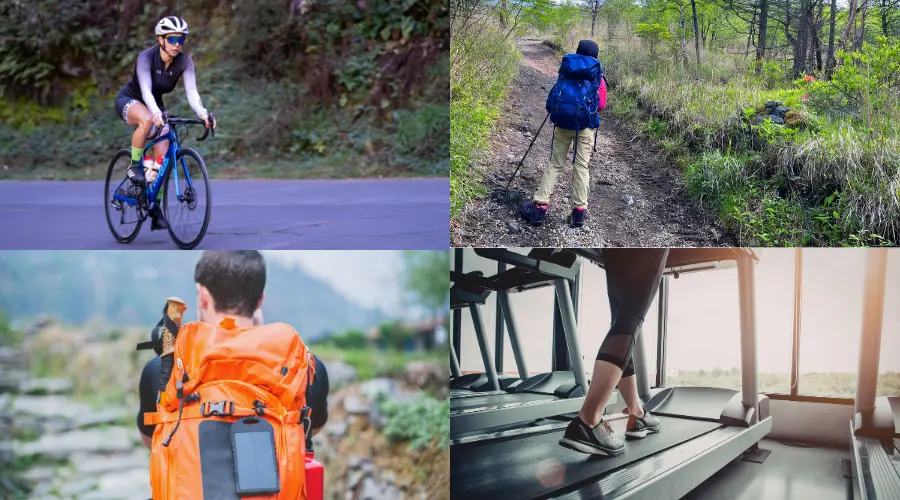
    • Training: Start a fitness routine that includes cardio, strength, and flexibility exercises. Hiking with a loaded backpack will help you prepare for carrying your gear on the trek. Building your endurance and strength is crucial for handling the physical demands of the trek.
    • Gear: Invest in good-quality trekking boots, gear, and equipment. Because temperatures can fluctuate significantly, layering is essential. Having the appropriate equipment can have a big impact on your hiking comfort and safety.
    • Permits: Ensure you have the necessary permits for trekking in the Annapurna region. These include the Annapurna Conservation Area Permit (ACAP) and the TIMS (Trekkers’ Information Management System) card. Proper documentation is essential for a hassle-free trekking experience.

    Final Thoughts on North ABC vs ABC Trek

    Both the North and Classic ABC Treks offer incredible experiences in the heart of the Annapurnas. Whether you choose the well-loved classic route or the adventurous northern path, you’re in for an unforgettable journey through one of the world’s most beautiful mountain ranges.

    So, lace up your boots, pack your bags, and get ready to explore the magic of the Annapurna Himalaya! The choice is yours, and whichever path you take, the memories and experiences will last a lifetime.

    FAQs

    Which is better, ABC or North ABC?

    Whether you choose the North ABC trek for a more difficult and remote adventure through less-travelled, wilder terrain or the Annapurna Base Camp (ABC) trek for a more accessible, well-travelled path with comfortable teahouse amenities depends entirely on your priorities, so neither term “better” is appropriate. While the North ABC is more difficult, remote, and requires camping, the normal ABC is simpler and has more amenities.

    Is North ABC trek difficult?

    The North ABC journey is generally considered to be somewhat challenging due to the challenging, isolated, and steep terrain, as well as the significant altitude increase. It is suitable for individuals who have done some trekking and are in reasonably good health, but it requires careful planning, acclimatisation, and is frequently best done with a guide.

    Which Annapurna trek is best?

    Selecting any one Annappurna trek as the best might not be appropriate, as every trek in the Annapurna is unique and stunning. However, a majority of people believe the Annapurna Base Camp trek is one of the best treks in Nepal, due to its unmatched panoramic view of mountains, cultural significance, and lush landscape beauty.

    Which is harder, Annapurna Circuit or Annapurna Base Camp?

    The Annapurna Circuit is considered the more difficult trek when compared to the Annapurna Base Camp trek, due to longer distance, difficult terrains, and higher elevation like Thorang La Pass.

    Which month is best for ABC Trek?

    September to November (Autumn) and March to May (Spring) are the ideal months to trek to Annapurna Base Camp.

    What is the elevation of North ABC?

    The elevation of the North ABC trek is 4,190 m above sea level.

    Is North ABC and ABC the same?

    No, North ABC and Abc are two different treks. While North ABC is a less-travelled, isolated, and more difficult camping path that approaches the mountains from the north side, ABC (Annapurna Base Camp) is the well-known, well-developed “south route” that usually uses teahouses for overnight.

  • 7 Top Base Camp Treks in Nepal 2026: Pick Your Style

    7 Top Base Camp Treks in Nepal 2026: Pick Your Style

    Hey there, adventure seekers! 

    If you’re on the lookout for a trekking experience like no other, then hold your breath because we’re about to dive into the majestic world of Nepal Base Camp Treks. 

    Picture towering peaks, breathtaking landscapes, and an adventure that will have you pinching yourself to make sure it’s real. Yep, that’s what the base camp trekking in Nepal is all about. Enjoy some of the most popular treks in Nepal, including Nepal Everest Base Camp, Annapurna Base Camp, Langtang Valley Base Camp, and Manaslu Base Camp Treks.

    So, lace up those hiking boots, grab your backpack, and let’s explore the wonders waiting for you in the heart of the Himalayas.

    Why Nepal Is a Trekker’s Paradise?

    Best trekking routes of nepal - Paradise for trekkers

    Nepal is like the ultimate playground for trekkers and nature lovers. With its rugged trails, diverse landscapes, and warm-hearted locals, it’s no wonder that trekking in Nepal has become a bucket-list adventure for many. Whether you’re a seasoned hiker or a newbie looking for your first big adventure, the Nepal Base Camp Treks is a must-do.

    The Majesty of the Himalayas in Nepal

    Nepal is not just about cultural significance or the friendly locals; it is home to some of the highest peaks in the world, including the mighty Everest. The Himalayan regions in Nepal offer views that are simply out of this world. The Nepal Base Camp Treks takes you right into the heart of some of the idyllic and iconic mountain ranges, where you’ll witness jaw-dropping vistas and experience the magic of walking among giants.

    Spiritual and Natural Significance of the Himalayas

    The Himalayas in Nepal have been a source of inspiration and awe for centuries. Beyond their physical presence, these mountains hold spiritual significance for many cultures, especially to the Sherpa people of Nepal. The sheer scale and beauty of the peaks are enough to make anyone stop in their tracks and marvel at nature’s grandeur. Every step taken in the shadow of these giants is a reminder of the Earth’s natural wonders.

    Trekking Options for All Levels

    One of the best things about the Nepal base camp treks is that it’s accessible to a wide range of trekkers. Whether you’re a hardcore adventurer or just someone who loves the great outdoors, there are trekking options to suit your level. From leisurely hikes to challenging trails, there’s a path for everyone.

    Guided vs. Independent Trekking in Nepal

    For those new to trekking, the guided tours provide a structured yet flexible itinerary. This ensures that even beginners can enjoy the thrill of the trek without feeling overwhelmed. Meanwhile, experienced trekkers can challenge themselves with more demanding routes that test their endurance and skills. The diversity of trails means that every trekker can find their perfect adventure.

    Nepal’s Diverse Landscapes

    Nepal’s landscapes are as diverse as they are breathtaking. From lush jungles in the Terai to alpine meadows and glacial terrains, the country’s ecosystems are a treasure trove of biodiversity. Trekkers have the unique opportunity to witness this diversity first-hand, encountering a range of flora and fauna that vary dramatically with elevation.

    Commitment to Conservation

    The country’s commitment to conservation has preserved these natural wonders for future generations. As you ascend, you’ll notice how the environment changes, providing a living classroom for those interested in ecology and natural history. Each region has its own story, waiting to be uncovered by curious adventurers.

    Highlights of the Nepal Base Camp Trek 

    A trekkers on his way to trek nepal base camp treks

    Embarking on the base camp trek in Nepal is like stepping into a world of wonder. Here are some of the highlights that will leave you awe-struck:

    The Journey to Base Camp

    The journey to Base Camp is as thrilling as reaching the destination itself. You’ll trek through lush forests, charming villages, and glacial rivers. Each step brings you closer to the ultimate prize, standing at the Base Camp of some of the world’s most iconic peaks.

    A Symphony of Nature

    The trek is a sensory overload, with the sounds of nature accompanying your every move. Birdsong and the rustling of leaves create a symphony that is both calming and invigorating. As you pass through villages, the cheerful greetings of locals remind you of the shared human connection that transcends borders.

    Postcard-Worthy Scenery

    From terraced fields to dense rhododendron forests, the landscapes you’ll encounter on this trek are straight out of a postcard. As you climb higher, the scenery transforms into a mesmerizing tapestry of snow-capped peaks and serene valleys.

    Geological Wonders

    The changing landscapes are a testament to the incredible geological forces that have shaped the region. Ancient glacial activity, tectonic shifts, and erosion have all played a part in crafting the dramatic vistas that unfold before your eyes. Each view is a masterpiece, an ever-changing canvas painted by nature herself.

    Cultural Encounters Along the Way

    Trekking in Nepal isn’t just about the mountains; it’s also about the people. Along the way, you’ll have the chance to connect with local communities, learn about their traditions, and experience the warmth of Nepalese hospitality. The Sherpa culture, in particular, adds a unique layer of richness to your journey.

    Life in the Himalayas

    Every village you pass through offers a glimpse into a way of life that is deeply connected to the land. The Sherpas, known for their mountaineering prowess, are also revered for their kindness and resilience. Sharing a meal or a story with these remarkable people enriches the trekking experience, leaving travelers with memories that last a lifetime.

    Peace and Solitude in the Mountains

    Amidst the physical challenges and breathtaking views, the trek offers moments of profound peace. The quiet solitude of the mountains provides the perfect backdrop for reflection and introspection. Many trekkers find that the journey becomes as much about exploring their inner landscapes as it is about traversing the physical ones.

    A Meditative Journey

    In the stillness of the Himalayas, it’s easy to lose track of time. The rhythm of your footsteps, the fresh mountain air, and the vastness of the sky create a meditative state that is both rejuvenating and enlightening. The trek becomes a pilgrimage, a journey of the soul as well as the body.

    Must-Visit Base Camps in Nepal

    Nepal is home to several incredible base camps, including Everest Base Camp, Annapurna Base Camp, Manaslu Base Camp, and Langtang Base Camp, each offering its own unique charm and adventure. Here are a few you won’t want to miss:

    1. Everest Base Camp Trek 

    Beautiful view of Nepal Everest Base Camp

    The crown jewel of all Nepal base camp treks, Nepal Everest Base Camp is a dream destination for most of the trekkers around the world. Standing at the foot of the world’s most iconic and highest peak is an experience like no other.

    The journey to the foot of Mount Everest, to the Everest Base Camp, is a test of endurance and spirit. Along the way, you’ll pass through Namche Bazaar, the vibrant heart of the Khumbu region, where trekkers and climbers converge.  The final approach to the base camp is both exhilarating and humbling, as the towering presence of Everest looms larger with each step, showcasing the best of Base Camp Trekking in Nepal.

    2. Annapurna Base Camp Trek 

    Annapurna base camp filled with snow in winter season

    Nestled in the Annapurna Sanctuary, this popular trekking route in Nepal offers a stunning blend of natural beauty and cultural richness.This is a highly sought-after destination for Base Camp Trekking in Nepal, and the views of Annapurna and Machapuchare are simply breathtaking.

    Annapurna Base Camp is often described as a trekker’s paradise. The sanctuary is a natural amphitheater surrounded by some of the most iconic peaks in the world. As you ascend through terraced fields and lush forests, the landscape opens up to reveal the majestic Annapurna massif. The cultural encounters along the way add layers of richness to the breathtaking scenery, solidifying its place among the best Nepal Base Camp Treks.

    3. Langtang Valley Base Camp Trek 

    On of the famous nepal base camp trek - Langtang Trek

    For a more off-the-beaten-path adventure, the Langtang Valley Base Camp trek is a hidden gem. With its stunning landscapes and serene atmosphere, it’s a perfect choice for those seeking tranquility.

    Langtang Valley is a haven for nature lovers and solitude seekers. The trek offers a glimpse into the lives of the Tamang people, whose traditions and hospitality are as enduring as the mountains they call home. The valley’s dramatic landscapes, shaped by glacial activity, provide a stunning backdrop for a trek that feels both remote and welcoming for Base Camp Trekking in Nepal.

    4. Manaslu Base Camp Trek 

    Beautiful view of Manaslu Himal on the way of manaslu base camp trek

    The Manaslu Base Camp trek is a captivating journey through some of Nepal’s most remote regions. Known for its unspoiled beauty, this Nepal Base Camp Trek offers a unique opportunity to experience the cultural diversity of the high Himalayas.

    This trek takes you around Manaslu, the eighth-highest peak in the world, offering panoramic views and challenging trails. The route passes through ancient villages, lush forests, and rugged terrains, allowing trekkers to immerse themselves in a lesser-explored part of Nepal. The trek is both a physical challenge and a cultural exploration, with each day offering new insights and experiences.

    5. Kanchenjunga Base Camp Trek 

    Stunning view of Kanchenjunga base cmap trek

    Trekking to the base of Kanchenjunga, the world’s third-highest peak, is an unparalleled adventure in the remote far eastern Himalayas. This Nepal Base Camp Trek is known for its pristine wilderness and staggering views of a colossal mountain massif. The Kanchenjunga Base Camp trek allows you to explore both the North and South Base Camps of the peak, providing different perspectives of the giant. 

    The route traverses the Kanchenjunga Conservation Area, home to endangered wildlife like the snow leopard and red panda. It is ideal for experienced trekkers seeking a long, challenging journey through diverse ecosystems and authentic Limbu and Rai cultures, making it an incredible choice for Base Camp Trekking in Nepal.

    6. Makalu Base Camp Trek

    Beautiful view of Makalu base camp

    The journey to Makalu Base Camp leads you to the foot of the world’s fifth-highest peak, offering a wild and rugged experience for serious adventurers. This is a less-trodden path through a vast wilderness. Situated in the Makalu-Barun National Park, this Base Camp Trekking in Nepal is an expedition into an extremely remote region, rewarding trekkers with pristine high-altitude ecosystems.

    The trail offers exceptional panoramic views of four of the world’s five highest mountains (Everest, Lhotse, Makalu, and Kanchenjunga) on a clear day, making this one of the most spectacular Nepal Base Camp Treks for those seeking solitude and raw Himalayan beauty.

    7. Mardi Himal Base Camp Trek

    Beautiful view from Mardi himal base camp

    A relatively new and shorter trail in the Annapurna region, the Mardi Himal Base Camp trek is quickly becoming a favorite for its phenomenal, up-close mountain views without the high altitude and duration of its neighbors. This Nepal Base Camp Trek follows a high ridge, providing continuously stunning and intimate views of Machhapuchhre (Fishtail) and Annapurna South.

    It winds through ancient rhododendron forests, offering a quiet, peaceful alternative to the busier Annapurna routes. It’s the perfect option for trekkers who are short on time but still want a full base camp experience with breathtaking Himalayan panoramas, making it one of the best choices for Base Camp Trekking in Nepal.

    Essential Tips Before You Go

    Ready to embark on your base camp trekking in Nepal adventure? The following is the essential information you need to learn white planning for the Nepal Base Camp Treks:

    Best Time to Trek

    The best time to visit Nepal for some of the iconic treks is during the spring (March to May) and autumn (September to November) seasons. During these months, the weather is relatively stable, offering one of the clearest views. However, each season in Nepal offers its own unique charm, so choose the one that is most convenient with you.

    Seasonal Highlights

    Spring brings a burst of color to the trails as rhododendrons bloom in vibrant hues. The pleasant temperatures and clear skies make it a favorite time for many trekkers. Autumn, on the other hand, is known for its crisp air and stunning visibility, allowing for unobstructed views of the majestic peaks. Each season offers its own rewards, making the choice a personal one based on your preferences.

    Packing Essentials

    Smart packing is an essential key to a successful trek. Make sure you have sturdy hiking boots, layered clothing for varying temperatures, a good backpack, and essentials like a first-aid kit and water purification tablets. Don’t forget to take your camera with you, as you cannot afford to miss capturing any moment!

    Additional Gear Tips

    In addition to the essentials, consider packing lightweight, high-energy snacks to keep your spirits up on long days. A portable charger can be a lifesaver for keeping your devices ready for those picture-perfect moments. Remember to pack with an eye toward sustainability, minimizing waste, and respecting the pristine environment of the Himalayas.

    Note: Do not carry anything that is not in use, as while trekking, even carrying a cotton bud might feel like carrying a heavy log.

    Understanding Altitude Sickness

    Altitude sickness is one of the important things that you need to learn while planning for trekking in Nepal. It’s very crucial to learn about the proper acclimatization process and know when to listen to your body. Take it slow, stay hydrated, and give yourself time to adjust to the higher elevations.

    Acclimatization Matters

    Acclimatization days are crucial, allowing your body to adapt to the thinning air. Symptoms of altitude sickness can include headache, nausea, and dizziness, so it’s essential to be aware and proactive. Your guides will be your best resource, ensuring that you trek safely and enjoyably.

    Permits and Local Guides

    Before setting off on your trek, ensure you have all the necessary permits. The Nepalese government requires trekkers to obtain specific permits for certain areas, which help support conservation efforts. Additionally, hiring a local guide not only enhances your safety but also enriches your experience with invaluable insights into the culture and environment.

    Why Guides Are Essential

    Guides are familiar with the terrain and can navigate the trails with expertise, ensuring you make the most of your adventure. Their knowledge of local customs and history adds depth to your journey, turning a simple trek into a cultural exploration. Embrace the guidance and wisdom they offer, and you’ll find your trek is all the more rewarding.

    Pro Tips for a Smooth Trek

    group of trekkers on their way to everest base camp trek in nepal

    Trekking to base camp in Nepal is an adventure of a lifetime, and a little preparation goes a long way in ensuring a smooth journey:

    Stay Hydrated

    Drink plenty of water to stay hydrated, especially at higher altitudes.

    Hydration is crucial in the mountains, where the air is dry and the physical exertion is intense. Carry a reusable water bottle and refill it frequently, taking advantage of the many natural water sources along the trail. Staying well-hydrated helps prevent altitude sickness and keeps your energy levels up.

    Respect Local Culture: 

    Embrace the local customs and traditions. Learn some of the local greetings, like Namaste, meaning Hello.

    Understanding and respecting the cultural norms of the regions you trek through enriches your experience and fosters positive interactions with the local communities. Take the time to learn a few words in Nepali or the local dialects, and you’ll find that doors open and friendships blossom.

    Travel Light

    Pack only the essentials to keep your backpack light and manageable.

    A lightweight pack makes for a more enjoyable trek, reducing strain on your body and allowing you to move more freely. Prioritize multifunctional clothing and gear, and leave non-essentials behind. A well-packed bag ensures you’re prepared for the journey without being weighed down.

    Take Your Time

    Remember, it’s not a race. Take breaks, enjoy the scenery, and savor every moment.

    The beauty of trekking lies in the journey, not just the destination. Allow yourself time to stop and admire the views, to rest and recharge. Listen to your body and pace yourself to avoid exhaustion and injury. Each step is a part of your adventure, so take it all in.

    Hire a Local Guide

    A local guide can enhance your trekking experience by providing valuable insights and ensuring your safety.

    A knowledgeable guide is an invaluable asset on your trek. They can offer cultural and historical context, point out hidden gems along the trail, and help you navigate challenging sections. Their expertise ensures that your trek is not only safe but also deeply enriching.

    Final Thoughts

    The Nepal base camp treks is more than just a hike; it’s a journey into a world of unparalleled beauty and adventure. From the towering peaks of the Himalayas to the warm hospitality of the local communities, every moment is filled with wonder and excitement.

    So, if you’re ready to lace up your boots and embark on an unforgettable adventure, base camp trekking in Nepal is calling your name. Get ready to create some of the most wonderful memories that will last for a lifetime. 

    Happy trekking!

    FAQs

    What are the Popular Nepal Base Camp Treks?

    Some of the popular base camp treks in Nepal are:

    • Everest Base Camp Trek
    • Annapurna Base Camp Trek
    • Manaslu Base Camp Trek
    • Kanchenjunga Base Camp Trek

    Can a beginner do Nepal Everest Base Camp trek?

    Yes, with proper preparation and a good fitness level, a beginner can also do the EBC trek. However, it is highly recommended to experience some easy treks in Nepal, like the Mardi Himal Trek and the Ghorepani Poon Hill Trek.

    Is the base camp trek hard?

    Well, the trekking difficulty of most of the base camp treks in Nepal is from moderate to difficult. However, there are some easy trekking routes in Nepal as well.

    What are the most popular treks in Nepal?

    Everest is one of the most popular treks in Nepal. As this trek leads you to the legendary and world’s tallest peak of the world, Mount Everest.

    Can beginners do Annapurna?

    Yes, with proper fitness and well planning, a beginner can also do the Annapurna trek. 

    Can I do solo trek in Nepal?

    No, according to the government of Nepal, trekking solo in the high altitude regions of Nepal is not legal for safety concerns. It is mandatory to hire a guide if you are planning to trek alone in Nepal.

  • 10 Must-Visit Places in Nepal This Winter (2026/27)

    10 Must-Visit Places in Nepal This Winter (2026/27)

    Nepal in winter is a wonderland, a land of dreams ready to be explored. The country offers a unique blend of culture and nature. Nepal in Winter is a time of clear skies and fewer crowds.

    Travelers can enjoy some of the best places to visit during winter in Nepal. For those looking for an unforgettable experience, the vast Himalayas provide a stunning backdrop for any adventure, making these the top places to visit Nepal in winter. From classic winter trekking routes to vibrant cultural festivals, there’s something for everyone to explore.

    Kathmandu Valley is rich in history and vibrant festivals. Pokhara offers lakeside tranquility and breathtaking mountain views. Chitwan National Park is perfect for wildlife enthusiasts seeking a warmer climate.

    Lumbini, the birthplace of Buddha, offers spiritual peace. Sarangkot and Dhulikhel are famous for their panoramic sunrise views. Bandipur charms with its hilltop setting and Newari culture.

    For those seeking solitude, Rara Lake is a pristine escape. Mustang’s desert-like landscape and Tibetan culture are captivating. Winter treks offer breathtaking landscapes and cultural insights.
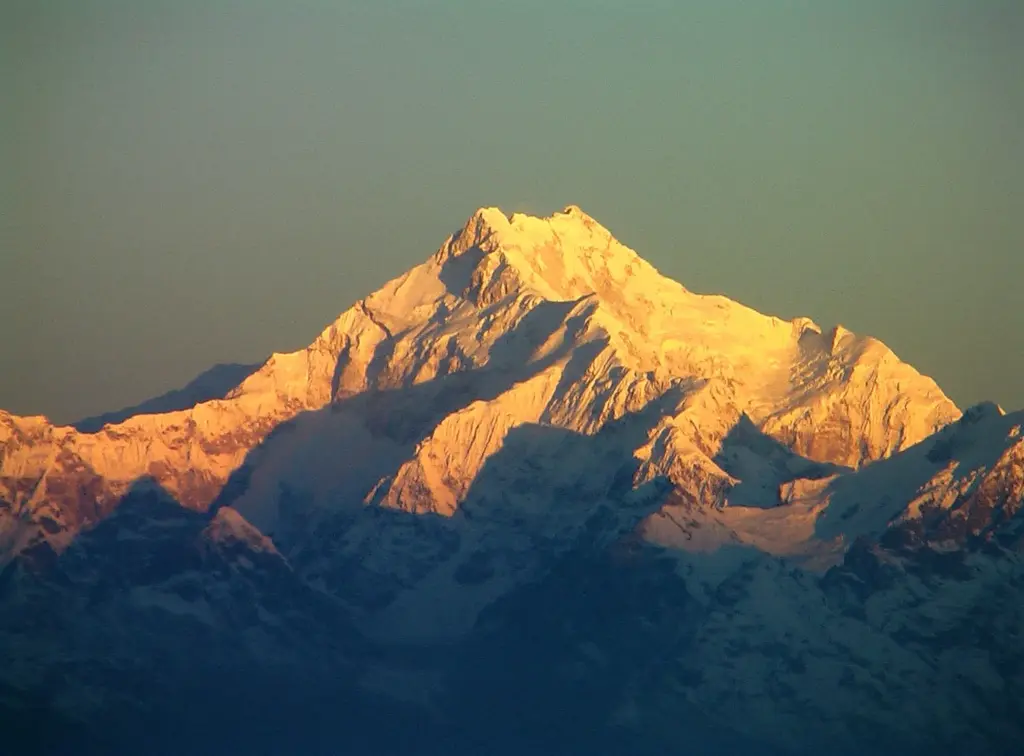
    Cuisine in Nepal winter season is hearty and warming. Local homestays provide authentic cultural experiences. Whether you’re an adventure seeker or a cultural explorer, Nepal in winter is unforgettable.

    Why Visit Nepal in Winter?

    A neautiful view of mountain and lake with the temple in the side - best places to visit nepal in winter

    Nepal transforms into a magical landscape during winter. The season offers a unique combination of natural beauty and cultural experiences, making it the perfect time to explore the top places to visit Nepal in winter. Visitors are often treated to crystal-clear skies, which enhance the mountain views.

    The Himalayas stand tall with brilliant clarity. Snow-capped peaks create perfect photo opportunities. Winter in Nepal provides serene environments free from the usual tourist crowds.

    Travel enthusiasts find winter treks in Nepal a rewarding challenge. Trails such as the Annapurna Base Camp offer breathtaking views and less congestion. Adventurers can explore paths less traveled.

    Cultural festivals enhance the Nepal in winter season. Events like Maghe Sankranti and Losar offer a glimpse into local traditions. These celebrations warm the spirit during cold months.

    Nepal in winter season is an ideal time for birdwatching in the Terai region. Mild weather makes it suitable for exploring diverse wildlife. Safari tours in Chitwan and Bardia National Parks are popular.

    Nepalese winter cuisine is another highlight. Hearty dishes such as momos and dal bhat provide warmth. Local flavors offer a delightful taste adventure.

    The tranquil pace of winter allows for deeper cultural immersion. Homestays and community interactions offer genuine Nepalese experiences. Winter in Nepal is a time of discovery and connection.

    Essential Tips for Winter Tours in Nepal

    Tours in Nepal in winter call for careful planning, , especially when considering the places to visit Nepal in winter. The weather can vary greatly between regions, but awareness of these variations ensures a smooth journey to see the best places to visit in Nepal.

    Pack wisely to handle the cold Himalayan air. Layered clothing is essential for warmth and convenience. Layers allow travelers to adjust to changing temperatures.

    Altitude can affect travelers, especially during winter treks. It’s crucial to acclimatize properly to prevent altitude sickness. Allow time to adjust and stay hydrated.

    Transport can be challenging in winter due to road conditions. Flights can be delayed by fog, particularly in high-altitude areas. Always have backup plans to manage potential delays.

    Travelers should be aware of shorter daylight hours in winter. Start treks and outdoor activities early in the day. This maximizes time spent enjoying the sites safely.

    Nepal is generally safe, but basic precautions should be taken. Always keep personal belongings secure and travel with registered guides. Research local customs and respect cultural practices.

    To summarize essential tips for winter travel in Nepal:

    • Dress in layers for warmth.
    • Acclimatize properly at high altitudes.
    • Plan for potential transport delays.
    • Start activities early in the day.
    • Keep valuables secure.
    • Travel with registered guides.
    • Respect local customs and traditions.

    Best Places to Visit Nepal in Winter

    Different beautiful palces of nepal to visit in winter

    Nepal comes alive in winter with its captivating destinations. Each offers unique experiences suited to winter travel. From historical sites to serene landscapes, choices abound.

    The country’s rich culture and natural wonders blend seamlessly. Visitors can experience vibrant festivals and panoramic mountain views. Wildlife enthusiasts find plenty to explore, even during the colder months.

    For a memorable winter adventure, consider these best places to visit nepal in winter:

    • Kathmandu Valley for culture and heritage.
    • Pokhara for lakeside serenity.
    • Chitwan National Park for wildlife safaris.
    • Lumbini for spiritual retreats.
    • Nagarkot and Dhulikhel for stunning sunrises.

    Wherever you choose to go, winter in Nepal promises unforgettable experiences.

    Kathmandu Valley: Culture, Heritage, and Winter Festivals

    Capital city of Nepal - beautiful city with a lot of UNESCO World Heritage Sites

    Among the best places to visit in Nepal, Kathmandu Valley is a treasure of Nepal’s history and culture. In Nepal in winter, the valley boasts clear skies and cooler temperatures, making it one of the most enjoyable places to visit Nepal in winter. This is the perfect time for travelers to explore its UNESCO World Heritage Sites, solidifying it as one of the essential places to visit in Nepal.

    The capital, Kathmandu, is vibrant with its ancient temples and palaces. Durbar Square, Swayambhunath, and Pashupatinath offer deep cultural insights. Each site tells unique tales of Nepalese heritage.
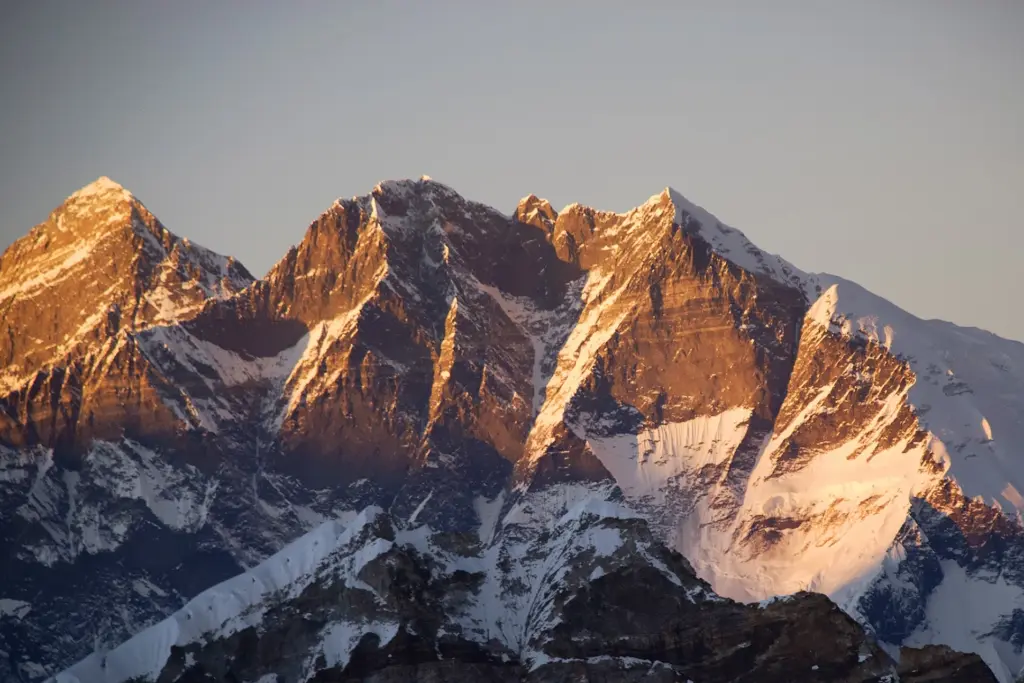
    Winter festivals infuse Kathmandu with lively energy. Visitors can experience the grandeur of the Maghe Sankranti festival. It’s a time of celebration, feasting, and cultural performances.

    Bhaktapur is another jewel in the valley. The city is popular for its well-preserved ancient monuments and architecture. Discovering its cobblestone streets gives you the feeling of stepping back in time.

    Patan, known for its artisan workshops, is a must-visit. Its ancient temples and intricate carvings exhibit exceptional craftsmanship. Nepal winter season offers a quieter atmosphere to appreciate these artistic wonders.

    Kathmandu Valley Highlights:

    • Explore UNESCO World Heritage Sites.
    • Experience vibrant winter festivals.
    • Discover ancient temples and palaces.
    • Enjoy traditional Newari cuisine.

    With its rich cultural tapestry, Kathmandu Valley captivates every visitor.

    Pokhara: Lakeside Serenity and Himalayan Views

    Pokhara city - a major tourist attraction palce in Nepal.

    Pokhara is a paradise in Nepal, and for nature lovers and adventure seekers,it is one of the best places to visit in Nepal. Nestled beside the tranquil Phewa Lake, it offers breathtaking Himalayan views. Visiting Pokhara is one of the essential places to visit Nepal in winter, as the season truly reveals the region’s serene charm.

    The city serves as a gateway to the Annapurna region. It’s an ideal base for winter treks and expeditions. Winter travelers can enjoy less crowded trails and clear mountain vistas.

    Visitors can take a leisurely boat ride on Phewa Lake. The reflection of the snow-capped peaks on the water creates a picturesque scene. It’s a moment of pure tranquility amidst nature.

    Visit the World Peace Pagoda overlooking the city. This iconic stupa offers panoramic views of the Himalayan range. It’s a perfect spot for contemplation and scenic photography.

    Adventurous souls can enjoy paragliding over Pokhara. Soaring above the valley is an exhilarating experience. The winter sky provides excellent conditions for this thrilling activity.

    Pokhara Highlights:

    • Enjoy boating on Phewa Lake.
    • Visit the World Peace Pagoda.
    • Paragliding over the valley.
    • Explore the winter trek in Nepal routes and scenic trails.

    In Pokhara, the blend of adventure and peace creates unforgettable memories.

    Chitwan National Park: Wildlife Safaris in Mild Winter

    Chitwan National Park - A wildlife Enthusuasts in Nepal

    Chitwan National Park is a sanctuary for wildlife enthusiasts. In winter, the park’s climate is mild and inviting. This makes it one of the most popular times for safari adventures.
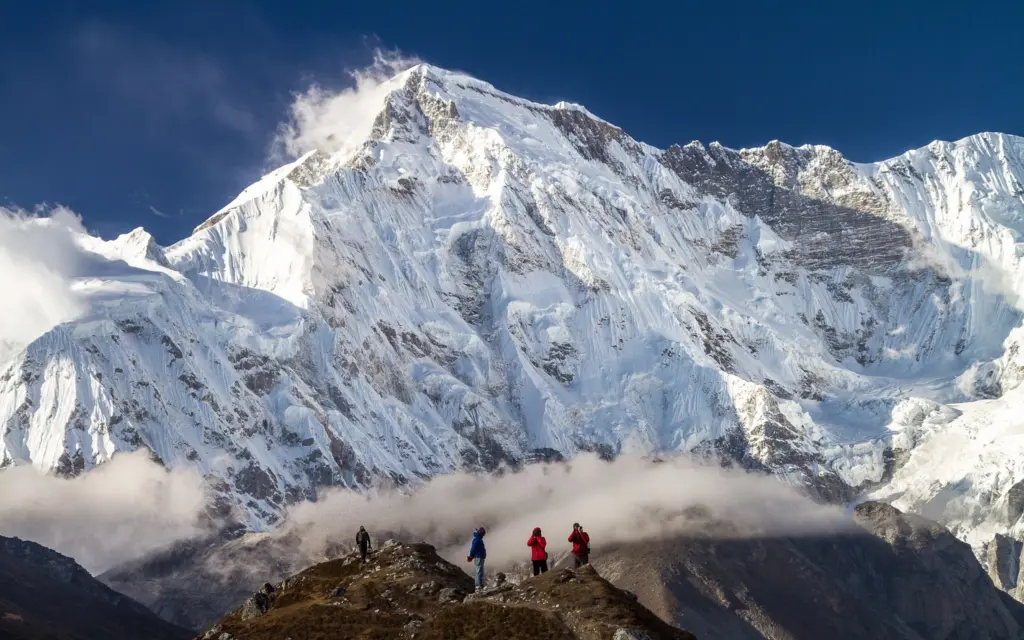
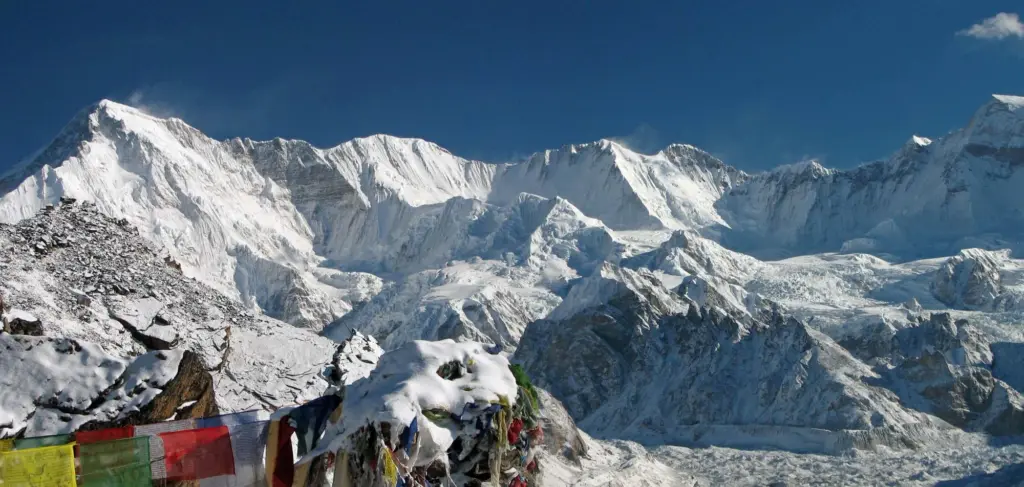
    Visitors can embark on thrilling jungle safaris. The park is home to diverse wildlife, including Bengal tigers and one-horned rhinos. Spotting these majestic creatures in their natural habitat is a highlight.
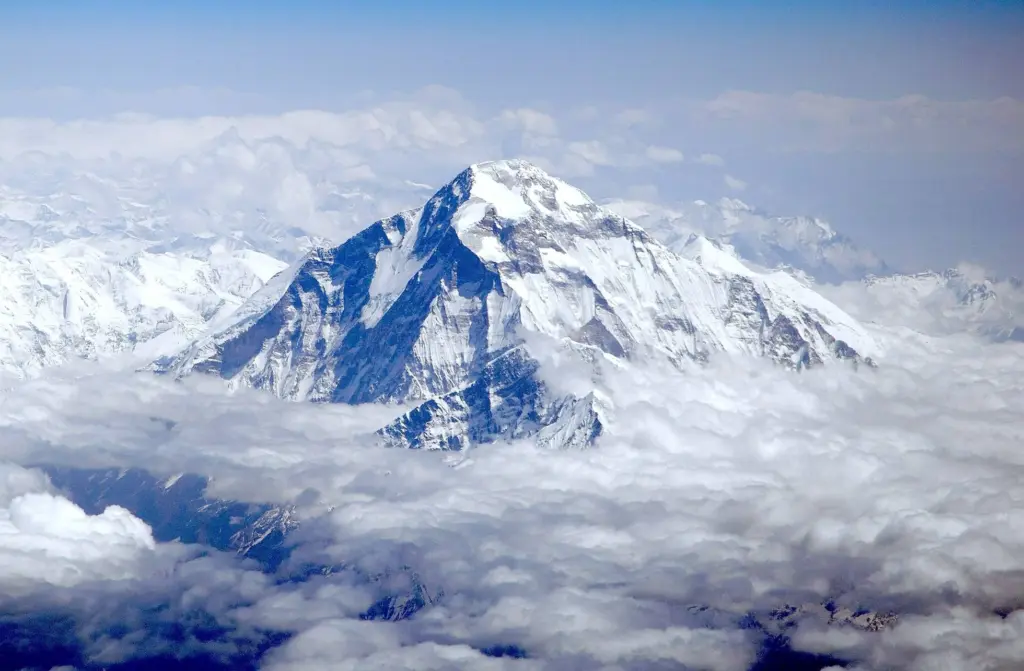
    The park’s varied ecosystem supports an abundance of bird species, making it one of the top places to visit Nepal in winter. The Nepal winter season is perfect for birdwatching as migratory birds flock here, transforming Chitwan into a paradise for ornithologists and nature lovers alike.

    Guided walking tours and elephant-back safaris offer unique perspectives. Explore the dense forests and grasslands at a leisurely pace. Each tour reveals the rich biodiversity of this UNESCO World Heritage Site.

    Chitwan is also home to the vibrant Tharu culture. Visitors can enjoy traditional dance performances and local cuisine. It’s an enriching cultural experience that complements the natural beauty.

    Chitwan National Park Highlights:

    • Jungle safaris and wildlife spotting.
    • Birdwatching with diverse species.
    • Explore Tharu culture and traditions.
    • Guided walking tours through the park.

    Chitwan in winter promises rich wildlife encounters and cultural insights.

    Lumbini: Spiritual Pilgrimage in Pleasant Weather

    Birthplace place of lord Gautam Buddha in Nepal - Lumbini

    Lumbini is one of the spiritual sites in Nepal, widely recognized as the birthplace of Lord Buddha. This spiritual site attracts pilgrims and travelers alike. Winter offers pleasant weather for exploring its sacred landmarks.

    The Lumbini Sacred Garden is a place of peace and reflection. Pilgrims visit the Maya Devi Temple, marking Buddha’s birthplace. The temple holds deep religious and historical significance.

    The garden features monastic zones, with temples from various countries. Each temple reflects its native architectural style. It creates a harmonious blend of global cultures dedicated to Buddhism.

    Visitors can explore the Ashoka Pillar, an ancient monument. It stands as a testament to Emperor Ashoka’s devotion to Buddhism. Walking through Lumbini offers a sense of serenity and spiritual connection.

    The Museum in Lumbini provides exposure to the life of Lord Buddha. Exhibits include religious artifacts and historical memorabilia. It’s an educational experience for all visitors, regardless of faith.

    Lumbini Highlights:

    • Visit the Maya Devi Temple.
    • Explore diverse monastic zones.
    • Discover historical sites like the Ashoka Pillar.
    • Learn at the Lumbini Museum.

    Lumbini’s spiritual ambiance makes it a peaceful winter retreat.

    Nagarkot and Dhulikhel: Panoramic Himalayan Sunrises

    Stunning view of himalaya range and hills from nagarkot

    Nagarkot is famous for its epic panoramic views of the snow-capped mountains, making it one of the top places to visit Nepal in winter. Situated near Kathmandu, it’s a perfect winter getaway. The clear skies during this season significantly enhance the beauty of sunrises over the snow-capped peaks.

    Visitors often stay overnight to witness the dawn spectacle. As the sun rises, the mountains illuminate in golden hues. It’s a breathtaking experience that captivates nature lovers.

    Dhulikhel, another hilltop destination, offers similar vistas. It’s renowned for its cultural diversity and traditional architecture. The serene environment provides a tranquil escape from city life.

    Both Nagarkot and Dhulikhel offer hiking opportunities. Trails wind through picturesque villages and lush landscapes. Walks here provide both physical challenge and scenic reward.

    These destinations also boast warm local hospitality. Visitors can enjoy cozy accommodations and hearty Nepalese meals. The combination of comfort and stunning views creates a memorable stay.

    Nagarkot and Dhulikhel Highlights:

    • Witness breathtaking Himalayan sunrises.
    • Explore hiking trails through scenic landscapes.
    • Experience warm local hospitality and cuisine.

    These hilltop gems promise spectacular views and peaceful retreats.

    Bandipur: Hilltop Charm and Newari Culture

    Beautiful view of bandipur with old bandipur houses and lodge

    Bandipur is a charming hilltop town rich in culture. It offers captivating views of the Himalayas in winter. The town is celebrated for its well-preserved Newari architecture.

    Visitors can stroll through its cobbled streets. The traditional buildings reflect the town’s historical significance. It’s a place where history and modernity coalesce beautifully.

    Bandipur hosts various cultural festivals and events. Winter visitors may partake in local celebrations and traditions. It’s an immersive way to experience Nepali hospitality.

    The surrounding hills provide excellent opportunities for hiking. Trails offer panoramic views and encounters with nature. Each winter trek in Nepal introduces travelers to the region’s diverse flora and fauna.

    Visitors can enjoy local cuisine in vibrant cafes and restaurants. The flavor of Newari dishes adds to the cultural experience.

    Bandipur Highlights:

    • Explore Newari architecture and heritage.
    • Partake in local festivals and events.
    • Enjoy hiking in picturesque landscapes.
    • Savor traditional Newari cuisine.

    Bandipur enthralls visitors with its cultural richness and natural beauty.

    Ilam: Tea Gardens and Misty Hills

    Beautiful view of Illam - Largest farm to produce Nepali Tea

    Ilam is famed for its lush tea gardens and misty hills. This picturesque region offers a peaceful escape in winter. The cool climate accentuates its tranquil atmosphere.

    Visitors can tour sprawling tea estates. Walking through verdant plantations is refreshing. Learn how the popular tea in Nepal is produced and processed, and enjoy fresh brews in the tea garden.

    The hills are cloaked in mist, creating a mystical ambiance. It’s an ideal setting for nature walks and quiet reflection. The simple beauty of Ilam captivates every visitor.

    The region is rich in cultural diversity. Local festivals and traditions add vibrant colors to the landscape. Engage with communities to understand their rich heritage.

    Ilam Highlights:

    • Visit lush tea gardens and plantations.
    • Experience the mystical ambiance of misty hills.
    • Explore local culture and festivals.

    In Ilam, serene landscapes and cultural richness merge seamlessly.

    Mustang: The Forbidden Kingdom in Winter

    Mustang a beautiful village in nepal upper site - a very tourist attraction

    Mustang is known for its unique, desert-like landscapes, making it one of the most intriguing places to visit Nepal in winter. The season unveils the region’s stark beauty in a different light. It’s a land of ancient monasteries and rich Tibetan culture.

    The region was once a forbidden kingdom. Today, it welcomes adventurous travelers seeking cultural insights. The Tibetan influence is evident in the region’s art and architecture.

    Winter treks offer solitude and unspoiled vistas. Trails lead through windswept valleys and rugged terrain. The dramatic scenery inspires awe and appreciation for nature’s diversity.

    Visitors can explore historical sites such as the Lo Manthang fortress. It’s a walled city with centuries-old monasteries. Each structure tells tales of Mustang’s storied past.

    Local festivals provide glimpses into Himalayan traditions. The Tiji Festival, held in winter, is particularly vibrant. Witnessing such events enriches the travel experience.

    Mustang Highlights:

    • Discover unique desert landscapes.
    • Explore ancient monasteries and fortresses.
    • Experience vibrant local festivals.

    Mustang’s exotic charm and cultural depth invite deeper exploration.

    Rara Lake: Pristine Beauty and Solitude

    Rara lake - Largest freshwater lake in the Nepalese Himalayan

    Rara Lake, the largest lake in Nepal, is surrounded by lush forests. Winter enhances its tranquil beauty with clear skies and solitude, making it one of the most rewarding places to visit Nepal in winter.It’s a hidden gem for those seeking peace and natural splendor.

    The lake’s crystal-clear waters mirror the snow-clad peaks. Visitors can enjoy boating or simply soak in the view. It’s a calming experience amidst pristine wilderness.

    The surrounding Rara National Park is a biodiversity hotspot. The park is home to diverse wildlife, including the elusive snow leopard. Birdwatching is rewarding, with many migratory species passing through.

    Trekking to Rara Lake is an unforgettable journey in itself, which will last in your memories forever. The route offers dramatic landscapes and cultural encounters. Travelers gain insights into the traditional lifestyles of local communities.

    Rara Lake Highlights:

    • Enjoy the tranquility of Nepal’s largest lake.
    • Engage in wildlife and birdwatching.
    • Winter trek in Nepal through dramatic landscapes and local villages.

    Rara Lake promises serene beauty and a retreat from the modern world.

    Bardia National Park: Off-the-Beaten-Path Wildlife

    Bardia National Park - Hidden treasure for wildlife in Nepal

    Bardia National Park is a hidden treasure for wildlife enthusiasts. It offers off-the-beaten-path experiences and a rich natural habitat. Winter is an ideal season to explore this pristine park.

    The park is home to Bengal tigers, elephants, and rhinos. Safaris reveal the diverse wildlife that roams its forests. Each encounter is a testament to Nepal’s conservation efforts.

    Birdwatching is popular in Bardia due to its varied avian species. The park’s wetland areas attract migratory birds in winter. It’s a rewarding activity for both novice and seasoned birdwatchers.

    Visitors can engage with local Tharu communities. Cultural tours offer insights into their traditional lifestyles. This enriches the overall experience of visiting Bardia.

    Bardia National Park Highlights:

    • Experience wildlife safaris and tiger spotting.
    • Enjoy birdwatching in diverse habitats.
    • Participate in cultural tours with the Tharu community.

    Bardia provides a rich tapestry of wildlife and cultural experiences, away from crowded tourist paths.

    Best Winter Treks in Nepal

    Winter in Nepal - Beautiful views of nepal himalayans best season for trekking

    Winter in Nepal offers a splendid opportunity for trekking. Trails are less crowded, and the crisp air enhances the stunning views. With proper gear, winter treks become an exhilarating experience. Diverse trekking options cater to all levels of adventurers. From renowned circuits to hidden paths, there’s a trek for everyone.

    Here are some of Nepal’s best winter treks:

    • Ghorepani Poon Hill for a shorter winter trek in Nepal.
    • Mardi Himal, an underrated gem.
    • Manaslu Circuit, remote and serene.

    These routes promise breathtaking landscapes and rich cultural encounters.

    Ghorepani Poon Hill: Short Trek, Big Views

    Ghorepani Poon Hill is perfect for those with limited time. This trek offers expansive views with a shorter commitment. It is a favorable winter trek in Nepal for both beginners and experienced ones.

    The trail winds through vibrant rhododendron forests and charming villages. Trekkers often find themselves captivated by the rich flora and fauna. Each step reveals new landscapes to savor.

    Poon Hill, the trek’s pinnacle, is famed for sunrise vistas. As the sun rises, it paints the Himalayas in glorious colors. It’s a sight that leaves a lasting impression.

    Local culture adds richness to the journey. The Gurung and Magar communities offer genuine hospitality. Interacting with locals provides cultural insights that enhance the experience.

    Ghorepani Poon Hill Highlights:

    • Witness unforgettable sunrise views at Poon Hill.
    • Explore diverse ecosystems and wildlife.
    • Immerse in local Gurung and Magar cultures.

    For a short yet one of the most rewarding winter treks, Ghorepani Poon Hill is unmatched.

    Mardi Himal: Hidden Gem of the Annapurna

    Mardi Himal is an underrated treasure in the Annapurna region and an excellent choice for a winter trek in Nepal. This trek offers spectacular views without the usual crowds, making it a hidden gem for adv

    The trail ascends through rhododendron forests and high ridges. Each day unveils panoramic vistas of the Annapurna range. The pristine beauty is a well-kept secret of the Himalayas.

    Base Camp provides stunning close-ups of Mardi Himal and Machapuchare. The remote location ensures an unspoiled natural setting. The trek to the Mardi Himal is a haven for both photography and nature enthusiasts.

    Tea houses along the way offer warmth and hospitality. Traditional meals and cozy fires provide comfort after each day’s trek. It’s a chance to recharge amidst stunning surroundings.

    Mardi Himal trek Highlights:

    • Bask in solitude on uncrowded trails.
    • Admire close-up views of Mardi Himal.
    • Enjoy warm hospitality in local tea houses.

    Mardi Himal promises untouched beauty and peaceful exploration.

    Manaslu Circuit: Remote and Less Crowded

    Manaslu Circuit is a lesser-known trek offering solitude. It provides an authentic Nepali trekking experience. The remote trails promise natural beauty and cultural immersion.

    The trail navigates through varied landscapes and rural villages. Each region reveals unique ecosystems and wildlife. The trek’s remoteness ensures undisturbed scenery.

    Larkya La Pass is the trek’s highlight, challenging yet rewarding. Its panoramic views are a fitting climax to the journey. Trekkers are often speechless at the sight.

    Manaslu Circuit Highlights:

    • Experience remote trails and unspoiled nature.
    • Cross the magnificent Larkya La Pass.
    • Interact with local communities en route.

    For solitude, stunning landscapes, and a true challenge, the Manaslu Circuit excels as a highly rewarding winter trek in Nepal.

    Unique Experiences in Winter in Nepal

    Unique experience in nepal in winter

    Winter in Nepal offers diverse, unforgettable experiences. The winter treks go beyond the usual trekking adventures. Visitors find this season vibrant with cultural activities. Nature lovers and foodies also find special delights.

    Here are some unique experiences to enjoy:

    • Join vibrant winter festivals rich in tradition.
    • Spot rare birds and wildlife in the Terai region.
    • Savor hearty Nepalese winter cuisine.
    • Experience warmth in local homestays.

    These activities enrich any winter itinerary, offering insights into Nepalese culture and nature.

    Winter Festivals and Cultural Events

    Winter in Nepal is alive with festivals and rituals. These events provide colorful glimpses into Nepalese culture. Notable festivals take place throughout the cold months.

    One key festival is Maghe Sankranti, celebrated with joy. It marks the winter solstice, promising longer days. Families gather to enjoy hearty meals and special treats.

    Losar, the Tibetan New Year, is another highlight. It’s a time of family gatherings, feasts, and ceremonial dances. This celebration brings vibrant energy to the mountain regions.

    Participating in these festivals enriches travel experiences. Travelers witness prayers, music, and traditional dances. Each festival offers a deeper understanding of Nepal’s cultural heritage.

    Festival Highlights:

    • Celebrate Maghe Sankranti with local traditions.
    • Experience Losar in the Himalayan communities.
    • Enjoy festive music and dance performances.

    Birdwatching and Wildlife in the Terai

    The Terai region is a haven for wildlife enthusiasts. Nepal winter season is the best time to explore its diverse ecosystems. The mild climate supports an array of animal and bird species.

    Birdwatchers find this season particularly rewarding. Migratory birds add to the local avian diversity. The Koshi Tappu Wildlife Reserve is a prime spot for enthusiasts.

    Chitwan and Bardia National Parks offer thrilling safaris. Here, Bengal tigers and one-horned rhinos roam the plains. The lush landscapes provide perfect photography backdrops.

    Wildlife Highlights:

    • Spot rare birds at Koshi Tappu Wildlife Reserve.
    • Explore Chitwan’s rich animal habitat on safari.
    • Discover Bardia’s serene and less crowded trails.

    Experiencing Nepalese Winter Cuisine

    Nepalese cuisine is comforting in the colder months. Dishes are designed to keep you warm and invigorated. Spices and hearty ingredients are core features of the Nepal winter season meals.

    Warm soups like Thukpa provide nourishment. They blend vegetables, meats, and aromatic spices.

    Traditional snacks like Sel Roti offer unique flavors. This sweet, ring-shaped bread pairs well with tea. It’s a treat often enjoyed during festivals.

    Cuisine Highlights:

    • Savor hot bowls of traditional Thukpa.
    • Relish snacks like Sel Roti with local tea.
    • Enjoy the rich flavors of Nepalese spices and herbs.

    Homestays and Local Hospitality

    Homestays offer a personal insight into Nepali life. They provide warmth and welcome during the cold season. Staying with local families is deeply enriching.

    Hosts share stories, culture, and traditional meals. This connection fosters genuine bonds and understanding. It’s an experience that transcends typical tourism.

    Visitors gain firsthand cultural insights through daily routines. Participation in household activities deepens these experiences. Sharing meals and conversations offers an authentic local flavor.

    Homestay Highlights:

    • Stay with local families for immersive experiences.
    • Share traditional meals and local hospitality.
    • Engage in cultural exchanges beyond ordinary travel.

    Practical Information for Winter Travel

    A bunch of people on the way to the jomsom in winter wearing typical winter clothes

    Traveling in Nepal during winter demands good preparation. The cooler climate calls for specific travel tips. Planning ensures comfort and safety for all visitors.

    Consider these key practicalities when planning your trip:

    • Pack warm layers and gear for cold climates.
    • Prepare for dry weather and clear skies.
    • Customize itineraries to accommodate daylight hours.

    Understanding these essentials can enhance your winter experience in Nepal. Proper preparations make adventures smoother and more rewarding.

    What to Pack for Winter in Nepal

    Packing wisely for Nepal’s winter is crucial. Weather varies across regions, so pack items for all scenarios. Essential gear makes the journey comfortable and enjoyable.

    Include these items in your travel bag:

    • Thermal clothing and insulated jackets for warmth.
    • Sturdy waterproof boots for varied terrains.
    • Sunscreen and sunglasses for bright, clear days.

    These basics cover most weather conditions in Nepal. Layering clothing helps adjust to different temperatures. Packing light, yet effectively, ensures easier mobility.

    Health, Safety, and Altitude Tips

    Staying healthy in the Nepal winter season is important. Cold and altitude can affect travelers unfamiliar with these conditions. Awareness and preparation minimize risks during your visit.

    Consider these essential health and safety tips:

    • Acclimatize slowly, paying attention to altitude changes.
    • Stay hydrated to combat cold, dry conditions.
    • Maintain travel insurance to cover medical emergencies.

    Being mindful of these factors ensures a safe and healthy adventure. Taking precautions prevents common challenges faced in Nepal’s diverse climates.

    Getting Around: Transport in Winter

    Travelling in winter in Nepal requires some foresight. Transport varies greatly due to geographical factors. Being informed about options ensures smooth and efficient journeys.

    Here are some transport tips to consider:

    • Use domestic flights for faster travel to remote areas.
    • Opt for public buses for local experiences and connections.
    • Hire private transport for customized travel routes.

    Nepal winter season conditions can influence transportation reliability. Planning accordingly helps accommodate any delays or changes. This flexible approach enhances overall travel experiences.

    Conclusion: Embrace the Magic of Winter in Nepal

    Winter in Nepal is a season that enchants all visitors. The crisp air and stunning landscapes leave a lasting impression.

    Travelers can experience less crowded sites and discover the cultural richness of festivals. The scenery, from snowy peaks to serene valleys, is unmatched.

    In summary, visiting Nepal during winter allows for unique adventures. Whether trekking or exploring cultural gems, every moment here becomes a cherished memory. Prepare to be captivated by the warmth of Nepalese hospitality and its breathtaking vistas.

    Frequently Asked Questions About Winter in Nepal

    Winter in Nepal brings its own charm, but travelers often have queries about conditions and experiences. Here we address some common questions.

    Is winter a good time for trekking? 

    Yes, the Nepal winter season offers clear skies and stunning views, though routes may be colder and less accessible.

    What should I wear in Nepal during winter?

    Dress in layers to adjust to varying temperatures. Warm clothing and good trekking boots are essential.

    Are tourist spots less crowded in winter? 

    Yes, Nepal winter season tends to be less busy, offering a more relaxed exploration experience.

    Which months are winter in Nepal?

    Winter in Nepal is from December to February. During these months, the weather is chilly at pleasant, making it one of the ideal times to visit Nepal.

    Is Nepal good in winter?

    Yes, there are several best places to visit nepal in winterif you want a clear sky and fewer tourists, especially for sightseeing and trekking at lower elevations.

    Which month is very cold?

    The coldest months in Nepal are December, January, and February, with January being the coldest. Even though it’s warmer but still cold in the Terai and mid-hill regions, temperatures can drop significantly, especially in the Himalayan mountains, where they can drop below freezing.

    Does Nepal get snow?

    Yes, Nepal receives snowfall during the winter months, which typically span from December to February, especially in its high-altitude Himalayan highlands and mid-altitude hills. Although the lowlands rarely see snow, the mountains and neighboring hills offer stunning snowy scenery and are accessible for a range of activities.

  • Nepal Trekking Seasons: Avoid Crowds & Rain

    Nepal Trekking Seasons: Avoid Crowds & Rain

    Hey there, adventure seeker! 

    If you’re dreaming of trekking in Nepal, you’re in for a treat. This guide is here to help you figure out the best time for trekking in Nepal, with handy tips and some of the most awesome trekking routes you cannot afford to miss if you are in Nepal. With its breathtaking landscapes, rich cultural heritage, and the towering peaks of the Himalayas, Nepal offers an unparalleled trekking experience that draws adventurers from all over the world.


    Understanding the Best Season for Trekking in Nepal

    Let’s dive straight into it. 

    The best time for trekking in Nepal is during the pre-monsoon (spring) and post-monsoon (autumn) seasons. These times are when the weather is just right (not too hot, not too cold), and clear skies with jaw-dropping views of the Himalayas that it offers are breathtaking. Understanding the seasonal variations in Nepal is crucial for planning a successful trek. Let’s explore these ideal trekking seasons in more detail.


    Trekking in Spring (March to May): The Best Season for Trekking in Nepal

    Best time for trekking in nepal - A beautiful trekking trail of nepal in spring season

    Spring is a fantastic time to visit Nepal for trekking. In Spring, the weather is moderate, and the rhododendron forests are in full bloom. Plus, the days in this season are longer, giving you more time to explore. This is also a great time for those interested in wildlife, as animals are more active. 

    The trekking trails become vibrant with colorful flowers, creating one of the jaw-dropping and picturesque backdrops for trekkers, trekking in this season. Additionally, the moderate temperatures make for comfortable trekking conditions.

    Trekking in Spring also marks the beginning of the climbing season in the Himalayas, and you might encounter mountaineering expeditions making their way to Everest and other peaks. This adds an exciting dynamic to the trekking experience. However, as the season progresses, expect the trails to become busier with adventurers flocking to enjoy the favorable conditions.


    Trekking in Autumn (September to November): Another Best Season for Trekking in Nepal

    A beautiful view of mountain in the back from the small village of nepal in tghe autumn season

    Autumn is yet another best season for trekking in Nepal. The monsoon rains have cleared the dust and pollution, leaving the skies clear and the views stunning. This is peak trekking season, so you might find the trails busier, but it’s worth it for the spectacular scenery and stable weather. The crisp air and unobstructed views of the mountains make autumn an irresistible choice for trekkers.

    The cultural festivals during this time, such as Dashain and Tihar, add an enriching layer to your trekking experience. You can witness and even participate in traditional celebrations that reflect Nepal’s vibrant cultural tapestry. The combination of cultural immersion and natural beauty makes trekking in autumn a magical time to explore the trails.


    Trekking in Summer/Monsoon (June to August)

    Beautiful view of annapurna mountain range from pokhara in summer season

    Though not the most popular time for trekking, trekking in summer in Nepal offers its own unique charm. The monsoon season means heavy rains, which can make trekking tricky. Trails can be slippery, and leeches are common. However, if you don’t mind the rain, you can trek in regions like Mustang and Dolpo, which are in the rain shadow and receive less precipitation. These areas offer stunning landscapes with their own distinct beauty, often characterized by arid, dramatic terrains.

    For those willing to brave the rain, trekking in summer can provide a quieter, more introspective experience, with lush green landscapes and fewer crowds. Just ensure you are prepared with appropriate waterproof gear and have a flexible itinerary to accommodate the unpredictable weather.


    Trekking in Winter (December to February)

    Annapurna base camp filled with snow in winter season

    Trekking in Winter can be a bit of a challenge due to the cold temperatures, especially in higher altitudes. However, if you’re up for it, you’ll enjoy quieter trails and snowy landscapes. Just make sure you’re prepared with the right gear! Trekking in winter can offer you the experience of a serene, almost mystical atmosphere, as the snow blankets the mountains and valleys.

    The clear, crisp skies of winter provide breathtaking views of the snow-capped peaks. This season is ideal for those seeking solitude and a sense of adventure in a less crowded environment. However, be prepared for shorter days, colder temperatures, and the possibility of snow blocking certain high-altitude passes.


    Comparing the Four Seasons in Nepal

    Nepal has four main seasons, each offering a different trekking experience. Understanding these seasonal differences is crucial to choosing the right time for your trek, as each season brings its own set of challenges and rewards.

    While both spring and autumn are considered ideal for trekking, they offer distinct experiences. Spring is characterized by blooming flowers and longer daylight hours, creating a vibrant and lively atmosphere on the trails. In contrast, autumn’s allure lies in its clear skies and cultural festivities, offering trekkers both natural beauty and a chance to engage with local traditions.

    Winter offers an isolated time to trek, with fewer trekkers, yet one of the pleasing atmospheres. However, trekking in winter is not for beginners because of the extreme climate and slippery and snow-filled trails, making it difficult to walk.

    Trekking in Summer is the least recommended season for trekking in Nepal, due to extreme downpour, and the trail is filled with leeches. Moreover, the rain makes the trekking path slippery, making it difficult to walk, and the risk of floods or landslides is high. On the positive side, trekking in Summer offers one of the isolated trekking experiences, as the number of treks in this season is lowest, with lush greenery.


    Choosing the Right Season for You

    Best seasons to trek in Nepal - Four different season of nepal in one frame

    Choosing between these seasons depends on your preferences for weather, cultural experiences, and the level of trail activity. Both provide exceptional trekking opportunities, but your choice may hinge on whether you prefer the floral beauty of trekking in spring or the crisp clarity of autumn.

    Though often overlooked, trekking in summer in Nepal has its own hidden gems. Regions like Mustang and Dolpo, which lie in the rain shadow, offer unique trekking opportunities away from the monsoon’s heavy rains. These areas present a stark contrast to the lush greenery found in other parts of Nepal, showcasing arid, picturesque landscapes that are equally captivating.

    For those who embrace the rain, the summer months can offer a more introspective and less crowded trekking experience. It’s a chance to explore the quieter corners of Nepal and witness the dramatic transformation of the landscape during the monsoon.

    Trekking in Winter presents challenges with its cold temperatures and snow-covered trails, but it also offers a unique and peaceful experience. The trails are less crowded, and the snow-covered landscapes create a serene and almost magical atmosphere. Trekking in Winter is perfect for those who appreciate solitude and are prepared for the colder conditions with appropriate gear and planning.

    Despite the challenges, the reward of breathtaking, unobstructed views of the snow-capped peaks and a chance to enjoy Nepal’s beauty in tranquility make trekking in winter a rewarding endeavor.


    Best Trekking Routes in Nepal

    Best trekking routes of nepal

    Now that you know when to go, let’s talk about where to go! Here are some of the best trekking routes in Nepal that you should definitely consider. Each of these routes offers a unique blend of natural beauty, cultural encounters, and a chance to explore the diverse landscapes of Nepal.

    Everest Base Camp Trek

    The Everest Base Camp trek itinerary is the classic trekking itinerary that many adventurers have on their bucket list. It takes you through Sherpa villages, past Buddhist monasteries, and offers stunning views of Mount Everest. Along the way, you’ll encounter the rich culture of the Sherpa people, known for their warm hospitality and deep-rooted traditions.

    The trek to Everest Base Camp is not just about reaching the foot of the world’s highest mountain; it’s about the journey through the heart of the Everest region. You’ll have the opportunity to visit iconic sites like Namche Bazaar, Tengboche Monastery, and Kala Patthar for a breathtaking panoramic view of Everest.

    Annapurna Base Camp Trek

    The Annapurna Base Camp (ABC) Trek is one of Nepal’s most beloved routes, offering an incredible combination of mountain scenery, cultural immersion, and moderate adventure. The trek takes you through charming Gurung and Magar villages, lush rhododendron forests, and terraced farmlands before reaching the stunning Annapurna Sanctuary.

    At the base camp, one of the best viewpoints for the Annapurna Region, where trekkers are rewarded with a 360-degree panorama of some of the highest peaks in the world, including Annapurna I, Machapuchare (Fishtail), and Hiunchuli. The ABC trek is ideal for both first-time trekkers and seasoned adventurers seeking a perfect blend of comfort, challenge, and natural beauty.

    Annapurna Circuit Trek

    The Annapurna Circuit is famous for its diverse landscapes and cultural experiences. You’ll trek through lush subtropical forests and alpine meadows, and enjoy views of the Annapurna and Dhaulagiri ranges. This trek offers a unique opportunity to experience the changing ecosystems and cultures as you ascend and descend the circuit.

    The Annapurna Circuit also provides a chance to interact with various ethnic groups, including Gurung, Thakali, and Manangi communities. As you traverse the circuit, you’ll be treated to dramatic views of towering peaks, deep gorges, and stunning high-altitude desert landscapes.

    Langtang Valley Trek

    If you’re looking for a trek that’s a bit off the beaten path, the Langtang Valley trek is a great choice. It’s less crowded than other popular routes, and offers beautiful landscapes and a chance to experience Tamang culture. The trek takes you through dense forests, past yak pastures, and into the heart of the Langtang National Park.

    The Langtang Valley is renowned for its stunning mountain views, including Langtang Lirung, and its rich biodiversity. The warm hospitality of the Tamang people adds a cultural depth to the trek, making it a rewarding journey for those seeking a less commercialized trekking experience.

    Manaslu Circuit Trek

    This trek is a hidden gem that offers a mix of cultural heritage and natural beauty. It’s a bit more challenging, but the rewards are worth it, with stunning views of the Manaslu region. The Manaslu Circuit trek takes you through remote villages, lush forests, and across high mountain passes, offering a true sense of adventure.

    The cultural encounters on the Manaslu Circuit are equally enriching, with a chance to interact with the Gurung and Tibetan communities. The trek’s relative isolation and the pristine environment make it an excellent choice for those seeking an off-the-beaten-path experience.

    Other Notable Treks in Nepal

    Beyond the well-known routes, Nepal offers numerous other treks that are equally rewarding. The Upper Mustang Trek offers a journey into a once-forbidden kingdom, characterized by its unique Tibetan culture and dramatic desert landscapes. The Kanchenjunga Base Camp Trek takes you to the base of the third-highest peak in the world, offering a remote and challenging adventure.

    Each trek in Nepal presents its own set of challenges and rewards, allowing trekkers to choose an experience that aligns with their interests and abilities. Whether you’re seeking cultural immersion, natural beauty, or a sense of adventure, Nepal’s trekking routes offer something for everyone.


    Essential Trekking Tips for Nepal

    Packing list for trekking

    Before you pack your bags, here are some handy tips to ensure you have an amazing trekking experience in Nepal. Preparation is key to a successful trek, and these tips will help you navigate the trails with confidence and respect for the local culture.

    Stay Hydrated

    The altitude can make you dehydrated, so drink plenty of water. It’s also a good idea to carry a reusable water bottle with a filter. Staying hydrated is crucial for maintaining energy levels and preventing altitude sickness.

    In addition to water, consider bringing electrolyte tablets or drinks to replenish essential minerals lost through sweating. Remember that at higher altitudes, the air is drier, and you may not feel as thirsty, but it’s important to keep sipping water throughout your trek.

    Pack Smart

    You’ll be carrying your gear for long distances, so pack smart. Bring essentials like a good pair of trekking boots, a warm jacket, and a first-aid kit. Packing light doesn’t mean sacrificing comfort; it means prioritizing what you truly need for the trek.

    Consider packing versatile clothing that can be layered, allowing you to adjust to varying temperatures. Lightweight, moisture-wicking fabrics are ideal for trekking, and don’t forget essentials like a hat, sunglasses, and sunscreen to protect against the sun’s intensity at high altitudes.

    Respect Local Culture

    Nepal is rich in culture, and it’s important to respect local customs and traditions. Always ask for permission before taking photos of people, and dress modestly. Understanding and respecting local customs enhances your trekking experience and fosters positive interactions with the communities you encounter.

    Learn a few basic phrases in Nepali or the local dialect to show respect and appreciation for the culture. Participate in cultural activities and try local foods to deepen your understanding of the rich traditions and lifestyles of the people you meet along the way.

    Be Aware of Altitude Sickness

    Altitude sickness is a real concern when trekking in Nepal. Take it slow, and give your body time to adjust to the higher altitudes. It’s okay to take rest days if you need them. Acclimatization is key to a successful trek, and listening to your body is crucial.

    Plan your itinerary to include acclimatization days, especially when trekking above 3,000 meters. Stay vigilant for symptoms of altitude sickness, such as headaches, nausea, and dizziness, and descend immediately if symptoms worsen. It’s better to prioritize your health and safety over reaching a specific destination.

    Practice Responsible Trekking

    Trekking in Nepal comes with a responsibility to protect the pristine environments you explore. Practice Leave No Trace principles by packing out all your waste, avoiding single-use plastics, and respecting wildlife and plant life. Supporting local conservation efforts and choosing eco-friendly accommodations can also contribute to preserving Nepal’s natural beauty for future generations.

    Being mindful of your environmental impact not only helps protect Nepal’s ecosystems but also enhances your overall trekking experience by fostering a deeper connection with the natural world.


    Final Thoughts: Experience the Magic of Nepal

    Trekking in Nepal is more than just a physical challenge; it’s an adventure that offers a unique blend of natural beauty and cultural richness. Whether you’re navigating the trails of Everest or exploring the lush forests of the Annapurna region, each step in Nepal is an unforgettable experience. The diverse landscapes, from towering peaks to serene valleys, create a backdrop of unparalleled beauty. So to make the most out of your journey, it’s crucial to learn the best time for trekking in Nepal.

    The local people, with their warm hospitality and rich traditions, add a whole new dimension to your journey. And let’s not forget the stunning vistas that greet you at every turn. From snow-capped peaks to serene valleys, Nepal’s landscapes are truly breathtaking. The opportunity to immerse yourself in the local culture and witness the harmony between humans and nature makes trekking in Nepal a transformative experience.

    So, what are you waiting for? Grab your trekking boots and hit the trails. Nepal is waiting to show you its magic! Whether you’re a seasoned trekker or embarking on your first adventure, Nepal promises a journey filled with awe-inspiring moments, personal growth, and memories to last a lifetime.


    FAQs

    1. What is the best time for trekking in Nepal?

    The best season for trekking in Nepal is in the spring and autumn. During these seasons, the temperature is moderate, making it an ideal time to walk, and the weather is clear, offering the best views of the snow-crowned mountains.

    2. Who is a famous person from Nepal?

    Tenzing Norgay Sherpa is one of the most famous people of Nepal. He is known as the first person to summit Mount Everest on May 29, 1953.

    3. Where is Nepal in Asia?

    Nepal is a landlocked country, located in southern Asia between the two giants India and China.

    4. What is the best month to visit Nepal?

    The best month to visit Nepal is January to December because there’s always something to do, something to be part of in Nepal. However, the best time for trekking in Nepal is from March to May (spring) and September to November (autumn).

    5. What language is spoken in Nepal?

    Thou there are more than 100 languages spoken in Nepal, the mother tongue that unites the whole of Nepal and the Nepalese people is the Nepali Language.

    6. Which is the best trek in Nepal?

    Some of the best treks of Nepal are:

  • Everest Base Camp Weather 2026: No Clouds, No Crowds

    Everest Base Camp Weather 2026: No Clouds, No Crowds

    The Everest Base Camp weather is dictated by its high-altitude location. Situated at an elevation of approximately 5,364 meters (17,598 feet), the environment is harsh and unpredictable. Temperature fluctuations are common at such an altitude, and sudden weather changes can catch trekkers off guard. 

    Here’s a closer look at the general weather on Everest Base Camp you might encounter.


    Everest Base Camp Temperature and Altitude Effects

    At high altitudes, the air is thinner, which means it holds less heat, leading to cooler temperatures. The sun’s rays are also more intense, which can cause rapid temperature changes. During the day, the sun can warm the air significantly, but when it sets, temperatures can drop sharply. Trekkers must be prepared for these swings, as they can impact comfort and safety.

    Wind is a constant companion at high altitudes and can affect trekkers in several ways. Strong winds can make it feel much colder than the actual temperature, a phenomenon known as wind chill. They can also whip up snow and debris, reducing visibility and complicating navigation. Understanding prevailing wind patterns can help trekkers prepare better for their journey.

    The weather on Everest Base Camp is notoriously unpredictable. A clear morning can quickly give way to afternoon storms or clouds, especially during the transitional seasons. This variability requires trekkers to be flexible and adaptable, with contingency plans for unplanned delays or changes in route.


    Best Time to Trek Everest Base Camp

    Best time to trek everest base camp with clear skies

    The Everest Base Camp weather is largely influenced by the best season to trek to EBC, which is divided into four distinct seasons: spring, summer, autumn, and winter.


    Spring (March to May)

    Spring is the best time to trek Everest Base Camp. The weather on Everest Base Camp during this time is relatively stable, with daytime temperatures ranging from 10°C to 15°C (50°F to 59°F) at lower altitudes. 

    As you ascend, Everest Base Camp temperatures drop, but the skies are generally clear, offering stunning views of the surrounding peaks. However, temperatures can still dip below freezing at night.

    Clear Skies and Vibrant Landscapes

    Spring is not only about favorable weather; it’s also the time when the region bursts into color. Rhododendrons and other alpine flowers bloom, creating a vibrant landscape that enhances the trek’s scenic beauty. Wildlife is more active during this time, offering trekkers the chance to spot unique Himalayan fauna.

    With favorable conditions, spring attracts many trekkers, leading to busier trails. This can mean more camaraderie, but also requires planning for accommodation and resources. Trekkers should book early and be prepared for crowded paths, especially in popular spots.

    Crowds and Festivities

    Spring is also a festive time in Nepal, with several cultural events and festivals taking place. Participating in or witnessing these celebrations can enrich your trekking experience, offering insights into local customs and traditions.


    Autumn (September to November)

    Autumn is another best time to trek Everest Base Camp. The monsoon rains have cleared, leaving behind lush landscapes and fresh mountain air. 

    Clear Skies and Ideal Conditions

    Daytime temperatures range from 10°C to 15°C (50°F to 59°F) at lower elevations, while nights are cooler. Clear skies provide breathtaking views, and it’s no surprise that this is a peak trekking season.

    The post-monsoon clarity makes autumn the best time for photography. The crystal-clear skies offer uninterrupted views of the majestic peaks, making every moment a potential photo opportunity. Trekkers should ensure their cameras are ready to capture these stunning sights.

    Cultural Festivals

    Autumn is the best time to visit Nepal, when many local festivals are held, providing trekkers with the opportunity to engage with the vibrant local culture. Experiencing these cultural events adds depth to the trekking experience, offering insights into the lives of those who call the Himalayas home.

    With the rains gone and the winter chill yet to arrive, autumn offers some of the most stable trekking conditions. This reliability makes it an excellent choice for both novice and experienced trekkers, ensuring a smoother and more predictable journey.


    Best Overall Seasons: Spring & Autumn

    Group of trekkers on the way to everest base camp : Everest base camp weather

    While spring and autumn are the most popular, each season has its unique charm and challenges.

    For those seeking pleasant weather, clear skies, and vibrant landscapes, spring and autumn are the best times to trek. These seasons offer a balance of comfortable temperatures, fewer weather-related obstacles, and breathtaking natural beauty.

    Spring and autumn provide the most stable weather conditions for trekking. This stability allows for better planning and a more predictable trek, reducing weather-related stress and enhancing enjoyment.

    These seasons are perfect for experiencing the region’s biodiversity. From blooming flowers in spring to the rich autumn colors, nature’s beauty is on full display. Trekkers can immerse themselves in the ecological wonders of the Himalayas.

    The presence of festivals and local events during these seasons offers cultural enrichment. Engaging with local traditions provides deeper insights into the region, making the trek more than just a physical journey.


    Winter (December to February)

    Winter treks are for the adventurous, as Everest Base Camp temperatures plummet and snow covers the trails. Daytime temperatures can range from -5°C to 5°C (23°F to 41°F), with nights dropping even lower. While the weather on Everest Base Camp can be harsh, the trails are less crowded, and the snow-capped landscapes are a sight to behold for those who brave the cold.

    Snowy Beauty and Solitude

    Winter transforms the region into a winter wonderland, with snow-capped peaks and frosty trails. This change in scenery offers a new perspective on familiar sights, making it a magical time for those who appreciate the beauty of snow.

    Preparation and Safety

    Winter treks require thorough preparation, with a focus on staying warm and safe. Trekkers need specialized gear, such as crampons and thermal clothing, to handle the extreme cold and icy conditions. It’s crucial to pack wisely to ensure comfort and safety.

    The quieter trails of winter mean fewer disturbances and a greater sense of solitude. For those seeking a meditative experience, the winter trek offers the peace and tranquility that is often missing during busier seasons.


    For Solitude Seekers: Winter

    If you’re seeking solitude and don’t mind the cold, winter treks offer a unique experience. The trails are less crowded, and the snow-covered scenery provides a different perspective of the Himalayas.

    Winter treks require meticulous preparation. Ensuring you have appropriate gear and understanding the risks is vital for safety. Trekkers must be aware of the challenges and prepared to face them head-on.

    Winter offers unparalleled beauty, with pristine, snow-covered landscapes that are truly magical. This season provides a unique perspective on familiar sights, making it a rewarding choice for those who appreciate solitude and serenity.

    For many, winter treks are a personal challenge, testing physical and mental resilience. Overcoming the harsh conditions builds confidence and offers a sense of achievement, making the experience deeply fulfilling.


    Summer/Monsoon (June to August)

    Everest base camp weather in summer

    The summer months bring the monsoon season to the Everest region. Heavy rainfall and cloudy skies are common, which can lead to slippery trails and increased risk of landslides. Visibility is often reduced, making it harder to enjoy the panoramic views. Daytime temperatures are warmer, averaging between 15°C to 20°C (59°F to 68°F), but humidity is high.

    Trail Challenges and Green Landscapes

    Monsoon rains transform the trails into muddy paths, challenging even the most experienced trekkers. Increased vigilance is necessary to navigate safely, and having sturdy, waterproof footwear is essential. Trekkers should also be mindful of potential landslides and be prepared to alter their routes if necessary.

    The monsoon season rejuvenates the landscape, turning the region into a lush green paradise. While this creates a different kind of beauty, it also means that insects are more prevalent, and trekkers should be prepared with appropriate repellents.

    Fewer Crowds and Peaceful Trails

    Fewer trekkers choose to venture out during the monsoon, offering a more solitary experience. This can be appealing for those seeking peace and quiet, away from the usual trekking crowds. However, it requires careful planning and an adventurous spirit to embrace the challenges.


    Everest Base Camp Weather Forecasts and Resources

    Beautiful view of Mount Everest

    Before embarking on your trek, it’s essential to check the current weather forecast for Everest Base Camp. The Everest Base Camp weather can change rapidly, so staying informed about the latest conditions is crucial for safety.

    Reliable Forecast Sources

    Several tools and resources provide up-to-date weather forecasts for Everest Base Camp. Websites like the Nepal Meteorological Department and specialized trekking websites offer detailed weather insights, including Everest Base Camp temperature, precipitation, and wind conditions.

    Accessing reliable sources is vital for accurate weather information. The Nepal Meteorological Department provides comprehensive data, but trekkers can also benefit from international weather services that specialize in mountainous regions. Cross-referencing multiple sources ensures a well-rounded understanding of the conditions.

    Mobile Apps and Local Insights

    In today’s digital age, mobile apps offer convenient access to real-time weather updates. Many apps provide alerts for sudden weather changes, which can be invaluable for trekkers on the go. Ensuring your device is charged and ready to access these apps is a smart move for any trekker.

    Local guides and communities often have valuable insights into weather patterns that aren’t captured in official forecasts. Engaging with these locals can provide additional layers of understanding and preparedness, especially for microclimates unique to certain trail sections.


    Preparing for Everest Base Camp Weather Challenges

    Packing list for everest base camp

    Even with a reliable weather forecast, it’s important to be prepared for sudden changes. Pack appropriately, with layers to accommodate varying temperatures. Ensure you have adequate rain gear for the monsoon season and warm clothing for winter treks.

    Layering for Versatility

    Layering is the key to adapting to changing weather conditions. Start with a moisture-wicking base layer, add insulating layers for warmth, and finish with a waterproof outer layer. This approach allows for quick adjustments as Everest Base Camp temperatures fluctuate throughout the day.

    Emergency Readiness

    Weather unpredictability necessitates a plan for emergencies. Trekkers should carry a first-aid kit, extra food, and emergency contact information. Understanding evacuation routes and having a communication plan ensures safety in case of sudden weather changes.

    Flexible Itinerary 

    Having a flexible itinerary can alleviate stress when unexpected weather arises. Allowing for extra days in your schedule can accommodate unforeseen delays due to weather, ensuring a more relaxed and enjoyable trek.


    How Weather Affects Trekking Conditions

    Everest Base Camp Weather conditions significantly influence your trekking experience, from the trail conditions to the overall safety and enjoyment of the journey.

    Trail Conditions

    Wet and slippery trails during the monsoon season can slow progress and increase the risk of slips and falls. Conversely, snowy trails in winter require proper equipment, such as crampons, to navigate safely.

    During different seasons, trail maintenance can vary. Monsoon rains can wash out paths, while snow can cover markers. Trekkers should be prepared for these challenges, ensuring they have maps and GPS devices to navigate safely.

    The right equipment makes all the difference in tackling challenging trail conditions. In wet weather, waterproof gear is essential, while in snowy conditions, crampons and trekking poles provide stability. Ensuring all gear is in good condition before setting out is crucial.

    Traveling in groups can enhance safety, especially in adverse weather. Having companions means support in case of slips or falls, and sharing resources can help mitigate challenges posed by difficult trail conditions.

    Acclimatization and Altitude

    The weather affects how your body acclimatizes to the high altitude. Cold temperatures can exacerbate altitude sickness symptoms, making acclimatization stops even more critical. Pay attention to how you’re feeling and don’t rush your ascent.

    Understanding and recognizing symptoms of altitude sickness is crucial. Symptoms can include headaches, dizziness, and nausea, and cold weather can make these worse. Knowing when to descend or seek medical help is vital for safety.

    Effective acclimatization techniques include gradual ascent, staying hydrated, and taking rest days. Incorporating these strategies into your trek helps your body adjust to the altitude, reducing the risk of severe altitude sickness.

    Cold weather can mask the signs of altitude sickness, so trekkers should be extra vigilant. Regularly checking in with group members and being honest about how you’re feeling can prevent serious issues from developing.

    Views and Photography

    Clear weather offers stunning views of the Himalayas, a highlight of the trek. Cloudy or foggy conditions, common during the monsoon, can obscure these views, so plan your trek during seasons known for clearer skies if scenic vistas are a priority.

    For photography enthusiasts, planning treks during clear weather is a must. Early mornings and late afternoons often provide the best light and visibility. Capturing these moments requires readiness, so keep your camera accessible.

    The views are not just physical treats but also provide psychological boosts. Seeing the grandeur of the Himalayas can be motivating and uplifting, enhancing the overall trekking experience. Planning for clearer weather can enhance this aspect of the trek.

    While views are a major draw, it’s important to adjust expectations based on weather conditions. Understanding that the weather can obscure views helps manage disappointment and ensures a positive mindset, regardless of the conditions.


    Final Tips for Trekkers

    Overcoming the monsoon’s challenges can lead to personal growth. The experience of trekking in tougher conditions builds resilience and adaptability, valuable traits for both trekking and life.

    • Stay Informed: Regularly check the weather forecast and adjust your plans accordingly.
    • Pack Smart: Bring layers, rain gear, and warm clothing to adapt to changing conditions.
    • Plan for Acclimatization: Allow extra days for altitude acclimatization, especially during colder months.
    • Be Flexible: Weather can be unpredictable, so be ready to adjust your itinerary if necessary.

    Prioritizing safety is crucial when trekking in unpredictable Everest Base Camp weather. Always have a plan for emergencies and ensure you know the location of the nearest medical facilities. Keeping in touch with guides and local authorities can provide additional safety nets.

    Engaging with local communities can offer additional support and resources. Locals often have valuable insights into weather patterns and can offer assistance if needed. Building relationships with them can enhance your trekking experience.

    Being mindful of the environment and your impact is important. Adhering to sustainable trekking practices ensures that the beauty of Everest Base Camp remains for future generations. Respecting local customs and the natural surroundings is part of a responsible trekking ethos.


    Final Thoughts

    In conclusion, understanding how the weather on Everest Base Camp affects treks is vital for a successful and enjoyable journey. To make the most out of your EBC trek, it’s crucial to be aware of the weather status.

    By preparing for the Everest Base Camp weather conditions you’ll encounter and choosing the right time to trek, you’ll be well-equipped to make the most of this incredible adventure. Be prepared for the challenges like altitude sickness and extreme temperature, as the night can drop below the freezing point. 

    After learning about the Everest Base Camp weather and other necessary details of the trek, why late to book your trek? 

    Everest Base Camp, Get Set Go!


    FAQs

    1. How cold does it get on the Everest Base Camp trek?

    While the day might feel warmer due to the sun’s rays, the night gets extremely cold in Everest Base Camp. During the winter, the temperature at Everest Base Camp drops up to -20°C or even below.

    2. What month is best for Everest Base Camp trek?

    March to May, or mid-September to November, are the best time to trek Everest Base Camp. During these months, the air is crisp, the weather is clear, and the temperature is moderate, making the atmosphere suitable for trekking in Nepal.

    3. How bad is altitude sickness at Everest Base Camp?

    Altitude sickness during the Everest Base Camp trek is quite common. The situation gets worse when the trekkers start to ignore the early symptoms of altitude sickness, like headache, nausea, dizziness, and fatigue. Ignoring these symptoms makes the situation even worse as you continue ascending without propre acclimatization.

    4. Do you need oxygen for Everest Base Camp?

    Carrying an oxygen bottle during the EBC trek might be one of your best decisions. Although it is not necessary that you have to use it, unless you feel difficulty to breath.

    5. Can a normal person climb Everest Base Camp?

    Yes, with proper preparation and physical and mental fitness, a normal person can trek Everest Base Camp. 

    6. Who is the oldest person to have climbed Mount Everest?

    Japanese mountaineer Yuichiro Miura is the oldest person to climb Mount Everest at the age of 80. 

  • About Nepal 2026: The Ultimate Travel Guide & Tips

    About Nepal 2026: The Ultimate Travel Guide & Tips

    Nepal, a majestic landlocked country situated between China and India, is a heaven on Earth. From the extraordinary diversity and rich culture to breathtaking natural splendor, Nepal offers it all. Continuing talking wonders about Nepal, the roof og the world, the tallest peak, the legendary Mount Everest is situated as the crown of the nation in the Khumbu Region of Nepal. 

    From some of the highest peaks in the world to its bustling cities and ageless villages, this Himalayan country embodies the sense of adventure and essence of spirituality.

    From geography to culture, this comprehensive guide explores the best cities in Nepal, the best places to visit in Nepal, and the best things to do in Nepal. Whether you seek trekking adventures, cultural experiences, or simply the tranquility escape to nature, Nepal promises memories that will last with you for a lifetime.

    Overview of Nepal as a Travel Destination

    Nepal is not just a home for the world’s tallest mountains, but it is also a key destination that combines adventure, spirituality, and nature in perfect harmony. Every year, hundreds of thousands of tourists visit this majestic country to learn about Nepal’s culture, tradition, natural, and spiritual significance, and immerse themselves in it.

    Trekking in the Himalayas, touring UNESCO World Heritage sites in the Kathmandu Valley, and observing wildlife in Chitwan National Park are just a few of the diverse things to do in Nepal available to tourists. Despite its small size, Nepal is one of Asia’s most rewarding travel destinations because of its amazing variety.

    Importance of Sustainable Tourism in Nepal

    Nepal’s travel industry now relies heavily on sustainable tourism. Given its rich cultural legacy and delicate ecosystems, Nepal places a high value on eco-friendly and locally driven tourism. To guarantee that tourism sustains rural livelihoods without endangering the environment, local homestays, trekking permits, and conservation initiatives are in place.

    At the same time, more and more trekking agencies, tour companies, and guides are implementing strategies to conserve water, cut down on waste, and honor regional customs. As a result, the tourist will see actual sights while also helping to preserve Nepal’s cultural and natural treasures.

    Geography of Nepal

    Nepal is a landlocked nation situated between China and India, famous for its dramatic shift in elevation across its small size. The country is longitudinally divided into three major zones: the low-lying Terai plains in the south; the central Hill Region, home to major cities like Kathmandu and Pokhara; and the northern Himalayas, crowned by Mount Everest and other towering peaks. This unique topography creates varied climates and landscapes, making Nepal a world-class destination for adventure tourism.

    1. Location and Climate

    Talking about Nepal’s location, Nepal is a landlocked country located in southern Asia between two giant countries, India to the east, west, and south, and China to the north. It is a small country with a total area of 147,516 square kilometers.

    Due to its geography, the climate of the country itself changes dramatically as the lower–altitude lands of Terai have a hot summer and mild winters to mid-hill sections of the country enjoying temperate climates, while northern Himalayas feature alpine to tundra conditions. The difference in altitude over a short distance allows travelers to witness the lush forests and fertile land of the Terai, to the snow-capped peaks within a single trip.

    2. The Himalayas

    Height of Everest Base Camp - Full view of everest base camp and surroundings

    The Himalayas mark the northern boundary of Nepal and are its most characteristic feature. This mountainous belt runs right across the length of Nepal, attracting mountaineers, trekkers, and pilgrims from all over the world. The Himalayas are not only home to Mount Everest but also to other stunning peaks like Annapurna, Manaslu, and Dhaulagiri.

    Beyond adventure, the Himalayas bear great cultural and spiritual significance, with numerous monasteries and sacred lakes dotting the region. Trekkers describe their journeys through such landscapes as always physically hard but at the same time spiritually uplifting.

    3. Rivers and Lakes

    River of Nepal with a beautiful view of mountain in the back

    Equally captivating as the mountains of Nepal are its waterways. Major rivers like the Koshi, Gandaki, and Karnali arise from the Himalayas, carving their way through the land, providing vital resources to communities. These rivers offer brilliant opportunities for rafting and kayaking for adventure seekers.

    Among the many lakes in Nepal, the most famous is Phewa Lake in Pokhara. Surrounded by lush hills, with the Annapurna Range reflected on it, the lake serves as a tranquil spot for boating and sightseeing. Others include Rara Lake in the far west and Tilicho Lake, one of the world’s highest freshwater lakes.

    4. Major Geographical Features

    Broadly, Nepal’s terrain consists of three major ecological zones:

    • The Himalayan Region exemplifies eight of the world’s fourteen highest peaks, including Mount Everest (8,848.86 m), Kanchenjunga, and Lhotse.
    • The Hill Region is represented by scenic valleys, terraced fields, and picturesque towns like Kathmandu and Pokhara.
    • The Terai Region is a lowland belt rich in agriculture and biodiversity. The region houses several national parks and wildlife reserves.

    The natural diversity in Nepal provides it with unmatched appeal for travelers, photographers, and adventurers alike.

    Major Cities in Nepal

    While learning about Nepal, you must know that this majestic country is filled with some of the extraordinary, majestic cities os the world, always worth visiting. If you have already planned to visit Nepal, then you must not miss the following major cities in Nepal:

    1. Kathmandu

    Busy city Kathmandu

    Kathmandu, the capital, is one of the stunning and must-visit cities in Nepal. The city is also known as the Museum of Nepal because the city is filled with temples from ancient times, royal palaces, and historical buildings. 

    Major attractions: 

    • Kathmandu Durbar Square
    • Swayambhunath (Monkey Temple)
    • Boudhanath Stupa 
    • Patan Durbar Square
    • Thamel 

    2. Pokhara

    Pokhara city with Annapurna range and Machapuchare peak under clear sky during the best time to visit Nepal.

    Pokhara is the tourist hub of Nepal. The city is also known as the “Gateway to the Himalayas.” Pokhara is one of the most beautiful cities in Nepal, which is famous for its natural beauty, mountain views, cultural and traditional significance, wellness and adventure activities, and always welcoming locals.

    Major attractions:

    • Phewa Lake
    • Various adventure activities (Paragliding, Bungee, Sky-Diving, and ATV Riding)
    • Tal Barahi Temple
    • World Peace Pagoda
    • Shiva Statue
    • Begnas Lake
    • Nearby Trekking Routes (Annapurna Base Camp, Mardi Himal, Annapurna Circuit, and Ghorepani Poon Hill treks)

    3. Chitwan

    Chitwan National Park - Tour

    Located in the Terai plains, Chitwan is famous for its national park UNESCO World Heritage Site known for rhinos, tigers, and elephants. It is a haven for nature lovers in terms of wildlife safaris and jungle experiences.

    Major attractions

    • Chitwan National Park
    • Chitwan Tharu Village
    • Devghat
    • Ranipokhari
    • CG Temple 

    Nepal Map Overview

    A glance at the map of Nepal reveals its remarkable topographical contrasts, from the towering peaks of the north to the fertile plains in the south. Key tourist regions include:

    Kathmandu Valley: Cultural and Historical Sites

    The Kathmandu Valley represents the cultural soul of Nepal, consisting of the three ancient cities: Kathmandu, Patan, and Bhaktapur. Each has UNESCO World Heritage Sites, together with various intricately carved temples, royal courtyards, and vibrant local markets. It’s the best place to experience Nepal’s history, architecture, and spiritual traditions.

    Pokhara and the Annapurna Region: Trekking and Adventure

    Situated in the heart of Nepal, Pokhara is the entrance to the Annapurna mountain range. It’s famous for its scenic lakes, breathtaking mountain views, and world-class trekking routes, including the Annapurna Base Camp and Poon Hill treks. Adventure enthusiasts get to try paragliding, boating, and ultralight flights while soaking in serene natural beauty.

    Chitwan and Bardia (Wildlife and Jungle Safaris)

    Chitwan and Bardia National Parks offer extraordinary wildlife experiences, nestled in the Terai lowlands. Jungle safaris offer views of Bengal tigers, one-horned rhinos, and many exotic bird species. These sites also provide a great insight into Nepal’s rich biodiversity and a peek into the traditional Tharu culture.

    Everest Region: High-Altitude Trekking and Mountaineering

    The Everest Region in northeastern Nepal is an exciting destination for trekkers and climbers alike. This land of towering peaks is home to many towering peaks, including Mount Everest, with iconic routes such as the Everest Base Camp Trek. Other than mountains, visitors encounter Sherpa people in the traditional Sherpa villages, ancient monasteries, and the tranquility of nature’s beauty in the Khumbu Valley.

    Culture and People of Nepal

    Differents types of culture and people of nepal in one frame

    I. Demographics Information About Nepal

    Over 30 million people live in Nepal, and there are more than 120 ethnicities, each having its own traditions, festivals, and languages. The population is predominantly Hindu, though significant Buddhist and indigenous communities contribute to a diverse cultural fabric.

    II. The Nepalese People and Their Traditions

    The Nepalese are known for their hospitality, resilience, and spiritual outlook on life. Traditional practices also include offering food to guests, celebrating harvest festivals, and observing rituals at temples, reflecting a way of life steeped in community and faith.

    Village life continues to thrive in rural Nepal, with people honoring traditional crafts, music, and dance. For many visitors, interacting with locals can be one of the most memorable parts of a trip.

    III. Language and Communication

    Like the culture of Nepal, its linguistic landscape is highly varied. More than 100 languages are spoken throughout the country, though Nepali remains the official and most widely understood language.

    Nepali Language

    Nepali is a member of the Indo-Aryan family, used in government, education, and media. In addition, English is widely used in urban centers and by people in the tourism industry for easy communication with tourists.

    Major languages spoken in Nepal:

    • Nepali
    • Maithili
    • Bhojpuri
    • Tamang
    • Tharu
    • Newari 
    • Bajjika
    • Magar

    Adventure Activities and Things to Do in Nepal

    Nepal is a global epicenter for adventure, offering far more than just mountaineering. While trekking in the Himalayas (like the Everest and Annapurna regions) remains the prime activity, the country’s dramatic geography facilitates world-class thrills. Key adventure sports include paragliding in Pokhara, which provides stunning views of the Annapurna range, high-adrenaline activities like white-water rafting and kayaking on the powerful glacial rivers, and extreme sports such as bungee jumping over deep gorges and zip-lining.

    Additionally, the lowland Terai region offers relaxed jungle safaris in parks like Chitwan to spot rhinos and tigers, ensuring Nepal delivers diverse adventure for every type of traveler.

    1. Popular Routes For Trekking in Nepal:

    Diffrent mountains of Nepal

    One of the top-notch facts about Nepal is its offering of a wide range of trekking routes. Trekking in Nepal is one of the unbeatable things to do in Nepal. It is the ultimate destination in the world for trekking, offering routes for every fitness level and timeframe.

    Everest Base Camp Trek 

    A legendary trek that brings trekkers face-to-face with Mt. Everest, Earth’s highest peak, while passing through the Sherpa villages, ancient monasteries, and breathtaking landscapes that define the essence of the Himalayas.

    Annapurna Circuit Trek 

    Annapurna Circuit trek is a classic trek in Nepal known for its scenic variety, panoramic mountain views, diverse culture, and lush valleys. The route circles the Annapurna massif, crossing the famous Thorong La Pass at 5,416 meters.

    Langtang Valley Trek 

    Perfect for those short on time, the Langtang Valley Trek is a trek near Kathmandu that combines stunning alpine scenery with authentic Tamang culture. It’s ideal for first-time trekkers looking for accessible trails with spectacular Himalayan backdrops.

    Manaslu Circuit Trek 

    A less crowded and more remote alternative, the Manaslu Circuit takes its travelers through untouched villages and dramatic landscapes. Its reward to trekkers is one that’s truly a cultural experience and offers views of Mount Manaslu, the world’s eighth-highest peak.

    Trekking in Nepal showcases not only natural beauty but also a means of supporting local communities through eco-tourism initiatives, which help in preserving culture and environment alike.

    2. Best Places to Visit in Nepal

    From bustling cities to serene mountain villages, there are endless places to visit in Nepal that enthrall every kind of traveler.

    Kathmandu Valley

    A UNESCO World Heritage hub, Kathmandu Valley is filled with ancient temples, royal courtyards, and sacred shrines. It offers a deep dive into Nepal’s art, architecture, and spiritual heritage, making it one of the most preferred places to visit in Nepal.

    Pokhara

    Pokhara is surrounded by lakes and snow-capped mountains. It is known as the adventure capital of Nepal because tourists can go paragliding, boating on Phewa Lake, and simply relax while appreciating the Annapurna Range. 

    Lumbini

    Lumbini, the birthplace of Lord Buddha, is a sacred pilgrimage site dotted with monasteries, meditation centers, and archaeological remains. It’s an ideal destination for travelers looking to seek peace and spiritual reflection.

    Chitwan National Park 

    A UNESCO-listed wildlife sanctuary, Chitwan offers thrilling jungle safaris to spot rhinos, elephants, and Bengal tigers. Besides, the park offers insights into the local Tharu culture and traditional village life.

    Nagarkot and Dhulikhel

    Located within a short drive from Kathmandu, these hilltop towns are famous for sunrise and sunset views over the Himalayas. They provide easy hikes, fresh mountain air, and a relaxing break from city life.

    3. Adventure Sports and Things to Do in Nepal

    Adventure Sports and Things to Do in Nepal

    Besides trekking in Nepal, you can take part in lots of other adventure activities:

    Paragliding in Pokhara 

    Soar over Phewa Lake and the Annapurna mountains for an unforgettable bird’s-eye view. Pokhara is one of the world’s top paragliding spots, offering both tandem flights and professional courses. 

    White-Water Rafting in Trishuli and Bhote Koshi Rivers 

    Experience Nepal’s fast-flowing Himalayan rivers on thrilling rafting trips. The rapids range from gentle floats for beginners to challenging runs for experienced adventurers.

    Bungee Jumping near the Nepal-Tibet Border 

    Leap from a suspension bridge over the roaring Bhote Koshi River, one of the highest bungee jumps in the world. This is an adrenaline-pumping experience that no adventure enthusiast can afford to miss.

    Mountain Biking through Himalayan Trails 

    Take a mountain biking tour through tough terrain, mountain passes, and picturesque villages for a combination of adventure and cultural exploration. The Kathmandu Valley and the Annapurna region are popular biking destinations.

    Zip-lining, Rock Climbing, and Ultralight Flights 

    These activities let travelers see Nepalese landscapes from new angles: from thrilling zip rides in Pokhara to ultralight, scenic flights right above the Himalayas. Adventure awaits at every altitude.

    Each activity highlights the varied geography of Nepal and promises excitement for every form of visitor.

    Cuisine and Festivals

    Nepal’s cuisine centers on the national dish, Dal Bhat (rice and lentil soup), complemented by popular snacks like Momo (dumplings). The country is renowned for its abundance of festivals, celebrating nearly every day of the year.

    The two most significant are Dashain, the major Hindu festival for family and blessings, and Tihar (Festival of Lights), which showcases Nepal’s deep spirituality and vibrant community life.

    1. Nepali Cuisine Highlights

    Cuisine Highlights Nepali food represents this cultural and geographical diversity, with a mix of Himalayan flavors and influences from South Asia. 

    Dal Bhat (Lentil Soup with Rice and Curry)

    Dal Bhat, the national Nepalese meal, comprises rice, lentils, vegetables, and pickles: a balanced meal for trekkers and locals. This dish is symbolic of Nepal’s proud tradition of hearty, home-cooked food. 

    Momo (Dumplings) 

    These are mouthwatering, steamed or fried dumplings filled with meat or vegetables, served with spicy chutney. Momo are a staple snack found everywhere, from mountain lodges to city cafes. 

    Thukpa (Noodle Soup) 

    Thukpa originates from Tibet and is a noodle soup containing vegetables and meat, mainly consumed in cold regions and trekking areas. 

    Sel Roti (Sweet Rice Bread) 

    This is a homemade snack prepared during festivals and family gatherings. Sweet fried bread called Sel Roti is crispy outside, soft inside, and is best enjoyed with tea. 

    Nepali cuisine centers on fresh, locally available ingredients, married with aromatic herbs and spices. From the restaurants of Kathmandu to a small, rural teahouse, each meal is a testament to Nepal’s warmth and culture. 

    2. Major Festivals in Nepal

    Different festivals celebrate in nepal

    Festivals in Nepal are vibrant occasions where people unite in joy, devotion, and color. An interesting fact about Nepal is that Nepal has more festivals than days in a calendar year.

    Dashain

    Dashain is the greatest Hindu festival in Nepal, signifying the victory of good over evil. It is a time for family reunions, temple decorations, and an exchange of blessings, hence a period of joy and rejuvenation. 

    Tihar 

    It is often said to be the festival of lights; Tihar upholds the affectionate relationship between humans, animals, and gods. Homes are lit up with oil lamps and decorated with colorful rangoli patterns, making the entire country sparkle. 

    Holi 

    The festival of colors greets the arrival of spring most colorfully, where people play with colored powder and water. It is a festive occasion that symbolizes unity and the victory of love. 

    Buddha Jayanti 

    It is celebrated in Lumbini and the rest of Nepal, commemorating the birth, enlightenment, and death of Lord Buddha. Thousands of pilgrims and monks assemble for prayers, meditation, and candle-lit processions.

    Each festival offers a glimpse of the spiritual depth and cultural unity of Nepal, indisputably one of Asia’s most colorful and culturally rich nations. Traditional Music and Art Forms 

    3. Traditional Music and Art Forms

    Music and arts in Nepal are closely related to the country’s cultural identity. Accompanied by various folk instruments, such as the madal (drum) and sarangi (string instrument), traditional songs and dances are performed. 

    In the Kathmandu Valley, thangka painting, wood carving, and metalwork-all ancient art forms-continue to this day, reflecting the country’s spiritual and artistic heritage. 

    Conclusion

    Nepal is one of the most fascinating places in the world for a journey, where nature’s grandeur meets deep spirituality and cultural richness. From snow-capped mountains to ancient cities and dense jungles, each part of the nation has something different to offer. 

    Whether it is through trekking in Nepal, exploring heritage sites, or finding local traditions, the experiences that are encountered are often life-changing. 

    Visiting Nepal is more than a vacation; it’s an exploration into the connection of humanity with nature, culture, and inner peace. With its welcoming people, sustainable tourism initiatives, and endless things to do in Nepal, the country is ready to enchant every traveler who steps into its heart. 

    Now is the time to plan your journey, explore the various cities of Nepal, and see the breathtaking places to visit in Nepal that make this Himalayan gem a true bucket list destination.

    FAQs

    1. What are 5 facts about Nepal?

      The top 5 facts about Nepal are:
      – 8 out of 14 peaks that are above 8,000 m altitude are situated in Nepal, including Mount Everest.
      – Nepal is the only country that does not have a rectangular flag; instead, it is triangular in shape.
      – No country had ever colonized Nepal.
      – With more than 35 holidays, Nepal has the most public holidays in the world.
      – Nepal is the only country to have a living god, “Kumari”.

    2. Which is the most visited place in Nepal?

      The capital of Nepal, Kathmandu, is the most visited city in Nepal.

    3. Which is the most beautiful place in Nepal?

      There is no single most beautiful city in Nepal, as Nepal is filled with many unique and stunning cities. However, Pokhara is considered one of the most beautiful cities in Nepal as it offers unique natural beauty, majestic mountain views, thrilling adventure activities, and much more.

    4. How difficult is trekking in Nepal?

      Nepal is not just a home to one or two trekking routes, but a home to multiple trekking trails. Some of the most famous routes for trekking in Nepal are the Everest Base Camp, Annapurna Base Camp, Langtang Valley, and Manaslu Circuit Trek. Each trek has its own difficulty level. For instance, trekking routes like Mardi Himal and Khumai Danda are easy to moderate level treks, whereas Annapurana Base Camp and Langtang Gosaikunda Lake trek are moderate to difficult level treks. Similarly, the Annapurna Circuit and Upper Dolpo are the difficult-level treks.

    5. What is the best month for trekking in Nepal?

      The best months for trekking in Nepal are October and November (autumn) and March to May (spring). During these months, the weather is clear, offering a clear mountain and landscape vista, and the temperature is moderate, making it easier to walk.

    6. What are the best things to do in Nepal?

      The best things to do in Nepal are:
      – Trekking
      – Sightseeing
      – Paragliding
      – Bungee Jumping
      Helicopter Tour
      – Exploring the Cultural and Traditional Heritages
      – Trying Local and Traditional Cuisines

  • Mardi Himal Weather: When to Trek and What to Expect?

    Mardi Himal Weather: When to Trek and What to Expect?

    Hello, Dear Trekkers!

    Looking for a short yet stunning Mardi Himal trek in Nepal, but confused about how to start planning?

    Why not begin by learning about the Mardi Himal weather and the best time for Mardi Himal Trek?

    The climate in the Mardi Himal region can be broadly categorized into four distinct seasons. Each season offers a unique experience, and understanding these can help you plan your trek more effectively. Sometimes, the Mardi Himal weather can change unpredictably. 

    Knowing the particular challenges and rewards of each season will allow you to choose the best time for Mardi Himal trek, balancing weather conditions, crowd levels, and personal preferences.

    Spring Season (March to May) – Best Time for Mardi Himal Trek in Nepal

    Mardi Himal Base Camp Route in Spring Season - Mardi himal weather

    Spring is one of the most popular times to visit the Mardi Himal region for trekking. The weather during this period is generally moderate, with daytime temperatures ranging from 10°C to 20°C. The rhododendron forests are in full bloom, painting the trails with vibrant colors. However, the nights can be chilly, so packing warm clothing is essential.

    Ideal Trekking Conditions in Spring

    Spring offers some of the most favorable Mardi Himal weather conditions. The mild temperatures make it comfortable to hike during the day, while the cool nights provide a refreshing contrast. 

    As the snow melts, the trails become more accessible, attracting trekkers from around the world. Clear skies often prevail, providing stunning views of the surrounding peaks.

    Blooming Rhododendrons and Natural Beauty

    Spring offers one of the most favorable Mardi Himal weather conditions for rhododendrons to bloom. Rhododendron is the national flower of Nepal.

    One of the standout features of spring is the explosion of color from the blooming rhododendrons. These vibrant flowers create a picturesque backdrop, making the trek even more enchanting. The forests come alive with a variety of flora, offering nature lovers a feast for the senses.

    What to Pack for Spring Treks

    Daytime conditions are pleasant; however, nighttime temperatures can drop significantly. It’s crucial to bring adequate warm clothing, including thermal layers and a good-quality sleeping bag, along with other trekking gear. Being prepared for the cooler temperatures will ensure you stay comfortable and enjoy restful nights under the stars.

    Autumn Season (September to November) – Best Season for Mardi Himal Trek

    Mardi himal base camp in autumn season
    Img src: High Camp Adventure

    Autumn is undeniably the best time for Mardi Himal trek. During the autumn season, the Mardi Himal weather is stable, with clear skies and spectacular mountain views. Daytime temperatures hover around 10°C to 18°C, making it comfortable for trekking while enjoying the pleasant scenic beauty of nature. 

    However, the nights are cooler, but with the right gear, including a warm thermal layer, it’s manageable. This season attracts many trekkers, so you can expect some company on the trails.

    Perfect Mardi Himal Base Camp Weather and Clear Mountain Views

    Autumn offers the most stable Mardi Himal Base Camp weather conditions for trekking. The skies are normally clear, providing unobstructed views of the majestic mountains, including Annapurna, Machhapuchhre (Fishtail), and Nilgiri. This season is known for its dry weather, making trails more accessible and reducing the risk of landslides or any other weather-related issues.

    A Photographer’s Dream Season

    The crisp autumn air enhances the clarity of the landscape, making it a photographer’s dream. The golden hues of the forests and the snow-capped peaks create a stunning contrast, perfect for capturing unforgettable memories. 

    Every corner of the trail presents a new opportunity for breathtaking photographs. Moreover, the golden hour views during the sunrise and sunset are indescribable, offering one of the most delightful contrasts of mountains, clouds, and the golden rays of the sun. 

    Social and Cultural Encounters on the Trail

    As one of the most popular trekking seasons, autumn attracts a diverse group of adventurers. This creates a vibrant social atmosphere on the trails, offering a platform where trekkers can share experiences, stories, and tips. It’s an excellent opportunity to meet fellow travelers, forge lasting friendships, and build up networking.

    Winter Season (December to February) – Underrated Yet Best Time to Visit Mardi Himal Base Camp

    Mardi Himal Weather in winter season

    Winter in the Mardi Himal region is characterized by cold temperatures and occasional snowfall. Daytime temperatures can drop to 5°C, with nighttime temperatures plunging below freezing. As the trails are filled with snow, you can expect the route to be less crowded; however, the snow-capped mountains offer a stunning backdrop. 

    The winter trek is only recommended for experienced trekkers. It’s essential to be well-prepared for the cold if you choose to trek during this time.

    The Beauty of a Winter Trek

    For those who enjoy the solitude of a winter landscape, this season offers a unique experience. The cold air is invigorating, and the snow-covered trails provide a serene and peaceful environment. 

    Trekking in such pleasant Mardi Himal weather conditions is challenging yet one of the most rewarding trekking experiences of your life. However, proper gear is crucial to prevent hypothermia and ensure a safe trek.

    Snowy Landscapes and Breathtaking Views

    Underrated yet the best time for Mardi Himal trek, the winter months transform this heavenly paradise into a winter wonderland. The snow-draped peaks and frozen landscapes offer some of the most spectacular views in the region. This season is ideal for photographers and those seeking a tranquil escape from the busy trekking seasons.

    Essential Winter Trekking Gear

    Due to the harsh conditions, preparation is key for the safe and successful Mardi Himal trek. Trekkers must pack appropriately, including layering thermal clothing and carrying adequate supplies for warmth. 

    A reliable sleeping bag, insulated boots, and trekking poles are essential. With the right preparation, winter treks can be both safe and exceptionally rewarding. As the Mardi Himal Base Camp weather is unpredictable, you can expect sudden and heavy snowfall, making the visibility difficult. So, make sure to carry a map, which can assist in navigating the path. 

    Monsoon Season (June to August)

    Mardi himal trek in monsoon season
    Img Src: Asian Heritage

    The monsoon season brings heavy rainfall to the region, making the trails slippery and challenging. Daytime temperatures can range from 15°C to 25°C, but the humidity levels are high. 

    This season is one of the least recommended seasons for trekking. However, if you decide to trek during this period, be prepared for leeches and occasional landslides. On the upside, the landscape is lush and green, and the trails are less crowded.

    Challenges and Rewards of Monsoon Trekking

    The monsoon transforms the trails into a challenging but rewarding adventure. With heavy rains making paths slippery, trekkers need to be cautious and well-prepared. Carrying waterproof gear and sturdy boots is essential to navigate the wet and often muddy terrain safely.

    Lush Green Landscapes and Wildlife

    The increased moisture brings the landscape to life, offering an opportunity to see a different side of the Himalayas. The dense greenery and blooming flowers attract various wildlife species. 

    Birdwatchers and nature enthusiasts will find this season particularly rewarding, as the forest teems with life. For photography enthusiasts, this Mardi Himal weather offers you an unforgettable photography experience of nature, birds, and wildlife.

    Tips for a Comfortable Monsoon Trek

    The high humidity levels can be uncomfortable for some trekkers, necessitating the need for breathable clothing. Additionally, trekkers should be prepared to encounter leeches and other insects. Carrying insect repellent and wearing long sleeves and pants can help minimize bites and stings, ensuring a more comfortable experience.

    Also, make sure to carry waterproof gear to keep your essentials and yourself dry. Moreover, since summer is the off-season, most of the accommodations remain closed. So, contact in advance for the stay, or carry all necessary camping gear.

    Essential Packing List for Mardi Himal Trek in Nepal

    Packing list for trekking

    Apart from learning about the Mardi Himal weather or the best season for Mardi Himal trek, it is equally crucial to learn about all the essentials you need to carry during the trek. Packing smartly is key to a successful trek. Here’s a list of essentials you should consider:

    • Clothing: Layering is crucial. Pack thermal wear, a down jacket, waterproof outer layers, and warm gloves and hats.
    • Footwear: Invest in sturdy, waterproof hiking boots with good grip.
    • Backpack: A comfortable backpack with a rain cover is essential to carry your gear.
    • Sleeping Bag: A good-quality sleeping bag rated for cold temperatures is a must, especially in the colder months.
    • First Aid Kit: Include basic medications, blister care, and altitude sickness tablets.
    • Trekking Poles: Helpful for balance on uneven terrain.
    • Miscellaneous: Sunglasses, sunscreen, water purification tablets, and a headlamp.

    Additional Packing Tips

    Layering is the key to adapting to the changing Mardi Himal weather conditions during the trek. Starting with thermal wear as a base layer, you can add or remove layers as needed to stay comfortable. High-quality waterproof hiking boots are essential for navigating rocky and slippery terrain. Don’t forget to pack warm gloves and hats to protect yourself from the cold, especially in higher altitudes.

    Your backpack should be lightweight yet durable, with enough space to carry all your essentials. A rain cover is also necessary to protect your belongings and keep them dry from sudden downpours. Investing in a high-quality sleeping bag rated for cold temperatures will ensure you stay warm during chilly nights, especially if you’re trekking in the winter months.

    A well-equipped first aid kit is indispensable for addressing common trekking ailments such as blisters, minor injuries, and altitude sickness. Trekking poles provide much-needed support on uneven ground, reducing the risk of slips and falls. Additionally, carrying sunglasses and sunscreen will protect you from the intense sun at high altitudes, while water purification tablets ensure access to safe drinking water.

    A headlamp is crucial for navigating in low-light conditions, whether you’re starting your trek early in the morning or setting up camp at dusk. Other useful items include a multipurpose tool, a map or GPS device, and a camera to capture the stunning landscapes. Packing smartly and efficiently will enhance your trekking experience, allowing you to focus on the journey ahead.

    Important Trekking Tips for Mardi Himal Trek in Nepal

    Mardi Himal Base Camp Trek in different Season
    • Acclimatize Properly: Spend a day or two at lower altitudes to adjust to the thinner air.
    • Stay Hydrated: Drink plenty of water to prevent altitude sickness.
    • Hire a Guide: A local guide can enrich your experience with insights about the region and ensure your safety.
    • Respect the Environment: Follow the Leave No Trace principles to preserve the natural beauty of the Himalayas.
    • Stay Informed: Check the weather forecasts regularly and adjust your plans accordingly.

    Acclimatization and Hydration

    Proper acclimatization is crucial to avoid altitude sickness. Spending an extra day at a lower altitude allows your body to adjust to the reduced oxygen levels. It’s equally important to stay hydrated, as dehydration can exacerbate altitude-related symptoms. Drinking at least three to four liters of water daily will help maintain your energy levels and prevent headaches.

    Benefits of Hiring a Local Guide

    A local guide is invaluable for navigating the trails and gaining deeper insights into the region’s culture and history. Guides are familiar with the terrain and can offer advice on the best routes for Mardi Himal Trek, ensuring a safer trek. Additionally, they can assist in emergencies, providing peace of mind as you explore the wilderness.

    Practicing Eco-Friendly Trekking

    The pristine environment of the Himalayas is a precious resource that deserves protection. Adhering to the Leave No Trace principles means minimizing your impact on the landscape, including proper waste disposal and respecting wildlife. By trekking responsibly, you contribute to the preservation of this beautiful region for future generations.

    Staying Updated on Mardi Himal Weather Conditions

    Mardi Himal Base Camp weather conditions can change rapidly, so staying informed is vital. Regularly checking weather forecasts enables you to make informed decisions about your trek, such as adjusting your itinerary if necessary. Flexibility in your plans allows you to adapt to changing conditions, ensuring a safer and more enjoyable experience.

    Final Thoughts

    The Mardi Himal Trek is an unforgettable journey through one of the most beautiful landscapes on Earth. By understanding the Mardi Himal weather patterns and preparing accordingly, you’ll ensure a safe and enjoyable trek. Whether you’re exploring the vibrant flora of spring, the lush greenery of monsoon, the clear vistas of autumn, or the snowy serenity of winter, each season offers its own unique charm. So, pack your bags, and get ready to create memories that will last a lifetime on the Mardi Himal trekking in Nepal.

    With the right preparation and mindset, the Mardi Himal Base Camp trek will not only challenge you but also reward you with experiences and views that are nothing short of spectacular. Make sure to choose the best season for Mard Himal Trek.

    Happy trekking!

    FAQs

    1. What is the climate in Mardi Himal?

    The climate of the Mardi Himal depends upon the four distinct seasons. During the daytime in the peak seasons like spring and autumn the temperature remains moderate at 12−18°C and night is quite chilly at 2−8°C. However, during the winter season the temperature remains cold, dropping below the freezing point at nighttime.

    2. Which month is best for Mardi Himal Trek?

    The Mardi Himal trek is a short trek near Pokhara, which is favorable almost every season. However, the best time for Mardi Himal trek are March to May in spring and September to November in autumn. As, during these months, the Mardi Himal weather is clear and the temperature is moderate making the most favorable time to trek while witnessing the majestic vista of mountains and lush forests.

    3. How difficult is Mardi Himal Trek in Nepal?

    One of the short treks in Nepal, the Mardi Himal trekking difficulty level is easy to moderate. This trail is suitable for both beginner as well as advanced trekkers. If you are short with time, you can easily complete this trek in a short schedule.

    4. Is Mardi Himal safe?

    Yes, with a proper established route and easy trails to walk, the Mardi Trek is one of the safest trekking routes in Nepal but make sure you are traveling with a registered trekking agency in Nepal. 

    5. Which month is best for snowfall?

    Generally, the best months for snowfall in the Mardi Base as well as High Camp is during the winter season between December to February. However, the spring and autumn also might face slight snowfall.

    6. Do I need a permit for Mardi Himal Trek in Nepal?

    Yes, you need to carry three essential permits while trekking to Mardi Himal:
    TIMS Card
    Annapurna Conservation Area Permit (ACAP)
    – A Local Permit

    7. How high is Mardi Himal?

    The Mardi Himal is 5,587 m tall standing proudly just beneath the Machhapuchhre (Fishtail) Mountain in the Annapurna Region, Nepal.

  • Kori Village: Nepal’s Most Authentic Gurung Experience

    Kori Village: Nepal’s Most Authentic Gurung Experience

    Dear Explorers,

    Looking for Nepal exposure, but confused about where to go?

    A short trek of 2 to 3 days will take you to one of the most stunning places in Nepal, the Kori Village (3,800 m above sea level).

    Kori Village, located in the Kaski district, is a serene and picturesque settlement that remains largely untouched by mass tourism. The village is situated in the Gandaki Province of Nepal, offering one of the stunning views of the surrounding hills and mountains. 

    One of the best viewpoints for the Annapurna range, Kori Trek takes you to the place where time seems to slow down, allowing you to immerse yourself fully in the tranquil environment.

    How to Reach Kori Village from Pokhara?

    Reaching Kori Village from Pokhara is an adventure in itself. 

    The Kori Himal Trek typically begins in the bustling city of Pokhara, a popular starting point for various treks of the Annapurna Region. To get to Kori Village from Pokhara, you’ll embark on a scenic drive to Sikles Village, followed by a trek through the verdant landscapes of the Annapurna region. The Kori Village trek is moderately challenging, making it accessible to most trekkers with a reasonable level of fitness.

    Scenic Beauty Along the Trek

    The Kori Village trek itinerary is a sensory delight, with the fragrant aroma of pine and rhododendron forests accompanying you along the way. Each step brings new vistas as the landscape shifts from dense woodlands to terraced fields that cascade down the hillsides. Along the path, small streams and waterfalls offer refreshing stops where you can pause and take in the natural beauty that surrounds you.

    Local Encounters and Cultural Connection

    As you hike through the lush forests and terraced fields. In spring, the trail becomes even more beautiful as the whole trail is filled with the multi-coloured rhododendron flower (Nepal’s national flower). You’ll also encounter the friendly locals who greet you with warm smiles and genuine hospitality. 

    Kori Village trek is not just about reaching a particular destination; it’s about savoring every moment of the journey and connecting with the land and its people. The journey offers ample opportunities to engage with the local culture, as villagers are often eager to share stories and offer insights into their way of life.

    Traditional Architecture and Village Life

    Upon arrival in Kori Village, you’ll be greeted by the sight of traditional Nepali houses adorned with colorful prayer flags. The architecture reflects a harmonious blend of functionality and artistry, with intricately carved wooden beams and stone foundations. These homes are not just shelters; they are a testament to the villagers’ dedication to preserving their cultural heritage.

    Daily Life and Community Spirit

    The villagers here lead a simple yet fulfilling life, primarily dependent on agriculture and animal husbandry. As you wander through the village, you’ll have the opportunity to witness daily life in rural Nepal, gaining insights into age-old traditions and customs. The fields are alive with activity, as farmers tend to their crops with a deep respect for the land that sustains them.

    Children play in the open spaces around, their laughter echoing through the village, giving a different inspiration to the people nearby, while elders gather to share stories and the wisdom of the past. 

    The community spirit in Kori Village is palpable, and visitors are often welcomed with open arms, invited to participate in their daily activities, or share a meal with a local family. This immersive experience provides a deeper understanding of the values and traditions that shape life in this serene corner of Nepal.

    Festivals and Cultural Celebrations

    Kori Himal offers a wealth of cultural experiences that provide a glimpse into the rich tapestry of Nepali life. Here are a few highlights you cannot afford to miss:

    Dashain Festival

    Kori Village is known for its vibrant festivals, where locals come together to celebrate their cultural heritage. One of the most significant festivals is Dashain, which typically takes place in October. During this time of the festivals, the whole village comes alive with the traditional music, dance performances, and pleasant decorations. Participating in these celebrations offers a unique opportunity to connect with the community and experience the joyous spirit of Nepali culture.

    One of the most important festivals of Nepal, Dashain, is celebrated with rituals that symbolize the victory of good over evil, and villagers dress in their finest traditional attire. The festival is marked by family gatherings, where elders bless younger generations, and community feasts are held. Visitors are often invited to join in the festivities, where they can witness the intricate dance forms and listen to folk music that narrates tales of valor and tradition.

    Tihar Festival

    Aside from Dashain, the village also celebrates Tihar, the festival of lights, which honors animals like crows, dogs, oxen, and cows, recognizing their significance in Hindu mythology and daily life. 

    The village is illuminated with oil lamps, candles, and multi-colour lights, creating a magical atmosphere that captivates all who witness it. With all those lights, the village is decorated like a beautiful bride. These festivals highlight the deep-rooted cultural values and the close-knit community bonds in Kori Village.

    Authentic Nepali Cuisine

    In Kori Village, you’ll have the chance to taste authentic Nepali dishes made from fresh, locally sourced ingredients. Traditional meals often include dal bhat (lentil soup with rice), tarkari (vegetable curry), and achar (spicy pickle). Sharing a meal with the villagers is a delightful way to experience their warm hospitality and learn more about their culinary traditions.

    These local cuisines bring a new taste to the whole journey. Every bite of this savoury food releases the stress of the whole journey.

    Communal Dining Experience

    The preparation of food in Kori Village is a communal affair, with families often gathering to cook and share meals. This communal dining experience fosters a sense of unity and belonging among villagers and guests alike. As you savor each bite, you’ll notice the subtle blend of spices that characterizes Nepali cuisine, with flavors that are both comforting and exotic.

    Local Specialties

    In addition to traditional dishes, visitors may have the chance to try local specialties like gundruk (fermented leafy greens) or sel roti (a type of rice donut). These dishes reflect the region’s agricultural abundance and the villagers’ resourcefulness in utilizing available ingredients. Each meal is a celebration of the land and the community’s enduring connection to it.

    Handicrafts and Souvenirs

    Handicrafts and Souvenirs available in Nepal

    Kori Village is also known for its exquisite handicrafts, which make for unique souvenirs. The villagers are skilled artisans who create beautiful items such as woven baskets, pottery, and intricate jewelry. Purchasing these handmade goods not only supports the local economy but also allows you to take a piece of Kori Himal’s cultural heritage home with you as a memory that will remind you of your wonderful journey every time you see it.

    The handicraft tradition in Kori Village is passed down through generations, with each piece telling a story of the artisan’s skill and creativity. Visitors can often observe the crafting process, gaining insight into the techniques and materials used during the process. Whether it’s the delicate weaving of a basket or the meticulous carving of a wooden figure, each craft reflects the cultural identity and artistic expression of the village.

    Beyond being mementos, these crafts serve as a bridge between visitors and the community, offering a tangible connection to the village’s heritage. As you browse through the array of handcrafted items, you’ll appreciate the dedication and craftsmanship that goes into each piece, making them cherished keepsakes of your cultural journey.

    Nature and Adventure Around Kori Himal

    Beautiful view from kori village in different seasons

    Beyond its cultural offerings, Kori Himal is a haven for nature lovers and adventure seekers. The surrounding landscapes provide ample opportunities for outdoor activities and exploration. From the stunning view of the mountain range to lush hills to witness some of the rare flora and fauna, this trek offers all.

    Trekking Trails

    The Kori Village Trek in Nepal offers a variety of trails that cater to different levels of hikers. Whether you’re an experienced trekker or a beginner, you’ll find a route that suits your abilities. The trails take you through lush forests, terraced fields, and along winding rivers, offering breathtaking views of the Annapurna range. Keep your eyes peeled for wildlife, as the region is home to diverse flora and fauna.

    Each trail presents its own unique set of challenges and rewards, with varying altitudes and terrains that test your endurance and offer unparalleled views of the majestic Himalayan peaks. As you trek, you’ll pass through charming villages and encounter locals who share stories of the mountains and their way of life. The sense of camaraderie among trekkers and villagers adds to the adventure, creating lasting memories of shared experiences.

    Day Hikes and Photography

    For those seeking a more leisurely pace, there are shorter day hikes that allow you to explore the natural beauty of the region without committing to a multi-day trek. These hikes are perfect for those who wish to soak in the scenery and capture the stunning landscapes through photography. Whether you’re embarking on a challenging trek or a gentle hike, the journey through Kori Village’s trails promises an unforgettable adventure.

    Bird Watching in Kori Himal

    For bird enthusiasts, the Kori Himal trek is a paradise. The area’s diverse ecosystems attract a wide range of bird species, making it an ideal spot for bird watching. Grab your binoculars and explore the forests and fields to catch a glimpse of colorful birds like the Himalayan Monal, Nepal’s national bird.

    The early morning hours are the best time for bird watching, as the forest comes alive with the sounds of chirping and the fluttering of wings. The diverse habitats in and around Kori Himal provide ample opportunities to observe both resident and migratory birds. Enthusiastic bird watchers can join local guides who have an intimate knowledge of the area’s avian inhabitants and can help identify species and their calls.

    Notable Bird Species

    As you wander through the village and its surroundings, you’ll likely spot other notable species such as the vibrant Scarlet Minivet or the elusive Rufous-bellied Niltava. These sightings offer a fascinating glimpse into the region’s biodiversity and the intricate balance of its ecosystems. Bird watching in the Kori Himal trek is not only a visual delight but also a chance to appreciate the interconnectedness of nature.

    Relaxation and Mindfulness

    After a day of adventure, take some time to relax and reflect in the tranquil surroundings of Kori Himal. The peaceful ambiance provides the perfect backdrop for meditation, yoga, or simply unwinding with a good book. As you soak in the natural beauty, you’ll find yourself feeling rejuvenated and at peace.

    The village’s serene environment is conducive to mindfulness and introspection, offering a respite from the hustle and bustle of daily life. Visitors often find solace in the simplicity of life in the Kori Himal trek, where the natural rhythms of the land encourage a slower pace and a deeper connection to the present moment.

    Whether you choose to meditate by a flowing stream, practice yoga in the open air, or simply sit and absorb the beauty of your surroundings, Kori Village offers countless opportunities for personal renewal. As the sun sets over the hills, painting the sky in hues of orange and pink, you’ll feel a sense of gratitude for the peace and tranquility that envelops you.

    When planning your visit to Kori Himal, there are a few things to keep in mind to ensure a smooth and enjoyable experience:

    Best Time to Visit Kori Village

    The ideal time to visit Kori Village is during the spring (March to May) and autumn (September to November) months. During these periods, the weather is pleasant, and the trails are at their most beautiful. The spring months bring blossoming rhododendrons and lush greenery, while autumn offers clear skies and stunning views of the mountains.

    Visiting during these seasons also allows you to experience the vibrant festivals and cultural events that take place in the village. The pleasant weather conditions make outdoor activities more enjoyable, whether you’re trekking, bird watching, or exploring the village. Planning your trip during these months ensures that you can make the most of your time in Kori Village and fully immerse yourself in its natural and cultural offerings.

    Less trekked, but one of the most pleasant times for the Kori Trek is in winter. The months from December to February are the time when the whole Kori Village is crowned with the white and soft snow, leaving the surroundings at their peak of beauty. However, due to the snow, the trail becomes slippery, and due to the extreme cold, the trek becomes tough. So, the winter trek is only recommended for the experienced trekker.

    Summar/ monsoon, however, is not recommended for trekking. As in this season, due to extreme downpour, the trail becomes slippery and full of leeches. Moreover, the risk of natural disasters like floods and landslides is high in this season.

    Accommodation in Kori Village

    While Kori Village is relatively remote, there are a few guesthouses, tea houses, and homestays where you can experience authentic Nepali hospitality. Staying with a local family provides a unique opportunity to learn about their unique way of life. The accommodations are simple yet comfortable, offering basic amenities and a chance to disconnect from the outside world.

    Homestays offer a deeper cultural experience, as you’ll have the opportunity to interact with your hosts and participate in daily activities. Sharing meals and stories with your host family fosters a genuine connection and offers insights into their traditions and customs. The warmth and generosity of the villagers make for a memorable stay, where you’ll feel like part of the community.

    For those seeking more privacy, guesthouses provide a cozy retreat with private rooms and shared common areas. Regardless of your choice, the accommodations in Kori Village offer a welcoming environment where you can relax and recharge after a day of exploration.

    Respecting Local Culture and Etiquette

    As with any cultural journey, it’s important to respect the customs and traditions of the local community. Make sure to dress modestly. Always ask permission before clicking the photographs. The villagers of Kori are proud of their heritage and appreciate visitors who show an interest in learning about their way of life.

    Engaging with the community respectfully fosters mutual understanding and creates a positive experience for both visitors and locals. Take the time to learn a few basic phrases in Nepali, as this effort is often met with appreciation and can enhance your interactions with the villagers. By approaching your visit with an open mind and a respectful attitude, you’ll leave Kori Village with lasting memories and meaningful connections.

    Final Thoughts

    Kori Himal, Nepal, is a destination that offers a perfect blend of culture, nature, and adventure. Whether you’re trekking through its stunning landscapes, participating in local festivals, or simply soaking in the serene atmosphere, Kori Village promises an unforgettable experience. So pack your bags and embark on a journey to discover the hidden treasures of this enchanting village. Your adventure awaits!

    FAQs

    How to reach Kori Hills from Pokhara?

    To reach Kori Village from Pokhara, you need to drive from Pokhara to Sikles Village. From Sikles, you need to trek to Kori Hills, passing Tasa and other villages. 

    Where is Kori in Nepal?

    Kori Village, located in the Kaski district, Gandaki Province of Nepal.

    How many days for Kori trek?

    Kori is one of the short treks in Nepal, which can be completed in only four days from Pokhara.

    How far is Kori from Pokhara?

    It takes 4 to 5 hours to drive the 40 to 45 kilometers from Pokhara to Sikles, the beginning of the Kori trip. The trekking trip from Sikles to Kori Danda is a separate 14.3 km uphill adventure over two days; the entire hiking distance to Kori Danda and back to Sikles is roughly 15–16 km.

    What is the height of Kori?

    The Kori is situated at an altitude of 3,800 m above sea level.

    Which month is best to visit Kori?

    Spring (March to May) and autumn (September to November) months are the best months to visit Kori.